
Toltec Agriculture and the Environment: Sustainable Practices of an Ancient Civilization


Welcome to Indigenous Civilizations of the Americas, where we embark on an enriching journey through the vibrant tapestry of indigenous cultures that flourished long before European contact. Here, we delve into the profound achievements and societal structures of these remarkable civilizations. In our featured article, “Toltec Agriculture and the Environment: Sustainable Practices of an Ancient Civilization,” we uncover the innovative and sustainable agricultural practices of the Toltecs, showcasing how their deep connection to the land continues to inspire modern environmental stewardship.
Prepare to be captivated by the wisdom of the past and discover how these ancient practices resonate in today's world. Let your exploration begin!
- Introduction to Toltec Civilization and Agriculture
- Understanding Toltec Sustainable Agricultural Practices
- Techniques of Toltec Sustainable Agriculture
- The Role of Biodiversity in Toltec Agriculture
- Environmental Impact of Toltec Agricultural Practices
- Lessons from Toltec Sustainable Agriculture for Modern Practices
- Conclusion: The Legacy of Toltec Sustainable Agricultural Practices
- Frequently Asked Questions
- Final Reflection: Embracing the Wisdom of Toltec Sustainable Agricultural Practices
- Unveil the Secrets of Sustainable Living!
Introduction to Toltec Civilization and Agriculture
The Toltec civilization, known for its advanced societal structure and rich cultural heritage, thrived in central Mexico from approximately 900 to 1150 CE. Their sustainable agricultural practices were integral to their success, allowing them to develop a complex economy and support a vibrant society. This article delves into the Toltec sustainable agricultural practices, highlighting how these methods not only sustained their population but also fostered a deep connection with the environment. By examining their agricultural techniques, we can uncover the wisdom of the Toltecs and understand their lasting impact on future generations and modern sustainable practices.
Overview of the Toltec Civilization
The Toltecs emerged as a prominent civilization in Mesoamerica, following the decline of the Teotihuacan culture. They are often characterized by their achievements in art, architecture, and military prowess. The capital city, Tula, became a political and cultural hub, showcasing impressive pyramids and intricate stone carvings.
- Key Features of Toltec Society:
- Political Structure: The Toltecs had a centralized authority, with rulers wielding significant power over their territories.
- Religion: Their beliefs were deeply intertwined with nature, worshipping deities associated with agriculture, rain, and fertility.
- Cultural Influence: The Toltec civilization influenced later cultures, including the Aztecs, who regarded them as a model for civilization.
The Toltecs' agricultural practices were instrumental in maintaining their dominance and prosperity. They developed innovative techniques that allowed them to cultivate a variety of crops, ensuring food security and economic stability.
Importance of Agriculture in Toltec Society
Agriculture was the backbone of Toltec society, providing sustenance and supporting trade networks. The Toltecs cultivated essential crops such as maize, beans, and squash, often referred to as the "Three Sisters," which formed the foundation of their diet.
- Sustainable Practices:
- Crop Rotation: The Toltecs practiced crop rotation to maintain soil fertility and reduce pest infestations.
- Terracing: They constructed terraces on slopes to maximize arable land and prevent soil erosion.
- Irrigation Systems: Ingenious irrigation techniques, including canals and aqueducts, enabled them to harness water efficiently from nearby rivers.
These agricultural practices not only ensured a stable food supply but also demonstrated a profound respect for the environment. The Toltecs understood the importance of living in harmony with nature, which is a principle that resonates in contemporary sustainable agriculture movements. Their legacy serves as a reminder of the innovative ways ancient civilizations adapted to their environments, providing valuable lessons for modern agricultural practices.
Understanding Toltec Sustainable Agricultural Practices

The Toltecs, an ancient civilization that flourished in central Mexico from around 900 to 1168 CE, are renowned for their impressive contributions to agriculture and environmental stewardship. Their sustainable agricultural practices not only supported their large populations but also ensured the preservation of the land and resources for future generations. In this section, we will explore the definition of sustainable agriculture, the key principles guiding Toltec practices, and the historical context of agriculture in Mesoamerica.
Definition of Sustainable Agriculture
Sustainable agriculture can be defined as farming that meets current food needs without compromising the ability of future generations to meet theirs. It encompasses various practices that promote environmental health, economic profitability, and social equity. Key aspects include:
- Soil Health: Maintaining and enhancing soil fertility and structure through organic practices, crop rotation, and cover cropping.
- Biodiversity: Promoting a variety of crops and livestock to create a resilient agricultural ecosystem.
- Water Management: Utilizing efficient irrigation techniques and conservation methods to preserve water resources.
- Agroecology: Integrating agricultural practices with ecological principles to create sustainable food systems.
The Toltecs embodied these principles through their agricultural methods, which not only maximized yield but also maintained ecological balance.
Key Principles of Toltec Sustainable Agricultural Practices
The Toltec civilization implemented several innovative and sustainable agricultural practices that reflected their deep understanding of the environment. These practices included:
- Chinampas: Often referred to as "floating gardens," chinampas were man-made islands created in shallow lake areas. This technique allowed the Toltecs to cultivate crops such as maize, beans, and squash year-round while improving soil fertility.
- Crop Rotation: The Toltecs employed systematic crop rotation to prevent soil depletion. By alternating the crops grown in a particular field, they managed to maintain nutrient levels and reduce pest infestations.
- Companion Planting: This method involved planting different crops together to enhance growth. For example, maize, beans, and squash were often grown in unison, benefiting from each other's growth patterns and providing a balanced nutrient supply.
- Natural Fertilizers: The Toltecs utilized organic materials, such as compost and animal manure, to enrich the soil. This reduced dependence on chemical fertilizers and promoted long-term soil health.
- Water Conservation: Techniques such as terracing and the construction of irrigation channels allowed the Toltecs to efficiently manage water resources, ensuring crops received adequate moisture while minimizing erosion.
By integrating these principles, the Toltecs not only achieved high agricultural productivity but also fostered a sustainable relationship with their environment.
Historical Context of Agriculture in Mesoamerica
Agriculture in Mesoamerica has a rich history that predates the Toltecs, dating back over 3,000 years. The region's diverse climates and ecosystems facilitated the development of various farming techniques. Key historical points include:
- Early Cultivation: The domestication of staple crops such as maize, beans, and squash began around 2000 BCE. These crops formed the foundation of Mesoamerican diets and were central to cultural practices.
- Advancements in Techniques: By the time the Toltecs rose to prominence, earlier civilizations like the Olmecs and Teotihuacan had already developed sophisticated agricultural methods. The Toltecs built upon these techniques, refining them to enhance their environmental sustainability.
- Cultural Significance: Agriculture held significant cultural and spiritual importance for the Toltecs and other Mesoamerican civilizations. They viewed farming as a sacred activity that connected them to the earth and their deities.
- Environmental Impact: The agricultural practices of the Toltecs and their predecessors had long-lasting effects on the Mesoamerican landscape, shaping ecosystems and influencing biodiversity.
The Toltec sustainable agricultural practices were deeply rooted in their historical context and environmental awareness. Through innovative techniques and a commitment to sustainability, the Toltecs not only thrived as a civilization but also left a legacy of ecological stewardship that resonates today.
Techniques of Toltec Sustainable Agriculture
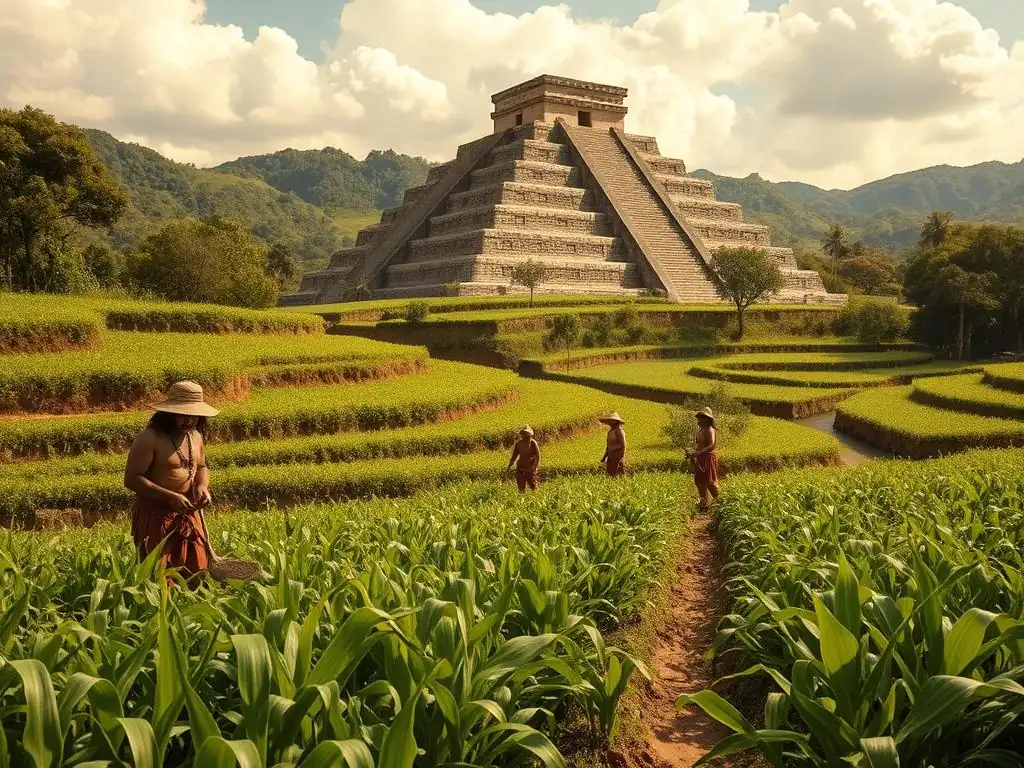
The Toltec civilization, renowned for its advanced agricultural practices, implemented a variety of sustainable techniques that are still relevant today. These methods not only maximized crop yields but also ensured the long-term health of the environment. The following sections delve into specific techniques that characterized Toltec sustainable agricultural practices.
Crop Rotation and Its Benefits
Crop rotation was a fundamental practice among the Toltecs, where different crops were planted in succession on the same land. This technique provided several key benefits:
- Soil Fertility: By rotating crops, the Toltecs could manage soil nutrients more effectively. For instance, legumes would be planted after cereals to replenish nitrogen levels in the soil, enhancing fertility for subsequent crops.
- Pest Control: Rotating crops helped disrupt the life cycles of pests and diseases that might thrive on specific plants. This natural pest control reduced the need for chemical interventions, promoting a healthier ecosystem.
- Diverse Diets: The variety of crops grown through rotation ensured a balanced diet for the Toltec people, thus improving nutrition and resilience against food shortages.
Overall, crop rotation exemplified the Toltec's understanding of ecological balance, allowing them to sustain their agricultural productivity over generations.
Use of Indigenous Seeds for Resilience
The Toltecs placed great emphasis on utilizing indigenous seeds, which were well-adapted to the local environment. This practice offered several advantages:
- Drought Resistance: Indigenous seed varieties often exhibit resilience to local climatic conditions, including drought. By selecting these seeds, the Toltecs could maintain crop yields even in challenging weather.
- Biodiversity: Planting a diverse range of indigenous crops contributed to the overall health of the ecosystem. This biodiversity not only increased resilience to pests but also promoted a more stable environment.
- Cultural Heritage: The use of indigenous seeds was also a way of preserving cultural practices and knowledge passed down through generations. This connection to their heritage was crucial for the identity and traditions of the Toltec people.
Incorporating indigenous seeds into their agricultural practices exemplified the Toltec commitment to sustainability and ecological harmony.
Terracing and Erosion Control
Terracing was another innovative technique employed by the Toltecs to enhance sustainable agriculture and mitigate soil erosion. Key aspects of this practice include:
- Land Management: The creation of terraces on hilly terrain allowed the Toltecs to cultivate crops in areas that would otherwise be unsuitable for farming. This maximized arable land and improved access to water.
- Erosion Prevention: By constructing terraces, the Toltecs effectively reduced soil erosion caused by rainfall. The stepped design slowed water runoff and allowed for better absorption into the soil, preserving topsoil and nutrients.
- Microclimate Creation: Terraces also helped create microclimates that could be advantageous for certain crops. The variation in elevation and exposure could lead to different temperatures and moisture levels, allowing for a wider variety of plants to thrive.
Through the implementation of terracing, the Toltecs demonstrated an acute awareness of their environment, employing strategies that would maintain agricultural viability for future generations.
Water Management: Canals and Irrigation Systems
Water management was a cornerstone of Toltec sustainable agricultural practices, reflecting their deep understanding of the environment and the necessity of efficient resource use. The Toltecs developed sophisticated canals and irrigation systems that allowed them to harness the natural flow of water, ensuring that their crops received the moisture they required, even in the arid climate of central Mexico.
Canals
The Toltecs constructed extensive canal systems that diverted water from rivers and lakes to their agricultural fields. These canals served multiple purposes:
- Irrigation: The primary function was to irrigate crops, allowing for consistent agricultural output despite seasonal variations in rainfall.
- Flood Control: Canals helped manage excess water during heavy rains, preventing flooding of fields and protecting crops from damage.
- Transportation: Some canals also facilitated the movement of goods and people, linking agricultural areas with urban centers.
The design of these canals was remarkable, often featuring a series of ditches and channels that could be adjusted to regulate water flow according to the needs of different crops.
Irrigation Systems
Alongside canals, the Toltecs employed advanced irrigation techniques that exemplified their commitment to sustainable agriculture. These systems included:
- Gravity-Fed Irrigation: The Toltecs utilized the natural topography to create gravity-fed irrigation systems, which required minimal energy to operate. Water was channeled from higher elevations to fields using a series of slopes and channels, ensuring efficient distribution.
- Terracing: In hilly areas, the Toltecs constructed terraces to maximize arable land and manage water runoff. This technique not only enhanced agricultural productivity but also reduced soil erosion, preserving the integrity of the land.
- Floodwater Farming: During the rainy season, the Toltecs practiced floodwater farming, where they strategically flooded fields with collected rainwater. This method enriched the soil with nutrients and allowed for the cultivation of crops that thrived in moist conditions.
Sustainability and Impact
The integration of canals and irrigation systems into Toltec agriculture exemplified their sustainable approach to farming. By optimizing water use, they were able to maintain high crop yields and support a growing population without depleting natural resources. Their methods not only benefited their immediate communities but also set a precedent for future agricultural practices in the region.
The Toltec civilization’s advancements in water management through canals and irrigation systems were vital to their agricultural success. This sustainable approach not only reflected their environmental stewardship but also laid the groundwork for the rich agricultural traditions that would influence generations to come.
The Role of Biodiversity in Toltec Agriculture

Biodiversity played a crucial role in the agricultural systems of the Toltec civilization, enhancing resilience and sustainability in their farming practices. The Toltecs recognized the importance of various plant and animal species in maintaining ecological balance and promoting soil health. This understanding allowed them to cultivate a diverse array of crops that were not only nutritionally rich but also capable of thriving under varying environmental conditions.
Importance of Crop Diversity
The Toltecs cultivated a variety of crops that included maize, beans, squash, and chilies, often referred to as the "Mesoamerican triad." This diverse planting strategy provided multiple benefits:
- Nutritional Balance: By growing different crops, the Toltecs ensured a well-rounded diet that was rich in essential nutrients.
- Pest Management: A varied crop system reduced the likelihood of pest outbreaks, as different plants attracted different insects, effectively disrupting pest cycles.
- Soil Enrichment: Certain crops, particularly legumes like beans, fixed nitrogen in the soil, enhancing soil fertility and reducing the need for chemical fertilizers.
The integration of diverse crops not only contributed to food security but also supported the environment by promoting a healthy ecosystem.
Companion Planting Techniques Used by the Toltecs
Companion planting was a key agricultural technique employed by the Toltecs, wherein specific plants were cultivated together to maximize their growth potential and minimize pests. Some notable examples include:
- Maize and Beans: This classic combination allowed maize to provide structural support for climbing beans while beans enriched the soil with nitrogen.
- Squash as Ground Cover: The broad leaves of squash plants shaded the soil, reducing weed growth and retaining moisture, which benefited both the squash and the surrounding crops.
- Herbs for Pest Control: The Toltecs utilized aromatic herbs that repelled pests, promoting a healthier crop environment without the need for synthetic pesticides.
These companion planting techniques not only optimized crop yields but also demonstrated the Toltecs' deep understanding of ecological relationships.
Integration of Livestock in Agricultural Practices
The integration of livestock into Toltec agriculture was another aspect of their sustainable practices. The Toltecs raised animals such as turkeys, dogs, and small livestock, which provided various benefits:
- Natural Fertilization: Livestock manure was used to enrich the soil, improving its fertility and structure. This natural approach reduced reliance on chemical fertilizers.
- Pest Control: Certain animals helped control pests, further contributing to the health of the agricultural ecosystem.
- Crop Rotation with Livestock Grazing: The practice of rotating crops with livestock grazing allowed for the regeneration of soil and reduced the risk of soil degradation.
This holistic approach to agriculture reflected the Toltecs' commitment to sustainable practices, ensuring the longevity of their agricultural systems and the health of their environment.
Environmental Impact of Toltec Agricultural Practices

The Toltec civilization, which flourished in central Mexico from the 10th to the 12th centuries, exemplified innovative and sustainable agricultural practices that had a profound impact on the environment. Their methods not only ensured food security for their communities but also fostered a balanced relationship with the surrounding ecosystem. This section explores the key aspects of Toltec sustainable agricultural practices, emphasizing their contributions to soil health, land use, and ecological harmony.
Soil Health and Fertility Management
The Toltecs understood the importance of maintaining soil health and fertility as foundational elements of sustainable agriculture. They employed a variety of techniques aimed at enriching the soil while minimizing degradation:
- Crop Rotation: The Toltecs practiced crop rotation, which involved alternating different types of crops in the same field across seasons. This method helped prevent soil nutrient depletion and reduced the risk of pest infestations.
- Organic Fertilizers: Utilizing organic materials such as compost, animal manure, and plant residues was common among the Toltecs. These natural fertilizers improved soil structure, enhanced microbial activity, and provided essential nutrients.
- Terracing: In hilly regions, the Toltecs constructed terraces to reduce soil erosion and manage water runoff. This technique not only preserved the topsoil but also allowed for better cultivation of crops on slopes.
- Agroforestry: The integration of trees and shrubs into agricultural landscapes was practiced, creating a diverse ecosystem. This not only aided in soil stabilization but also provided shade and habitat for beneficial organisms.
Through these practices, the Toltecs maintained the fertility of their lands over generations, demonstrating a deep understanding of sustainable soil management.
Sustainable Land Use Practices
The Toltec civilization exemplified sustainable land use through a series of practices that optimized agricultural output while conserving natural resources:
- Polyculture: Rather than relying on monoculture, the Toltecs cultivated multiple crops in the same area. This diversity helped to create a resilient agricultural system that could withstand pests and diseases more effectively.
- Water Management: The Toltecs developed sophisticated irrigation systems, including canals and reservoirs, to manage water resources efficiently. This approach allowed them to maximize agricultural productivity even in arid conditions.
- Fallows: The practice of leaving certain fields fallow for a period allowed the land to recover. This not only restored soil fertility but also encouraged the growth of native vegetation, which in turn supported local wildlife.
- Controlled Burning: The intentional use of controlled burns helped clear old vegetation and return nutrients to the soil. This method was carefully managed to avoid wildfires while promoting new growth.
These sustainable land use practices ensured that the Toltecs could support their population without depleting the resources of their environment.
The Relationship Between Agriculture and the Local Ecosystem
The Toltecs recognized the interconnectedness of agriculture and the local ecosystem, leading to practices that honored and preserved their natural surroundings. Their agricultural methods contributed to a sustainable balance, including:
- Biodiversity: By cultivating a variety of crops and integrating them with local flora, the Toltecs fostered biodiversity. This not only enhanced agricultural resilience but also supported a rich ecosystem that benefited wildlife and pollinators.
- Soil Conservation: The techniques employed by the Toltecs, such as terracing and agroforestry, contributed to soil conservation. Healthy soils served as a foundation for robust plant growth, ensuring a sustainable food supply.
- Cultural Practices: The Toltecs incorporated cultural rituals and practices that respected the land and its resources. This spiritual connection with nature reinforced their commitment to sustainability and environmental stewardship.
- Ecosystem Services: The agricultural practices of the Toltecs enhanced ecosystem services such as pollination, water purification, and habitat provision. These services were vital for maintaining a healthy environment that supported both agriculture and biodiversity.
The Toltec civilization exemplifies how sustainable agricultural practices can have a long-lasting positive impact on the environment. Their innovative techniques in soil management, land use, and ecological relationships not only secured their food sources but also preserved the natural balance of their ecosystems, setting a profound example for future generations.
Lessons from Toltec Sustainable Agriculture for Modern Practices

How Toltec Methods Inspire Today's Sustainable Farming
The Toltec civilization, flourishing in Mesoamerica from approximately 900 to 1168 CE, developed a suite of sustainable agricultural practices that resonate strongly in today’s environmentally conscious farming methods. By integrating principles of biodiversity, crop rotation, and soil fertility management, the Toltecs exemplified an understanding of ecological balance that modern farmers can learn from.
- Biodiversity and Crop Diversity: The Toltecs cultivated a variety of crops, including maize, beans, and squash, often referred to as the "Three Sisters." This polyculture approach not only enhanced soil health but also reduced pest outbreaks. Modern sustainable farming emphasizes similar principles, advocating for diverse planting strategies to improve resilience against climate change and pests.
- Soil Management Techniques: Utilizing methods such as terracing and the application of organic fertilizers, the Toltecs maintained soil fertility over time. These practices are mirrored in contemporary organic farming, where the focus is on enriching the soil without synthetic chemicals. The incorporation of cover crops and composting systems are direct descendants of these ancient methods.
- Water Conservation: The Toltecs engineered irrigation systems that maximized water efficiency, crucial in arid environments. Today, drip irrigation and rainwater harvesting are modern adaptations that echo these ancient practices, showcasing the importance of water management in sustainable agriculture.
Adapting Ancient Techniques to Contemporary Challenges
In the face of modern agricultural challenges—such as soil degradation, water scarcity, and the impacts of climate change—the adaptation of Toltec agricultural techniques offers valuable lessons.
- Soil Restoration Practices: Techniques like crop rotation and the use of organic matter to restore soil health can be directly applied today. For instance, the use of green manure and cover crops can enhance nutrient cycling and improve the overall soil structure, a method well understood by the Toltecs.
- Sustainable Pest Management: The Toltecs practiced integrated pest management by encouraging beneficial insects and using natural repellents. Modern organic farmers are increasingly adopting these strategies to minimize the use of chemical pesticides, focusing instead on maintaining ecological balance.
- Community-Based Approaches: The Toltec community structure supported collective farming efforts, which can inspire today’s cooperative farming models. By working together, communities can share resources, knowledge, and labor, enhancing resilience and sustainability.
The Relevance of Toltec Practices in Climate Change Mitigation
As the world grapples with the pressing challenges of climate change, the sustainable agricultural practices of the Toltec civilization provide a framework for adaptation and mitigation strategies.
- Carbon Sequestration: By maintaining diverse ecosystems and healthy soils, the Toltecs inadvertently contributed to carbon sequestration. Modern farming practices that emphasize agroforestry and cover cropping can similarly capture atmospheric carbon, addressing one of the critical issues of climate change.
- Water Resource Management: The Toltec approach to efficient irrigation aligns with current strategies aimed at conserving water in agriculture. Techniques such as contour farming and rainwater harvesting can greatly reduce water waste, a pressing need in regions increasingly affected by drought.
- Cultural Resilience: The Toltecs understood their environment intimately, and their practices were a reflection of this knowledge. Today, promoting indigenous knowledge and practices in sustainable agriculture can enhance resilience against climate change, ensuring that agricultural systems are not only productive but also adaptable to changing environmental conditions.
The sustainable agricultural practices of the Toltec civilization offer a wealth of knowledge and inspiration for contemporary farming. By embracing ancient techniques and adapting them to modern challenges, we can cultivate a more sustainable future that honors the lessons of the past.
Conclusion: The Legacy of Toltec Sustainable Agricultural Practices
The Toltec civilization, known for its rich agricultural practices, played a critical role in shaping the agricultural landscape of Mesoamerica. The sustainable agricultural practices they implemented were not only innovative for their time but also laid the groundwork for future generations. The legacy of the Toltecs can be seen in how contemporary farming methods are increasingly looking to the past for sustainable solutions.
Lasting Impact on Indigenous Agricultural Knowledge
The advancements in Toltec sustainable agricultural practices were deeply intertwined with their environment and local ecosystems. Utilizing techniques such as crop rotation, intercropping, and the construction of chinampas (floating gardens), the Toltecs demonstrated a sophisticated understanding of agricultural sustainability. These approaches allowed them to maximize productivity while minimizing ecological degradation.
- Crop Rotation: By alternating the types of crops planted in a specific area, the Toltecs maintained soil fertility and reduced pest populations. This practice not only ensured a stable food supply but also promoted biodiversity.
- Intercropping: The combination of different crops in a single field helped to enhance soil health and reduce the risk of total crop failure. For example, planting maize alongside beans and squash created a synergistic effect that benefited all three crops.
- Chinampas: This method of creating arable land on water bodies showed remarkable ingenuity. By constructing small, rectangular areas of fertile arable land, the Toltecs could cultivate crops while also managing water levels effectively.
The knowledge of these practices has been passed down through generations of Indigenous peoples in the Americas and continues to influence modern sustainable agriculture. The integration of traditional ecological knowledge with contemporary farming methods is vital to ensuring food security in the face of climate change.
The Future of Sustainable Agriculture Inspired by Toltec Practices
As the world grapples with pressing environmental challenges, the Toltec sustainable agricultural practices serve as a guiding light for future agricultural development. Modern initiatives focused on sustainability now often draw inspiration from ancient practices, acknowledging that these time-tested methods can offer solutions to contemporary problems.
- Agroecology: This approach, which emphasizes the ecological principles of farming, resonates with the Toltec understanding of agricultural systems. By promoting biodiversity and soil health, agroecology seeks to create resilient agricultural ecosystems.
- Permaculture: The principles of permaculture align closely with Toltec practices, focusing on creating self-sustaining agricultural systems. By mimicking natural ecosystems, permaculture designs can lead to sustainable food production that conserves resources.
- Community-Based Approaches: The Toltecs thrived on community collaboration and shared agricultural knowledge. Today, similar community-driven initiatives are gaining traction, emphasizing local food systems and collective management of resources.
The sustainable agricultural practices of the Toltec civilization not only contributed to their prosperity but also left an indelible mark on agricultural knowledge. As we move toward a more sustainable future, revisiting these ancient practices may provide critical insights into developing resilient agricultural systems that honor both the Earth and its people. 🌱
Frequently Asked Questions
What were the Toltec sustainable agricultural practices?
Toltec agricultural practices emphasized sustainability through techniques like crop rotation and terracing, which maximized land use while preserving soil quality.
How did the Toltecs influence modern agriculture?
The Toltecs introduced methods that prioritize environmental balance, such as intercropping and natural irrigation, which are still relevant in today's sustainable farming practices.
What crops did the Toltecs cultivate?
The Toltecs primarily grew maize, beans, and squash, utilizing their sustainable practices to enhance crop yield and maintain ecosystem health.
How did the Toltec civilization view their relationship with the environment?
The Toltec civilization held a holistic view of nature, believing in the interconnectedness of all living things, which guided their sustainable agricultural practices.
What is the significance of studying Toltec agriculture today?
Understanding Toltec agriculture provides insights into ancient sustainable practices that can inform modern approaches to environmental conservation and food security.
Final Reflection: Embracing the Wisdom of Toltec Sustainable Agricultural Practices
The legacy of the Toltecs teaches us that sustainable agricultural practices are not merely a trend but a vital necessity for our planet's future. As we face escalating environmental challenges, the ancient wisdom of the Toltec civilization provides a blueprint for harmonizing agriculture with nature. Their innovative techniques remind us that sustainability is not a modern invention but a time-honored principle that can guide our actions today.
The influence of Toltec sustainable agricultural practices extends beyond historical significance; it resonates deeply within our contemporary cultural and social landscapes. As we grapple with climate change, food security, and biodiversity loss, the Toltecs' reverence for the earth and their holistic approach to farming inspire a renewed commitment to environmental stewardship. In every walk with nature, one receives far more than he seeks.
– John Muir. This quote encapsulates the essence of the Toltec philosophy, urging us to reconnect with the land and recognize the profound benefits of sustainable practices.
As you reflect on the insights shared in this article, consider how you can incorporate the principles of Toltec sustainable agricultural practices into your own life. Whether through supporting local farmers, adopting eco-friendly gardening techniques, or advocating for policies that protect our environment, every action counts. Let the wisdom of the Toltecs inspire you to cultivate a more sustainable future, not just for ourselves but for generations to come.
Unveil the Secrets of Sustainable Living!
Thank you for investing your time to explore the fascinating world of ancient agriculture and its sustainable practices! You've uncovered valuable insights into how civilizations thrived in harmony with the environment. Now it's time to take these lessons and apply them to our modern lives.
Here are a few actionable suggestions to deepen your engagement with this critical topic:
- Adopt sustainable practices in your gardening or farming by incorporating techniques such as companion planting and natural soil enrichment methods.
- Explore local indigenous cultures to learn about their agricultural traditions and how they can influence contemporary gardening practices.
- Share your knowledge! Discuss what you’ve learned with friends or social groups interested in sustainability, or even post about it on social media to inspire others.
What ancient agricultural practice do you think could most benefit today's sustainable efforts?