
Political Intrigue: The Rise and Fall of Toltec Leaders

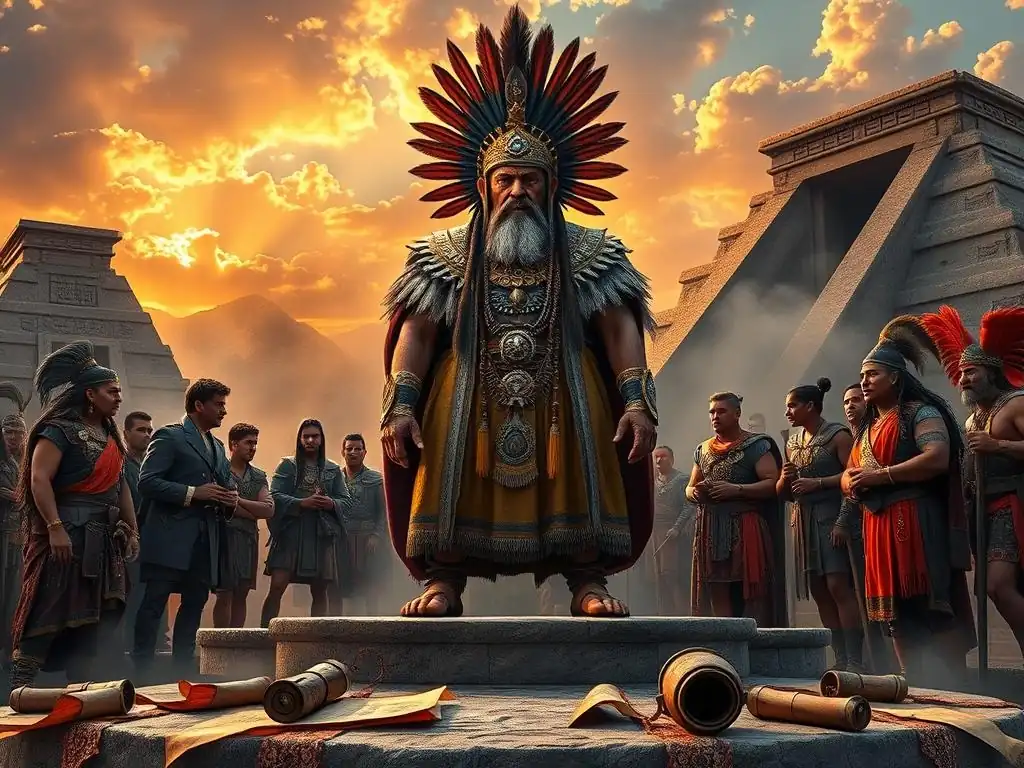
Welcome to Indigenous Civilizations of the Americas, where we invite you to embark on an enlightening journey through the rich tapestry of indigenous cultures that flourished long before European hands reshaped the continent. Here, you will uncover the fascinating world of the Toltec civilization, delving into the political intrigue surrounding Toltec leaders and the intricate dynamics that led to their rise and fall. What secrets lie within their governance and societal structures?
Join us as we unravel these captivating stories and reveal the profound impact these ancient peoples have left on our world today. Dive deeper into the realm of the Toltecs and discover the legacies that continue to shape our understanding of history.
Introduction to Toltec Political Intrigue
The Toltec civilization, flourishing from approximately 900 to 1168 CE in what is now central Mexico, is marked by its complex political structures and the dynamic interplay of power among its leaders. This article delves into the political intrigue surrounding Toltec leaders, examining how their rise and fall shaped the sociopolitical landscape of their time.
Understanding the intricacies of Toltec governance not only highlights the sophistication of their political strategies but also sheds light on the cultural significance of leadership within their society. As we explore the key figures, their alliances, and the influence of religion on their rule, we uncover the rich tapestry of political drama that characterized this influential civilization.
Overview of the Toltec Civilization
The Toltecs are often considered a precursor to the Aztec Empire, known for their impressive architectural achievements, such as the pyramids of Tula, and their advanced agricultural practices. This civilization was distinguished by its militaristic society, which emphasized conquest and territorial expansion. The political structure was hierarchical, with a ruler at the top, who was often seen as a divine figure, supported by a class of nobles and priests.
The Toltecs' influence extended beyond their borders, impacting neighboring cultures through trade, warfare, and religious practices. Their societal organization included:
- Centralized Leadership: A single ruler wielded significant power, often supported by a council of nobles.
- Military Strength: The Toltecs maintained a formidable army, which played a critical role in their expansionist policies.
- Religious Authority: Religion was intertwined with politics, as leaders often claimed divine right to rule.
Importance of Political Structure in Toltec Society
The political structure of the Toltec civilization was vital for maintaining order and facilitating governance. It allowed for the establishment of laws and social norms that guided daily life. Central to this structure were:
- The Cihuacoatl: Often referred to as the “serpent woman,” this role was crucial in managing the affairs of the state and acted as a deputy to the ruler.
- Nobility and Priesthood: These classes held significant power, often engaging in political maneuvering to influence decisions and maintain their status.
Understanding the political hierarchy provides insight into the power dynamics and the frequent shifts in leadership that characterized Toltec society.
The Rise of Toltec Leaders
Key Figures in Toltec Leadership
Throughout Toltec history, several leaders emerged who exemplified political intrigue and ambition. Notable figures include:
- Topiltzin Quetzalcoatl: Revered for his wisdom and connection to the deity of the same name, his reign is often marked by efforts to promote peace and prosperity.
- Tezcatlipoca: A rival of Quetzalcoatl, representing conflict and chaos, his influence on Toltec politics was substantial, often leading to intrigue and power struggles.
These leaders utilized their charisma and strategic alliances to solidify their power, influencing the socio-political landscape of their time.
Political Strategies and Alliances
Toltec leaders were adept at forming alliances, both through marriage and military pacts. These strategies served to:
- Expand Territory: Alliances with neighboring city-states often facilitated conquests and resource acquisition.
- Consolidate Power: By marrying into noble families, leaders could strengthen their claim to power and legitimacy.
The shifting allegiances and betrayals among these leaders created a volatile environment where political intrigue thrived.
Influence of Religion and Mythology on Leadership
Religion played a pivotal role in Toltec political life. Leaders often claimed divine ancestry or connection to deities, which legitimized their rule. Key aspects include:
- Rituals and Ceremonies: Regular ceremonies reinforced the leader’s divine right to govern and maintained public support.
- Mythological Narratives: Stories of gods and heroes were woven into the fabric of political discourse, shaping public perception of leaders.
The intersection of religion and politics not only defined the leadership style of the Toltec rulers but also left a lasting impact on their civilization’s legacy.
Mechanisms of Political Intrigue Among Toltec Leaders
The political landscape of the Toltec civilization was marked by intricate relationships, power struggles, and an array of tactics designed to maintain or challenge authority. This complex web of political intrigue involved several mechanisms that leaders employed to navigate their ambitions and the ambitions of others.
At the heart of Toltec political intrigue was the constant pursuit of power. Leaders often manipulated alliances and rivalries to bolster their positions. They engaged in negotiations with other city-states, forming temporary coalitions to strengthen their influence. Simultaneously, they were acutely aware of the need to eliminate or undermine rivals through various means, including propaganda and strategic marriages that linked powerful families.
Another significant aspect was the role of military might in political maneuvering. Leaders would not only rely on diplomacy but also on their armies to assert dominance. Military campaigns were often cloaked in the guise of religious or cultural missions, allowing leaders to justify their actions while expanding their territories and influence. This dual approach of diplomacy backed by military strength created a perpetually shifting political environment.
Power Struggles and Factionalism
Power struggles among Toltec leaders were a defining feature of their political system. The competition for supremacy often led to factionalism, where groups within the leadership emerged, each vying for control. These factions were typically aligned with various noble families or influential clans, and their rivalries could lead to significant instability.
One notable instance of factionalism occurred during the reign of Ce Acatl Topiltzin, who faced opposition from traditionalist factions that resisted his reforms. This internal dissent highlighted the delicate balance of power; leaders needed to maintain the support of both their military and their noble allies while managing the ambitions of factions that might seek to unseat them.
Factionalism also manifested in the form of political alliances, where leaders would temporarily join forces to counteract a common threat. However, these alliances were often fragile and could quickly dissolve into rivalries as the balance of power shifted, leading to a cycle of conflict and negotiation that characterized Toltec governance.
Espionage and Deception Tactics
Espionage played a crucial role in the political intrigue of Toltec leaders, as obtaining intelligence about rivals’ intentions and capabilities was vital to maintaining power. Leaders employed spies to gather information, which could be used to anticipate enemy actions or to discredit opponents. This practice not only provided a tactical advantage but also fostered a culture of suspicion and paranoia among leaders.
Deception tactics were equally prevalent. Misinformation was a common strategy used to confuse opponents or to create divisions within rival factions. Leaders might spread rumors about a rival’s weakness or intentions, manipulating perceptions to gain the upper hand. This reliance on subterfuge was indicative of a broader understanding that appearances often held as much power as reality in the political arena.
The interplay of espionage and deception created an environment where trust was scarce, and alliances were often temporary. The ability to navigate this treacherous landscape was crucial for any Toltec leader aspiring to ascend the ranks of power.
Role of Nobility in Political Maneuvering
The Toltec nobility played a pivotal role in the political machinations of the civilization. As landowners and military leaders, nobles held significant influence and were often involved in the decision-making processes of governance. Their support was essential for any leader seeking to maintain authority, as they could mobilize troops and resources.
Nobles often acted as intermediaries between the rulers and the common populace, ensuring that the interests of their constituents were represented. However, their loyalty was not guaranteed; nobles frequently engaged in political maneuvering, aligning with rising leaders or factions that promised greater power or rewards. This dynamic created a complex web of allegiances where leaders had to continuously negotiate and navigate the ambitions of the nobility.
Moreover, the intermarriage among noble families served as a strategic tool for consolidating power. By marrying into influential families, leaders could strengthen their political positions and reduce the likelihood of rebellion from powerful factions. However, this strategy also had its risks, as it could lead to the creation of rivalries within the ruling class itself.
Notable Events in Toltec Political History
The political history of the Toltecs is marked by several notable events that illustrate the mechanisms of political intrigue at play within their society. These events highlight the rise and fall of leaders, as well as the impact of factionalism and military conflict on governance.
Major Conflicts and Their Impact on Leadership
Major conflicts in Toltec history often reshaped the political landscape and led to significant changes in leadership. The conflict between Ce Acatl Topiltzin and the traditionalist factions is one such example. This struggle not only resulted in a shift in power but also showcased how internal dissent could destabilize a regime. The eventual defeat of Topiltzin led to a decline in the influence of reformist policies and a resurgence of traditional practices.
Another major conflict involved the military campaigns against neighboring city-states, which were often framed as defensive actions. Such campaigns not only served to expand Toltec territories but also solidified the leadership of successful generals who could claim victories. These events reinforced the idea that military success was a key determinant of political power, further entrenching the idea of martial leadership in Toltec society.
The Fall of Prominent Toltec Leaders
The fall of prominent Toltec leaders often stemmed from a combination of internal dissent and external pressures. For instance, the decline of Topiltzin was not solely due to his political rivals but also the societal backlash against his reforms, which some viewed as radical. His eventual exile marked a significant moment in Toltec history, as it demonstrated the precarious nature of leadership amid competing visions for the future of the civilization.
Similarly, leaders like Huemac faced challenges from both within and outside their ranks. The inability to manage factional rivalries effectively or to maintain the loyalty of the nobility often led to their downfall. These cases illustrate the inherent instability within the Toltec political structure, where the rise to power was frequently accompanied by the risk of rapid decline.
Case Studies of Political Intrigue in Toltec Leadership
Examining case studies of political intrigue among Toltec leaders provides valuable insights into the strategies and tactics employed in their governance. One significant case involves the rise of Itzcali, a leader known for his cunning political strategies. He successfully navigated the treacherous waters of factionalism by playing rival groups against one another, allowing him to consolidate power while eliminating threats.
Another notable case is the intrigue surrounding the leadership of Xolotl, who faced challenges from both external enemies and internal factions. His adept use of propaganda and military displays secured his position temporarily but also highlighted the fragile nature of his rule, as dissent simmered beneath the surface.
These case studies reveal the complexity of Toltec political life, where leaders had to be astute and adaptable, employing a wide range of strategies to survive the ever-shifting dynamics of power. The lessons learned from these historical figures continue to resonate, illustrating the timeless nature of political intrigue.
The Role of Women in Toltec Political Intrigue
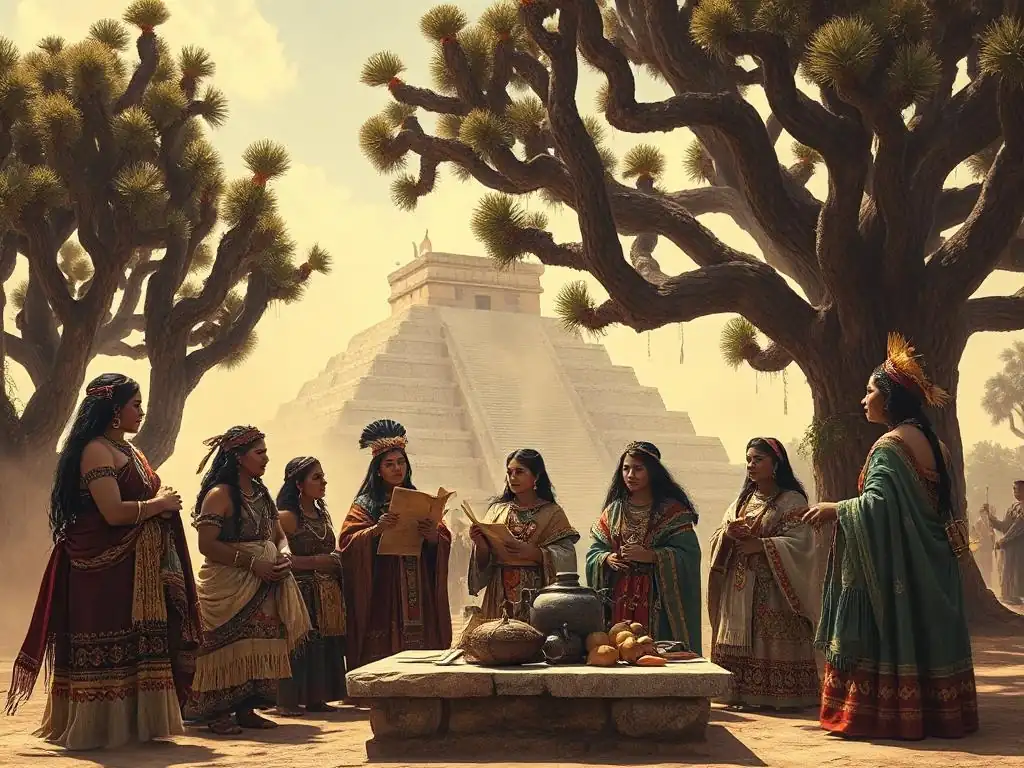
The political landscape of the Toltec civilization was not solely dominated by male leaders; women played a significant role in shaping political intrigue and governance. In many ancient societies, including the Toltec, women were often relegated to subordinate roles. However, the Toltecs recognized the strategic importance of women in political affairs, allowing them to exert influence in various capacities. From religious roles to positions of power, women were key players in the intricate web of Toltec politics.
Women in Toltec society were not only mothers and wives but also political strategists, diplomats, and even rulers. Their involvement in ceremonial and political activities often provided them with the leverage to influence decisions made by male leaders. This dynamic created a unique political environment where female perspectives could significantly alter the course of events.
Female Leaders and Their Influence
Throughout Toltec history, several notable female figures emerged who wielded considerable power. These women were not merely figureheads; they actively participated in governance and decision-making. For instance, historical records suggest that women could inherit property and titles, which was vital in maintaining family alliances and securing political power.
One prominent example is the figure known as Cipactli, who is often cited in Toltec lore as a powerful leader. Her influence extended beyond her immediate family, impacting regional politics and alliances. Female leaders like Cipactli were often involved in negotiations, diplomacy, and military strategy, showcasing the essential role they played in sustaining the Toltec political structure.
The presence of strong female leaders is indicative of a more nuanced understanding of gender dynamics in Toltec society, where women could navigate the challenges of political intrigue with skill and acumen.
Gender Dynamics in Toltec Governance
The governance of the Toltec civilization exhibited a complex interplay between genders. While male leaders often held formal positions of power, women exercised significant informal influence. This duality allowed for a more collaborative approach to governance, where decisions were often made through consensus rather than autocratic rule.
In ceremonial contexts, women were often revered and held in high esteem, further enhancing their political capital. The integration of female perspectives into political discourse contributed to a more holistic governance model. Women’s roles in rituals and ceremonies also solidified their status as key figures in maintaining the social and political order, demonstrating that gender dynamics were integral to the fabric of Toltec governance.
The Fall of the Toltec Leaders
The decline of Toltec leadership marked a tumultuous period characterized by internal strife and external pressures. The fall was not a sudden event but rather a gradual process influenced by multiple factors that interplayed over several decades, leading to the eventual disintegration of Toltec authority.
Factors Leading to the Decline of Toltec Authority
Several internal factors contributed to the weakening of Toltec leadership. Political disunity and factionalism became increasingly pronounced as leaders vied for control. This fragmentation weakened the central authority and made it difficult to maintain order and governance. Additionally, economic challenges, such as resource depletion and trade disruptions, undermined the state’s stability.
The social fabric of Toltec society also began to unravel, with increasing discontent among the populace. As the elite class became more isolated from common citizens, resentment grew, leading to uprisings and revolts. These internal conflicts created a power vacuum that further destabilized the Toltec political landscape.
External Influences and Invasions
The Toltec civilization faced significant external threats that accelerated its decline. Invasions by rival groups, such as the Chichimec and later the Aztecs, posed serious challenges to Toltec authority. These incursions disrupted trade and caused widespread fear, leading to further fragmentation within Toltec society.
Moreover, the military losses against these external forces diminished the prestige and power of Toltec leaders. As the once formidable military might of the Toltecs waned, so did their influence in the region. The combination of internal strife and external invasions ultimately culminated in the fall of the Toltec civilization, marking a significant shift in the political dynamics of Mesoamerica.
The Legacy of Toltec Political Intrigue
Despite their decline, the political intrigue of the Toltec leaders left an indelible mark on the history of Mesoamerica. The governance structures they developed and the strategies employed in political maneuvering influenced subsequent civilizations, including the Aztecs. Many of the political practices and social structures established by the Toltecs continued to resonate in later societies.
The legacy of Toltec political intrigue is reflected in the continued reverence for their cultural and political achievements. The stories of their leaders, both male and female, serve as a testament to the complexities of political life in ancient Mesoamerica. Their experiences provide valuable insights into the dynamics of power, governance, and social organization, enriching our understanding of indigenous civilizations in the Americas.
Conclusion
The rise and fall of Toltec leaders are steeped in political intrigue that shaped not only their civilization but also the broader dynamics of indigenous governance throughout the Americas. This elaborate tapestry of power plays, alliances, and rivalries reveals the complexities of Toltec leadership, illustrating how individual leaders navigated a landscape rife with challenges and opportunities. Understanding these intricacies offers a glimpse into the sophistication of Toltec political structures and the lasting legacies they left behind.
Summary of Key Themes in Toltec Political Leadership
Toltec political leadership was characterized by several key themes that underscore its complexity and significance:
- Centralized Authority: At the heart of the Toltec political system was a strong centralized authority, often embodied by leaders like Topiltzin Quetzalcoatl, who wielded considerable power and influence over their subjects. This centralization enabled the coordination of large-scale projects and military campaigns.
- Religious Integration: Toltec leaders frequently intertwined political authority with religious significance. Rulers were seen not only as political figures but also as divine representatives, which helped legitimize their power and maintain social order. The cult of Quetzalcoatl played a pivotal role in this regard, influencing both governance and cultural practices.
- Political Intrigue and Rivalry: The political landscape was marked by intrigue, with leaders often engaging in strategic alliances and rivalries. This environment fostered a culture of political maneuvering, where leaders had to be adept at navigating treachery and betrayal within their courts.
- Cultural Flourishing: The political structure of the Toltecs also supported cultural and artistic advancements. Leaders promoted the arts and architecture, as evidenced by the impressive constructions in Tula, which served both as political statements and expressions of their cultural identity.
Lasting Impact of Toltec Political Intrigue on Indigenous Governance
The political intrigue of Toltec leaders has left an indelible mark on the governance structures of subsequent indigenous civilizations. Several lasting impacts can be identified:
- Model for Future Governance: The Toltec political framework served as a model for later Mesoamerican civilizations, such as the Aztecs. Elements of centralized authority, religious authority, and political maneuvering were adopted and adapted, shaping the governance styles of future leaders.
- Influence on Political Strategies: The strategies of alliance-building and manipulation observed among Toltec leaders became common practices among later indigenous rulers. This legacy of political intrigue influenced how power was contested and maintained in various regions across the Americas.
- Cultural Narratives: The stories of Toltec leaders, filled with intrigue, have transcended time and continue to be part of the cultural narratives of indigenous peoples. These tales often serve as moral lessons about the nature of power, governance, and the consequences of ambition.
The Toltec leaders' political intrigue not only defined their era but also contributed to the evolution of governance among indigenous civilizations in the Americas. By examining these themes, we gain insight into the complexities of their political landscape and the enduring legacies that continue to resonate today.
- Introduction to Toltec Political Intrigue
- The Rise of Toltec Leaders
- Mechanisms of Political Intrigue Among Toltec Leaders
- Notable Events in Toltec Political History
- The Role of Women in Toltec Political Intrigue
- The Fall of the Toltec Leaders
- Conclusion
Frequently Asked Questions
What were the main achievements of the Toltec civilization?
The Toltec civilization is known for its advanced architectural techniques, impressive artistic expressions, and the establishment of a complex social structure that influenced later cultures like the Aztecs.
How did political intrigue affect Toltec leadership?
Political intrigue played a crucial role in the rise and fall of Toltec leaders, often leading to power struggles, shifts in alliances, and even assassinations that destabilized their rule.
What role did trade play in Toltec society?
Trade was essential to the Toltec economy, as it facilitated the exchange of resources, cultural ideas, and political alliances, contributing to their influence across Mesoamerica.
Who were some notable Toltec leaders?
Some notable Toltec leaders include Topiltzin, who is often associated with the myth of Quetzalcoatl, and Huemac, both of whom played significant roles in shaping Toltec society and its political landscape.
What is the legacy of the Toltec civilization today?
The legacy of the Toltec civilization continues to be felt through their contributions to Mesoamerican culture, including art, architecture, and mythology, which informed later civilizations and are still studied today.
Final Reflection: The Enduring Legacy of Toltec Leaders and Their Political Intrigue
The political intrigue surrounding Toltec leaders serves as a powerful reminder of how ambition, strategy, and conflict shape societies. Today, as we navigate a world rife with political maneuvering and power struggles, the lessons from the rise and fall of these ancient leaders resonate more than ever. Their stories compel us to examine the intricate dance of leadership and the consequences of political decisions, reminding us that the past is not merely a series of events but a continuous thread that influences our present and future.
The legacy of Toltec leaders is not confined to history books; it actively shapes our cultural and social landscapes. Their complex narratives of ambition, betrayal, and resilience echo in modern governance and leadership dynamics. As we witness contemporary leaders grappling with similar challenges, we are reminded of the words of historian David Carrasco: The past is a living entity, influencing the present and guiding the future.
This ongoing influence invites us to reflect on how the lessons of political intrigue can inform our understanding of leadership today.
As you close this chapter on Toltec leaders and their political intrigues, I invite you to reflect on your own experiences with leadership and power dynamics. Consider how the lessons learned from the past can inspire you to navigate your own challenges with wisdom and integrity. Whether in your personal life, community, or professional sphere, let the stories of the Toltec leaders guide you in making thoughtful decisions that honor the complexities of human ambition and the impact it has on the world around us.
Unveil the Legacy: Take Action Today!
Thank you for diving into the rich tapestry of Toltec history with us! Your engagement with the rise and fall of these remarkable leaders not only enhances your understanding of Indigenous civilizations but also honors their legacy. Now, let’s put that knowledge into action!
Here are some steps you can take to further explore and share the fascinating world of the Toltec:
- Join our community: Subscribe to our newsletter for updates on upcoming articles, exclusive insights, and opportunities to engage with fellow history enthusiasts.
- Expand your exploration: Visit your local library or explore online resources to discover more about Indigenous cultures beyond the Toltecs. You might even find an inspiring documentary to watch!
- Share the knowledge: Start a conversation with friends or on social media about what you learned today. Feel free to highlight important lessons from the article and inspire others to delve into Indigenous history as well.
How will you carry forward the stories of the Toltec leaders and their impact on the world?