
Women in Toltec Politics: Their Influence and Power Dynamics

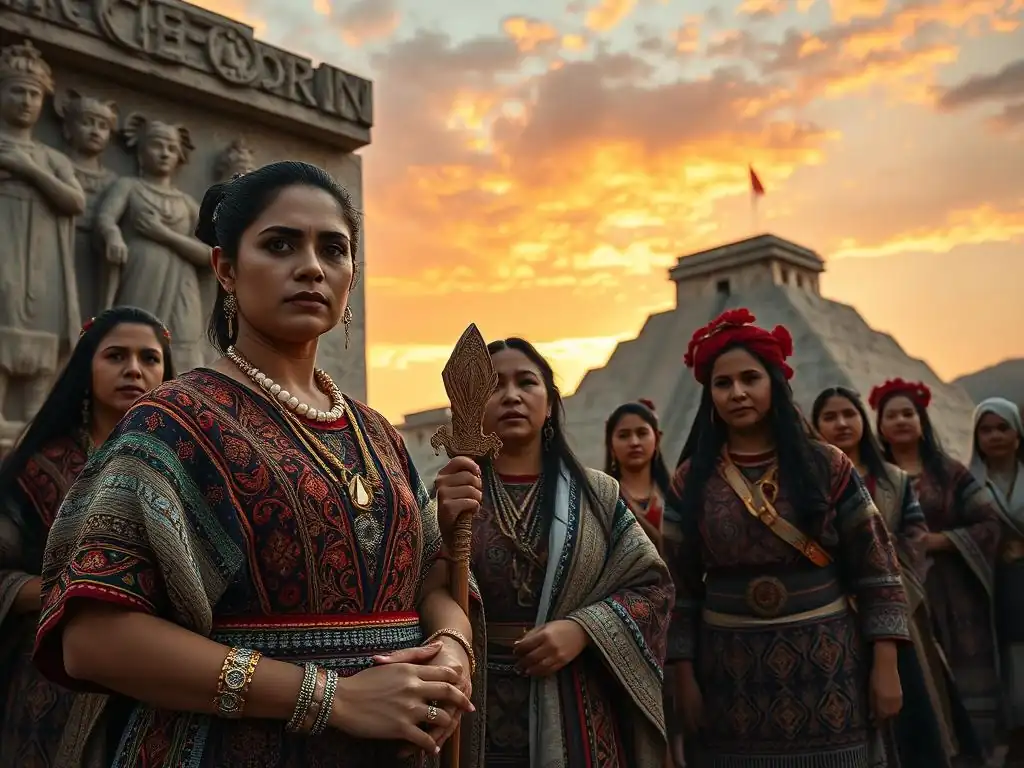
Welcome to Indigenous Civilizations of the Americas, where we invite you to embark on a captivating journey through the rich tapestry of pre-colonial cultures. In this exploration, we delve into the profound political influence of Toltec women, uncovering their pivotal roles and the intricate power dynamics that shaped their society. As you navigate through our pages, you'll discover the remarkable achievements and legacies of these indigenous civilizations that continue to resonate today. Prepare to ignite your curiosity and deepen your understanding of the past—your journey into the heart of Toltec politics begins now!
- Introduction to Toltec Women Political Influence
- Historical Context of Women in Toltec Politics
- Key Figures: Influential Toltec Women
- Mechanisms of Political Influence Among Toltec Women
- Power Dynamics: Women and Leadership in Toltec Culture
- Case Studies of Women in Toltec Political History
- Comparative Analysis: Toltec Women vs. Women in Other Mesoamerican Cultures
- The Legacy of Toltec Women in Contemporary Indigenous Politics
- Conclusion: The Enduring Influence of Toltec Women in Politics
-
Frequently Asked Questions
- What role did women play in Toltec politics?
- How did the political influence of Toltec women differ from other indigenous cultures?
- Were there any notable Toltec women leaders?
- What impact did Toltec women's political roles have on their society?
- How did European colonization affect the political influence of Toltec women?
- Final Reflection: The Enduring Legacy of Toltec Women’s Political Influence
- Embrace the Legacy: Amplify the Voices of Women in Toltec Politics
Introduction to Toltec Women Political Influence
The role of women in the political landscape of the Toltec civilization is a fascinating yet often overlooked aspect of indigenous governance in pre-Columbian America. As we delve into the dynamics of Toltec society, it becomes evident that women were not merely passive participants but rather influential figures contributing to the political framework.
This article aims to illuminate the significant impact of Toltec women on political influence, exploring their roles within the broader context of governance and societal norms. By examining their contributions, we can better understand the complexities of Toltec political structures and the essential place women occupied within them.
Overview of Toltec Civilization and Governance
The Toltec civilization, which flourished between the 10th and 12th centuries in central Mexico, is renowned for its rich cultural heritage and advanced societal organization. Characterized by its impressive architectural achievements, such as the city of Tula, the Toltecs developed a sophisticated political system that laid the groundwork for subsequent Mesoamerican cultures.
- Key Features of Toltec Governance:
- Centralized Authority: The Toltecs established a centralized government led by a ruler, often considered a divine figure who wielded significant power.
- Nobility and Priesthood: A class of nobles and priests played crucial roles in administration, religion, and military leadership, shaping policies and societal norms.
- Military Influence: The Toltec society was heavily militarized, and successful warriors could ascend to positions of power, thereby creating a meritocratic element in governance.
Despite this hierarchical structure, the contributions of women in political decision-making processes and social governance were notable. Women often held positions of influence, particularly within familial and clan structures, which were essential for political alliances and community cohesion.
Importance of Women in Toltec Society
In Toltec society, women were integral not only to the household but also to the political sphere. Their roles varied widely, encompassing responsibilities that extended beyond traditional domestic duties. The influence of Toltec women can be recognized through various avenues:
- Political Alliances: Marriages among elite families often served as strategic alliances, enhancing political stability and power dynamics. Women were key players in these arrangements, negotiating terms and fostering relationships.
- Religious and Ritual Roles: Many women held priestess positions and participated in religious ceremonies, which were vital for legitimizing political authority and maintaining social order.
- Economic Contributions: Women contributed significantly to agricultural production and trade, securing their economic independence and influence within their communities. Their control over resources often translated into political leverage.
Understanding the political influence of Toltec women sheds light on the intricacies of their societal roles and the overarching governance of the Toltec civilization. Their contributions, often overshadowed by their male counterparts, were crucial in shaping the political landscape and maintaining the cultural heritage of the Toltecs. As we continue to explore this theme, we will uncover more about the power dynamics and the lasting legacy of Toltec women in politics.
Historical Context of Women in Toltec Politics
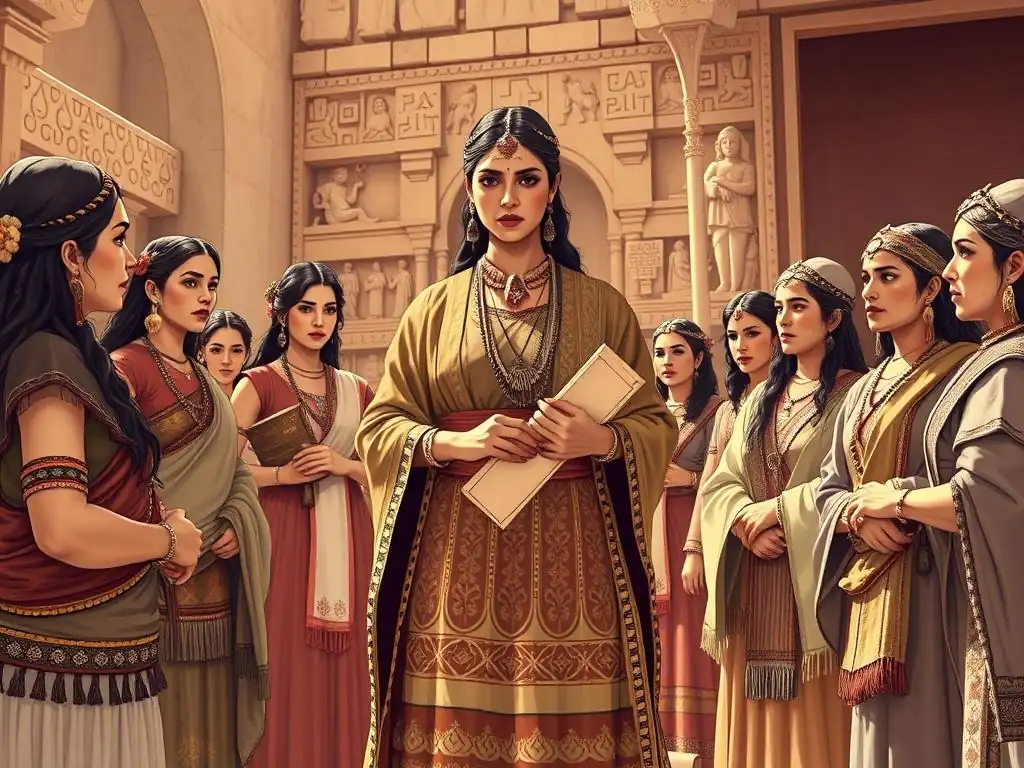
Pre-Columbian Gender Roles in Mesoamerica
Understanding the role of Toltec women in politics requires a look into the broader context of gender roles in Pre-Columbian Mesoamerica. In this era, societies were often patriarchal, but women held significant influence in various aspects of life.
- Matriarchal Elements: Some Mesoamerican cultures, such as the Maya, demonstrated matrilineal traits, where lineage and inheritance were traced through the female line. This created a unique dynamic in which women could wield substantial power, particularly in royal families.
- Religious Authority: Women often held positions of spiritual significance, serving as priestesses in religious ceremonies. Their roles in the spiritual realm frequently translated into political influence, as religious leaders held considerable sway over community decisions.
- Economic Contributions: Women's roles as producers and managers of agricultural resources allowed them to participate in economic decisions. Control over food supplies often granted them a voice in political matters, as food security was central to community stability.
The Toltecs, inheriting aspects of these cultural norms, cultivated a society that, while predominantly male-led, allowed for women's influence in governance and politics through various channels.
The Role of Women in Toltec Society
In Toltec society, women played multifaceted roles that intertwined domestic responsibilities with political influence. Their participation was pivotal in shaping the political landscape of the civilization.
- Noble Lineage: Women from noble families often had a significant political role. They could inherit titles and land, which allowed them to engage directly in political affairs. For instance, marriages among the elite were strategic, designed to forge alliances and consolidate power.
- Political Advisors: Toltec women were sometimes called upon as advisors to their male counterparts. Their insights, derived from managing households and engaging in community affairs, positioned them as valuable contributors to political discourse. The presence of women in advisory roles reflects their capacity to influence decisions at the highest levels.
- Military Participation: Some women also took on active roles in military contexts. While traditionally men were seen as warriors, evidence suggests that women participated in defense and strategic planning, thus impacting the political stability of their communities.
- Cultural Symbolism: Women in Toltec society were often associated with the earth and fertility, which imbued them with a symbolic role in governance. Their representation in art and mythology underscores their importance in the cultural and political narratives of the Toltecs.
In conclusion, Toltec women political influence was embedded in various aspects of society, from noble lineage and advisory roles to cultural symbolism. Their contributions reflect an intricate balance of gender dynamics, illustrating that while the Toltec civilization had patriarchal structures, women were integral to the political fabric. This enduring influence is a testament to the complexity of gender roles in Mesoamerican history.
Key Figures: Influential Toltec Women
The Toltec civilization, known for its rich cultural heritage and sophisticated political structures, also saw significant involvement of women in governance and leadership roles. While historical records are limited, various sources indicate that Toltec women played crucial roles in shaping political dynamics and influencing societal norms. Their contributions highlight the importance of gender in the political landscape of the Toltec society.
Notable Women Leaders in Toltec Politics
Toltec history features several notable women whose leadership and influence were pivotal in the political sphere. Although much of their stories have been lost to time, some key figures stand out:
- Chicomecoatl: Often considered a goddess of agriculture and fertility, Chicomecoatl is believed to have also held political significance. Her representation in myths underscores the idea that women's roles extended beyond mere domestic spheres, intertwining with governance and decision-making.
- Cihuatl: This term refers to women who had died during childbirth and were honored as warrior spirits. The reverence for Cihuatl suggests a societal recognition of women's contributions not just as mothers but as vital figures in warfare and political negotiations.
- Tlaloc's Priestesses: Women often served as priestesses in the worship of Tlaloc, the rain god. Their positions allowed them to wield considerable influence in matters of state, particularly in agricultural policies, which were critical to the Toltec economy and survival.
These women, among others, demonstrate that Toltec women's political influence was rooted in both religious and societal frameworks, allowing them to shape the course of their civilization.
Contributions of Women to Toltec Governance
The contributions of women in Toltec governance were multifaceted, impacting various aspects of political life and societal organization. Here are some key areas where their influence was evident:
- Advisory Roles: Women often served as advisors to male leaders, providing counsel based on their unique perspectives and experiences. This role was crucial in a society that valued collective decision-making and consensus.
- Diplomatic Engagements: Women were frequently involved in diplomatic marriages, which served as strategic alliances between different city-states. These unions were essential for maintaining peace and fostering economic ties, illustrating how women's roles were integral to political stability.
- Cultural Preservation: Women played a vital role in preserving cultural practices and traditions. Their involvement in religious ceremonies and community rituals helped maintain the societal norms that underpinned Toltec governance.
- Economic Influence: As caretakers of the household and community resources, women had significant control over economic decisions. Their management of food production and distribution directly impacted the political landscape, as economic stability was essential for a thriving society.
The political influence of Toltec women was profound and complex, as they navigated their roles within a patriarchal society while contributing significantly to governance, diplomacy, and cultural continuity. Their legacy persists as a testament to the integral role women played in shaping the Toltec civilization.
Mechanisms of Political Influence Among Toltec Women
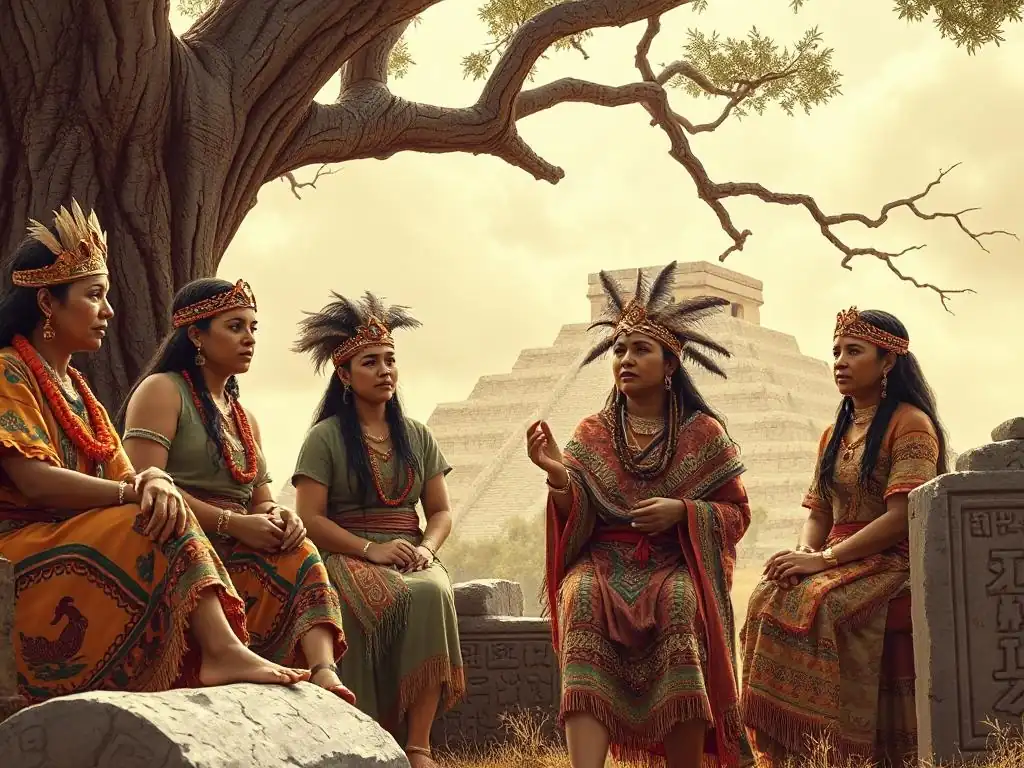
The political landscape of the Toltec civilization was complex and multifaceted, with women playing a significant role in its governance and influence. Understanding the mechanisms through which Toltec women exerted their political influence reveals a nuanced picture of gender dynamics in ancient Mesoamerican societies. This section explores the various avenues through which women navigated their political landscapes, encompassing social structures and religious practices.
Toltec society was characterized by intricate social hierarchies and roles, which allowed women to engage in political affairs. The following factors illustrate how social structures supported women's political influence:
- Lineage and Nobility: Women from noble families often held significant sway in political matters. Their lineage provided them with access to power and resources, enabling them to influence decisions within their communities. For instance, noble women could inherit titles and land, thus solidifying their political relevance.
- Marriage Alliances: Strategic marriages were a common practice among the Toltecs, often used to forge alliances between powerful families. Women served as vital links in these alliances, enabling their families to consolidate power. Through these unions, they could gain influence and act as intermediaries in political negotiations.
- Councils and Advisory Roles: Women were not only passive observers in the political arena; they actively participated in councils and advisory roles. Historical records suggest that women attended important meetings and had a voice in decision-making processes, particularly in matters concerning community welfare and resource allocation.
- Economic Control: Women often managed household economies and local markets, which gave them economic leverage that translated into political influence. Their control over resources allowed them to support political candidates or initiatives that aligned with their interests, further solidifying their role in governance.
Rituals and Religious Practices: A Platform for Influence
Religious and ritual practices provided Toltec women with another avenue to assert their political influence. These practices were deeply intertwined with the political fabric of the society, allowing women to wield power in unique ways:
- Ceremonial Leadership: Women often held positions as priestesses or leaders in religious ceremonies, granting them significant authority within the community. This role enabled them to shape religious narratives and rituals that could bolster their political standing. For example, priestesses could influence public perception of leaders based on their interpretations of divine messages.
- Sacred Spaces: Women often controlled sacred spaces, such as temples, where crucial political decisions were made. Their presence in these spaces allowed them to engage in the spiritual and political life of the community, effectively merging the two spheres. This control over sacred sites facilitated their influence in key rituals that reinforced political alliances.
- Cultural Narratives: The myths and stories surrounding Toltec deities often featured powerful female figures. These narratives provided a cultural framework that celebrated women's roles in society, inspiring contemporary leaders and shaping public sentiment towards female political participation.
- Rituals as Political Commentary: Rituals often served as a platform for political commentary. Women could use these events to advocate for social changes or express dissent against prevailing political structures. By embedding their messages within the rituals, they ensured that their voices were heard in a manner that resonated with the community.
Toltec women wielded considerable political influence through a combination of social structures and religious practices. Their ability to navigate these mechanisms not only enabled them to participate in governance but also left a lasting impact on the political landscape of the Toltec civilization. Understanding these dynamics is crucial for appreciating the role of women in ancient indigenous societies and their contributions to political discourse.
Power Dynamics: Women and Leadership in Toltec Culture
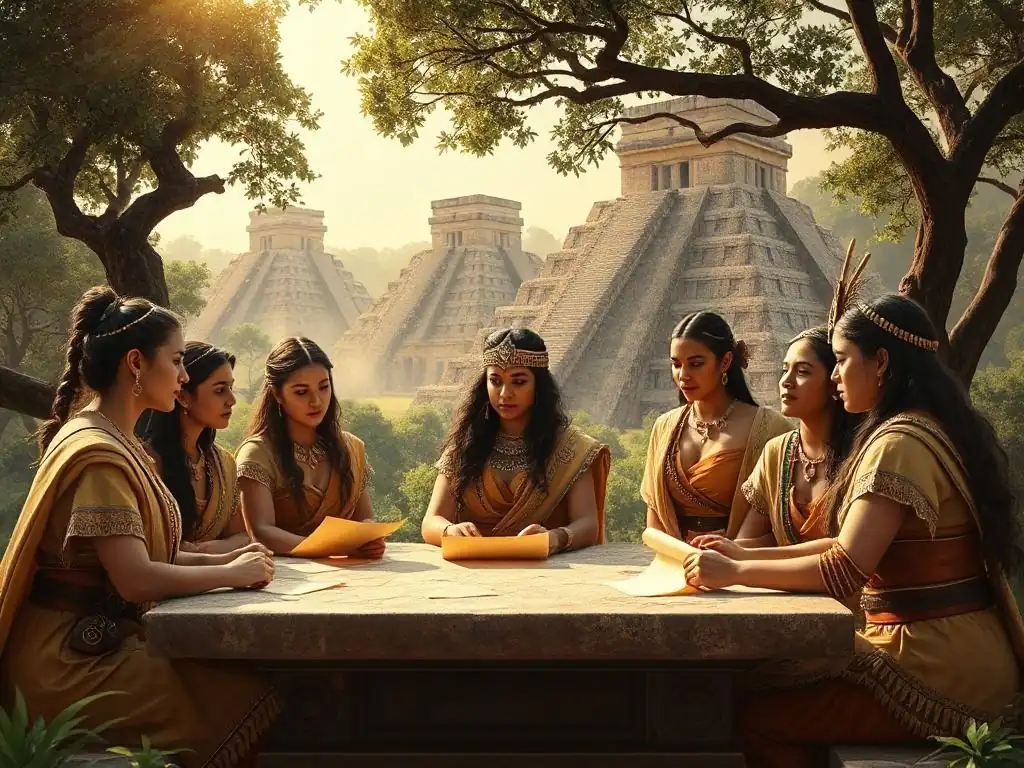
The Intersection of Gender and Power in Toltec Politics
In the Toltec civilization, the role of women in political spheres was multifaceted and complex. Although primarily patriarchal, Toltec society recognized women's contributions, particularly in leadership and governance. Women held significant responsibilities within both the family and public domains, often acting as advisors or influential figures behind the scenes.
- Cultural Context: The Toltecs, who flourished between the 10th and 12th centuries in central Mexico, had a unique view of gender roles. While men were typically seen as primary leaders, women were respected as vital contributors to the social fabric. This cultural framework allowed women to wield influence, particularly in religious and ritual contexts, which were closely tied to political authority.
- Political Representation: Historical records suggest that women could hold titles and positions of power, albeit less frequently than men. For instance, women could serve as priestesses or in other religious roles that intersected with political power. These positions often granted them access to decision-making processes, where their voices could significantly shape community policies and actions.
- Marriage Alliances: Marriages among the elite were strategic tools for maintaining political alliances and consolidating power. Women often played crucial roles in these alliances, negotiating terms and fostering relations between different clans or city-states. Their ability to navigate these social structures illustrates their indirect yet potent influence over political dynamics.
Women’s Influence on Political Decision-Making
The political landscape of the Toltec civilization was not solely dominated by men; women significantly influenced decision-making processes through various means.
- Advisory Roles: Women in the Toltec civilization often took on advisory roles to male leaders. Their insights were valued, especially concerning social and familial matters, which were vital to maintaining stability within the community. Elders and wise women, who possessed extensive knowledge of traditions and customs, frequently advised rulers on issues ranging from conflict resolution to resource management.
- Economic Control: Women managed household economies, which placed them in a position of influence over resource allocation. Their control of agricultural production and trade networks allowed them to impact political decisions significantly. For example, women could sway leaders by influencing the availability of food or essential goods during times of crisis.
- Religious Influence: As custodians of spiritual and cultural practices, women often influenced political decisions through their religious roles. They participated actively in ceremonies that reinforced social order and legitimacy of rulers, thereby shaping public opinion and political outcomes. By aligning religious authority with political power, Toltec women ensured their voices were integral to governance.
The political influence of Toltec women was profound, albeit often understated in historical narratives. Their roles in advisory capacities, economic management, and religious practices demonstrate that women's political influence in Toltec society was a dynamic force that shaped governance and societal structures. Understanding these contributions is essential to grasp the complexity of Toltec political dynamics and the integral role women played in its history.
Case Studies of Women in Toltec Political History
The Influence of Queen Xochitl
Queen Xochitl stands out as a pivotal figure in the political landscape of the Toltec civilization, exemplifying the significant role women played in governance during this time. Historical records, although sparse, suggest that Xochitl wielded considerable influence, particularly in diplomatic and military matters. Her reign is characterized by strategic alliances, where she leveraged her status to forge connections with neighboring city-states.
- Diplomatic Achievements:
- Xochitl is noted for her ability to negotiate treaties that enhanced the stability of the Toltec Empire. For instance, her marriage alliances with powerful leaders from other cultures not only secured peace but also facilitated cultural exchanges that enriched Toltec society.
- Military Leadership:
- Reports indicate that Xochitl led military campaigns against rival factions. Her strategies in warfare were not merely reactive; she often anticipated threats and mobilized her forces proactively. This proactive stance contributed to the consolidation of Toltec power in the region.
- Cultural Patronage:
- Beyond her political and military influence, Xochitl was also a patron of the arts and religion. She commissioned numerous temples and public works, underscoring the intertwining of politics and spirituality in Toltec life. Her support for artists and scholars fostered an environment of intellectual growth, which served to further legitimize her rule.
Xochitl's legacy highlights how Toltec women political influence was not just a matter of inheritance or familial ties; it was rooted in active participation and leadership. By analyzing her life and reign, we gain insight into the complex dynamics of gender and power in Toltec governance.
The Political Role of Matriarchal Figures in Toltec Society
In Toltec society, matriarchal figures were not only central to familial structures but also played vital roles in the broader political arena. Their influence can be observed in various aspects of governance, highlighting a nuanced understanding of power dynamics within the civilization.
- Family and Lineage:
- Matriarchs were often the heads of their families, which positioned them as key decision-makers. This familial authority extended into political realms, with women leveraging their lineage to influence council decisions and succession plans. The importance of maternal lineage often dictated political alliances and social standing.
- Counsel and Advisement:
- Women in positions of influence often served as advisors to male rulers. Their insights were valued in matters of statecraft, as they brought unique perspectives shaped by their experiences. These advisory roles were crucial during times of conflict or transition, where their wisdom could steer decision-making processes.
- Religious Authority:
- Many matriarchal figures held significant religious roles, often serving as priestesses or spiritual leaders. This duality of political and spiritual authority allowed them to shape public policy through religious doctrine, which was deeply intertwined with governance. Their involvement in rituals and ceremonies reinforced their status and influence within the community.
- Economic Power:
- Women managed various economic activities, including agriculture and trade. Control over resources translated into political leverage, as women could fund initiatives, support warriors, or sustain communities during crises. This economic sphere of influence was essential in maintaining the stability and prosperity of the Toltec state.
The examination of matriarchal figures in Toltec politics reveals a complex interplay of gender, power, and authority. Their contributions were instrumental in shaping the political landscape, demonstrating that Toltec women political influence permeated through various facets of society, from governance to economics. The legacy of these women continues to resonate, offering a deeper understanding of the Toltec civilization's rich history.
Comparative Analysis: Toltec Women vs. Women in Other Mesoamerican Cultures
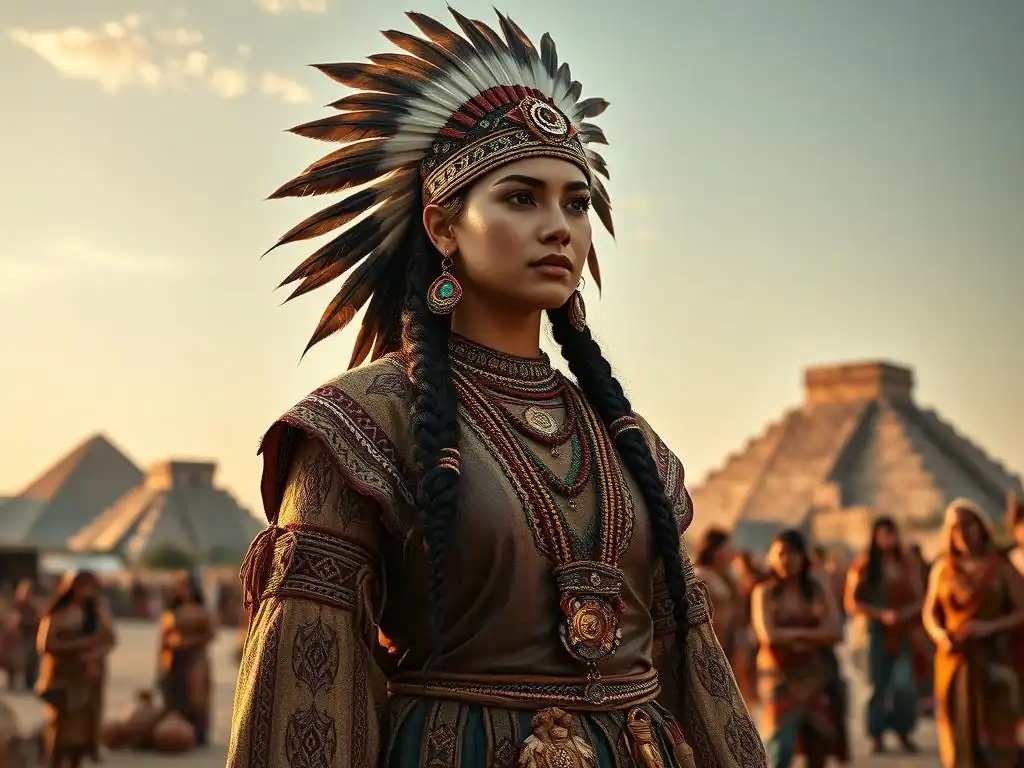
Similarities in Political Influence Across Cultures
Throughout Mesoamerica, women played significant roles in the political landscapes of various cultures, including the Toltecs. A comparative analysis reveals several commonalities in how women exerted political influence across different civilizations, such as the Maya and Aztec.
- Political Advisors and Influencers: In many Mesoamerican cultures, women often served as advisors to male leaders. For instance, among the Maya, women could wield substantial influence through their relationships with male rulers, similar to the roles of Toltec women who influenced political decisions via familial ties or direct counsel.
- Noble Lineages: Women from noble families in cultures like the Aztec and Maya had access to power through their bloodlines. In the Toltec civilization, noblewomen also held a position of significance, often marrying into other influential families to strengthen political alliances. This practice highlights a shared cultural trait where lineage played a crucial role in women's political influence.
- Religious Authority: Many Mesoamerican societies, including the Toltecs, integrated religion into politics. Women often held religious positions that facilitated their political power. For example, priestesses could influence state affairs, a dynamic observed in both Toltec and Aztec cultures, where women's religious roles directly correlated with their political clout.
Distinct Features of Toltec Women's Political Roles
While there are notable similarities between Toltec women and their counterparts in other Mesoamerican cultures, several unique attributes define the political roles of Toltec women.
- Prominence in Governance: Toltec women were particularly influential in governance structures. Unlike some other cultures, where women’s roles were often limited to advisory capacities, Toltec women could hold formal titles and participate directly in governance. Historical records suggest that some women were involved in decision-making processes at the state level, a feature that highlights their distinct political empowerment.
- Military Participation: Toltec women occasionally participated in military campaigns, which is less commonly documented in other Mesoamerican cultures. Their involvement in warfare not only showcased their bravery but also allowed them to influence political outcomes directly, demonstrating a unique blend of martial and political power.
- Cultural Symbolism: Toltec women were also depicted in artistic and cultural expressions that emphasized their political significance. For instance, they were often associated with fertility and agricultural abundance, symbolizing their vital role in sustaining the civilization. This cultural representation of women as key figures in both political and social spheres was more pronounced in Toltec society than in many other Mesoamerican cultures.
While Toltec women shared similarities with other Mesoamerican women regarding political influence, their unique roles in governance, military participation, and cultural symbolism set them apart, illustrating the richness of their contributions to Toltec political dynamics.
The Legacy of Toltec Women in Contemporary Indigenous Politics
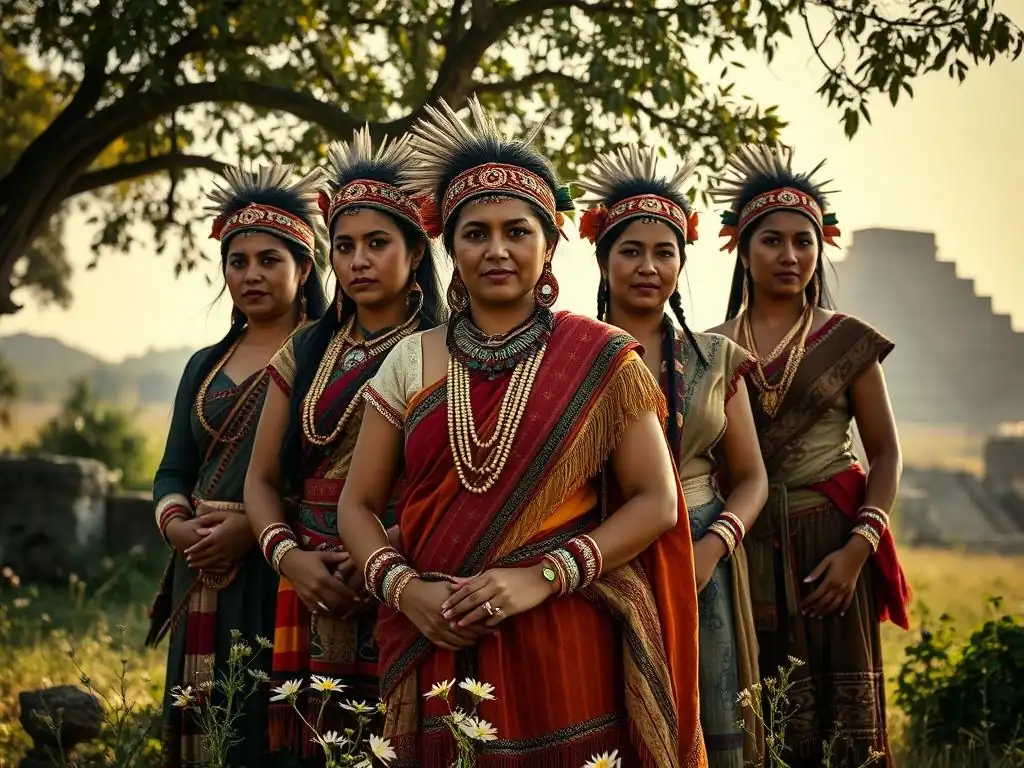
Impact on Modern Indigenous Governance
The influence of Toltec women in political spheres has extended far beyond their era, leaving a profound legacy in contemporary indigenous governance. Historical accounts indicate that Toltec women were not passive figures; they actively participated in political discussions, influencing decisions that shaped their society. This legacy is mirrored today in various indigenous communities across the Americas, where women continue to play pivotal roles in governance and decision-making.
-
Political Roles
Modern indigenous governance often sees women in leadership positions, echoing the historical involvement of Toltec women. For instance, tribal councils frequently include female leaders who advocate for community needs, much like their Toltec predecessors. Their participation is crucial in addressing issues such as land rights, cultural preservation, and social justice.
-
Cultural Revival
The revival of traditional governance structures has also led to an increased recognition of women's roles in leadership. Many contemporary indigenous groups are revisiting pre-colonial political systems, wherein women held significant power. This has empowered modern indigenous women to reclaim their historical roles, fostering a renewed sense of identity and purpose within their communities.
-
Educational Initiatives
Educational programs aimed at empowering indigenous women have emerged, focusing on political literacy and leadership skills. These initiatives often draw inspiration from the achievements of Toltec women, emphasizing the importance of women's voices in shaping political discourse. Through workshops, mentorships, and community engagement, modern indigenous women are building on the foundations laid by their ancestors.
Recognition and Representation of Women in Indigenous Politics Today
The recognition and representation of women in indigenous politics have seen notable advancements in recent years, largely influenced by the historical context of Toltec women's political influence. As discussions surrounding gender equity gain momentum, indigenous communities are increasingly prioritizing the inclusion of women in their political frameworks.
-
Political Representation
Many indigenous nations now have formal structures to ensure women's representation in governance. For example, some tribes have implemented gender quotas to guarantee that women occupy a certain percentage of leadership positions. This approach mirrors the inclusive practices observed in Toltec society, where women's perspectives were valued and sought after.
-
Advocacy Groups
The establishment of advocacy groups dedicated to indigenous women's rights has further enhanced their visibility within political spheres. These organizations work tirelessly to promote policies that support women's issues, drawing on the historical influence of Toltec women as a framework for their efforts. By highlighting the achievements of their ancestors, these groups inspire modern women to engage actively in political processes.
-
Cultural and Political Dialogues
The intersection of cultural identity and political representation has led to dialogues that honor the legacy of Toltec women. Today, indigenous women are increasingly invited to participate in national and international forums, sharing their experiences and advocating for indigenous rights. This recognition underscores the ongoing impact of Toltec women's political influence, as contemporary leaders champion the cause of gender equity and cultural preservation.
The legacy of Toltec women in politics is not merely a historical footnote; it is a living influence that continues to shape the dynamics of indigenous governance today. As modern indigenous women draw strength from their ancestors, they are redefining political landscapes and ensuring that their voices resonate in the corridors of power.
Conclusion: The Enduring Influence of Toltec Women in Politics
The role of women in Toltec politics is a crucial aspect of understanding the broader socio-political landscape of the Toltec civilization. Through their influence, Toltec women contributed significantly to the political dynamics of their society, often acting as powerful figures in both public and private spheres. Their involvement is evident not only in the management of household affairs but also in the strategic alliances formed through marriage and kinship. This multifaceted influence underscores the importance of recognizing gender roles in historical political structures.
Summary of Key Points on Toltec Women Political Influence
- Political Roles and Responsibilities:
- Toltec women were not merely passive participants; they held positions of authority and influence, particularly in the realms of diplomacy and governance.
- Evidence suggests that women could inherit property and titles, thereby establishing their own political identities.
- Marriage as a Political Tool:
- Strategic marriages were vital in strengthening alliances between different city-states and clans. Women often played a crucial role in these negotiations.
- The importance of matrilineal descent in certain contexts allowed women to wield power through their familial connections.
- Religious and Cultural Influence:
- Women were often associated with key deities, and their roles in religious practices further enhanced their status within the community.
- Rituals and ceremonies led by women often served as platforms for asserting their political influence.
- Resistance and Agency:
- Toltec women demonstrated agency by resisting oppressive structures and asserting their rights within their communities.
- Historical accounts indicate instances where women mobilized for political causes, thereby shaping the course of local governance.
- Legacy and Historical Impact:
- The political influence of Toltec women left a lasting legacy that can be traced in subsequent Mesoamerican cultures.
- Their contributions challenge the narrative of female subordination in pre-Columbian societies, highlighting a complex interplay of gender and power.
Future Research Directions on Gender and Politics in Indigenous Cultures
Future studies on the political influence of women in indigenous cultures, particularly within the Toltec civilization, can open new avenues for understanding gender dynamics in historical contexts. Potential areas for exploration include:
- Comparative Analysis:
- Investigate the political roles of women across different Mesoamerican cultures, such as the Maya and Aztec, to identify similarities and differences in their influence and governance structures.
- Archaeological Evidence:
- Focus on archaeological findings that may shed light on women's roles in political and social governance, particularly artifacts related to women leaders or ceremonial practices.
- Oral Histories and Traditions:
- Collect and analyze oral histories that recount the lives and contributions of prominent Toltec women, thereby enriching the historical narrative with indigenous perspectives.
- Interdisciplinary Approaches:
- Utilize frameworks from gender studies, anthropology, and political science to develop a more nuanced understanding of how gender shaped political structures in the Toltec civilization.
- Impact of Colonialism:
- Examine how the arrival of Europeans altered existing gender roles and the political landscape, including the decline of women's influence in the wake of colonization.
By pursuing these research directions, scholars can contribute to a more comprehensive understanding of Toltec women’s political influence and its implications for contemporary discussions on gender and power in indigenous cultures.
Frequently Asked Questions
What role did women play in Toltec politics?
Toltec women held significant political influence within their society, often serving as advisors and even ruling alongside men, which highlights their power dynamics in governance.
How did the political influence of Toltec women differ from other indigenous cultures?
Unlike many other indigenous cultures, Toltec women possessed a unique autonomy and were often involved in decision-making processes, reflecting a more inclusive approach to political power.
Were there any notable Toltec women leaders?
Yes, some Toltec women emerged as prominent leaders and figures of influence, contributing to the political landscape and shaping the societal norms of their time.
What impact did Toltec women's political roles have on their society?
The political roles of Toltec women contributed to a more balanced society, promoting collaboration between genders and fostering social stability within their communities.
How did European colonization affect the political influence of Toltec women?
The arrival of Europeans led to a decline in the political power of Toltec women, as colonization imposed patriarchal structures that diminished their roles and influence in society.
Final Reflection: The Enduring Legacy of Toltec Women’s Political Influence
The exploration of Toltec women’s political influence reveals a profound truth about the role of women in shaping history; their contributions are not merely footnotes but pivotal elements of power dynamics. In today’s world, where gender equality remains a pressing issue, understanding the historical context of women’s influence in societies like the Toltecs serves as a powerful reminder of the potential for change. The legacy of these women challenges us to recognize the importance of inclusive narratives in our understanding of history and politics.
The impact of Toltec women in politics resonates far beyond their time, influencing contemporary discussions about gender roles and leadership. Their stories remind us that women have always been integral to governance and societal structure, often in ways that have been overlooked or undervalued. As noted by historian Susan E. Alcock, “The past is not just a series of events; it is a tapestry woven from the contributions of all its people.” > This perspective encourages us to appreciate the multifaceted nature of history and the vital roles women have played in shaping it.
As we reflect on the lessons from Toltec women’s political influence, let us consider how we can apply these insights to our own lives and communities. Embrace the call to action by advocating for gender equity and recognizing the voices of women in leadership today. Each of us has the power to contribute to a more inclusive narrative, ensuring that the stories of influential women are celebrated and acknowledged. Together, we can honor the legacy of Toltec women by fostering an environment where all voices are heard and valued, paving the way for future generations to thrive.
Embrace the Legacy: Amplify the Voices of Women in Toltec Politics
Thank you for exploring the remarkable world of women in Toltec politics! Your interest not only reveals their influential roles but also enhances our understanding of power dynamics in ancient civilizations. Now, let's take meaningful steps to honor and amplify these voices.
- Delve Deeper: Investigate scholarly articles or books on Toltec history and share your insights with friends or on social media to spark a broader dialogue.
- Engage with Community: Join online forums or local history groups to discuss the impact of gender in indigenous politics and celebrate these compelling narratives.
- Create and Share: Consider writing a blog or producing a video presentation about your discoveries, and invite others to engage with you on this fascinating topic.
As you reflect on these engaging actions, ponder this: How do you believe the representation of women in ancient politics can influence today’s gender dynamics in leadership roles?