
Rituals and Ceremonies: Unveiling the Spiritual Practices of the Toltecs

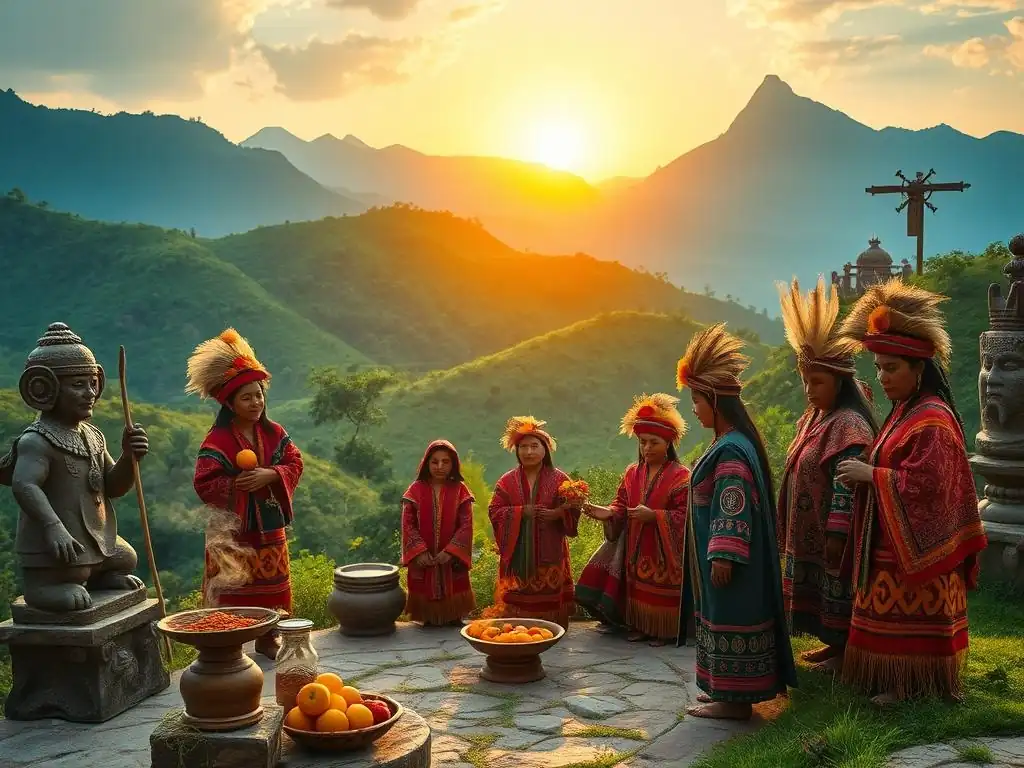
Welcome to Indigenous Civilizations of the Americas, where we invite you to embark on a journey through the rich tapestry of indigenous cultures that flourished long before European contact. In our featured article, “Rituals and Ceremonies: Unveiling the Spiritual Practices of the Toltecs,” we delve deep into the fascinating world of Toltec spiritual practices and rituals, uncovering their significance and the profound influence they continue to wield.
As you explore the remarkable achievements and intricate societies of the Toltecs, prepare to be captivated by the mysteries that lie within their ceremonies. Join us in discovering the enduring legacy of these ancient civilizations and the spiritual wisdom they impart!
- Introduction to Toltec Spiritual Practices and Rituals
- Core Elements of Toltec Spiritual Practices
- Key Rituals in Toltec Spiritual Practices
- The Role of Shamans and Spiritual Leaders in Toltec Traditions
- Comparative Analysis of Toltec Rituals and Practices
- Contemporary Relevance of Toltec Spiritual Practices
- Conclusion: The Enduring Legacy of Toltec Spiritual Practices and Rituals
-
Frequently Asked Questions
- What are the key components of Toltec spiritual practices?
- How did the Toltecs influence other Mesoamerican cultures?
- What types of rituals were commonly performed by the Toltecs?
- How do Toltec spiritual practices relate to modern spiritual beliefs?
- Where can I learn more about Toltec rituals and their significance?
- Final Reflection: Embracing the Wisdom of Toltec Spiritual Practices
- Uncover Your Spiritual Path Today!
Introduction to Toltec Spiritual Practices and Rituals
The Toltec civilization, flourishing in central Mexico from around the 10th to the 12th centuries, is renowned for its rich tapestry of cultural and spiritual beliefs. This article delves into the intricate Toltec spiritual practices and rituals, illuminating how these traditions shaped their society and influenced future generations. The Toltecs, often referred to as the "masters of craftsmanship," not only excelled in art and architecture but also developed a profound understanding of the spiritual world. Their rituals and ceremonies were integral to their identity, serving as a means to connect with the divine and maintain cosmic balance.
Throughout this exploration, we will uncover the significance of these practices, the deities they honored, and the profound impact such ceremonies had on their daily lives. By understanding the spiritual framework of the Toltec civilization, we can appreciate the depth of their beliefs and the legacy that continues to resonate in contemporary indigenous cultures.
Overview of Toltec Civilization and Its Spirituality
The Toltec civilization emerged as a powerful cultural force, characterized by its advanced knowledge in various fields, including astronomy, agriculture, and art. Nestled in the heart of Mesoamerica, the Toltec capital of Tula became a vibrant center for commerce and religious activities. The people of Tula were deeply spiritual, believing in a universe where every aspect of life was interconnected.
Key Components of Toltec Spirituality:
- Dualism: The Toltecs believed in a balance between opposing forces, such as life and death, light and darkness, and the material and spiritual realms.
- Deities and Mythology: They revered a pantheon of gods, with Quetzalcoatl, the feathered serpent, being one of the most significant figures. He symbolized wisdom, wind, and the morning star.
- Sacred Symbols: The Toltecs employed various symbols in their spiritual practices, such as the jaguar, which represented strength and the spiritual journey.
Through their intricate mythology and spiritual beliefs, the Toltecs cultivated a worldview that emphasized harmony with nature and the cosmos. Their rituals often reflected these principles, guiding individuals on their paths to enlightenment and understanding.
Importance of Rituals and Ceremonies in Toltec Culture
Rituals and ceremonies played a pivotal role in Toltec society, acting as vital expressions of their spirituality. These practices not only fostered community ties but also served as avenues for personal and collective transformation.
Types of Rituals and Their Significance:
- Seasonal Festivals: Celebrations aligned with agricultural cycles, such as planting and harvest, were essential for ensuring fertility and abundance.
- Ritual Offerings: The Toltecs performed offerings to appease their gods, often involving food, flowers, and symbolic items, which reinforced their connection to the divine.
- Initiation Ceremonies: These rites of passage were crucial for marking significant life events, such as coming of age, and were often accompanied by elaborate rituals that involved music, dance, and communal feasting.
The ceremonial practices of the Toltecs were not merely traditions but were deeply ingrained in their understanding of life and spirituality. They facilitated communication with the divine and reinforced social cohesion, ensuring the survival of their cultural identity long after the decline of their civilization. Understanding these practices offers invaluable insights into the complex spiritual landscape of the Toltec world and its enduring legacy.
Core Elements of Toltec Spiritual Practices
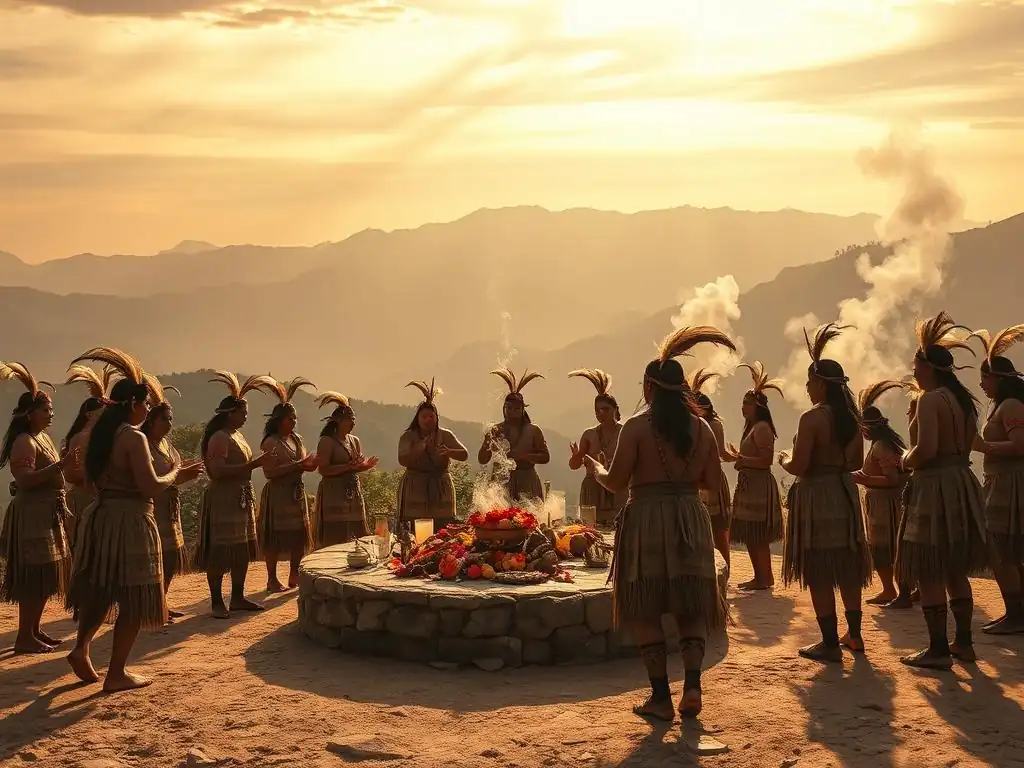
The Toltec civilization, known for its rich spiritual and cultural heritage, developed a complex framework of rituals that were deeply intertwined with their understanding of the universe. At the heart of these practices lies a profound respect for the energies that flow through all beings and the consciousness that connects them to the divine. This section delves into the core elements that define Toltec spiritual practices, revealing the intricacies of their rituals and the symbolic meanings behind them.
The Concept of Energy and Consciousness in Toltec Beliefs
In Toltec spirituality, the concepts of energy and consciousness are foundational. They believed that everything in the universe is composed of energy, and this energy is a manifestation of a greater, universal consciousness. The Toltecs perceived the world as a web of interconnected energies that influence human experiences and spiritual growth.
- Energy as Life Force: The Toltecs understood energy as a vital force that animates all living beings. This life force, often referred to as tonal, is what sustains existence. It is believed that harnessing and directing this energy through rituals can lead to personal transformation and spiritual enlightenment.
- Higher Consciousness: Alongside the concept of energy, the Toltecs recognized a higher state of consciousness known as nagual. This state is seen as the source of wisdom and insight, allowing individuals to connect with the divine and the cosmos. Through various rituals, practitioners aimed to transcend their ordinary perceptions and access this heightened awareness.
- Ritual Practices: To cultivate this awareness, the Toltecs engaged in specific practices that included meditation, breath control, and ceremonial dances. These activities were designed to align the individual's energy with the universal consciousness, facilitating a deeper understanding of their place within the cosmic order.
The interplay between energy and consciousness forms the backbone of Toltec spiritual practices, emphasizing the importance of personal growth and connection to the greater whole.
Symbolism in Toltec Rituals and Ceremonies
Symbolism plays a crucial role in Toltec rituals and ceremonies, providing a rich tapestry of meanings that enhance the spiritual experience. Each symbol carries layers of significance, often reflecting the beliefs and values of the Toltec people.
- The Feathered Serpent: One of the most prominent symbols in Toltec mythology is the Feathered Serpent, known as Quetzalcoatl. This deity embodies the duality of the earthly and the celestial, representing the connection between the material world and the divine. Rituals honoring Quetzalcoatl often involved offerings and prayers for wisdom, creation, and fertility.
- The Sun and Moon: The Toltecs revered celestial bodies, particularly the sun and moon, which were integral to their agricultural cycles and spiritual practices. The sun represented vitality and life, while the moon symbolized intuition and the subconscious. Ceremonies celebrating these celestial entities often coincided with seasonal changes and agricultural festivals.
- Ceremonial Objects: The use of various objects in rituals—such as tlahuitol, ceremonial staffs, and masks—was not merely ornamental but carried deep symbolic meanings. Each object was believed to hold specific energies that could aid in connecting with the spiritual realm. For instance, masks worn during rituals were thought to embody the spirit of the deity being honored, allowing practitioners to channel that energy during the ceremony.
- Colors and Directions: Colors also played a significant role in Toltec symbolism, with each color associated with specific energies and cardinal directions. For example, the color red was linked to the south and the element of fire, embodying passion and transformation, while blue represented the west and water, symbolizing intuition and reflection.
Through the use of rich symbolism, the Toltecs imbued their rituals and ceremonies with profound meaning, creating a vibrant spiritual practice that resonated with their understanding of the universe and its energies.
Key Rituals in Toltec Spiritual Practices
The Ceremony of the Sun: Significance and Execution
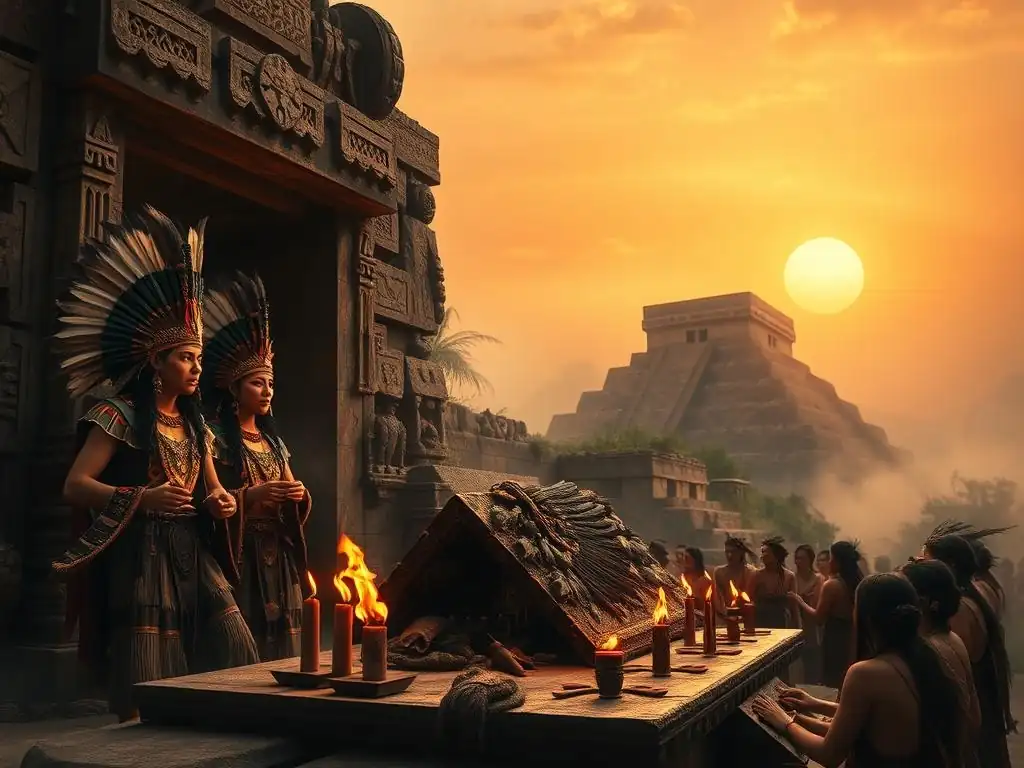
The Ceremony of the Sun, known as Huey Tochtli, was one of the most vital rituals in Toltec spiritual practices. This ceremony was not only a tribute to the sun but also a way to synchronize the community with the cosmic cycles. The Toltecs believed that the sun was a life-giving force, essential for agricultural prosperity and spiritual well-being.
During the ceremony, which typically coincided with the summer solstice, elaborate preparations were undertaken. Temples were adorned with offerings of flowers, fruit, and other tributes, symbolizing gratitude and respect. The ceremony involved several key components:
- Prayer and Chanting: Participants engaged in traditional prayers and chants that invoked the sun's power, seeking blessings for the upcoming harvest season.
- Dancing: Dancers, often adorned in elaborate costumes representing various deities, performed throughout the day. Their movements were both a form of worship and a way to connect with the divine.
- Sacrificial Offerings: In the most sacred moments of the ceremony, offerings, including small animals, were made to honor the sun god and maintain cosmic balance. These sacrifices were believed to ensure the sun's continued journey across the sky.
The execution of this ceremony was a communal event, emphasizing the unity of the Toltec people in their spiritual endeavors.
The Sacred Fire Ritual: Purpose and Process
The Sacred Fire Ritual, known as Tlalocan, played a crucial role in the spiritual life of the Toltecs. Fire was considered a purifying element, a bridge between the material and spiritual worlds. This ritual was performed to invoke the presence of fire deities and to seek their guidance and protection.
Purpose of the Sacred Fire Ritual
The primary purposes of the Sacred Fire Ritual included:
- Purification: Participants believed that fire had the power to cleanse both physical and spiritual impurities. It was a means to achieve a state of spiritual readiness before engaging in other rituals.
- Connection with Ancestors: The smoke from the fire was thought to carry prayers and offerings to the ancestors, ensuring their continued support and blessings.
Process of the Ritual
The process involved several steps:
- Preparation of the Fire Pit: A sacred space was designated, often marked by stones, where the fire would be kindled.
- Offerings: Participants would place offerings, such as incense, herbs, and food, around the pit to honor the fire deities.
- Ignition: The fire was lit using specific rituals, often accompanied by chants to invoke divine presence.
- Meditation and Reflection: As the flames danced, participants engaged in meditation, reflecting on their intentions and desires for the coming period.
Through this ritual, the Toltecs sought to reaffirm their connection with the spiritual realm and ensure the favor of the deities.
The Ritual of the Feathered Serpent: Mythology and Meaning
The Ritual of the Feathered Serpent, associated with the god Quetzalcoatl, was a prominent aspect of Toltec spirituality. Quetzalcoatl represented wisdom, wind, and life, embodying the duality of the earthly and the divine. This ritual was rich in symbolism and served multiple purposes within Toltec society.
Mythology Behind the Ritual
The mythology surrounding the Feathered Serpent emphasizes themes of creation and renewal. According to Toltec beliefs, Quetzalcoatl was responsible for creating humanity and bringing agriculture and knowledge. The ritual often drew upon the legend of his journey, where he descended to the underworld and returned to renew the world.
Meaning and Components of the Ritual
The Ritual of the Feathered Serpent included several key components:
- Dramatic Reenactments: Participants often reenacted myths related to Quetzalcoatl, symbolizing the cycles of life and death, as well as the importance of balance in nature.
- Offerings of Feathers: Feathers, particularly those of quetzal birds, were used extensively in the ceremony, symbolizing the connection between the earthly and the celestial.
- Communal Participation: The ritual was a communal event that fostered unity and reinforced social bonds among participants, emphasizing collective identity.
Overall, the Ritual of the Feathered Serpent was not only a spiritual practice but also a means of reinforcing cultural values and social cohesion within the Toltec civilization. Through these rituals, the Toltecs expressed their profound connection to the divine and the natural world, leaving a lasting impact on their society and future generations.
The Role of Shamans and Spiritual Leaders in Toltec Traditions
Responsibilities of Toltec Shamans in Rituals
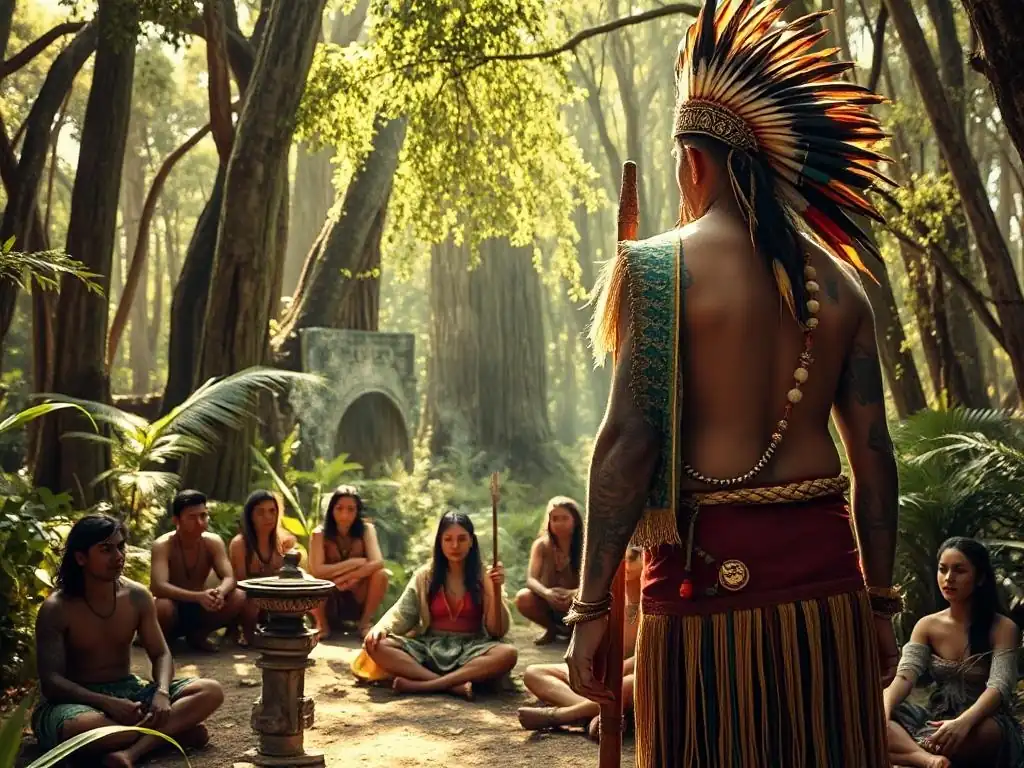
Toltec shamans played a pivotal role in the spiritual landscape of their civilization, acting as intermediaries between the material and spiritual worlds. They were responsible for conducting a variety of rituals that were essential for maintaining the balance between these realms. Their responsibilities included:
- Healing Practices: Shamans were believed to possess the ability to heal physical and spiritual ailments. They utilized a combination of herbal remedies, chants, and prayers to restore health and harmony to individuals and communities.
- Ritual Ceremonies: Central to Toltec spiritual practices, rituals often involved offerings to deities, ancestor veneration, and seasonal ceremonies. These rituals were designed to honor the gods and ensure agricultural fertility, successful hunting, and protection from misfortunes.
- Vision Quests: Shamans guided individuals through vision quests, which were essential for personal growth and spiritual insight. During these quests, participants sought guidance from spirits and ancestors, often through fasting and isolation, to gain clarity about their life paths.
- Divination: Shamans employed various methods of divination to interpret the will of the gods. This could involve reading animal entrails, interpreting dreams, or using sacred objects. These practices helped the community make crucial decisions based on spiritual guidance.
- Ritualistic Drumming and Music: Music played an integral role in Toltec rituals, with shamans often leading ceremonies accompanied by rhythmic drumming and songs that invoked divine presence and facilitated altered states of consciousness.
The Influence of Spiritual Leaders on Community Practices
The influence of spiritual leaders within Toltec society extended far beyond individual rituals; they were vital in shaping community practices and cultural norms. Their impact can be observed in several key areas:
- Cultural Preservation: Spiritual leaders were instrumental in preserving ancient knowledge, myths, and traditions. They served as educators, passing down oral histories and teachings that reinforced cultural identity and continuity.
- Moral and Ethical Guidance: Shamans and spiritual leaders provided moral guidance, helping to establish community values and norms. Their teachings often emphasized the importance of harmony with nature, respect for ancestors, and the collective well-being of the community.
- Conflict Resolution: Spiritual leaders often acted as mediators in disputes, using their authority and wisdom to restore peace. Their involvement lent legitimacy to resolutions, as they were seen as representatives of the divine.
- Ceremonial Leadership: The organization of large-scale ceremonies, such as those related to agriculture or cosmological events, relied heavily on the leadership of shamans. They coordinated events that brought the community together, fostering social cohesion and collective spirituality.
- Integration of New Practices: Over time, Toltec spiritual leaders adapted and integrated new practices and beliefs from neighboring cultures, enriching the spiritual landscape of the Toltec civilization. This adaptability allowed the Toltec spiritual practices to evolve while maintaining core traditions.
The shamanic traditions and the role of spiritual leaders in Toltec society were fundamental to their rituals and ceremonies. Through their multifaceted responsibilities, shamans not only facilitated individual spiritual journeys but also fortified the social and cultural fabric of the community, ensuring that Toltec spiritual practices flourished and endured throughout generations.
Comparative Analysis of Toltec Rituals and Practices
Similarities and Differences with Other Mesoamerican Civilizations
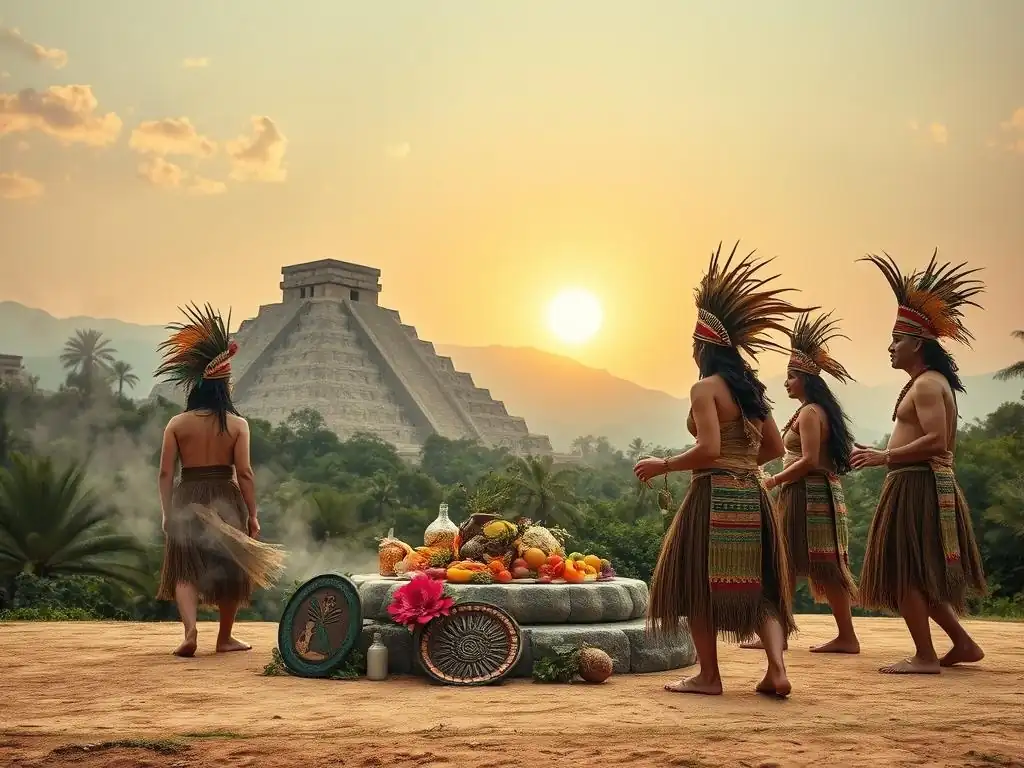
Toltec spiritual practices and rituals share both similarities and distinct differences with those of other Mesoamerican civilizations, such as the Aztecs and the Maya. At the core, all these cultures placed a significant emphasis on the relationship between the material and spiritual worlds, often facilitating this connection through elaborate ceremonies and rituals.
Similarities:
- Polytheism: Like the Aztecs and Maya, the Toltecs worshipped multiple deities. Their pantheon included gods associated with agriculture, war, and creation, reflecting a shared Mesoamerican belief system.
- Ritual Sacrifice: The practice of ritual sacrifice was prevalent across Mesoamerican cultures. The Toltecs, similar to the Aztecs, believed that offerings—whether in the form of food, goods, or human lives—were essential to appease the gods and ensure cosmic balance.
- Calendar-Based Ceremonies: The Toltecs employed a complex calendrical system, much like their contemporaries. This system dictated the timing of various rituals, aligning them with celestial events, agricultural cycles, and religious observances.
Differences:
- Focus on Knowledge and Wisdom: While other cultures emphasized warrior deities and conquest, the Toltecs placed a greater emphasis on knowledge and wisdom. Their rituals often involved the veneration of Quetzalcoatl, the god of wind and learning, showcasing their unique philosophical orientation.
- Architectural Expressions: The Toltecs are known for their architectural innovations, particularly at sites like Tula. Their ritual spaces, marked by distinct stone sculptures and ceremonial platforms, differ from the grand temple complexes seen in Aztec and Maya cities.
- Artistic Symbolism: Toltec art is characterized by its emphasis on duality and transformation. This artistic expression in their rituals often conveyed profound philosophical concepts, distinguishing their practices from those of neighboring cultures.
Influence of Toltec Spiritual Practices on Later Indigenous Cultures
The spiritual practices and rituals of the Toltecs significantly influenced later indigenous cultures, particularly the Aztecs, who revered the Toltecs as a foundational civilization. This influence is evident in various aspects of their spiritual practices.
Key Influences:
- Religious Syncretism: The Aztec religion incorporated many Toltec deities and rituals, adapting them to fit their own cultural narratives. For example, the veneration of Quetzalcoatl was not only retained but expanded upon, leading to the emergence of new myths and practices.
- Architectural Legacy: The architectural styles and ceremonial layouts pioneered by the Toltecs can be seen in later Mesoamerican constructions. The Aztecs imitated the Toltec design of temple platforms and pyramid structures, cementing their influence on urban development.
- Cultural Identity Formation: The reverence for Toltec wisdom and achievements contributed to the ideological framework of subsequent civilizations. The notion of the "Toltec" as a wise and cultured people became integral to Aztec identity, shaping their own understanding of civilization and governance.
Conclusion
The Toltec spiritual practices and rituals not only reflect a rich cultural heritage but also laid the groundwork for the religious and cultural developments of later Mesoamerican societies. By exploring these similarities and differences, as well as their lasting influence, we gain a deeper understanding of the interconnectedness of indigenous civilizations in the Americas.
Contemporary Relevance of Toltec Spiritual Practices
Preservation of Toltec Rituals in Modern Indigenous Communities
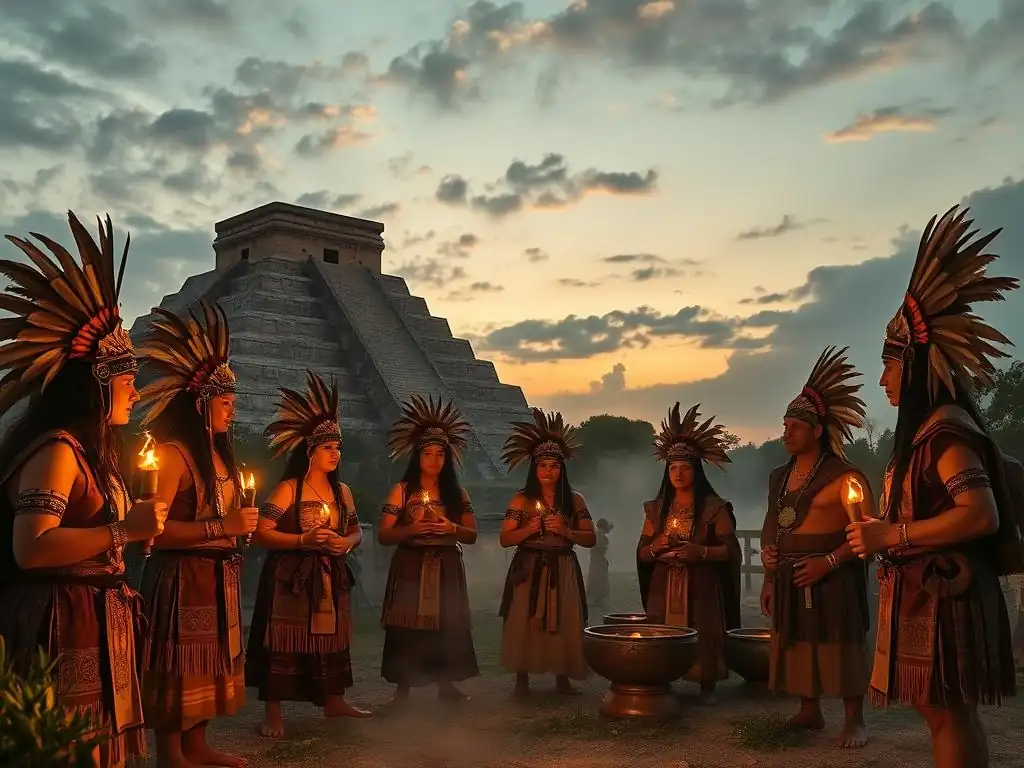
The preservation of Toltec spiritual practices and rituals continues to hold great significance within modern Indigenous communities in Mexico and beyond. Among these communities, there is a concerted effort to maintain and revive traditional ceremonies, which serve not only as a connection to their ancestry but also as a means of cultural identity and resistance against colonial influences.
- Cultural Revitalization Efforts:
- Many Indigenous groups actively engage in cultural revitalization, emphasizing the importance of Toltec rituals as a foundational aspect of their heritage. These efforts often include:
- Workshops and Ceremonies: Community-led workshops aim to teach younger generations the significance of rituals, the meanings behind the symbols, and the proper methods of execution.
- Storytelling: Elders pass down oral traditions, recounting myths and historical narratives that connect the present to the past.
- Many Indigenous groups actively engage in cultural revitalization, emphasizing the importance of Toltec rituals as a foundational aspect of their heritage. These efforts often include:
- Integration of Rituals in Daily Life:
- Toltec rituals are increasingly integrated into the daily lives of community members. This includes:
- Seasonal Ceremonies: Events like the equinox and solstice are celebrated with traditional rites, invoking Toltec deities and honoring the cycles of nature.
- Healing Practices: Many modern practices have roots in Toltec shamanism, with traditional healers utilizing ancient rituals to promote physical and spiritual well-being.
- Toltec rituals are increasingly integrated into the daily lives of community members. This includes:
- Collaboration with Academic Institutions:
- Some communities collaborate with anthropologists and historians to document and analyze these practices. This partnership helps in:
- Archiving Knowledge: Recording rituals and ceremonies ensures their survival for future generations.
- Cultural Exchange: Engaging with academia promotes a broader understanding of Toltec practices among non-Indigenous audiences.
- Some communities collaborate with anthropologists and historians to document and analyze these practices. This partnership helps in:
The Impact of Toltec Spirituality on New Age Movements
The allure of Toltec spiritual practices has transcended cultural boundaries, finding a significant place within New Age movements. This phenomenon has led to a blending of ancient Toltec wisdom with contemporary spiritual ideologies, influencing individuals globally.
- Toltec Teachings in Modern Spirituality:
- The core principles of Toltec spirituality, such as personal freedom, self-awareness, and connection to the universe, resonate deeply with New Age philosophies. Key elements include:
- The Four Agreements: Popularized by Don Miguel Ruiz in his book of the same name, these agreements, rooted in Toltec wisdom, emphasize personal empowerment and ethical living.
- Dreamwork and Intent: Many New Age practitioners incorporate Toltec concepts of dreaming and intent into their practices, viewing them as tools for personal transformation and manifestation.
- The core principles of Toltec spirituality, such as personal freedom, self-awareness, and connection to the universe, resonate deeply with New Age philosophies. Key elements include:
- Workshops and Retreats:
- Numerous New Age workshops and retreats draw upon Toltec practices, offering participants the opportunity to engage in rituals and ceremonies that promote spiritual growth. These often include:
- Guided Meditations: Sessions that incorporate Toltec imagery and themes, facilitating a deeper connection to one's inner self.
- Ceremonial Gatherings: Events that replicate traditional Toltec rituals, allowing participants to experience the richness of this spiritual heritage.
- Numerous New Age workshops and retreats draw upon Toltec practices, offering participants the opportunity to engage in rituals and ceremonies that promote spiritual growth. These often include:
- Critiques and Misinterpretations:
- While the integration of Toltec spirituality into New Age movements has popularized these practices, it has also generated critiques regarding cultural appropriation and misinterpretation. Concerns include:
- Dilution of Authenticity: The commercialization of Toltec rituals can lead to a loss of their original meanings and contexts.
- Respect for Tradition: Advocates emphasize the importance of approaching these practices with respect and understanding, encouraging a responsible exploration of Toltec spirituality.
- While the integration of Toltec spirituality into New Age movements has popularized these practices, it has also generated critiques regarding cultural appropriation and misinterpretation. Concerns include:
The contemporary relevance of Toltec spiritual practices is multifaceted, characterized by preservation efforts within Indigenous communities and their adaptation within New Age movements. This duality highlights the enduring legacy of Toltec rituals, serving as both a vital cultural touchstone for Indigenous peoples and a source of inspiration for a global audience seeking spiritual growth.
Conclusion: The Enduring Legacy of Toltec Spiritual Practices and Rituals
Summary of the Spiritual Significance of Toltec Ceremonies
The Toltec civilization, known for its rich spiritual traditions, regarded rituals and ceremonies as fundamental to their culture. These practices were not merely ceremonial; they were deeply intertwined with their understanding of the cosmos, life, and the interconnectedness of all beings.
- Connection to the Divine: Toltec rituals served as a bridge between the physical and spiritual realms. They believed that through these ceremonies, they could communicate with deities and ancestors, seeking guidance and blessings. Key rituals such as the Feathered Serpent Ceremony showcased their reverence for nature and the divine forces governing it.
- Community Cohesion: The communal aspect of Toltec rituals fostered a sense of belonging and identity among participants. Ceremonies like the New Fire Ceremony involved the entire community, strengthening social bonds and reinforcing cultural values. These events were not only spiritual gatherings but also opportunities for storytelling, sharing knowledge, and celebrating collective identity.
- Personal Transformation: Many Toltec rituals were designed to facilitate personal growth and transformation. Initiatory rites, which often involved trials and challenges, were essential for individuals seeking to elevate their spiritual status. These practices reflected the belief in continuous self-improvement and the pursuit of wisdom, which were cornerstones of Toltec philosophy.
Final Thoughts on the Importance of Understanding Toltec Rituals in Contemporary Society
In today's fast-paced world, understanding Toltec spiritual practices and rituals offers valuable insights into ancient wisdom that can be applied to modern life. The principles underlying these rituals emphasize the importance of mindfulness, community, and the connection to nature—all relevant in our contemporary society facing disconnection and fragmentation.
- Reviving Ancient Wisdom: By studying Toltec rituals, individuals can discover practices that promote mental well-being and spiritual growth. Concepts such as gratitude, respect for the earth, and the pursuit of inner harmony resonate strongly with current movements focused on sustainability and mental health.
- Cultural Appreciation and Respect: Engaging with Toltec spiritual traditions fosters a deeper appreciation for indigenous cultures and their contributions to human civilization. This understanding can counteract historical narratives that have marginalized these societies, promoting a more inclusive view of history.
- Building Bridges Across Cultures: The universal themes found within Toltec rituals can help bridge cultural divides. Emphasizing shared human experiences—such as the quest for meaning, connection, and community—can foster dialogue and understanding among diverse groups.
The Toltec spiritual practices and rituals not only reveal the profound beliefs of an ancient civilization but also offer timeless lessons that can enrich contemporary life. Engaging with these practices encourages a deeper connection to ourselves, each other, and the world around us, ensuring that the legacy of the Toltecs continues to inspire future generations.
Frequently Asked Questions
What are the key components of Toltec spiritual practices?
Toltec spiritual practices emphasize rituals and ceremonies that connect individuals with the spiritual realm and the natural world. These components often include offerings, prayers, and communal gatherings.
How did the Toltecs influence other Mesoamerican cultures?
The Toltecs significantly influenced later civilizations, such as the Aztecs, through their art, architecture, and spiritual beliefs. Their practices and teachings were often integrated into the broader Mesoamerican culture.
What types of rituals were commonly performed by the Toltecs?
Common Toltec rituals included initiation ceremonies, seasonal festivals, and sacrificial rites. These rituals aimed to honor deities and ensure harmony within the community and nature.
How do Toltec spiritual practices relate to modern spiritual beliefs?
Many modern spiritual beliefs draw inspiration from Toltec practices, emphasizing the importance of connection to the earth and personal transformation. This reflects a growing interest in indigenous wisdom and holistic approaches to spirituality.
Where can I learn more about Toltec rituals and their significance?
To explore more about Toltec rituals and their significance, visit the Indigenous Civilizations of the Americas website. It offers a comprehensive exploration of indigenous cultures, including their spiritual practices and legacy.
Final Reflection: Embracing the Wisdom of Toltec Spiritual Practices
In an age where the fast pace of life often overshadows our spiritual needs, the exploration of Toltec spiritual practices and rituals offers a profound reminder of the importance of connection, intention, and reverence in our daily lives. As we navigate the complexities of modern existence, the teachings of the Toltecs resonate deeply, inviting us to pause, reflect, and engage with the sacred aspects of our journey. The rituals and ceremonies of the Toltecs are not mere historical artifacts; they are living practices that can enrich our contemporary experience.
The influence of Toltec spiritual practices extends far beyond their origins, shaping cultural and social landscapes around the world. These rituals encourage us to cultivate mindfulness and foster a deeper understanding of our interconnectedness. As we engage with these ancient traditions, we find ourselves part of a larger tapestry of human experience. The Toltec way is about living in harmony with the universe, recognizing the sacred in every moment.
This perspective not only enhances our personal growth but also inspires a collective awakening to the spiritual dimensions of life.
As we conclude this exploration of Toltec rituals, I invite you to reflect on how these teachings can be woven into your own life. Consider how you might incorporate moments of intention, gratitude, and connection into your daily routine. Whether through meditation, ceremony, or simply a mindful pause, embracing these practices can lead to a more enriched and purposeful existence. Let the wisdom of the Toltecs guide you as you embark on your own spiritual journey, reminding you that every moment holds the potential for transformation and connection to the divine.
Uncover Your Spiritual Path Today!
Thank you for joining us on this journey to explore the fascinating rituals and ceremonies of the Toltecs. We hope this article has offered you valuable insights into their profound spiritual practices. Now, it’s time to take the next step on your own spiritual path!
Here’s how you can connect more deeply with the teachings of the Toltecs and enrich your understanding:
- Engage with the Wisdom: Incorporate a Toltec-inspired ritual into your weekly routine. This could be a simple meditation or setting aside time each day for gratitude.
- Explore Further: Dive into literature about Toltec philosophy or attend workshops in your community to expand your knowledge and experience.
- Share the Insight: Discuss what you’ve learned with friends or family. Consider hosting a small gathering to share these ancient practices and explore their relevance in today's world.
How do you plan to incorporate the wisdom of the Toltecs into your daily life? We’d love to hear your thoughts!