
The Role of Ancestors in Toltec Spirituality: Honoring the Past for the Future

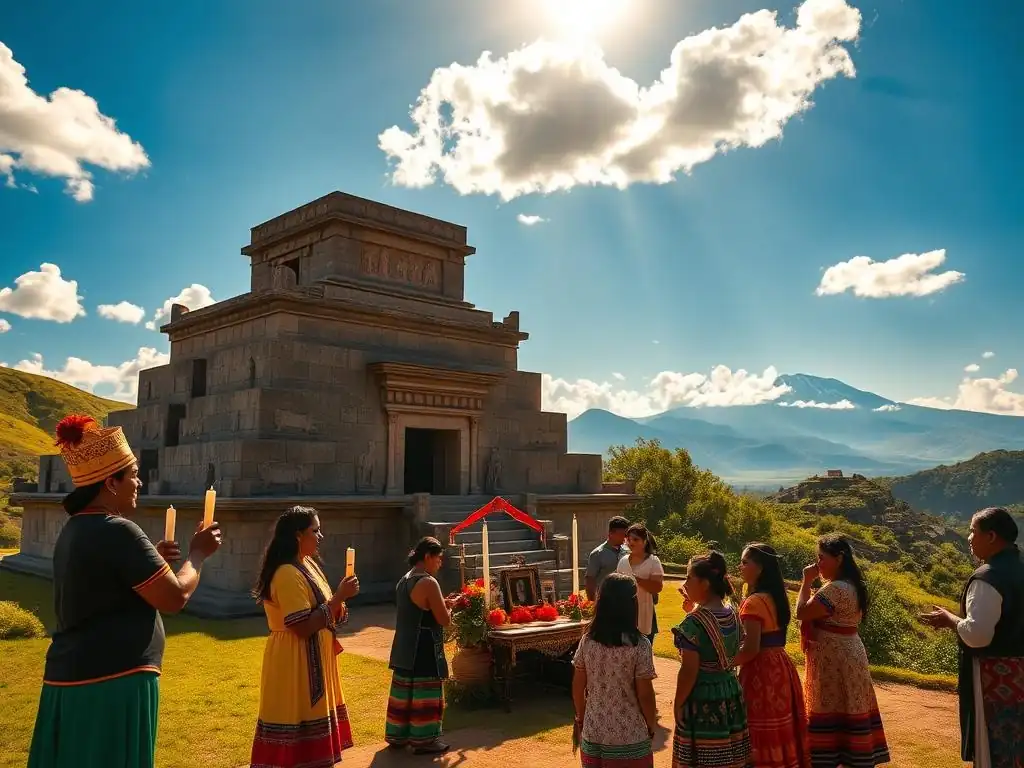
Welcome to Indigenous Civilizations of the Americas, where we invite you to embark on a fascinating journey through the rich tapestry of indigenous cultures that flourished long before European colonization. In our featured article, “The Role of Ancestors in Toltec Spirituality: Honoring the Past for the Future,” we delve into the profound connection the Toltecs had with their ancestors, exploring how this relationship shaped their spiritual beliefs and societal values.
Join us as we uncover the wisdom of the past and discover how these ancient practices continue to resonate today. Your adventure into the heart of Toltec civilization awaits—let's dive deeper!
Introduction to Toltec Spirituality and Ancestors
Toltec spirituality is a rich and intricate tapestry woven from the threads of ancient beliefs, practices, and cultural values that characterized the Toltec civilization, which thrived in central Mexico from approximately 900 to 1168 CE. This spiritual framework emphasizes a profound connection to the land, the cosmos, and, importantly, the ancestors. Understanding the role of ancestors in Toltec spirituality is crucial for grasping the holistic worldview of the Toltec people. They believed that ancestors were not merely remnants of the past; instead, they were active participants in the lives of the living, offering guidance, wisdom, and protection.
In Toltec thought, ancestors held a sacred status, serving as a bridge between the earthly realm and the spiritual world. This connection is manifested in various rituals, traditions, and daily practices that honor their memory and contributions. The reverence for ancestors is not only a cultural reflection but also a vital aspect of maintaining the continuity of identity and values within the Toltec community. By honoring their ancestors, the Toltecs reaffirmed their ties to their heritage, acknowledging the enduring influence of those who came before them.
Importance of Ancestors in Toltec Beliefs
The significance of ancestors in Toltec beliefs cannot be overstated. They were seen as custodians of knowledge and tradition, embodying the collective wisdom of the community. This reverence for ancestral spirits is deeply embedded in various aspects of Toltec life:
- Guidance and Protection: Ancestors were believed to guide the living through challenges and decisions. Their spirits were often called upon in prayer and ritual, seeking assistance and protection in daily life.
- Cultural Continuity: The Toltecs viewed their ancestors as integral to the preservation of their culture. Rituals honoring ancestors served to transmit values, stories, and teachings to future generations, ensuring that their legacy lived on.
- Ritual Practices: Various ceremonies, such as offerings and altars dedicated to ancestors, were common practices. These rituals fostered a sense of community and belonging, reinforcing social bonds among the living while honoring their lineage.
- Connection to the Divine: Ancestors were often seen as intermediaries between the living and the divine. The Toltecs believed that by honoring their ancestors, they could forge a stronger connection to the spiritual realm, facilitating communication with the gods.
The role of ancestors in Toltec spirituality is a vital element that underscores the interconnectedness of life, death, and the continuum of existence. By recognizing and honoring their ancestors, the Toltec people not only celebrated their past but also enriched their present and future, creating a legacy that resonates throughout the centuries.
Understanding Toltec Spirituality
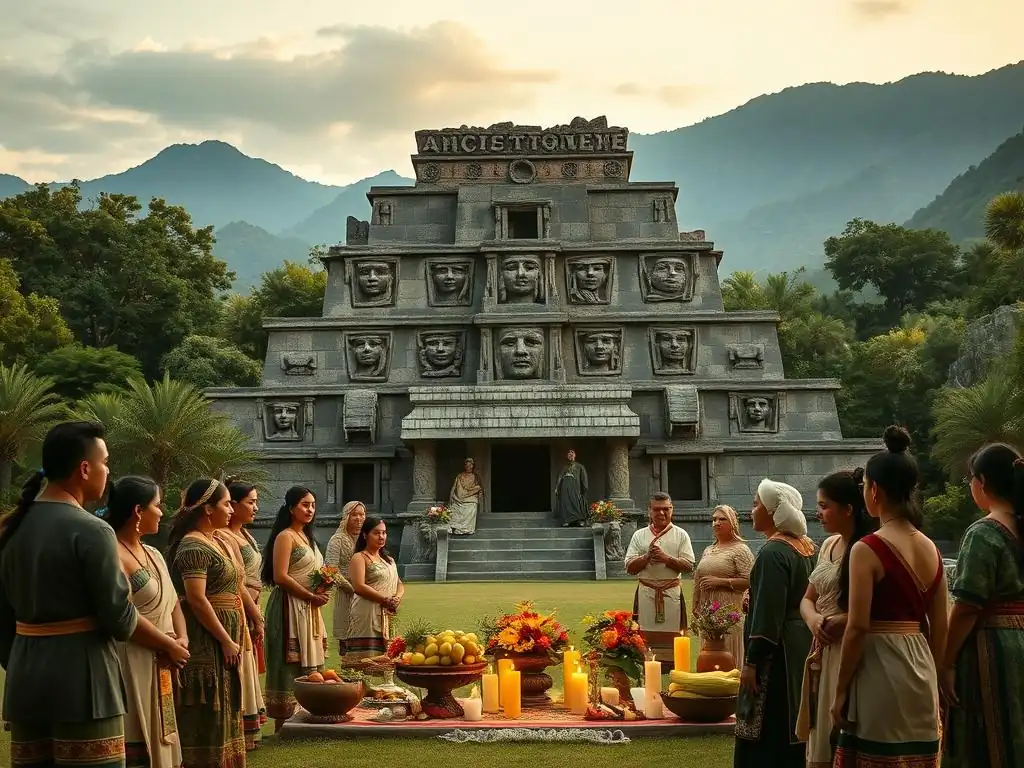
Defining Toltec Spirituality
Toltec spirituality is a rich and intricate belief system that emerged from the Toltec civilization, which flourished in central Mexico from around the 10th to the 12th century. This spirituality is characterized by a deep reverence for nature, the cosmos, and a profound understanding of the interconnectedness of all life. At its core, Toltec spirituality emphasizes personal transformation, self-awareness, and the pursuit of knowledge.
The term "Toltec" itself translates to "artisan" or "master craftsman," which underscores the emphasis on skill, creativity, and the pursuit of excellence in various aspects of life, including spiritual practices. Central to Toltec spirituality is the concept of Nagual—a term that refers to the spiritual essence or personal power that every individual possesses. This connection to one’s Nagual is believed to be a pathway to higher consciousness and enlightenment.
Core Principles of Toltec Spirituality
Toltec spirituality is founded on several core principles that guide practitioners in their spiritual journeys. These principles include:
- Intent: The driving force behind every action and thought. Intent shapes reality and influences the paths individuals take.
- Mindfulness: Acknowledging the present moment and being aware of one’s thoughts and feelings. This practice helps in achieving clarity and focus.
- The Dreaming: Understanding life as a dream and recognizing the power of dreams in shaping perceptions and experiences. The dreaming state is considered a sacred space for exploration.
- Personal Responsibility: Accepting ownership of one's actions and their consequences. This principle fosters a sense of empowerment and encourages individuals to take charge of their lives.
- Connection to Nature: Recognizing the sacredness of nature and the importance of living in harmony with the environment. This connection is integral to spiritual practices and rituals.
These principles serve as a foundation for individuals seeking to deepen their understanding and practice of Toltec spirituality.
The Connection Between Ancestors and Spirituality
In Toltec spirituality, the ancestors hold a revered place, serving as guiding spirits and sources of wisdom. This connection to ancestors is not merely a cultural tradition; it is a vital aspect of spiritual practice. The Toltecs believed that ancestors possess insights that can inform and guide the living, creating a bridge between past and present.
Honoring Ancestors:
- Rituals and Offerings: The Toltecs engaged in various rituals to honor their ancestors, which included creating altars adorned with offerings such as food, flowers, and sacred objects. These offerings were meant to nourish the spirits and acknowledge their continued presence in the lives of their descendants.
- Storytelling: Oral traditions played a crucial role in preserving the knowledge and experiences of ancestors. Storytelling was a way to pass down teachings, lessons, and cultural values, ensuring that the wisdom of the past remained alive.
Impact on Personal Spirituality:
- Guidance and Protection: Many Toltecs sought guidance from their ancestors during significant life events or challenges. This connection provided a sense of belonging and reassurance, as individuals felt supported by the wisdom of those who came before them.
- Cultural Identity: Understanding and honoring ancestors fostered a strong sense of identity among Toltec practitioners. It reinforced the importance of community and the shared history that binds individuals to their heritage.
The connection between ancestors and spirituality in Toltec belief systems is profound and multifaceted. It shapes personal journeys, informs communal practices, and ultimately honors the legacy of those who paved the way for future generations. This reverence for ancestors is a cornerstone of Toltec spirituality and ancestors, emphasizing the importance of honoring the past to create a meaningful future.
The Role of Ancestors in Toltec Culture
Ancestor Worship and Its Significance
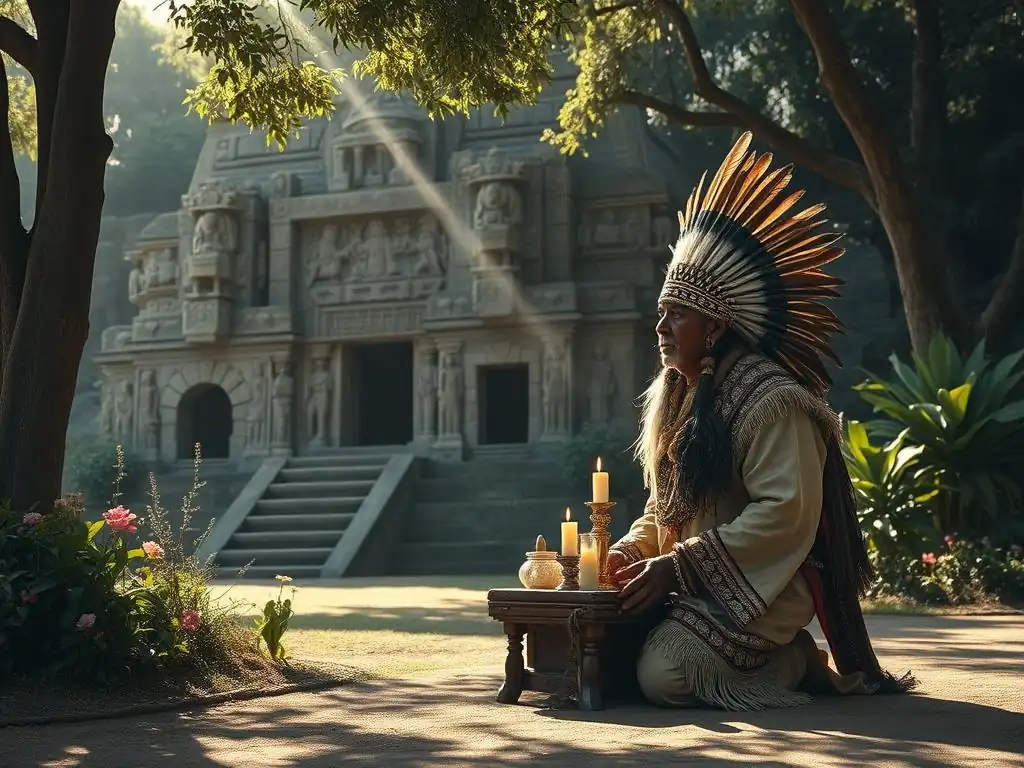
Ancestor worship played a pivotal role in Toltec spirituality, reflecting a profound respect for the lineage and the teachings passed down through generations. The Toltecs believed that ancestors were not just deceased family members; they were revered spiritual guides who continued to influence the living. This connection to the past was fundamental in shaping their identity and moral framework.
The significance of ancestor worship can be observed in several ways:
- Guidance and Wisdom: Ancestors were seen as sources of wisdom. The Toltecs sought guidance from them during important decisions, believing that the spirits of their forebears could provide insight and direction.
- Cultural Continuity: By honoring their ancestors, the Toltecs maintained a sense of cultural continuity. Rituals and stories were passed down, preserving the history, traditions, and values of their civilization.
- Spiritual Protection: The Toltecs believed that honoring ancestors could invoke their protection. Rituals aimed at appeasing ancestral spirits were thought to safeguard the community from misfortune or malevolent forces.
Rituals and Practices Honoring Ancestors
Toltec spirituality was rich with rituals and practices designed to honor ancestors, integrating them into the fabric of daily life and ceremonial observances. These practices included:
- Offerings: The Toltecs made offerings of food, flowers, and incense at altars dedicated to their ancestors. These offerings were believed to nourish and please the spirits, ensuring their continued favor.
- Ceremonial Days: Specific days were designated for the remembrance of ancestors, often celebrated with communal gatherings. These events included storytelling, music, and dance, fostering a collective memory within the community.
- Ritualized Mourning: Mourning practices were integral to honoring the deceased. The Toltecs observed periods of mourning that allowed for reflection and respect, emphasizing the ongoing bond between the living and the dead.
- Divination and Communication: Some rituals involved divination practices to communicate with ancestors. Priests or shamans would enter trance states to receive messages or insights from the spirit world, facilitating a dialogue between the living and their forebears.
The Influence of Ancestors on Daily Life
The influence of ancestors permeated various aspects of daily life in Toltec society, shaping their values, behaviors, and social structures. Key areas impacted by this ancestral connection include:
- Ethical Framework: Ancestral teachings provided a moral compass for the Toltecs. Values such as respect, courage, and community solidarity were often derived from ancestral wisdom, guiding interpersonal relationships and societal norms.
- Art and Expression: Artistic expressions, from pottery to murals, frequently depicted ancestors and ancestral themes. These artworks served not only as a form of reverence but also as a reminder of the cultural heritage and the lessons imparted by those who came before.
- Social Hierarchies: Lineage influenced social status within Toltec society. Individuals from esteemed ancestral lines were often accorded greater respect and authority, reinforcing the importance of ancestry in organizational structures.
- Rituals in Daily Activities: Everyday activities, such as planting crops or starting a new venture, were often imbued with rituals honoring ancestors. This practice ensured that the living acknowledged their roots and sought the blessings of their forebears in all endeavors.
The role of ancestors in Toltec spirituality is a testament to the enduring connection between past and present. By honoring their ancestors, the Toltecs not only preserved their heritage but also created a spiritual framework that guided their lives, ensuring that the wisdom of the past continued to resonate within their culture.
Mythology and Legends Surrounding Ancestors
Key Toltec Myths Involving Ancestors
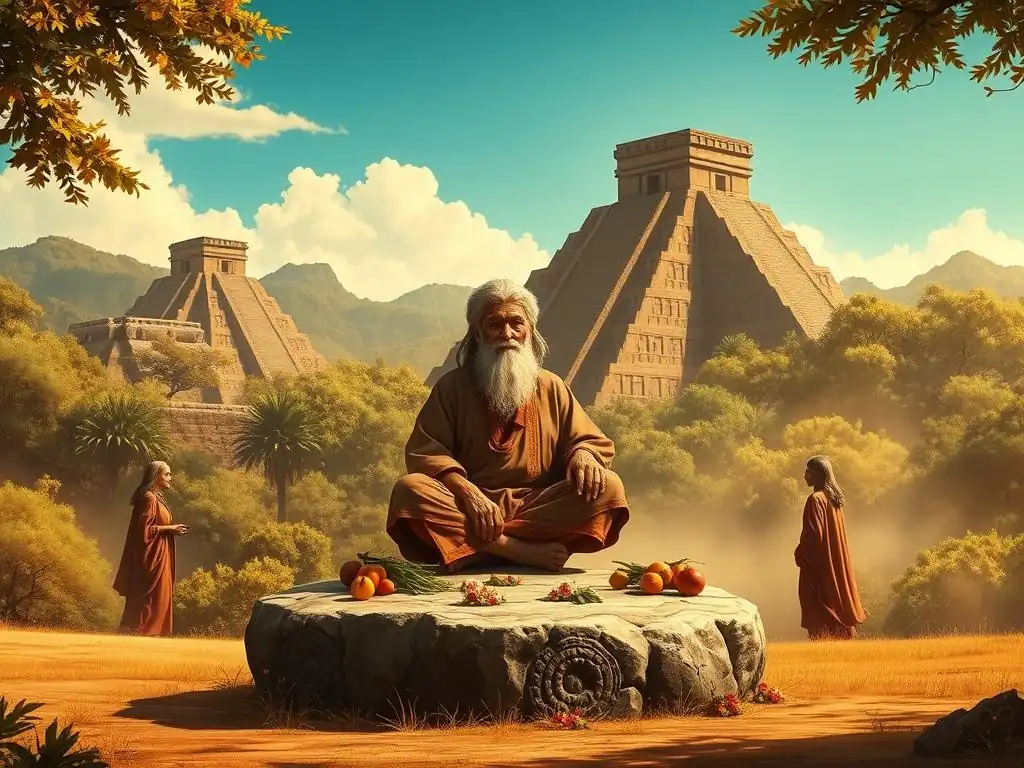
The Toltec civilization, with its profound connection to spirituality and ancestry, is rich in mythology and legends that highlight the importance of ancestors. These tales not only illustrate the reverence the Toltecs held for their forebears but also serve as foundational narratives that shaped their cultural identity.
One notable myth involves Quetzalcoatl, the feathered serpent deity, who is often regarded as a spiritual ancestor. According to legend, Quetzalcoatl created humanity from his own blood, symbolizing a deep connection between the divine and human lineage. This act is seen as a sacred bond, emphasizing the idea that ancestors live on through their descendants, guiding and protecting them.
Another significant myth revolves around the story of Mixcoatl, the god of hunting and war, who is considered an ancestor of the Toltec people. In this narrative, Mixcoatl is depicted as leading the Toltecs in their conquests, instilling in them the values of courage and perseverance. His legacy serves as a reminder of the strength derived from ancestral lineage, reinforcing the belief that ancestors impart wisdom to their descendants.
Through these myths, the Toltecs communicated essential values and beliefs that anchored their spiritual practice, illustrating how ancestors play a vital role in the ongoing narrative of life.
Stories of Ancestors in Toltec Spirituality
Toltec spirituality is deeply intertwined with the stories of ancestors, which serve as moral guides and sources of wisdom. These stories are often recounted in ceremonies and rituals, emphasizing the significance of remembering and honoring those who came before.
One prominent story is that of Tlaloc, the rain god, who is believed to be a protective ancestor. In Toltec tradition, Tlaloc is invoked during droughts to ensure the well-being of crops and the community. His narratives often highlight the importance of balance and respect for nature, reflecting the idea that ancestors influence both spiritual and physical realms.
Another important figure in these stories is Cipactli, a monster that the gods had to defeat to create the world. This tale is significant as it illustrates the struggle and sacrifices of ancestors, symbolizing the trials that must be faced for growth and prosperity. Through the retelling of Cipactli's story, Toltecs learn resilience and the importance of overcoming obstacles, a lesson that resonates in contemporary practices.
These ancestral stories are not merely historical accounts; they are living traditions that continue to inform spiritual practices, ensuring that the wisdom of the past remains relevant in the present.
Lessons from Ancestor Myths for Modern Practitioners
Modern practitioners of Toltec spirituality can draw valuable lessons from the myths and stories of ancestors. These teachings emphasize the importance of honoring the past while navigating contemporary challenges.
- Connection to Heritage: Understanding the myths surrounding ancestors fosters a sense of connection to one’s heritage. Practitioners are encouraged to explore their familial histories, recognizing that their identities are built upon the experiences of those who came before them.
- Moral Guidance: The narratives of ancestors often contain embedded moral lessons. For example, the courage displayed by Mixcoatl serves as a reminder to face adversity with strength. Practitioners can apply these lessons to modern life, using them as a framework for decision-making and personal growth.
- Ritual and Remembrance: Engaging in rituals that honor ancestors reinforces the belief that they are integral to one’s spiritual journey. Modern Toltec practitioners can incorporate ancestral veneration into their practices, such as creating altars or participating in ceremonies that celebrate the lineage.
- Interconnectedness of Life: The stories of ancestors highlight the interconnectedness of all beings. Practitioners are reminded that their actions today impact future generations, encouraging a sense of responsibility towards both ancestors and descendants.
By embracing these lessons, modern practitioners of Toltec spirituality can cultivate a deeper understanding of their identity and purpose, ensuring that the legacy of their ancestors continues to thrive.
Honoring Ancestors in Toltec Spiritual Practices
Traditional Rituals for Ancestor Veneration
In Toltec spirituality, honoring ancestors is an integral part of the spiritual framework, reflecting a deep respect for those who came before. Traditional rituals, often conducted during specific seasonal periods or life events, are designed to connect the living with their ancestral spirits. These rituals serve not only as acts of remembrance but also as a means to seek guidance and blessings from the ancestors.
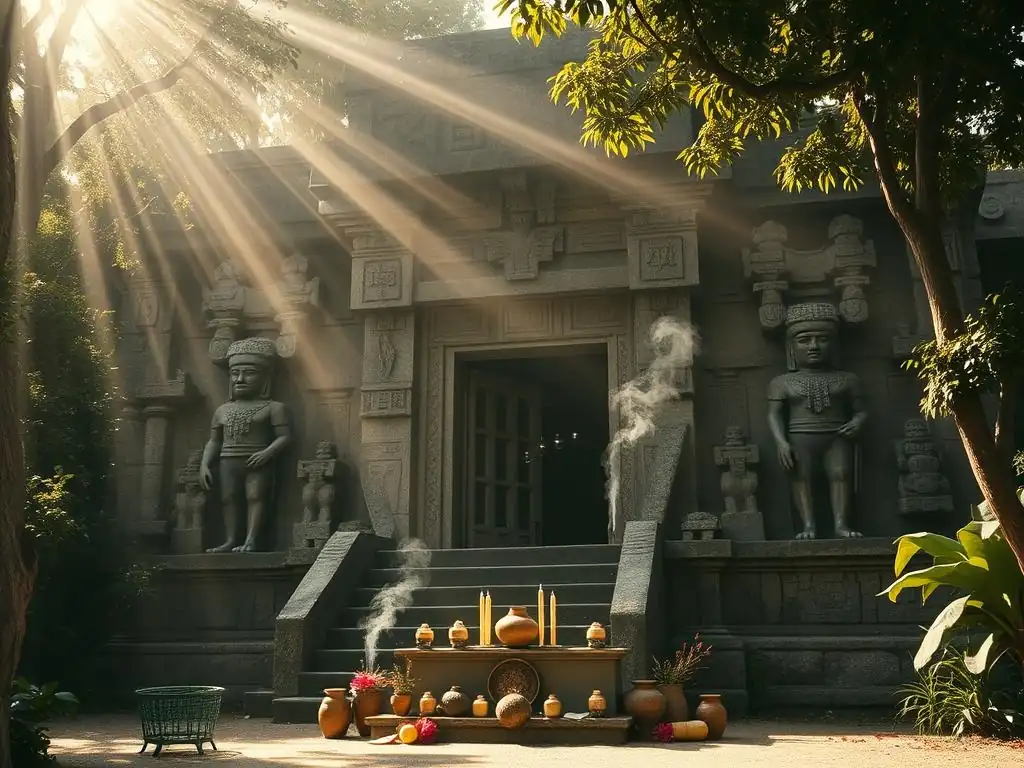
One prominent ritual involves the creation of ofrendas, or altars, which are adorned with items significant to the ancestors. These altars typically include:
- Photos of the deceased
- Food offerings, often traditional dishes that the ancestors enjoyed
- Flowers, particularly marigolds, symbolizing the link between the living and the dead
- Candles to illuminate the path for the spirits
The act of preparing these offerings is considered a sacred duty, fostering a sense of connection and gratitude towards those who have passed. It is believed that through these rituals, the ancestors provide protection and wisdom to their descendants.
Modern Interpretations of Ancestor Worship
In contemporary times, the practice of honoring ancestors within Toltec spirituality has evolved, incorporating new elements while retaining traditional beliefs. Many modern practitioners emphasize the psychological and emotional benefits of ancestor veneration, viewing it as a source of strength and resilience.
Today, ancestor worship ceremonies may include:
- Community gatherings, where families come together to share stories and memories of their ancestors
- Workshops focusing on personal healing and understanding one's lineage
- Meditation and visualization practices that foster a connection with ancestors, allowing individuals to receive guidance and support
These adaptations reflect a broader trend within indigenous spiritual practices, where the past is actively integrated into present-day life. The modern interpretation of ancestor worship emphasizes not only the reverence for those who have died but also the importance of understanding one's identity and purpose through these connections.
Tools and Symbols Used in Ancestor Honoring
The tools and symbols employed in ancestor honoring are rich with meaning, each serving a purpose in the spiritual practice. Key elements include:
- Sacred Items: Objects that hold personal significance, such as heirlooms or items used by ancestors, are often placed on altars to strengthen the bond between the living and the deceased.
- Symbols of Life and Death: Items like the skull (representing the cycle of life and death) and feathers (symbolizing the spirit's journey) are frequently used in rituals to honor ancestors.
- Drumming and Music: Rhythm plays a vital role in Toltec spirituality, and drumming is often used during ceremonies to invoke the presence of ancestors. Music serves to lift the spirit and create an atmosphere conducive to spiritual connection.
- Herbs and Incense: Copal, a sacred resin, is burned during rituals to cleanse the space and invite the ancestors’ spirits. The smoke is believed to carry prayers and intentions to the spiritual realm.
These tools and symbols not only enhance the spiritual experience but also create a profound connection to the past, reinforcing the idea that ancestors are always present, guiding the living towards a more meaningful future.
By integrating traditional practices with modern interpretations, the Toltec approach to ancestor veneration remains a vital and dynamic aspect of their spirituality, ensuring that the wisdom and teachings of the past continue to resonate in the lives of future generations.
The Impact of Ancestors on Toltec Identity
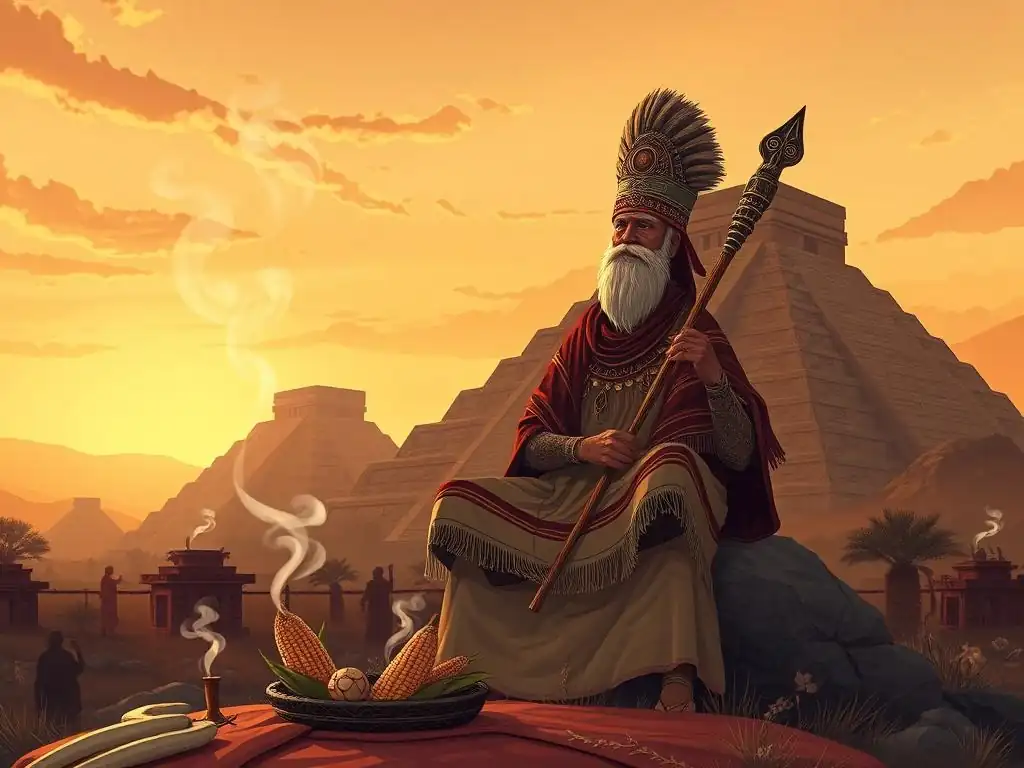
The Toltec civilization, known for its rich cultural and spiritual heritage, places immense significance on the role of ancestors in shaping both individual and collective identity. Ancestors are not merely remembered figures; they are integral to the fabric of Toltec spirituality, influencing community values, personal identities, and guiding future generations. This reverence for ancestors reflects a profound understanding of continuity and the interconnectedness of past, present, and future.
How Ancestors Shape Toltec Community Values
In Toltec society, ancestors serve as the bedrock of communal values and ethical standards. The teachings and legacies of ancestors are passed down through generations, instilling a sense of responsibility and belonging among community members. This transmission of values is often conveyed through oral traditions, rituals, and ceremonies that honor the ancestral lineage.
- Collective Memory: The stories of ancestors are woven into the collective memory of the community, serving as a moral compass. Elders often recount tales of bravery, wisdom, and sacrifice, reinforcing the virtues that are cherished within the society.
- Ritual Practices: Various rituals, such as the Day of the Dead, are pivotal in maintaining a connection with ancestors. During these celebrations, community members honor their deceased loved ones, reinforcing the values they embodied. This not only strengthens communal bonds but also ensures the perpetuation of cultural traditions.
- Social Cohesion: The shared reverence for ancestors fosters social cohesion, as individuals unite in their respect for their lineage. This sense of unity is crucial for the survival of the Toltec identity, particularly in the face of external challenges.
The Link Between Ancestors and Personal Identity in Toltec Culture
For individuals within the Toltec community, the connection to ancestors provides a strong sense of personal identity. Each person is seen as a continuation of their lineage, and this connection shapes their understanding of themselves and their role within the community.
- Personal Narratives: Many Toltecs derive their personal narratives from the stories of their ancestors. These narratives help individuals understand their place in the world and the legacy they are part of. It encourages a sense of pride and responsibility to uphold the family’s values and traditions.
- Ancestral Influence: The choices and actions of individuals are often guided by the teachings of their ancestors. This influence can manifest in various ways, from career paths to personal relationships, as individuals seek to honor their heritage in their daily lives.
- Cultural Continuity: The emphasis on ancestry ensures that cultural practices and beliefs are continuously maintained. By identifying with their ancestors, Toltecs actively participate in preserving their cultural identity, which is essential for the community's survival.
Ancestors as Guides for Future Generations
The role of ancestors extends beyond mere remembrance; they are viewed as guides who illuminate the path for future generations. This guidance is vital for fostering resilience and adaptability within the Toltec community.
- Spiritual Guidance: Toltec spirituality holds that ancestors possess wisdom that can guide the living. Many individuals seek counsel from their ancestors through meditation and prayer, believing that their insights can lead to better decision-making.
- Teaching Resilience: The stories of hardships faced by ancestors serve as powerful lessons for contemporary Toltecs. By reflecting on these experiences, individuals learn to navigate challenges with resilience, drawing strength from the knowledge that their ancestors overcame similar trials.
- Legacy of Innovation: Ancestors inspire future generations to innovate while remaining rooted in tradition. The blend of respecting ancestral wisdom and adapting to current realities ensures that Toltec culture remains vibrant and relevant.
The integral role of ancestors in Toltec spirituality is a cornerstone of their identity. By honoring their past, the Toltec community not only preserves their heritage but also cultivates values and wisdom that guide them into the future. This reverence for ancestors fosters a deep sense of community, personal identity, and resilience, ensuring that the legacy of the Toltecs endures through time.
Conclusion: The Enduring Legacy of Ancestors in Toltec Spirituality
In the rich tapestry of Toltec spirituality, the reverence for ancestors serves not only as a bridge to the past but also as a guiding light for future generations. The Toltecs believed that the wisdom and experiences of their ancestors were vital for understanding one's place in the world and navigating the complexities of life. This connection to the past is manifested in various practices, rituals, and teachings that have been passed down through generations, ensuring that the lessons learned from ancestors remain relevant and impactful.
The legacy of ancestors in Toltec spirituality emphasizes the notion of continuity, where the values, beliefs, and teachings of the past inform contemporary practices and societal structures. Through rituals such as the Dia de los Muertos, which celebrates and honors deceased loved ones, the Toltecs ensure that the spirits of their ancestors remain present in their daily lives. This practice not only fosters a sense of community but also serves as a reminder of the virtues and strengths that ancestors embody, encouraging individuals to carry forward these traits into the future.
Reflection on the Importance of Ancestors for Future Generations
The influence of ancestors in Toltec spirituality is profound and multifaceted, shaping the moral and ethical frameworks within which individuals operate. The teachings of ancestors provide a roadmap for personal and communal growth; they underscore the importance of respect, humility, and interconnectedness among all living beings.
Key Aspects of Ancestor Reverence:
- Cultural Identity: Ancestors play a critical role in establishing cultural identity. The stories, myths, and values passed down create a sense of belonging and pride among members of the community.
- Guidance and Wisdom: Ancestors are viewed as sources of guidance. Their experiences and decisions serve as lessons for the living, helping them make informed choices in challenging situations.
- Spiritual Connection: Maintaining a relationship with ancestors fosters a deep spiritual connection. Rituals and offerings help to create a dialogue between the living and the spirit world, reinforcing the belief in an ongoing relationship beyond death.
The enduring legacy of ancestors in Toltec spirituality is a vital aspect of personal and collective identity. It encourages individuals to reflect on their past, honor those who came before them, and embrace the teachings that continue to shape their lives.
Final Thoughts on Toltec Spirituality and Ancestors
Toltec spirituality, with its emphasis on the significance of ancestors, highlights the intricate relationship between the past and present. This connection is not just a matter of tradition; it is a fundamental aspect of the Toltec worldview that recognizes the importance of learning from history while looking forward to the future.
In essence, honoring ancestors is a way of acknowledging the sacrifices, achievements, and lessons that have paved the way for future generations. As the Toltecs would assert, the spirit of the ancestors lives on in the hearts and actions of the living. This continuous honoring of the past ensures that the wisdom of the Toltecs is preserved and adapted, allowing it to thrive in contemporary society.
The role of ancestors in Toltec spirituality is a testament to the enduring power of connection, memory, and reverence, reminding us that while we may walk our own paths, we are never truly alone.
Frequently Asked Questions
What is Toltec spirituality?
Toltec spirituality refers to the belief systems and practices of the Toltec civilization, focusing on a deep connection with nature, ancestors, and the spiritual world.
How did ancestors influence Toltec spirituality?
In Toltec spirituality, ancestors are seen as guides and protectors, their wisdom and experiences are honored to foster a deeper understanding of life and spirituality.
What practices did the Toltecs use to honor their ancestors?
The Toltecs engaged in various rituals and ceremonies, including offerings, prayers, and meditation, to connect with and honor their ancestors.
How does Toltec spirituality impact modern practices?
Many modern spiritual practices draw from Toltec traditions, emphasizing the importance of ancestor veneration and the integration of their wisdom into daily life.
Why is understanding Toltec spirituality important today?
Understanding Toltec spirituality helps us appreciate the rich cultural heritage of indigenous civilizations and their lasting impact on contemporary spiritual practices and beliefs.
Final Reflection: Honoring Our Ancestors, Shaping Our Future
In exploring the profound connection between Toltec spirituality and ancestors, we uncover a timeless relevance that resonates deeply in our contemporary lives. The wisdom of our ancestors serves as a guiding light, illuminating the path toward self-discovery and spiritual growth. As we navigate the complexities of modern existence, it becomes increasingly clear that honoring our past is not merely an act of remembrance, but a vital practice that enriches our present and shapes our future.
The influence of Toltec spirituality on our cultural and social landscape is undeniable. By embracing the teachings of our ancestors, we cultivate a deeper understanding of ourselves and our place in the world. This connection fosters a sense of belonging and purpose, reminding us that we are part of a larger tapestry woven through generations. As the Toltec wisdom teaches, "We are the dreamers of our dreams," emphasizing the importance of acknowledging our roots while actively participating in the creation of our reality. To honor the past is to empower the future.
As we reflect on the lessons imparted by our ancestors, I invite you to take a moment to consider how their wisdom can guide your own journey. What traditions or teachings resonate with you, and how can you integrate them into your life?
By honoring the legacy of those who came before us, we not only pay tribute to their sacrifices and insights but also empower ourselves to forge a brighter future. Let us embrace the call to action, allowing the spirit of Toltec spirituality to inspire us in our daily lives, as we honor our ancestors and shape the world for generations to come.
Embrace Your Ancestry and Transform Your Future!
Thank you for diving into the rich world of Toltec spirituality with us! You've uncovered the profound impact of honoring our ancestors and how this ancient wisdom can shape a brighter tomorrow. Now, it's time to take that insight to the next level and truly connect with your roots.
Here are some actionable steps you can take right now:
- Create a personal ancestor altar to honor your lineage and invite their wisdom into your daily life.
- Join a local or online community focused on Toltec traditions to share experiences and learn from others on this transformative journey.
- Try a guided meditation that connects you with your ancestors—listen to their stories and embrace their teachings.
What insights have you gained from your ancestors that inspire you to create a positive change in your life? We invite you to share your thoughts in the comments below!