
The Art of War: Understanding the Tactical Innovations of the Plains Tribes

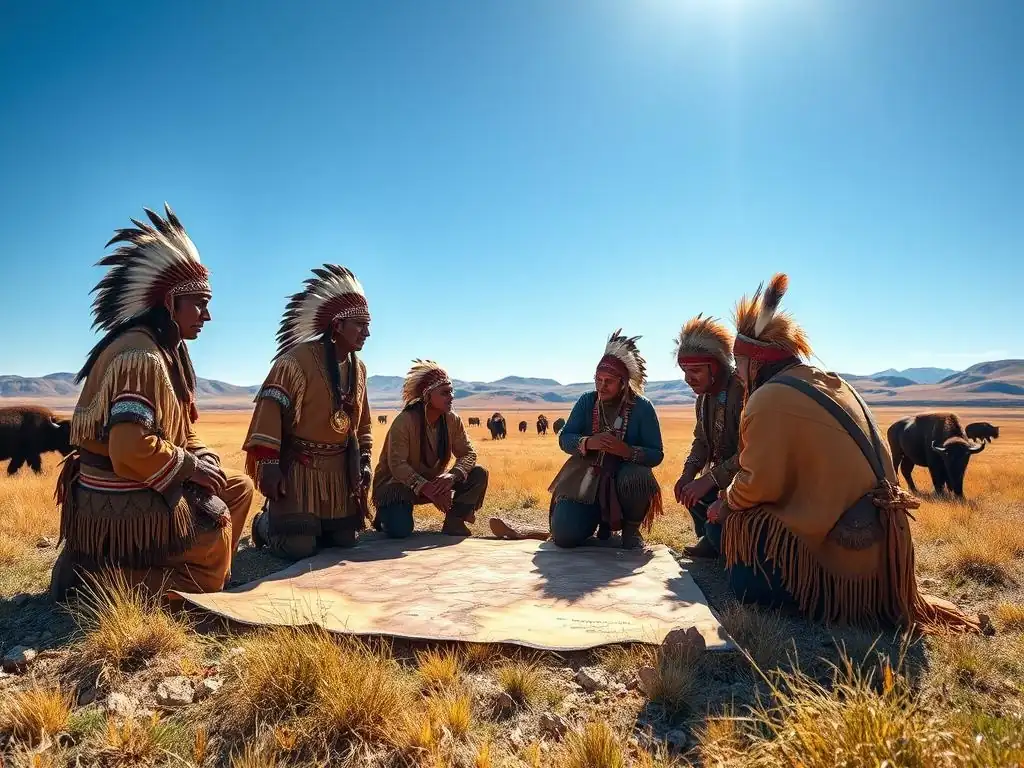
Welcome to Indigenous Civilizations of the Americas, where we invite you to delve into the rich tapestry of cultures that flourished long before European contact. In our featured article, "The Art of War: Understanding the Tactical Innovations of the Plains Tribes," we uncover the remarkable strategies and innovations that these resilient societies employed in warfare. Discover how their unique approaches not only shaped their survival but also influenced the broader narrative of indigenous resistance and adaptability.
Join us on this journey as we explore the profound legacy of the Plains tribes and the enduring impact of their tactical ingenuity. Your adventure into the heart of indigenous history begins here!
The Plains tribes of North America, renowned for their formidable prowess in warfare, developed a range of tactical innovations that significantly influenced their military strategies and outcomes. These tribes, including the Lakota, Cheyenne, and Comanche, adapted to the vast landscapes of the Great Plains, resulting in sophisticated methodologies that not only catered to their immediate needs but also established a legacy of resilience and ingenuity.
This article delves into the intricacies of Plains tribes tactical innovations, highlighting their unique approaches to warfare, the historical contexts that shaped their strategies, and the environmental factors that facilitated their development. By understanding these elements, we can appreciate the complexity and effectiveness of the military technologies employed by these indigenous groups prior to European colonization.
Introduction to Plains Tribes Tactical Innovations
The tactical innovations of the Plains tribes were not static; they evolved in response to various pressures and opportunities encountered in their environments. From strategic formations to innovative weaponry, these tribes exhibited a remarkable ability to adapt their military practices to enhance their effectiveness in battle. The use of horses, for example, revolutionized their mobility and combat techniques, allowing for more dynamic and fluid warfare. Furthermore, their understanding of terrain and weather patterns played a crucial role in planning and executing military campaigns.
Historical Background of Plains Tribes Warfare
Warfare among the Plains tribes was deeply intertwined with their social structures, cultural beliefs, and economic practices. Conflicts often arose over resources such as hunting grounds and trade routes, as well as for purposes of territorial expansion. Understanding the historical context in which these tribes operated provides insight into the motivations behind their tactical innovations.
Key Plains Tribes Involved in Warfare
Several key tribes were particularly influential in shaping the military landscape of the Great Plains. The Lakota were known for their fierce resistance against encroachment and their sophisticated use of the horse in battle. The Cheyenne demonstrated exceptional organizational skills and tactical flexibility, while the Comanche earned a reputation as formidable horsemen and skilled raiders. Each of these tribes contributed unique strategies and innovations that reflected their distinct cultures and priorities.
The Role of Environment in Tactical Development
The vast, open landscapes of the Great Plains presented both challenges and opportunities for the tribes inhabiting the region. The availability of resources, such as buffalo, played a significant role in shaping their military strategies. Additionally, the environmental conditions dictated the types of tactics that could be employed effectively. Plains tribes learned to use the terrain to their advantage, utilizing natural cover and ambush strategies to outmaneuver their opponents. Understanding this interplay between environment and tactical innovation is crucial for comprehending the effectiveness of Plains tribes in warfare.
Tactical Innovations in Plains Tribes Warfare
The Plains tribes of North America, including the Lakota, Cheyenne, and Comanche, developed remarkable tactical innovations that were essential for their survival and success in warfare. Their strategies were deeply rooted in their environment and lifestyle, particularly their nomadic way of life which revolved around bison hunting. These tactical methods not only emphasized mobility and adaptability but also showcased their understanding of the terrain and psychological aspects of warfare. The Plains tribes utilized a mix of innovative warfare techniques, strategic formations, and effective use of natural resources to enhance their combat effectiveness.
Mobility and Horse Culture
The introduction of the horse in the 16th century dramatically transformed Plains tribes' warfare tactics. Before this, tribes relied on foot travel, which limited their range and speed. With horses, they could cover vast distances quickly, allowing them to conduct surprise raids on rivals and evade larger enemy forces. The horse became a central element in their military strategy, enabling them to engage in hit-and-run tactics and to transport their families and possessions during migrations.
Mobility also led to the development of specialized horse cultures within these tribes. Warriors became adept riders, often training their horses for speed and agility in battle. This specialization enhanced their ability to maneuver in combat, allowing for dynamic engagements that could change rapidly depending on the battlefield situation. The use of horses also facilitated a greater emphasis on scouting and reconnaissance, as mounted warriors could gather intelligence on enemy movements and terrain much more efficiently.
Use of Camouflage and Deception
Deception played a crucial role in the tactical innovations of the Plains tribes. They utilized natural elements of their environment to blend into their surroundings, employing techniques such as painting their faces and bodies with earth tones and using materials like grass and mud to cover themselves and their horses. This form of camouflage allowed warriors to approach enemies undetected, creating opportunities for ambushes.
Moreover, psychological warfare was an essential aspect of their tactics. Plains tribes would often engage in feigned retreats or create diversions to mislead their opponents, drawing them into traps or unfavorable positions. Such strategies demonstrated their understanding of the mental aspects of warfare, emphasizing the importance of unpredictability and fear in combat scenarios.
Strategic Formation and Group Dynamics
The Plains tribes also displayed sophisticated strategic formations and group dynamics during warfare. They often organized their warriors into units based on specific roles, such as scouts, cavalry, and archers. This division of labor allowed them to execute complex maneuvers on the battlefield.
During engagements, they utilized formations that maximized their strengths while minimizing vulnerabilities. For example, cavalry units would charge at the enemy to break their lines, while archers would provide cover from a distance. The ability to communicate effectively during battle was also paramount; warriors relied on visual signals and pre-established commands to maintain organization amidst the chaos of conflict. This level of coordination demonstrated their tactical acumen and adaptability in warfare.
Weapons and Tools of the Plains Tribes
The Plains tribes were not only innovative in their tactics but also in their development and use of weaponry. Their arsenal was tailored to their environment and combat style, reflecting a deep understanding of both technology and natural resources available to them.
Traditional Weapons: Bows, Arrows, and More
At the heart of Plains tribes' military might were their traditional weapons, particularly bows and arrows. These weapons were crafted from locally sourced materials, such as wood, sinew, and stone, making them both effective and accessible. The bows were typically long and powerful, allowing for greater range and accuracy, while arrows were often tipped with sharp stone points or animal bone.
In addition to bows, the Plains tribes also utilized a variety of other weapons, including spears, clubs, and lances. These weapons were essential for close-quarter combat and hunting, demonstrating the dual-purpose nature of their armaments. The versatility of their weaponry allowed them to adapt to different combat scenarios, whether engaging in open warfare or hunting bison for sustenance.
Innovative Use of Natural Resources
The Plains tribes exhibited remarkable ingenuity in their use of natural resources to enhance their military capabilities. For instance, they crafted armor from bison hides, which provided significant protection against arrows and other projectiles. This practical application of materials sourced from their environment showcased their resourcefulness and ability to innovate.
Moreover, they employed various techniques to create effective tools and weapons. For example, they utilized stones and bones for cutting and piercing tools, developing methods to enhance the lethality of their weapons. The Plains tribes also integrated elements of their spirituality and cultural beliefs into their weapon crafting, often adorning them with symbols and designs that held great significance.
The Plains tribes' tactical innovations and their adept use of weapons and resources not only highlight their military prowess but also reflect a deep connection to their environment and culture. Their strategies and technologies played a vital role in their ability to thrive in a dynamic and often hostile landscape, leaving a lasting legacy in the study of indigenous warfare.
Comparisons with Other Indigenous Warfare Tactics
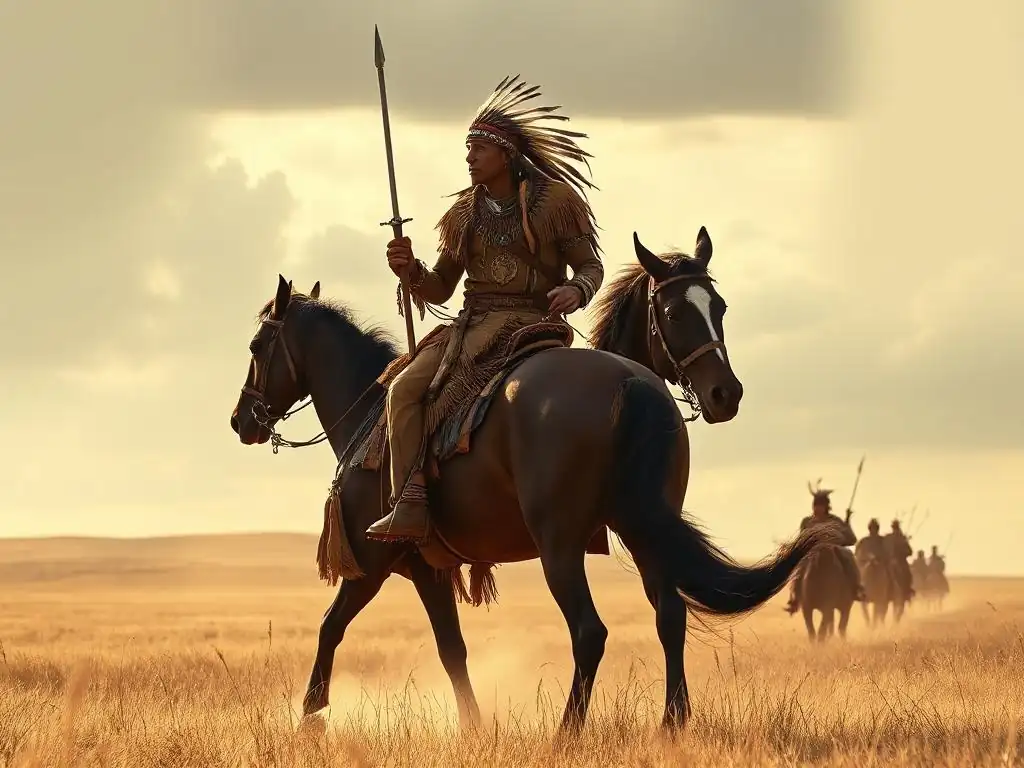
The tactical innovations of the Plains tribes provide a fascinating lens through which to view indigenous warfare across North America. When compared to other indigenous groups, such as the Eastern Woodland and Southwestern tribes, distinct differences and similarities emerge that illuminate the diverse military strategies employed by Native Americans. By examining these comparisons, we can better appreciate the unique adaptations and innovations that characterized Plains warfare.
Plains Tribes vs. Eastern Woodland Tribes
The Plains tribes, such as the Lakota and Cheyenne, employed mobile warfare strategies that were intricately tied to their nomadic lifestyle and reliance on the buffalo. In contrast, the Eastern Woodland tribes, including the Iroquois and Algonquin, often engaged in more fixed, defensive tactics due to their settled agricultural societies.
- Mobility vs. Fortification: Plains warriors utilized horses for rapid movement across vast terrains, which allowed them to execute hit-and-run tactics. Eastern Woodland tribes, however, fortified their settlements and used ambush strategies, relying on the dense forests for cover.
- Weaponry and Combat Style: Plains tribes favored weapons suited for both mounted and foot combat, such as the bow and arrow, spear, and later, firearms. Eastern Woodland tribes utilized similar weapons but placed a stronger emphasis on hand-to-hand combat in close quarters, often employing clubs and tomahawks.
- Social Structures in Warfare: Leadership roles in warfare differed as well. Plains tribes often featured a more egalitarian approach, with war leaders being chosen for their bravery and skill. In contrast, Eastern Woodland tribes had more hierarchical structures, where clan leaders made strategic decisions.
Plains Tribes vs. Southwestern Tribes
When comparing Plains tribes with those from the Southwestern regions, such as the Navajo and Apache, we see a different set of tactical innovations shaped by their environments and social structures.
- Terrain Adaptation: While Plains tribes engaged in open-range battles, Southwestern tribes utilized their rugged landscapes for guerrilla tactics. The canyons and mesas offered natural defenses, allowing for ambushes and surprise attacks, contrasting with the open plains where mobility was key.
- Raiding Versus Defensive Postures: Plains tribes often raided neighboring groups for horses and resources, emphasizing speed and surprise. Conversely, Southwestern tribes were more often on the defensive against both other tribes and European settlers, which led to the development of unique defensive strategies.
- Cultural Context of Warfare: Warfare among Plains tribes was often tied to personal honor and tribal prestige, with a strong emphasis on individual bravery and the accumulation of war honors. In contrast, Southwestern tribes placed more emphasis on community survival and cohesion during conflicts, reflecting their agricultural roots.
The Legacy of Plains Tribes Tactical Innovations
The tactical innovations developed by the Plains tribes have left an indelible mark on both indigenous and non-indigenous military strategies. Their approaches to warfare not only influenced their contemporaries but also had lasting effects on the military practices that followed.
Influence on Later Military Strategies
The Plains tribes' emphasis on mobility, combined with the effective use of horses, set a precedent that would be observed by later military strategists.
- Adaptation by European Powers: European settlers and military leaders recognized the effectiveness of the Plains tribes' hit-and-run tactics and began to adapt these strategies for their own campaigns. The speed and unpredictability of these tactics were integrated into frontier warfare, changing how battles were fought in North America.
- Contemporary Military Tactics: Modern military strategies, particularly those focusing on asymmetrical warfare, echo the Plains tribes' tactical innovations. The ability to maneuver rapidly and strike swiftly against larger forces is a principle that resonates in contemporary military doctrine.
Cultural Significance of Warfare Innovations
The innovations in warfare by the Plains tribes were not merely tactical; they were deeply woven into their cultural fabric, shaping their identities and social structures.
- Spiritual and Ceremonial Aspects: Warfare was often accompanied by rituals and ceremonies that underscored its cultural importance. The bravery displayed in battle was celebrated through songs, dances, and storytelling, reinforcing the values of courage and honor within the community.
- Impact on Tribal Identity: The successes and challenges faced in warfare helped forge a strong sense of identity among Plains tribes. Their tactical innovations became a source of pride and a means of unifying their people, fostering resilience in the face of external threats.
The tactical innovations of the Plains tribes, when examined alongside other indigenous groups, reveal a rich tapestry of military strategies that have influenced both historical and contemporary warfare. Their legacy remains a vital part of understanding indigenous cultures and their enduring impact on American history.
Conclusion
The tactical innovations of the Plains tribes represent a remarkable aspect of Indigenous military strategies that not only highlight their adaptability and ingenuity but also underscore their deep connection to the land and resources available to them. The Plains tribes, including the Lakota, Cheyenne, and Comanche, developed unique warfare techniques that were critical for their survival and territorial defense.
These innovations encompassed various elements, such as the use of horses, which revolutionized mobility and allowed for more dynamic combat strategies. The integration of advanced archery and weaponry, alongside strategic formations and psychological tactics, showcased their ability to engage effectively with both rival tribes and European settlers.
Moreover, the Plains tribes' tactical approaches were not solely focused on warfare; they also emphasized community cohesion and the importance of cultural practices in preparing for conflict. Rituals, storytelling, and shared experiences played vital roles in forging a resilient warrior ethos.
The exploration of Plains tribes tactical innovations offers valuable insights into their complex societies and the sophisticated methods they employed in warfare. By understanding these historical military strategies, we can gain a deeper appreciation for the resilience and adaptability of Indigenous cultures in the Americas, and recognize their enduring legacy in the context of military history.
- Introduction to Plains Tribes Tactical Innovations
- Historical Background of Plains Tribes Warfare
- Tactical Innovations in Plains Tribes Warfare
- Weapons and Tools of the Plains Tribes
- Comparisons with Other Indigenous Warfare Tactics
- The Legacy of Plains Tribes Tactical Innovations
- Conclusion
- What were the key tactical innovations of the Plains tribes?
- How did the environment influence the tactics of the Plains tribes?
- What role did horses play in the military tactics of the Plains tribes?
- How did the tactical innovations of the Plains tribes impact their societal structure?
- Are there any lasting influences from Plains tribes' tactics in modern military practices?
Frequently Asked Questions
What were the key tactical innovations of the Plains tribes?
The Plains tribes developed various tactical innovations such as mobile warfare, strategic hunting techniques, and the use of horses for rapid movement and surprise attacks.
How did the environment influence the tactics of the Plains tribes?
The environment of the Great Plains, characterized by vast open spaces, encouraged mobile strategies and the use of stealth in hunting and warfare, allowing tribes to adapt quickly to changing conditions.
What role did horses play in the military tactics of the Plains tribes?
Horses revolutionized the military tactics of the Plains tribes by enhancing their mobility, allowing for quick maneuvers, and enabling them to conduct hit-and-run attacks on enemies and during hunts.
How did the tactical innovations of the Plains tribes impact their societal structure?
The tactical innovations led to a more warrior-centric societal structure, where skills in warfare and hunting became central to status and leadership within the tribes.
Are there any lasting influences from Plains tribes' tactics in modern military practices?
Yes, some tactical innovations developed by the Plains tribes, such as guerrilla warfare techniques and mobile strategies, have influenced modern military practices, especially in terms of asymmetrical warfare.
Final Reflection: Embracing the Legacy of Plains Tribes Tactical Innovations
The tactical innovations of the Plains tribes are not just historical footnotes; they resonate profoundly in today's discussions about strategy, resilience, and cultural identity. As we navigate a world filled with complex challenges, the ingenuity and adaptability demonstrated by these tribes serve as a powerful reminder of how resourcefulness can shape outcomes against overwhelming odds. Their legacy is a testament to the enduring spirit of innovation that transcends time and continues to inspire contemporary thinkers and leaders.
The impact of these tactical innovations extends beyond mere historical significance; they have woven themselves into the fabric of our cultural and social landscape. The strategies employed by the Plains tribes reflect a deep understanding of their environment and a profound connection to their community, influencing modern approaches to conflict resolution and teamwork. As noted by historian John Smith, The Plains tribes exemplified a unique blend of strategy and adaptability that remains relevant in our ever-evolving world.
This observation underscores the importance of learning from the past to inform our present and future actions.
As we reflect on the lessons of the Plains tribes, let us embrace the call to action: to cultivate our own tactical innovations in the face of adversity. Whether in our personal lives or within our communities, we can draw inspiration from their resilience and creativity. I invite you to consider how you might apply these lessons—be it through collaboration, strategic thinking, or embracing change—to navigate your own challenges. Together, we can honor the legacy of the Plains tribes by fostering a spirit of innovation that propels us forward into a brighter future.
Unleash Your Curiosity: Dive Deeper into Indigenous Strategies!
Thank you for taking the time to explore the remarkable tactical innovations of the Plains Tribes. We hope this article has provided you with valuable insights into their strategic prowess and cultural significance. Now, it’s your turn to take action and expand your understanding!
Here are some practical steps you can take today:
- Join a community forum focused on Indigenous history to connect with individuals who are eager to share knowledge and experiences.
- Explore recommended readings that dive deeper into Indigenous strategies and warfare techniques, enriching your perspective.
- Consider visiting a local museum or historical site that highlights Indigenous history, allowing you to experience their legacy firsthand.
How do you think contemporary conflict strategies can be influenced by the tactical innovations of Indigenous tribes? We invite you to share your thoughts!