
Unconventional Warfare: Guerrilla Tactics of the Indigenous Tribes Against Colonizers

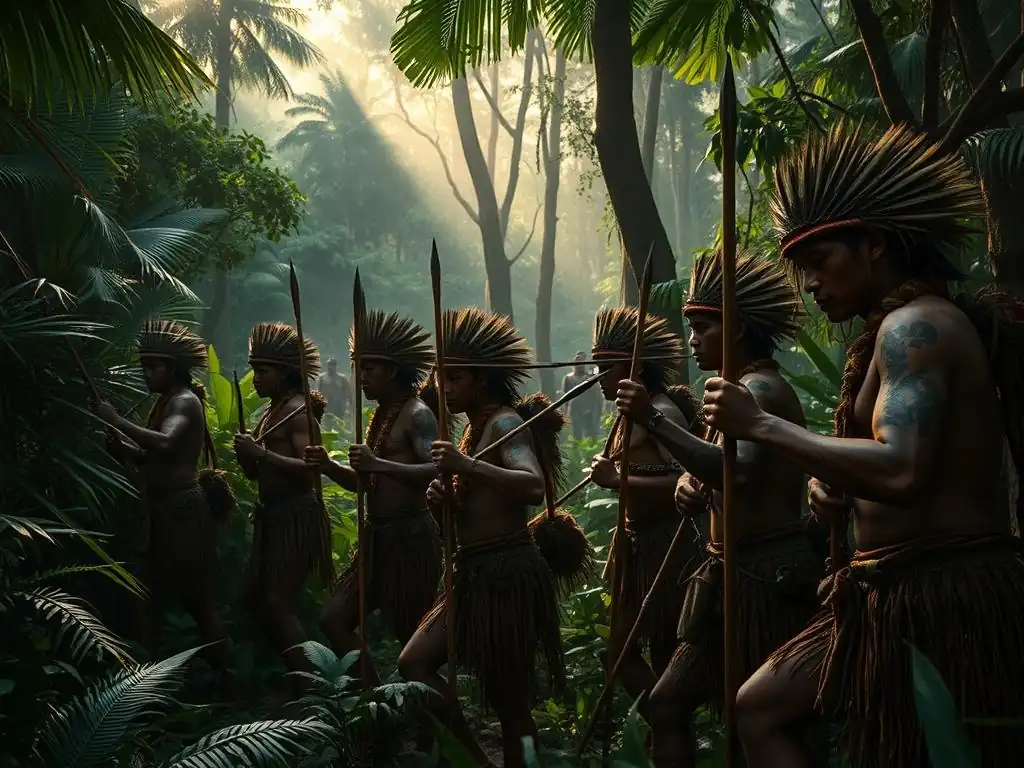
Welcome to Indigenous Civilizations of the Americas, where history comes alive through the rich tapestry of diverse cultures that flourished long before European colonization. In our feature article, "Unconventional Warfare: Guerrilla Tactics of the Indigenous Tribes Against Colonizers," we delve into the remarkable military strategies employed by indigenous peoples, uncovering the ingenuity and resilience that defined their resistance. Discover how these indigenous guerrilla warfare tactics not only shaped the landscape of conflict but also left an indelible mark on the history of the Americas. Join us on this enlightening journey and explore the profound legacy of these extraordinary civilizations.
Introduction to Indigenous Guerrilla Warfare Tactics
The history of the Americas is rich with stories of resilience and resistance among indigenous tribes, particularly in their encounters with European colonizers. One of the most striking aspects of this resistance was the employment of unconventional warfare tactics, commonly referred to as guerrilla warfare. These tactics were not only a means of survival but also a reflection of the deep-rooted cultural values and societal structures of indigenous peoples. This article explores the diverse indigenous guerrilla warfare tactics that emerged in response to colonization, shedding light on their historical significance and the enduring legacy of these strategies.
Definition of Guerrilla Warfare in Indigenous Context
Guerrilla warfare, in its essence, is characterized by small, mobile groups of combatants who utilize hit-and-run tactics to engage a larger, more conventional military force. In the context of indigenous tribes in the Americas, these tactics were deeply intertwined with their cultural practices, social hierarchies, and environmental knowledge.
- Key Characteristics:
- Mobility: Indigenous warriors often moved swiftly through familiar terrains, utilizing forests, mountains, and rivers to their advantage.
- Ambushes: They employed ambush tactics, striking quickly and disappearing before the enemy could mount a response.
- Psychological Warfare: Many tribes used deception and psychological tactics to instill fear and confusion among colonizers.
This tactical flexibility allowed indigenous groups to effectively counter the overwhelming force of European armies, adapting their strategies to the unique challenges they faced.
Historical Significance of Indigenous Tactics Against Colonizers
The guerrilla tactics employed by indigenous tribes had profound implications for the dynamics of colonial warfare.
- Resistance to Colonization: These strategies served as a powerful form of resistance, enabling tribes to maintain their autonomy and protect their territories for longer periods than might have been possible with conventional warfare.
- Impact on Colonial Strategies: The unexpected effectiveness of indigenous guerrilla tactics forced colonizers to adapt their military strategies, often leading to prolonged conflicts and significant losses.
- Legacy of Resistance: The guerrilla warfare tactics developed by indigenous tribes have left a lasting legacy, influencing not only subsequent generations of indigenous resistance but also modern military strategies worldwide.
Overview of Indigenous Tribes and Their Military Strategies
Understanding the various indigenous tribes and their specific military strategies provides valuable insights into the complexities of their resistance against colonization.
Key Indigenous Tribes Involved in Guerrilla Warfare
Several indigenous tribes are notable for their innovative guerrilla tactics during conflicts with European powers.
- The Taino: Engaged in guerrilla warfare against Spanish colonizers, utilizing their knowledge of the Caribbean environment to conduct ambushes.
- The Apache: Known for their mobility and stealth, they effectively resisted Mexican and American encroachment through hit-and-run tactics.
- The Powhatan Confederacy: Utilized ambushes and surprise attacks against English settlers, significantly impacting early colonial expansion in Virginia.
These tribes, among others, exemplified the diverse approaches to guerrilla warfare that emerged in response to the specific challenges they faced.
Cultural Context of Warfare Among Indigenous Societies
Warfare among indigenous societies was often embedded within a broader cultural context, influencing their tactics and strategies.
- Spiritual Beliefs: Many tribes viewed warfare as a means to protect their communities and uphold spiritual beliefs, which shaped the motivations behind their guerrilla tactics.
- Social Structures: The organization of tribes into clans or bands often dictated military strategies, with leaders emerging based on their ability to navigate both warfare and diplomacy.
- Environmental Knowledge: Indigenous understanding of their landscapes played a crucial role in their success in guerrilla warfare, as they leveraged natural resources and terrain to their advantage.
Through this lens, it becomes clear that indigenous guerrilla warfare tactics were not merely reactive measures but were deeply linked to the cultural identities and values of the tribes that employed them.
The Evolution of Indigenous Guerrilla Warfare Tactics
Indigenous guerrilla warfare tactics underwent significant evolution over time, shaped by both the traditional practices of various tribes and the challenges posed by European colonizers. These tactics were not merely reactions to foreign aggressors; they were deeply rooted in the cultural, spiritual, and environmental contexts of the indigenous peoples. As colonization progressed, indigenous groups adapted their warfare techniques, leading to a sophisticated form of unconventional warfare that utilized their intimate knowledge of the land and their innate resourcefulness.
Pre-Colonial Tactics and Their Origins
Before European contact, many indigenous tribes in the Americas engaged in various forms of warfare, primarily as a means of defending their territories, resolving conflicts, or asserting dominance over rival groups. These pre-colonial tactics often included:
- Hit-and-Run Engagements: Smaller, mobile groups would launch surprise attacks on enemy camps and retreat quickly before a counterattack could be organized.
- Use of Natural Resources: Indigenous warriors relied on their environment for both offense and defense, utilizing natural cover like forests, mountains, and rivers to shield their movements and ambush enemies.
- Symbolic Warfare: Warfare was often intertwined with spiritual practices, where rituals and symbols could demoralize opponents and unify the warrior's community.
These strategies laid the foundation for the guerrilla tactics that would later be employed against European colonizers, showcasing a long history of strategic thinking and adaptation.
Adaptation of Tactics During European Colonization
As European colonization began in the 15th century, indigenous tribes faced unprecedented challenges that forced them to adapt their traditional warfare tactics. Key adaptations included:
- Incorporation of Firearms: Many tribes acquired European weapons, integrating them into their existing warfare strategies. This included blending traditional ambush tactics with the use of firearms to enhance their lethality.
- Formation of Alliances: Tribes often formed strategic alliances with other indigenous groups or even European powers to bolster their defenses against colonizers. These alliances facilitated the sharing of tactics and resources.
- Use of Deception: Indigenous groups developed sophisticated methods of misinformation, creating false trails or misleading enemy forces to gain tactical advantages.
These adaptations not only illustrated the resilience of indigenous cultures but also highlighted their capacity for strategic innovation in the face of existential threats.
Key Guerrilla Tactics Used by Indigenous Tribes
Indigenous tribes employed a variety of guerrilla tactics that capitalized on their unique knowledge of the landscape and their understanding of conventional military strategies. The following tactics were particularly significant:
Ambush Strategies and Their Effectiveness
Ambush tactics were central to indigenous guerrilla warfare, allowing smaller groups to confront larger enemy forces effectively. These strategies included:
- Setting Traps: Indigenous warriors often set traps in strategic locations, luring enemy forces into ambush points where they could unleash surprise attacks.
- Utilizing Terrain: By leveraging the natural features of the landscape, such as dense forests or elevated positions, indigenous warriors could conceal themselves and strike decisively, inflicting maximum damage while minimizing their own risks.
- Timing and Coordination: Successful ambushes required meticulous planning and coordination, often relying on intimate knowledge of enemy movements and schedules.
The effectiveness of these ambush strategies often led to devastating losses for colonial forces and instilled fear among their ranks.
Mobility and Terrain Utilization in Warfare
Mobility was a hallmark of indigenous guerrilla tactics. The ability to move swiftly and adapt to the terrain provided a significant advantage over more traditional military formations. Key aspects included:
- Hit-and-Run Tactics: Indigenous warriors could strike quickly and then retreat into the wilderness, making it challenging for colonizers to engage them in conventional battles.
- Knowledge of Local Geography: Deep familiarity with local landscapes allowed indigenous groups to navigate effectively, utilizing rivers, hills, and forests to their advantage in both attack and retreat.
- Flexible Engagements: Indigenous tactics emphasized flexibility, allowing warriors to adapt their strategies based on the changing dynamics of battle and the movements of colonial forces.
This emphasis on mobility and terrain utilization was crucial in prolonging conflicts and wearing down colonial forces through attrition.
Psychological Warfare: Misinformation and Fear Tactics
Psychological warfare played a pivotal role in indigenous guerrilla tactics, serving to demoralize enemy troops and manipulate their perceptions. Key elements included:
- Misinformation Campaigns: Indigenous groups would often spread false information about troop movements or intentions, leading colonizers into traps or creating opportunities for ambush.
- Creating Fear and Uncertainty: By utilizing nighttime raids, unexpected attacks, and sudden disappearances, indigenous warriors instilled a sense of fear and paranoia among colonial forces, making them hesitant and cautious.
- Cultural Symbolism: Indigenous tribes often invoked spiritual beliefs and cultural symbols during warfare, using rituals and ceremonies to bolster their own morale while intimidating their opponents.
These tactics of psychological warfare were instrumental in undermining the confidence of colonial armies and altering the dynamics of power in favor of indigenous resistance.
Case Studies of Indigenous Guerrilla Tactics Against Colonizers

Indigenous guerrilla warfare tactics were instrumental in the resistance against European colonization across the Americas. Various tribes employed unique strategies tailored to their environments and circumstances, leading to significant confrontations that showcased their resilience and tactical ingenuity. The following case studies exemplify notable instances of indigenous guerrilla tactics that challenged colonial forces.
The Pueblo Revolt: A Successful Indigenous Resistance
In 1680, the Pueblo people of present-day New Mexico orchestrated a remarkable uprising against Spanish colonizers, known as the Pueblo Revolt. Frustrated by oppressive colonial rule, forced labor, and the suppression of their spiritual practices, the Pueblos united under the leadership of a shaman named Popé.
Utilizing guerrilla tactics, they coordinated a surprise attack on Spanish settlements, striking at key locations simultaneously. The Pueblos employed hit-and-run strategies, ambushing Spanish soldiers and settlers, which effectively disrupted the colonizers' supply lines and communication. The revolt resulted in the expulsion of the Spanish for over a decade, demonstrating the effectiveness of indigenous unity and guerrilla warfare in achieving their objectives.
The Tactics of the Mapuche in the Arauco War
The Mapuche people of southern Chile and Argentina are renowned for their fierce resistance against Spanish colonization during the Arauco War (1550-1650). Their guerrilla warfare tactics were characterized by mobility, ambushes, and deep knowledge of the rugged terrain.
Mapuche warriors often employed surprise attacks on Spanish encampments and supply routes, utilizing the element of surprise to their advantage. They would strategically withdraw into the hills after skirmishes, making it challenging for Spanish forces to engage them effectively. The Mapuche also formed alliances with other indigenous groups, enhancing their ability to coordinate large-scale attacks and sustain prolonged resistance. Their tactics not only delayed Spanish conquest but also led to significant territorial control for the Mapuche during the conflict.
The Iroquois Confederacy: Coordination and Strategy
The Iroquois Confederacy, comprising six nations (Mohawk, Oneida, Onondaga, Cayuga, Seneca, and later the Tuscarora), exemplified sophisticated military coordination and strategic planning. During the colonial period, the Iroquois adeptly utilized guerrilla tactics against both European settlers and rival tribes.
The Confederacy emphasized unity and collaboration, allowing them to conduct coordinated raids and ambushes. Their deep understanding of the landscape enabled them to stage surprise attacks on colonial outposts and supply lines. The Iroquois also utilized psychological warfare, employing tactics that instilled fear and confusion among their adversaries. Their ability to adapt and modify tactics made them formidable opponents and influenced colonial military strategies throughout the 17th and 18th centuries.
Impact of Indigenous Guerrilla Warfare on Colonial Powers
The indigenous guerrilla warfare tactics significantly impacted colonial powers, reshaping their military approaches and strategies during the colonization of the Americas. The effectiveness of these tactics highlighted the adaptability and resilience of indigenous groups, leading to several crucial consequences.
Immediate Consequences for Colonizers
The immediate consequences of indigenous guerrilla warfare for colonial powers were profound. Many colonial forces faced unexpected challenges, leading to significant losses in both personnel and resources. The successful revolts and resistance movements, such as the Pueblo Revolt and the Arauco War, forced colonizers to reconsider their tactics, often leading to a shift from direct confrontation to more defensive strategies.
Colonial administrations experienced increased pressure to allocate more resources for military campaigns, which strained their capacities and often hindered expansion efforts. The psychological impact of indigenous resistance also instilled fear among settlers, affecting their willingness to establish new settlements in hostile territories.
Long-term Effects on Colonial Military Strategies
In the long term, indigenous guerrilla warfare tactics prompted colonial powers to evolve their military strategies. Recognizing the effectiveness of hit-and-run tactics, many colonial forces began to adopt similar approaches, emphasizing mobility and adaptation in their campaigns.
Colonizers started to rely on fortified settlements and established alliances with certain indigenous groups to counteract the threat posed by more cohesive tribes. The experience gained from confrontations with indigenous guerrilla fighters also led to the development of new training programs for colonial soldiers, focusing on irregular warfare and counterinsurgency tactics.
Ultimately, the impact of indigenous guerrilla warfare extended beyond immediate military engagements, influencing colonial policy and the dynamics of power in the Americas for generations to come.
Lessons Learned from Indigenous Guerrilla Warfare Tactics
Indigenous guerrilla warfare tactics provide valuable lessons that extend beyond historical contexts, influencing modern military strategies and asymmetric conflicts. One of the core lessons is the importance of adaptation to the environment. Indigenous tribes demonstrated an unparalleled understanding of their terrain, using natural features to their advantage. This included utilizing dense forests, mountains, and rivers to conduct surprise ambushes, evade detection, and execute hit-and-run tactics that caught colonizers off guard.
Another critical lesson is the significance of community involvement and support. Indigenous groups often relied on extensive networks of allies and local populations to gather intelligence, provide resources, and enhance their military capabilities. This communal approach fostered a sense of unity and resilience against external threats, underscoring the idea that warfare is not just a military affair but a societal one.
Furthermore, the use of psychological warfare was a notable aspect of indigenous tactics. Techniques such as creating fear through sudden attacks, using deception, and employing symbolism were integral in demoralizing opponents. These psychological strategies are applicable in contemporary conflicts, where undermining an enemy's morale can be as effective as direct engagement.
Modern Applications of Indigenous Tactics in Asymmetrical Warfare
In the face of modern asymmetrical warfare, many military strategists and analysts are revisiting indigenous guerrilla warfare tactics for their effectiveness. Contemporary conflicts often involve smaller, less conventional forces confronting larger, technologically superior armies. Indigenous tactics, such as ambushes, sabotage, and mobility, have re-emerged as crucial strategies.
For instance, insurgent groups in various regions have adopted similar approaches by leveraging their intimate knowledge of local geography to outmaneuver conventional forces. By employing hit-and-run tactics, these groups can maintain pressure without engaging in direct confrontations, reflecting the adaptability that indigenous tribes exhibited centuries ago.
Moreover, the emphasis on intelligence gathering and local support remains vital. Modern insurgent movements frequently rely on civilian populations to provide information and supplement their efforts. This mirrors the historical reliance on communal ties and local knowledge that indigenous tribes utilized.
Lastly, the concept of psychological warfare has evolved but remains relevant. Modern conflicts often witness the use of media and propaganda to shape narratives and influence public perception, akin to the psychological tactics used by indigenous groups to instill fear and disrupt enemy morale.
Preservation of Indigenous Military Heritage
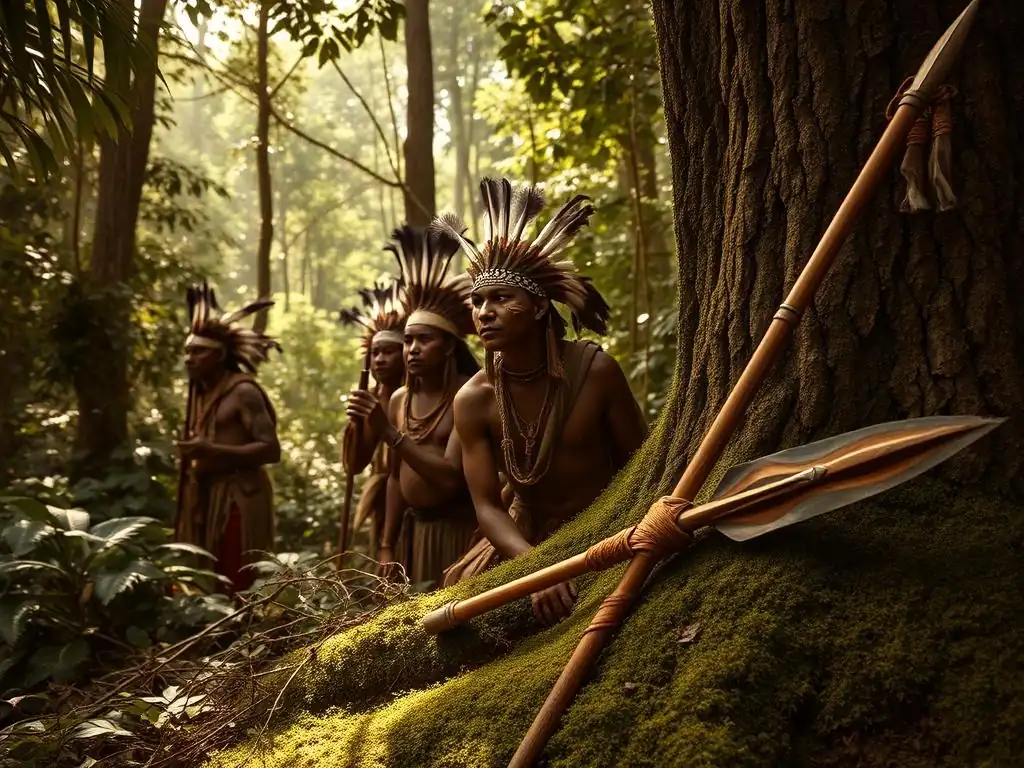
Preserving the military heritage of indigenous peoples is crucial for understanding their strategies, values, and contributions to warfare. Efforts to document and celebrate these histories are essential in combating the often Eurocentric narratives that dominate historical discourse.
Cultural preservation initiatives, such as oral histories, traditional ceremonies, and educational programs, play a significant role in maintaining knowledge of indigenous military strategies. These efforts not only honor the past but also empower future generations to understand their heritage and apply these lessons in contemporary contexts.
Additionally, academic research and publications focused on indigenous military tactics contribute to a more comprehensive understanding of warfare's evolution. By examining historical documents, archaeological findings, and cultural artifacts, researchers can shed light on the complexities of indigenous warfare and its lasting impact on military strategies.
Conclusion: The Legacy of Indigenous Guerrilla Warfare Tactics
The legacy of indigenous guerrilla warfare tactics is profound, resonating through history and into modern military thought. These tactics exemplify ingenuity, resilience, and an unparalleled understanding of the environment, showcasing how smaller forces can successfully resist larger adversaries.
The adaptability and community involvement inherent in these strategies serve as a reminder of the importance of localized knowledge and solidarity in warfare. As contemporary conflicts continue to evolve, the lessons derived from indigenous guerrilla warfare remain relevant, offering insights into effective resistance and survival.
Reflection on Indigenous Resistance and Survival
Reflecting on indigenous resistance and survival highlights the enduring spirit of these cultures in the face of colonization. The ability of indigenous tribes to adapt and respond to external threats through guerrilla warfare tactics illustrates not only their military prowess but also their commitment to preserving their way of life.
These acts of resistance were not merely about military engagement; they represented a struggle for sovereignty, identity, and cultural survival. Understanding this context is crucial for recognizing the broader implications of indigenous warfare, emphasizing that these tactics were integral to the preservation of their societies.
The Importance of Recognizing Indigenous Military Histories
Recognizing indigenous military histories is essential for a holistic understanding of warfare in the Americas. Acknowledgment of these histories challenges the dominant narratives that often overlook the contributions and experiences of indigenous peoples.
By integrating indigenous perspectives into military studies, scholars and practitioners can enrich their understanding of warfare dynamics and strategies. This recognition fosters respect for indigenous cultures and their resilience in the face of colonization, ensuring that their legacies are honored and remembered. Ultimately, it promotes a more inclusive historical narrative that appreciates the complexity and diversity of military histories across cultures.
- Introduction to Indigenous Guerrilla Warfare Tactics
- Overview of Indigenous Tribes and Their Military Strategies
- The Evolution of Indigenous Guerrilla Warfare Tactics
- Key Guerrilla Tactics Used by Indigenous Tribes
- Case Studies of Indigenous Guerrilla Tactics Against Colonizers
- Impact of Indigenous Guerrilla Warfare on Colonial Powers
- Lessons Learned from Indigenous Guerrilla Warfare Tactics
- Modern Applications of Indigenous Tactics in Asymmetrical Warfare
- Preservation of Indigenous Military Heritage
- Conclusion: The Legacy of Indigenous Guerrilla Warfare Tactics
- Reflection on Indigenous Resistance and Survival
- The Importance of Recognizing Indigenous Military Histories
Frequently Asked Questions
What are Indigenous guerrilla warfare tactics?
Indigenous guerrilla warfare tactics refer to the unconventional strategies used by native tribes to resist colonization, utilizing their knowledge of the terrain and surprise attacks to counter European forces.
How did indigenous tribes adapt their warfare techniques?
Indigenous tribes adapted their warfare techniques by incorporating hit-and-run strategies and forming alliances with other tribes, which allowed them to effectively combat larger colonizing forces.
What role did environment play in indigenous warfare?
The environment was crucial in indigenous warfare, as tribes utilized their intimate understanding of local landscapes to launch ambushes and evade enemy troops, often turning the terrain into an ally.
Can you provide examples of tribes that used guerrilla tactics?
Tribes such as the Apache, Iroquois, and Mapuche are known for their effective use of guerrilla tactics, employing mobility and stealth to resist colonizers and protect their lands.
What is the legacy of indigenous guerrilla warfare today?
The legacy of indigenous guerrilla warfare continues to influence modern asymmetric warfare tactics, showcasing the effectiveness of smaller, agile units against larger conventional forces in various global conflicts.
Final Reflection: The Enduring Legacy of Indigenous Guerrilla Warfare Tactics
The strategies employed by Indigenous tribes against colonizers remain profoundly relevant today, as they exemplify resilience and ingenuity in the face of overwhelming odds. The historical narratives of these guerrilla tactics not only highlight the courage of Indigenous peoples but also serve as a powerful reminder of the ongoing struggles against oppression and injustice. As we navigate contemporary conflicts and social movements, the lessons learned from these tactics resonate with those seeking to challenge dominant power structures.
The influence of Indigenous guerrilla warfare tactics extends beyond history; it shapes our understanding of resistance and empowerment in modern contexts. These tactics have inspired countless movements around the world, demonstrating that even the most marginalized voices can rise against formidable adversaries. In the face of adversity, the spirit of resistance is unyielding.
This sentiment echoes through time, reminding us that the fight for justice is a continuous journey, deeply rooted in the strategies and sacrifices of those who came before us.
As we reflect on the themes of this article, I invite you to consider how the principles of adaptability, community solidarity, and strategic thinking can be applied in your own life. What lessons can you draw from the resilience of Indigenous tribes?
Embrace the spirit of innovation and courage that characterized their struggles, and let it inspire you to confront challenges in your own journey. The legacy of Indigenous guerrilla warfare tactics is not just a historical account; it is a call to action for all of us to stand firm in our beliefs and advocate for justice in our communities.
Embrace the Spirit of Resistance and Action!
Thank you for delving into the rich and inspiring narratives of Indigenous tribes and their innovative tactics in resisting colonization. You have explored a critical part of our history that highlights resilience and courage. Now, it's time to transform this knowledge into meaningful action!
Here’s how you can honor this legacy and promote awareness:
- Engage with Local History: Participate in discussions or workshops focused on Indigenous history within your community. Remember, it all starts with education!
- Share Your Insights: Disseminate this article among friends and family to ignite important conversations about Indigenous resilience and history.
- Support Indigenous Voices: Look into Indigenous-led organizations and consider contributing to their initiatives to elevate their stories and address their concerns.
What aspect of Indigenous resistance resonates with you the most, and how can you apply that lesson in your life today?