
The Battle of Lake Okeechobee: Seminole Resistance Against U.S. Expansion

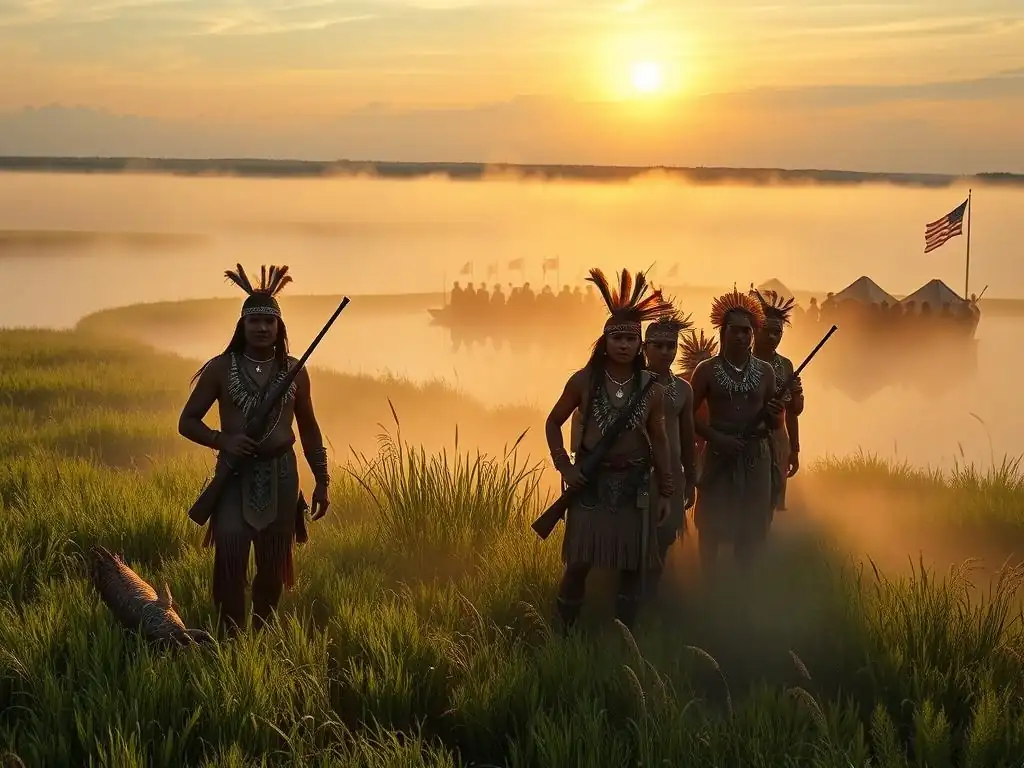
Welcome to Indigenous Civilizations of the Americas, where we embark on an enlightening journey through the rich tapestry of indigenous cultures that flourished long before European conquest. Dive into our featured article, "The Battle of Lake Okeechobee: Seminole Resistance Against U.S. Expansion," and uncover the remarkable story of the Seminole people as they stood resilient against the forces of change.
What drove their fierce determination to protect their land and way of life? Join us as we explore their profound legacy and the echoes of their struggle that resonate to this day. Prepare to be captivated and inspired by the untold stories of strength, survival, and resistance!
Introduction to the Seminole Resistance
The Battle of Lake Okeechobee stands as a significant chapter in the narrative of Seminole resistance to U.S. expansion during the early 19th century. This confrontation not only exemplified the fierce determination of the Seminole people to safeguard their lands and way of life but also highlighted the broader conflict between indigenous nations and expanding American interests.
By examining this battle, we gain insight into the complexities of the Seminole struggle against colonization and their enduring legacy in American history. The Seminole tribe, known for their resilience and adaptability, played a crucial role in the ongoing resistance against U.S. policies that sought to displace them from their ancestral lands in Florida.
Overview of the Seminole Tribe
The Seminole tribe, originally comprised of various Native American groups, including the Creek, migrated to Florida in the 18th century. They formed a unique identity characterized by their agricultural practices, hunting, and fishing. Their society was matrilineal, with women holding significant roles in both family and community affairs. The Seminole were known for their resistance to outside influences and maintained a degree of autonomy even as pressures mounted from European settlers and the U.S. government.
- Cultural Practices: The Seminole developed a rich cultural tapestry, including distinctive clothing, arts, and spiritual beliefs.
- Political Structure: Their governance was decentralized, relying on a council system that allowed for democratic participation among tribal members.
- Adaptation: The tribe demonstrated remarkable adaptability, incorporating new technologies and practices while preserving their traditions.
Historical Context of U.S. Expansion in Florida
The early 19th century marked a period of aggressive territorial expansion by the United States, driven by the ideology of Manifest Destiny. Florida, with its strategic location and fertile land, was a prime target for American settlers. The U.S. government sought to acquire Florida from Spain, culminating in the Adams-Onís Treaty of 1819, which ceded Florida to the United States. This acquisition intensified conflicts with the Seminole tribe, who viewed this expansion as a direct threat to their sovereignty and way of life.
- Land Conflicts: The influx of settlers led to increased pressure on Seminole lands, resulting in numerous skirmishes and confrontations.
- Federal Policies: The U.S. government implemented policies aimed at removing Native populations from their territories, further escalating tensions.
- Resistance Movements: The Seminole's response to encroachment included both diplomatic efforts and armed resistance, setting the stage for future conflicts.
The Prelude to the Battle
The lead-up to the Battle of Lake Okeechobee was marked by a series of events that underscored the Seminole's unwavering resistance to U.S. expansion. Various factors contributed to the tensions that ultimately erupted into armed conflict.
Causes of the Seminole Resistance to U.S. Expansion
The Seminole resistance to U.S. expansion was fueled by several interrelated causes:
- Displacement Threat: The continual encroachment on their lands created a sense of urgency among the Seminole to defend their territory.
- Cultural Preservation: The desire to protect their cultural identity and way of life from assimilation pressures was paramount.
- Alliances with Other Tribes: The Seminole formed alliances with other tribes and escaped slaves, strengthening their position against U.S. forces.
Key Events Leading Up to the Battle of Lake Okeechobee
Several key events set the stage for the confrontation at Lake Okeechobee:
- First Seminole War (1817-1818): This conflict marked the beginning of organized resistance against U.S. forces, establishing the Seminoles as formidable opponents.
- Escalation of Skirmishes: As tensions rose, numerous skirmishes occurred between U.S. troops and Seminole warriors, highlighting the ongoing struggle for control of the land.
- Military Preparations: In response to increasing hostilities, the U.S. military began mobilizing forces to confront the Seminole, culminating in the pivotal battle at Lake Okeechobee.
Through these events, the resilience of the Seminole tribe became increasingly evident, setting the stage for one of the most notable battles in their history.
The Battle of Lake Okeechobee
The Battle of Lake Okeechobee, fought on December 25, 1837, marked a significant conflict during the Second Seminole War, a pivotal moment in the Seminole resistance to U.S. expansion. This battle was a culmination of ongoing tensions as U.S. forces sought to forcibly remove the Seminole people from their ancestral lands in Florida.
The clash took place near the shore of Lake Okeechobee, where a sizable contingent of U.S. troops, led by Colonel Zachary Taylor, engaged a group of Seminole warriors commanded by Chief Osceola's allies. The battle showcased the resilience and strategic capabilities of the Seminole people as they defended their territory against a well-organized military force.
Detailed Account of the Battle
The battle began early on Christmas morning, with U.S. forces, numbering around 1,000 men, advancing toward the Seminole encampment. The Seminoles, estimated to be between 300-400 warriors, utilized the dense Florida swamps and vegetation to their advantage. As the U.S. troops approached, the Seminole warriors executed surprise attacks, utilizing their knowledge of the terrain to ambush and inflict significant casualties on the invading forces.
Despite the Seminoles' tactical advantage, the battle was fierce and chaotic. The U.S. army, equipped with superior weaponry, aimed to push through the Seminole defenses. However, the Seminoles displayed remarkable bravery and resilience. The engagement resulted in heavy fighting for several hours, with both sides enduring losses. Eventually, as the day wore on, the U.S. troops, facing mounting casualties and logistical challenges, were forced to retreat, marking a temporary victory for the Seminole warriors.
Key Figures in the Seminole Resistance
Several key figures played crucial roles in the Seminole resistance during the Battle of Lake Okeechobee and the broader conflict against U.S. expansion.
- Osceola: Although not directly present at the battle, Chief Osceola was a central leader of the Seminole resistance. His strategic insights and charismatic leadership galvanized the Seminoles to resist removal.
- Alligator: A prominent Seminole leader who led the warriors during the battle. His tactical prowess and understanding of the land greatly contributed to the Seminole's defensive strategies.
- Colonel Zachary Taylor: The commander of U.S. forces during the battle. Taylor's leadership and military experience were pivotal in organizing the U.S. troops, although the outcome of the battle would challenge his reputation.
These figures symbolize the larger struggle of the Seminole people as they faced overwhelming odds in their fight for autonomy and survival.
Tactics and Strategies Employed by the Seminole Warriors
The success of the Seminole warriors at Lake Okeechobee can be attributed to their adept use of guerrilla warfare tactics and their intimate knowledge of the Florida terrain.
- Ambush and Surprise Attacks: The Seminoles capitalized on the element of surprise, launching sudden, aggressive strikes against the advancing U.S. forces, which disoriented and demoralized the soldiers.
- Use of Terrain: The dense swamps and underbrush of Florida provided natural cover for the Seminoles. They utilized these environments to stage ambushes and retreat when necessary, effectively neutralizing the numerical advantage of the U.S. troops.
- Mobility and Flexibility: The Seminoles maintained a high level of mobility, allowing them to quickly shift positions and evade encirclement. This flexibility was crucial in outmaneuvering the more rigid formations of the U.S. army.
Through these tactics, the Seminole warriors demonstrated their ingenuity and determination in resisting U.S. expansion.
Aftermath of the Battle
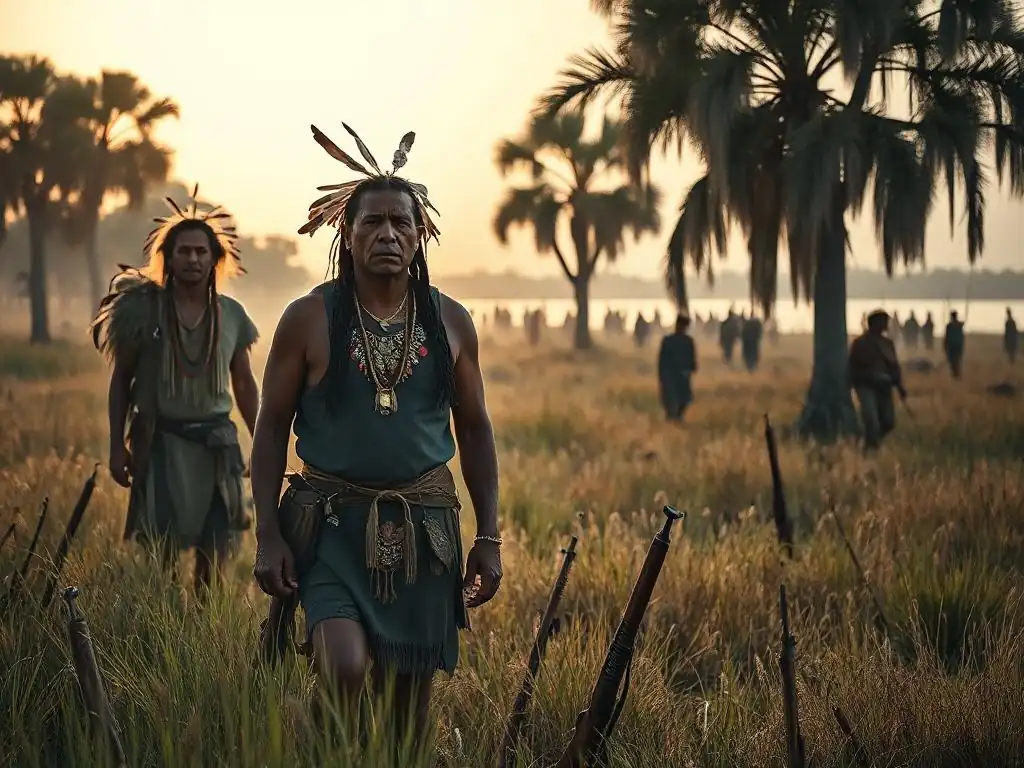
The aftermath of the Battle of Lake Okeechobee had significant implications for both the Seminole tribe and U.S. expansion policies in Florida.
Consequences for the Seminole Tribe
The battle, while a tactical victory for the Seminoles, did not lead to long-term success against U.S. forces. Despite their bravery, the Seminoles faced continued pressure from the U.S. military, leading to increased violence and further displacement. The battle also fueled the resolve of U.S. leaders to pursue aggressive military campaigns against the Seminoles, resulting in more confrontations.
The Seminole community suffered heavy losses, both in terms of lives and resources. The ongoing conflict exacerbated divisions within the tribe and led to a decline in their population as many sought refuge in less accessible areas of Florida or chose to migrate to other territories.
Impact on U.S. Expansion Policies
The Battle of Lake Okeechobee highlighted the fierce resistance of the Seminole people and prompted a reassessment of U.S. military strategies. While the U.S. government initially believed that swift military action would quell resistance, the battle demonstrated that the Seminoles were not easily subdued.
In the long term, this realization led to a more protracted conflict known as the Second Seminole War, which lasted until 1842 and became one of the costliest wars in U.S. history in terms of both finances and lives lost. Ultimately, the resolve of the Seminole people forced the U.S. government to reconsider its approach, marking a shift towards negotiations and a more complex understanding of the dynamics involved in U.S. expansion into Florida.
The Legacy of Seminole Resistance
The legacy of Seminole resistance is profound and multifaceted, encapsulating the determination and resilience of the Seminole people in the face of U.S. expansion. The Battle of Lake Okeechobee, fought on December 25, 1837, marked a significant moment in this ongoing struggle. This battle was not just a military confrontation, but a symbol of the broader resistance against colonial encroachment and the fight for sovereignty. The Seminole's tenacity during this battle and throughout the Second Seminole War exemplifies their commitment to defending their land, culture, and way of life.
The legacy also extends to the cultural memory of the Seminole Nation, where stories of bravery and resistance are passed down through generations. These narratives serve not only as historical accounts but also as a source of identity and pride for the Seminole people. The resistance has become a cornerstone of their cultural heritage, influencing contemporary social and political movements aimed at preserving Indigenous rights and advocating for recognition.
Significance of the Battle in Indigenous Resistance History
The Battle of Lake Okeechobee stands as a pivotal event in the history of Indigenous resistance in North America. It was part of the larger context of the Second Seminole War, which was primarily driven by the U.S. government's desire to remove the Seminole from their ancestral lands in Florida. The battle illustrated the strategic and military capabilities of the Seminole warriors, who employed guerrilla tactics and knowledge of the local terrain to challenge a more technologically advanced U.S. Army.
This confrontation highlighted the complexities of Indigenous resistance, as it was not merely a fight against military forces but also a defense of cultural integrity and autonomy. The Seminole's ability to engage in a prolonged conflict against U.S. forces demonstrated their resolve and unity. The significance of this battle resonates beyond its immediate outcomes, as it inspired future generations of Indigenous peoples to resist colonization and fight for their rights.
The Role of the Seminole in Shaping U.S. Military Strategy
The Seminole resistance significantly influenced U.S. military strategy during the 19th century. The challenges faced by the U.S. Army in the swamps and forests of Florida forced military leaders to reconsider their tactics. The Seminole employed innovative strategies that included surprise attacks and the use of their knowledge of the land, prompting U.S. forces to adapt to these unconventional warfare methods.
Moreover, the prolonged conflict necessitated a reevaluation of troop deployment and logistics, as the U.S. Army struggled to maintain supply lines and troop morale in the challenging Florida environment. This led to the development of new military strategies and tactics that would later be applied in other conflicts across the United States. The Seminole's resistance not only reshaped military strategies but also left a lasting imprint on the understanding of Indigenous warfare and resistance.
Conclusion
The Battle of Lake Okeechobee and the larger Seminole resistance to U.S. expansion represent a significant chapter in the narrative of Indigenous resilience. The legacy of this resistance continues to inspire and inform current discussions about Indigenous rights and sovereignty. The courage displayed by the Seminole people during this tumultuous period serves as a reminder of the ongoing struggles faced by Indigenous communities today.
Reflection on the Seminole Resistance to U.S. Expansion
Reflecting on the Seminole resistance to U.S. expansion reveals a profound narrative of survival and strength. The Seminole people's ability to maintain their territory and cultural identity in the face of overwhelming odds is a testament to their resilience. This resistance is emblematic of the broader Indigenous experience, where communities have historically fought to preserve their rights and autonomy against colonial forces. The lessons learned from the Seminole's struggle remain relevant, as contemporary Indigenous movements continue to fight for recognition, land rights, and justice.
Lasting Impact on Indigenous Rights and Recognition
The impact of the Seminole resistance extends into modern times, influencing the landscape of Indigenous rights and recognition in the United States. The struggle of the Seminole people has contributed to a greater awareness of Indigenous issues and the importance of self-determination. As a result of their resistance, there have been significant advancements in policies recognizing Indigenous sovereignty and rights.
Moreover, the narrative of the Seminole resistance has become a powerful symbol in the fight for social justice among Indigenous communities. It serves to educate the public about the historical injustices faced by Native peoples and reinforces the need for continued advocacy for their rights. The legacy of the Seminole resistance is a vital part of the ongoing journey toward equality and recognition for Indigenous peoples across the Americas.
- Introduction to the Seminole Resistance
- The Prelude to the Battle
- The Battle of Lake Okeechobee
- Aftermath of the Battle
- The Legacy of Seminole Resistance
- Conclusion
- What was the Battle of Lake Okeechobee?
- Why is the Seminole resistance important in American history?
- What were the main reasons for the Seminole resistance?
- How did the Battle of Lake Okeechobee affect U.S. policies towards indigenous tribes?
- What are some lasting impacts of Seminole resistance today?
Frequently Asked Questions
What was the Battle of Lake Okeechobee?
The Battle of Lake Okeechobee was a significant conflict in the Second Seminole War, occurring in 1837, where the U.S. military clashed with the Seminole tribe in their resistance to U.S. expansion.
Why is the Seminole resistance important in American history?
The Seminole resistance to U.S. expansion is crucial as it exemplifies the struggle for sovereignty and the fight against forced removal, highlighting the cultural resilience of indigenous peoples.
What were the main reasons for the Seminole resistance?
The Seminole resistance stemmed from multiple factors, including land disputes, the threat of forced removal, and a desire to preserve their cultural identity and way of life.
How did the Battle of Lake Okeechobee affect U.S. policies towards indigenous tribes?
The battle intensified U.S. military efforts against the Seminole, leading to a prolonged conflict that ultimately shaped future policies regarding native land and relations with indigenous tribes.
What are some lasting impacts of Seminole resistance today?
The legacy of Seminole resistance continues to influence contemporary discussions on indigenous rights, land sovereignty, and the importance of cultural preservation among indigenous communities.
Final Reflection: The Enduring Legacy of Seminole Resistance
The struggle for sovereignty and identity faced by the Seminole people during the Battle of Lake Okeechobee resonates profoundly in today's discussions about indigenous rights and cultural preservation. As we navigate a world increasingly defined by globalization and cultural homogenization, the Seminole resistance to U.S. expansion serves as a powerful reminder of the importance of standing firm in one’s beliefs and heritage. This historical confrontation was not merely a battle over land; it was a fight for dignity and survival that continues to inspire movements for justice and recognition today.
Cultural narratives surrounding the Seminole resistance have shaped our understanding of resilience in the face of adversity. The ongoing influence of this history is evident in contemporary dialogues about indigenous rights, as communities strive to reclaim their narratives and assert their place in society. As noted by historian Paul Chaat Smith, The stories of Native resistance are not just historical footnotes; they are living legacies that inform our present and future.
This perspective underscores the significance of understanding the past as we engage with current issues of social justice and equity.
As you reflect on the lessons from the Seminole resistance to U.S. expansion, consider how these themes of resilience and identity can be applied in your own life. What battles are you fighting for your beliefs, and how can you draw inspiration from those who have come before you?
Take a moment to honor the struggles of the Seminole people and recognize the strength within yourself to advocate for what you believe in. The legacy of resistance is not just a historical account; it is a call to action for all of us to stand up for our values and the rights of others in our communities.
Embrace the Spirit of Resilience!
Thank you for taking the time to explore the pivotal moment of the Battle of Lake Okeechobee and the remarkable courage of the Seminole people. Your interest in this chapter of history reflects a commitment to understanding the rich narratives of indigenous civilizations. Now, let’s continue this journey together and take meaningful action!
Here are a few powerful ways you can contribute to preserving and sharing this unique legacy:
- Join a local advocacy group dedicated to supporting indigenous rights or historical preservation to amplify these important voices.
- Share this article with friends and family to spark discussions about the resilience and resistance of indigenous communities.
- Consider visiting a museum or cultural center that showcases Native American history to deepen your understanding and support these vital institutions.
What steps will you take today to honor the legacy of the Seminole people and their fight for sovereignty? Your voice matters—let’s keep the conversation going!