
The Last Stand: The Battle of Tenochtitlan and the Fall of the Aztec Empire

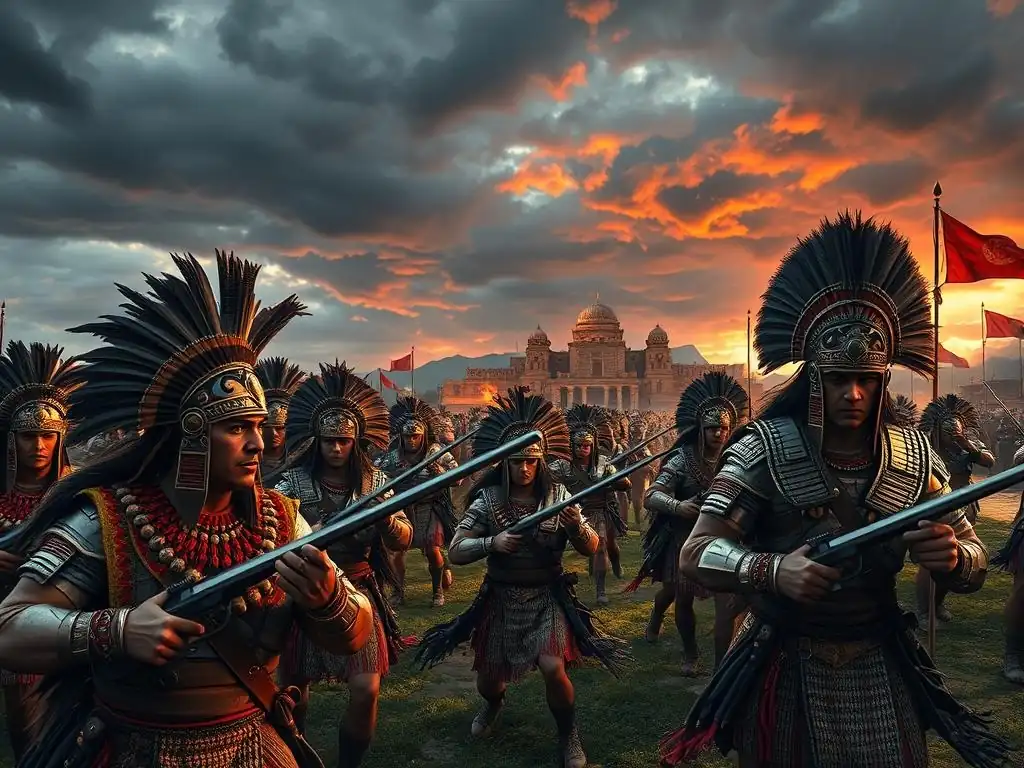
Welcome to Indigenous Civilizations of the Americas! Here, we invite you to journey through the rich tapestry of indigenous cultures that flourished long before European contact. Our focus today is on a pivotal moment in history: the Fall of the Aztec Empire. Discover the intricacies of the Battle of Tenochtitlan, where valor and strategy clashed in a fight for survival against overwhelming odds. What led to the demise of one of the most powerful empires in the Americas? Dive deeper with us as we unravel the story behind this monumental event and its enduring legacy. Your exploration begins now!
Introduction to the Fall of the Aztec Empire
The Fall of the Aztec Empire marks a pivotal moment in history, representing not only the end of a powerful civilization but also the dramatic transformation of the Americas following European contact. This article delves into the intricacies surrounding the Battle of Tenochtitlan, the last significant stand of the Aztecs against Spanish conquistadors led by Hernán Cortés. As we explore the final days of the Aztec Empire, it becomes essential to understand the socio-political landscape, military strategies, and the cultural significance of this vibrant civilization.
The events leading to the fall were characterized by betrayal, alliances, and fierce resistance. Notably, the Aztecs' sophisticated society, rich in traditions and achievements, faced existential threats as they were unprepared for the arrival of foreign invaders. Throughout this article, we will examine the dynamics of the battle, the resources at play, and the implications of the Aztecs' defeat, which set the stage for centuries of colonial rule in the Americas.
Overview of the Aztec Empire Before Conquest
Before the onset of European colonization, the Aztec Empire was one of the most advanced and influential civilizations in the Americas. Established in the early 14th century, it reached its zenith by the early 16th century, encompassing a vast territory that included present-day Mexico and beyond.
Some key aspects of the Aztec Empire include:
- Political Structure: The empire was characterized by a complex political hierarchy, with the Emperor wielding absolute power, supported by a council of nobles and priests.
- Economy: Trade and agriculture formed the backbone of the Aztec economy. They developed advanced agricultural techniques, including chinampas (floating gardens), which allowed for high-yield farming.
- Religion and Culture: The Aztecs practiced a polytheistic religion, with a rich pantheon of gods, rituals, and ceremonies that played a crucial role in their daily lives. Their cultural contributions included remarkable achievements in art, architecture, and astronomy.
As tensions rose with the arrival of the Spanish, the intricate web of alliances and enmities among various indigenous groups began to unravel, leading to the eventual downfall of the empire.
The Significance of Tenochtitlan in Aztec Culture
Tenochtitlan, the capital city of the Aztec Empire, was not only a political and economic hub but also a cultural epicenter that epitomized Aztec civilization. Founded in 1325 on an island in Lake Texcoco, Tenochtitlan was noted for its stunning architecture, advanced urban planning, and vibrant social life.
Key features of Tenochtitlan's significance include:
- Architectural Marvels: The city was home to grand temples, palaces, and public buildings, with the Templo Mayor standing as a central religious site. Its impressive structures showcased the Aztecs' architectural ingenuity.
- Cultural Identity: Tenochtitlan served as a symbol of Aztec identity, embodying their values, myths, and traditions. Festivals and ceremonies held in the city were integral to maintaining social cohesion and religious devotion among the populace.
- Strategic Location: The city's position on the lake provided natural defenses against potential invaders, contributing to its status as a formidable stronghold until the arrival of the Spanish.
As the narrative unfolds, the fate of Tenochtitlan becomes intricately linked to the events of the battle, shaping the legacy of the Aztec Empire and its enduring impact on history.
- Introduction to the Fall of the Aztec Empire
- Overview of the Aztec Empire Before Conquest
- The Significance of Tenochtitlan in Aztec Culture
Prelude to the Battle of Tenochtitlan
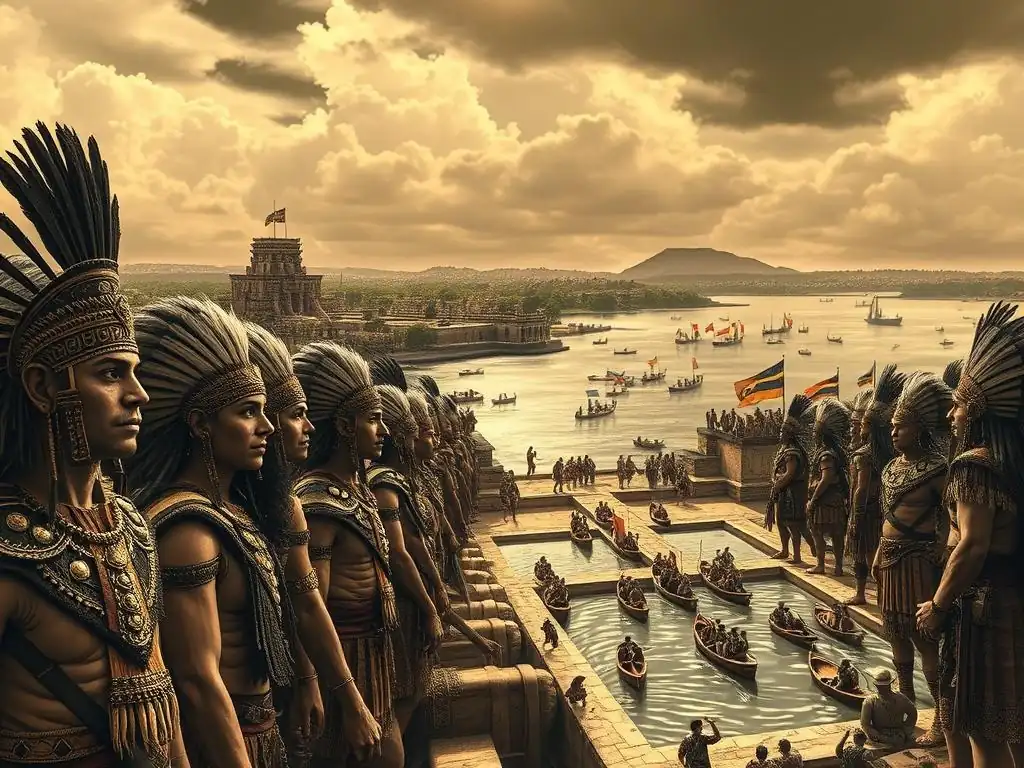
The Arrival of Hernán Cortés and Spanish Conquistadors
The arrival of Hernán Cortés in 1519 marked a pivotal moment in the Fall of the Aztec Empire. Cortés, a Spanish conquistador, landed on the coast of present-day Mexico with a small force of around 600 men. His expedition was driven by the quest for gold and glory, as well as the desire to expand Spanish influence in the New World.
Upon arriving in Mexico, Cortés and his men were initially met with curiosity rather than hostility. The Aztec Empire, at the time, was at its zenith under Emperor Moctezuma II, who ruled over a vast territory with a complex social and political structure. Cortés capitalized on the existing political tensions among indigenous groups, which would later play a crucial role in his conquest.
The Spanish brought with them advanced weaponry, including firearms and steel armor, which were unmatched by the indigenous peoples. However, it was not merely military superiority that led to the fall of the Aztec Empire. The psychological impact of the Spaniards, combined with their strategic alliances with other native groups, significantly influenced the unfolding events.
Initial Encounters Between Aztecs and Spaniards
The first encounters between the Aztecs and the Spanish were marked by a mix of intrigue and tension. Initially, the Aztecs viewed the Spaniards as potential allies or even divine beings. Moctezuma, believing Cortés might be the return of the god Quetzalcoatl, extended a warm welcome. He offered gifts of gold and other riches, hoping to foster a peaceful relationship.
Despite this hospitality, misunderstandings and cultural differences quickly became apparent. The Spaniards, driven by greed, began to view the wealth and resources of the Aztec Empire as ripe for the taking. Tensions escalated when the Spanish demanded tribute and resources from the Aztecs, leading to resentment and distrust.
The pivotal moment came during the Noche Triste (Night of Sorrows) in 1520, when Aztec forces retaliated against the Spanish after realizing their true intentions. This marked a significant turning point, as it revealed the fragility of the initial alliance and showcased the determination of the Aztec warriors to defend their empire.
Key Factors Leading to the Conflict
Several key factors contributed to the inevitable conflict between the Aztecs and the Spanish, ultimately leading to the Fall of the Aztec Empire.
- Cultural Misunderstandings: The Aztecs’ initial perception of the Spaniards as deities clashed with the latter’s imperial ambitions. This cultural disconnect fueled mistrust and hostility.
- Political Alliances: Cortés skillfully formed alliances with other indigenous groups who were subjugated by the Aztecs, such as the Tlaxcalans. These alliances provided crucial military support and local knowledge, significantly bolstering the Spanish forces.
- Technological Disparities: The Spaniards had access to advanced weaponry, including cannons and cavalry, which were foreign to the Aztecs. This technological edge, coupled with strategic military tactics, gave the Spanish a substantial advantage in battle.
- Disease: The spread of European diseases, such as smallpox, devastated the indigenous population, including the Aztecs. This demographic collapse weakened their military and social structures, making them more vulnerable to conquest.
- Religious Fanaticism: The Spaniards viewed their conquest as a religious mission, aiming to convert indigenous peoples to Christianity. This zeal often justified their violent actions and disregard for Aztec traditions.
These factors converged to create a volatile environment, ultimately culminating in the fierce Battle of Tenochtitlan and the subsequent fall of the Aztec Empire. The conflict not only reshaped the political landscape of Mesoamerica but also had profound implications for indigenous cultures and the course of history in the Americas.
The Siege of Tenochtitlan
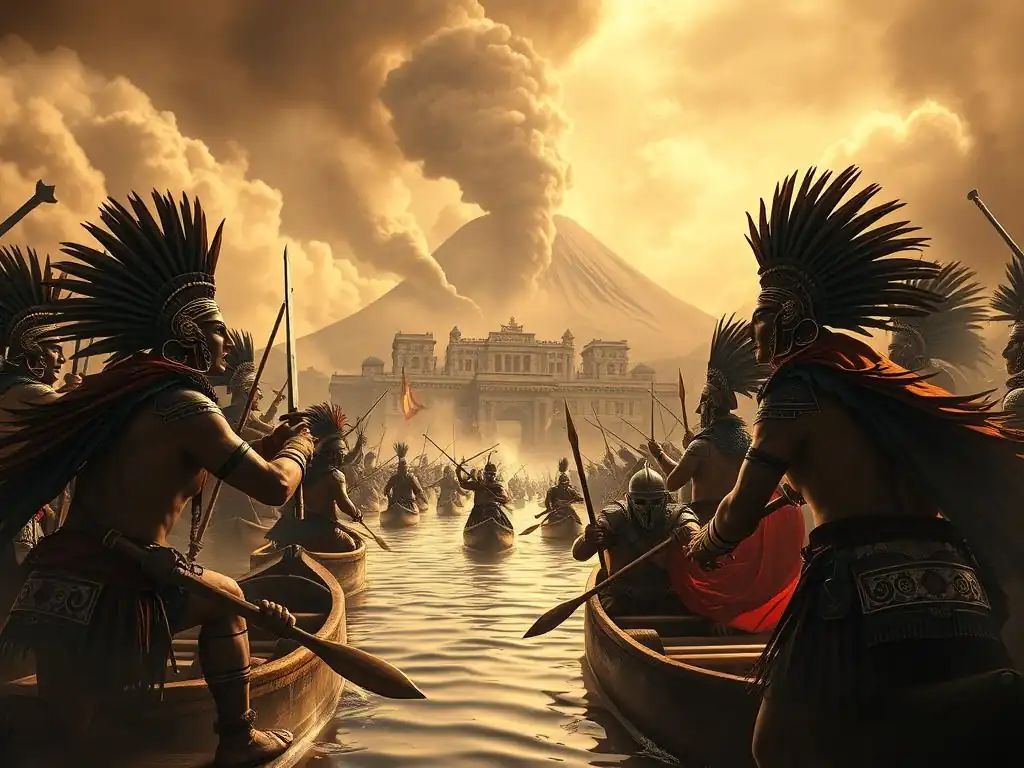
The Siege of Tenochtitlan, which took place from May 1521 to August 1521, marked a pivotal moment in the Fall of the Aztec Empire. This brutal campaign was characterized by strategic military tactics, fierce resistance from the Aztecs, and the involvement of various indigenous allies of the Spanish. Understanding the siege requires an exploration of Tenochtitlan’s geography, the timeline of the events, and the complex relationships between the combatants.
Strategic Importance of Tenochtitlan’s Geography
Tenochtitlan, the capital of the Aztec Empire, was situated on an island in the middle of Lake Texcoco, which provided both a natural defensive barrier and a source of sustenance. This strategic location presented several advantages:
- Natural Defense: Surrounded by water, Tenochtitlan was difficult to access. The city's numerous canals and causeways made direct assaults challenging for invading forces.
- Resource Availability: The lake was rich in fish and other aquatic resources, and the surrounding wetlands supported agriculture, allowing the Aztecs to sustain their population even during sieges.
- Cultural Significance: Tenochtitlan was not just a military stronghold; it was a cultural and religious center, home to temples, marketplaces, and a population that thrived on trade and tribute from conquered territories.
Despite these advantages, the geography also posed challenges for the Aztecs as the Spanish forces, led by Hernán Cortés, adapted their tactics to exploit these vulnerabilities, leading to the eventual Fall of the Aztec Empire.
Timeline of the Siege: Major Events and Turning Points
The siege of Tenochtitlan unfolded over several months, marked by key events that ultimately led to the downfall of the Aztec Empire:
- May 1521: The siege begins as Cortés and his forces, bolstered by indigenous allies such as the Tlaxcalans, cut off supplies to Tenochtitlan.
- June 1521: The Spanish capture the crucial causeways leading into the city, effectively isolating Tenochtitlan. The Aztecs launch several counterattacks, demonstrating their resilience.
- July 1521: Disease, particularly smallpox, spreads rapidly among the Aztecs, decimating their population and weakening their defenses. This epidemic was a significant turning point in the siege.
- Early August 1521: The Spanish forces breach the city walls. Intense fighting ensues, culminating in the fall of key districts within Tenochtitlan.
- August 13, 1521: The final assault leads to the capture of Tenochtitlan. Cuauhtémoc, the last Aztec emperor, is captured, marking the end of the Aztec Empire and the beginning of Spanish dominance in Mesoamerica.
This timeline highlights how the combination of military strategy, disease, and indigenous alliances influenced the outcome of the siege, culminating in the Fall of the Aztec Empire.
The Role of Indigenous Allies in the Battle
The involvement of indigenous allies was crucial in the siege of Tenochtitlan. Various groups, discontented with Aztec rule, allied with the Spanish, significantly shifting the balance of power. Key points include:
- Tlaxcalans: Perhaps the most notable allies, the Tlaxcalans had long been adversaries of the Aztecs. Their knowledge of local terrain and warfare strategies proved invaluable to the Spanish forces.
- Other Indigenous Groups: Other tribes, such as the Xochimilcas and the Cholulans, also joined the Spanish cause, driven by a desire to overthrow their Aztec oppressors.
- Impact on Tactics: Indigenous allies not only provided additional manpower but also crucial intelligence about Aztec defenses and strategies. This cooperation enabled the Spanish to execute more effective military maneuvers.
The collaboration between the Spanish and their indigenous allies significantly contributed to the Fall of the Aztec Empire, showcasing the complex dynamics of warfare in the region during this period.
By analyzing the siege's geography, timeline, and the role of indigenous allies, we gain a deeper understanding of the factors that led to the dramatic downfall of one of the most powerful civilizations in pre-Columbian America.
The Battle Tactics: Aztec vs. Spanish Strategies
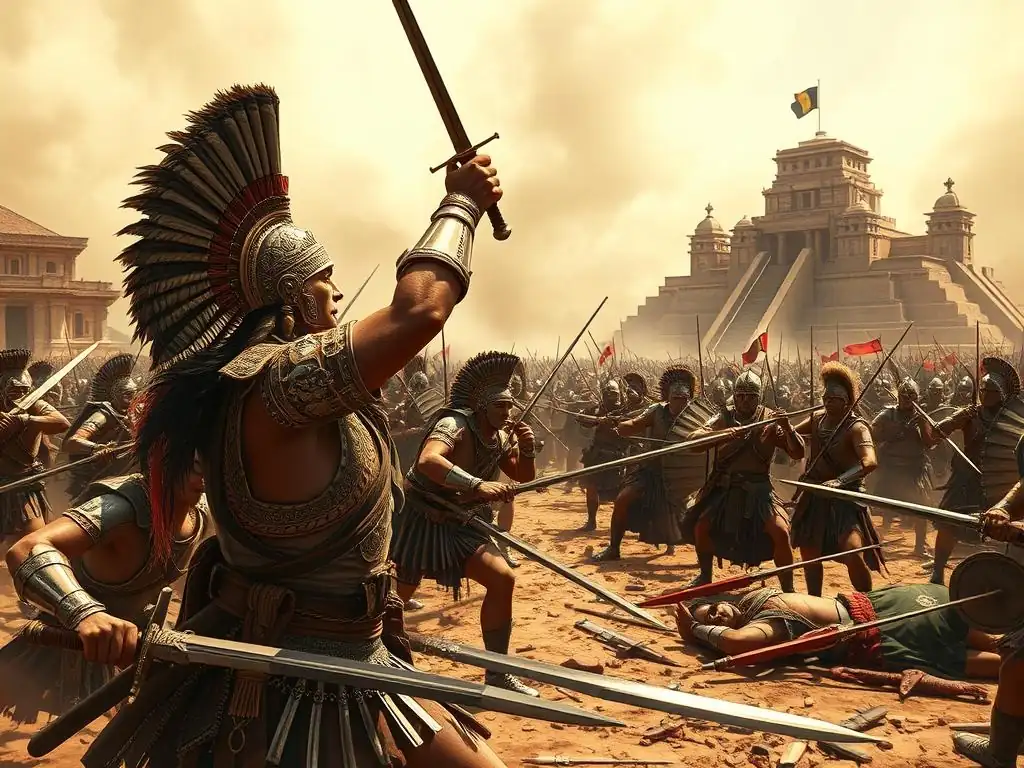
Aztec Warfare Techniques and Armaments
The Aztecs, known for their fierce and strategic approach to warfare, utilized a range of techniques and armaments that distinguished them in battle. Their military organization was highly structured, with a hierarchy of ranks that included commanders and specialized warriors. Key features of Aztec warfare included:
- Warrior Societies: Aztec society placed a high value on military prowess, with elite groups such as the Eagle Warriors and Jaguar Warriors, who were distinguished by their bravery and skill in combat.
- Weapons and Armor: The Aztecs primarily used weapons made from materials available in their environment, including:
- Atlatl: A spear-throwing device that increased the range and power of darts.
- Macuahuitl: A wooden sword embedded with obsidian blades, known for its cutting ability.
- Bows and Arrows: Used extensively for ranged attacks.
- Cotton Armor: While not highly protective, it was lightweight and allowed for mobility.
The Aztecs also employed psychological tactics, including ritualistic warfare aimed at capturing prisoners for sacrifices, which played a critical role in their culture and religious practices. Their strategic layout of cities and defensive structures, such as causeways and moats, allowed for effective territorial defense.
Spanish Military Strategy and Technology
The Spanish, under the leadership of Hernán Cortés, introduced a military strategy that capitalized on their technological advantages and tactical innovations. Key elements of Spanish military strategy included:
- Firearms and Artillery: The Spaniards had access to gunpowder weapons, including arquebuses and cannons, which provided a significant advantage against the Aztecs' traditional weaponry.
- Cavalry Tactics: The Spanish utilized horses, which were unfamiliar to the Aztec warriors. The mobility and speed of cavalry units allowed for rapid strikes and disorienting maneuvers.
- Alliances with Indigenous Tribes: Cortés strategically allied with discontented tribes, such as the Tlaxcalans, who provided additional manpower and local knowledge against the Aztecs.
- Military Formations: The Spanish employed disciplined formations, such as the tercios, which allowed for coordinated attacks and effective use of both infantry and artillery.
The combination of advanced weaponry, strategic alliances, and disciplined military formations gave the Spanish a decisive edge in the Battle of Tenochtitlan.
Comparative Analysis of Tactics Used in the Battle
A comparative analysis of the tactics employed by the Aztecs and Spaniards during the Battle of Tenochtitlan reveals stark differences that contributed to the fall of the Aztec Empire.
- Adaptability: The Spanish were quick to adapt their tactics in response to the unique challenges presented by urban warfare in Tenochtitlan. They effectively used their artillery to breach Aztec defenses and disrupt organized formations.
- Psychological Warfare: While the Aztecs relied on their psychological tactics, such as intimidation through ritualistic displays, the Spaniards countered by instilling fear with their firearms and cavalry charges. The unfamiliarity of European warfare techniques left many Aztecs disoriented.
- Resource Management: The Spanish were adept at managing their resources, utilizing supplies from their allies and strategically capturing Aztec provisions throughout the siege. In contrast, the Aztecs faced resource depletion, which weakened their defensive capabilities over the course of the battle.
- Leadership and Organization: The centralized leadership of the Spanish forces allowed for swift decision-making, whereas the Aztec command structure faced confusion and disarray, particularly as the battle progressed and casualties mounted.
The combination of superior technology, strategic alliances, adaptability, and effective leadership ultimately played a crucial role in the fall of the Aztec Empire during the Battle of Tenochtitlan. This pivotal moment in history marked the beginning of significant change in the Americas and the decline of one of the most powerful indigenous civilizations.
Consequences of the Battle of Tenochtitlan
Immediate Aftermath: The Fall of Tenochtitlan
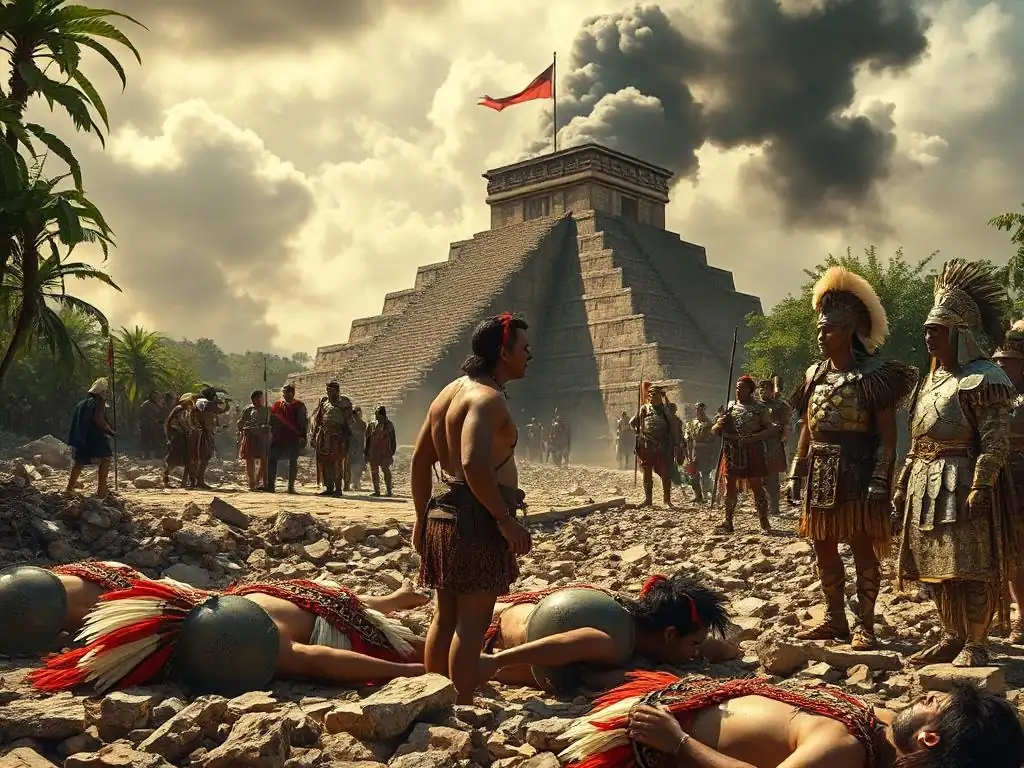
The Fall of Tenochtitlan in 1521 marked a pivotal moment in the history of the Americas, resulting in the complete collapse of the Aztec Empire. The immediate aftermath of this battle was catastrophic for the Aztec people. After months of siege and warfare, the Spanish, led by Hernán Cortés, captured the capital city, which was a vibrant hub of trade, culture, and governance.
In the wake of this defeat, the Aztec leadership was decimated. The last emperor, Cuauhtémoc, was captured and later executed, symbolizing the end of indigenous sovereignty in the region. The city itself suffered significant destruction: much of its infrastructure was razed, and its temples were repurposed for Spanish religious practices. This destruction not only eradicated the physical manifestations of Aztec civilization but also disrupted their social and political structures, leading to chaos within the remaining indigenous communities.
Furthermore, the immediate consequence of the battle also included the spread of diseases, such as smallpox, which the Spanish had brought with them. These diseases devastated the indigenous population, leading to a dramatic decrease in numbers and further weakening any potential resistance against colonial rule. By 1523, estimates suggest that the indigenous population of Tenochtitlan had plummeted by as much as 90%, representing a tragic loss of life and culture.
Long-term Effects on the Aztec Empire and Its People
The long-term effects of the Fall of the Aztec Empire were profound and far-reaching. With the conquest of Tenochtitlan, Spanish colonization began in earnest, leading to significant cultural, social, and political transformations across Mesoamerica.
- Cultural Suppression and Syncretism: The Spanish imposed their language, religion, and customs upon the indigenous population. The Catholic Church played a crucial role in this process, often destroying indigenous temples and replacing them with churches. However, this also led to a form of syncretism, where elements of Aztec beliefs were blended with Christian practices, resulting in unique cultural fusions that persist to this day.
- Economic Exploitation: The Spanish implemented the encomienda system, which forced indigenous people to work in mines and agriculture under harsh conditions. This exploitation led to significant suffering and contributed to the decline of the indigenous population, as many were unable to withstand the grueling demands placed upon them.
- Loss of Autonomy: The fall of Tenochtitlan not only meant the loss of political power but also the erasure of traditional governance structures. Indigenous communities were often left without leadership, leading to fragmentation and easier control by Spanish authorities.
The Impact on Indigenous Civilizations in Mesoamerica
The conquest of the Aztecs had a ripple effect across Mesoamerica, affecting various indigenous civilizations in multiple ways:
- Power Vacuum: The collapse of the Aztec Empire created a power vacuum that allowed other indigenous groups to either resist or collaborate with the Spanish. Some groups, such as the Tlaxcalans, allied with the Spanish against the Aztecs, hoping to gain favor and protection.
- Transformation of Social Structures: The imposition of Spanish rule disrupted existing social hierarchies and led to the establishment of new classes. Indigenous nobility often found themselves stripped of their power, while Spanish settlers and their descendants became the new elite.
- Cultural Resilience and Resistance: Despite the overwhelming pressures of colonization, many indigenous groups maintained aspects of their cultural identity. This resilience is evident in contemporary practices and traditions that continue to celebrate indigenous heritage and history.
The Fall of Tenochtitlan was not merely the end of the Aztec Empire; it initiated a cascade of changes that irrevocably altered the landscape of indigenous civilizations in Mesoamerica. The consequences of this battle continue to resonate today, reminding us of the rich tapestry of history woven by these resilient cultures.
Legacy of the Battle and the Fall of the Aztec Empire
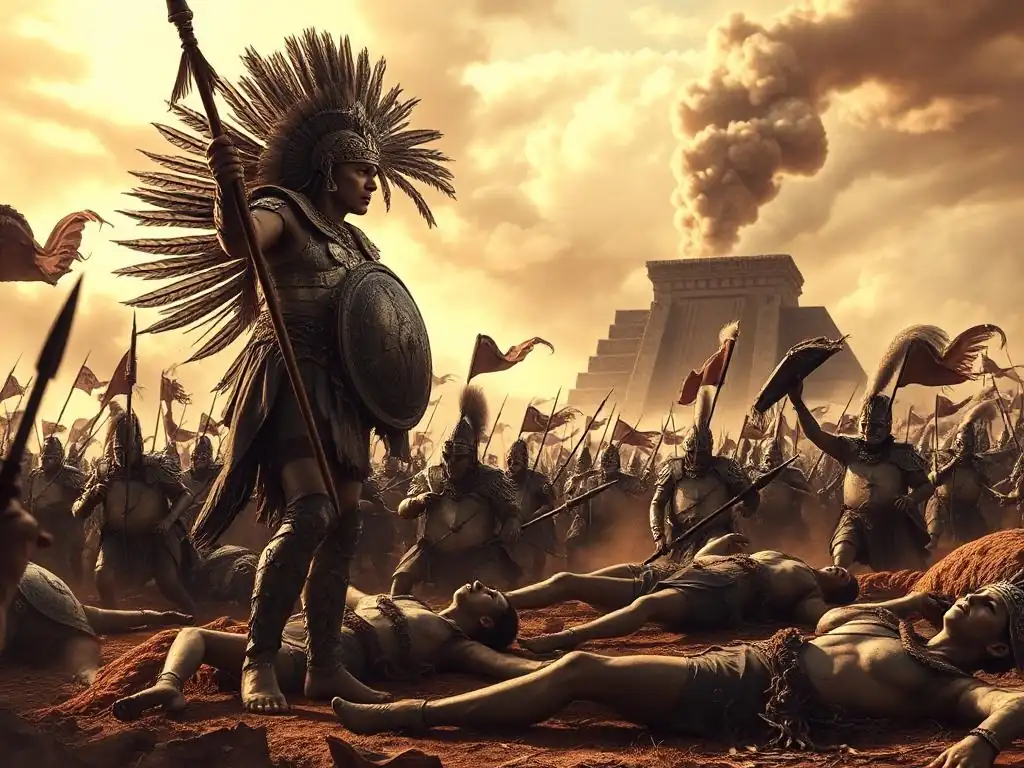
The Battle of Tenochtitlan, which culminated in the fall of the Aztec Empire in 1521, left an indelible mark on history. This conflict not only marked the end of one of the most powerful indigenous civilizations in the Americas but also set the stage for profound changes in the cultural, political, and social landscape of the region. The legacy of this battle is multifaceted, influencing not only subsequent military strategies but also the cultural narratives that emerged in the wake of colonization.
Cultural Representations of the Aztec Fall in History
The fall of the Aztec Empire has been depicted in various forms of art, literature, and historical narratives, often reflecting the perspectives of those who recorded these events.
- Artistic Representations: Many artists have sought to capture the dramatic events of the Aztec downfall. For instance, Diego Rivera's murals depict the valor of the Aztec people amidst their struggle against Spanish conquest. These depictions serve as a reminder of the cultural richness that existed prior to colonization.
- Literature and Histories: The works of Spanish chroniclers, such as Bernal Díaz del Castillo, provide firsthand accounts of the events during the conquest. However, these narratives often carry a Eurocentric bias, portraying the Aztecs as barbaric and emphasizing the heroism of the Spaniards. In contrast, contemporary indigenous writers and historians seek to reclaim the narrative, presenting a more nuanced view of the Aztec civilization’s complexity and its ultimate demise.
- Modern Interpretations: Today, films and documentaries often portray the battle and its consequences, reflecting both admiration for Aztec culture and criticism of colonial attitudes. This duality captures the ongoing struggle to understand and honor the legacy of indigenous peoples in the face of historical injustices.
Lessons Learned from the Battle of Tenochtitlan
The Battle of Tenochtitlan offers critical lessons that extend beyond its immediate military implications.
- Strategic Insights: The tactics employed by both the Aztec and Spanish forces illuminate the importance of adaptability in warfare. The Spanish, under Hernán Cortés, utilized alliances with rival indigenous groups, showcasing the value of diplomatic strategies alongside military might.
- Impact of Technology: The role of technology, particularly the use of firearms and steel weaponry by the Spaniards, highlights how advancements can significantly alter the balance in conflicts. The Aztecs, despite their numerical superiority, were ultimately overwhelmed by the technological advantages of their adversaries.
- Cultural Resilience: The aftermath of the battle demonstrates the resilience of indigenous cultures. Although the Aztec Empire fell, aspects of their culture, language, and traditions persisted and adapted through centuries of colonial rule, providing valuable insights into the endurance of cultural identity amidst adversity.
The Continuing Influence of Aztec Civilization Today
The influence of the Aztec civilization can still be felt in various aspects of contemporary life, particularly in Mexico and among indigenous communities across the Americas.
- Cultural Heritage: Many traditions, festivals, and practices trace their roots back to Aztec customs. For example, the Day of the Dead (Día de los Muertos) reflects ancient Aztec beliefs about death and the afterlife, integrating pre-Hispanic elements with Catholicism.
- Language: The Nahuatl language, spoken by the Aztecs, remains alive today, with thousands of speakers and contributions to modern Mexican Spanish. Words such as "chocolate," "tomato," and "avocado" originate from Nahuatl, showcasing the lasting linguistic impact.
- Political and Social Movements: Indigenous movements continue to draw inspiration from Aztec history, advocating for rights, recognition, and cultural revitalization. These movements often emphasize the importance of indigenous identity, sovereignty, and the preservation of traditional knowledge.
The legacy of the Battle of Tenochtitlan and the fall of the Aztec Empire is a testament to the complexity of history, illustrating how cultural, military, and political threads intertwine to shape the narratives of the past and present. Understanding this legacy not only honors the memory of those who fought but also enriches our appreciation of the rich tapestry of indigenous civilizations in the Americas.
Conclusion: The End of an Era for the Aztec Empire
The Battle of Tenochtitlan marked a pivotal moment in history, signaling the dramatic downfall of the Aztec Empire. The conflict, which erupted in 1521, was not merely a military engagement but a culmination of cultural, political, and social shifts that had been brewing for years. The defeat of the Aztecs at the hands of Spanish conquistadors, led by Hernán Cortés, led to the dismantling of one of the most sophisticated and powerful indigenous civilizations in the Americas.
This battle not only resulted in the loss of Aztec sovereignty but also ushered in a new era characterized by colonial rule, cultural suppression, and significant demographic changes due to disease and warfare. The fall of the Aztec Empire exemplified the devastating impacts of European colonization, which would reverberate throughout the Americas for centuries. The once-vibrant cities, intricate societal structures, and rich traditions of the Aztecs were irreversibly altered, leading to the loss of invaluable cultural heritage.
As the Spanish established their dominance, the legacy of the Aztec Empire transformed dramatically. While the physical structures of the Aztec civilization were often destroyed or repurposed, their contributions to agriculture, engineering, and art laid a foundation that would influence future generations in both indigenous and mixed cultures. In this way, the conclusion of the Aztec Empire served as both an end and a beginning, marking the transition into a complex new world influenced by the legacies of indigenous peoples.
Reflection on Indigenous Resilience Post-Conquest
Despite the catastrophic consequences of the fall of the Aztec Empire, indigenous resilience emerged as a powerful narrative in the aftermath of colonization. The Spanish conquest attempted to erase indigenous identities and cultures; however, many indigenous communities adapted and resisted through various means. The survival of traditions, languages, and practices is a testament to their enduring spirit and tenacity.
In the years following the conquest, many indigenous groups found ways to navigate colonial structures while preserving aspects of their cultures. For instance, the blending of Spanish and indigenous beliefs gave rise to unique syncretic practices, seen in religious ceremonies and festivals that incorporated elements from both traditions. This cultural synthesis not only helped maintain a sense of identity but also facilitated the survival of indigenous peoples amid oppression.
Moreover, indigenous resilience is evident in contemporary movements that seek to reclaim rights, land, and cultural practices. Many descendants of the Aztecs and other indigenous groups continue to advocate for recognition, representation, and the revitalization of their ancestral heritage. This ongoing struggle exemplifies the strength of indigenous communities in the face of historical trauma, highlighting their role as enduring stewards of their cultural legacies.
The resilience of indigenous peoples post-conquest serves as an inspiring reminder of the complexities of history. It underscores the importance of recognizing and valuing the contributions of indigenous civilizations, not just in the context of their past achievements but also in their ongoing influence and presence in today's world.
Frequently Asked Questions
What was the Battle of Tenochtitlan?
The Battle of Tenochtitlan was a pivotal conflict in 1521 between the Spanish conquistadors led by Hernán Cortés and the Aztec Empire, marking the end of Aztec dominion.
How did the Fall of the Aztec Empire impact indigenous cultures?
The Fall of the Aztec Empire led to significant changes in indigenous societies, including cultural assimilation, loss of autonomy, and the introduction of European customs and governance.
What were some key factors that contributed to the fall of the Aztec Empire?
The fall was influenced by several factors, including military technology, alliances with other indigenous tribes, and the spread of diseases brought by Europeans, which devastated the population.
What legacies did the Aztec Empire leave behind?
The Aztec Empire's legacies include rich cultural contributions, such as language, art, and agricultural practices that continue to influence modern Mexican society.
How does the website explore the achievements of indigenous cultures?
The website provides a comprehensive exploration of diverse indigenous cultures, highlighting their societal structures, achievements, and the lasting impact they had on the Americas before European colonization.
Final Reflection: The Enduring Legacy of the Fall of the Aztec Empire
The fall of the Aztec Empire is not merely a historical event; it serves as a poignant reminder of the fragility of power and the resilience of culture. In today's world, where globalization often threatens indigenous identities, the lessons from Tenochtitlan resonate profoundly. The clash of civilizations that led to the empire's demise underscores the importance of understanding and respecting diverse cultures, especially in our increasingly interconnected society.
The impact of the Aztec Empire's fall continues to shape cultural narratives and social dynamics today. The rich heritage of the Aztecs, their art, and their traditions have influenced contemporary Mexican identity and beyond. As we reflect on this pivotal moment in history, we recognize that the echoes of the past inform our present and future. Those who cannot remember the past are condemned to repeat it.
– George Santayana. This quote encapsulates the necessity of acknowledging historical events like the fall of the Aztec Empire to foster a more inclusive and respectful world.
As we conclude this exploration of the fall of the Aztec Empire, I invite you to reflect on how history shapes our identities and informs our actions. Consider how you can honor the legacies of those who came before us by embracing diversity and advocating for cultural preservation. Let the story of Tenochtitlan inspire you to engage with history not just as a series of events, but as a living narrative that continues to influence our lives today.
Embark on a Journey Through History!
Thank you for exploring the fascinating depths of the Battle of Tenochtitlan and the Fall of the Aztec Empire. Your interest not only enriches your understanding of Indigenous civilizations but also honors their resilience and cultural significance. Now, it's time to take action!
Here are a few ways you can continue engaging with this incredible chapter of history:
- Join a local cultural or historical group to learn more about Indigenous history and support ongoing cultural practices.
- Share this article with friends or on social media to raise awareness and spark conversations about Indigenous civilizations.
- Explore additional resources on our website, such as documentaries, podcasts, and books, to deepen your understanding of Indigenous cultures and their contemporary impacts.
What aspect of the Aztec Empire's legacy inspires you the most, and how do you plan to share that inspiration with others?