
Engaging the Public: Interactive Exhibitions and Their Role in Indigenous Education

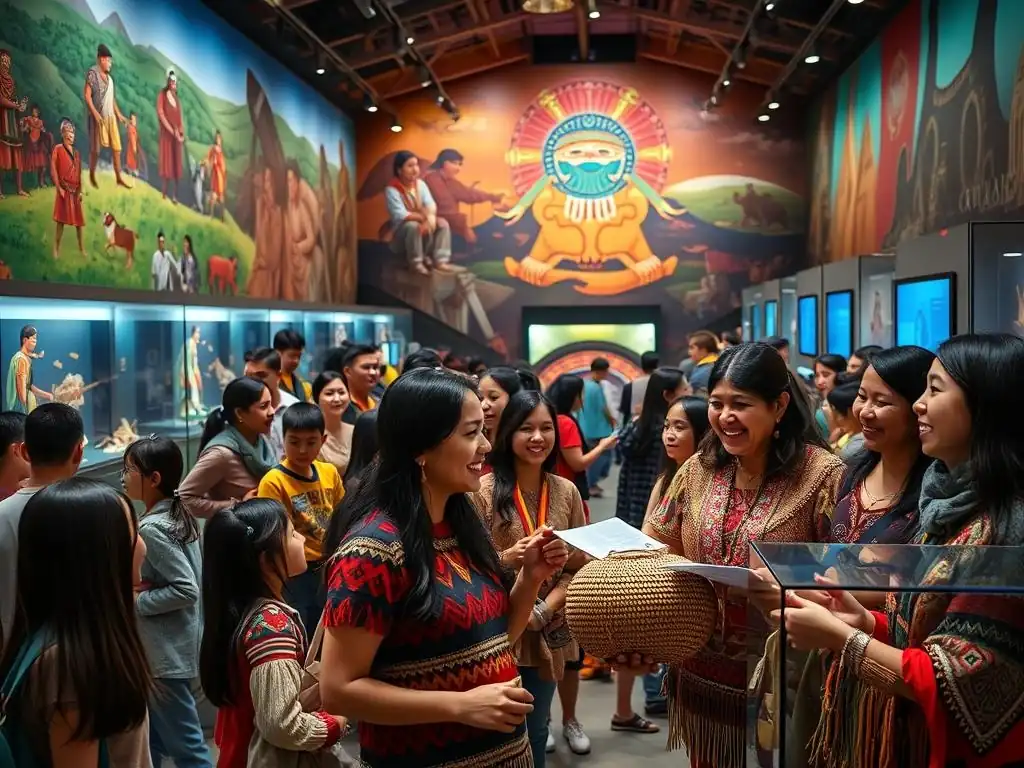
Welcome to Indigenous Civilizations of the Americas, where we invite you to embark on a captivating journey through the rich tapestry of indigenous cultures that flourished across the Americas long before European contact. Our spotlight today shines on interactive exhibitions for indigenous education, an innovative approach that not only preserves these vibrant legacies but also engages the public in meaningful ways.
As you delve into our exploration of how these exhibitions empower communities and foster understanding, prepare to discover the profound impact of indigenous knowledge and creativity. Join us as we unfold the stories that shaped civilizations and continue to inspire our world today!
Introduction to Interactive Exhibitions for Indigenous Education
Interactive exhibitions serve as powerful tools in the realm of education, particularly within the context of indigenous cultures. These exhibitions not only create an engaging environment for learning but also promote deeper understanding and appreciation of the rich histories and traditions of indigenous peoples across the Americas.
By integrating technology and hands-on experiences, interactive exhibitions for indigenous education allow visitors to immerse themselves in the narratives that have shaped these civilizations long before European colonization. This article will explore the defining characteristics of interactive exhibitions, their significance in indigenous contexts, and the critical role they play in enhancing cultural awareness and fostering connections to indigenous heritage.
Defining Interactive Exhibitions
Interactive exhibitions are designed to encourage active participation and engagement from visitors, rather than passive observation. These exhibitions often incorporate:
- Touchscreens and Multimedia: Engaging digital displays that allow users to explore content at their own pace.
- Hands-on Activities: Opportunities for visitors to handle artifacts, craft materials, or tools, simulating the practices of indigenous cultures.
- Immersive Environments: Creating spaces that replicate indigenous settings, fostering a deeper connection to the culture.
By utilizing these elements, interactive exhibitions transform traditional educational frameworks, making learning more dynamic and impactful.
Importance of Interactive Learning in Indigenous Contexts
In indigenous education, interactive learning is paramount for several reasons:
- Cultural Relevance: Interactive methods resonate with many indigenous pedagogies that emphasize community involvement and experiential learning.
- Empowerment: Providing indigenous communities with a platform to share their stories actively empowers them to reclaim their narratives.
- Retention of Knowledge: Engaging with content actively improves knowledge retention, particularly when it relates to cultural practices and histories.
This approach not only supports the educational goals of indigenous peoples but also fosters respect and understanding among broader audiences.
The Role of Interactive Exhibitions in Indigenous Education
Enhancing Cultural Awareness through Engagement
Interactive exhibitions play a crucial role in enhancing cultural awareness by offering visitors an immersive experience that emphasizes the vibrancy and diversity of indigenous cultures. Through:
- Storytelling: Utilizing oral histories and narratives that bring indigenous experiences to life.
- Cultural Workshops: Facilitating hands-on experiences where participants can learn traditional crafts or practices.
- Collaborative Projects: Involving indigenous artists and educators in the development of the exhibition content, ensuring authenticity and representation.
These strategies not only inform but also inspire visitors to appreciate the complexities and richness of indigenous cultures, fostering a sense of respect and responsibility towards their preservation.
Fostering Connection to Indigenous Heritage
Interactive exhibitions also play a vital role in fostering connections to indigenous heritage, both for indigenous peoples and for those outside these communities. By providing opportunities for:
- Cultural Exchange: Encouraging dialogue between indigenous individuals and visitors, creating a two-way learning experience.
- Identity Exploration: Allowing indigenous visitors to engage with their cultural heritage in a meaningful way, reinforcing their identity and history.
- Community Involvement: Involving local indigenous communities in the creation and operation of exhibitions, promoting pride and ownership of their cultural narratives.
These elements contribute to a greater understanding of indigenous histories and identities, ultimately cultivating a more inclusive and respectful societal perspective.
Key Features of Effective Interactive Exhibitions
Effective interactive exhibitions play a crucial role in enhancing indigenous education by engaging visitors in meaningful and immersive experiences. These exhibitions are designed to foster a deeper understanding of indigenous cultures, histories, and traditions. To achieve this, several key features are commonly incorporated:
- Interactivity: Engaging the audience through interactive elements encourages participation and fosters a sense of connection. This could include physical activities, digital interfaces, or immersive environments that allow visitors to explore and learn actively.
- Cultural Authenticity: Exhibitions must reflect the true diversity and richness of indigenous cultures. Collaborating with indigenous communities ensures that the content is accurate and respectful, allowing for genuine representation of their histories and traditions.
- Educational Framework: Effective exhibitions are often built around educational objectives that align with curriculum standards. This framework helps in delivering clear messages and learning outcomes, making the experience not just enjoyable but also informative.
- Inclusivity: A successful exhibition caters to diverse audiences, including different age groups and backgrounds. This involves using accessible language, visuals, and formats to ensure that everyone can engage with the content.
Hands-On Learning Experiences
Hands-on learning experiences are a hallmark of interactive exhibitions, particularly in the context of indigenous education. By allowing visitors to physically engage with artifacts, tools, and practices, these exhibitions create a memorable learning environment.
- Workshops and Demonstrations: Visitors can participate in workshops that teach traditional crafts, cooking, or storytelling. For example, a weaving demonstration might allow attendees to learn about the significance of textiles in a specific culture while trying their hands at the craft.
- Simulations: Interactive simulations can provide insights into indigenous ways of life, such as hunting techniques or agricultural practices. These experiences help visitors understand the challenges and innovations faced by indigenous peoples throughout history.
- Interactive Stations: Stations equipped with materials for exploration, such as replica artifacts or digital kiosks, allow visitors to delve deeper into specific topics. For instance, an interactive map could show the migration patterns of various tribes, encouraging visitors to explore the geographical and cultural context of indigenous histories.
Utilization of Technology in Exhibitions
Technology plays an increasingly vital role in enhancing the effectiveness of interactive exhibitions. By integrating modern technology, museums and cultural centers can create dynamic and engaging experiences that resonate with contemporary audiences.
- Virtual Reality (VR): VR can transport visitors to historical sites or cultural events, providing an immersive experience that traditional displays cannot offer. For instance, a VR experience might simulate a traditional ceremony, allowing users to understand its significance from an insider's perspective.
- Augmented Reality (AR): AR applications can overlay digital information onto physical exhibits, bringing artifacts to life with multimedia content. This might include video narratives from community members or interactive timelines that highlight significant events related to the displayed items.
- Mobile Applications: Custom apps can enhance the visitor experience by offering additional information, interactive quizzes, and guided tours. Such tools allow for a personalized exploration of the exhibition, catering to individual interests and learning styles.
Storytelling and Oral Traditions as Educational Tools
Storytelling is a powerful educational tool, especially within indigenous cultures where oral traditions have been a primary means of knowledge transmission. Interactive exhibitions that incorporate storytelling can effectively convey complex histories and cultural values.
- Live Storytelling Sessions: Featuring indigenous storytellers can create an engaging atmosphere where visitors can connect with the narratives on a personal level. These sessions often include traditional songs, dances, and interactive audience participation, enriching the learning experience.
- Multimedia Storytelling: Using audio and visual elements to present stories can enhance understanding and retention. For example, exhibitions might employ audio recordings of elders sharing their experiences or video projections of traditional ceremonies, bridging the gap between past and present.
- Cultural Context: By situating stories within their cultural context, exhibitions can highlight the significance of oral traditions in preserving history, morals, and community values. This approach encourages visitors to appreciate the depth and richness of indigenous cultures.
Case Studies of Successful Interactive Exhibitions
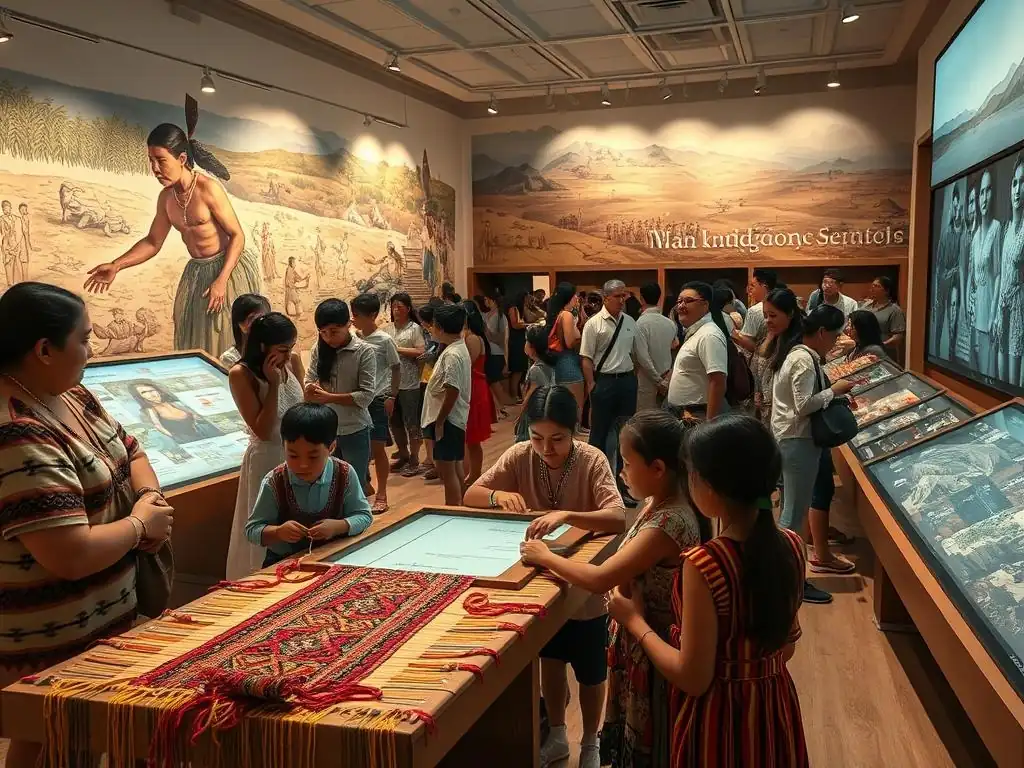
Several interactive exhibitions have successfully engaged the public and enhanced indigenous education. These case studies exemplify the best practices and innovative approaches that can be adopted in future exhibitions.
"Indigenous Voices" - Overview and Impact
"Indigenous Voices" is a groundbreaking exhibition that highlights the experiences and perspectives of various indigenous communities across the Americas. By emphasizing storytelling and cultural practices, the exhibition aims to educate visitors about the ongoing struggles and achievements of indigenous peoples.
- Engagement Strategies: The exhibition utilizes multimedia installations, live performances, and interactive workshops to engage visitors actively. This approach has led to increased visitor participation and a deeper understanding of indigenous issues.
- Impact on Communities: Feedback from participating communities has been overwhelmingly positive, as the exhibition has provided a platform for their voices and narratives to be shared widely. This recognition fosters a sense of pride and empowerment among community members.
"Cultural Connections" - Overview and Impact
"Cultural Connections" focuses on the relationships between indigenous cultures and the natural environment. Through interactive displays and hands-on activities, visitors learn about traditional ecological knowledge and sustainable practices.
- Innovative Features: The exhibition incorporates technology, such as AR, to enhance the visitor experience by overlaying information about local flora and fauna. This interactive element encourages visitors to explore the connections between culture and ecology actively.
- Visitor Feedback: Surveys indicate that visitors leave with a greater appreciation for indigenous ecological practices and a commitment to sustainability. Such outcomes demonstrate the exhibition's effectiveness in merging education with environmental awareness.
Lessons Learned from Successful Exhibitions
Examining successful interactive exhibitions provides valuable insights for future initiatives aimed at enhancing indigenous education.
- Community Involvement: Collaborating with indigenous communities in the planning and execution stages of exhibitions is crucial. Their input ensures authenticity and relevance, fostering a sense of ownership and pride.
- Diverse Learning Styles: Acknowledging that individuals learn differently is essential. Incorporating various interactive elements, such as tactile experiences, storytelling, and technology, caters to diverse audiences and enhances overall engagement.
- Measuring Impact: Establishing clear metrics for evaluating the success of exhibitions can guide future improvements. Feedback mechanisms, such as visitor surveys and interviews, can provide insights into the effectiveness of educational strategies and content delivery.
Challenges in Implementing Interactive Exhibitions
Interactive exhibitions are powerful tools for enhancing indigenous education, yet they face several challenges that can hinder their success. These challenges stem from various factors, including funding, resource allocation, and the need to balance authenticity with modern engagement techniques. Addressing these challenges is crucial for creating meaningful educational experiences that honor indigenous cultures and histories.
Funding and Resource Allocation
One of the primary challenges in implementing interactive exhibitions is securing adequate funding and resources. Often, museums and cultural institutions operate on tight budgets, which limits their ability to develop innovative and comprehensive exhibits. Funding sources can be inconsistent, with reliance on grants, donations, and government support. This unpredictability can lead to project delays or compromises in the quality of the exhibition.
Moreover, resource allocation can be uneven, with some institutions receiving more support than others. This disparity can hinder the creation of interactive experiences that adequately represent diverse indigenous cultures. For example, smaller museums may struggle to compete for funding against larger institutions, which can lead to a lack of diverse narratives and perspectives in educational programming.
Balancing Authenticity with Modern Engagement Techniques
Another significant challenge is the need to balance authenticity with modern engagement techniques. While interactive exhibitions aim to attract wider audiences through technology and immersive experiences, it is essential to ensure that these methods do not overshadow or misrepresent indigenous cultures. Engaging storytelling, accurate representation, and respectful portrayals are crucial to maintaining authenticity.
This balance requires collaboration with indigenous communities, who can provide valuable insights into cultural significance and storytelling traditions. However, finding common ground between traditional practices and contemporary engagement strategies can be complex. Institutions must navigate these conversations carefully to create exhibitions that resonate with both indigenous audiences and the general public.
Future Trends in Interactive Exhibitions for Indigenous Education
As technology continues to advance, interactive exhibitions for indigenous education are evolving to incorporate new tools and methodologies. These trends are shaping the future of how indigenous cultures are presented and understood in educational settings.
Increasing Use of Virtual Reality and Augmented Reality
One of the most exciting trends in interactive exhibitions is the increasing use of virtual reality (VR) and augmented reality (AR). These technologies allow for immersive experiences that transport visitors to significant indigenous sites, ceremonies, or historical events. For instance, a VR experience might enable users to participate in a traditional powwow, providing a deeper understanding of its cultural importance.
AR can enhance physical exhibits by overlaying digital information onto tangible objects, offering visitors additional context and interactive elements. By using these technologies, museums can create engaging and educational experiences that resonate with tech-savvy audiences while fostering a greater appreciation for indigenous cultures.
Collaborative Efforts between Museums and Indigenous Communities
The future of interactive exhibitions also lies in stronger collaborative efforts between museums and indigenous communities. Many institutions are recognizing the importance of co-curation, where indigenous voices play a central role in shaping the narrative and content of exhibitions. This collaboration not only ensures authenticity but also empowers indigenous communities by giving them agency over their cultural representation.
Such partnerships can lead to innovative programming that reflects the needs and interests of both the communities involved and the public. Engaging indigenous artists, educators, and storytellers in the exhibition development process enriches the content and fosters a deeper connection between the audience and the cultures being represented. As these collaborations grow, they have the potential to create a more inclusive and comprehensive understanding of indigenous histories and contributions.
Conclusion: The Future of Interactive Exhibitions in Indigenous Education
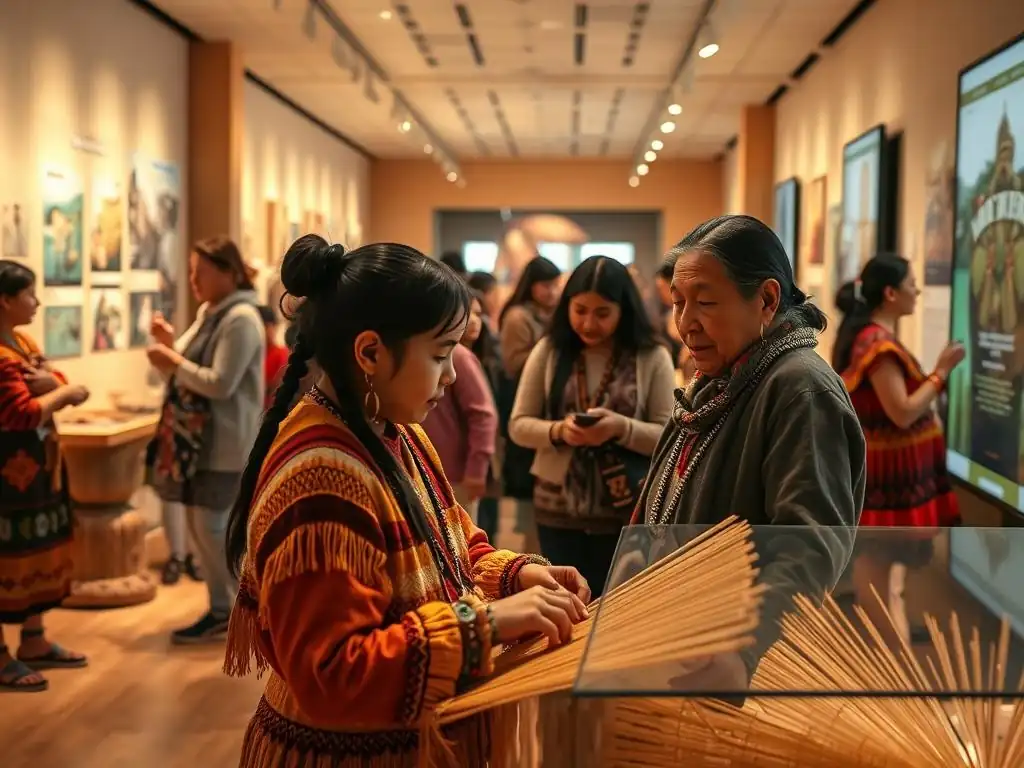
The future of interactive exhibitions in indigenous education holds significant promise as a powerful tool for engagement, understanding, and preservation of indigenous cultures. As technology continues to evolve, museums and educational institutions are presented with new opportunities to enrich the learning experience. By incorporating virtual reality, augmented reality, and digital storytelling into exhibitions, educators can create immersive environments that allow visitors to experience indigenous narratives more vividly. This not only enhances the educational value but also fosters a deeper emotional connection to the material.
Moreover, the collaboration between indigenous communities and educational institutions is crucial for ensuring that exhibitions authentically represent their histories, cultures, and perspectives. This partnership can lead to co-curated exhibitions that provide a platform for indigenous voices, enabling visitors to learn directly from those who have lived these experiences. By prioritizing inclusivity and representation, interactive exhibitions can contribute to a more nuanced understanding of indigenous cultures.
Summary of Key Points
- Engagement through Technology: The integration of technology, such as virtual and augmented reality, enhances the interactivity of exhibitions, providing a more engaging learning experience.
- Authenticity and Collaboration: Collaborating with indigenous communities ensures that exhibitions accurately reflect their histories, cultures, and perspectives, fostering authenticity.
- Emotional Connection: Interactive exhibitions create opportunities for visitors to form emotional connections with indigenous narratives, deepening their understanding and appreciation.
- Educational Impact: These exhibitions serve as vital educational tools, promoting awareness and understanding of indigenous cultures among diverse audiences.
- Future Directions: The continued evolution of interactive technologies and methodologies in exhibition design will play a significant role in shaping the future of indigenous education.
Call to Action for Museums and Educators
To maximize the impact of interactive exhibitions for indigenous education, museums and educators are encouraged to:
- Invest in Technology: Explore and invest in innovative technologies that enhance interactivity and engagement within exhibitions.
- Foster Partnerships: Build meaningful partnerships with indigenous communities to ensure that exhibitions are co-created and accurately represent their cultures and histories.
- Prioritize Inclusivity: Create spaces that welcome diverse audiences, encouraging dialogue and understanding among different cultural perspectives.
- Promote Lifelong Learning: Develop programs that extend beyond exhibitions, such as workshops, lectures, and community events that engage the public in ongoing learning about indigenous cultures.
- Evaluate and Adapt: Regularly assess the effectiveness of interactive exhibitions in achieving educational goals and be willing to adapt based on feedback from visitors and indigenous partners.
By taking these steps, museums and educators can play a crucial role in promoting indigenous education through interactive exhibitions, fostering a more informed and respectful society.
- Introduction to Interactive Exhibitions for Indigenous Education
- The Role of Interactive Exhibitions in Indigenous Education
- Key Features of Effective Interactive Exhibitions
- Case Studies of Successful Interactive Exhibitions
- Challenges in Implementing Interactive Exhibitions
- Future Trends in Interactive Exhibitions for Indigenous Education
- Conclusion: The Future of Interactive Exhibitions in Indigenous Education
- Summary of Key Points
- Call to Action for Museums and Educators
- What are interactive exhibitions in the context of indigenous education?
- How do interactive exhibitions contribute to indigenous education?
- What types of indigenous cultures are represented in these exhibitions?
- Can interactive exhibitions help to combat stereotypes about indigenous peoples?
- Where can I find information on upcoming interactive exhibitions for indigenous education?
Frequently Asked Questions
What are interactive exhibitions in the context of indigenous education?
Interactive exhibitions are dynamic displays that engage audiences through hands-on activities and multimedia presentations, aimed at enhancing understanding of indigenous cultures and histories.
How do interactive exhibitions contribute to indigenous education?
These exhibitions foster cultural awareness and appreciation by providing immersive experiences that highlight the achievements and contributions of indigenous peoples, encouraging active participation from visitors.
What types of indigenous cultures are represented in these exhibitions?
Exhibitions often showcase a diversity of indigenous cultures from across the Americas, detailing their unique societies, traditions, and historical contexts, thus promoting a broader understanding of their rich heritage.
Can interactive exhibitions help to combat stereotypes about indigenous peoples?
Yes, by offering authentic narratives and firsthand experiences, these exhibitions challenge misconceptions and stereotypes, fostering a more accurate and respectful understanding of indigenous identities.
Where can I find information on upcoming interactive exhibitions for indigenous education?
Information on upcoming exhibitions can often be found on museum websites, cultural centers, or educational platforms dedicated to indigenous education and cultural preservation.
Final Reflection: The Transformative Power of Interactive Exhibitions in Indigenous Education
The role of interactive exhibitions in Indigenous education is more relevant now than ever, as they serve as a bridge between cultures and a means of fostering understanding. In a world increasingly divided by misunderstandings and stereotypes, these exhibitions offer a unique platform for dialogue and learning, allowing visitors to engage with Indigenous histories, cultures, and perspectives in a meaningful way. By immersing ourselves in these experiences, we not only educate ourselves but also honor the rich tapestry of Indigenous heritage that has shaped our collective history.
The influence of interactive exhibitions extends far beyond the walls of museums and galleries; they are catalysts for social change and cultural appreciation. These spaces invite us to reflect on our own biases and assumptions while encouraging a deeper connection with Indigenous communities. As we navigate this journey together, we are reminded of the words of Indigenous activist and educator, Dr. Marie Battiste: Education is a way to reclaim our identities and our place in the world.
This sentiment underscores the importance of interactive exhibitions as vital tools for empowerment and reconciliation, fostering a shared understanding that can lead to a more inclusive society.
As you reflect on the insights shared in this article, consider how you can engage with interactive exhibitions for Indigenous education in your own life. Seek out opportunities to learn, participate, and advocate for these vital experiences. Whether you visit a local exhibition, support Indigenous artists, or share your newfound knowledge with others, every action contributes to a larger movement of respect and recognition. Together, we can create a future where Indigenous voices are celebrated and heard, paving the way for a more harmonious coexistence.
Unleash Your Curiosity: Take Action for Indigenous Education!
Thank you for exploring the powerful role of interactive exhibitions in Indigenous education! We appreciate your commitment to understanding and supporting Indigenous cultures. Now, let’s transform that insight into meaningful action!
Here are a few impactful steps you can take:
- Participate in a local exhibition or event centered on Indigenous history and culture to deepen your understanding and foster connections within the community.
- Share your newfound knowledge by discussing the significance of Indigenous education with your family and friends, or by initiating conversations on social media platforms.
- Become an advocate: Explore opportunities to support local Indigenous artists and educators by volunteering your time or contributing to relevant organizations.
What innovative strategies can you devise to support and uplift Indigenous voices in your community?