
Unseen Warriors: The Role of Women in Indigenous Warfare and Battles

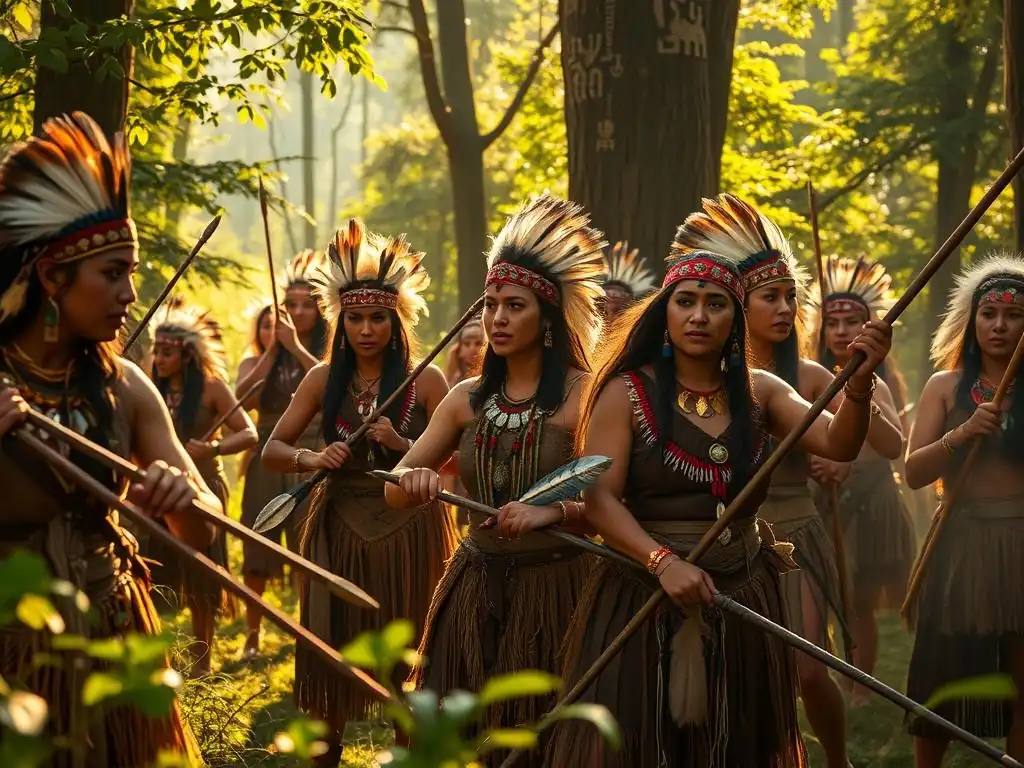
Welcome to Indigenous Civilizations of the Americas, where we invite you to embark on a journey through the rich tapestry of pre-colonial cultures that flourished across the continent. Our exploration begins with a compelling dive into the often-overlooked contributions of women in warfare—a theme that challenges traditional narratives and reveals the dynamic roles that women played as Unseen Warriors. Discover how their strategies, resilience, and leadership shaped battles and influenced communities. Prepare to expand your understanding of history as we unveil the powerful stories that await you.
Introduction to Women in Indigenous Warfare
The narrative surrounding warfare in indigenous cultures often highlights the valor and strategy of male warriors, overshadowing the significant roles that women played in these conflicts. Women in Indigenous Warfare were not merely passive observers; they were integral to the fabric of their societies, contributing in diverse and impactful ways.
This article delves into the multifaceted roles women assumed during warfare and battles, revealing their contributions as strategists, caretakers, and warriors. By exploring the historical context and societal structures that allowed for women's participation, we can appreciate their contributions and recognize their bravery and resilience in the face of conflict.
Overview of Indigenous Warfare Practices
Indigenous warfare was a complex phenomenon, characterized by a variety of motivations, tactics, and societal implications. Warfare served not only as a means of territorial expansion but also as a way to settle disputes, assert dominance, and protect community interests. Key elements of indigenous warfare included:
- Strategic Alliances: Forming alliances with other tribes was a common practice to bolster military strength.
- Ritualistic Aspects: Many battles included spiritual components, where rituals were performed to seek favor from spirits or ancestors.
- Tactics and Weapons: Indigenous warriors utilized a range of weapons, including bows, arrows, and spears, often crafted from local materials.
Women's roles in these practices varied significantly, depending on the culture and context, and their contributions were essential for sustaining their communities during times of conflict.
Importance of Women in Indigenous Societies
In many indigenous societies, women held significant power and influence, often being the backbone of their communities. Their roles included:
- Economic Providers: Women were responsible for agricultural production, food gathering, and crafting essential tools, which supported the community during warfare.
- Cultural Custodians: As keepers of oral histories and traditions, women played a vital role in maintaining the cultural identity and collective memory of their people.
- Mediators and Diplomats: Women often acted as negotiators in peace treaties and conflict resolution, using their influence to foster alliances and maintain harmony.
Their contributions were not only vital during times of war but also essential for the overall stability and continuity of indigenous societies.
Historical Context of Women's Participation in Battles
Understanding the historical context of women's involvement in battles requires an examination of gender roles in pre-colonial societies and the specific indigenous cultures engaged in warfare.
Pre-Colonial Societies and Gender Roles
In many pre-colonial indigenous societies, gender roles were often fluid, allowing women to take on roles traditionally associated with men. Some notable aspects include:
- Warriors and Leaders: In certain tribes, women served as warriors, leading their people into battle. For example, the Iroquois Confederacy recognized women as leaders who could influence decisions regarding warfare.
- Support Roles: Besides direct combat, women provided crucial support by tending to the wounded, preparing supplies, and managing logistics for military campaigns.
- Cultural Perception: The perception of women as warriors varied, with some societies glorifying their roles while others viewed them through a more traditional lens.
These dynamics illustrate the complexity of gender roles in indigenous cultures and the varying degrees of agency that women held.
Notable Indigenous Cultures Involved in Warfare
Several indigenous cultures are renowned for their unique approaches to warfare and women's roles within those practices. A few significant examples include:
- The Lakota Sioux: Women in the Lakota society not only participated in battles but also played a central role in decision-making processes concerning warfare strategies.
- The Apache: Apache women were known for their resilience and often took up arms during conflicts, showcasing their capability in both combat and leadership.
- The Amazon Warriors: Legendary tales speak of the female warriors of the Amazon tribes, who were said to have participated in battles alongside their male counterparts, challenging traditional gender norms.
These cultures exemplify the diverse ways in which women engaged in warfare, contributing to both the military successes and the social structures of their communities.
Through this exploration, we can better appreciate the often-overlooked contributions of women in indigenous warfare, acknowledging them as unseen warriors whose legacies continue to influence indigenous societies today.
Key Roles of Women in Indigenous Warfare
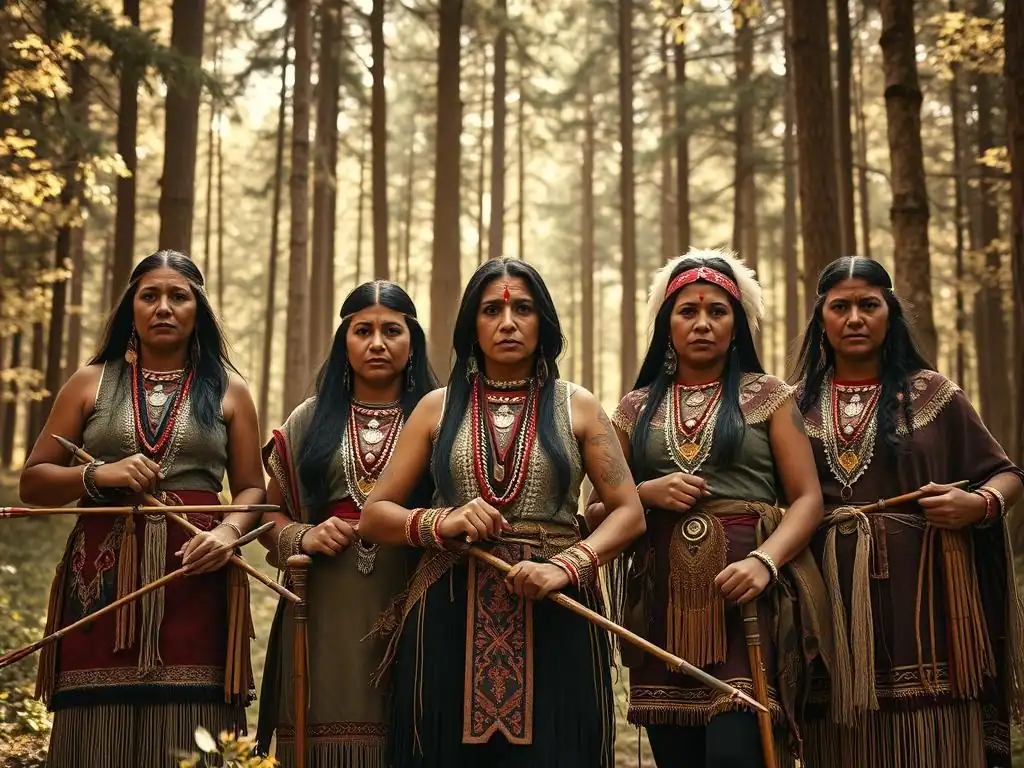
In many Indigenous cultures of the Americas, women played pivotal roles in warfare, a fact often overshadowed by traditional narratives that emphasize male warriors. Their contributions were multifaceted, encompassing direct participation in battles, strategic planning, and vital support roles. Women were not merely passive observers; they were active participants who influenced the course of conflicts and the dynamics of their societies.
Women often took on the mantle of warriors, demonstrating courage and skill on the battlefield. However, their roles extended beyond direct combat. They were instrumental in logistics, resource management, and community organization, ensuring that their societies could sustain prolonged conflicts. In addition, women's unique perspectives often shaped the strategies employed during warfare, leading to innovative tactics that would give their communities an advantage over opposing forces.
Women as Warriors: Myths and Realities
The notion of women as warriors in Indigenous cultures has often been romanticized or dismissed, leading to misconceptions about their actual involvement in warfare. Contrary to the myth that women were solely relegated to domestic duties, many Indigenous societies recognized their capabilities as fighters.
For instance, in the Iroquois Confederacy, women not only held significant political power but also participated in warfare, often fighting alongside men. Historical accounts reveal that women could earn respect and prestige through acts of bravery in battle, challenging traditional gender roles. These realities highlight that the participation of women in warfare was not merely exceptional but a recognized aspect of their societies.
Women in Support Roles: Strategists and Healers
While some women took up arms, many others contributed in support roles that were equally essential to the success of military campaigns. Women served as strategists, providing insights based on their understanding of territory, resources, and enemy movements. Their intimate knowledge of the land often proved invaluable in planning ambushes or retreat routes.
Additionally, women played critical roles as healers, utilizing traditional medicine to treat wounded warriors. Their skills in healing not only saved lives but also maintained morale within the community. The dual role of women as strategists and healers underscores the multifaceted nature of their contributions to warfare, illustrating that their influence extended far beyond the battlefield.
Leadership and Decision-Making by Women in Battles
In many Indigenous cultures, women held significant authority, particularly in decision-making related to warfare. Their roles as leaders were often rooted in their responsibilities as matriarchs and custodians of their communities. Women could convene councils to discuss strategies, alliances, and the overall direction of military efforts.
For example, among the Haudenosaunee (Iroquois), clan mothers held the power to nominate leaders and influence decisions about war and peace. This ability to shape military strategy and community responses to conflict underscores the crucial leadership roles women played, challenging the notion that authority in warfare was exclusively male.
Case Studies of Women in Indigenous Warfare
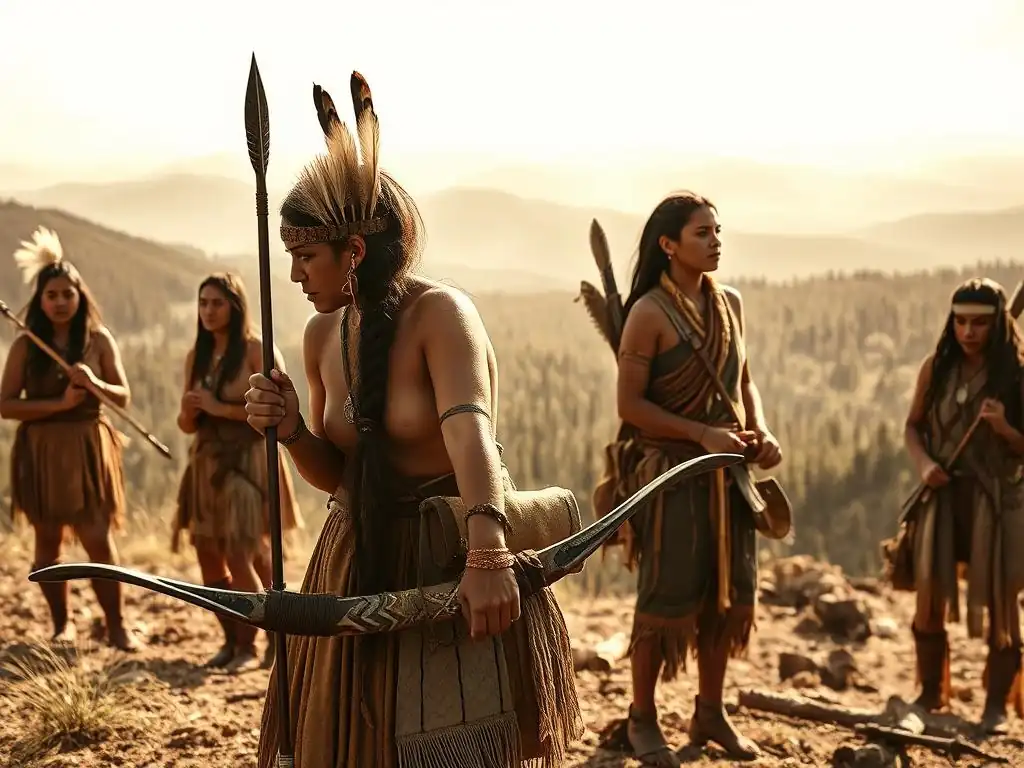
Lakota Women: A Historical Example
The Lakota Sioux provide a compelling case study of women's involvement in warfare. Historical records indicate that Lakota women participated actively in battles, particularly during significant conflicts such as the Great Sioux War. They not only fought alongside men but also served as scouts and strategists, leveraging their knowledge of the terrain.
Moreover, Lakota women were integral to the cultural and spiritual aspects of warfare, often engaging in rituals that invoked strength and protection for their warriors. Their contributions were recognized in Lakota society, where women could achieve status and respect through their actions during conflicts.
Comanche Women: The Role of Women in Specific Battles
Comanche women also played crucial roles in warfare, particularly during the 18th and 19th centuries when their people faced increasing pressures from European settlers and rival tribes. During battles, Comanche women were known to take up arms, contributing to the defense of their territory.
One notable example is the Battle of Pease River in 1860, where women fought fiercely to protect their community. Furthermore, Comanche women were involved in decision-making processes regarding warfare, often advising leaders on strategies based on their understanding of both the land and the enemy. This illustrates the integral role women played in the military successes of the Comanche, further emphasizing their importance in Indigenous warfare.
Challenges Faced by Women in Warfare
Women in indigenous societies across the Americas played crucial roles in warfare, yet they faced numerous challenges that shaped their involvement. These challenges varied widely among different cultures, but several common themes emerged that impacted their participation in battles and military strategies.
One significant challenge was the societal perceptions and stereotypes surrounding women's roles in both warfare and society as a whole. Many indigenous cultures had predefined gender roles that often relegated women to domestic responsibilities, which conflicted with the active engagement required in warfare. This cultural framework often minimized the recognition of women's contributions, leading to a lack of support for their participation in military endeavors.
Additionally, the impact of colonialism further complicated women's roles in warfare. As European powers expanded into indigenous territories, the dynamics of conflict shifted, often sidelining the unique strategies and roles that women had traditionally held. Colonial forces imposed new ideologies that marginalized women's participation and contributions, reshaping the battlefield and the perception of women within their own communities.
Societal Perceptions and Stereotypes
The societal perceptions of women in indigenous warfare were complex and multifaceted. In many cultures, women were seen as caretakers and nurturers, roles that were respected yet often confined them to the domestic sphere. This perception led to stereotypes that undermined women's military capabilities and dismissed their contributions to warfare.
Despite these stereotypes, many indigenous cultures recognized the essential roles women played in warfare, such as providing logistical support, healing, and acting as strategists. For instance, women often served as scouts or messengers, using their knowledge of the land to inform military tactics. However, these contributions were frequently overshadowed by the focus on male warriors, leaving women's roles largely unacknowledged in historical narratives.
Furthermore, the internalization of colonial attitudes reinforced these stereotypes, making it difficult for women to assert their roles during conflicts. As indigenous communities faced external pressures from colonizers, the reinforcement of gender norms limited women's opportunities to engage actively in warfare, despite their historical significance.
The Impact of Colonialism on Women's Roles
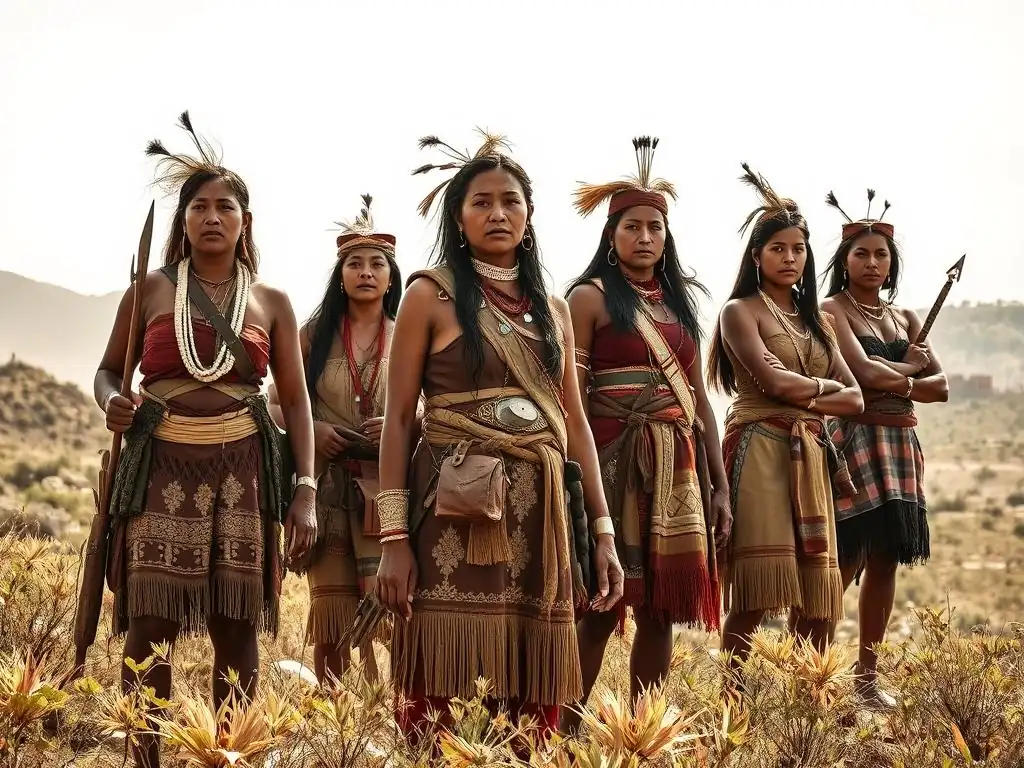
Colonialism had a profound impact on the roles of women in indigenous warfare. As European settlers imposed their own social structures and military practices, indigenous women's roles were often diminished or redefined. The introduction of colonial governance disrupted traditional power dynamics, leading to a significant shift in how communities viewed and utilized women's contributions.
Many indigenous societies experienced a loss of autonomy, which affected women's agency in warfare. With the advent of colonial forces, the focus shifted toward more formalized military structures that often excluded women. This not only reduced their participation in battles but also marginalized their historical significance in indigenous military strategies.
Moreover, the consequences of warfare during the colonial period often resulted in the displacement of communities, which affected women's roles within their societies. As families were separated and traditional practices were disrupted, the opportunities for women to participate in warfare diminished, leading to a disconnect between their historical roles and contemporary identities.
The Legacy of Women in Indigenous Warfare
The legacy of women in indigenous warfare is rich and multifaceted, leaving an indelible mark on the history and culture of indigenous peoples across the Americas. Their contributions often went unrecognized historically, yet they form a crucial part of understanding indigenous military strategies and the broader societal roles of women.
Women warriors not only fought alongside men but also contributed to the cultural fabric of their communities. Their involvement in warfare was frequently tied to broader themes of identity, resilience, and community solidarity, shaping the narratives of their peoples. This legacy continues to influence contemporary discussions about gender and power within indigenous contexts.
Modern Recognition and Representation
In recent years, there has been a growing movement to recognize and celebrate the roles of women in indigenous warfare. Scholars, activists, and indigenous leaders are increasingly highlighting the contributions of women in historical narratives, reclaiming their stories from the margins of history. This modern recognition is vital for both honoring the past and informing future generations about the integral roles women have played in shaping their societies.
Contemporary art, literature, and education initiatives are working to shed light on the experiences of women warriors, fostering a greater understanding of their significance in indigenous cultures. By challenging stereotypes and promoting diverse representations, these efforts aim to create a more comprehensive narrative of indigenous history that includes women's perspectives and experiences.
Continuing Influence on Indigenous Identity and Culture
The influence of women in indigenous warfare extends beyond historical recognition; it continues to shape indigenous identity and culture today. As communities reflect on their past, the stories of women warriors become a source of inspiration and empowerment for future generations. Their legacy serves as a reminder of the strength and resilience of indigenous peoples in the face of adversity.
Cultural practices, storytelling, and rituals often draw upon the historical roles of women in warfare, reinforcing their importance within the community. By honoring these contributions, indigenous communities can strengthen their identity and foster a sense of pride in their shared history.
Moreover, the revival of traditional practices and teachings related to warfare and community defense often incorporates the roles of women, ensuring that their contributions are not forgotten. This ongoing recognition and celebration of women's roles in warfare contribute to a more holistic understanding of indigenous culture, allowing for a rich tapestry of experiences and narratives to emerge.
Conclusion: Acknowledging the Role of Women in Indigenous Warfare
The role of women in indigenous warfare is often overlooked, yet their contributions are pivotal in understanding the complexities of conflict among Indigenous cultures in the Americas. Women were not merely passive observers; instead, they were active participants whose involvement ranged from strategizing and planning to direct engagement in battles. By recognizing their multifaceted roles, we gain a deeper appreciation of the societies that existed prior to European colonization. This acknowledgment is crucial not only for historical accuracy but also for honoring the legacies of these women, who have often been relegated to the sidelines of history.
Summary of Key Points
- Diverse Roles: Women participated in various capacities, including warriors, strategists, and supporters, contributing significantly to the outcomes of conflicts.
- Cultural Significance: Their involvement in warfare was often tied to cultural practices, showcasing the importance of women in maintaining the social fabric of their communities during times of strife.
- Notable Figures: Historical accounts highlight remarkable women who led their people in battle, such as the fierce warrior women of the Plains tribes, who challenged gender norms and became symbols of resilience and strength.
- Impact on Warfare: The strategies employed by Indigenous women often influenced traditional warfare tactics, demonstrating their integral role in shaping military practices and community survival.
The Importance of Preserving Indigenous Histories
Preserving the histories of Indigenous women in warfare is vital for several reasons. Firstly, it challenges the dominant narratives that have historically marginalized their contributions, thereby enriching our understanding of Indigenous cultures. Secondly, it fosters a more inclusive dialogue about history that acknowledges the complexities of gender roles within these societies.
Moreover, preserving these histories helps combat the erasure of Indigenous identities and experiences, ensuring that future generations can learn from the rich tapestry of their heritage. Educational initiatives and community storytelling are essential in this regard, as they empower Indigenous voices and facilitate the transmission of knowledge. By promoting awareness of women's roles in Indigenous warfare, we not only honor their past but also inspire contemporary discussions on gender, leadership, and agency within Indigenous communities today.
- Introduction to Women in Indigenous Warfare
- Overview of Indigenous Warfare Practices
- Importance of Women in Indigenous Societies
- Historical Context of Women's Participation in Battles
- Key Roles of Women in Indigenous Warfare
- Women as Warriors: Myths and Realities
- Women in Support Roles: Strategists and Healers
- Leadership and Decision-Making by Women in Battles
- Case Studies of Women in Indigenous Warfare
- Challenges Faced by Women in Warfare
- Societal Perceptions and Stereotypes
- The Impact of Colonialism on Women's Roles
- The Legacy of Women in Indigenous Warfare
- Conclusion: Acknowledging the Role of Women in Indigenous Warfare
- What is the focus of the article "Unseen Warriors: The Role of Women in Indigenous Warfare and Battles"?
- How did women participate in indigenous warfare?
- What impact did women have on indigenous societies during wartime?
- Why is it important to highlight women's roles in indigenous warfare?
- How can I learn more about indigenous women's roles in warfare?
Frequently Asked Questions
What is the focus of the article "Unseen Warriors: The Role of Women in Indigenous Warfare and Battles"?
The article emphasizes the significant contributions of women in indigenous warfare, highlighting their roles in strategy, logistics, and even combat.
How did women participate in indigenous warfare?
Women were often involved in planning, support roles, and sometimes even fighting alongside men, showcasing their crucial influence in warfare tactics and outcomes.
What impact did women have on indigenous societies during wartime?
Women played a key role in maintaining social structures, managing resources, and ensuring the continuity of culture during and after conflicts, which was vital for community survival.
Why is it important to highlight women's roles in indigenous warfare?
Recognizing women's contributions helps to provide a more comprehensive understanding of indigenous cultures and their complex societies, challenging traditional narratives that often overlook female involvement.
How can I learn more about indigenous women's roles in warfare?
The website "Indigenous Civilizations of the Americas" offers a wealth of resources that delve deeper into the achievements and experiences of women in indigenous warfare and their lasting legacy.
Final Reflection: Honoring the Unseen Warriors of Indigenous Warfare
The exploration of women in Indigenous warfare reveals a profound and often overlooked aspect of history that resonates powerfully in today's world. As we confront ongoing struggles for gender equality and recognition of marginalized voices, understanding the pivotal roles women played in Indigenous battles reminds us that their contributions have been vital to the survival and resilience of their communities. This recognition is not just an academic exercise; it is a call to acknowledge the strength and agency of women throughout history, challenging the traditional narratives that have often sidelined their stories.
The impact of these unseen warriors extends far beyond the battlefield, shaping cultural identities and social structures within Indigenous communities. Their stories are woven into the fabric of resistance and resilience, inspiring contemporary movements for justice and equality. As we reflect on their legacy, we are reminded of the words of Indigenous activist Winona LaDuke: The future will be about the stories we tell and how we tell them.
This sentiment underscores the importance of amplifying the voices of women in Indigenous warfare, as their narratives not only enrich our understanding of history but also empower future generations to reclaim their identities and fight for their rights.
As we conclude this exploration, I invite you to reflect on the lessons learned from the stories of these remarkable women. Consider how their courage and determination can inspire you in your own life. Whether through advocacy, education, or simply sharing their stories, we all have a role to play in honoring these unseen warriors. Let us commit to recognizing and celebrating the contributions of women in Indigenous warfare, ensuring that their legacies continue to inspire and empower us in our collective journey toward justice and equality.
Celebrate and Elevate Women Warriors Today!
Thank you for taking the time to explore the remarkable contributions of women in Indigenous warfare and battles. You've uncovered the hidden strength and resilience that played a crucial role in shaping history. Now, it's time to honor these unsung heroes and take action!
Here’s how you can engage further:
- Share Your Knowledge: Discuss this article with friends and family to inspire them to learn about the vital roles women have played in Indigenous cultures.
- Participate in Local Events: Attend exhibitions or lectures that shed light on Indigenous history and the contributions of women. Your participation can help amplify these important voices.
- Connect with Indigenous Voices: Support Indigenous activists and organizations that focus on promoting both historical and contemporary issues related to gender and warfare.
What other stories of strength and resilience have you encountered that deserve recognition and celebration?