
Building for the Sky: Architectural Innovations Inspired by Indigenous Astronomical Practices

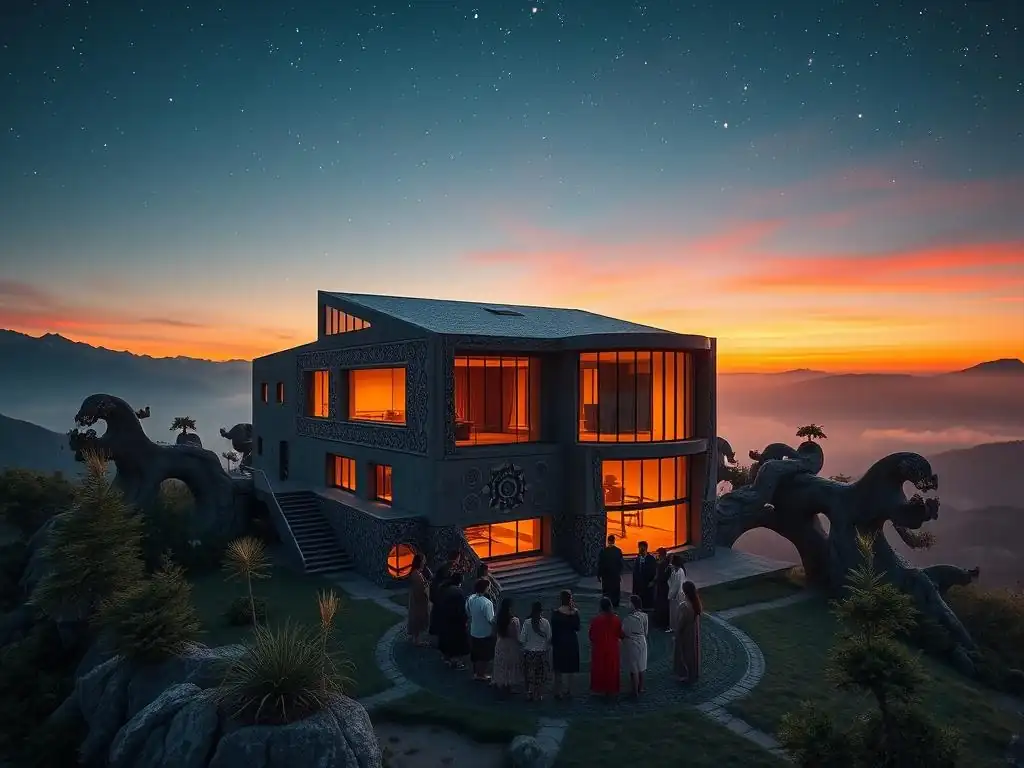
Welcome to Indigenous Civilizations of the Americas, where we invite you to journey through the rich tapestry of cultures that flourished across the continent long before European contact. Here, we delve into the indigenous architectural innovations in the Americas, revealing how these remarkable societies harnessed their profound understanding of the cosmos to create awe-inspiring structures. In our featured article, "Building for the Sky: Architectural Innovations Inspired by Indigenous Astronomical Practices," you'll discover how ancient wisdom and celestial observations shaped not only their buildings but also their way of life.
Prepare to be captivated by the ingenuity of these civilizations and explore how their lasting legacies continue to influence us today. Dive in and uncover the stories that have shaped our world!
Indigenous architectural innovations in the Americas are a testament to the profound relationship that various indigenous cultures maintained with their environment and the cosmos. This article delves into how these cultures, long before European colonization, integrated astronomical observations into their architectural designs, creating structures that not only served practical purposes but also reflected their cosmological beliefs.
By exploring the intricate connections between architecture and astronomy, we can gain a deeper appreciation for the sophisticated knowledge systems and cultural practices that flourished across the Americas. This examination reveals how these architectural innovations were not merely aesthetic but were rooted in a profound understanding of celestial events, influencing both spiritual and daily life.
Introduction to Indigenous Architectural Innovations in the Americas
Indigenous cultures across the Americas developed a wide array of architectural forms that were intricately linked to their social, spiritual, and environmental contexts. From the monumental earthen mounds of the Mississippian culture to the stone cities of the Inca, these architectural feats were often designed with specific astronomical alignments in mind. The ability to construct buildings that harmonized with celestial phenomena showcases the ingenuity and adaptability of these societies in using local materials and responding to their geographical landscapes.
Overview of Indigenous Cultures and Their Architectural Practices
The Americas were home to diverse indigenous civilizations, each with unique architectural styles and innovations. Some notable examples include:
- Maya Civilization: Renowned for their impressive step pyramids and observatories, such as El Caracol, which was used to track celestial movements.
- Inca Empire: Famous for their precisely constructed stone structures, like Machu Picchu, which aligned with solar events, reflecting their deep connection to the cosmos.
- Mississippian Culture: Known for their earthen mounds, such as Cahokia, which served as ceremonial sites that were often aligned with astronomical events.
These civilizations not only built for functionality but also to reflect their cosmological understanding, integrating sacred landscapes into their architectural designs.
Significance of Astronomy in Indigenous Architecture
Astronomy played a crucial role in the architectural practices of indigenous cultures. Structures were often aligned with significant celestial events, such as solstices and equinoxes, which held spiritual and agricultural importance. For instance:
- Seasonal Markers: Buildings were oriented to capture sunlight during specific times of the year, allowing for agricultural planning and ceremonial activities.
- Cultural Narratives: Architectural orientations often incorporated mythological elements, linking the physical space to the stories and beliefs of the people.
Understanding these alignments is essential for recognizing the depth of knowledge these civilizations possessed regarding their environment and the cosmos.
Historical Context of Indigenous Astronomical Practices
To fully appreciate the architectural innovations inspired by astronomical practices, it is essential to explore the historical context that shaped these beliefs and designs.
Ancient Civilizations and Their Cosmological Beliefs
Throughout history, ancient civilizations in the Americas developed rich cosmologies that intertwined their understanding of the universe with their everyday lives. Many cultures viewed celestial bodies as deities or ancestral spirits, influencing their agricultural cycles, rituals, and social structures. These beliefs motivated them to create monumental architectures that served as both observatories and places of worship.
The Role of Celestial Bodies in Daily Life and Architecture
Celestial bodies were not only subjects of reverence but also practical guides in the daily lives of indigenous peoples. For example:
- Navigation: Stars and constellations were used for navigation and timing, critical for hunting and agriculture.
- Ceremonial Practices: Many rituals were timed according to celestial events, leading to the construction of specific structures designed to align with these occurrences.
The architectural innovations inspired by indigenous astronomical practices reveal a complex interplay between culture, environment, and the cosmos, highlighting the sophistication of indigenous knowledge systems that continue to influence modern perspectives on architecture and astronomy.
Key Indigenous Architectural Innovations Inspired by Astronomy
Indigenous cultures throughout the Americas developed remarkable architectural innovations that reflected their deep understanding of astronomy. These structures not only served practical purposes but also embodied the spiritual and cosmological beliefs of the societies that built them. By aligning their buildings and monuments with celestial events, they created a physical manifestation of their connection to the cosmos. This section delves into the specific innovations and practices that illustrate the intersection of architecture and astronomy among various indigenous civilizations.
Structures Aligned with Celestial Events
One of the primary architectural innovations inspired by astronomy is the intentional alignment of structures with celestial events, such as solstices, equinoxes, and lunar cycles. For instance, many ancient civilizations constructed ceremonial sites and observatories that would mark the sun's position during these significant astronomical events.
- Stone Circles: In regions like the Northeastern United States, stone circles were erected to serve as calendars, with specific stones marking the solar alignments during solstices.
- Pyramids and Temples: The Maya, for instance, designed their pyramids and temples to align with the sun's position at different times of the year. The Temple of Kukulcán at Chichén Itzá famously casts a shadow that resembles a serpent during the equinox, symbolizing the connection between the earth and the heavens.
These alignments not only served a practical purpose for agricultural societies, helping them track seasons, but also played a vital role in their religious and cultural practices, reinforcing the importance of astronomy in daily life.
Use of Natural Materials Reflecting Celestial Themes
Indigenous architectural innovations also showcased the use of natural materials that symbolized celestial themes. By utilizing local resources, these cultures were able to create structures that harmonized with their environment while also embodying their cosmological beliefs.
- Earthworks: Many indigenous cultures, such as the Mississippians, constructed large earthen mounds that not only served as platforms for buildings but also symbolized the connection to the earth and the cosmos. The shapes and sizes of these mounds were often reflective of celestial bodies.
- Wood and Stone: In the Pacific Northwest, the use of wood in longhouses was not merely functional; it reflected the surrounding forest and the spiritual significance of trees in relation to the universe. Similarly, the use of stone in constructions like the Inca's Sacsayhuamán demonstrated a reverence for the mountains, believed to be sacred entities linked to celestial forces.
This innovative use of materials not only enhanced the aesthetic appeal of the structures but also deepened the cultural narratives associated with them.
Case Studies of Architectural Innovations
To better understand the architectural innovations inspired by astronomy among indigenous cultures, several case studies reveal how these practices were implemented and their significance.
The Great Serpent Mound: A Celestial Landscape
Located in Ohio, the Great Serpent Mound is a monumental effigy that embodies the relationship between earth and sky. The mound, shaped like a serpent with a coiled tail, is believed to be aligned with solar and lunar events. Archaeological studies suggest that it aligns with the summer solstice and possibly lunar events, indicating the builders' profound understanding of celestial cycles.
This structure not only served as a ceremonial site but also played a role in the cosmological narratives of the indigenous peoples, reinforcing their connection to the celestial world.
The Chaco Canyon: Astronomical Alignments and Cultural Significance
Chaco Canyon, in present-day New Mexico, represents one of the most significant achievements in indigenous architecture with its complex of multi-storied buildings, kivas, and roads. The layout of Chaco Canyon is intricately linked to astronomical events; key structures are aligned with solar and lunar positions, particularly during solstices and equinoxes.
The site served as a major cultural and ceremonial center, and its astronomical alignments suggest that the Chacoans had an advanced understanding of celestial movements, which influenced their agricultural practices and social organization.
Cahokia Mounds: Alignments and Social Structure
The Cahokia Mounds, located near modern-day St. Louis, represent one of the largest pre-Columbian urban settlements in North America. The site features numerous earthen mounds that were constructed with specific alignments to the cardinal directions and celestial events.
- Monks Mound: The largest structure at Cahokia, Monks Mound, is aligned with the summer solstice, serving not only as a monumental platform but also as a reflection of the social and political power of the society that built it.
- Observational Practices: The presence of additional mounds suggests that the Cahokians engaged in astronomical observations, which were integral to their agricultural cycles and spiritual life.
These architectural innovations highlight the significance of celestial alignments in shaping social structures and cultural practices within the Cahokia society, illustrating the profound connection between the indigenous peoples of the Americas and the cosmos.
Techniques and Methods in Indigenous Architectural Design
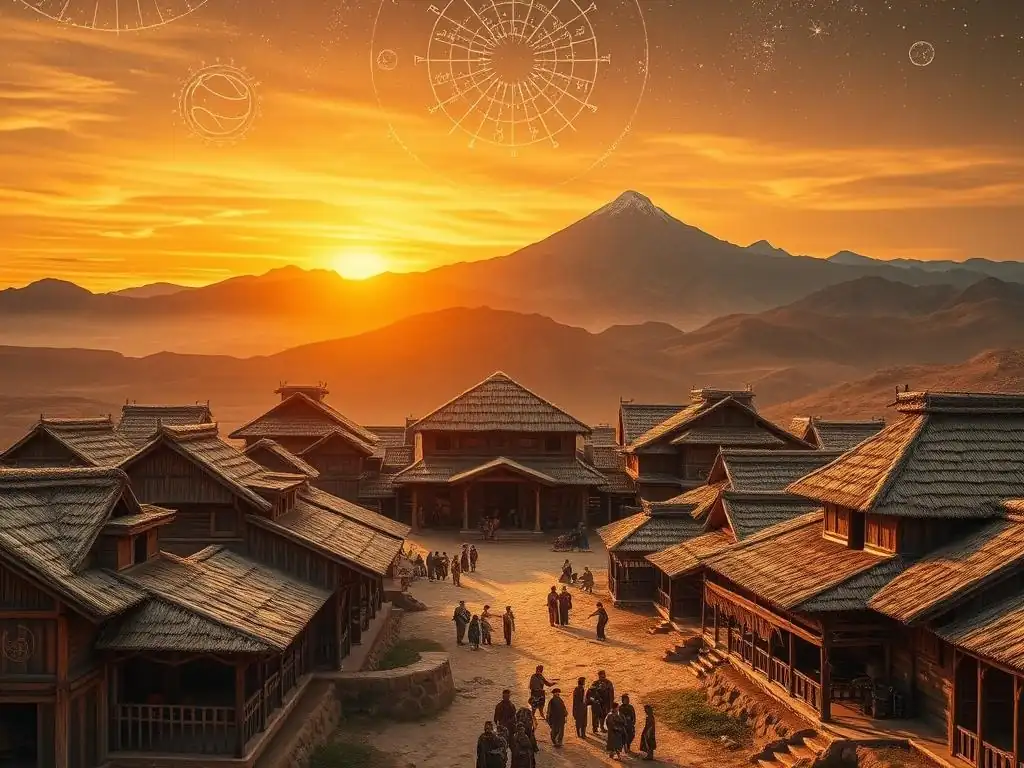
Indigenous architectural innovations in the Americas were characterized by a deep understanding of the natural environment and celestial phenomena. The techniques and methods employed varied significantly among different cultures, reflecting local materials, climate, and societal needs. Among these techniques, we find the use of earth materials such as adobe, stone, and wood, which were often sourced locally, ensuring sustainability and harmony with the environment.
Indigenous architects employed sophisticated design principles based on their astronomical observations. Structures were often oriented toward significant celestial events, such as solstices and equinoxes, which were integral to cultural rituals and agricultural practices. For example, the construction of ceremonial sites like the Mayan pyramids was meticulously aligned with the movements of the sun and stars, showcasing a profound connection between the earth and the cosmos.
Moreover, the use of geometric patterns in building design not only served aesthetic purposes but also functioned to enhance spatial awareness and navigation. The incorporation of intricate designs and symbology often conveyed cultural narratives, reinforcing community identity and continuity. By utilizing these advanced techniques, indigenous cultures created resilient and meaningful spaces that reflected their cosmological beliefs.
Methods of Observation: Tools and Techniques Used by Indigenous Cultures
Indigenous cultures across the Americas developed various tools and techniques to observe celestial bodies, which were essential for their architectural innovations. In the Andes, for instance, the Inca utilized a simple yet effective observational tool known as the "chacana," a cross-shaped symbol that represented the cosmos and was used to align structures with cardinal directions.
Similarly, the "horizon calendars" were employed by many Mesoamerican cultures, allowing them to track the sun's position throughout the year. These calendars were made up of stone markers placed in specific locations that indicated when the sun rose and set at various times of the year. Such precision in observation facilitated the alignment of buildings and ceremonial sites with astronomical events, ensuring that these structures resonated with the cosmological beliefs of the indigenous peoples.
In addition to physical tools, oral traditions played a crucial role in passing down astronomical knowledge. Elders would teach younger generations about the significance of celestial patterns and their implications for agriculture and seasonal changes. This oral transmission of knowledge ensured that techniques were preserved and adapted over generations, contributing to the sophistication of indigenous architectural design.
Integration of Natural Landscapes and Celestial Navigation
The integration of natural landscapes into architectural design is a hallmark of indigenous building practices. Many cultures viewed the landscape not just as a backdrop but as a vital component of their identity and cosmology. Structures were often built to harmonize with the natural topography, using hills, rivers, and vegetation as integral parts of the design.
For example, the Pueblo peoples of the Southwestern United States constructed their adobe homes in cliffside alcoves, utilizing the natural landscape for protection and insulation. This approach not only provided practical advantages but also reinforced the connection between the people and their environment.
Celestial navigation was equally important in this integration. Buildings were oriented according to the paths of celestial bodies, which were linked to agricultural cycles and spiritual practices. In many cases, significant structures were situated to capture the first light of dawn or to align with specific constellations. This practice ensured that the structures served both functional and ceremonial purposes, deepening their significance within the community.
The Impact of Indigenous Architectural Innovations on Modern Design
Indigenous architectural innovations have had a lasting impact on contemporary design, influencing not only aesthetics but also sustainable practices. Modern architects and urban planners increasingly recognize the value of indigenous knowledge systems, which prioritize harmony with the environment and a deep understanding of local resources.
Influence on Contemporary Architecture and Sustainable Practices
Today, the principles of sustainability and ecological awareness are central to architectural practice. Indigenous designs often embody these principles through the use of local materials and energy-efficient construction techniques. For instance, the use of thermal mass in adobe structures provides natural climate control, a practice that modern architects are beginning to adopt more widely.
Moreover, the alignment of buildings with natural features and celestial patterns has inspired contemporary architects to create spaces that promote well-being and a sense of place. This approach encourages designs that are not only functional but also resonate with the cultural and environmental contexts in which they exist.
Architects like Maya Lin and firms such as Studio:indigenous are leading the way in integrating indigenous perspectives into modern design. By honoring traditional practices and philosophies, they create structures that reflect a deep respect for the land and its history, fostering a dialogue between past and present.
Recognizing Indigenous Contributions in Modern Urban Planning
The recognition of indigenous contributions to architecture and urban planning is crucial for creating inclusive and culturally sensitive spaces. As cities grow and evolve, incorporating indigenous perspectives can lead to more equitable and sustainable urban environments.
Modern urban planners are increasingly aware of the importance of involving indigenous communities in the decision-making process. This collaboration ensures that the cultural narratives and historical significance of spaces are honored and preserved. For example, many cities are now integrating indigenous placemaking strategies, which include the use of traditional land management practices and the creation of communal spaces that reflect indigenous values.
By acknowledging and valuing indigenous contributions, contemporary urban planning can promote cultural resilience and foster a sense of community. This shift not only benefits indigenous populations but also enriches the urban landscape for all residents, creating spaces that are diverse, inclusive, and reflective of the rich tapestry of human culture.
Conclusion: The Legacy of Indigenous Architectural Innovations
Indigenous architectural innovations in the Americas reflect a profound understanding of astronomy and its integration into daily life. From the intricate alignments of the ancient Mayan pyramids to the celestial orientation of the Inca structures, these achievements are a testament to the ingenuity and sophistication of indigenous cultures. These architectural marvels served not only as functional structures but also as instruments for astronomical observation, reinforcing the connection between the cosmos and terrestrial life.
The legacy of these innovations continues to inspire modern architecture and cultural practices. By examining how indigenous peoples designed their structures with celestial considerations, contemporary architects can draw on sustainable principles and a holistic understanding of the environment. The remarkable ability of these civilizations to harmonize their built environments with astronomical phenomena exemplifies a unique worldview that values both the earth and the sky, leaving a lasting impact on architectural thought.
Lasting Impact of Astronomy on Indigenous Architecture
The relationship between astronomy and indigenous architecture is deeply rooted in the cultural narratives of various civilizations in the Americas. For instance, the alignment of structures with celestial bodies allowed indigenous groups to create calendars and agricultural practices that were in sync with seasonal changes. The construction of buildings like the Great Serpent Mound in Ohio or the Temple of the Sun in Cusco illustrates how these societies incorporated astronomical events into their architectural designs.
Furthermore, many indigenous cultures viewed celestial events as integral to their cosmologies. This belief system influenced not only the design of their structures but also the rituals performed within them. These architectural innovations often served as venues for ceremonies tied to astronomical phenomena, reinforcing the significance of the cosmos in their spiritual and social lives. The continued recognition of these practices highlights the enduring influence of astronomy on indigenous architecture.
The Importance of Preserving Indigenous Knowledge and Practices
Preservation of indigenous knowledge and practices is crucial for maintaining cultural heritage and fostering respect for the achievements of these civilizations. As modern societies grapple with issues of sustainability and environmental stewardship, the insights derived from indigenous architectural practices can provide valuable lessons. These practices emphasize a harmonious relationship between human habitation and the natural world, showcasing techniques that have stood the test of time.
Efforts to document and revitalize indigenous architectural knowledge not only honor ancestral traditions but also empower contemporary indigenous communities. By incorporating traditional practices into modern architecture, there is an opportunity to create spaces that reflect indigenous identities and values. Such initiatives can promote awareness and appreciation of indigenous contributions to architecture, ensuring that these legacies continue to thrive.
Additional Resources for Further Exploration
For those interested in delving deeper into the intersection of indigenous architecture and astronomy, a variety of resources are available. These materials provide insights into the rich tapestry of indigenous cultures and their architectural innovations, as well as their astronomical practices.
Recommended Readings on Indigenous Architecture and Astronomy
-
"Skywatchers: A Revised History of Astronomy in Native America" by Anthony Aveni
This book explores the astronomical knowledge of various indigenous cultures and its influence on their architectural practices.
-
"Indigenous Architecture in the Americas" by various authors
A compilation of essays highlighting the architectural achievements of indigenous peoples across the continent, focusing on their cultural significance.
-
"The Inca Trail: A Journey Through the Andes" by David Andrew
This work details the Inca civilization's architectural designs and their astronomical alignments, providing context for the impact of celestial observations on their architecture.
Documentaries and Visual Resources on Indigenous Innovations
-
"Ancient Sky: Indigenous Astronomy"
This documentary showcases how various indigenous cultures in the Americas integrated astronomy into their architectural designs and cultural practices.
-
"The Great Pyramids of the Maya"
A visually stunning exploration of the astronomical alignments found in ancient Mayan architecture, illustrating their profound understanding of the cosmos.
-
"Building the Sky: The Architecture of the Andes"
This film delves into the architectural innovations of the Andean civilizations, focusing on how astronomy influenced their construction techniques and societal organization.
These resources offer a wealth of information for anyone interested in understanding the rich interplay between indigenous architecture and astronomical practices in the Americas.
- Introduction to Indigenous Architectural Innovations in the Americas
- Historical Context of Indigenous Astronomical Practices
- Key Indigenous Architectural Innovations Inspired by Astronomy
- Case Studies of Architectural Innovations
- Techniques and Methods in Indigenous Architectural Design
- The Impact of Indigenous Architectural Innovations on Modern Design
- Conclusion: The Legacy of Indigenous Architectural Innovations
- Additional Resources for Further Exploration
- What are some examples of indigenous architectural innovations in the Americas?
- How did astronomical practices influence indigenous architecture?
- What is the significance of the pyramids built by indigenous civilizations?
- How did indigenous societies demonstrate their engineering skills in architecture?
- What lasting impacts did indigenous architectural innovations have on modern architecture?
Frequently Asked Questions
What are some examples of indigenous architectural innovations in the Americas?
Many indigenous architectural innovations include pyramids, earthworks, and terraced farming systems. These structures often showcased advanced knowledge of engineering and astronomy.
How did astronomical practices influence indigenous architecture?
Indigenous cultures used astronomical practices to align their structures with celestial events. This alignment often reflected their spiritual beliefs and understanding of the universe.
What is the significance of the pyramids built by indigenous civilizations?
The pyramids served not only as ceremonial sites but also as indicators of sophisticated engineering. They reflect the cultural and religious practices of the civilizations that constructed them.
How did indigenous societies demonstrate their engineering skills in architecture?
Indigenous societies showcased their engineering skills through the construction of complex structures, such as large stone edifices and intricate road systems, which required advanced planning and resource management.
What lasting impacts did indigenous architectural innovations have on modern architecture?
Indigenous architectural innovations have influenced modern design by emphasizing sustainability, community integration, and environmental harmony, principles that are increasingly valued in contemporary architecture.
Final Reflection: Embracing the Cosmos through Indigenous Architectural Innovations
The intersection of architecture and astronomy is more relevant today than ever, as we seek sustainable and culturally resonant ways to build our future. The architectural innovations inspired by Indigenous astronomical practices remind us that our ancestors understood the cosmos in ways that can inform contemporary design. These practices not only reflect a profound connection to the earth and sky but also challenge us to rethink our relationship with the environment and our cultural heritage.
The ongoing influence of Indigenous architectural innovations is evident in the growing appreciation for sustainable practices and cultural storytelling in modern design. As we look to the stars, we are reminded of the wisdom embedded in these ancient practices. Indigenous knowledge systems are not just historical artifacts; they are living frameworks that can guide us toward a more harmonious existence with our planet.
This perspective encourages us to honor the past while integrating these insights into our current architectural endeavors, fostering a richer dialogue between tradition and innovation.
As we conclude this exploration, I invite you to reflect on how you can incorporate the lessons learned from Indigenous architectural innovations into your own life and work. Consider how the principles of sustainability, community, and cosmic awareness can shape not only our buildings but also our interactions with one another and the world around us. Let us strive to build not just for the sky, but with the wisdom of those who have gazed upon it long before us, ensuring that our future is as grounded as it is elevated.
Unveil the Stars Above: Take Action in Honoring Indigenous Wisdom!
Thank you for journeying with us through the marvels of architectural innovations inspired by Indigenous astronomical practices. Your interest enriches the appreciation for these vibrant cultures and their deep connection to the cosmos. Now, let’s turn this inspiration into action!
Here are a few powerful ways you can honor this knowledge and contribute to the conversation:
- Engage with local Indigenous communities: Attend a workshop or lecture to gain deeper insights into their astronomical heritage and its relevance today.
- Share your newfound knowledge: Post about the incredible architectural practices you’ve learned on social media, using the hashtag #IndigenousArchitecture to connect with others.
- Reflect on your own space: Consider how you can incorporate elements of Indigenous design into your environment, fostering a deeper connection with nature and the universe.
What aspect of Indigenous astronomical practices resonates most with you, and how might you apply it to your own life or community?