
Advanced Crop Rotation Methods Used by Indigenous Farmers: Lessons for Today

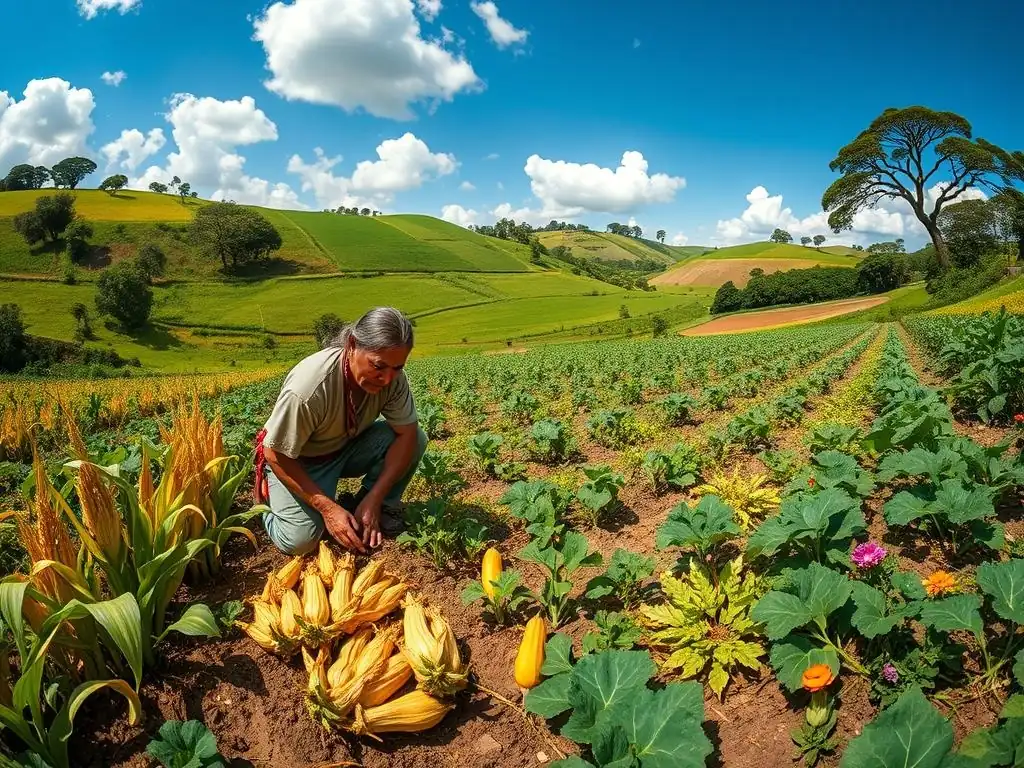
Welcome to Indigenous Civilizations of the Americas, where we invite you to journey through the rich tapestry of diverse cultures that flourished long before European colonization. Here, you will uncover the remarkable achievements and intricate societies of indigenous peoples who laid the foundations of agricultural innovation. In our featured article, “ Advanced Crop Rotation Methods Used by Indigenous Farmers: Lessons for Today,” discover how indigenous farming techniques not only sustained these vibrant communities but also hold valuable lessons for modern agriculture. Dive deeper with us and explore the fascinating legacies that continue to shape our world today!
- Introduction to Indigenous Farming Techniques in the Americas
- Historical Context of Crop Rotation Methods
- Advanced Crop Rotation Methods Used by Indigenous Farmers
- Benefits of Indigenous Crop Rotation Techniques
- Lessons for Modern Agriculture from Indigenous Practices
- Challenges and Considerations in Applying Indigenous Methods Today
- Conclusion: The Lasting Impact of Indigenous Farming Techniques on Modern Agriculture
-
Frequently Asked Questions
- What are Indigenous farming techniques in the Americas?
- How did advanced crop rotation methods benefit Indigenous farmers?
- What lessons can modern agriculture learn from Indigenous practices?
- What crops were commonly rotated by Indigenous farmers?
- How have Indigenous farming techniques influenced contemporary agriculture?
- Final Reflection: Embracing Indigenous Wisdom for Sustainable Agriculture
- Embrace Sustainable Practices Today!
Introduction to Indigenous Farming Techniques in the Americas
The rich tapestry of indigenous civilizations across the Americas is woven with the threads of sophisticated agricultural practices that have shaped their societies for millennia. Among these, advanced crop rotation methods stand out as a testament to the ingenuity and adaptability of indigenous farmers. These techniques not only ensured sustainable food production but also fostered a deep understanding of the ecosystems in which they thrived.
As modern agricultural challenges intensify, revisiting these indigenous farming techniques can offer valuable lessons for today's farmers. This article explores the intricate methods of crop rotation employed by indigenous cultures, highlighting their significance and enduring impact on agricultural practices.
Overview of Indigenous Agriculture
Indigenous agriculture in the Americas was diverse and regionally adapted, reflecting the unique environmental conditions and cultural practices of various communities. From the terraced fields of the Andes to the maize-bean-squash triad of Mesoamerica, indigenous farmers innovatively utilized their surroundings to optimize crop yields. Notable practices included:
- Polyculture: Growing multiple crops in the same space to enhance soil fertility and reduce pest outbreaks.
- Agroforestry: Integrating trees and shrubs into agricultural systems to improve biodiversity and soil health.
- Raised Bed Farming: Creating elevated planting beds to enhance drainage and extend the growing season.
These methods not only increased productivity but also contributed to the resilience of food systems in the face of climate variability.
Importance of Crop Rotation in Indigenous Farming
Crop rotation was a cornerstone of indigenous agricultural practices, promoting soil health and reducing the risk of pest and disease outbreaks. By alternating the types of crops planted in a given area, indigenous farmers practiced a form of sustainable agriculture that maintained the fertility of the land. Key benefits of crop rotation included:
- Soil Nutrient Management: Different crops have varying nutrient requirements and contributions, allowing for a natural replenishment of soil fertility.
- Pest and Disease Control: Rotating crops disrupts the life cycles of pests and pathogens, reducing their prevalence and impact on harvests.
- Biodiversity Enhancement: Diverse cropping systems supported a richer array of soil organisms, contributing to overall ecosystem health.
Incorporating these traditional methods into contemporary farming can lead to improved sustainability and resilience, echoing the wisdom of indigenous practices that have stood the test of time.
Historical Context of Crop Rotation Methods
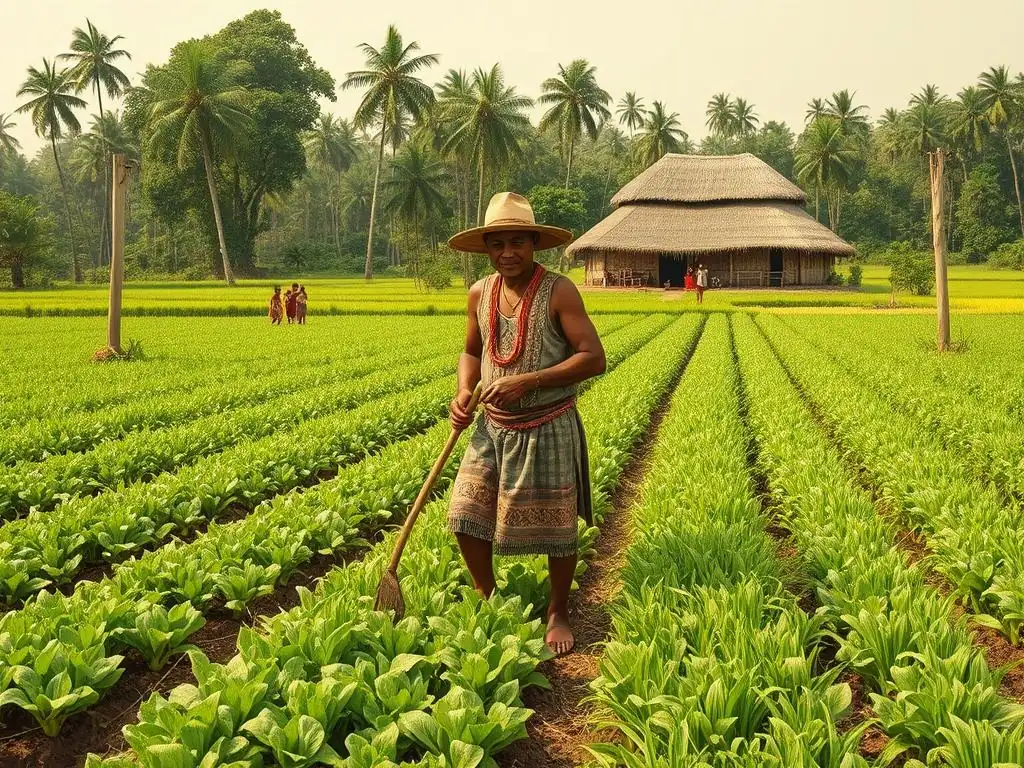
Traditional Indigenous Farming Practices
Indigenous farming techniques in the Americas have a rich history that dates back thousands of years, characterized by a deep understanding of local ecosystems and biodiversity. Among these techniques, crop rotation was a fundamental practice utilized by various indigenous cultures, including the Maya, Inca, and many Native American tribes. This method not only enhanced soil fertility but also promoted sustainable agriculture by reducing pest populations and preventing soil depletion.
- Mesoamerican Cultures: The Maya, for instance, employed a form of shifting agriculture known as milpa, where maize, beans, and squash were planted together. This trio, often referred to as the "Three Sisters," benefited from each other’s growth. Maize provided a structure for beans to climb, beans added nitrogen to the soil, and squash spread across the ground, shading the soil and preventing weeds.
- Andean Civilizations: The Inca civilization also showcased advanced agricultural practices, utilizing terraces and crop rotation to maximize yields in their mountainous environment. They rotated crops seasonally, alternating between different species to maintain soil health and productivity.
- North American Tribes: Various tribes across North America practiced crop rotation, often in conjunction with controlled burning to manage land. For example, the Pueblo peoples used a system of dry farming and rotation that allowed for the cultivation of crops like corn and beans in arid conditions.
The effectiveness of these traditional practices is evidenced by the longevity and resilience of indigenous agricultural systems, which adapted to the climate, topography, and available resources.
Evolution of Crop Rotation Techniques Over Time
As indigenous societies evolved, so did their agricultural methods, including crop rotation techniques. The adaptation and refinement of these practices were influenced by environmental changes, population dynamics, and cultural exchanges.
- Pre-Columbian Innovations: Before European contact, many indigenous groups had already developed sophisticated agricultural systems. The introduction of new varieties of crops through trade allowed for even more refined rotation practices. For example, the introduction of different types of beans and squash varieties contributed to increased biodiversity in crop rotation.
- Colonial Impact: The arrival of European settlers introduced new crops and farming methods, which began to blend with indigenous techniques. This period saw a transformation in crop rotation practices as indigenous farmers incorporated European crops like wheat and barley into their rotations. However, this also led to the disruption of traditional practices and the introduction of monoculture farming, which ultimately harmed soil health and long-term sustainability.
- Modern Applications: Today, there is a renewed interest in traditional indigenous farming techniques, including crop rotation. Modern agricultural scientists and farmers are looking back at these ancient methods as sustainable solutions to contemporary challenges such as soil degradation, climate change, and food security. Research has shown that indigenous crop rotation methods can lead to improved soil health, greater biodiversity, and increased resilience against pests and diseases.
The evolution of crop rotation techniques among indigenous farmers in the Americas reflects a deep understanding of ecological principles and sustainable practices. By studying these ancient methods, modern agriculture can learn valuable lessons to promote sustainable food systems.
Advanced Crop Rotation Methods Used by Indigenous Farmers
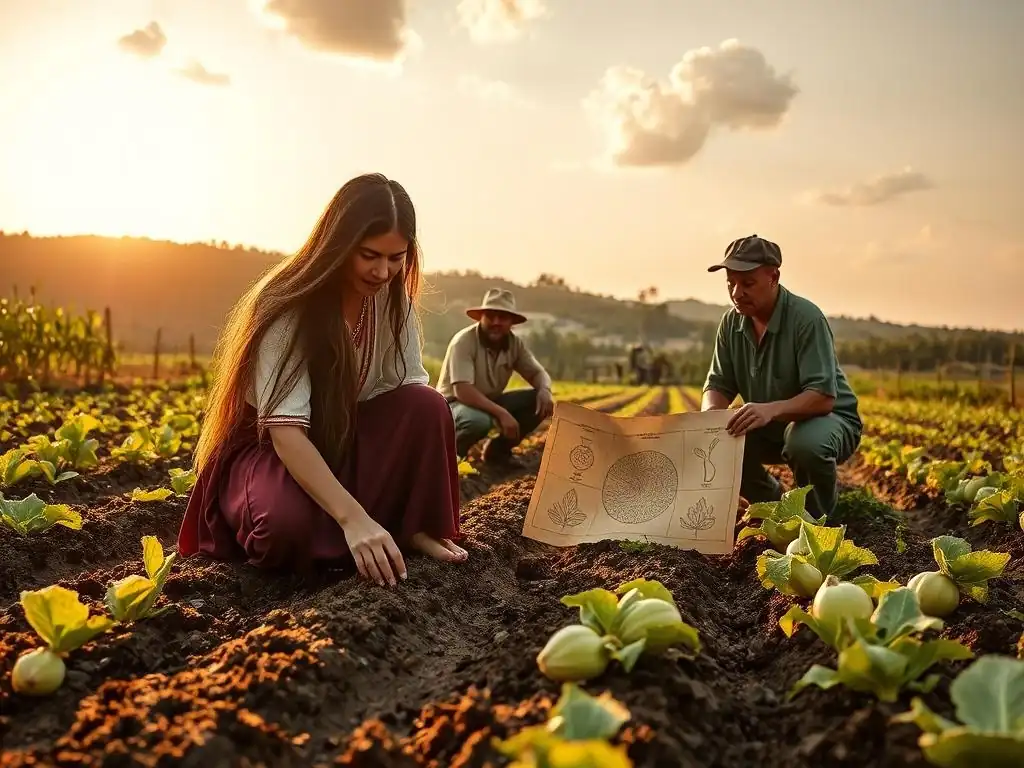
Key Principles of Indigenous Crop Rotation
Indigenous farming techniques in the Americas were characterized by a profound understanding of ecological balance and sustainability. Central to these techniques is the practice of crop rotation, which involves alternating the types of crops grown on a particular piece of land over time. This method not only helps in maintaining soil fertility but also reduces the prevalence of pests and diseases. Here are some key principles that underlie these advanced crop rotation methods:
- Biodiversity: Indigenous farmers recognized that planting a variety of crops enhances ecosystem resilience. Increased biodiversity can lead to improved soil health and reduced vulnerability to pests.
- Soil Health: The rotation of different crops allows for the replenishment of nutrients in the soil. For instance, legumes, which fix nitrogen, were often rotated with nutrient-depleting grains to maintain a balanced nutrient profile.
- Cultural Significance: Many indigenous communities incorporated cultural beliefs and practices into their farming techniques, which often dictated the timing and types of crops planted, aligning agricultural practices with spiritual and seasonal calendars.
Specific Techniques Employed by Indigenous Farmers
Indigenous farmers in the Americas employed a variety of specific techniques in their crop rotation practices. These techniques were tailored to local climates, soil types, and the specific needs of the communities. Below are three prominent techniques that illustrate their innovative approaches to agriculture.
Companion Planting: Enhancing Soil Fertility
Companion planting is a technique that involves growing different crops in proximity for mutual benefit. Many indigenous farmers practiced this method to enhance soil fertility and pest management. Key examples include:
- Three Sisters Farming: This method combines maize (corn), beans, and squash. Each plant supports the growth of the others; maize provides a structure for beans to climb, beans fix nitrogen in the soil, and squash spreads across the ground, suppressing weeds.
- Intercropping: By planting complementary species, indigenous farmers improved the nutrient uptake of the soil and minimized the impact of harmful pests. For example, planting marigolds alongside vegetable crops can deter nematodes and other pests.
Seasonal Crop Rotation: Adapting to Climate Variability
Indigenous farmers were adept at adapting their crop rotation schedules to the changing seasons and climatic conditions. This adaptability ensured that they could maximize yields and minimize losses due to extreme weather. Some practices include:
- Winter Cropping: Certain cultures planted crops that could withstand colder temperatures, such as winter wheat, while allowing for a summer crop cycle to follow.
- Floodplain Agriculture: In areas prone to seasonal flooding, farmers would rotate crops based on the timing and impact of floods, ensuring that they planted species that thrived in such conditions.
Multi-Cropping Systems: Maximizing Land Use
Multi-cropping systems are an essential aspect of indigenous farming techniques in the Americas. By cultivating multiple crops simultaneously, farmers were able to optimize land use and increase food security. This approach includes:
- Polyculture: Growing several species of crops together not only maximizes yield but also enhances biodiversity. Such systems can lead to improved resilience against pests and diseases.
- Agroforestry: Integrating trees with crops allows for a diverse ecosystem that can provide shade, reduce soil erosion, and create additional income sources through timber or fruit production.
Indigenous farming techniques in the Americas reflect a deep understanding of agricultural science and environmental stewardship. By employing advanced crop rotation methods, these communities not only sustained their populations but also created a legacy of agricultural practices that can inform modern farming techniques today. Through the lens of these practices, we can learn valuable lessons about sustainability and resilience in agriculture.
Benefits of Indigenous Crop Rotation Techniques
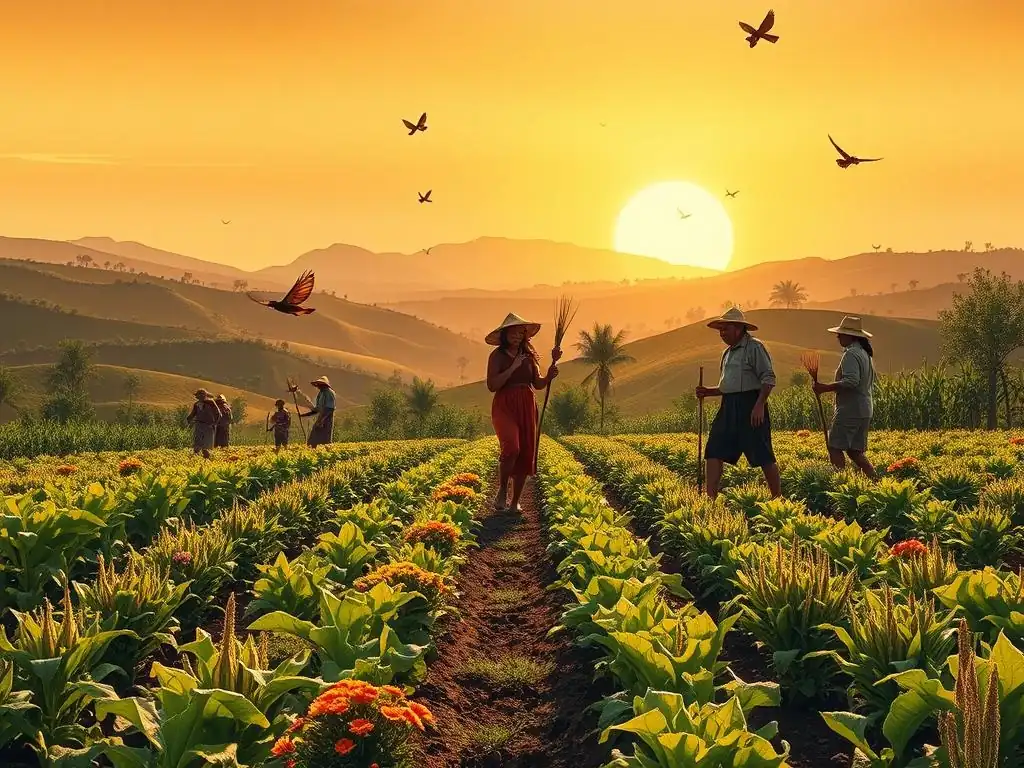
Indigenous farming techniques in the Americas have demonstrated remarkable ingenuity and sustainability over centuries. Among these methods, crop rotation stands out as a crucial practice that not only maximizes agricultural output but also maintains ecological balance. Understanding the benefits of these advanced crop rotation techniques can provide valuable lessons for contemporary agricultural practices.
Improved Soil Health and Biodiversity
One of the primary benefits of indigenous crop rotation techniques is the enhancement of soil health and biodiversity. By alternating crops, indigenous farmers effectively:
- Prevent Soil Depletion: Different crops have varying nutrient requirements. For example, legumes, such as beans, enrich the soil with nitrogen, while other plants may extract different minerals. This practice minimizes the risk of nutrient depletion, ensuring fertile ground for future crops.
- Promote Microbial Diversity: Crop rotation encourages a diverse range of soil microorganisms. A study indicated that soils with diverse crops exhibited a 40% increase in microbial diversity compared to monoculture systems. This diversity is vital for soil health as it fosters a resilient ecosystem capable of supporting various plant species.
- Enhance Soil Structure: The varied root systems of different crops contribute to improved soil structure. Deep-rooted plants can break up compacted soil layers, enhancing water infiltration and aeration.
Enhanced Resilience to Pests and Diseases
Indigenous crop rotation techniques also provide significant advantages in managing pests and diseases. The strategic rotation of crops leads to:
- Disruption of Pest Life Cycles: By rotating crops, farmers can disrupt the life cycles of crop-specific pests. For instance, planting corn followed by squash can significantly reduce the populations of pests that thrive on corn, minimizing the need for chemical interventions.
- Reduced Disease Incidence: Different crops can harbor distinct disease pathogens. Rotating crops can lower the chances of diseases becoming established in the soil, thereby protecting subsequent crops from infection. Research has shown that crop rotation can lead to a 60% reduction in disease prevalence in some regions.
- Natural Pest Control: Diverse cropping systems can attract beneficial insects that prey on pests, further enhancing pest control without the need for synthetic pesticides. This practice aligns with the traditional knowledge of indigenous farmers who often integrated companion planting into their rotation strategies.
Sustainability and Environmental Stewardship
Indigenous crop rotation methods epitomize sustainability and environmental stewardship. The long-term benefits include:
- Conservation of Resources: By maintaining soil health and preventing erosion through diverse planting, indigenous farmers conserve vital natural resources. This approach helps sustain agricultural productivity while reducing the environmental footprint.
- Adaptation to Climate Variability: Diverse cropping systems are more resilient to climate fluctuations. A study found that indigenous crop rotation practices led to 30% higher yields during drought conditions compared to monoculture systems, showcasing their effectiveness in adapting to environmental changes.
- Cultural Preservation: These techniques are often intertwined with cultural practices and knowledge systems, promoting a harmonious relationship between communities and their environment. This cultural aspect is vital for maintaining biodiversity and ecological health.
The advanced crop rotation techniques used by indigenous farmers in the Americas provide a wealth of knowledge for modern agricultural practices. By focusing on improved soil health, pest resilience, and sustainable stewardship, these methods can inspire contemporary farmers to adopt more environmentally friendly practices, ensuring food security for future generations.
Lessons for Modern Agriculture from Indigenous Practices
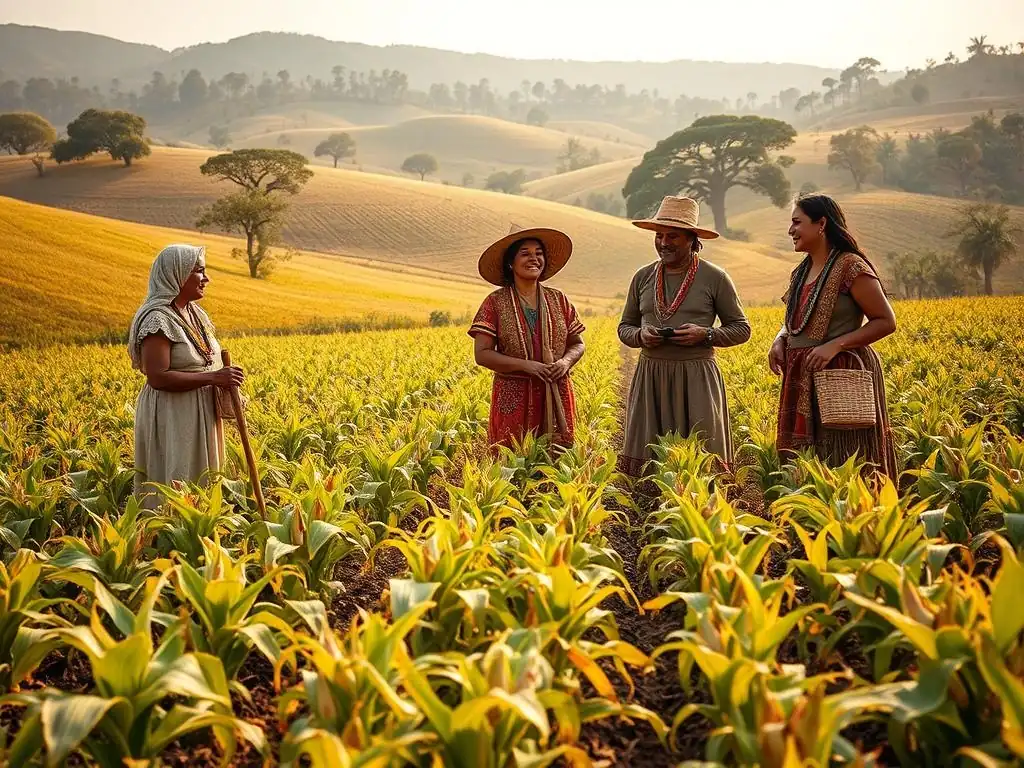
Indigenous farming techniques in the Americas have long been recognized for their sustainability and efficiency. These practices not only reflect a deep understanding of local ecosystems but also offer valuable insights that can be adapted to contemporary agriculture. By embracing these time-tested methods, modern farmers can enhance biodiversity, improve soil health, and create resilient agricultural systems that withstand climate change.
One of the primary lessons from indigenous farming is the importance of crop diversity. Indigenous farmers often planted multiple crops together, which not only maximized land use but also reduced the risk of total crop failure. This practice can be particularly beneficial today, as monoculture farming has led to soil depletion and increased vulnerability to pests and diseases. By integrating diverse crops, farmers can create more robust ecosystems that support a wider range of beneficial organisms.
Integrating Indigenous Techniques into Contemporary Farming
The integration of indigenous farming techniques into modern practices requires a collaborative approach that respects traditional knowledge while utilizing scientific advancements. This can include:
- Research partnerships: Collaborating with indigenous communities to document and study traditional agricultural methods.
- Education: Providing training for contemporary farmers on the benefits of indigenous techniques, such as intercropping and organic pest control.
- Policy support: Advocating for agricultural policies that recognize and support the implementation of indigenous practices.
For instance, regenerative agriculture, which emphasizes soil health and biodiversity, aligns closely with many indigenous methods. By adopting practices such as no-till farming and cover cropping, modern agriculture can mirror the sustainable systems developed by indigenous farmers over centuries.
Case Studies of Successful Implementations
Several case studies highlight the successful implementation of indigenous farming techniques in modern agriculture, demonstrating their effectiveness and adaptability.
Three Sisters: Corn, Beans, and Squash Cultivation by Native American Tribes
The "Three Sisters" technique exemplifies a harmonious planting system used by various Native American tribes. Corn, beans, and squash are grown together in a mutualistic relationship:
- Corn provides a tall structure for the beans to climb.
- Beans fix nitrogen in the soil, enriching it for all three plants.
- Squash spreads along the ground, blocking sunlight to suppress weeds and retain moisture.
This method not only maximizes yield but also enhances soil fertility and minimizes the need for synthetic fertilizers. Modern farmers are beginning to recognize the benefits of this integrated approach, experimenting with similar polyculture systems to improve food security and sustainability.
Milpa System: Traditional Mexican Farming Practice
The Milpa system, practiced by indigenous communities in Mexico and Central America, is another exemplary indigenous farming technique. This system involves:
- Slash-and-burn agriculture: Clearing small plots of forest to plant crops such as maize, beans, and chili.
- Crop rotation: Alternating crops each season to prevent soil degradation and maintain fertility.
- Agroforestry: Integrating trees into agricultural landscapes to provide shade, reduce erosion, and enhance biodiversity.
The Milpa system exemplifies sustainable land management and is increasingly being studied for its potential applications in modern agroecology. Farmers adopting milpa practices report improved yields and enhanced resilience against climate extremes, showcasing the enduring legacy of indigenous agricultural knowledge.
The exploration of indigenous farming techniques in the Americas provides crucial lessons for modern agriculture. By integrating these practices into contemporary farming, we can cultivate more sustainable, resilient, and productive agricultural systems that honor the wisdom of the past while addressing the challenges of the future.
Challenges and Considerations in Applying Indigenous Methods Today
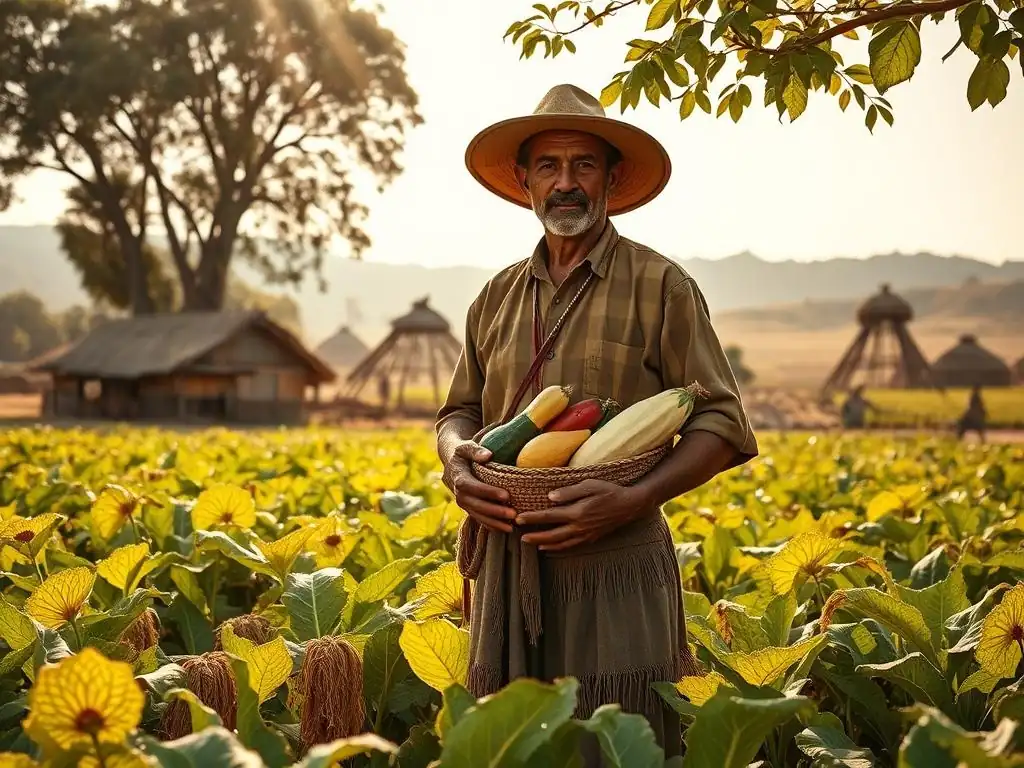
The advanced crop rotation methods developed by Indigenous farmers in the Americas represent a wealth of knowledge and sustainable practices. However, when seeking to apply these techniques in contemporary agriculture, several challenges and considerations must be addressed to ensure respectful and effective integration of these methods.
Addressing Cultural Appropriation Concerns
Cultural appropriation poses a significant challenge when discussing Indigenous farming techniques. These practices are deeply rooted in the cultural identities, traditions, and histories of Indigenous peoples. Using these techniques without proper acknowledgment and respect can lead to the commodification of sacred knowledge.
- Understanding Origin: It is crucial to recognize the origins of these farming techniques. Many Indigenous communities have cultivated specific crops and methods over thousands of years, often tailored to their unique environments and spiritual beliefs.
- Engagement with Communities: Engaging with Indigenous communities is essential. This involvement can help ensure that any adaptation or implementation of traditional farming methods honors the culture and practices from which they originate.
- Collaborative Research: Establishing partnerships between modern agricultural scientists and Indigenous farmers can facilitate a respectful exchange of knowledge. This collaborative approach can lead to innovations that respect tradition while addressing contemporary agricultural needs.
Respect and collaboration are paramount in bridging the gap between traditional knowledge and modern agricultural practices.
Adapting Techniques to Modern Agricultural Contexts
Adapting Indigenous farming techniques to fit modern agricultural contexts involves a careful balance of traditional wisdom and contemporary agricultural science. Here are key considerations for this adaptation:
- Sustainability and Biodiversity: Indigenous methods often emphasize crop diversity and ecological balance. Modern agriculture can incorporate these principles to improve sustainability. For instance, rotating crops that complement each other can enhance soil health and reduce pesticide dependence.
- Local Adaptation: Techniques that worked in specific Indigenous contexts may need modification to suit local climates and soil types today. For example, the Three Sisters method (planting corn, beans, and squash together) can be adapted to various regional settings while maintaining its core principles of mutual benefit.
- Technology Integration: While Indigenous methods are often low-tech, integrating modern technologies can enhance their effectiveness. For instance, using precision agriculture tools can help optimize the application of traditional crop rotation strategies by providing data on soil health and moisture levels.
| Technique | Traditional Use | Modern Adaptation |
|---|---|---|
| Three Sisters | Companion planting for nutrients | Implementing precision agriculture |
| Slash-and-burn farming | Land clearing for cultivation | Controlled burns for ecosystem health |
| Terracing | Preventing soil erosion in hillsides | Modern erosion control practices |
By thoughtfully addressing cultural appropriation concerns and adapting techniques to modern agricultural contexts, we can honor Indigenous farming practices while enhancing food security and sustainability in today's world. This balanced approach not only respects the knowledge of Indigenous peoples but also leverages their insights to contribute to contemporary agricultural challenges.
Conclusion: The Lasting Impact of Indigenous Farming Techniques on Modern Agriculture
Indigenous farming techniques, particularly those developed in the Americas, have laid the groundwork for sustainable agricultural practices that resonate strongly in today's context. The advanced crop rotation methods employed by these civilizations reflect a deep understanding of ecological principles and soil health, which are increasingly relevant as modern agriculture faces challenges such as climate change, soil degradation, and food security.
Summary of Key Takeaways
- Diversity in Crop Selection: Indigenous farmers often practiced polyculture, growing multiple crops together to enhance soil fertility and reduce pest outbreaks. This method not only improved yields but also helped maintain a balanced ecosystem.
- Soil Management Techniques: Techniques such as the use of composting and natural fertilizers were prevalent. For example, the incorporation of fish into planting mounds by the Indigenous peoples of the Pacific Northwest provided essential nutrients to crops, demonstrating an early form of integrated nutrient management.
- Water Conservation Strategies: Many Indigenous communities developed sophisticated irrigation systems tailored to their environments. The use of check dams, terraces, and diversion channels not only maximized water efficiency but also minimized soil erosion.
- Cultural Significance: Farming was deeply intertwined with spiritual beliefs and community practices. The cycles of planting and harvesting were celebrated, fostering a sense of stewardship towards the land.
- Lessons for Modern Agriculture: The principles underlying Indigenous farming techniques provide valuable insights into sustainable practices. Modern agricultural systems can benefit from integrating these traditional methods into contemporary farming strategies, promoting resilience and ecological balance.
Call to Action for Sustainable Farming Practices
As we reflect on the rich legacy of Indigenous farming techniques, it is crucial to advocate for their integration into modern agricultural practices. Here are some steps to consider:
- Educate Farmers: Promote educational programs that highlight the benefits of Indigenous farming techniques, focusing on sustainable crop management, soil health, and biodiversity.
- Support Local Practices: Encourage local farmers to adopt multi-crop systems and natural fertilization methods that have been historically used by Indigenous communities.
- Collaborate with Indigenous Communities: Facilitate partnerships between modern agriculturalists and Indigenous farmers to share knowledge and co-develop sustainable farming solutions.
- Advocate for Policy Changes: Push for agricultural policies that recognize and support the implementation of traditional ecological knowledge in farming practices.
By embracing the wisdom of Indigenous farming techniques, we can work towards a more sustainable and resilient agricultural future that honors both the past and the planet. 🌱
Frequently Asked Questions
What are Indigenous farming techniques in the Americas?
Indigenous farming techniques in the Americas include advanced crop rotation methods, companion planting, and the use of local biodiversity, all of which promoted sustainable agriculture and soil health.
How did advanced crop rotation methods benefit Indigenous farmers?
These methods enhanced soil fertility, reduced pest populations, and increased crop yields by allowing farmers to rotate crops based on their nutrient needs and growth cycles, ensuring a balanced ecosystem.
What lessons can modern agriculture learn from Indigenous practices?
Modern agriculture can adopt sustainable practices such as crop rotation and companion planting to improve biodiversity, reduce reliance on chemical fertilizers, and create more resilient food systems.
What crops were commonly rotated by Indigenous farmers?
Indigenous farmers often rotated staples like maize, beans, and squash, known as the "Three Sisters," which complemented each other in growth and nutrient use, showcasing intercropping benefits.
How have Indigenous farming techniques influenced contemporary agriculture?
The principles of Indigenous farming techniques have informed permaculture and sustainable farming practices, emphasizing the importance of working with nature and maintaining ecological balance for future generations.
Final Reflection: Embracing Indigenous Wisdom for Sustainable Agriculture
The lessons gleaned from advanced crop rotation methods used by Indigenous farmers are not just historical anecdotes; they are vital strategies for addressing today's pressing agricultural challenges. As we face climate change, soil degradation, and food insecurity, the sustainable practices of Indigenous farming techniques in the Americas offer a roadmap for resilience and ecological balance. The time has come to recognize that these ancient methods hold the key to a sustainable future.
The influence of Indigenous farming techniques extends beyond agricultural practices; it permeates our cultural and social landscapes, reminding us of the interconnectedness of all life. By embracing these methods, we not only honor the wisdom of Indigenous peoples but also foster a deeper understanding of our relationship with the land. We do not inherit the earth from our ancestors; we borrow it from our children.
This quote encapsulates the responsibility we have to preserve and enhance our environment for future generations, reflecting the core values embedded in Indigenous agricultural practices.
As we reflect on the insights shared in this article, I invite you to consider how you can incorporate these lessons into your own life and community. What steps can you take to promote sustainable practices, whether in your garden, your local food systems, or your advocacy efforts? By actively engaging with these Indigenous farming techniques, we can cultivate a more sustainable future that honors our past while nurturing the earth for generations to come. Let us be inspired to act, to learn, and to grow—together.
Embrace Sustainable Practices Today!
Thank you for exploring the rich legacy of Indigenous farming techniques and their advanced crop rotation methods. You've gained valuable insights that can transform modern agricultural practices. Now, let’s take inspiration from the past and put that knowledge into action!
Here are some practical steps you can take:
- Start your own crop rotation plan: Identify a few crops that thrive in your region and create a rotation schedule. This not only promotes soil health but also boosts your garden's resilience.
- Join a local community garden: Connect with fellow gardening enthusiasts to share ideas and practices inspired by Indigenous methods—together, you can cultivate a thriving ecosystem.
- Share your knowledge: Write about your experiences or host a workshop in your community to promote sustainable farming practices and encourage others to embrace these ancient techniques.
What crop rotation technique are you most excited to try and share with others? Let's inspire sustainability in our communities!