
Social Hierarchies and Governance: Understanding Class Structures in PreColumbian Societies

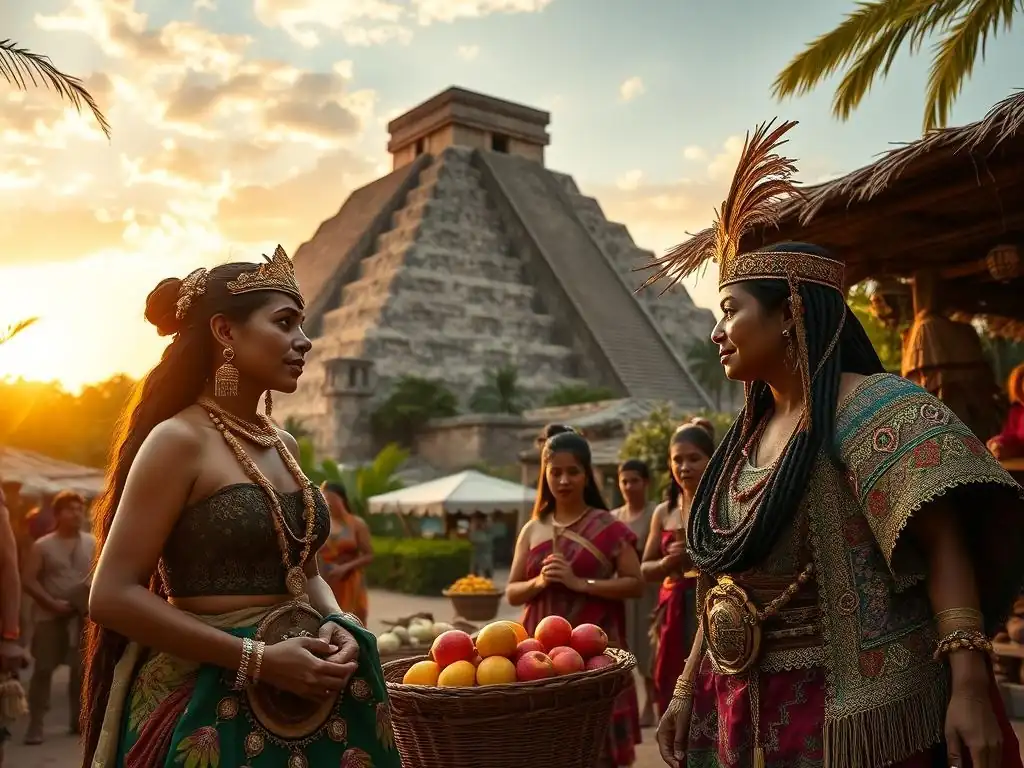
Welcome to Indigenous Civilizations of the Americas, where we invite you to journey into the rich tapestry of cultures that flourished long before European contact. Our focus today is on the intricate Pre-Columbian social hierarchies that defined governance and societal structure in these vibrant communities. Have you ever wondered how ancient societies organized themselves or the roles that class played in their development? Dive deeper with us as we uncover the remarkable advancements and achievements of these civilizations, revealing how their legacies continue to shape our world today. Your exploration begins here!
- Social Hierarchies and Governance in Pre-Columbian Societies
- Overview of Pre-Columbian Social Hierarchies
- Major Pre-Columbian Civilizations and Their Class Structures
- Factors Influencing Pre-Columbian Social Hierarchies
- Social Mobility in Pre-Columbian Societies
- Comparative Analysis of Pre-Columbian Social Hierarchies
- Lasting Impact of Pre-Columbian Social Hierarchies
-
Frequently Asked Questions
- What are Pre-Columbian social hierarchies?
- How did governance function in Pre-Columbian societies?
- What were the primary factors influencing social status in indigenous cultures?
- Can you name some prominent Pre-Columbian civilizations known for their social hierarchies?
- What is the lasting impact of Pre-Columbian social hierarchies today?
- Final Reflection: Understanding the Enduring Legacy of Pre-Columbian Social Hierarchies
- Unlock Insights into Pre-Columbian Social Structures!
The exploration of social hierarchies and governance in Pre-Columbian societies reveals intricate patterns of authority, organization, and cultural significance that shaped the lives of indigenous peoples across the Americas. These structures were not monolithic; they varied widely among different civilizations, reflecting unique adaptations to geography, resources, and social dynamics. Understanding these hierarchies is essential for appreciating the complexities of indigenous societies that thrived long before European contact and colonization. This article delves into the nuances of Pre-Columbian social hierarchies, highlighting their significance in the context of governance and societal organization.
Pre-Columbian social hierarchies encompassed a range of classes and roles within various indigenous cultures, from the highly stratified societies of the Aztecs and Incas to the more egalitarian structures found among nomadic tribes.
- Key Features of Social Hierarchies:
- Nobility and Ruling Classes: Often comprised of leaders, priests, and aristocrats who held power and influence.
- Commoners: The bulk of the population, engaged in agriculture, trade, and craftsmanship.
- Slaves and Servants: Individuals who were often captured in warfare or indebted, playing critical roles in labor-intensive societies.
These hierarchies were typically reinforced through kinship ties, religious beliefs, and economic factors, creating a complex web of relationships that governed daily life. For instance, in the Aztec Empire, the tlatoani (ruler) was seen as a divine figure, legitimizing his authority through a combination of military prowess and religious significance.
Importance of Understanding Governance Structures
Understanding the governance structures of Pre-Columbian societies is crucial for several reasons:
- Cultural Insight: These structures provide a window into the values, beliefs, and priorities of indigenous cultures, revealing how they organized themselves in response to environmental and social challenges.
- Historical Context: Analyzing governance helps contextualize the impact of European colonization, as understanding existing systems allows for a more nuanced view of the changes that occurred post-contact.
- Legacy and Influence: Many contemporary indigenous communities still reflect aspects of their ancestral governance forms, making it essential to study these historical structures to appreciate their ongoing significance.
The study of Pre-Columbian social hierarchies and governance not only enriches our understanding of past civilizations but also fosters a deeper appreciation for their enduring influence on modern indigenous identities and cultures.
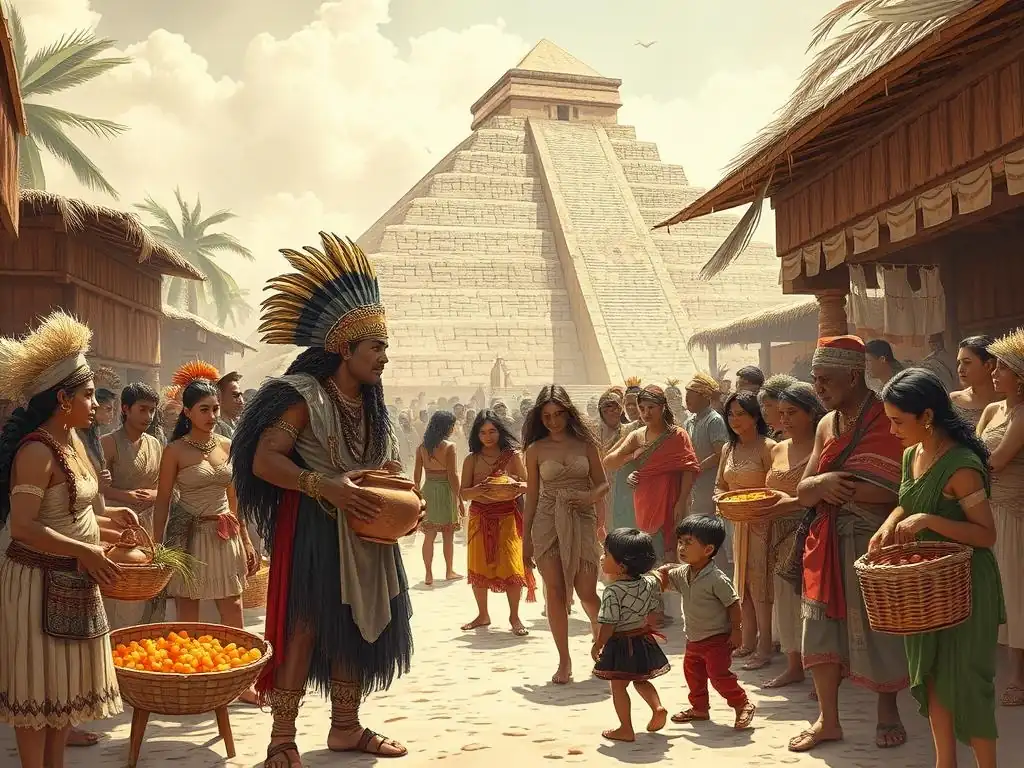
Pre-Columbian social hierarchies were complex systems that shaped the governance, culture, and daily life of indigenous peoples across the Americas. These hierarchies were not monolithic; rather, they varied significantly among different civilizations, reflecting a range of social, political, and economic factors. Such structures often included distinct classes, with specific roles and responsibilities within their communities, which contributed to the stability and functionality of their societies. Understanding these hierarchies is crucial to appreciating the advancements and achievements of these civilizations prior to European contact.
Social hierarchies in indigenous cultures can be defined as organized structures of authority and social stratification that delineate the relationships among individuals and groups within a society. These hierarchies were typically characterized by:
- Status and Rank: Individuals held different statuses based on various factors including lineage, wealth, and achievements.
- Roles and Responsibilities: Each class or rank often had its own set of duties, contributing to the overall functioning of the community.
- Ceremonial Significance: Social standing frequently influenced participation in rituals and ceremonies, further reinforcing class distinctions.
In many societies, such as the Aztec and Inca, these hierarchies were often codified through laws and customs, creating a clear framework of governance that helped maintain order and control. The elite classes, usually comprised of nobility and priests, held significant power over resources and decision-making processes, while lower classes, including farmers and laborers, supported the economy and daily operations of their communities.
Key Features of Class Structures in Pre-Columbian Societies
Pre-Columbian societies exhibited several key features in their class structures, which can be summarized as follows:
- Nobility and Ruling Classes:
- Often comprised of elite families or individuals with ancestral ties to founders or gods.
- Held political power, controlled land, and had significant influence over religious practices.
- Examples include the Tlatoani of the Aztecs and the Sapa Inca of the Inca Empire.
- Priesthood:
- A distinct and powerful class responsible for maintaining religious practices and cosmic order.
- Often involved in governance, as political decisions frequently intertwined with spiritual beliefs.
- Priests conducted rituals, made sacrifices, and interpreted omens which affected societal decisions.
- Artisans and Merchants:
- Skilled craftspeople who produced goods, often enjoying a higher status than common laborers.
- Merchants facilitated trade between different cultures, influencing economic dynamics and cultural exchange.
- Notable examples include the Pochteca traders of the Aztec Empire.
- Commoners:
- Comprised the majority of the population, including farmers, laborers, and soldiers.
- Played vital roles in the sustenance of society, often subject to the demands of higher classes.
- Their status could sometimes be enhanced through military achievements or contributions to society.
- Slaves:
- A lower tier within the social hierarchy, often captured in warfare or unable to pay debts.
- While their treatment varied significantly, slaves were generally deprived of personal freedoms and rights.
The interplay of these classes created dynamic social systems that were essential for the operation and growth of Pre-Columbian societies. By examining these social hierarchies, we gain insights into the governance structures and cultural achievements that defined the indigenous civilizations of the Americas prior to European contact.
Major Pre-Columbian Civilizations and Their Class Structures
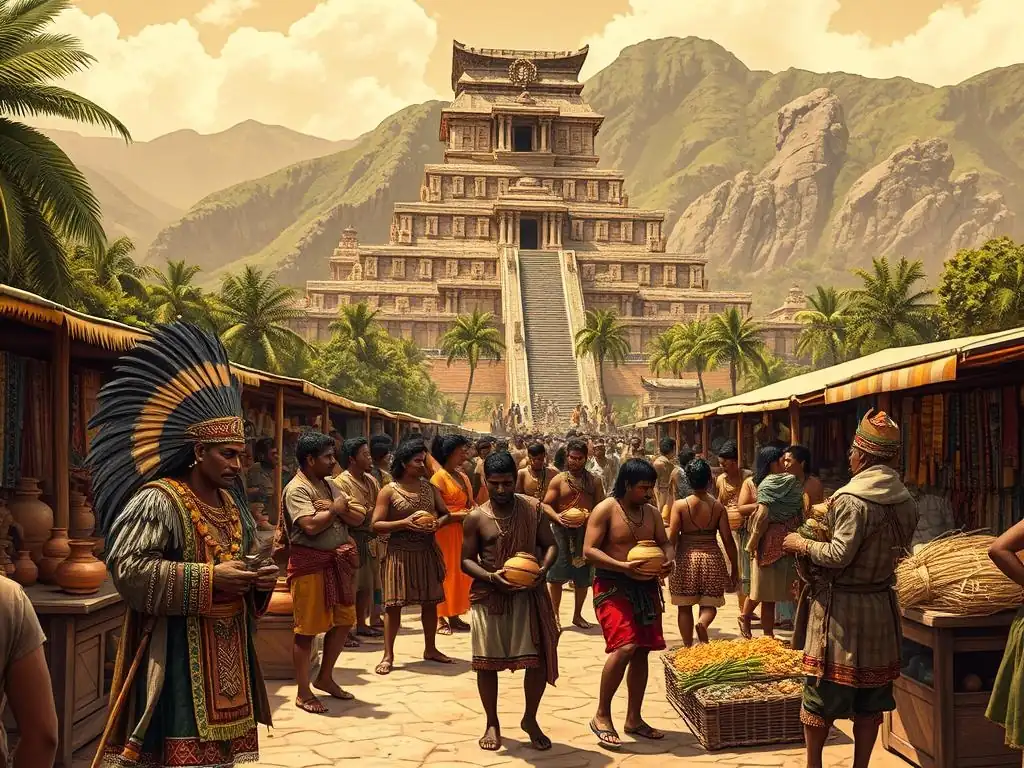
The Maya civilization, flourishing in Mesoamerica from around 2000 BCE to the arrival of Europeans, exhibited one of the most intricate social hierarchies of any Pre-Columbian society. This stratification was characterized by a multi-tiered structure, composed of various social classes that played distinct roles in governance, economy, and culture.
Roles of Nobility, Commoners, and Slaves
At the top of the Maya social hierarchy were the nobility, which included the king (or "k'uhul ajaw") and his royal family. They held significant power, both politically and religiously, often seen as divine intermediaries. Below the nobility were the priests, who played crucial roles in rituals and ceremonies that reinforced the political authority of the rulers.
The commoners, comprising the majority of the population, were primarily engaged in agriculture, trade, and craft production. They had limited rights but could achieve higher status through service to the nobility or exceptional skill in crafts. Merchants also had a unique standing, as they facilitated trade among various city-states and were essential to the economy, often gaining wealth and influence.
At the bottom of the social structure were slaves, who were typically prisoners of war or individuals who fell into debt. Their lives were harsh, and they served the needs of the nobility and commoners alike, contributing to the labor force but possessing no rights.
This complex social stratification allowed the Maya civilization to develop sophisticated governance systems, which facilitated the growth of city-states and extensive trade networks.
The Aztec Empire: A Rigid Class System
In contrast to the Maya, the Aztec Empire (circa 1428-1521 CE) had a more rigid class system that was deeply intertwined with their militaristic and religious ideologies. The Aztecs established a clear hierarchy that dictated the roles and privileges of each class, influencing both governance and societal structure.
Influence of Religion on Social Hierarchies
At the apex of the Aztec social hierarchy was the emperor, known as the "tlatoani," who was regarded as both a political and spiritual leader. Beneath the emperor were the nobles, including high-ranking warriors and priests, who held significant power and land. Their status was closely linked to their military achievements and religious duties, as the Aztec belief system emphasized the importance of warfare and sacrifice in appeasing the gods.
The commoners, including farmers, artisans, and merchants, made up the bulk of the population. Their contributions were vital for sustaining the empire, yet they had limited access to power. Interestingly, merchants in the Aztec society were somewhat elevated above other commoners due to their role in trade; they could amass wealth and influence, but still remained subordinate to the nobility.
At the lowest tier were the serfs and slaves, who often worked the land for the nobility or provided labor in households. Unlike the Maya, the Aztec slave system was more defined, with slaves being able to buy their freedom under certain conditions.
The rigid class structure of the Aztecs not only shaped their governance but also reinforced social cohesion, as each class had well-defined roles and responsibilities, leading to a highly organized society.
The examination of Pre-Columbian social hierarchies reveals the complexity and diversity of class structures within major civilizations like the Maya and Aztec. These systems not only organized their societies but also influenced their governance and cultural achievements, leaving a lasting impact on the history of the Americas.
The Inca Empire: Unique Governance and Class Organization
The Inca Empire, which thrived in the Andean region of South America from the early 15th century until the Spanish conquest in the 16th century, is renowned for its sophisticated governance and intricate social hierarchy. At its height, the empire spanned across modern-day Peru, Ecuador, Bolivia, and parts of Chile and Argentina, encompassing a diverse range of cultures and communities. The Inca social structure was characterized by a clear hierarchy that not only defined social classes but also dictated political authority and economic roles.
At the top of this hierarchy was the Sapa Inca, the emperor, who was considered a divine figure and the direct descendant of the sun god, Inti. The Sapa Inca wielded absolute power over the empire, overseeing everything from military campaigns to religious practices and agricultural production. This centralized authority allowed for the effective management of resources and the integration of diverse cultures within the empire.
Below the Sapa Inca were the nobility, which included the Inca elite who held significant administrative responsibilities and controlled large tracts of land. This elite was often composed of members from the royal family or individuals who had proven loyalty and service to the Sapa Inca.
The middle class consisted of artisans, merchants, and skilled laborers, who played a crucial role in the economy by producing goods and facilitating trade within and beyond the empire. At the bottom of the class structure were the commoners, known as the mitimaes, who were primarily farmers. They worked the land and paid tribute to the nobility through labor or agricultural produce. The Inca's effective taxation system, which included the mita, or labor tax, was essential for maintaining the empire's infrastructure and supporting its vast population.
The Role of the Sapa Inca and the Ayllu System
The Sapa Inca's authority was reinforced by the ayllu system, an essential component of Inca society that organized communities into extended family units. Each ayllu was responsible for managing communal land and resources, fostering a sense of cooperation and collective responsibility among its members. This system facilitated agricultural production, as families within an ayllu would work together to cultivate crops and share the harvest, ensuring food security for all members.
The Sapa Inca appointed leaders known as kurakas to oversee the ayllus, who acted as intermediaries between the Inca government and local communities. These leaders were responsible for mobilizing labor for state projects, collecting tributes, and maintaining order within their communities. The use of quippus, a sophisticated knot-based recording system, allowed the Sapa Inca and his officials to efficiently track resources, labor contributions, and population statistics across the vast empire.
Moreover, the ayllu system was pivotal in integrating conquered peoples into Inca society. As the empire expanded, the Inca often resettled communities and incorporated them into existing ayllus, helping to pacify regions and ensure loyalty to the Sapa Inca. This strategy fostered cultural exchange and unity, allowing the Inca Empire to maintain its dominance for centuries despite its vast and diverse territories.
The Inca Empire's unique governance and class organization, centered around the divine authority of the Sapa Inca and the communal structure of the ayllu system, played a critical role in its success and longevity, exemplifying the complexities of Pre-Columbian social hierarchies.
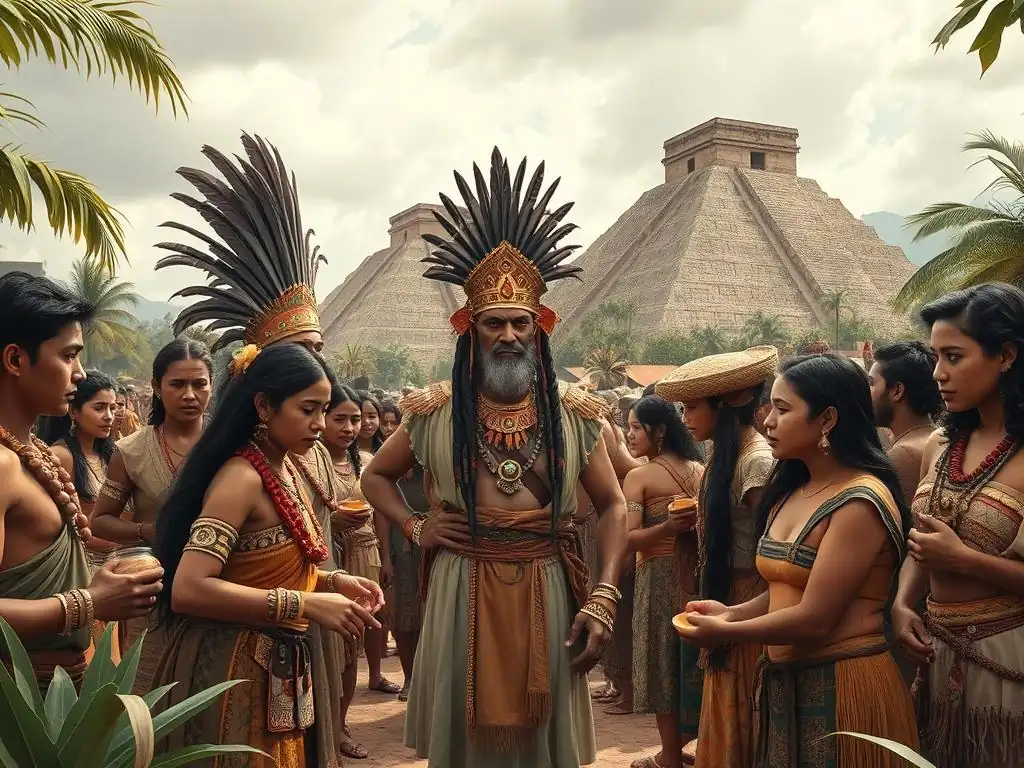
Economic Systems and Class Structures
Pre-Columbian social hierarchies were often deeply intertwined with the economic systems that sustained various civilizations. The economic foundation of a society significantly influenced its class structure, roles, and power dynamics. Different societies developed diverse economic practices, leading to distinct social hierarchies.
- Agricultural Societies:
- Many pre-Columbian civilizations, such as the Maya and the Inca, were primarily agrarian. The ability to cultivate crops like maize, beans, and squash allowed these societies to establish a surplus, which in turn supported a more complex social structure.
- Land Ownership: Land was often owned by elites or nobility, creating a significant divide between landowners and peasants. Those who controlled agricultural production held power and status.
- Labor Specialization: With surplus production, a division of labor emerged. Artisans, traders, and religious leaders occupied higher social ranks compared to laborers, leading to a multi-tiered class structure.
- Trade Networks:
- Societies like the Mississippian culture engaged in extensive trade, which facilitated the accumulation of wealth and resources. Trade routes connected different regions, promoting cultural exchange and economic interdependence.
- Wealth Accumulation: Merchants and traders could amass significant wealth, which often elevated their social status. In some cases, wealthy traders could rival or even surpass traditional nobility in influence.
- Resource Distribution:
- The availability of natural resources varied significantly across regions. For instance, coastal societies benefited from fishing and maritime resources, while inland societies relied on agriculture.
- Class Mobility: In societies where resources were abundant and accessible, there was often greater potential for class mobility. Conversely, in resource-scarce regions, social stratification was more rigid.
Religious Beliefs and Their Role in Governance
Religious beliefs played a pivotal role in shaping governance structures and reinforcing social hierarchies in pre-Columbian societies. The intertwining of religion and politics created systems where spiritual authority supported temporal power.
- Divine Rulership:
- Many civilizations, such as the Aztecs, operated under the belief that rulers were divinely ordained. This concept established a strong link between governance and religion, legitimizing the ruler's authority.
- Priestly Class: A distinct priestly class often emerged, wielding significant power not only in spiritual matters but also in political affairs. These priests interpreted divine will and mediated between the gods and the people.
- Rituals and Ceremonies:
- Public rituals and ceremonies served as a means of social cohesion and maintaining the status quo. Leaders often used these events to reinforce their power and the existing social hierarchy.
- Sacrificial Practices: In some cultures, human sacrifices were believed to appease gods, further solidifying the rulers' authority as they claimed to act in the interest of divine favor.
- Conflict and Religion:
- Religious differences could exacerbate social tensions and conflicts, leading to changes in social hierarchies. Conquered peoples might be forced to adopt the beliefs of their conquerors, altering their social dynamics.
- Syncretism: The blending of different religious practices could also lead to the emergence of new social classes or the elevation of certain groups within the existing hierarchy.
Geography played a crucial role in shaping the social hierarchies of pre-Columbian societies. The physical environment dictated the resources available, which in turn influenced economic activities and social structures.
- Topography and Settlement Patterns:
- The landscape significantly affected settlement patterns. For instance, civilizations in fertile river valleys, such as the Nile or the Mississippi, could support larger populations and more complex societal structures compared to those in arid regions.
- Urban Planning: Societies like the Aztecs developed large urban centers with hierarchical layouts that reflected their social stratification. Temples and palaces were often centrally located, symbolizing the power of the elite.
- Climate and Agricultural Practices:
- Climate variations affected agricultural productivity. Societies in regions with favorable climates could support larger populations and create more diverse economies, leading to intricate social hierarchies.
- Resilience and Adaptation: Societies that adapted to harsh environments, like the Inuit, developed unique social structures based on communal resource sharing, contrasting with hierarchical systems seen in agricultural societies.
- Isolation vs. Interaction:
- Geographic barriers, such as mountains or deserts, could isolate societies, leading to distinct cultural and social developments. Conversely, regions that facilitated trade and interaction, like the Andes, often exhibited more complex social hierarchies due to cultural exchanges.
- Regional Variability: The diversity of environments across the Americas resulted in varied social structures, from highly stratified societies in Mesoamerica to more egalitarian systems in the Great Plains.
Understanding the factors influencing pre-Columbian social hierarchies—economic systems, religious beliefs, and geographic factors—provides crucial insights into the governance and social organization of diverse indigenous cultures in the Americas. These elements intertwined to create complex societal frameworks that shaped the lives and legacies of pre-Columbian civilizations.
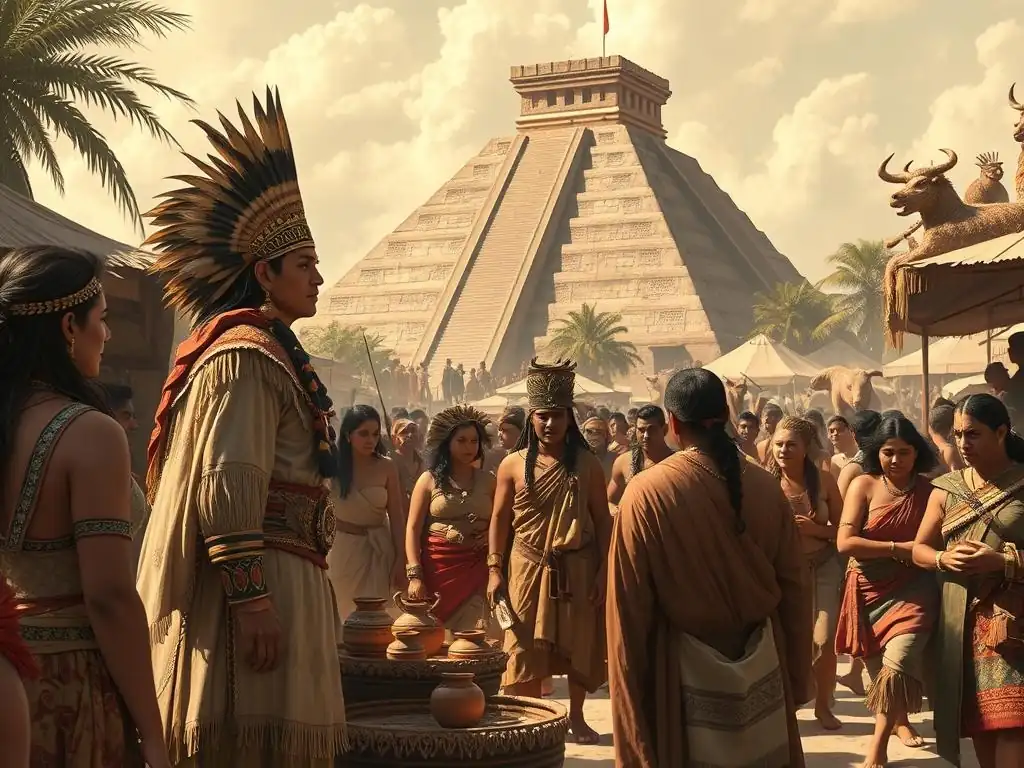
Understanding social mobility within pre-Columbian societies is crucial for grasping the complexities of their social hierarchies and governance structures. Social mobility refers to the ability of individuals or groups to move within or between social strata in a society. In many pre-Columbian civilizations, such as the Maya, Aztec, and Inca, social mobility was influenced by various factors, including economic resources, political connections, and cultural practices.
Opportunities for Advancement within Class Structures
In several pre-Columbian civilizations, there were specific avenues through which individuals could achieve social mobility.
- Marriage Alliances: Strategic marriages were a common method for individuals, especially among the elite, to bolster their status. By marrying into a higher class or influential family, individuals could enhance their political power and social standing.
- Military Achievement: Many societies recognized and rewarded military prowess. For instance, in the Aztec civilization, successful warriors could rise through the ranks, gaining land, titles, and prestige. This merit-based advancement allowed talented individuals to transcend their birth class.
- Trade and Wealth Accumulation: In societies like the Maya, those engaged in trade could accumulate wealth and influence. Wealthy merchants often gained significant social status, allowing them to participate in elite circles. The rise of a merchant class created a pathway for social mobility that was not strictly tied to noble birth.
- Religious Roles: In certain cultures, religious leaders held considerable power and influence. Individuals who distinguished themselves in spiritual or ritual practices could ascend to higher social roles, thereby altering their social status. For example, in some Andean societies, priesthoods were integral to governance, and individuals could rise through religious ranks based on merit.
- Cultural Contributions: Artistic and intellectual contributions also played a role in social mobility. Those who excelled in crafting, storytelling, or other artistic endeavors could gain recognition and respect, facilitating movement within social hierarchies.
Despite the opportunities for advancement, significant barriers to social mobility existed in pre-Columbian societies, restricting the ability of individuals to change their social status.
- Rigid Class Structures: In many civilizations, such as the Inca, class structures were highly stratified, with a clear delineation between nobility, commoners, and slaves. These rigid social systems made it difficult for individuals to move up the hierarchy, as each class had defined roles and limitations.
- Hereditary Privilege: Inheritance played a crucial role in maintaining social status. Noble birth often guaranteed privileges, while commoners faced systemic barriers that prevented them from accessing higher social echelons. This hereditary aspect of class structures perpetuated inequality and limited social mobility.
- Cultural Norms and Values: Societal beliefs regarding class and status often dictated the limits of social mobility. In some cultures, the belief that certain classes were inherently superior to others hindered efforts for change. These cultural perceptions reinforced existing hierarchies, making it challenging for individuals to break free from their assigned roles.
- Economic Constraints: Access to resources was often a determining factor in social mobility. Individuals from lower classes frequently lacked the economic means to invest in opportunities for advancement, such as education, military training, or trade ventures.
- Political Barriers: In many pre-Columbian societies, political power was concentrated in the hands of a few elite families. This concentration of power created significant obstacles for aspiring individuals, as political networks and alliances were often inaccessible to those outside the elite circles.
While opportunities for advancement existed within pre-Columbian social hierarchies, numerous limitations and barriers significantly constrained social mobility. Understanding these dynamics provides insight into the complexity of governance and societal organization in these ancient civilizations.
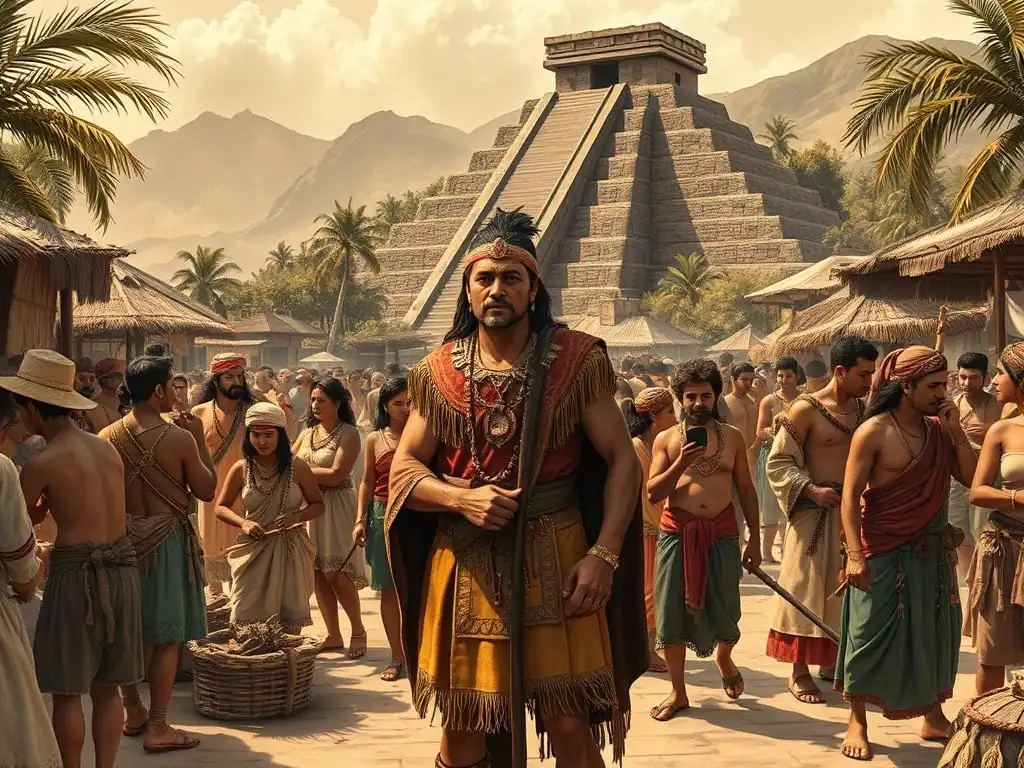
In examining the Pre-Columbian social hierarchies, it becomes evident that distinct patterns emerged among various civilizations across the Americas. These hierarchies were not monolithic; rather, they reflected the unique cultural, environmental, and historical contexts of each society. This analysis will highlight both the similarities and differences among major civilizations such as the Aztec, Maya, Inca, and the Mississippian cultures.
Similarities and Differences Among Major Civilizations
Across the major Pre-Columbian civilizations, some commonalities in social structure are noticeable:
- Centralized Authority:
- Most civilizations had a centralized form of governance, often led by a singular ruler or a ruling elite. This was particularly evident in the Aztec and Inca societies, where emperors wielded significant power.
- In contrast, the Maya civilization exhibited a more fragmented political structure with multiple city-states, each governed by its own leader.
- Noble and Commoner Classes:
- A clear division existed between the noble class and commoners. Nobles often held land, military power, and religious authority, while commoners engaged in agriculture, trade, and crafts.
- For instance, the Inca had a well-defined noble class known as the Inca, who were considered divine and distinct from the common populace. Meanwhile, the Mississippian culture had a similar hierarchy but with varying degrees of power among local chiefs.
- Religious Influence:
- Religion played a crucial role in reinforcing social hierarchies. In the Aztec civilization, priests not only managed religious ceremonies but also held substantial political power.
- Conversely, the Maya civilization’s priestly class was influential but often acted in a more advisory capacity within the political framework.
- Gender Roles:
- Gender roles varied significantly among these civilizations. For example, while the Inca largely relegated women to domestic roles, some Maya city-states recognized women as powerful figures, sometimes even ruling alongside men.
These similarities and differences illustrate the complex tapestry of social hierarchies that characterized Pre-Columbian societies. Understanding these nuances provides insight into how these civilizations functioned and interacted with one another.
Impact of Trade and Interaction on Class Dynamics
Trade and interaction among Pre-Columbian civilizations significantly influenced their social hierarchies. The exchange of goods, ideas, and cultural practices reshaped class dynamics in several ways:
- Economic Stratification:
- Trade routes facilitated the emergence of wealth among certain classes, particularly merchants and traders. This economic stratification often led to shifts in social standing. For example, in the Maya civilization, successful merchants could gain elevated status, challenging the traditional nobility.
- Cultural Exchange:
- Interaction among different cultures led to the adoption of various practices and beliefs, which sometimes altered existing power structures. The Mississippian culture, for instance, adopted aspects of Mesoamerican governance and religious practices through trade interactions.
- Social Mobility:
- While rigid social hierarchies predominated, trade provided opportunities for social mobility. Individuals who excelled in trade or craft production could ascend the social ladder, gaining respect and influence within their communities.
- Political Alliances:
- Trade often necessitated alliances between different groups, which could affect governance structures. The Inca, known for their extensive road networks, utilized trade to solidify political alliances, thereby enhancing their control over diverse regions.
The interplay of trade and social hierarchy in Pre-Columbian societies illustrates the dynamic nature of these cultures. The relationships forged through commerce not only enabled economic prosperity but also reshaped the very fabric of their social structures, often leading to a more interconnected world long before European contact.
By understanding these complex class dynamics, we gain a deeper appreciation of the rich tapestry of Pre-Columbian civilizations and their lasting impact on the Americas.
Influence on Modern Indigenous Governance Structures
The intricate social hierarchies established in Pre-Columbian societies have left a profound mark on contemporary indigenous governance systems. Many present-day indigenous communities in the Americas continue to draw upon traditional governance models that reflect their historical social structures. These models often emphasize collective decision-making, respect for elders, and gender roles that align with cultural practices passed down through generations.
For example, among the Iroquois Confederacy, the Great Law of Peace established a system of checks and balances that resonates with modern democratic principles. This governance structure underscores the importance of unity and consensus, rooted in the social hierarchies of respect and authority originating from their Pre-Columbian past. Similarly, the Mayan civilization, known for its complex social stratification, has influenced how descendants view leadership roles and community organization today.
In many cases, these historical frameworks are being revitalized as indigenous communities strive for autonomy and self-governance. This resurgence often involves integrating traditional governance principles with contemporary legal systems. Indigenous leaders advocate for the recognition of their rights based on these enduring hierarchies, emphasizing a return to systems that prioritize communal well-being and environmental stewardship.
Contributions to Contemporary Understanding of Class Systems
The study of Pre-Columbian social hierarchies offers valuable insights into the development of class systems throughout history. Scholars have examined various civilizations, such as the Aztecs, Incas, and Mississippians, to analyze how their class structures functioned and the roles they played in societal organization. These analyses reveal that social hierarchies were often fluid, allowing for movement between classes based on merit, leadership, or economic contributions.
For instance, the Inca Empire had a distinct class system that included nobles, priests, and commoners, yet it also allowed for the elevation of skilled individuals regardless of their birth status. Such practices challenge contemporary perceptions of rigid class systems, highlighting the complexity and adaptability of social hierarchies. By studying these historical frameworks, modern societies can better understand the dynamics of class and power, recognizing that hierarchies can be influenced by cultural, economic, and political factors.
Moreover, understanding these Pre-Columbian social structures informs current discussions on equity and representation. Many indigenous activists draw parallels between historical inequities faced by their ancestors and contemporary issues, advocating for policies that address systemic injustices rooted in class disparities.
The legacy of Pre-Columbian social hierarchies remains a significant aspect of both indigenous identity and broader societal understanding. By examining the governance structures and class systems that existed before European colonization, we gain insights into the resilience and adaptability of indigenous cultures. These historical frameworks continue to influence modern governance and social organization among indigenous peoples, fostering a sense of continuity and cultural pride.
As contemporary societies grapple with issues of class, equity, and governance, the lessons learned from Pre-Columbian social hierarchies serve as a reminder of the diverse ways communities have organized themselves throughout history. Acknowledging and valuing these legacies not only enriches our understanding of the past but also informs future efforts to create more inclusive and equitable societies. The enduring impact of these hierarchies is a testament to the strength and complexity of indigenous civilizations, whose influence continues to resonate today.
Reflection on Governance and Class Structures in Indigenous Civilizations
The governance and class structures of Pre-Columbian societies reveal a rich tapestry of social organization that varied widely across different cultures. These structures were not merely hierarchical; they were deeply intertwined with the cultural, economic, and spiritual lives of the communities. In examining the different systems of governance, we can gain insight into how indigenous peoples managed resources, maintained order, and fostered community identity.
Many Pre-Columbian civilizations, such as the Maya, Aztec, and Inca, developed complex governance systems that included various levels of authority and responsibility. The ruling elite often comprised a blend of priestly and political figures, which allowed for the integration of religious beliefs into governance. For instance, in the Aztec Empire, the emperor, or tlatoani, was seen as a divine representative on Earth, responsible not only for political decisions but also for ensuring cosmic balance through religious ceremonies. This dual role underscored the importance of spirituality in governance, reflecting a worldview that saw the natural and supernatural as interconnected.
Furthermore, social hierarchies in these civilizations were often marked by distinct roles and responsibilities that defined individuals' positions within the community. In the Inca Empire, for example, the society was organized into a strict class system, with the Sapa Inca at the top, followed by nobles, artisans, and farmers. Each class had specific duties that contributed to the empire's overall functioning, ranging from administrative tasks to agricultural production. This clear delineation of roles allowed for efficient governance and resource management, essential for supporting large populations and extensive territories.
The impact of these social structures extended beyond the immediate governance of the societies. They influenced cultural practices, including art, religion, and trade. The elite often commissioned monumental architecture and artistic works, which not only served as expressions of power but also played crucial roles in community identity and cohesion. The legacy of these achievements can still be seen today in the art and cultural practices of indigenous groups throughout the Americas.
In reflecting on the governance and class structures of Pre-Columbian civilizations, it becomes evident that their systems were sophisticated and highly adapted to the environmental and social contexts of their times. Understanding these dynamics not only provides insights into the functioning of these societies but also highlights the enduring influence of their governance practices on contemporary indigenous communities. The values and structures established by these civilizations continue to resonate, shaping identities and social organization in the modern world.
Frequently Asked Questions
Pre-Columbian social hierarchies refer to the class structures that existed in various indigenous civilizations across the Americas before European colonization, influencing their governance and societal organization.
How did governance function in Pre-Columbian societies?
Governance in Pre-Columbian societies was often characterized by chiefdoms or empires, where leaders held significant power, and social status was determined by lineage, wealth, or achievements.
Factors such as wealth, birthright, and contributions to society significantly influenced social status in indigenous cultures, often creating distinct classes within their communities.
Notable Pre-Columbian civilizations include the Maya, Aztec, and Inca, each of which had complex social hierarchies that shaped their cultural and political landscapes.
The social hierarchies established in Pre-Columbian societies continue to influence contemporary indigenous cultures and their approaches to governance, identity, and community organization.
The exploration of Pre-Columbian social hierarchies reveals a profound understanding of how class structures shaped governance and societal organization in ancient civilizations. Today, as we navigate the complexities of modern social dynamics, the lessons from these historical frameworks resonate deeply, reminding us that the roots of inequality and power distribution have long influenced human interactions. The intricate systems of governance established by these societies not only reflect their cultural values but also serve as a mirror for our current societal challenges.
Contemplating the enduring influence of Pre-Columbian social hierarchies, we see how these ancient structures continue to inform contemporary discussions about class and power. The stratification observed in these societies has parallels in today's world, where social mobility and access to resources remain contentious issues. As philosopher Michel Foucault once said, “Where there is power, there is resistance.” This notion underscores the ongoing struggle against oppressive structures, urging us to recognize and challenge the hierarchies that persist in our own lives.
As we reflect on the insights gained from studying these ancient societies, I invite you to consider your own position within the social fabric. How can the lessons of Pre-Columbian governance inspire you to advocate for equity and justice in your community? Let us take these reflections to heart, fostering a deeper understanding of our shared history and using it as a catalyst for positive change. Embrace the opportunity to learn from the past, and let it guide you in creating a more equitable future for all.
Thank you for taking the time to explore the intriguing world of social hierarchies and governance in Pre-Columbian societies! We hope you found valuable insights that deepen your understanding of class structures and their impact on indigenous civilizations.
Now, it's time to take your learning further! Here are some actionable steps you can take right now:
- Dive Deeper: Research a specific Pre-Columbian society that interests you and explore its unique governance structure. Libraries and online databases can provide a wealth of information!
- Engage with the Community: Share your newfound knowledge with friends or on social media. Start a dialogue about how these ancient systems influence modern governance.
- Explore Art and Culture: Visit a museum or a virtual exhibition showcasing artifacts and art from Pre-Columbian civilizations, and appreciate how their class structures shaped cultural expression.
How do you think understanding these ancient social hierarchies can enhance our view of contemporary governance systems?