
Women in Leadership: A Comparative Look at Gender Roles in Indigenous Political Structures

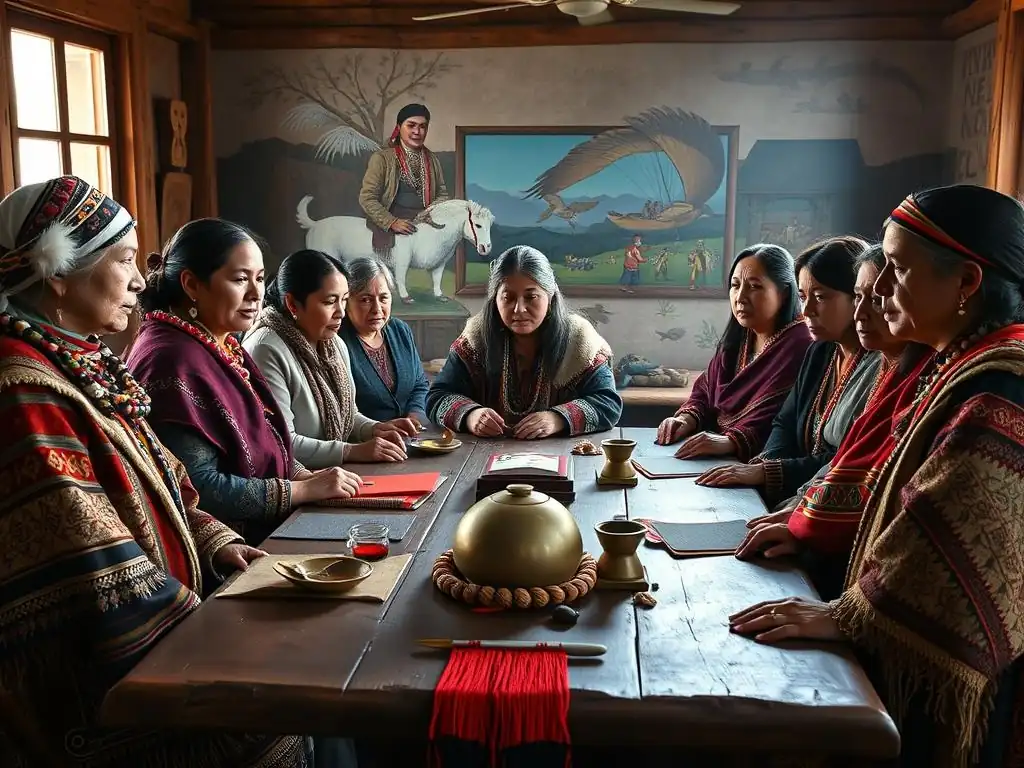
Welcome to Indigenous Civilizations of the Americas, where we invite you to delve into the rich tapestry of indigenous cultures that flourished across the continent long before European contact. Today, we focus on the often-overlooked yet vital topic of indigenous women leadership roles, exploring the powerful influence of women within their societies. How did these leaders shape their communities and forge paths of resilience and innovation?
Join us as we uncover the remarkable stories and contributions of women in leadership throughout history, and discover the profound impact they continue to have on the cultural landscapes of the Americas. Your journey into this fascinating world begins here!
- Introduction to Indigenous Women Leadership Roles
- Historical Context of Indigenous Women Leadership Roles
- Comparative Analysis of Indigenous Women Leadership Roles
- Contemporary Indigenous Women Leadership Roles
- The Role of Indigenous Women in Cultural Preservation
- Conclusion: The Future of Indigenous Women Leadership Roles
- References
-
Frequently Asked Questions
- What are the primary leadership roles of indigenous women in their societies?
- How did colonization impact the leadership roles of indigenous women?
- Are there any notable indigenous women leaders from history?
- How do contemporary indigenous women reclaim their leadership roles today?
- Why is understanding indigenous women's leadership important?
- Final Reflection: Embracing Indigenous Women Leadership Roles for a Brighter Future
- Empower Change: Step into Indigenous Leadership!
Introduction to Indigenous Women Leadership Roles
The exploration of indigenous women leadership roles reveals a rich tapestry of political structures and cultural practices that differ significantly across various tribes and communities in the Americas. Before European colonization, indigenous societies were characterized by complex governance systems that often included women in influential positions.
Understanding these roles not only sheds light on the historical significance of women in these societies but also highlights how their contributions have shaped contemporary discussions around gender and leadership. This article aims to provide a comparative analysis of gender roles within indigenous political frameworks, exploring the diverse ways in which women have exercised power and authority in their communities.
Importance of Gender Roles in Indigenous Political Structures
Gender roles in indigenous political structures are crucial for understanding the dynamics of power and leadership within these societies. In many cultures, the roles of men and women were not strictly defined; women often held significant authority, influencing decisions that affected their communities. For instance, in the Iroquois Confederacy, women played a vital role in selecting leaders and were regarded as the keepers of the clan's welfare. This illustrates that the participation of women was not merely a supplement to male leadership but an integral component of governance.
- Key Aspects of Gender Roles:
- Influence on Decision-Making: Indigenous women often participated actively in political discussions and decisions.
- Cultural Preservation: Women were responsible for passing down traditions and knowledge, thereby influencing the community's identity.
- Social Structure: The status of women varied across tribes, with some cultures recognizing matriarchal systems where lineage and inheritance were traced through the female line.
Understanding these roles is essential for recognizing the unique contributions of indigenous women and the social structures that supported their leadership.
Overview of Indigenous Cultures in the Americas
The indigenous cultures of the Americas are incredibly diverse, encompassing a wide range of societies with distinct languages, traditions, and governance styles. From the matriarchal societies in the Southeast, such as the Cherokee, to the egalitarian structures of the Plains tribes, the roles women played in leadership varied dramatically.
- Cultural Highlights:
- Northwest Coast: Tribes like the Haida and Tlingit had women who held significant status, often as clan leaders and economic decision-makers.
- Southwest: Among the Pueblo peoples, women were central to agricultural production and had crucial roles in communal decision-making.
- Great Plains: Many tribes, such as the Lakota, recognized women's councils that influenced important tribal decisions, particularly those related to family and community welfare.
These diverse practices illustrate not only the cultural richness of indigenous societies but also the varying degrees of women's empowerment across different regions and tribes. By examining these structures, we can better appreciate the historical context of indigenous women leadership roles and the ongoing impact of these traditions today.
Historical Context of Indigenous Women Leadership Roles
Pre-Colonization Political Systems
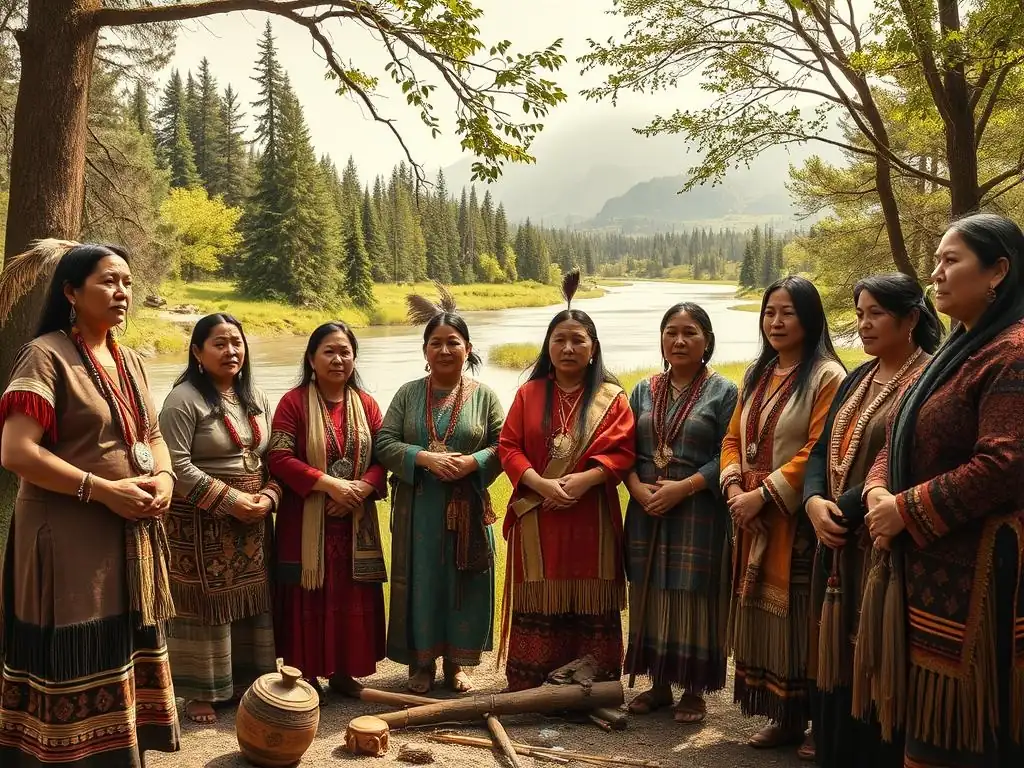
Indigenous societies in the Americas exhibited a remarkable diversity in their political structures long before European contact. Many of these systems were matrilineal or egalitarian, allowing women to play critical roles in governance and decision-making. For instance, among the Iroquois Confederacy, women held significant power through their roles as clan leaders. They had the authority to select chiefs and were integral to the council's functioning, demonstrating a system where women's voices were pivotal in political discourse.
In contrast, the Plains tribes had different systems of governance, often characterized by councils led by men but still influenced by women, particularly in matters concerning the community's welfare. Women's responsibilities extended to managing resources and maintaining social cohesion, granting them a unique position within the political landscape.
Roles of Women in Indigenous Governance
The roles of women in indigenous governance varied widely, yet several common themes emerge across different cultures. Indigenous women were often custodians of cultural knowledge and traditions, which placed them in essential positions within their communities. Their responsibilities included:
- Decision-Making: Women frequently participated in councils and decision-making bodies. Their input was crucial for community welfare and resource management.
- Conflict Resolution: Many societies relied on women to mediate disputes, valuing their abilities to foster harmony and understanding within the community.
- Cultural Transmission: Women were responsible for teaching the younger generation cultural practices, thus ensuring the continuity of traditions and governance structures.
These roles highlight the multifaceted contributions of indigenous women, positioning them as vital leaders and influencers within their societies.
Case Studies of Prominent Indigenous Women Leaders
Wilma Mankiller: First Female Chief of the Cherokee Nation
Wilma Mankiller stands as a transformative figure in the history of indigenous women leadership roles. As the first female chief of the Cherokee Nation, elected in 1985, Mankiller worked tirelessly to revitalize the Cherokee community. Her leadership focused on self-determination, economic development, and community empowerment. Under her guidance, the nation saw significant advancements in social programs, including education and health services.
Mankiller's approach emphasized grassroots participation, encouraging the involvement of women and youth in political processes. Her legacy persists in the ongoing advocacy for indigenous rights and self-governance, inspiring future generations of indigenous women leaders.
Rigoberta Menchú: Guatemalan Indigenous Leader and Nobel Laureate
Rigoberta Menchú is another prominent example of indigenous women leadership roles, recognized globally for her activism and advocacy for the rights of indigenous peoples. Menchú, a K'iche' Maya, gained international prominence when she received the Nobel Peace Prize in 1992 for her efforts to promote indigenous rights in Guatemala.
Her work highlighted the struggles faced by indigenous women, particularly during the Guatemalan Civil War, and she has continued to be a powerful voice for social justice and human rights. Menchú's activism emphasizes the importance of indigenous perspectives in global discussions, showcasing how indigenous women can lead movements that challenge systemic oppression and advocate for equality.
In both cases, the leadership of Wilma Mankiller and Rigoberta Menchú illustrates the vital roles indigenous women have played and continue to play in shaping political landscapes, advocating for their communities, and influencing broader societal change. Their stories exemplify the resilience and strength of indigenous women in leadership roles throughout history.
Comparative Analysis of Indigenous Women Leadership Roles
Gender Roles in Different Indigenous Cultures
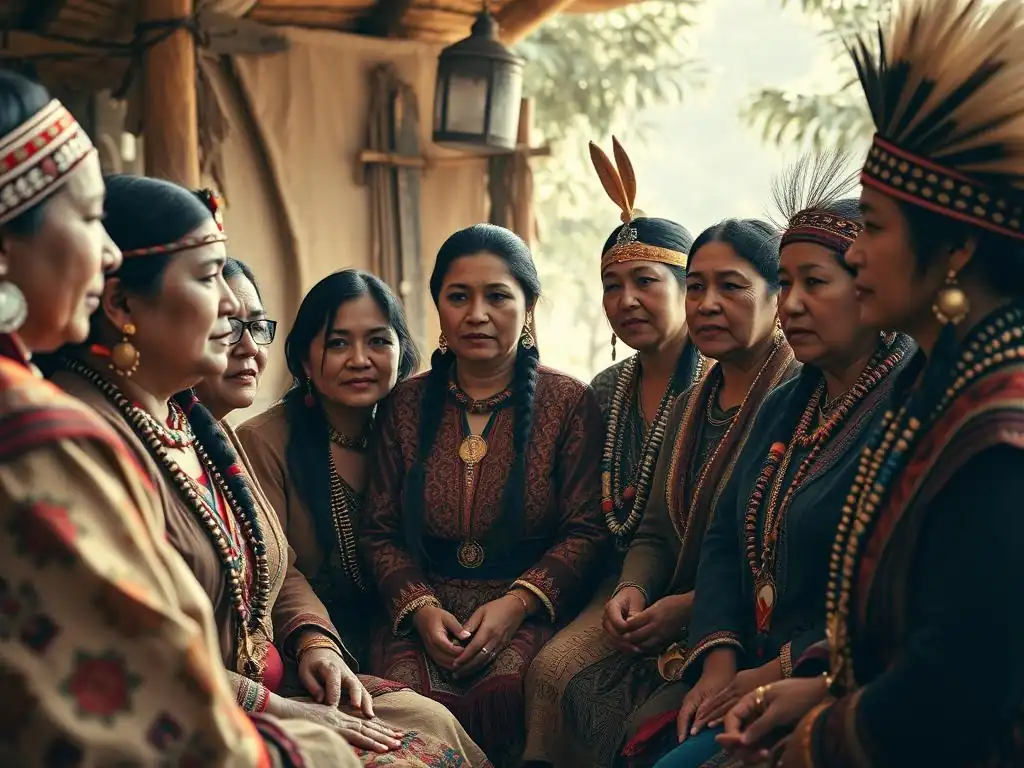
Indigenous cultures across the Americas exhibit a wide range of gender roles and leadership dynamics, often shaped by their unique historical, environmental, and social contexts. Understanding these roles is crucial in recognizing the contributions of indigenous women in leadership positions.
- Cultural Variation: In some cultures, women are revered as leaders and decision-makers, while in others, traditional patriarchal structures prevail. For instance, the Iroquois Confederacy is notable for its matrilineal structure, where lineage is traced through the female line, empowering women to hold significant political sway.
- Spiritual Leadership: Many indigenous societies perceive spiritual leadership as intertwined with gender roles. Women often serve as healers, mediators, and spiritual guides, thus influencing community decisions beyond formal political structures.
- Economic Contributions: The roles of women in economic activities, such as agriculture and trade, provide them with substantial influence within their communities. Their economic power can translate into political power, challenging traditional gender hierarchies.
Matriarchal Societies vs. Patriarchal Societies
The distinction between matriarchal and patriarchal societies profoundly impacts the leadership roles of indigenous women.
- Matriarchal Societies: In matriarchal societies, such as the Minangkabau in Indonesia, and certain indigenous groups in North America, women often inherit property and serve as the heads of households. These structures grant women authority over both domestic and public spheres, leading to greater representation in leadership roles.
- Patriarchal Societies: Conversely, in patriarchal societies, women's roles are often confined to domestic duties, limiting their access to leadership positions. For example, in some Southwestern Indigenous cultures, despite women playing essential roles in family and economic activities, formal political authority remains predominantly male-dominated.
Examples of Matriarchal Leadership in Indigenous Communities
Several indigenous communities exemplify the critical role of women in leadership through their matriarchal structures:
- The Iroquois Confederacy: Women hold significant power in this confederacy, as Clan Mothers have the authority to nominate and depose chiefs, ensuring that women's voices are central in political affairs.
- The Kuna of Panama: Kuna women participate in governance through the congress of women, where they discuss community issues and influence decision-making, showcasing their political agency.
- The Mosuo of China: Although not in the Americas, the Mosuo's matriarchal society is notable for the way women manage households and inherit property, providing insight into how matriarchal structures can operate.
Leadership Structures in Various Indigenous Groups
Indigenous groups across the Americas showcase diverse leadership structures, influencing the role of women in governance and decision-making.
The Role of Women in Decision-Making Processes
In many indigenous communities, women play pivotal roles in decision-making processes, often serving as advisors, negotiators, and leaders:
- Consensus Building: In many indigenous cultures, decisions are made through consensus rather than majority rule, allowing women to influence outcomes significantly. This collaborative approach often empowers women, as their perspectives are sought in community discussions.
- Crisis Management: Women frequently emerge as leaders during crises, leveraging their skills in negotiation and diplomacy to guide their communities through challenges, exemplifying resilience and leadership.
Comparison of Women's Influence in Different Regions
The influence of women in leadership varies significantly across regions, shaped by cultural practices and historical contexts:
| Region | Matriarchal Structures | Examples of Women's Leadership Roles |
|---|---|---|
| North America | Common | Clan Mothers in Iroquois Confederacy |
| Central America | Less common | Women leaders in community councils |
| South America | Emerging | Leadership in agricultural cooperatives |
| Arctic Regions | Limited | Role in community governance |
- North America: In regions like the Great Lakes, women’s roles are deeply embedded in political structures, while in the Plains, traditional roles may limit their participation.
- Central/South America: In regions such as the Andes, women's leadership is increasingly recognized, particularly in social movements advocating for rights and representation.
- Arctic Regions: Women's roles tend to be more traditional, yet there are growing movements advocating for their inclusion in leadership discussions, especially concerning environmental issues.
By examining these diverse structures and roles, we gain a deeper understanding of how indigenous women navigate and influence their societies, challenging traditional narratives and highlighting their vital contributions to leadership in their communities.
Contemporary Indigenous Women Leadership Roles
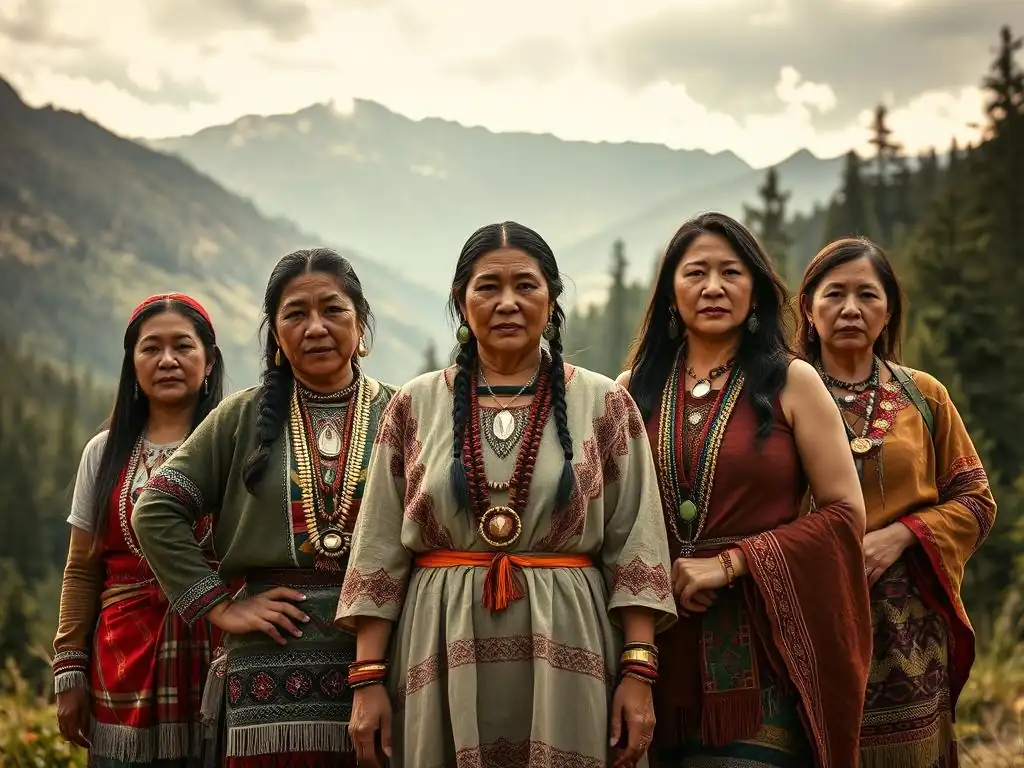
Indigenous women have historically played crucial roles in their communities, often serving as leaders, decision-makers, and custodians of culture. In contemporary society, these leadership roles have been evolving, influenced by a variety of factors including globalization, legal frameworks, and social movements. The recognition of indigenous women in leadership positions is essential for the empowerment of their communities and the preservation of their cultural heritage.
Modern Challenges Faced by Indigenous Women Leaders
Indigenous women leaders today face a unique set of challenges that can hinder their effectiveness and limit their opportunities for advancement. These challenges are deeply rooted in historical injustices, systemic discrimination, and ongoing socio-economic disparities.
Legal Barriers and Discrimination
Many indigenous women encounter legal barriers that complicate their ability to engage in leadership roles. These barriers can manifest in various ways:
- Lack of Representation: Indigenous women are often underrepresented in formal political structures, which can lead to a lack of advocacy for their rights and issues.
- Gender Discrimination: Cultural and societal norms may still favor male leadership, relegating women to supportive roles rather than positions of authority.
- Bureaucratic Obstacles: Many indigenous communities have governance systems that may not recognize the contributions of women or include them in decision-making processes.
These challenges are compounded by socio-economic factors, such as limited access to education, healthcare, and economic opportunities, which can further disadvantage indigenous women seeking leadership roles.
Success Stories of Contemporary Indigenous Women in Leadership
Despite these challenges, there are inspiring examples of indigenous women who have successfully navigated barriers to become influential leaders in their communities and beyond. Their stories serve as powerful reminders of the resilience and determination of indigenous women.
Deb Haaland: First Native American Cabinet Secretary
One prominent figure is Deb Haaland, who made history as the first Native American to serve as a Cabinet Secretary in the United States, appointed as Secretary of the Interior in 2021. Her leadership is significant not only for its symbolic value but also for the substantive policy changes she advocates.
- Advocacy for Indigenous Rights: Haaland has prioritized indigenous rights, working to address issues such as land protection, natural resources management, and the restoration of tribal sovereignty.
- Role Model: As a visible leader, she serves as a role model for indigenous women and girls, demonstrating that leadership is attainable and that their voices matter in the political arena.
Deb Haaland’s journey exemplifies the potential for indigenous women leadership roles to influence policy and inspire future generations. Her achievements showcase the importance of representation and the impact that indigenous women can have when given the opportunity to lead.
The landscape of indigenous women leadership roles is complex and multifaceted, shaped by historical contexts and current realities. Recognizing and addressing the challenges they face is crucial for fostering a more equitable and inclusive political environment. The successes of leaders like Deb Haaland highlight the potential for positive change when indigenous women are empowered to take their rightful place in leadership.
The Impact of Colonialism on Gender Roles
Colonialism profoundly altered the social fabric of indigenous societies in the Americas, including the dynamics of gender roles. Prior to European contact, many indigenous cultures recognized and valued the leadership roles of women within their communities. Women often held significant positions in decision-making processes, land management, and social governance. However, colonial imposition introduced patriarchal structures and ideologies that undermined these established roles, leading to a reconfiguration of gender dynamics.
One of the most notable impacts of colonialism was the introduction of European gender norms, which primarily emphasized male authority and relegated women to subordinate roles. This shift not only diminished the power and influence that indigenous women once enjoyed but also led to the erosion of traditional practices that celebrated their leadership. For instance, matrilineal societies, where lineage and inheritance were traced through women, were often disrupted as colonial powers enforced patrilineal systems that favored male lineage. This disruption had long-lasting effects on the social standing and rights of women in these communities.
Additionally, the colonial narrative often portrayed indigenous cultures as primitive, undermining the legitimacy of indigenous governance systems that included women in leadership roles. This narrative justified the imposition of European governance models, further marginalizing indigenous women and stripping them of their traditional roles within political and economic spheres. The consequences of these changes are still felt today, as many indigenous women continue to navigate the complexities of reclaiming their voices and positions within their communities while confronting the legacies of colonialism.
Dismantling Traditional Practices and Its Effects on Women
The dismantling of traditional practices due to colonial influences has led to significant consequences for indigenous women, affecting their roles in leadership and the overall structure of their societies. As colonial powers sought to "civilize" indigenous populations, many traditional practices that empowered women were systematically dismantled. This included the suppression of indigenous languages, spiritual beliefs, and cultural rituals that held women in high esteem, often as custodians of knowledge and cultural continuity.
With the introduction of foreign legal systems and governance structures, many indigenous women found themselves excluded from the political processes that had previously recognized their contributions. For example, in some tribes, women were traditionally responsible for the selection of leaders based on their wisdom and community standing. The imposition of colonial laws often disregarded these customs, leading to a significant decline in women's influence in political affairs. This exclusion not only marginalized women but also weakened the community's cohesion, as the voices of half the population were silenced.
Moreover, the dismantling of traditional roles has had intergenerational effects on indigenous communities. Younger generations of women often struggle to find their place within a system that has historically undervalued their contributions and leadership potential. This disconnection from their cultural roots can lead to a loss of identity and a diminished sense of belonging within their communities.
Efforts to revive traditional practices and empower indigenous women are underway in many communities today. These movements aim to re-establish women's roles in leadership and governance, fostering a return to the values that once recognized their contributions. By reclaiming their heritage and advocating for their rights, contemporary indigenous women are not only addressing the impacts of colonialism but also paving the way for future generations to thrive in leadership positions.
The Role of Indigenous Women in Cultural Preservation
Women as Keepers of Tradition and Knowledge
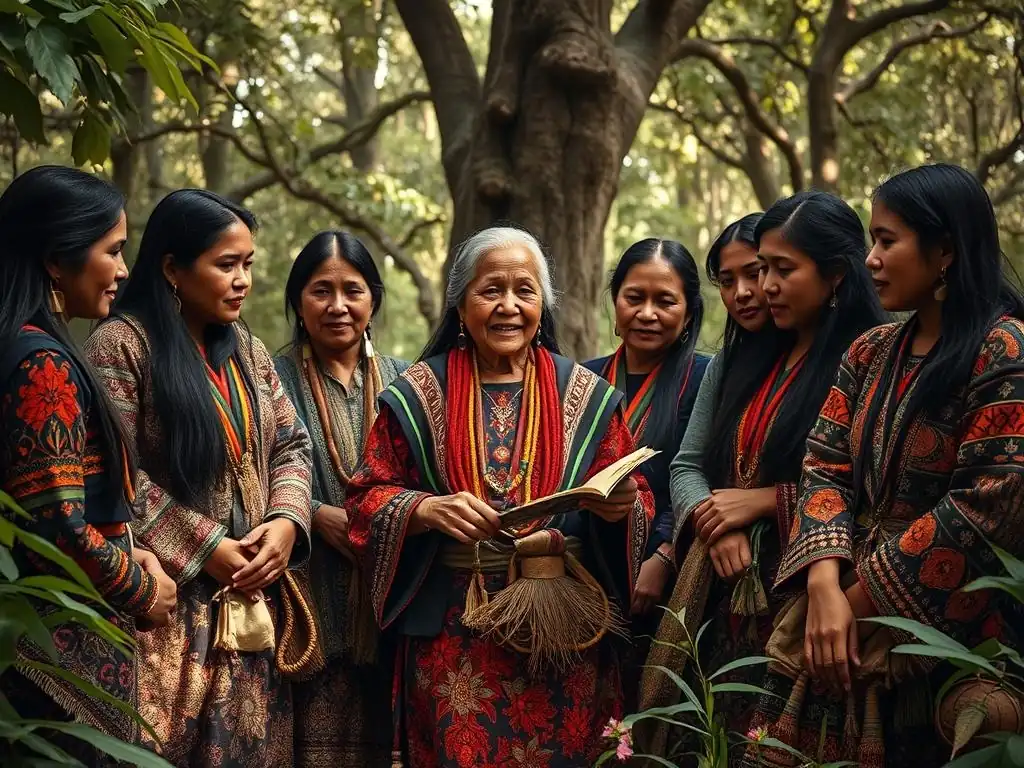
Indigenous women play a pivotal role in the preservation and transmission of cultural traditions and knowledge within their communities. Often regarded as the primary educators of younger generations, they are instrumental in passing down languages, stories, and practices that define their cultural identities. This role is not merely a matter of familial duty; it is a position of leadership deeply embedded in the fabric of their societies.
- Cultural Practices: Women are frequently the custodians of traditional practices such as weaving, pottery, and medicine. These practices are not only vital for cultural expression but also serve as a source of economic sustenance for many communities.
- Storytelling and Oral Traditions: Through storytelling, women convey important cultural narratives and historical accounts, ensuring that their communities’ heritage is preserved for future generations. This oral tradition is crucial for maintaining a sense of identity and belonging, especially in the face of external pressures.
Role of Indigenous Women in Language Revitalization
Language is a fundamental aspect of cultural identity, and indigenous women are often at the forefront of language revitalization efforts. As many indigenous languages face the threat of extinction due to colonization and globalization, women have taken on leading roles in revitalizing these languages, ensuring their survival and relevance in modern contexts.
- Language Education Initiatives: Women have spearheaded community-based language programs, engaging elders and youth in learning and practicing their native tongues. These initiatives often blend traditional knowledge with contemporary teaching methods, making language learning accessible and engaging.
- Cultural Workshops: Through workshops and community gatherings, indigenous women not only teach language but also connect it to cultural practices, fostering a holistic understanding of their heritage. This approach reinforces the significance of language in expressing cultural identity and maintaining community cohesion.
Indigenous women have historically been integral to social movements that advocate for rights, sovereignty, and environmental justice. Their leadership often emerges from a deep-rooted commitment to their communities and a desire to protect their lands and cultures.
- Grassroots Organizing: Women have been key figures in grassroots movements, organizing protests, rallies, and campaigns that address issues such as land rights, water protection, and climate change. Their efforts often bridge traditional knowledge with contemporary activism, creating a comprehensive approach to social justice.
- Intersectionality in Advocacy: Indigenous women’s activism frequently highlights the intersections of gender, race, and class, advocating not only for indigenous rights but also for broader social justice issues. This multifaceted approach helps to amplify the voices of marginalized groups within the larger context of societal change.
Women's March on Washington and Indigenous Representation
The Women's March on Washington serves as a notable example of indigenous women’s activism on a national scale. This event, which took place in January 2017, mobilized millions to advocate for women's rights, but it also highlighted the unique struggles faced by indigenous peoples.
- Indigenous Voices: Indigenous women played a significant role in the march, advocating for issues such as treaty rights, environmental justice, and the protection of sacred lands. Their presence brought attention to the specific challenges faced by indigenous communities, emphasizing the need for representation in national dialogues.
- Solidarity and Intersectionality: The participation of indigenous women in the Women's March exemplifies the solidarity that exists among various marginalized groups. By weaving indigenous issues into the fabric of broader women's rights movements, they contribute to a more inclusive conversation about justice and equality.
Indigenous women hold vital leadership roles within their communities, particularly in cultural preservation and advocacy. Their contributions are essential not only for the survival of their cultures but also for the advancement of social justice and equality within the larger societal framework. As we continue to explore the complexities of indigenous women leadership roles, it becomes clear that their influence extends far beyond their communities, impacting broader societal movements and cultural narratives.
Conclusion: The Future of Indigenous Women Leadership Roles
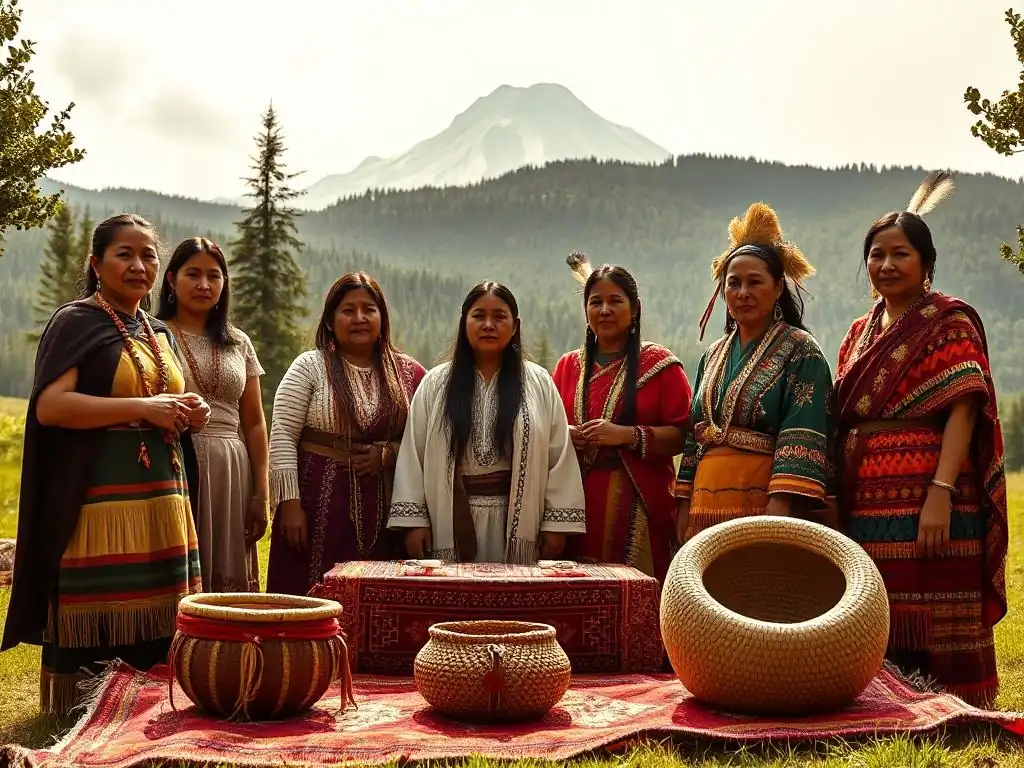
As we reflect on the evolution of indigenous women leadership roles, it becomes evident that these individuals have not only played a pivotal role in their communities but also serve as vital agents of change. The future holds immense potential for the empowerment and recognition of these leaders, provided that their contributions are embraced and celebrated.
Embracing Indigenous Women’s Contributions to Society
Indigenous women have historically been the backbone of their societies, engaging in various roles that extend beyond traditional expectations. Their contributions can be observed in areas such as:
- Cultural Preservation: Indigenous women often serve as the custodians of traditional knowledge, languages, and practices. They play a critical role in educating future generations and ensuring that cultural heritage is passed down.
- Economic Development: Many indigenous women are involved in sustainable practices, such as agriculture and crafts, which not only support their families but also contribute to local economies. Their involvement often leads to innovative approaches to resource management that prioritize community welfare.
- Political Advocacy: Indigenous women are increasingly stepping into leadership roles within political structures, advocating for their rights and the rights of their communities. Their unique perspectives often lead to more inclusive decision-making processes.
By recognizing and embracing these contributions, societies can foster environments where indigenous women thrive and lead.
The Importance of Supporting Indigenous Women Leaders
Support for indigenous women leaders is crucial for several reasons:
- Cultural Representation: Indigenous women leaders bring unique experiences and perspectives that enrich the political landscape. Their involvement ensures that the voices of indigenous communities are represented in broader discussions.
- Social Justice: Empowering indigenous women is essential for addressing historical injustices and inequalities. By supporting their leadership, communities can work towards healing and reconciliation.
- Sustainable Development: Indigenous women often advocate for sustainable practices that benefit both the environment and their communities. Their leadership can guide policies that address climate change and promote environmental stewardship.
Call to Action for Recognition and Empowerment
To foster a brighter future for indigenous women leadership roles, it is imperative that we take collective action. Here are some steps we can consider:
- Advocacy for Policy Changes: Support policies that promote the inclusion of indigenous women in decision-making roles at all levels of government.
- Education and Training Programs: Develop initiatives aimed at equipping indigenous women with the skills and knowledge necessary for leadership positions.
- Community Support Networks: Create platforms that connect indigenous women leaders with resources, mentorship, and opportunities for collaboration.
By actively recognizing and empowering indigenous women leaders, we can ensure that their invaluable contributions are acknowledged and that their voices resonate within the political structures of the future. Together, we can build a more equitable society that celebrates the richness of indigenous cultures and the leadership of women within them.
References
Academic Sources on Indigenous Women Leadership
Indigenous women have played critical roles in the political and social spheres of their communities throughout history. Academic research on indigenous women leadership roles reveals a rich tapestry of contributions and practices that have often been overlooked. Key studies and publications include:
- "Women and Power in Native North America" by Susan S. E. Smith - This foundational text explores the historical significance of women's roles in leadership among various indigenous cultures, highlighting the diverse ways in which women exercised power.
- "Indigenous Women: Resisting Colonialism and Building Sovereignty": by Lisa E. McLeod - McLeod's work examines the intersection of gender and colonialism, showcasing how indigenous women have navigated and resisted oppressive structures to assert their leadership.
- "The Role of Women in Traditional Native American Societies" - This article presents a comparative analysis of women's roles across various tribes, emphasizing their involvement in decision-making processes and governance structures.
- "Redefining Leadership: Indigenous Women's Perspectives": - A collection of essays that gather the voices of indigenous women leaders from across the Americas, offering insights into their unique experiences and definitions of leadership.
- "Gender and Indigenous Governance: The Case of the Iroquois Confederacy": - This paper delves into the matrilineal structures of the Iroquois, illustrating how women held significant power in political matters, thereby shaping community governance.
These academic sources provide a robust foundation for understanding the complexities and nuances of indigenous women leadership roles. They illustrate not only the historical context but also the ongoing impact of these leaders in contemporary indigenous societies.
Indigenous Voices and Testimonials from Community Leaders
Indigenous voices are crucial in understanding the lived experiences of women in leadership roles within their communities. Testimonials from community leaders offer a first-hand perspective on the challenges and triumphs faced by indigenous women. Here are a few notable insights:
- Elder Maria de los Angeles (Mayan Leader): "In our culture, women have always been the backbone of our communities. Our leadership is rooted in the teachings of our ancestors, who valued women's wisdom and intuition."
- Chief Wilma Mankiller (Cherokee Nation): "Leadership for indigenous women is not just about holding a title; it is about serving our people, preserving our traditions, and ensuring that our voices are heard in every decision that affects our future."
- Dr. LaNada War Jack (Shoshone-Bannock): "Indigenous women have a unique role in our governance systems. We are not merely participants but are central to the process of healing and rebuilding our communities."
- Jasmine Smith (Navajo Nation): "Our leadership is about community, not individual power. We uplift each other and work collectively. This is how we honor our ancestors and pave the way for future generations."
These voices reflect the resilience and strength of indigenous women leaders, emphasizing their integral role in shaping their communities and advocating for their rights. By amplifying these narratives, we can gain a deeper understanding of the indigenous women leadership roles that continue to influence both cultural and political landscapes today.
Frequently Asked Questions
What are the primary leadership roles of indigenous women in their societies?
Indigenous women often held significant leadership roles in their communities, participating in governance, decision-making, and cultural preservation, which reflected their integral position in societal structures.
How did colonization impact the leadership roles of indigenous women?
Colonization disrupted traditional gender roles and political structures, often marginalizing the influence of indigenous women in leadership, leading to a loss of their historical roles and recognition.
Are there any notable indigenous women leaders from history?
Yes, many indigenous women leaders such as Lozen and Wilma Mankiller have made significant contributions to their communities and advocacy, showcasing the strength and resilience of indigenous women's leadership.
How do contemporary indigenous women reclaim their leadership roles today?
Contemporary indigenous women are actively engaging in political activism, cultural revival, and community organizing, emphasizing leadership as a means to restore their societal influence and advocate for their rights.
Why is understanding indigenous women's leadership important?
Understanding indigenous women's leadership is crucial for recognizing their historical contributions, promoting gender equality, and appreciating the diverse perspectives that enrich indigenous and global communities.
Final Reflection: Embracing Indigenous Women Leadership Roles for a Brighter Future
The exploration of indigenous women in leadership roles is not just a historical account but a vital commentary on the current socio-political landscape. As we witness a global shift towards inclusivity and representation, understanding the unique contributions of indigenous women to political structures becomes increasingly relevant. Their leadership styles, rooted in community values and cultural heritage, challenge conventional norms and inspire a new paradigm of governance. The time has come to recognize and elevate these voices, for they hold the keys to sustainable and equitable futures.
The influence of indigenous women in leadership extends beyond their communities; it resonates across cultures and societies. Their resilience and wisdom serve as a beacon for all women striving for empowerment in various spheres of life. As we reflect on the ongoing impact of their leadership, we are reminded of the words of Dr. Angela Davis: I am no longer accepting the things I cannot change. I am changing the things I cannot accept.
This sentiment encapsulates the spirit of indigenous women leaders who are not only challenging the status quo but also redefining what leadership looks like in our modern world.
As we conclude this exploration, I invite you to reflect on your own role in fostering inclusivity and support for indigenous women in leadership. Consider how you can amplify their voices and advocate for their representation in decision-making processes.
Each of us has the power to contribute to a more equitable society, and by embracing the lessons learned from indigenous women leaders, we can collectively work towards a future where diversity in leadership is not just an aspiration but a reality. Let us take action, inspired by their courage and commitment, to create spaces where all voices are heard and valued.
Empower Change: Step into Indigenous Leadership!
Thank you for exploring the vital role of women in Indigenous leadership with us! Your interest in understanding these influential structures is the first step toward fostering inclusivity and empowerment. Now, let’s translate that knowledge into meaningful action!
- Engage with local Indigenous communities to learn about their leadership practices and actively support their initiatives.
- Share this article with friends and colleagues to spark discussions about gender roles in leadership and help amplify the conversation!
- Explore Indigenous literature or attend workshops focused on women's roles in governance to deepen your understanding and involvement in these critical areas.
What unique perspectives can you contribute to the ongoing conversation about women's leadership in Indigenous communities?