
Preserving the Past: Current Efforts to Protect Cahokia’s Archaeological Sites and Structures

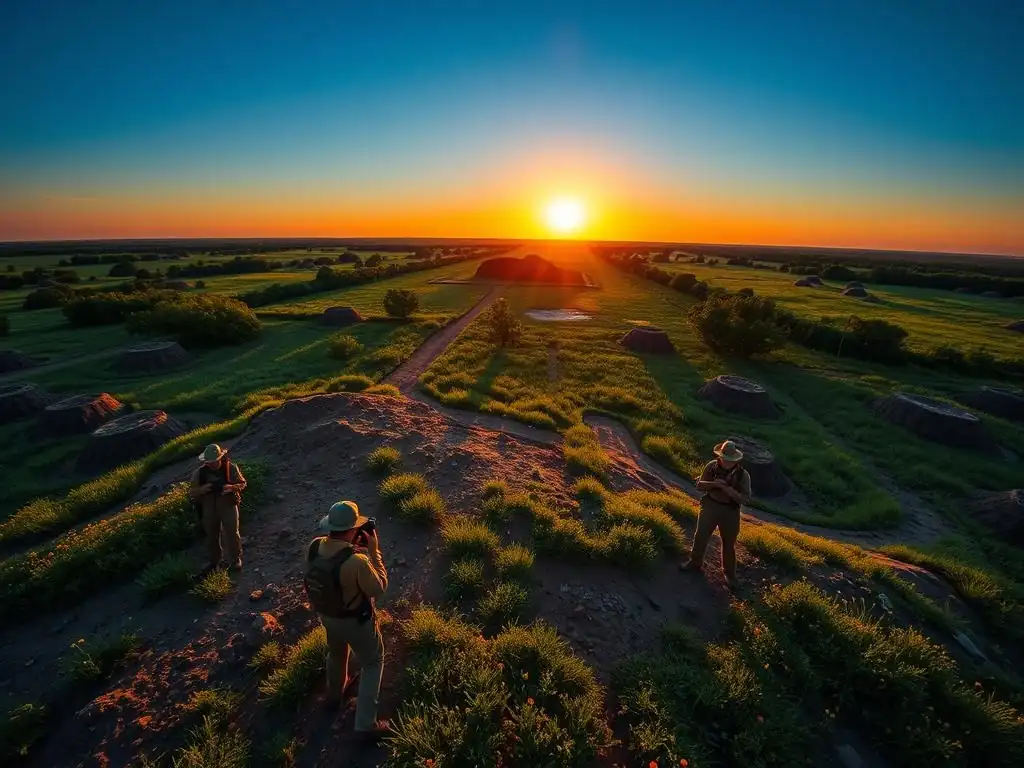
Welcome to Indigenous Civilizations of the Americas, where we invite you to embark on a journey through the rich tapestry of indigenous cultures that flourished across the Americas long before the arrival of Europeans. Here, we delve into the remarkable achievements and societal structures of these vibrant communities, with a special focus on the Cahokia archaeological site preservation. Have you ever wondered how today’s efforts to protect and preserve the remnants of Cahokia reflect the broader significance of these ancient civilizations?
Join us as we explore the current initiatives aimed at safeguarding this UNESCO World Heritage site, ensuring that the legacy of the Cahokians continues to inspire future generations. Dive in to uncover the stories that have shaped a continent!
Introduction to Cahokia and Its Significance
Cahokia, located near modern-day St. Louis, Missouri, stands as one of the most significant archaeological sites in North America, representing the pinnacle of pre-Columbian urbanism in the Americas. Once a thriving metropolis, Cahokia was home to tens of thousands of inhabitants and served as a hub for trade, politics, and culture among various indigenous groups.
As scholars and archaeologists delve deeper into its past, the importance of preserving Cahokia's archaeological sites and structures has become increasingly evident. This article will explore the current efforts and challenges associated with Cahokia archaeological site preservation, highlighting the ongoing initiatives aimed at safeguarding this invaluable piece of history for future generations.
Overview of Cahokia's Cultural Importance
Cahokia is renowned for its complex society, sophisticated urban planning, and monumental architecture, including the iconic Monk's Mound, which remains one of the largest earthen structures in the Americas. The site flourished between 600 and 1400 CE, showcasing advanced agricultural practices, extensive trade networks, and a rich cultural tapestry evident in artifacts, burial mounds, and ceremonial sites. The cultural legacy of Cahokia extends beyond its physical remnants; it continues to influence contemporary indigenous communities and provides critical insights into the social dynamics and spiritual beliefs of the Mississippian culture.
Historical Context of the Cahokia Archaeological Site
Archaeological research at Cahokia began in the 19th century, but it gained significant attention in the 1960s when systematic excavations unveiled the site's vast scale and complexity. The rise and fall of Cahokia reflect broader patterns of societal development in pre-Columbian North America, illustrating the intricate relationships among indigenous populations, their environment, and external pressures. Understanding the historical context of Cahokia is essential for recognizing the importance of its preservation, as it embodies the achievements and struggles of a civilization that thrived long before European contact.
Current Challenges in Cahokia Archaeological Site Preservation
Despite its cultural significance, Cahokia faces numerous challenges that threaten its preservation. Addressing these challenges requires a multifaceted approach that considers environmental, urban, and climatic factors.
Environmental Threats to Cahokia’s Structures
The preservation of Cahokia's archaeological sites is jeopardized by various environmental threats, including soil erosion, flooding, and vegetation overgrowth. These natural phenomena can undermine the structural integrity of mounds and other features, making it crucial for preservationists to implement effective management strategies. Regular monitoring and maintenance efforts are necessary to mitigate these risks and ensure the longevity of Cahokia's cultural heritage.
Urban Development Pressures on Archaeological Sites
As urbanization continues to expand in the surrounding areas, the archaeological integrity of Cahokia is further compromised. Development projects often encroach upon the site, leading to the destruction of vital historical contexts and artifacts. Advocacy for responsible urban planning and zoning regulations is essential to balance the needs of modern communities with the imperative to protect this irreplaceable archaeological resource.
Impact of Climate Change on Ancient Sites
Climate change poses a significant threat to archaeological sites worldwide, and Cahokia is no exception. Rising temperatures, increased rainfall, and severe weather events can exacerbate existing vulnerabilities, accelerating the degradation of structures and artifacts. Preservation efforts must adapt to these changing conditions, incorporating climate resilience strategies to safeguard Cahokia's legacy for future generations.
The preservation of Cahokia's archaeological sites is a complex endeavor that requires a concerted effort from various stakeholders, including local communities, government agencies, and academic institutions. By addressing the current challenges and implementing effective preservation strategies, we can help ensure that the rich history of Cahokia continues to educate and inspire for many years to come.
Preservation Efforts for Cahokia’s Archaeological Sites
Cahokia, once a thriving urban center of the Mississippian culture, is home to numerous archaeological sites that reflect its rich history and societal complexity. Preservation efforts for these sites are crucial not only for protecting the physical remnants of this civilization but also for ensuring the continuity of its cultural legacy. Various stakeholders, including government agencies, indigenous communities, and archaeological organizations, are actively involved in these efforts, employing a range of innovative techniques to safeguard the site for future generations.
Government Initiatives in Cahokia Site Protection
Government initiatives play a pivotal role in the preservation of Cahokia’s archaeological sites. At the federal level, the National Park Service manages Cahokia Mounds State Historic Site, which is a UNESCO World Heritage Site. This designation brings increased visibility and funding for preservation projects. Local governments have also implemented zoning laws and regulations to limit development that could threaten the integrity of the site. These initiatives aim to balance the need for urban development with the necessity of preserving historical land.
Moreover, grant programs, such as the Historic Preservation Fund, provide financial support for restoration projects, archaeological research, and educational programs aimed at raising awareness about Cahokia's significance. Through these efforts, the government not only protects the sites but also promotes public engagement and education about this ancient culture.
Role of Indigenous Communities in Preservation
Indigenous communities play an essential role in the preservation of Cahokia’s archaeological heritage. Descendants of the Mississippian culture, these communities bring invaluable traditional knowledge and cultural perspectives that inform preservation practices. Many indigenous groups are actively involved in stewardship programs, collaborating with archaeologists and preservation experts.
Their participation ensures that preservation efforts honor the cultural significance of the sites. This includes incorporating traditional ecological knowledge into restoration practices and advocating for the recognition of their ancestral ties to the land. Furthermore, indigenous voices are critical in discussions about land use, ensuring that their heritage is respected and preserved for future generations.
Partnerships with Archaeological Organizations
Collaborations between government entities, indigenous communities, and archaeological organizations enhance the effectiveness of preservation efforts at Cahokia. Organizations such as the Archaeological Conservancy work to acquire and protect threatened archaeological sites through conservation easements and land acquisition. These partnerships often lead to comprehensive management plans that address both archaeological integrity and community needs.
Additionally, universities and research institutions contribute through studies that deepen our understanding of Cahokia’s historical context. By pooling resources and expertise, these partnerships foster a holistic approach to preservation, ensuring that multiple perspectives are considered in the management of the site.
Innovative Preservation Techniques for Cahokia
As preservation efforts evolve, innovative techniques are increasingly employed to protect and restore Cahokia’s archaeological structures. These methods leverage advancements in technology and research to enhance site management and conservation.
Use of Technology in Archaeological Site Monitoring
Technological advancements have revolutionized the way archaeological sites, including Cahokia, are monitored and preserved. Geographic Information Systems (GIS) and drones are utilized to create detailed maps and monitor changes in the landscape over time. These tools provide valuable data on erosion, vegetation changes, and potential threats to the site's integrity.
Remote sensing technologies, such as LiDAR (Light Detection and Ranging), allow archaeologists to visualize sub-surface structures without invasive excavation. This non-intrusive method reveals previously unknown features, providing insights into the urban planning and architectural sophistication of Cahokia. By employing such technologies, preservationists can develop targeted strategies to mitigate risks and protect the site more effectively.
Restoration Methods for Cahokia Structures
Restoration of Cahokia’s structures involves a combination of traditional methods and modern materials to ensure authenticity while enhancing durability. Efforts focus on stabilizing mounds and repairing eroded areas using techniques that respect the original construction methods of the Mississippian culture.
For instance, when restoring earthen mounds, preservationists often use local soil to maintain the site's historical integrity. Moreover, the application of bioengineering techniques, such as planting native vegetation to control erosion, helps restore the natural landscape while protecting the integrity of archaeological features. Such careful restoration practices are essential for maintaining both the aesthetic and structural aspects of Cahokia’s heritage.
Community Engagement in Preservation Efforts
Community engagement is a cornerstone of successful preservation efforts at Cahokia. Local residents, educators, and students are encouraged to participate in preservation initiatives, fostering a sense of ownership and responsibility towards the site. Educational programs and volunteer opportunities enable community members to learn about Cahokia’s history and contribute to ongoing preservation activities.
Events such as archaeological digs, workshops, and cultural festivals help raise awareness and appreciation for the site's significance. By involving the community, preservationists not only enhance the site's protection but also build a broader base of support for future preservation initiatives. Engaging local voices ensures that the efforts reflect the community's values and priorities, making preservation a shared responsibility.
Case Studies of Successful Preservation Projects
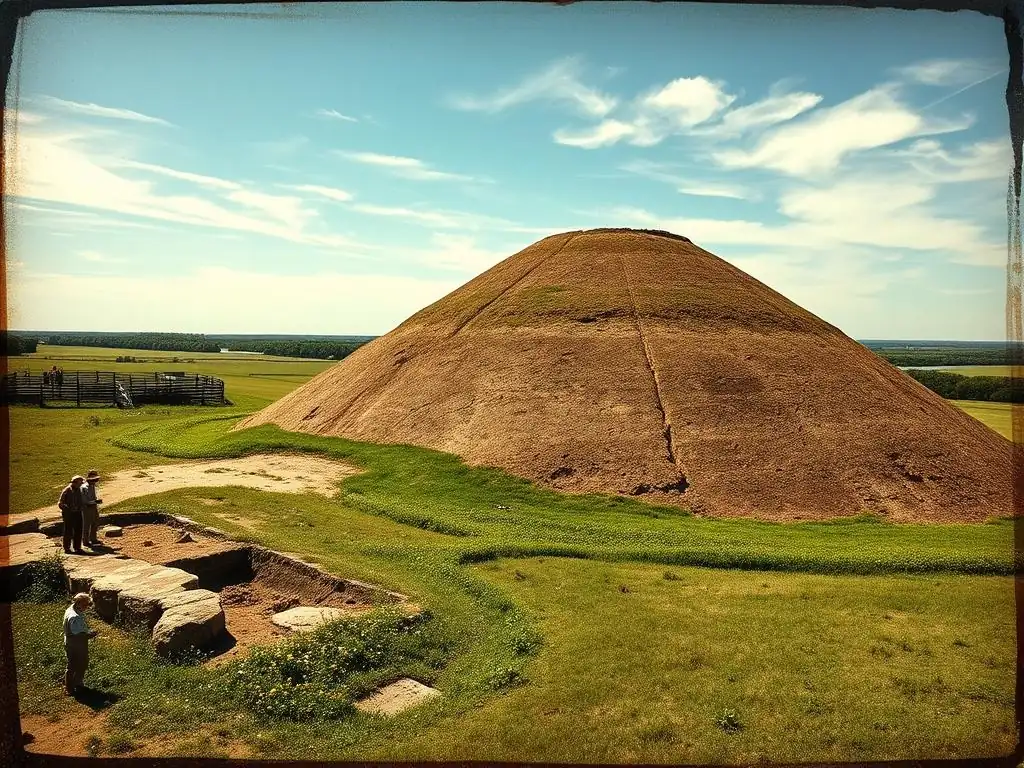
Cahokia, as one of the most significant archaeological sites in North America, has seen several successful preservation projects that have helped to safeguard its rich cultural heritage. One of the most notable examples is the Cahokia Mounds State Historic Site, which was established to protect and interpret the archaeological remains. This site has implemented various measures, including controlled access to certain mounds, regular monitoring of the landscape, and educational programs designed to inform visitors about the site's significance.
Another successful project is the Cahokia Mounds Interpretive Center, completed in 2009. This facility has not only provided a space for exhibits and educational programs but has also served as a model for sustainable architecture that respects the surrounding landscape. The center emphasizes the importance of the Cahokia culture through interactive displays and community engagement, fostering a deeper connection between the public and the archaeological site.
Highlighting Specific Archaeological Structures at Cahokia
Cahokia is home to numerous archaeological structures, each representing a unique aspect of its past. Monks Mound, the largest earthen mound in North America, is a focal point of preservation efforts. Its size and historical significance make it a symbol of the Cahokia culture. Preservation strategies include stabilization techniques to address erosion and invasive plant species that threaten its integrity.
Another important structure is the Woodhenge, a circular arrangement of wooden posts used for astronomical observations. Efforts to preserve this site involve careful excavation and reconstruction to maintain its historical context while allowing for educational interpretation. The ongoing research around Woodhenge provides valuable insights into the astronomical knowledge of the Cahokians, further emphasizing the need for its protection.
Lessons Learned from Preservation Efforts
Preservation efforts at Cahokia have yielded several important lessons. One key takeaway is the significance of community involvement in preservation projects. Engaging local communities fosters a sense of ownership and responsibility towards the site, leading to greater public support and volunteerism. Workshops and events aimed at educating local residents about Cahokia’s heritage have proven effective in building this connection.
Furthermore, the integration of modern technology in preservation efforts has enhanced research and conservation strategies. Techniques such as 3D scanning and GIS (Geographic Information Systems) have allowed archaeologists to document changes over time accurately and plan for future conservation needs. These technologies provide critical data that inform best practices in site management and protection.
Future Directions for Cahokia Archaeological Site Preservation
As preservation efforts continue, several future directions are essential for the sustainability of Cahokia's archaeological sites. The need for a comprehensive long-term management plan is paramount. Such a plan would outline specific goals for preserving the sites while considering environmental factors, visitor impact, and ongoing research.
Policy Recommendations for Enhanced Protection
To bolster the preservation of Cahokia’s archaeological sites, several policy recommendations should be considered:
- Strengthening Legal Protections: Advocate for enhanced legal frameworks that protect archaeological sites from encroachment and degradation.
- Increased Funding for Preservation: Secure governmental and private funding dedicated to preservation projects, ensuring resources are available for maintenance and research.
- Collaborative Governance: Foster partnerships among local, state, and federal agencies, alongside Indigenous communities, to create a unified approach to site management.
Importance of Public Awareness and Education
Public awareness and education play a crucial role in the preservation of Cahokia’s archaeological heritage. Programs aimed at educating visitors about the significance of the site can cultivate a deeper appreciation for its history. Initiatives such as guided tours, workshops, and school programs have shown promise in raising awareness.
Moreover, using digital platforms to share information about Cahokia can reach wider audiences. Virtual tours and online resources can engage individuals who may not be able to visit in person, thus expanding the site's impact and support base.
Vision for the Future of Cahokia’s Archaeological Heritage
The vision for the future of Cahokia’s archaeological heritage encompasses a thriving, well-preserved site that serves as a testament to the ingenuity and cultural richness of the Cahokian people. By fostering a collaborative environment that includes stakeholders from various sectors—academics, Indigenous communities, policymakers, and the public—Cahokia can ensure its historical narratives are preserved and celebrated.
Continued investment in research, education, and sustainable practices will solidify Cahokia's place not only as a significant archaeological site but also as a vibrant cultural center that honors its past while inspiring future generations.
Conclusion: The Importance of Protecting Cahokia’s Legacy
The preservation of the Cahokia archaeological site is not just about safeguarding the remnants of a once-thriving civilization; it is vital for understanding the rich tapestry of indigenous cultures that existed in North America prior to European colonization. Cahokia, with its monumental earthworks, sophisticated urban planning, and vibrant trade networks, serves as a testament to the ingenuity and resilience of the Mississippian people. Protecting this legacy ensures that future generations can learn from and appreciate the complexities of pre-Columbian societies.
Moreover, the preservation efforts contribute to the cultural identity of contemporary indigenous communities, reaffirming their historical connections to the land. By valuing and maintaining these archaeological sites, we honor the traditions and histories of those who lived there, fostering a deeper respect for indigenous cultures and their contributions to the broader narrative of American history.
Summary of Current Preservation Efforts
Current efforts to preserve the Cahokia archaeological site are multifaceted, involving a collaborative approach among various stakeholders, including governmental agencies, non-profit organizations, and local indigenous groups. Key strategies include:
- Site Management Plans: The Cahokia Mounds State Historic Site has developed comprehensive management plans aimed at protecting the integrity of the mounds and associated structures. This includes monitoring environmental impacts, controlling vegetation, and preventing erosion.
- Public Awareness Campaigns: Organizations dedicated to Cahokia’s preservation actively engage in educational outreach to raise awareness about the site's significance. This includes workshops, guided tours, and informational materials that highlight the historical and cultural importance of Cahokia.
- Research and Archaeological Studies: Ongoing archaeological research plays a crucial role in understanding and preserving Cahokia. By conducting excavations and analyses, researchers can uncover new information that enhances knowledge about the site and informs preservation strategies.
- Community Involvement: Local indigenous communities are increasingly involved in preservation efforts, advocating for the recognition of their ancestral heritage and participating in site stewardship initiatives. Their involvement ensures that contemporary indigenous perspectives are integrated into preservation practices.
Call to Action for Continued Support and Engagement
The preservation of Cahokia is a shared responsibility that requires ongoing support and engagement from all segments of society. Here’s how individuals can contribute:
- Advocate for Funding: Support local and national initiatives aimed at securing funding for preservation efforts. Advocacy can help ensure that adequate financial resources are allocated to maintain and protect Cahokia’s archaeological sites.
- Participate in Events: Attend workshops, lectures, and community events focused on Cahokia’s history and preservation. Engaging with these activities helps spread awareness and fosters a sense of community around the site's significance.
- Support Indigenous Voices: Amplify the voices of local indigenous communities by listening to their stories and supporting their initiatives related to cultural heritage and preservation. Recognizing their perspectives is essential to a holistic understanding of Cahokia’s legacy.
- Promote Responsible Tourism: If visiting the site, practice responsible tourism by following guidelines that protect the integrity of the archaeological features. Encourage others to do the same to minimize human impact on these irreplaceable resources.
By taking these actions, we can collectively ensure that the legacy of Cahokia not only survives but thrives, enriching our understanding of the indigenous civilizations of the Americas for generations to come.
- Introduction to Cahokia and Its Significance
- Current Challenges in Cahokia Archaeological Site Preservation
- Preservation Efforts for Cahokia’s Archaeological Sites
- Innovative Preservation Techniques for Cahokia
- Case Studies of Successful Preservation Projects
- Future Directions for Cahokia Archaeological Site Preservation
- Conclusion: The Importance of Protecting Cahokia’s Legacy
Frequently Asked Questions
What is the significance of the Cahokia archaeological site?
The Cahokia archaeological site is one of the largest pre-Columbian urban centers in North America, showcasing the achievements and complexities of indigenous civilizations.
Why is preservation important for Cahokia?
Preservation efforts are crucial to protect Cahokia’s structures and artifacts from degradation, ensuring that future generations can study and appreciate this significant part of American history.
What current efforts are being made to preserve Cahokia?
Recent initiatives include archaeological research, community engagement, and funding programs aimed at maintaining the site's integrity and promoting awareness of its cultural importance.
How does Cahokia's preservation impact local communities?
Preserving Cahokia not only honors indigenous heritage but also fosters economic opportunities through tourism and education, enriching the local community's connection to its historical roots.
Where can I find more information about Cahokia's preservation efforts?
For more detailed insights, visit the website “Indigenous Civilizations of the Americas,” which offers a wealth of information on Cahokia and other vital indigenous cultures.
Final Reflection: Honoring Our Heritage through Cahokia Archaeological Site Preservation
In an age where rapid development often overshadows historical significance, the preservation of Cahokia's archaeological sites stands as a testament to our commitment to honoring the past while shaping the future. The efforts to protect this ancient civilization remind us that our roots are not just remnants of history but vital threads that weave the fabric of our identity today. As we navigate modernity, we must recognize that our heritage is a shared legacy that deserves safeguarding and reverence.
The ongoing initiatives to preserve Cahokia's archaeological treasures have profound implications for our cultural and social landscape. These efforts not only protect invaluable historical artifacts but also foster a deeper understanding of the rich narratives that define our existence. As we engage with the stories of those who walked the earth long before us, we cultivate a sense of belonging and responsibility to future generations. Preservation is not just about saving the past; it’s about creating a bridge to the future.
This quote encapsulates the essence of our duty to maintain the integrity of Cahokia, ensuring that its lessons and legacies endure.
As we reflect on the importance of Cahokia archaeological site preservation, I invite you to consider your role in this vital endeavor. How can you contribute to the safeguarding of our shared history? Whether through advocacy, education, or simply by fostering a greater appreciation for our cultural heritage, each of us has the power to make a difference. Let us embrace the responsibility to protect and honor our past, ensuring that the stories of Cahokia continue to inspire and inform generations to come.
Join the Movement to Protect Cahokia's Legacy!
Thank you for diving into the rich history of Cahokia and the vital efforts to safeguard its archaeological wonders. Your curiosity about preserving this incredible site contributes to a broader conversation about heritage and responsibility. Now, it's time to turn that passion into action!
Here are some specific ways you can make a difference:
- Volunteer with local preservation groups dedicated to protecting Cahokia—your time and enthusiasm can help sustain these vital efforts!
- Educate yourself and others by sharing insights about Cahokia on social media—raise awareness and inspire your friends to join the cause!
- Attend local workshops or lectures focused on Indigenous history and archaeological preservation to deepen your understanding and connect with others who share your passion.
What aspect of Cahokia's history resonates most with you, and how can you share that passion to inspire others?