
Gender Roles in Indigenous Spiritual Practices: Women's and Men's Contributions to Spirituality

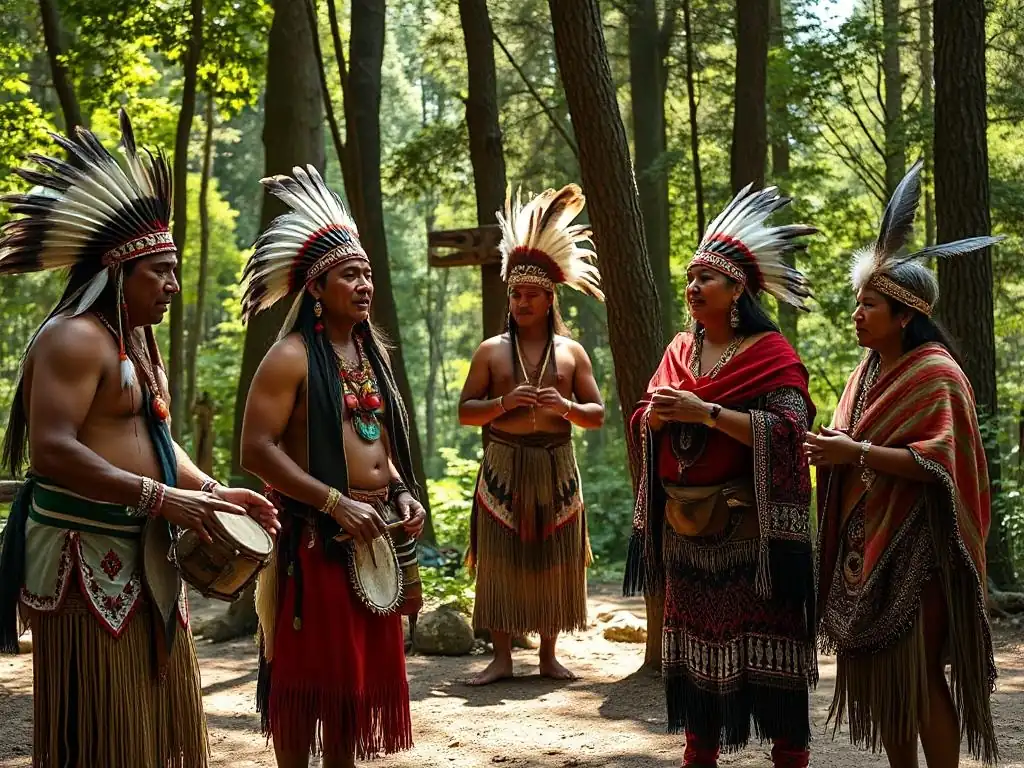
Welcome to Indigenous Civilizations of the Americas, where we invite you to journey through the rich tapestry of pre-colonial cultures that shaped the continent. In our featured article, “Gender Roles in Indigenous Spiritual Practices: Women's and Men's Contributions to Spirituality,” we delve into the profound and often overlooked roles that gender played in the spiritual lives of indigenous communities.
Discover how these practices not only defined societal structures but also influenced the vibrant cultures that continue to resonate today. Prepare to be captivated by the intricate connections between spirituality and gender, and let your curiosity guide you deeper into the remarkable stories of resilience, creativity, and unity that await you.
- Understanding Indigenous Spiritual Practices Gender Roles
- Historical Context of Gender Roles in Indigenous Spirituality
- Women's Contributions to Indigenous Spiritual Practices
- Men's Contributions to Indigenous Spiritual Practices
- The Intersection of Gender and Spirituality in Indigenous Communities
- Contemporary Perspectives on Gender Roles in Indigenous Spiritual Practices
- Challenges and Opportunities for Gender Roles in Indigenous Spirituality
- Conclusion: The Significance of Gender Roles in Indigenous Spiritual Practices
- References
-
Frequently Asked Questions
- What are the gender roles in Indigenous spiritual practices?
- How did women contribute to spirituality in Indigenous cultures?
- What roles did men assume in Indigenous spiritual practices?
- How have gender roles in these practices changed over time?
- Why is it important to understand gender roles in Indigenous spirituality?
- Final Reflection: Embracing Balance in Indigenous Spiritual Practices
- Embrace and Elevate Indigenous Spirituality Today!
Understanding Indigenous Spiritual Practices Gender Roles
Introduction to Indigenous Spiritual Practices
Indigenous spiritual practices encompass a rich tapestry of beliefs, rituals, and traditions that reflect the diverse cultures of the Americas. Within these practices, gender roles play a significant and multifaceted role, shaping not only spiritual expression but also the social fabric of indigenous communities.
Both men and women contribute uniquely to the spiritual landscape, with their roles often defined by cultural narratives, responsibilities, and communal expectations. This exploration of gender roles in indigenous spiritual practices delves into the contributions of both women and men, illustrating how these roles are not merely complementary but are vital to the preservation and transmission of spiritual beliefs and practices.
Understanding these dynamics is crucial for appreciating the holistic nature of indigenous spirituality and the ways in which it intertwines with identity, community, and resilience. As we navigate through this topic, it becomes evident that indigenous spiritual practices are not static but rather evolve through the interplay of gender roles, reflecting the ongoing adaptation and survival of these cultures in contemporary society.
Importance of Gender Roles in Indigenous Cultures
The significance of gender roles in indigenous cultures extends beyond spirituality; they are deeply embedded in the community’s structure and social functions. In many indigenous societies, men and women have distinct yet equal roles that contribute to the overall well-being of the community. These roles often encompass:
- Spiritual Leadership:
- Men: Frequently serve as shamans, healers, or spiritual leaders, guiding rituals and maintaining the spiritual health of the community.
- Women: Often act as keepers of sacred knowledge, nurturing the spiritual upbringing of the next generation through storytelling and teaching.
- Ceremonial Responsibilities:
- Men: May lead hunting or warrior ceremonies, symbolizing strength and bravery, which are integral to spiritual beliefs related to nature and survival.
- Women: Typically participate in fertility rites, harvest ceremonies, and rituals that honor the earth and its cycles, reinforcing their connection to life and sustenance.
- Cultural Transmission:
- Men: Engage in the preservation of oral traditions and history, ensuring that the community's heritage is passed down through generations.
- Women: Often play a crucial role in teaching cultural practices, songs, and dances, emphasizing the importance of community cohesion and identity.
These gender roles are not rigid; they can vary widely among different indigenous cultures and may adapt over time in response to changing social dynamics. The interplay between men and women in spiritual practices highlights a profound respect for each gender's contributions, fostering a sense of balance and harmony within the community. By acknowledging and understanding these roles, we gain a deeper appreciation of the rich spiritual traditions that continue to thrive within indigenous cultures today.
Historical Context of Gender Roles in Indigenous Spirituality
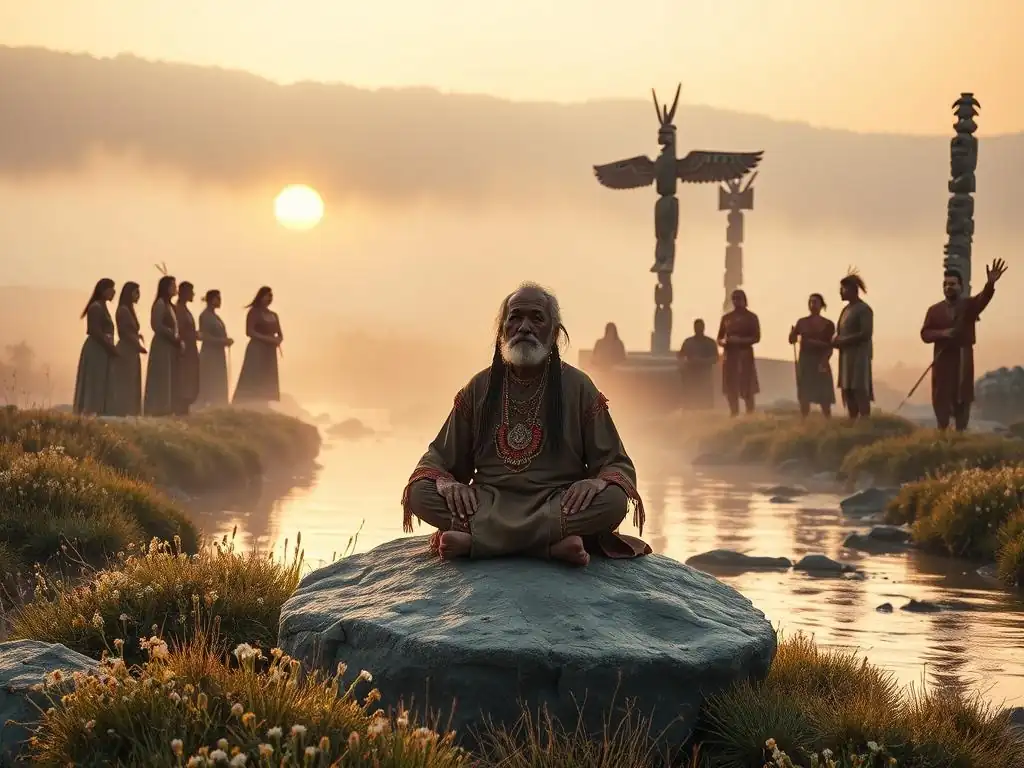
Traditional Perspectives on Gender in Indigenous Societies
In many Indigenous cultures across North America, gender roles were deeply intertwined with spiritual beliefs and practices. Traditionally, Indigenous societies often recognized a complementary relationship between men and women, each contributing unique strengths and responsibilities to the community.
- Spiritual Responsibilities:
- Men: Typically, men were seen as warriors and protectors, with spiritual responsibilities that included hunting, warfare, and leading communal rituals. Their roles often revolved around the physical aspects of survival and the safeguarding of the community's spiritual integrity.
- Women: Women, in contrast, generally held roles associated with nurturing, fertility, and healing. They were often seen as the keepers of life, responsible for gathering food, maintaining the home, and passing down spiritual knowledge and traditions to the next generation. Their connection to the earth and nature was also emphasized, as many Indigenous spiritual practices revered the land and its bounty.
This duality of roles created a balance that was essential for the health and well-being of Indigenous societies. The teachings and practices related to gender were often codified in oral traditions, rituals, and ceremonies, ensuring that both men and women understood their roles within the spiritual framework of their community.
In Indigenous cultures, the sacredness of gender roles is reflected in the balance of spiritual energies, where both men and women are viewed as vital to the continuity of the community.
Evolution of Gender Roles in Spiritual Practices Over Time
The arrival of European colonizers significantly impacted Indigenous spiritual practices and gender roles. The imposition of foreign values and systems led to a reevaluation of traditional roles, often diminishing women's contributions to spirituality.
- Colonial Disruption:
- The colonial era introduced patriarchal structures that undermined the previously balanced gender dynamics. Women’s roles were often marginalized or relegated to the domestic sphere as European settlers imposed their own gender norms and religious practices.
- Many spiritual practices that celebrated feminine energy and women's roles in healing and spirituality were suppressed or altered under colonial rule.
- Revitalization Movements:
- In response to these changes, many Indigenous communities have engaged in revitalization movements that seek to reclaim and honor traditional gender roles. This resurgence often involves a reevaluation of women’s roles in spiritual practices, recognizing their importance as leaders, healers, and custodians of cultural knowledge.
- Contemporary Indigenous spiritual practices frequently emphasize the significance of both genders in maintaining cultural identity and spiritual integrity. Women are increasingly taking on leadership roles in ceremonies, teachings, and community governance, reflecting a growing acknowledgment of their contributions to spirituality.
The evolution of gender roles in Indigenous spiritual practices is a testament to the resilience of these cultures. The interplay between tradition and adaptation continues to shape how Indigenous communities navigate their spirituality in a modern context, reinforcing the importance of both men's and women's contributions to their shared spiritual heritage.
Understanding the historical context of gender roles in Indigenous spirituality reveals a rich tapestry of beliefs and practices that celebrate both masculine and feminine contributions. As these roles evolve, they reflect the ongoing strength and resilience of Indigenous cultures in preserving their spiritual identities.
Women's Contributions to Indigenous Spiritual Practices
Roles of Women in Spiritual Leadership
In many Indigenous cultures across North America, women have historically held significant roles in spiritual leadership. Their contributions are often rooted in a deep connection to the earth, community, and the cycle of life. Women are frequently seen as the custodians of sacred knowledge, spirituality, and tradition. For example, in the Iroquois Confederacy, women played a vital role in selecting chiefs and were crucial in decision-making processes related to governance and spiritual matters. This reflects a broader understanding of leadership that encompasses spiritual guidance alongside political roles.
Moreover, women's involvement in spiritual leadership can be seen in various ceremonies where they are tasked with maintaining the integrity of rituals. In many tribes, such as the Lakota, women are responsible for the preparation and performance of ceremonies like the Sweetgrass Ceremony, which emphasizes healing and connection to the divine. This ritual underscores the essential role women play in nurturing spiritual health within their communities.
Women's Rituals and Ceremonies in Indigenous Cultures
Indigenous spiritual practices often encompass rituals and ceremonies that are unique to women's experiences and perspectives. These rituals can vary significantly between cultures, but they often share common themes of fertility, healing, and community bonding.
- Menstrual Ceremonies: In various Indigenous communities, such as the Navajo, rituals surrounding menstruation are sacred. These ceremonies not only mark a young woman's transition into adulthood but also emphasize the importance of women as life-givers and nurturers.
- Healing Ceremonies: Women often lead healing ceremonies that address community ailments, both physical and spiritual. For instance, the Ojibwe people utilize the Midewiwin, a healing society where women play critical roles as healers and spiritual guides, using their knowledge of herbs and traditional medicine.
- Harvest Festivals: Women are central figures in harvest festivals, where they perform rituals to honor the earth and ensure bountiful crops. In many cultures, such as the Pueblo, women lead these ceremonies, reinforcing their vital connection to agricultural practices and spiritual sustenance.
These rituals not only serve spiritual purposes but also strengthen community ties and preserve cultural heritage, highlighting the multifaceted role of women in Indigenous spirituality.
Case Studies of Prominent Indigenous Women in Spirituality
Examining specific case studies of prominent Indigenous women reveals the profound impact they have had on spiritual practices and community life:
- Wovoka (Paiute): Known for the Ghost Dance Movement, Wovoka's teachings emphasized the importance of spiritual renewal and the restoration of Indigenous lands. While Wovoka is often recognized as a male figure, many women participated in promoting and spreading his message, showcasing the collective effort in spiritual movements.
- LaDonna Harris (Comanche): A prominent activist and spiritual leader, LaDonna has worked tirelessly to advance Indigenous rights, integrating spirituality with activism. She emphasizes the role of women in preserving cultural identities and spiritual practices, advocating for their recognition in both spiritual and political realms.
- Buffy Sainte-Marie (Cree): An acclaimed musician and advocate, Buffy Sainte-Marie uses her platform to share Indigenous culture and spirituality. Through her art, she highlights women's contributions to spiritual practices and addresses the challenges faced by Indigenous communities, reinforcing the connection between contemporary issues and traditional beliefs.
These case studies illustrate that Indigenous women's contributions to spirituality are not only historical but continue to evolve and influence contemporary practices. Their leadership, rituals, and advocacy remain integral to the fabric of Indigenous spiritual life, showcasing the vital role women play in shaping and sustaining these traditions.
Men's Contributions to Indigenous Spiritual Practices
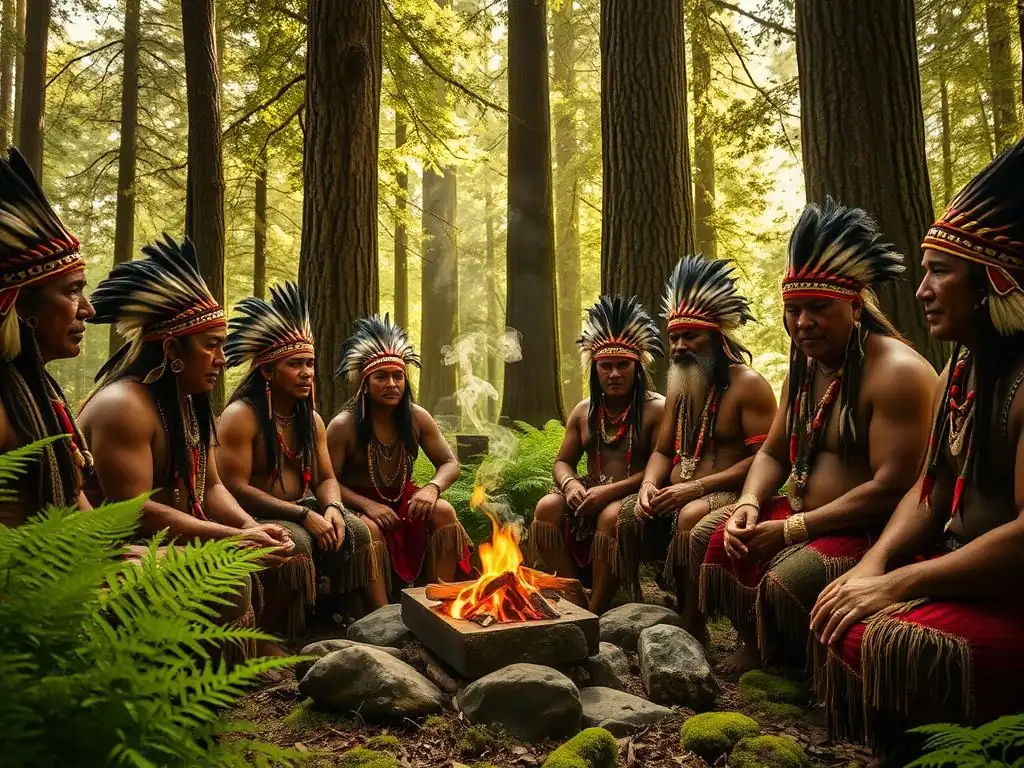
Roles of Men in Spiritual Leadership
In many Indigenous cultures of North America, men traditionally held significant roles in spiritual leadership. These roles were often defined by specific responsibilities, such as serving as shamans, healers, or spiritual guides. Men were entrusted with the task of maintaining the balance between the physical and spiritual worlds, often through the practice of rituals and ceremonies designed to honor the Creator and the natural spirits.
Men’s spiritual leadership was characterized by a deep understanding of the natural world, which was seen as interconnected with spiritual beliefs. This understanding allowed men to act as mediators between their communities and the spiritual realm. They often led important community rituals, such as seasonal ceremonies that marked changes in the environment, ensuring that the community remained in harmony with nature.
Additionally, men were also responsible for teaching younger generations about spiritual practices, passing down knowledge through oral traditions. This mentorship was crucial for preserving Indigenous spiritual practices and ensuring that they continued to thrive over generations.
Men's Rituals and Ceremonies in Indigenous Cultures
Men's rituals and ceremonies varied widely among different Indigenous cultures but shared common themes of connection to the spirit world, nature, and community. These ceremonies often involved elaborate preparations and were conducted with great reverence. Some key aspects include:
- Vision Quests: Many Indigenous men engaged in vision quests as a rite of passage. This spiritual journey involved fasting and solitude, aimed at receiving guidance from the spirit world. The insights gained during this experience were considered vital for personal growth and community leadership.
- Hunting and Harvest Rituals: In many cultures, hunting was not merely a means of sustenance but a spiritual practice. Men conducted rituals to honor the animals they hunted, seeking blessings for a successful hunt and expressing gratitude for the gifts of nature.
- Healing Ceremonies: Men often played crucial roles in healing ceremonies, utilizing their knowledge of medicinal plants and spiritual remedies. These ceremonies were integrative, addressing both physical ailments and spiritual imbalances within individuals and the community.
The significance of these rituals cannot be overstated, as they fostered community cohesion and reinforced social structures within Indigenous societies.
Examples of Influential Indigenous Men in Spirituality
Throughout history, several Indigenous men have emerged as pivotal figures in shaping the spiritual landscape of their communities. Some notable examples include:
- Black Elk (Hehaka Sapa): A member of the Oglala Lakota tribe, Black Elk was a renowned healer and spiritual leader. His visions and teachings on the interconnectedness of all life have been documented in the book "Black Elk Speaks," which highlights his contributions to Indigenous spirituality and the importance of maintaining harmony with nature.
- Teepee (Teepee the Elder): An influential figure among the Chippewa, Teepee was known for his wisdom and teachings on the significance of dreams and visions. He emphasized the importance of community and spiritual connection, guiding many in his tribe towards a deeper understanding of their spiritual practices.
- Wovoka (Jack Wilson): The founder of the Ghost Dance movement in the late 19th century, Wovoka's teachings inspired many Indigenous peoples to seek a return to traditional ways of life through a spiritual revival. His vision of peace, unity, and a better future resonated deeply throughout Indigenous communities.
These influential men not only contributed to the spiritual practices of their cultures but also played vital roles in the resilience and continuity of Indigenous identities amidst external pressures. Their legacies continue to inspire contemporary Indigenous spiritual practices today.
The Intersection of Gender and Spirituality in Indigenous Communities
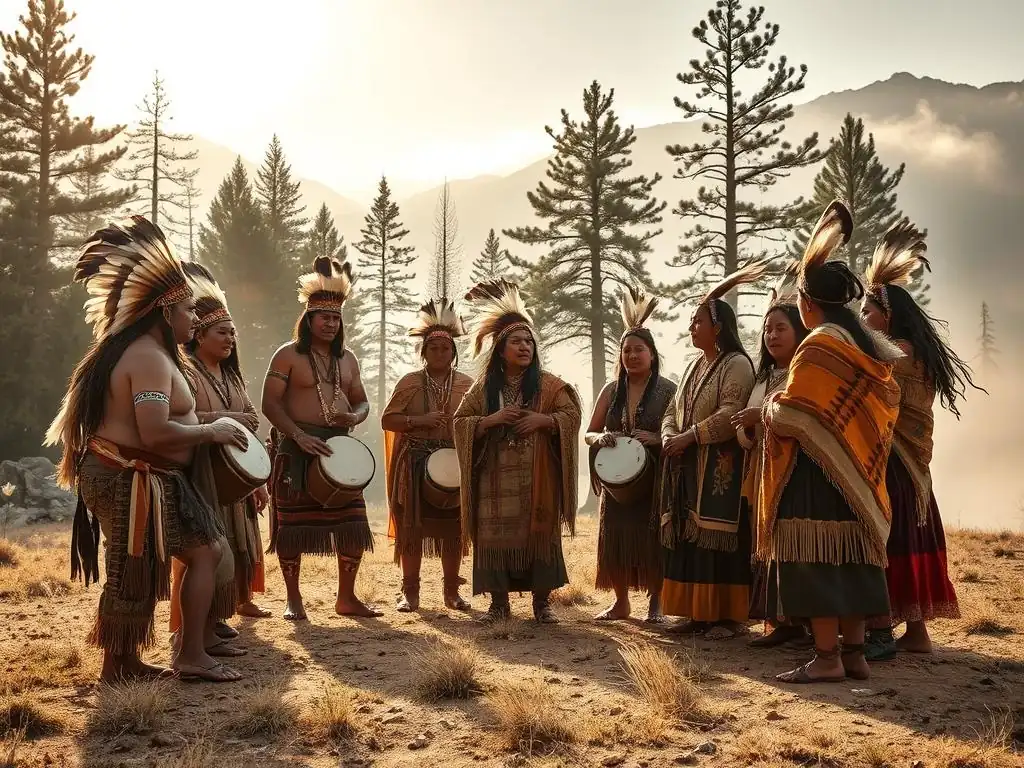
How Gender Influences Spiritual Practices
In Indigenous communities across North America, gender roles play a critical role in shaping spiritual practices and beliefs. These roles are not merely societal expectations but are deeply intertwined with the spiritual identities and responsibilities of individuals.
- Women as Life-Givers: In many Indigenous cultures, women are revered as the primary custodians of life. Their unique ability to bear children is often linked to spiritual power. This connection manifests in various ceremonies, where women may perform rituals to honor fertility and the Earth. For instance, among the Iroquois, women hold key positions in agricultural ceremonies, invoking blessings for bountiful harvests.
- Men as Protectors and Warriors: Conversely, men are frequently seen as protectors of the community and are tasked with roles that require physical strength and bravery. This is evident in spiritual practices where men participate in warrior societies, which often involve rituals and dances that honor their ancestors and fortify their connection to the spirit world. The Lakota, for example, have the Wíiyukcan, a sacred ceremony aimed at empowering men to fulfill their roles as protectors.
- Fluidity of Roles: It is essential to recognize that gender roles in Indigenous cultures are not rigid. Many communities acknowledge the existence of Two-Spirit individuals—people who embody both masculine and feminine qualities. These individuals often serve unique roles within spiritual practices, acting as healers or mediators between the physical and spiritual realms. Their contributions challenge conventional gender binaries and illustrate the complexity of gender in Indigenous spirituality.
Gendered Symbolism in Indigenous Spirituality
The symbolism associated with gender in Indigenous spiritual practices is rich and multifaceted. It often reflects the natural world and the dualities inherent within it, emphasizing balance and harmony.
- Earth and Sky: Many Indigenous cultures symbolize femininity with the Earth, representing nurturing, fertility, and sustenance. In contrast, masculinity is often associated with the sky, embodying strength, protection, and the spirit. This duality is evident in creation stories where female and male deities or spirits collaborate to create life, emphasizing the interdependence of gender roles.
- Sacred Objects and Rituals: Gendered symbolism extends to sacred objects used in rituals. For instance, women may utilize items like the corn husk doll in ceremonies that celebrate fertility and the harvest, reflecting their connection to the Earth. Men might use items like the war club or feathered headdresses during ceremonies that honor bravery and spiritual journeys, symbolizing their role as warriors.
- Color Symbolism: Colors are often imbued with gendered meanings in spiritual practices. For example, red and black might be associated with femininity and the Earth, while blue and white are often linked to masculinity and the sky. These colors are prevalent in ceremonial attire, art, and sacred spaces, serving as visual representations of gender roles within spirituality.
The intersection of gender and spirituality in Indigenous communities is complex and deeply rooted in cultural traditions. Understanding the nuances of these gender roles is essential for appreciating the rich tapestry of Indigenous spiritual practices and their lasting impact on society.
Contemporary Perspectives on Gender Roles in Indigenous Spiritual Practices
Changes in Gender Dynamics in Modern Spiritual Contexts
In recent decades, there has been a notable shift in the gender dynamics within Indigenous spiritual practices, reflecting broader societal changes and the revitalization of cultural traditions. Historically, gender roles were distinctly defined, with men often assuming leadership positions within spiritual and ceremonial contexts, while women were typically involved in nurturing and supportive roles. However, the contemporary landscape is witnessing a re-evaluation of these roles, emphasizing equality and the importance of diverse contributions from both genders.
This transformation can be attributed to several factors:
- Cultural Revitalization: Many Indigenous communities are actively working to reclaim and revitalize their spiritual practices. This movement includes recognizing the vital roles that women play in these traditions, such as in the preservation of oral histories, medicinal knowledge, and ceremonial practices.
- Educational Opportunities: Increased access to education for Indigenous women has empowered them to take on more prominent roles within their communities. Many women are now leading ceremonies, teaching, and sharing knowledge that was once traditionally reserved for men.
- Intergenerational Collaboration: There is a growing trend of collaboration between generations, where elders mentor younger members of the community, regardless of gender. This inclusivity fosters a more holistic understanding of spiritual practices and encourages a blending of traditional and contemporary perspectives.
- Activism and Advocacy: Indigenous women have become powerful voices in social and environmental movements, advocating for the protection of their lands and cultures. Their involvement in these movements often intersects with spiritual practices, reinforcing the importance of their roles in both societal and spiritual realms.
As a result of these changes, many Indigenous spiritual practices are becoming more inclusive, allowing for a richer and more diverse expression of spirituality that honors the contributions of all community members.
The Role of Indigenous Women and Men Today in Spiritual Practices
The contemporary roles of Indigenous women and men in spiritual practices reflect a dynamic interplay of tradition and innovation. Both genders are increasingly recognized for their unique contributions, which are essential to the vitality of Indigenous spirituality.
Indigenous Women's Contributions
Indigenous women today play a crucial role in the continuation and transformation of spiritual practices. Their contributions encompass:
- Ceremonial Leadership: Women are increasingly leading key ceremonies, such as sweat lodges and healing rituals. These ceremonies often emphasize the importance of community, healing, and connection to the earth.
- Preservation of Knowledge: Women often serve as the keepers of traditional knowledge, including herbal medicine and songs. Their role in transmitting this knowledge to younger generations is vital for cultural continuity.
- Spiritual Guidance: Many Indigenous women act as spiritual leaders and mentors within their communities. They provide guidance on personal and communal challenges, drawing on their deep understanding of cultural teachings.
Indigenous Men's Contributions
Men continue to hold important roles in Indigenous spiritual practices, evolving to embrace new forms of leadership and collaboration. Their contributions include:
- Leadership in Ceremonies: Men often take on roles as leaders in various ceremonies, such as vision quests and community gatherings, where they are responsible for guiding participants and maintaining spiritual integrity.
- Cultural Advocacy: Many Indigenous men are actively involved in advocating for their cultures, working to educate others about the significance of their spiritual practices and the importance of preserving them in the face of modern challenges.
- Mentorship: Similar to women, men play a crucial role in mentoring younger generations. They share insights into traditional practices, fostering a sense of responsibility and respect for their heritage.
The evolving roles of Indigenous women and men in spiritual practices illustrate a commitment to balance and inclusivity. By acknowledging and valuing the contributions of both genders, Indigenous communities are fostering a more robust and resilient spiritual landscape that honors their rich cultural heritage while adapting to contemporary realities. This shift is crucial in ensuring that Indigenous spiritual practices continue to thrive and resonate with future generations.
Challenges and Opportunities for Gender Roles in Indigenous Spirituality
Addressing Gender Inequality in Spiritual Leadership
Gender inequality remains a pressing issue within many Indigenous spiritual practices, particularly in North America. Traditionally, roles within spiritual leadership have often been male-dominated, leading to systemic barriers that limit women's participation and recognition in these significant cultural practices.
- Historical Context: Historically, many Indigenous cultures recognized the importance of both male and female roles in spirituality. However, the impact of colonialism disrupted these practices, enforcing patriarchal structures that marginalized women's contributions. For instance, in some tribes, women were revered as life-givers and healers, but colonial influences shifted these perceptions, often relegating women to passive roles within spiritual contexts.
- Contemporary Challenges: Today, many Indigenous communities are grappling with the remnants of these patriarchal structures. Women often face challenges in gaining access to leadership roles in spiritual ceremonies, which can lead to a lack of representation in decision-making processes. This not only affects women's spiritual lives but also impacts the broader community's connection to their cultural heritage.
- Resistance and Resilience: Despite these challenges, many Indigenous women are actively reclaiming their roles in spirituality. Initiatives aimed at revitalizing traditional practices often emphasize the importance of women's leadership. For example, ceremonies that were historically restricted to men are being re-evaluated and opened to women, fostering a more inclusive spiritual environment.
- Cultural Revitalization: The movement towards gender equality in spiritual leadership is often linked to broader cultural revitalization efforts. By addressing gender roles, communities can work towards a more holistic understanding of their spiritual practices, integrating teachings from both male and female perspectives. This revitalization not only honors the past but also strengthens the community's resilience and identity.
Empowering Future Generations through Inclusive Practices
The empowerment of future generations in Indigenous spiritual practices hinges on creating inclusive environments that honor and celebrate diverse contributions from all genders.
- Educational Initiatives: Educational programs that focus on gender roles in Indigenous spirituality can play a crucial role. By integrating teachings about the importance of women's contributions in spiritual practices, these programs can foster a sense of belonging and agency among young girls and boys. Workshops, storytelling sessions, and mentorship opportunities can be powerful tools in this educational process.
- Intergenerational Dialogue: Encouraging dialogue between elders and youth about gender roles in spirituality can bridge the gap between traditional practices and contemporary understandings. Elders can share insights into the roles of women and men in their ceremonies, while youth can express their perspectives on how these roles can evolve. This dialogue can lead to a more nuanced understanding of spirituality that respects tradition while embracing change.
- Community Engagement: Involving the community in discussions about inclusive practices is essential for fostering a supportive environment. Community gatherings and spiritual events that emphasize collaboration between genders can help dissolve existing barriers. For instance, joint ceremonies where men and women lead together can demonstrate the value of shared leadership and mutual respect.
- Celebrating Diversity: Recognizing and celebrating the diverse expressions of spirituality within Indigenous cultures can empower individuals to embrace their unique identities. By highlighting stories of female spiritual leaders alongside their male counterparts, communities can create a richer tapestry of spiritual practices that reflects the contributions of all members.
Addressing gender roles in Indigenous spiritual practices involves recognizing historical inequalities, fostering inclusive practices, and empowering future generations. By embracing both challenges and opportunities, Indigenous communities can work towards a more equitable spiritual landscape that honors the rich contributions of all genders.
Conclusion: The Significance of Gender Roles in Indigenous Spiritual Practices
In exploring the intricate dynamics of gender roles in Indigenous spiritual practices, it becomes evident that both women and men have played pivotal roles in shaping the spiritual landscape of their communities. The contributions of each gender are not merely complementary; they are integral to the overall fabric of Indigenous spirituality. Recognizing these roles is essential for understanding the rich tapestry of beliefs, rituals, and practices that have evolved over centuries.
Indigenous spiritual practices often reflect a deep connection to the land, ancestors, and community, and gender roles within these practices are shaped by cultural narratives that emphasize balance and harmony. This balance is crucial, as it allows for a holistic worldview where both masculine and feminine energies are honored, ensuring that spiritual practices remain robust and relevant.
Reflecting on the Contributions of Women and Men
The contributions of women and men in Indigenous spiritual practices can be viewed through various lenses, including their roles as healers, storytellers, and leaders.
- Women: Often viewed as custodians of knowledge, women play a vital role in the transmission of spiritual practices. They are frequently the ones who prepare rituals, maintain sacred spaces, and pass down oral traditions. For instance, in many tribes, women are responsible for the creation of medicinal herbs and rituals that promote healing and well-being within the community. Their connection to the earth and its cycles is often seen as a source of wisdom, guiding their spiritual practices.
- Men: Traditionally, men have been seen as protectors and warriors, but their contributions to spirituality are equally significant. Men often take on roles as leaders in ceremonies, guiding the community in spiritual practices and rituals. In various Indigenous cultures, men may also be responsible for the creation and use of sacred objects or tools, which are central to many spiritual practices. Their roles often emphasize strength, responsibility, and the protection of communal traditions.
The interplay between these roles creates a dynamic where both genders contribute to a shared spiritual identity, reinforcing the importance of collaboration and respect. The acknowledgment of this collaboration is imperative in recognizing the diverse expressions of Indigenous spiritual practices and their significance in contemporary society.
The Future of Gender Roles in Indigenous Spirituality
As Indigenous communities continue to navigate the challenges posed by modernity and colonial legacies, the future of gender roles in Indigenous spirituality is poised for transformation.
- Evolving Roles: The resurgence of interest in Indigenous spirituality among younger generations may lead to a re-examination of traditional gender roles. There is a growing recognition that flexibility in these roles can enhance the spiritual practices and allow for more inclusive participation.
- Intersectionality: The influence of intersectionality is becoming increasingly prominent, where factors such as age, sexuality, and social status interplay with gender roles in spiritual contexts. This complexity offers opportunities for more diverse expressions of spirituality that reflect the realities of contemporary Indigenous life.
- Empowerment and Education: The empowerment of individuals to reclaim and reinterpret their spiritual roles can lead to a revitalization of Indigenous practices. Education plays a critical role in this process, as it fosters a deeper understanding of historical contexts and encourages dialogue about the significance of gender roles in spirituality.
Indigenous spiritual practices are enriched by the contributions of both women and men, each bringing unique perspectives and strengths to their communities. As these practices evolve, the recognition and respect for gender roles will be essential in preserving the integrity and vitality of Indigenous spirituality for future generations.
References
Citing Key Texts on Indigenous Spiritual Practices and Gender Roles
A wide range of scholarly texts delve into the intricacies of Indigenous spiritual practices gender roles and their evolution over time. These texts provide valuable insights into how gender dynamics have shaped spiritual beliefs and rituals within various Indigenous cultures. Here are some key works to consider:
- "Daughters of the Earth: The Lives and Legends of American Indian Women" by R. David Edmunds: This book highlights the roles women played in Indigenous societies, including their spiritual contributions and how these roles varied among different tribes.
- "The Sacred Hoop: Recovering the Feminine in American Indian Traditions" by Paula Gunn Allen: Allen's work emphasizes the importance of women's roles in spirituality, challenging patriarchal narratives and showcasing the spiritual power of women in Indigenous cultures.
- "Gender and Sexuality in Indigenous North America, 1400-1850" edited by Sandra Slater and Rebecca T. A. E. Moore: This collection of essays examines the intersection of gender, sexuality, and spirituality among various Indigenous groups, providing a comprehensive analysis of how these factors coexist.
- "Spirit and Reason: The Vine Deloria, Jr., Reader" edited by Barbara Deloria: This anthology compiles works by Vine Deloria, Jr., who discusses the spiritual philosophies of Indigenous peoples, including insights on gender roles within those practices.
These texts serve as foundational materials for understanding Indigenous spiritual practices gender roles, offering both historical and contemporary perspectives.
Suggested Further Reading on Indigenous Cultures and Spirituality
For those interested in expanding their knowledge on Indigenous cultures and spirituality, the following resources provide further exploration:
- "Black Elk Speaks: Being the Life Story of a Holy Man of the Oglala Sioux" by John G. Neihardt: This narrative shares the spiritual insights of Black Elk, an Oglala Sioux holy man, and provides a glimpse into the spiritual practices of Indigenous peoples.
- "Weaving the Web of Life: A Guide to Eco-Justice and Spirituality" by Judith A. Barlow: This book discusses the relationship between Indigenous spirituality and ecological practices, highlighting the interconnectedness of life and land.
- "Native American Spirituality: A Critical Reader" edited by Lee Irwin: This compilation addresses various aspects of Native American spirituality, including gender roles, rituals, and the impact of colonization on these practices.
- "Spirit of the Earth: A Native American Vision" by Joni L. Kearns: Kearns explores the spiritual beliefs of Native American tribes and the significance of gender roles within these traditions.
- "The First Nations of North America: A History of the Native People of North America" by David Hurst Thomas: This comprehensive text offers a historical overview of Indigenous peoples, with sections dedicated to their spiritual practices and societal structures.
These resources provide a valuable foundation for understanding the complex interplay of gender roles in Indigenous spiritual practices and can enrich one's appreciation for the depth and diversity of Indigenous cultures across the Americas.
Frequently Asked Questions
What are the gender roles in Indigenous spiritual practices?
Gender roles in Indigenous spiritual practices often reflect the cultural values of the community, where both men and women have unique and important contributions to spirituality and rituals.
How did women contribute to spirituality in Indigenous cultures?
Women played a crucial role in spirituality, often serving as healers, caretakers of traditional knowledge, and leaders in rituals, thereby shaping the spiritual landscape of their communities.
What roles did men assume in Indigenous spiritual practices?
Men typically took on roles such as warriors, shamans, or leaders, guiding spiritual ceremonies and acting as protectors of the community's beliefs and practices.
How have gender roles in these practices changed over time?
Gender roles have evolved due to external influences and interactions with other cultures, often leading to a reassessment and revitalization of traditional roles within Indigenous communities.
Why is it important to understand gender roles in Indigenous spirituality?
Understanding gender roles in Indigenous spirituality helps to appreciate the complexity and richness of these cultures, highlighting the interconnectedness of gender, spirituality, and community identity.
Final Reflection: Embracing Balance in Indigenous Spiritual Practices
The exploration of gender roles in Indigenous spiritual practices reveals a profound truth: both women's and men's contributions are essential for a holistic understanding of spirituality. In today's world, where gender equality is increasingly recognized as a fundamental human right, the insights gleaned from Indigenous traditions offer a vital perspective on the importance of balance and respect between genders. This understanding is not just an academic exercise; it is a call to honor the diverse roles that each gender plays within spiritual frameworks, fostering a more inclusive approach to spirituality in contemporary society.
Cultural narratives surrounding gender roles in Indigenous spiritual practices continue to shape our collective consciousness. These practices remind us that spirituality is not confined to rigid definitions but is instead a dynamic interplay of contributions that enrich our understanding of the sacred. As we navigate our modern lives, we can draw inspiration from the wisdom of Indigenous cultures, which often emphasize collaboration and mutual respect. In the balance of the feminine and masculine, we find the essence of life itself.
This quote encapsulates the ongoing influence of these traditions, encouraging us to reflect on how we can integrate these values into our own spiritual journeys.
As we conclude this exploration, I invite you to reflect on your own understanding of gender roles within spiritual contexts. Consider how you can embrace the lessons learned from Indigenous spiritual practices to foster inclusivity and balance in your life. Whether through personal reflection, community engagement, or advocacy for gender equality, each of us has the power to contribute to a more harmonious spiritual landscape. Let us honor the contributions of both women and men, recognizing that their combined strengths are essential for nurturing a vibrant and interconnected spiritual community.
Embrace and Elevate Indigenous Spirituality Today!
Thank you for diving deep into the rich tapestry of gender roles in Indigenous spiritual practices. Your engagement sheds light on the vital contributions of both women and men to these traditions. Now, it’s time to take meaningful action to honor and elevate these practices.
Here’s how you can get involved:
- Engage with Local Communities: Seek out local Indigenous groups and participate in their spiritual events or workshops. Immerse yourself in their teachings and share your experiences with others!
- Support Indigenous Artisans: Purchase handcrafted items from Indigenous artisans that reflect their spiritual beliefs and practices. This not only supports their economy but also helps to preserve these important traditions.
- Share Your Insights: Use your social media platforms to educate others about the significance of gender roles in Indigenous spirituality. Initiate conversations and encourage your friends to explore these enriching traditions as well!
How might your understanding of gender roles in Indigenous spirituality enrich your personal beliefs and practices?