
A Tapestry of Traditions: Exploring Regional Variations in Indigenous Festivals

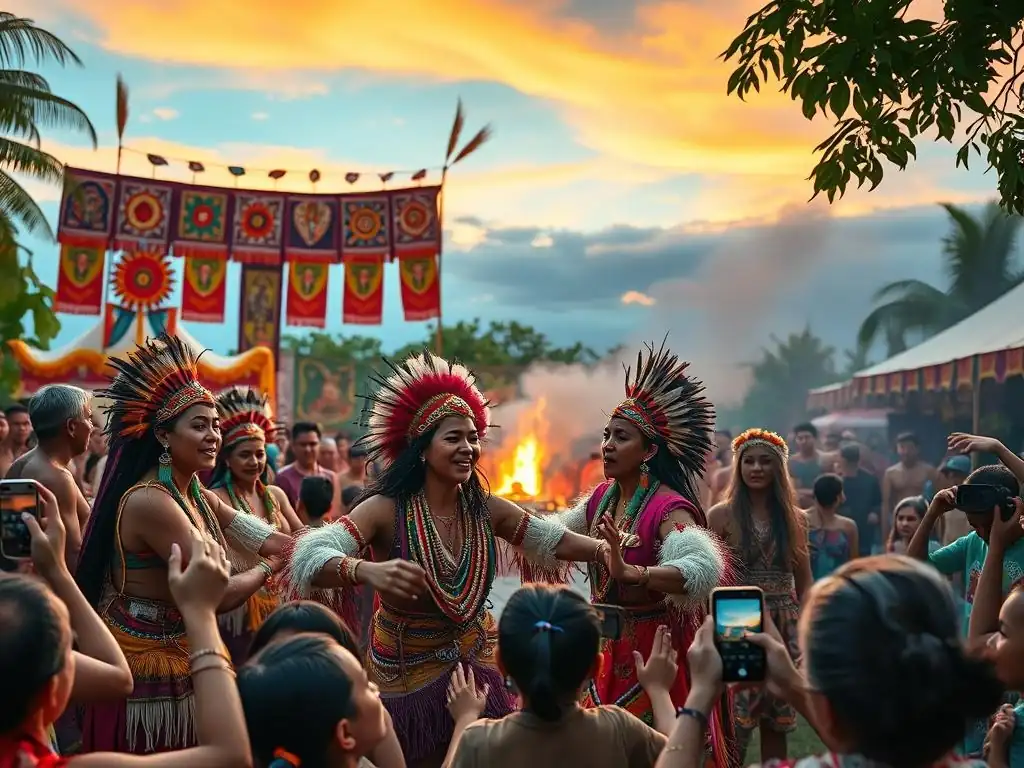
Welcome to Indigenous Civilizations of the Americas, where we invite you to embark on an enlightening journey through the vibrant tapestry of indigenous festivals in the Americas. These celebrations are not merely events; they are rich expressions of cultural identity, history, and community that have thrived for centuries. As you delve into our featured article, "A Tapestry of Traditions: Exploring Regional Variations in Indigenous Festivals," you'll uncover the diverse practices and rituals that define these remarkable societies.
Prepare to be captivated by stories that echo through time, revealing the profound impact these festivals have on contemporary life. Join us as we celebrate the resilience and creativity of indigenous cultures and discover what makes each festival a unique thread in the broader narrative of the Americas.
Introduction to Indigenous Festivals in the Americas
Indigenous festivals in the Americas represent a rich tapestry of traditions and cultural expressions that have evolved over centuries. These vibrant celebrations are not merely events; they are vital components of the social and spiritual fabric of Indigenous communities. From the elaborate ceremonies of the Andean cultures to the rhythmic dances of North American tribes, these festivals reflect the diverse histories, beliefs, and customs of Indigenous peoples prior to European colonization. As we embark on this exploration, we will uncover the significance of these festivals, their regional variations, and the profound impact they have on cultural identity and continuity.
Importance of Indigenous Festivals in Cultural Heritage
Indigenous festivals serve as a crucial link to the past, preserving age-old traditions and practices that define cultural identity. They are occasions for:
- Rituals and Ceremonies: Festivals often incorporate spiritual elements, honoring ancestors, nature, and deities.
- Community Cohesion: These events foster a sense of belonging, uniting individuals from various clans and families.
- Transmission of Knowledge: Through storytelling, music, and dance, younger generations learn about their heritage and cultural values.
- Celebration of Identity: Festivals are a public display of pride in cultural identity, showcasing the unique customs and practices of each community.
In essence, Indigenous festivals are not only celebrations of culture but also vital expressions of resilience and continuity in the face of historical challenges.
Overview of Regional Variations in Festivals
The Americas are home to a plethora of Indigenous cultures, each with its own distinct festivals. Here are some notable regional variations:
- North America: The Powwow, a gathering of Native American communities, features traditional dances, music, and arts.
- Central America: The Day of the Dead (Día de los Muertos) is celebrated by various Indigenous groups, blending pre-Columbian and colonial traditions.
- South America: The Inti Raymi festival in Peru honors the sun god and celebrates the winter solstice with elaborate rituals and performances.
These festivals illustrate the diversity of Indigenous traditions, each reflecting the unique environmental, historical, and social contexts of their respective regions.
Historical Context of Indigenous Festivals
To fully appreciate the significance of Indigenous festivals, it is essential to understand their historical context, particularly before and after European contact.
Pre-Colonization Practices and Beliefs
Before European colonization, Indigenous peoples across the Americas had established their own rich traditions, often closely tied to natural cycles and agricultural practices. Festivals were typically aligned with:
- Seasonal Changes: Many festivals celebrated the harvest, planting, and seasonal transitions, ensuring community sustenance and spiritual renewal.
- Ceremonial Rites: Important life events such as births, marriages, and deaths were marked by rituals that reinforced social bonds and cultural values.
- Connection to Nature: Festivals often honored the earth, sky, and water, reflecting a deep reverence for the natural world and its cycles.
These practices were integral to community life, embedding the values of cooperation, gratitude, and respect for the environment.
Influence of European Contact on Festival Traditions
The arrival of Europeans in the Americas brought significant changes to Indigenous festival traditions. The impact can be summarized as follows:
- Syncretism: Many Indigenous festivals adapted to include European elements, resulting in unique hybrid celebrations that retain Indigenous significance while incorporating new influences.
- Suppression and Resilience: Some festivals faced suppression due to colonial policies, yet many communities found ways to continue their traditions, often in secret or through subtle adaptations.
- Revitalization Movements: In recent years, many Indigenous groups have engaged in revitalization efforts to reclaim and celebrate their traditional festivals, promoting cultural pride and awareness.
The interplay between Indigenous and European traditions has shaped the evolution of festivals, highlighting the resilience of Indigenous cultures in preserving their identities while navigating historical challenges.
Regional Variations of Indigenous Festivals
Indigenous festivals in the Americas reflect the rich cultural tapestry of diverse communities, each with unique traditions, beliefs, and practices. These festivals often serve as a means to celebrate life cycles, agricultural practices, and spiritual connections to the land and ancestors. The variations across different regions showcase the adaptability and resilience of indigenous cultures, highlighting their response to environmental changes, historical events, and social dynamics.
North American Indigenous Festivals
In North America, indigenous festivals often revolve around seasonal changes and the celebration of harvests. One prominent example is the Powwow, a gathering that includes dance, music, and cultural exhibitions. Powwows are held throughout the year and vary in scale, from local community gatherings to large regional events, showcasing the vibrant traditions of tribes such as the Lakota, Navajo, and Ojibwe.
Another significant festival is the Green Corn Ceremony, celebrated by several southeastern tribes, including the Cherokee and Creek. This event marks the beginning of the corn harvest and involves ceremonial dances, offerings, and communal feasting, emphasizing gratitude for the land's bounty.
Central American Indigenous Festivals
Central American indigenous festivals are deeply intertwined with ancient agricultural practices and spiritual beliefs. The Festival of the Cross is a prominent celebration among the Maya, particularly in Guatemala. Held in early May, this festival honors the life-giving properties of the earth and involves decorating crosses with flowers, creating altars, and participating in traditional dances.
Additionally, the Feast of the Virgin of Guadalupe is celebrated by many indigenous communities in Mexico. This festival, while also a Catholic observance, incorporates indigenous traditions, including traditional food, music, and dance, creating a rich blend of cultural expressions that honor both indigenous and colonial histories.
South American Indigenous Festivals
In South America, indigenous festivals often reflect the deep connections to the Andean landscape and agricultural cycles. The Inti Raymi, or Festival of the Sun, is celebrated by the Quechua people in Peru. This ancient ceremony, held during the winter solstice, honors Inti, the sun god, with offerings, music, and dramatic reenactments of Incan history.
Another significant celebration is the Pachamama Raymi, dedicated to Pachamama, the earth goddess, observed by various Andean communities. This festival involves rituals, offerings, and community gatherings to express gratitude for the land and its resources, emphasizing the importance of sustainability and respect for nature.
Key Elements of Indigenous Festivals
Indigenous festivals are characterized by several key elements that reflect the cultural, spiritual, and social dimensions of the communities. These components weave together to create a rich tapestry of traditions that celebrate identity, history, and the natural world.
Rituals and Ceremonies: Spiritual Significance
Rituals and ceremonies play a crucial role in indigenous festivals, serving as a bridge between the physical and spiritual worlds. These practices often involve the invocation of ancestors, deities, or natural elements, emphasizing the interconnectedness of life. For instance, water ceremonies are common, where participants offer prayers and thanks to water sources, acknowledging their vital role in sustaining life.
Additionally, the use of sacred items, such as feathers, stones, and herbs, during rituals symbolizes respect for the earth and its resources. These ceremonies foster a sense of community and shared identity, as individuals come together to honor their heritage and cultural beliefs.
Traditional Music and Dance: A Form of Storytelling
Music and dance are central to indigenous festivals, serving as powerful forms of storytelling and cultural expression. Each dance often has specific meanings, telling stories of creation, historical events, or seasonal changes. For instance, the Fancy Dance performed at Powwows showcases intricate footwork and colorful regalia, symbolizing the beauty and resilience of indigenous cultures.
Traditional music, played on instruments such as drums, flutes, and rattles, complements the dance, creating a dynamic interplay between sound and movement. These artistic expressions not only entertain but also educate younger generations about their cultural heritage and values.
Food and Culinary Traditions: Connection to Land and Identity
Food plays a pivotal role in indigenous festivals, serving as a means of connecting to the land and reinforcing cultural identity. Traditional dishes often incorporate local ingredients, reflecting the ecological knowledge and agricultural practices of the community. For example, in the Andean regions, festivals may feature dishes made from potatoes, corn, and quinoa, highlighting the importance of these staple crops.
Moreover, sharing food during festivals fosters community bonds and strengthens social ties. The act of preparing and consuming traditional meals together is a celebration of identity, history, and the enduring relationship between indigenous peoples and their ancestral lands. Through these culinary traditions, communities pass down knowledge, stories, and cultural practices that are vital to their existence.
Challenges Facing Indigenous Festivals Today
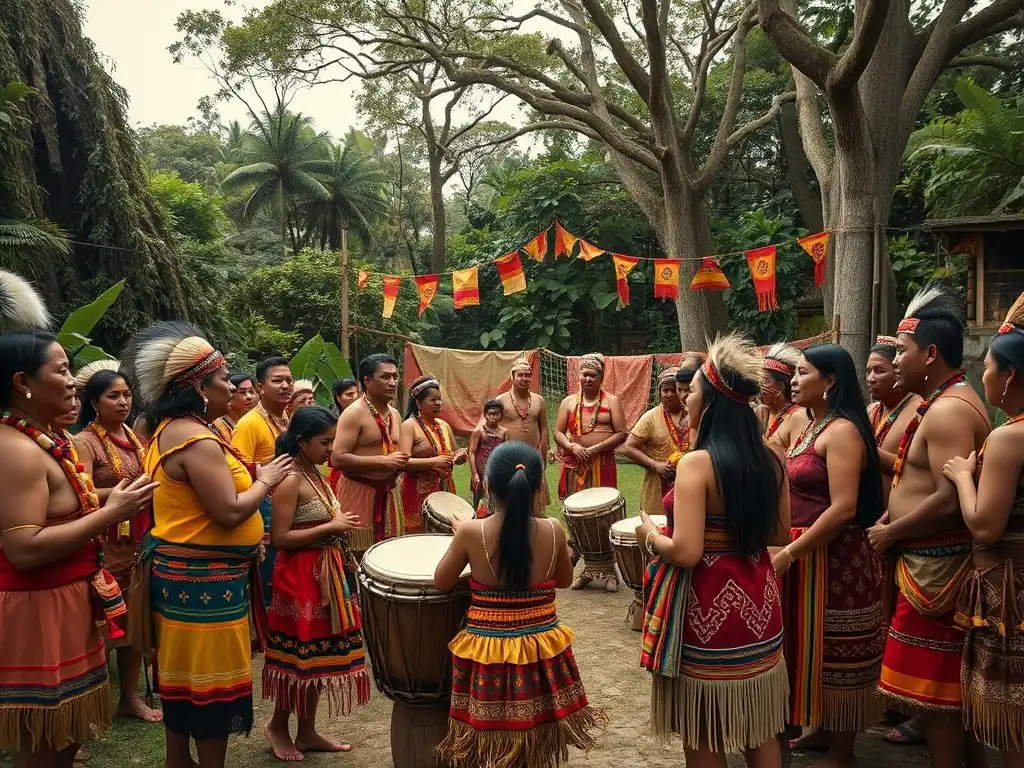
Indigenous festivals in the Americas are not only vibrant expressions of cultural identity but also critical avenues for preserving traditions and fostering community ties. However, these festivals face numerous challenges in the contemporary landscape, which can threaten their existence and authenticity. Understanding these challenges is vital for appreciating the resilience of Indigenous cultures and the importance of supporting their festivals.
Erosion of Traditions Due to Modernization
The process of modernization has significantly impacted Indigenous festivals, often leading to the erosion of traditional practices. As younger generations migrate to urban areas for better opportunities, there is a gradual decline in the transmission of cultural knowledge and practices. This urban migration can result in:
- Loss of Language: Many festivals are steeped in specific languages that carry cultural significance. As fluency decreases, so does the understanding of the rituals and stories associated with the festivals.
- Changing Lifestyles: Modern lifestyles, influenced by globalization, can prioritize convenience over tradition, leading to a disinterest in or simplification of traditional practices.
- Commercialization: In an attempt to attract tourists, some festivals may become commercialized, diluting their original meanings and transforming them into mere spectacles rather than authentic cultural celebrations.
These factors contribute to a gradual shift away from the rich tapestry of traditions that define Indigenous festivals, making it essential for communities to actively engage in preservation efforts.
Cultural Appropriation and Misrepresentation
Cultural appropriation poses another significant challenge for Indigenous festivals. Often, non-Indigenous individuals or organizations may adopt elements of Indigenous cultures without proper understanding or respect for their significance. This can lead to:
- Misrepresentation: When elements of Indigenous festivals are used inappropriately, it can distort their meanings and trivialize their importance.
- Profit Without Benefit: Many Indigenous communities see their cultural expressions commodified for profit by outsiders, without any benefit or acknowledgment to the original creators.
- Commercialized Stereotypes: The portrayal of Indigenous festivals in media can perpetuate stereotypes that do not reflect the complex realities of these cultures, leading to further misunderstanding and disrespect.
Addressing cultural appropriation is crucial to ensuring that Indigenous festivals are celebrated authentically and with the respect they deserve.
Revitalization Efforts and Contemporary Indigenous Festivals
Despite the challenges, there is a growing movement towards revitalizing Indigenous festivals, emphasizing community involvement and cultural education. These efforts are often driven by a deep commitment to honoring ancestral traditions while adapting to contemporary contexts.
Community Initiatives to Preserve Traditions
Many Indigenous communities are actively working to preserve their festivals through grassroots initiatives. These initiatives may include:
- Educational Programs: Workshops and classes aimed at teaching younger generations about traditional practices, languages, and stories associated with festivals.
- Collaborative Events: Organizing festivals that involve multiple tribes or communities fosters a sense of collective identity and shared heritage.
- Cultural Exchange: Engaging with other Indigenous groups to share practices and experiences can strengthen community ties and enhance the richness of festivals.
These community-driven efforts not only help maintain traditions but also empower individuals to take pride in their cultural identities.
The Role of Technology in Promoting Indigenous Festivals
Technology plays a vital role in the revitalization and promotion of Indigenous festivals, offering new avenues for visibility and engagement. Key aspects include:
- Social Media: Platforms like Instagram and Facebook allow communities to showcase their festivals to a global audience, attracting attention and support.
- Virtual Events: In light of challenges like the COVID-19 pandemic, many festivals have adapted by hosting virtual events, making them accessible to those who cannot attend in person.
- Documentary and Multimedia Projects: Documentaries and online content can highlight the significance of Indigenous festivals, educating broader audiences and fostering appreciation for these rich cultural expressions.
By leveraging technology, Indigenous communities can ensure that their festivals continue to thrive, connect with new audiences, and preserve their cultural heritage for future generations.
Conclusion: The Importance of Celebrating Indigenous Festivals
Indigenous festivals serve as vibrant expressions of cultural identity, community, and resilience. These celebrations are not only a means of preserving traditions but also play a crucial role in fostering a sense of belonging among indigenous peoples. As we explore the rich tapestry of indigenous festivals across the Americas, it becomes clear that they are indispensable to understanding the multifaceted heritage of these communities. Festivals encapsulate stories, languages, and customs that have been passed down through generations, representing a living history that deserves recognition and celebration.
Additionally, indigenous festivals provide a platform for dialogue and connection, inviting individuals from diverse backgrounds to engage in meaningful interactions. By participating in these events, we honor the legacy of indigenous cultures while gaining insight into their worldviews, values, and practices. In a rapidly globalizing world, where cultural homogenization threatens the uniqueness of local traditions, celebrating indigenous festivals becomes a vital act of cultural preservation and respect.
Preserving Cultural Heritage through Festivals
Festivals are essential for the preservation of cultural heritage among indigenous communities. They serve as a dynamic medium through which traditional practices, art forms, and storytelling are passed on to younger generations. For example, the Inti Raymi festival of the Inca people in Peru not only celebrates the winter solstice but also reinforces traditional agricultural practices and spiritual beliefs tied to the sun god, Inti. This festival showcases music, dance, and rituals that have remained largely unchanged for centuries, providing a living link to the past.
Moreover, many festivals incorporate elements that reflect the community's relationship with the land, showcasing indigenous ecological knowledge and sustainable practices. Events like the Powwow among Native American tribes celebrate not only cultural expression through dance and art but also the importance of land stewardship and community resilience. Thus, through these gatherings, indigenous peoples reclaim their narratives, ensuring their cultural heritage is preserved for future generations.
Encouraging Cross-Cultural Understanding and Respect
Indigenous festivals are powerful tools for promoting cross-cultural understanding and respect. When individuals from different backgrounds gather to celebrate these events, they foster an environment of learning and appreciation. Festivals often include educational components, such as workshops, storytelling sessions, and art exhibitions that highlight the significance of the traditions being celebrated. Participants gain firsthand knowledge about the beliefs, values, and challenges faced by indigenous communities.
Furthermore, these festivals create opportunities for dialogue and collaboration between indigenous and non-indigenous peoples, breaking down stereotypes and building bridges of understanding. As attendees engage with indigenous cultures, they become advocates for the rights and recognition of these communities, helping to combat historical injustices and current inequalities. This mutual respect and understanding are essential for a more inclusive and equitable society.
Call to Action: Engage with Indigenous Festivals
Engaging with indigenous festivals is an enriching experience that benefits both participants and the communities hosting the events. By taking part in these celebrations, individuals can contribute to the revitalization of indigenous cultures while gaining a deeper appreciation for their diverse traditions. Here are some ways to engage meaningfully with indigenous festivals.
Ways to Experience Indigenous Festivals
- Attend Local Festivals: Seek out indigenous festivals in your area or plan a visit to regions known for their rich cultural events. Whether it's a powwow, a harvest festival, or a cultural fair, participating in these gatherings offers a unique opportunity to witness indigenous traditions firsthand.
- Volunteer or Support: Many festivals rely on community volunteers for organization and support. Get involved by offering your time or resources to help facilitate these events, ensuring they continue to thrive for future generations.
- Learn and Share: Educate yourself about the specific cultures and traditions represented at the festival. Engaging with indigenous literature, music, and art can enhance your experience and allow you to share meaningful insights with others.
Supporting Indigenous Communities and Their Traditions
Supporting indigenous communities goes beyond participating in festivals; it involves actively contributing to their sustainability and cultural preservation. Here are some actionable steps:
- Promote Indigenous Artisans: Purchase authentic crafts and artworks from indigenous artists. This supports their livelihoods and ensures that traditional art forms continue to flourish.
- Advocate for Indigenous Rights: Stay informed about the issues facing indigenous communities and advocate for their rights through social media, community discussions, and by supporting relevant organizations.
- Collaborate with Indigenous Leaders: Work alongside indigenous leaders and organizations to promote cultural education and awareness within your community. This collaboration can take the form of workshops, lectures, or collaborative events that highlight indigenous perspectives.
By engaging with indigenous festivals and supporting their communities, we honor the rich heritage of these cultures and contribute to the ongoing celebration of their traditions. Whether through attendance, support, or advocacy, each action plays a role in weaving a more inclusive and respectful tapestry of cultural exchange.
- Introduction to Indigenous Festivals in the Americas
- Historical Context of Indigenous Festivals
- Regional Variations of Indigenous Festivals
- Key Elements of Indigenous Festivals
- Challenges Facing Indigenous Festivals Today
- Revitalization Efforts and Contemporary Indigenous Festivals
- Conclusion: The Importance of Celebrating Indigenous Festivals
- Call to Action: Engage with Indigenous Festivals
Frequently Asked Questions
What are Indigenous festivals in the Americas?
Indigenous festivals in the Americas are cultural celebrations that showcase the traditions, rituals, and artistic expressions of various indigenous groups, reflecting their unique identities and histories.
Why are Indigenous festivals important?
These festivals are vital for preserving cultural heritage, promoting community bonding, and educating both indigenous and non-indigenous people about the rich diversity and historical significance of indigenous cultures.
How do Indigenous festivals vary across regions?
Indigenous festivals exhibit regional variations influenced by factors like geography, climate, and historical interactions, leading to a diverse array of ceremonial practices, art forms, and food traditions.
What role do ceremonies play in Indigenous festivals?
Ceremonies are central to Indigenous festivals, serving as a means of spiritual connection, cultural reinforcement, and community celebration, often involving traditional music, dance, and storytelling.
How can individuals participate in Indigenous festivals?
Individuals can participate by attending local events, respecting cultural protocols, engaging with indigenous communities, and learning about the significance of each festival to deepen their understanding of indigenous cultures.
Final Reflection: Celebrating Diversity Through Indigenous Festivals
The exploration of Indigenous festivals in the Americas reveals a vibrant tapestry of cultural expressions that resonate deeply with contemporary society. As we navigate an increasingly globalized world, these festivals serve as vital reminders of the rich heritage and diverse traditions that continue to shape the identities of Indigenous communities. The significance of these celebrations transcends mere entertainment; they are powerful expressions of resilience, spirituality, and community that challenge us to appreciate the depth of human experience.
The ongoing influence of Indigenous festivals is evident in the way they foster cultural pride and awareness, bridging generations and inviting broader audiences to engage with Indigenous narratives. These celebrations not only preserve age-old traditions but also adapt to modern contexts, ensuring their relevance in today's society. As the renowned Indigenous activist Winona LaDuke once said, We are not just a part of history; we are a part of the future.
This sentiment underscores the importance of recognizing and honoring these festivals as living traditions that contribute to the ongoing dialogue about cultural identity and social justice.
As you reflect on the themes presented in this article, consider how you can engage with and support Indigenous festivals in your own community. Take the time to learn about the traditions and stories behind these celebrations, and participate in them with an open heart and mind. By doing so, you not only enrich your own understanding but also contribute to the preservation and celebration of Indigenous cultures. Let us embrace the beauty of diversity and commit ourselves to fostering a world where all traditions are honored and celebrated.
Thank you for taking the time to explore the rich tapestry of traditions and vibrant festivities that reflect the diverse cultures of Indigenous peoples. We hope you gained valuable insights into the unique regional variations celebrated across the Americas. Now, it’s time to take action and continue the journey of appreciation and connection!
Here are some specific ways you can honor and promote the spirit of Indigenous festivals:
- Join a local celebration: Find an Indigenous festival or event in your area to experience the traditions firsthand, supporting local communities and their heritage.
- Engage with Indigenous creators: Seek out and promote art, music, and literature by Indigenous artists that reflect their culture and stories.
- Share your learnings: Use social media or community forums to discuss what you've discovered about Indigenous festivals and invite others to learn alongside you.
What new understanding or appreciation have you gained about Indigenous festivals that you can share with your community?