
The Forgotten Histories: Essential Books on the Impact of PreColumbian Cultures

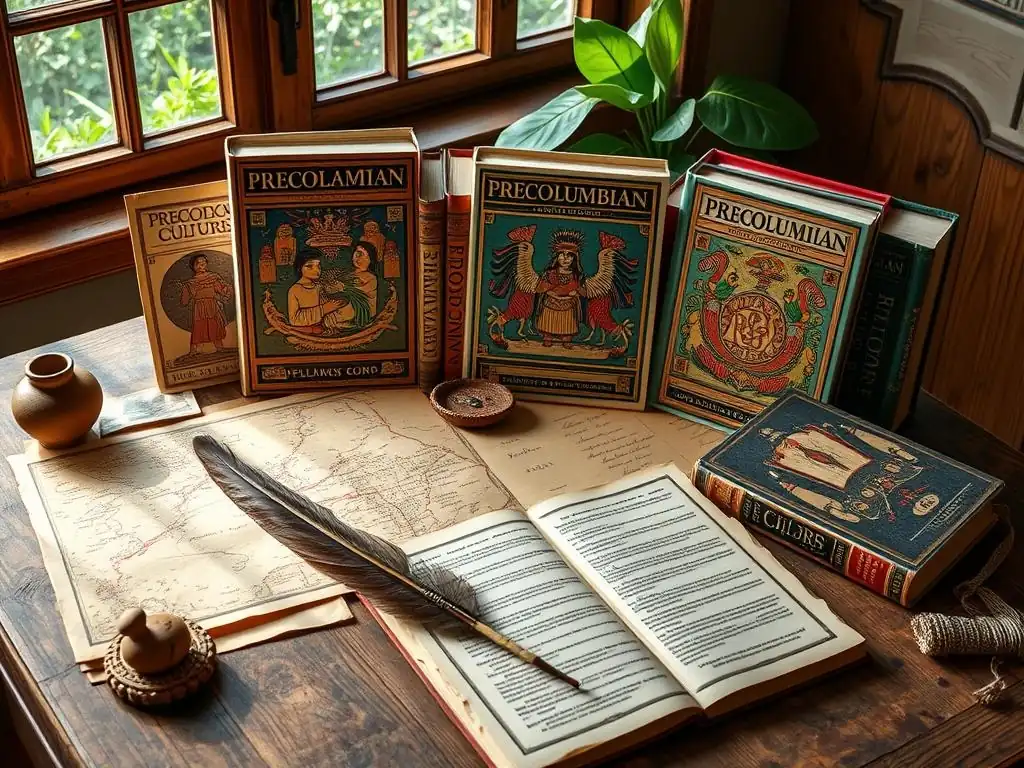
Welcome to Indigenous Civilizations of the Americas, where we embark on a journey through the rich tapestry of preColumbian indigenous cultures. Here, you’ll uncover the profound achievements and vibrant societies that flourished long before European contact. Our featured article, "The Forgotten Histories: Essential Books on the Impact of PreColumbian Cultures," delves into the compelling narratives and vital knowledge encapsulated in these invaluable resources. Join us as we illuminate the past and reveal the enduring legacy of these remarkable civilizations—your adventure into a world of wisdom and discovery begins now!
Introduction to PreColumbian Indigenous Culture Books
The exploration of preColumbian indigenous cultures reveals a rich tapestry of societies that existed in the Americas long before European contact. These cultures, which flourished across diverse landscapes from the Andes Mountains to the Great Plains, were marked by remarkable achievements in art, architecture, agriculture, and governance. Understanding these civilizations is crucial not only for appreciating their historical significance but also for recognizing their enduring influence on contemporary society.
In this article, we will delve into a curated selection of essential books that illuminate the multifaceted realities of preColumbian indigenous cultures. These texts serve as gateways to understanding the complexities of societies often overlooked in mainstream historical narratives. Through a combination of academic research, firsthand accounts, and critical analyses, these works highlight the achievements and contributions of indigenous peoples, offering readers a deeper appreciation of their legacies.
As we embark on this literary journey, we aim to provide insights into the diverse perspectives presented in these essential reads and how they contribute to a broader understanding of preColumbian indigenous cultures. Whether you are a student, educator, or simply a curious reader, the following selections promise to enrich your knowledge and inspire further exploration of the profound histories that shaped the Americas.
- 1. "1491: New Revelations of the Americas Before Columbus" by Charles C. Mann
- 2. "Guns, Germs, and Steel: The Fates of Human Societies" by Jared Diamond
- 3. "The Invention of Nature: Alexander von Humboldt's New World" by Andrea Wulf
- 4. "The Native American History: A Very Short Introduction" by Paul H. Goble
- 5. "The Aztecs: A Very Short Introduction" by David Carrasco
The Influence of PreColumbian Cultures on Modern Society
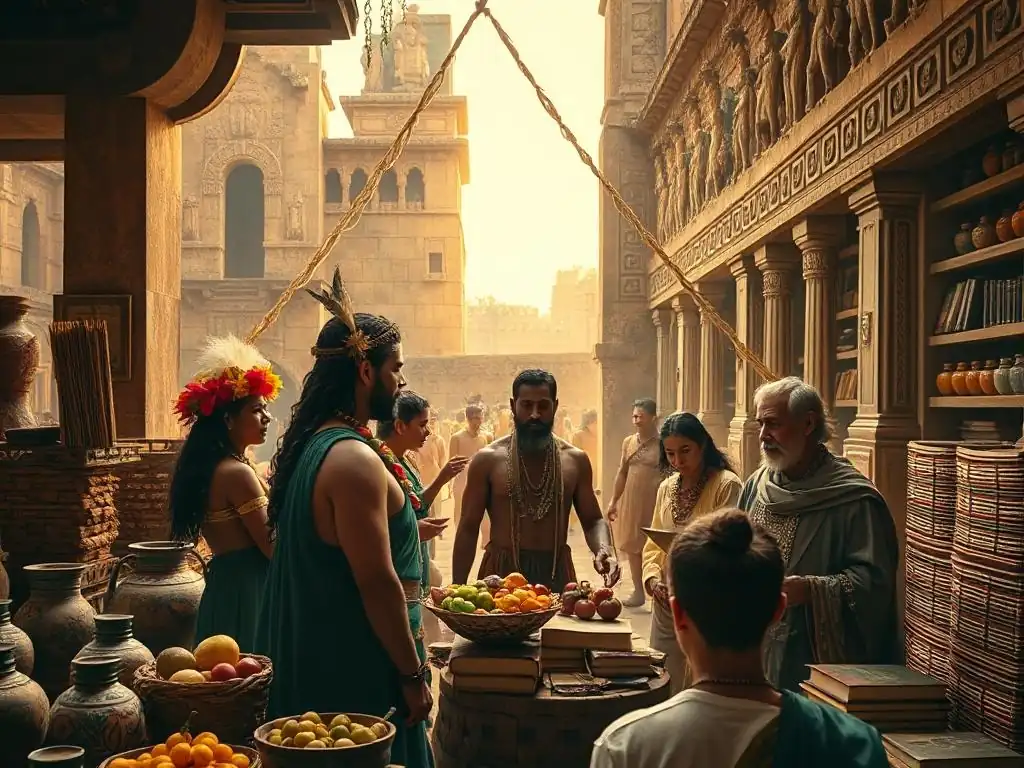
The rich tapestry of preColumbian indigenous cultures has profoundly influenced modern society in various ways. From agricultural practices to artistic expressions, the legacies of these civilizations continue to shape contemporary life across the Americas and beyond. Understanding this impact is vital for appreciating the complex historical narratives that define modern cultural identities.
Examining the Lasting Legacy of Indigenous Civilizations
The contributions of preColumbian civilizations extend beyond their historical existence; they have laid foundational elements for many aspects of modern life. Below are some key areas where their influence is particularly notable:
- Agricultural Innovations
- Many indigenous peoples were pioneers in agriculture, developing techniques that are still in use today. For example:
- Milpa System: This traditional farming method, used predominantly in Mesoamerica, integrates different crops to enhance soil fertility and yield.
- Three Sisters Farming: The cultivation of maize, beans, and squash together demonstrates an early understanding of companion planting, a technique that improves crop resilience and nutrition.
- Many indigenous peoples were pioneers in agriculture, developing techniques that are still in use today. For example:
- Cultural Practices
- Festivals, rituals, and art forms originating from indigenous societies continue to be celebrated and practiced today. For instance:
- Artistic Expressions: The intricate pottery, textiles, and murals created by cultures such as the Maya and Inca have inspired modern artists and designers.
- Spiritual Beliefs: Many contemporary spiritual practices in the Americas reflect indigenous cosmologies, emphasizing a connection to nature and community.
- Festivals, rituals, and art forms originating from indigenous societies continue to be celebrated and practiced today. For instance:
- Political Structures
- The governance models established by preColumbian cultures, such as the Iroquois Confederacy, have influenced modern democratic systems. The principles of collective decision-making and consensus-building are echoed in present-day political discourse.
- Environmental Stewardship
- Indigenous knowledge systems emphasize sustainability and respect for the environment. Their practices of land management and ecological balance offer valuable lessons for modern environmental efforts.
Conclusion
The exploration of preColumbian indigenous culture books reveals an intricate web of influences that shape our understanding of history and identity today. These texts not only highlight the achievements of these civilizations but also challenge us to recognize and honor their enduring legacies in our contemporary world. As we delve into the writings that detail these cultures, we uncover the rich narrative of resilience and innovation that continues to inspire future generations.
Top Essential Books on PreColumbian Indigenous Cultures

1. "1491: New Revelations of the Americas Before Columbus" by Charles C. Mann
In 1491, Charles C. Mann presents a groundbreaking reexamination of the Americas prior to European contact. This book challenges the long-held perceptions that the continent was sparsely populated and culturally simplistic. Mann draws on extensive research to reveal a vibrant tapestry of civilizations that thrived across North and South America, with complex societies, sophisticated agricultural practices, and rich cultural traditions.
Mann meticulously documents how indigenous peoples managed landscapes, demonstrating agricultural innovations such as the cultivation of maize, which transformed the continent. The book is supported by evidence from archaeology, history, and anthropology, weaving together narratives that highlight the achievements of diverse cultures, including the Aztecs, Incas, and various Native North American tribes.
Key Themes:
- The concept of a "wilderness" is debunked, revealing that many regions were heavily modified by indigenous populations.
- The profound impact of preColumbian societies on ecological systems and biodiversity.
- The interdependence of various cultures across the continent, fostering trade and communication.
This book not only serves as a compelling historical account but also as a profound commentary on the legacy of indigenous cultures and their relevance today.
2. "Guns, Germs, and Steel: The Fates of Human Societies" by Jared Diamond
Jared Diamond's Guns, Germs, and Steel provides a sweeping analysis of human civilizations, including the development of preColumbian societies in the Americas. Diamond explores how environmental factors and geographical advantages shaped the fate of different cultures, influencing their technological advancements and societal structures.
The book argues that the disparities in wealth and power between civilizations can often be traced back to the availability of domesticable plants and animals, which played a crucial role in shaping agricultural practices. In the context of preColumbian cultures, Diamond examines how these factors contributed to the rise of complex societies such as the Maya and Inca, while also considering the consequences of European colonization.
Key Insights:
- The role of geography in determining the success of civilizations, emphasizing its impact on resource distribution.
- The introduction of diseases by Europeans and the catastrophic effects on indigenous populations.
- How technology and writing systems developed differently across societies, affecting their historical trajectories.
By situating preColumbian cultures within a broader context of global history, this book encourages readers to reflect on the interconnectedness of human societies and the profound implications of their interactions.
3. "The Invention of Nature: Alexander von Humboldt's New World" by Andrea Wulf
Andrea Wulf's The Invention of Nature delves into the life and work of Alexander von Humboldt, a pivotal figure in understanding the natural world and its connections to human culture. Although not exclusively focused on preColumbian indigenous cultures, the book illustrates how Humboldt's explorations and observations of the Americas influenced contemporary views on nature and indigenous peoples.
Wulf highlights Humboldt's encounters with various indigenous groups, emphasizing their knowledge of the environment and sustainable practices. His writings reflect a deep respect for the complexity of these societies and their understanding of ecosystems, which contrasts sharply with European perceptions of 'primitive' cultures.
Key Points:
- Humboldt's contributions to environmental science and anthropology, providing a framework for understanding the interrelationships between humans and nature.
- The impact of Humboldt's ideas on later thinkers and movements, including conservation and ecology.
- An exploration of the legacy of indigenous knowledge systems and their relevance in today's environmental discourse.
This book not only celebrates Humboldt's achievements but also serves as a reminder of the rich intellectual heritage of preColumbian cultures, urging readers to appreciate and learn from these ancient wisdoms.
4. "The Native American History: A Very Short Introduction" by Paul H. Goble
In "The Native American History: A Very Short Introduction," Paul H. Goble succinctly encapsulates the vast and complex narratives of Native American cultures across North America. This book serves as an essential gateway for readers seeking to understand the rich tapestry of indigenous experiences and histories. Goble emphasizes the diversity of tribes, languages, and traditions, highlighting how these elements shape the identity of Native American peoples today.
One of the book's strengths lies in its accessible language and concise presentation. Goble distills intricate historical events into digestible segments, making it an ideal resource for both newcomers and those familiar with the subject. He explores critical themes such as the impact of colonization, resistance, and the contemporary resurgence of Native identities, providing a balanced perspective that acknowledges both triumphs and challenges faced by indigenous communities.
Furthermore, Goble integrates discussions on the significance of oral traditions and storytelling within Native American cultures. These narratives not only preserve history but also reinforce cultural values and community bonds. The book encourages readers to appreciate Native Americans' contributions to the broader American narrative, pushing against the often one-dimensional portrayals found in mainstream history.
This concise exploration of Native American history is pivotal for anyone interested in understanding the foundations of preColumbian indigenous culture. It serves as both an academic resource and an engaging read, making it a must-have for those delving into the complexities of Native American histories.
5. "The Aztecs: A Very Short Introduction" by David Carrasco
David Carrasco’s "The Aztecs: A Very Short Introduction" offers a compelling overview of one of the most fascinating preColumbian civilizations in the Americas. Carrasco expertly navigates the intricate social, political, and religious structures of the Aztec Empire, providing readers with insights into their sophisticated society. This book is particularly valuable for those who wish to grasp the essence of Aztec life before European contact and understand their lasting legacy.
The author delves into the origins of the Aztecs, their rise to power, and the vibrant culture that flourished in Tenochtitlán. Carrasco paints a vivid picture of Aztec daily life, including their agricultural practices, trade systems, and artistic achievements. This comprehensive approach not only highlights the ingenuity of the Aztecs but also illustrates the interconnectedness of their civilization with other Mesoamerican cultures.
Carrasco also addresses the role of religion in Aztec society, emphasizing the importance of rituals, gods, and the human sacrifices that were integral to their worldview. By contextualizing these practices within the broader framework of their beliefs, the author challenges readers to reconsider preconceived notions about the Aztecs and their motivations.
"The Aztecs: A Very Short Introduction" is an invaluable resource for anyone seeking to explore preColumbian indigenous cultures. Its engaging narrative and scholarly insights make it an essential addition to any academic library or personal collection focused on the rich histories of the Americas.
Comparative Analysis of PreColumbian Indigenous Culture Books
The literature surrounding preColumbian indigenous cultures is vast and varied, reflecting the complexity and diversity of the societies that existed across the Americas before European contact. This comparative analysis focuses on essential academic reads that both illuminate and challenge our understanding of these cultures. Each book offers a unique lens through which to view the intricate tapestry of indigenous life, ranging from daily practices and social structures to spiritual beliefs and artistic expressions.
Key Themes Explored in Academic Literature
Academic literature on preColumbian indigenous cultures often revolves around several key themes that help elucidate the distinct characteristics and achievements of these societies. Here are some of the most prominent themes:
- Social Structure and Governance
- Many books delve into the hierarchical structures of various indigenous societies, exploring how leadership roles were established and maintained. For instance, texts focusing on the Maya civilization often highlight the importance of divine kingship and the role of city-states in governance.
- Economics and Trade
- The economic systems of preColumbian societies are another area of rich exploration. Works detailing the Incas provide insights into their extensive road networks and resource management, illustrating how trade fostered unity and economic prosperity across vast regions.
- Cultural Practices and Beliefs
- Religion and spirituality are central themes in many studies, showcasing how indigenous peoples understood their environment and their place within it. Books discussing the Aztec culture, for example, examine the intricate rituals and cosmologies that guided their daily lives and governance.
- Art and Architecture
- The artistic achievements of preColumbian cultures are often highlighted, revealing how art served as a means of communication and expression. The architectural wonders of the Mississippian culture, such as Cahokia, are frequently analyzed in relation to societal organization and cultural identity.
- Resistance and Resilience
- A significant theme in contemporary literature is the resilience of indigenous cultures in the face of colonization and cultural erasure. Many authors focus on the ways communities have preserved their heritage and adapted their practices to survive through centuries of change.
How These Books Enhance Understanding of Indigenous Histories
The study of preColumbian indigenous cultures is crucial for understanding not only the past but also the present dynamics of indigenous identity and rights in the Americas. Here’s how these books contribute to a deeper comprehension of indigenous histories:
-
Diverse Perspectives
Academic literature often includes voices from indigenous authors, providing firsthand accounts and interpretations of their histories. This diversity enriches the narrative and fosters a more nuanced understanding of cultural complexities.
-
Interdisciplinary Approaches
Many books incorporate methodologies from anthropology, archaeology, history, and art history, allowing for a comprehensive view of indigenous societies. This interdisciplinary approach helps to contextualize findings within broader historical frameworks.
-
Challenging Stereotypes
By presenting detailed and well-researched accounts of preColumbian civilizations, these books challenge common stereotypes and misconceptions about indigenous peoples as static or primitive. Instead, they highlight the dynamism, innovation, and adaptability of these cultures.
-
Encouraging Critical Reflection
Engaging with these texts encourages readers to critically reflect on the narratives surrounding colonization and the legacy of indigenous cultures today. This critical lens is vital for fostering empathy and understanding in contemporary discussions about indigenous rights and representation.
-
Preserving Histories
Finally, these academic works serve as vital records of preColumbian histories, ensuring that the stories of these cultures are not forgotten. They contribute to the broader movement of decolonizing knowledge and recognizing the significance of indigenous voices in the historical discourse.
Through these themes and insights, essential academic reads on preColumbian indigenous cultures not only enhance our understanding of the past but also illuminate the ongoing legacies of these vibrant societies.
Conclusion: The Importance of Reading PreColumbian Indigenous Culture Books
Reading preColumbian indigenous culture books is essential for understanding the rich tapestry of history that existed in the Americas prior to European intervention. These works provide insights into the sophisticated societies, diverse languages, and complex social structures that characterized indigenous cultures. By delving into these texts, readers not only gain knowledge about the achievements and contributions of these civilizations but also recognize their lasting impact on contemporary society.
The narratives presented in these books often challenge conventional historical perspectives, encouraging readers to reconsider the legacy of colonization and the narratives that have been historically celebrated. Understanding preColumbian cultures is crucial not only for historians and scholars but also for anyone interested in the intricate dynamics of human societies.
Encouraging Further Exploration of Indigenous Histories
The exploration of indigenous histories can be greatly enriched through the study of various preColumbian indigenous culture books. These texts encompass a wide array of topics, including:
- Cultural Practices: Detailed examinations of rituals, traditions, and daily life among different indigenous groups.
- Art and Architecture: Insights into the artistic expressions and architectural achievements of preColumbian civilizations, from the intricate pottery of the Pueblo peoples to the monumental structures of the Maya.
- Social Structures: Analysis of governance, kinship systems, and social hierarchies that defined indigenous societies.
- Trade and Economy: Exploration of the trade networks that connected diverse cultures, highlighting the economic complexity of preColumbian societies.
By engaging with these subjects, readers can develop a more nuanced understanding of the historical contexts that shaped indigenous experiences.
Moreover, fostering a connection to indigenous narratives helps to preserve these cultures and honor their contributions to the world. As modern society grapples with issues of identity, representation, and cultural heritage, the insights gained from these books are invaluable.
Additional Resources for Learning about PreColumbian Cultures
For those looking to deepen their understanding of preColumbian cultures, various resources can supplement book readings:
- Documentaries: Visual storytelling can bring to life the histories and cultural practices of indigenous peoples. Consider exploring documentaries that focus on specific civilizations, such as the Aztecs or Incas.
- Online Courses: Many institutions offer online courses dedicated to indigenous studies, providing structured learning environments that include expert lectures and discussions.
- Cultural Centers and Museums: Visiting local cultural centers or museums that feature indigenous exhibitions can provide tangible connections to the histories discussed in literature.
- Academic Journals: Engaging with scholarly articles published in journals dedicated to indigenous studies can offer the latest research and perspectives on preColumbian cultures.
- Podcasts and Webinars: These formats provide accessible discussions and interviews with experts in the field, facilitating an ongoing dialogue about indigenous histories.
By utilizing a variety of resources, readers can cultivate a well-rounded understanding of preColumbian indigenous cultures, fostering a deeper appreciation for their complexities and contributions to our shared history.
Immersing oneself in preColumbian indigenous culture books and other educational resources is not just an academic pursuit; it is a vital step toward honoring and acknowledging the histories that have shaped the Americas long before European contact.
Frequently Asked Questions
What are preColumbian indigenous culture books?
PreColumbian indigenous culture books are publications that explore the achievements, societies, and histories of the indigenous cultures that existed in the Americas before European colonization.
Why is it important to study preColumbian cultures?
Studying preColumbian cultures provides insight into the diverse civilizations that thrived in the Americas, revealing their contributions to art, science, and governance that have shaped modern society.
What types of content can be found in these books?
These books typically include historical accounts, cultural analyses, and archaeological findings that highlight the daily lives, belief systems, and innovations of indigenous peoples.
How can these books impact our understanding of history?
By addressing the forgotten histories of preColumbian cultures, these books challenge the Eurocentric narratives of history and promote a more inclusive understanding of the past.
Where can I find recommended readings on this topic?
Recommended readings can often be found on websites dedicated to indigenous studies, academic libraries, and specialized bookstores focusing on cultural anthropology and history.
Final Reflection: Rediscovering the Rich Tapestry of Pre-Columbian Cultures
The exploration of pre-Columbian indigenous cultures is not merely an academic pursuit; it is a vital journey into the heart of our shared human history. As we navigate an increasingly globalized world, understanding the profound impact of these cultures on contemporary society becomes essential. The stories, traditions, and wisdom of pre-Columbian peoples resonate today, reminding us of the intricate tapestry of human experience that predates colonial narratives. In recognizing these histories, we reclaim the voices that have long been silenced.
The influence of pre-Columbian cultures extends far beyond the pages of history books; it shapes our cultural identity and social consciousness. From art and architecture to agricultural practices and spiritual beliefs, the legacies of these civilizations continue to inform modern life. As we engage with the literature that highlights their contributions, we foster a deeper appreciation for the diversity of human experience. History is not a burden on the memory but an illumination of the soul.
This quote encapsulates the importance of revisiting and honoring the past, as we uncover the richness of pre-Columbian narratives that have often been overlooked.
As you reflect on the insights gained from this exploration, I invite you to consider how these lessons can be woven into your own life. Embrace the opportunity to learn from the past and apply its teachings to create a more inclusive and understanding future. Whether through reading the recommended books or engaging in discussions about indigenous cultures, let us commit to honoring these forgotten histories. Together, we can ensure that the legacies of pre-Columbian peoples are not only remembered but celebrated, enriching our collective journey forward.
Unveil the Richness of Indigenous Histories Today!
Thank you for taking the time to explore the incredible insights within the worlds of Pre-Columbian cultures. Your journey through these often-overlooked histories not only enhances your understanding but also honors the rich heritage that has shaped our civilization. Now, let’s take the next step together!
- Dive deeper by choosing one of the recommended books and begin your reading journey to uncover more about Indigenous peoples and their profound contributions.
- Share your newfound knowledge with friends and family, sparking conversations that celebrate these vital histories and cultures.
- Join online communities or local book clubs focused on Indigenous histories to connect with like-minded individuals and broaden your perspective.
What aspect of Indigenous cultures are you most eager to learn about next? Your insights could inspire others!