
Bridging the Gap: How to Address Historical Injustices in Indigenous Education

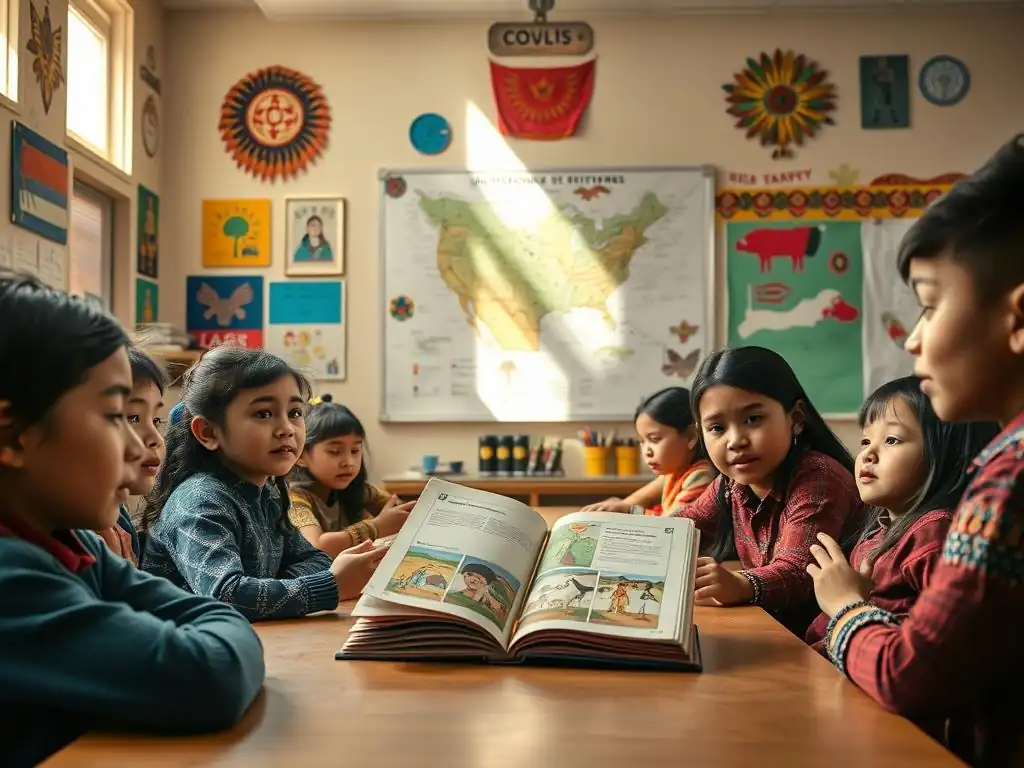
Welcome to Indigenous Civilizations of the Americas, where we invite you to embark on a fascinating journey through the rich tapestry of cultures that flourished across the continent long before European contact. Our featured article, “Bridging the Gap: How to Address Historical Injustices in Indigenous Education,” delves into the profound challenges faced by indigenous communities today, illuminating the historical injustices that have shaped their educational experiences.
As you explore our site, prepare to uncover the remarkable achievements and societal contributions of these vibrant civilizations, and discover how understanding their past can inspire a more equitable future. Join us in this vital conversation and ignite your curiosity about the enduring legacy of indigenous education!
Introduction to Indigenous Education Historical Injustices
The topic of indigenous education historical injustices is a vital aspect of understanding the broader implications of colonization on the diverse cultures of Indigenous peoples across the Americas. This article aims to shed light on the historical wrongs that have shaped Indigenous educational systems and to propose ways to rectify these injustices in contemporary education.
By exploring the achievements, traditions, and knowledge systems of Indigenous cultures prior to European contact, we can better appreciate the depth of their contributions to society and the profound impact of colonial policies that disrupted their educational practices. Addressing these historical injustices is not only a moral imperative but also a crucial step in fostering a more inclusive and equitable educational landscape.
Overview of Historical Injustices in Indigenous Education
Historical injustices in indigenous education encompass a range of discriminatory practices and policies that have systematically undermined the rights and traditions of Indigenous peoples. Key injustices include:
- Forced Assimilation: Many Indigenous children were removed from their families and placed in residential schools designed to eradicate their languages and cultures.
- Cultural Erasure: Educational curriculums often omitted or misrepresented Indigenous histories, leading to a loss of cultural identity and heritage.
- Lack of Resources: Indigenous communities have historically faced significant disparities in educational funding and access to quality resources, leading to lower educational outcomes.
These injustices have created a legacy of mistrust and disconnection from educational institutions, making it imperative to address these issues in contemporary educational practices.
Importance of Addressing These Injustices in Modern Education
Recognizing and addressing historical injustices in Indigenous education is crucial for several reasons:
- Restoration of Trust: By acknowledging past wrongs, educational institutions can begin to rebuild trust with Indigenous communities, fostering collaborative relationships.
- Cultural Revitalization: Incorporating Indigenous perspectives and knowledge into curricula can help revitalize Indigenous cultures and languages, allowing future generations to reconnect with their heritage.
- Equitable Opportunities: Addressing disparities in resources and support can lead to improved educational outcomes for Indigenous students, promoting equity and social justice.
Taking these steps not only benefits Indigenous students but enriches the educational experience for all learners, creating a more comprehensive understanding of history and culture.
Understanding the Impact of Colonization on Indigenous Education
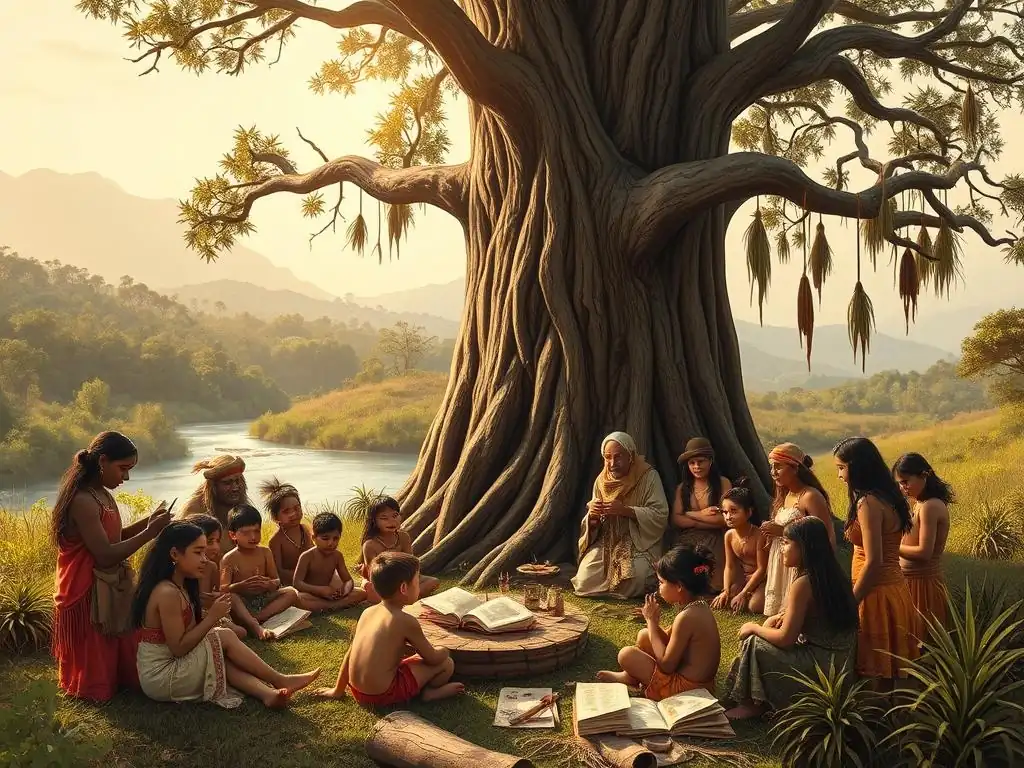
Before colonization, Indigenous communities across the Americas had rich and diverse educational systems tailored to their cultural contexts. These systems were characterized by:
- Oral Traditions: Knowledge was passed down through storytelling, rituals, and communal practices, ensuring that cultural values and teachings were preserved.
- Experiential Learning: Education often took place in natural settings, where learners engaged directly with their environment, fostering a deep understanding of their land and resources.
- Community Involvement: Learning was a communal activity, with elders and community members playing vital roles in educating the youth, ensuring the transmission of knowledge across generations.
This holistic approach to education not only nurtured individual growth but also reinforced the social fabric of Indigenous societies.
The Disruption of Traditional Indigenous Educational Practices
The advent of colonization brought about profound disruptions to these traditional educational practices. Key factors contributing to this disruption included:
- Imposition of Western Education Systems: Colonial powers established formal schooling systems that prioritized Western knowledge and values, often at the expense of Indigenous ways of knowing.
- Forced Removal of Children: The establishment of residential schools led to the separation of Indigenous children from their families and communities, severely disrupting the transmission of cultural knowledge.
- Suppression of Language and Culture: Policies aimed at eradicating Indigenous languages and cultural practices created significant barriers to maintaining traditional educational systems.
These disruptions have had lasting effects on Indigenous communities, leading to a disconnection from their educational heritage.
Long-Term Effects of Colonization on Indigenous Education
The long-term effects of colonization on Indigenous education are evident in various aspects of contemporary life:
- Educational Disparities: Indigenous students often face lower graduation rates and limited access to higher education opportunities compared to their non-Indigenous peers.
- Cultural Dislocation: The legacy of cultural erasure has resulted in a loss of identity for many Indigenous peoples, impacting their ability to engage with their own histories and traditions.
- Continued Marginalization: Indigenous communities continue to grapple with the repercussions of colonization, including socioeconomic challenges that further hinder educational attainment.
Recognizing these long-term effects is essential to developing strategies that can effectively address the historical injustices faced by Indigenous peoples in education today. By bridging the gap between past and present, we can work towards a more just and equitable educational system that honors the rich legacies of Indigenous cultures.
Current State of Indigenous Education
Examination of Indigenous Education Systems Today
Indigenous education systems today encompass a wide range of approaches and methodologies that seek to integrate traditional knowledge with contemporary educational practices. Many Indigenous communities are reclaiming their right to educate their youth in a manner that reflects their cultural values, languages, and histories. This has led to the establishment of culturally relevant curricula that prioritize Indigenous perspectives and knowledge systems.
Schools in Indigenous communities often emphasize community involvement, where elders and local leaders play a vital role in the educational process. This collaborative approach not only nurtures cultural continuity but also fosters a sense of belonging and identity among students. However, despite these advancements, many Indigenous education systems still face significant challenges, such as inadequate funding, lack of resources, and systemic barriers that hinder access to quality education.
Statistics on Indigenous Education Attainment and Challenges
The statistics surrounding Indigenous education attainment reveal stark disparities when compared to non-Indigenous populations. For example, according to recent data from various educational bodies, Indigenous students are significantly less likely to graduate from high school, with dropout rates exceeding 30% in some regions. Furthermore, only a fraction of Indigenous students pursue post-secondary education, with enrollment rates being notably lower than their non-Indigenous peers.
Challenges faced by Indigenous students include:
- Limited Access to Resources: Many Indigenous schools are underfunded and lack adequate facilities, teaching materials, and technology.
- Cultural Disconnection: A curriculum that does not reflect Indigenous cultures can lead to disengagement and a sense of alienation among students.
- Systemic Discrimination: Indigenous students often encounter biases within the educational system, affecting their academic performance and self-esteem.
These statistics highlight the urgent need for reforms to address the historical injustices embedded within Indigenous education.
The Role of Cultural Identity in Indigenous Education
Cultural identity plays a crucial role in shaping the educational experiences of Indigenous students. Recognizing and valuing cultural identity fosters a sense of pride and belonging, which is essential for academic success. When curricula incorporate Indigenous languages, histories, and traditions, students are more likely to engage deeply with their education.
Moreover, the integration of cultural practices into the educational framework has been shown to improve retention rates among Indigenous students. Programs that promote culturally responsive teaching and learning environments help create supportive spaces where students can express their identities and connect with their heritage. This alignment between education and cultural identity not only enhances learning outcomes but also contributes to the overall well-being of Indigenous communities.
Recognizing Historical Injustices in Indigenous Education
Key Historical Events Contributing to Educational Disparities
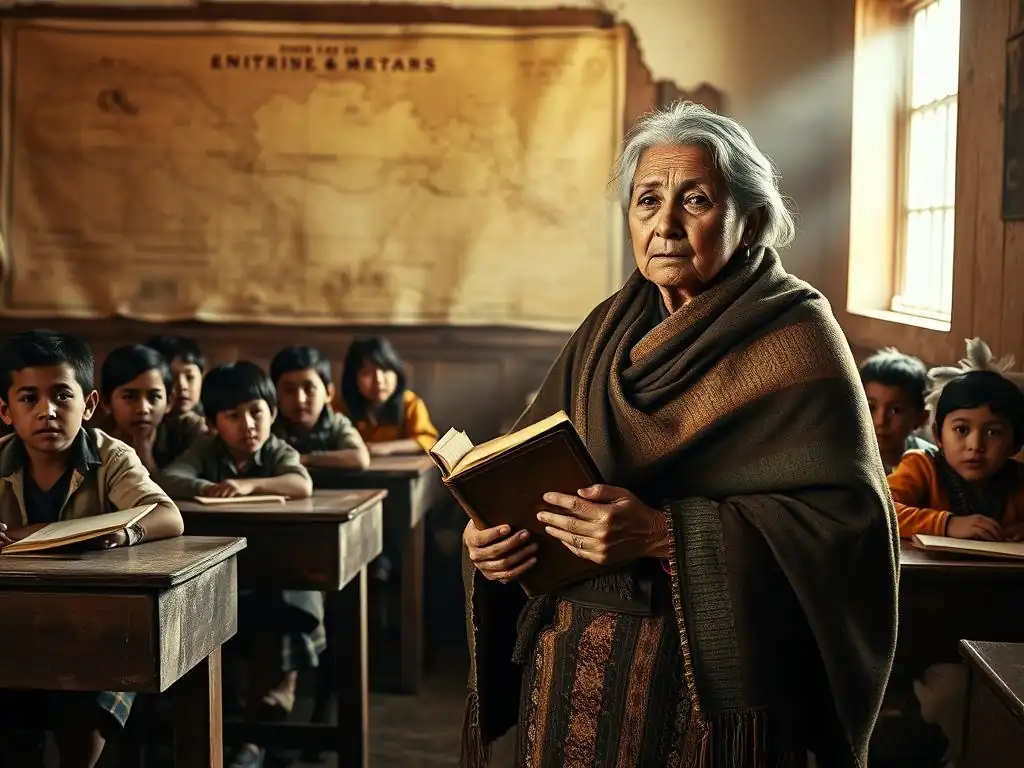
Several historical events have profoundly impacted Indigenous education and contributed to ongoing disparities. One of the most significant events was the establishment of residential schools in the late 19th and early 20th centuries, where Indigenous children were forcibly removed from their families and communities. These institutions aimed to assimilate Indigenous youth into Western culture, resulting in the loss of language, culture, and identity for generations.
Additionally, policies such as the Indian Act in Canada and similar legislation in other countries have perpetuated systemic inequalities, marginalizing Indigenous voices in educational governance. The legacy of colonization continues to influence contemporary education systems, creating barriers that prevent Indigenous students from receiving a fair and equitable education.
The Role of Policies and Legislation in Perpetuating Injustices
Policies and legislation have historically played a significant role in perpetuating injustices within Indigenous education. Many government policies have prioritized assimilation over the preservation of Indigenous cultures, leading to the marginalization of Indigenous knowledge systems. For instance, the lack of legal recognition for Indigenous languages and educational approaches has resulted in the underfunding of Indigenous schools and programs.
Furthermore, inadequate representation of Indigenous peoples in policy-making processes has led to decisions that do not reflect the needs or perspectives of Indigenous communities. Addressing these historical injustices requires a reevaluation of existing policies and a commitment to inclusive and equitable educational reform that respects Indigenous sovereignty.
Case Studies of Specific Indigenous Communities Affected by Injustices
Examining specific case studies of Indigenous communities provides insight into the impacts of historical injustices on education. For instance, the Navajo Nation in the United States has faced significant challenges in education due to historical neglect and funding disparities. Despite efforts to revitalize their language and cultural practices within schools, many students still grapple with high dropout rates and limited access to resources.
Another example is the First Nations communities in Canada, where the legacy of residential schools continues to affect educational outcomes. Initiatives aimed at integrating Indigenous perspectives into the curriculum have met with varying degrees of success, highlighting the ongoing struggle for equitable education.
These case studies illustrate the complex interplay between historical injustices and contemporary educational challenges, emphasizing the need for targeted efforts to bridge these gaps and promote healing within Indigenous education systems.
Strategies for Addressing Historical Injustices in Indigenous Education
Addressing historical injustices in Indigenous education requires a multifaceted approach that acknowledges past wrongs while actively working toward a more equitable future. Key strategies include integrating Indigenous knowledge into curricula, fostering community involvement in educational reform, and advocating for policy changes that support Indigenous education. By employing these strategies, educators can contribute to healing and empowerment within Indigenous communities while enriching the educational experience for all students.
Integrating Indigenous Knowledge and Perspectives into Curricula
Integrating Indigenous knowledge and perspectives into educational curricula is vital for fostering understanding and respect for Indigenous cultures and histories. This integration can take various forms, including:
- Curriculum Development: Collaborating with Indigenous scholars and community leaders to develop curricula that reflect Indigenous perspectives, histories, and contributions.
- Interdisciplinary Approaches: Incorporating Indigenous viewpoints across subjects such as history, science, and literature to showcase the interconnectedness of knowledge systems.
- Traditional Ecological Knowledge (TEK): Utilizing TEK as a framework for teaching environmental science, emphasizing Indigenous practices and philosophies related to land stewardship and sustainability.
By embedding Indigenous knowledge into curricula, educators can create a more inclusive learning environment that acknowledges and values the rich heritage of Indigenous peoples.
Community Involvement in Educational Reform
Community involvement is crucial in reforming educational systems to better serve Indigenous students. Engaging Indigenous communities in the educational process can lead to more relevant and culturally appropriate learning experiences. Key aspects of community involvement include:
- Collaborative Partnerships: Building partnerships between schools and Indigenous communities to ensure that educational practices reflect community values and traditions.
- Community Advisory Boards: Establishing advisory boards composed of community members to provide input on educational policies, programs, and curricula.
- Cultural Events and Activities: Incorporating community-led cultural events and activities into the school calendar to promote engagement and cultural exchange.
Effective community involvement helps bridge the gap between schools and Indigenous communities, fostering a sense of belonging and empowerment among Indigenous students.
Advocacy for Policy Changes Supporting Indigenous Education
Advocacy is essential for implementing systemic changes that address historical injustices in Indigenous education. Educators and allies can play a significant role by:
- Raising Awareness: Educating peers, policymakers, and the public about the historical injustices faced by Indigenous peoples in education and the importance of equitable policies.
- Lobbying for Policy Reforms: Working with Indigenous organizations to advocate for policies that support Indigenous education, such as increased funding for Indigenous schools or the inclusion of Indigenous languages in the curriculum.
- Participating in Legislative Processes: Engaging in local, state, and national discussions about education policies that impact Indigenous students, ensuring that Indigenous voices are heard and considered.
Advocacy efforts can lead to meaningful changes in educational policies, ultimately fostering a more just and equitable educational landscape for Indigenous students.
Best Practices for Educators in Teaching Indigenous History
Educators play a crucial role in teaching Indigenous history responsibly and effectively. Best practices for teaching this subject include culturally responsive teaching methods, building relationships with Indigenous communities, and utilizing appropriate resources and materials.
Culturally Responsive Teaching Methods
Culturally responsive teaching methods are essential for creating a supportive learning environment for Indigenous students. These methods involve:
- Recognizing Cultural Context: Understanding the cultural backgrounds of Indigenous students and incorporating their experiences into the learning process.
- Differentiated Instruction: Adapting teaching strategies to meet the diverse needs of students, allowing for varied expressions of learning and understanding.
- Inclusive Assessment Practices: Implementing assessment methods that honor Indigenous ways of knowing and learning, rather than relying solely on traditional testing formats.
By embracing culturally responsive teaching, educators can foster a classroom atmosphere that validates and honors Indigenous identities and experiences.
Building Relationships with Indigenous Communities
Building strong relationships with Indigenous communities is foundational for effective teaching of Indigenous history. Educators can foster these relationships by:
- Engaging with Local Communities: Actively participating in community events, gatherings, and initiatives to establish trust and mutual respect.
- Inviting Guest Speakers: Bringing in Indigenous elders, leaders, and knowledge keepers to share their perspectives and stories with students.
- Collaborating on Projects: Working with Indigenous communities on joint educational projects that highlight local history, culture, and contemporary issues.
These relationships not only enhance students' learning experiences but also help to dismantle stereotypes and promote a more accurate understanding of Indigenous histories and cultures.
Resources and Materials for Teaching Indigenous History
Utilizing appropriate resources and materials is crucial for effectively teaching Indigenous history. Educators can enhance their teaching by accessing:
- Books and Articles: Selecting literature authored by Indigenous writers, scholars, and historians that provide accurate and respectful representations of Indigenous experiences.
- Documentaries and Films: Incorporating visual media that depict Indigenous histories, cultures, and contemporary issues from Indigenous perspectives.
- Online Resources: Utilizing websites and digital platforms dedicated to Indigenous education, which often provide lesson plans, teaching guides, and multimedia resources.
By using diverse and authentic resources, educators can create a rich and engaging curriculum that honors Indigenous histories and cultures while addressing historical injustices in education.
Conclusion: Moving Forward in Indigenous Education
The journey toward rectifying historical injustices in indigenous education is not only essential but also a profound opportunity for growth and reconciliation. By understanding and addressing the past, we can pave the way for a more equitable educational landscape that honors indigenous cultures, histories, and contributions. Moving forward requires collaboration among educators, policymakers, and indigenous communities to ensure that educational curricula reflect the diverse narratives and experiences of indigenous peoples. This commitment will foster a more inclusive society and help dismantle systemic barriers that have hindered the progress of indigenous education.
The Importance of Acknowledging and Addressing Historical Injustices
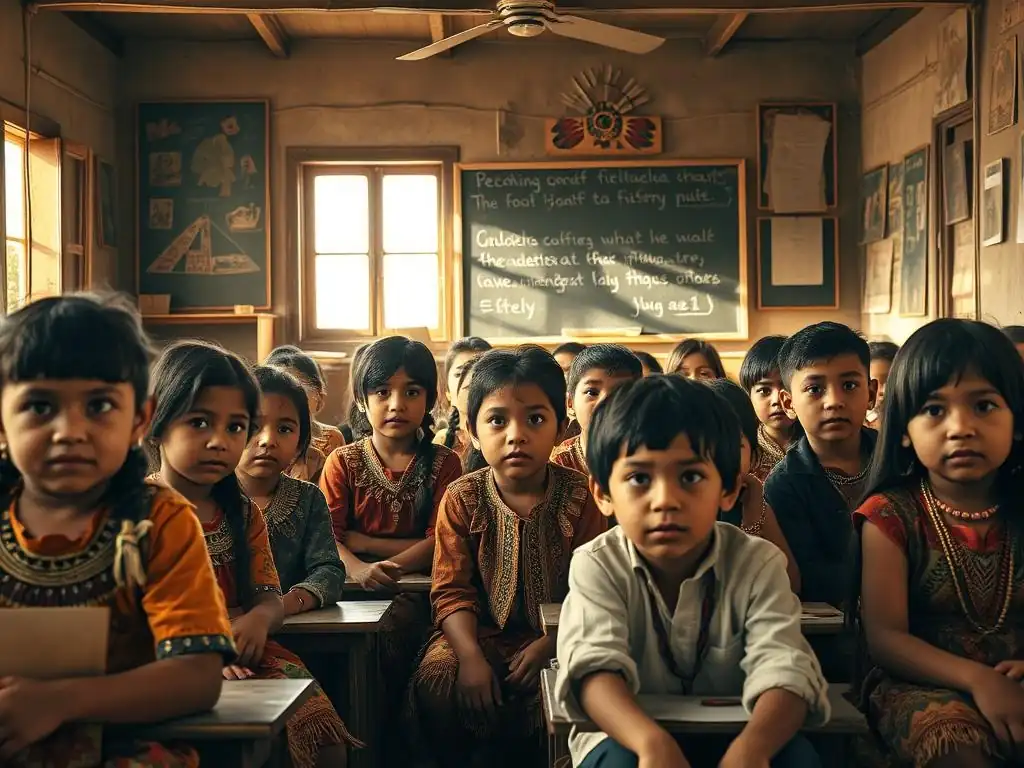
Acknowledging and addressing historical injustices is crucial for several reasons. First, it recognizes the pain and suffering endured by indigenous communities due to colonial policies and practices. This recognition is a vital step in the healing process, allowing for the restoration of dignity and respect for indigenous identities. Furthermore, understanding the context of these injustices enables educators to create a more accurate and comprehensive curriculum that reflects the true history of the Americas.
Moreover, addressing these injustices can foster a more inclusive environment for all students. When indigenous histories and perspectives are integrated into educational frameworks, it promotes cultural awareness and respect among non-indigenous students, which is critical for building a harmonious society. This inclusive approach not only enriches the learning experience but also prepares students to engage thoughtfully with the complexities of history and culture.
Call to Action for Educators and Policymakers in Indigenous Education
Educators and policymakers must take decisive action to rectify the historical injustices embedded in indigenous education. Here are several steps that can be taken:
- Implement Culturally Relevant Curriculum: Schools should incorporate indigenous perspectives and teachings into their curricula, ensuring that students learn about the rich histories, cultures, and contributions of indigenous peoples.
- Engage Indigenous Communities: Policymakers should actively involve indigenous leaders, elders, and educators in the development of educational policies and programs. This collaboration ensures that the solutions are grounded in the needs and desires of the communities they aim to serve.
- Provide Professional Development: Educators must receive training on indigenous histories and pedagogies to effectively teach these subjects. Continuous professional development can help teachers understand the importance of culturally responsive teaching.
- Advocate for Policy Changes: Policymakers need to advocate for systemic changes that address funding disparities and support indigenous educational institutions. This includes promoting policies that prioritize indigenous voices in educational governance.
By taking these actions, educators and policymakers can contribute to a more just and equitable educational system that honors the histories and futures of indigenous peoples.
References and Further Reading on Indigenous Education Historical Injustices
To deepen understanding and engagement with the topic of indigenous education historical injustices, the following resources are invaluable:
Recommended Books and Articles
-
"An Indigenous Peoples' History of the United States" by Roxanne Dunbar-Ortiz
A critical examination of U.S. history from the perspective of indigenous peoples, highlighting their resistance and resilience.
-
"Culturally Responsive Teaching: Theory, Research, and Practice" by Geneva Gay
This book explores the principles of culturally responsive pedagogy and its importance in addressing educational inequities.
-
"Decolonizing Education: Nourishing the Learning Spirit" by Marie Battiste
A compelling argument for the integration of indigenous knowledge into education and the decolonization of the educational system.
Online Resources and Organizations Focused on Indigenous Education
-
National Indian Education Association (NIEA)
An organization dedicated to advocating for the education of Native American students and promoting policies that support indigenous education.
-
American Indian College Fund
This organization provides scholarships and support for Native American students attending college, as well as funding for tribal colleges.
-
Indigenous Education Coalition
A collective of indigenous educators and advocates working to improve educational outcomes for indigenous students through policy change and community engagement.
These resources are essential for anyone looking to understand the nuances of indigenous education historical injustices and to contribute to positive change in the educational landscape.
- Introduction to Indigenous Education Historical Injustices
- Overview of Historical Injustices in Indigenous Education
- Importance of Addressing These Injustices in Modern Education
- Understanding the Impact of Colonization on Indigenous Education
- The Disruption of Traditional Indigenous Educational Practices
- Long-Term Effects of Colonization on Indigenous Education
- Current State of Indigenous Education
- Recognizing Historical Injustices in Indigenous Education
- Strategies for Addressing Historical Injustices in Indigenous Education
- Best Practices for Educators in Teaching Indigenous History
- Conclusion: Moving Forward in Indigenous Education
- The Importance of Acknowledging and Addressing Historical Injustices
- Call to Action for Educators and Policymakers in Indigenous Education
- References and Further Reading on Indigenous Education Historical Injustices
- What are the main themes of the article "Bridging the Gap: How to Address Historical Injustices in Indigenous Education"?
- How does the article define historical injustices in the context of indigenous education?
- What solutions does the article propose for improving indigenous education?
- Why is it important to address injustices in indigenous education?
- How does the article highlight the impact of indigenous education on communities?
Frequently Asked Questions
What are the main themes of the article "Bridging the Gap: How to Address Historical Injustices in Indigenous Education"?
The article discusses historical injustices faced by indigenous communities in education, emphasizing the need for reform to foster equity and respect for indigenous knowledge and cultures.
How does the article define historical injustices in the context of indigenous education?
Historical injustices in indigenous education refer to the systematic marginalization and erasure of indigenous cultures, languages, and practices in educational systems, leading to lasting socioeconomic disparities.
What solutions does the article propose for improving indigenous education?
The article suggests implementing culturally relevant curricula, community involvement, and policy reforms that recognize and integrate indigenous perspectives, ultimately aiming to create an inclusive educational environment.
Why is it important to address injustices in indigenous education?
Addressing these injustices is crucial for promoting social justice, preserving cultural heritage, and ensuring that indigenous students receive a fair and equitable education that respects their identity and traditions.
How does the article highlight the impact of indigenous education on communities?
The article illustrates that effective indigenous education empowers communities, fosters self-determination, and contributes to the revitalization of languages and traditions, leading to stronger, more resilient societies.
Final Reflection: Confronting Historical Injustices in Indigenous Education
The journey towards addressing historical injustices in Indigenous education is not merely a matter of rectifying past wrongs; it is a vital step towards fostering a more equitable future. Today, as we witness a growing recognition of the importance of Indigenous voices and perspectives in education, it becomes increasingly clear that the legacy of colonialism continues to shape the educational landscape. We must confront these injustices head-on to ensure that all students, regardless of their background, have access to a fair and inclusive education.
Cultural narratives and educational practices are evolving, but the scars of historical injustices remain deeply embedded in our systems. The impact of these injustices is felt not only by Indigenous communities but also by society as a whole, as we collectively strive for reconciliation and understanding. Education is the most powerful weapon which you can use to change the world.
- Nelson Mandela. This quote resonates profoundly within the context of Indigenous education, as it underscores the transformative power of education when it is rooted in respect, inclusivity, and acknowledgment of past wrongs.
As we reflect on the insights shared in this article, I invite you to consider your role in this ongoing journey. How can you contribute to bridging the gap in Indigenous education? Whether through advocacy, education, or simply by listening to Indigenous voices, each of us has the capacity to make a difference. Let us commit to fostering an environment where historical injustices are acknowledged, and Indigenous knowledge is celebrated, paving the way for a brighter, more inclusive future for all.
Empower Change: Take Action for Indigenous Education Today!
Thank you for taking the time to explore the crucial topic of historical injustices in Indigenous education. By gaining insight into these issues, you've taken a significant step towards understanding the challenges faced by Indigenous communities. Now, let’s transform that knowledge into impactful actions!
Here are some clear steps you can take to contribute to meaningful change:
- Advocate for Policy Changes: Reach out to your local representatives to support policies that promote equitable education for Indigenous students. Your voice matters!
- Engage with Indigenous Voices: Participate in community forums or events that emphasize Indigenous perspectives on education. This will deepen your understanding and support initiatives led by Indigenous communities.
- Share What You've Learned: Increase awareness by sharing this article with friends and family. Encourage discussions on how we can collectively address the gaps in education.
What innovative ideas do you think could further enhance Indigenous education in your community? Let's discuss!