
The Importance of Indigenous Voices: How Awareness Initiatives Are Changing Perceptions

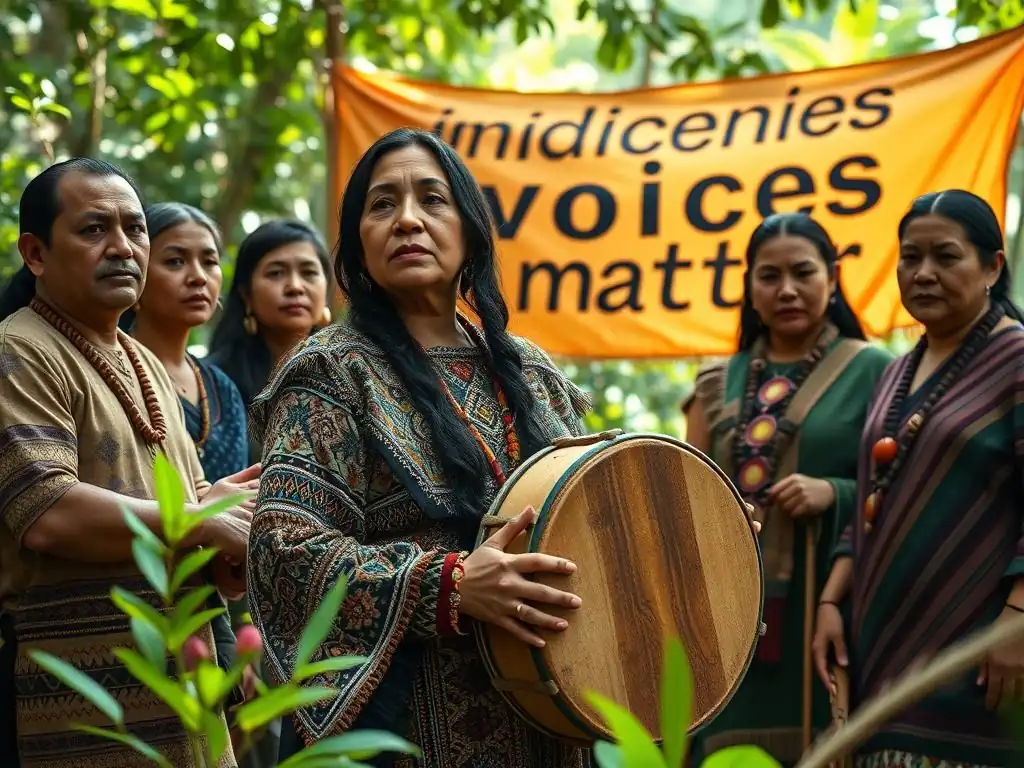
Welcome to Indigenous Civilizations of the Americas, where we invite you to embark on a journey through time to discover the rich tapestry of indigenous cultures that flourished long before European contact. Our featured article, “The Importance of Indigenous Voices: How Awareness Initiatives Are Changing Perceptions,” delves into the transformative power of indigenous voices awareness initiatives. These initiatives are not only reshaping how we view history but also amplifying the narratives that deserve to be heard.
As you explore our site, prepare to uncover the profound achievements and contributions of these vibrant societies, and see how their legacies continue to influence the world today. Dive in and let your curiosity lead the way!
Introduction to Indigenous Voices Awareness Initiatives
In recent years, there has been a significant shift in how societies perceive and engage with the rich tapestry of indigenous cultures that flourished across the Americas long before European colonization. This shift has been propelled by awareness initiatives that aim to amplify indigenous voices, fostering a broader understanding of their histories, contributions, and contemporary challenges. Such initiatives not only seek to educate the public but also work towards rectifying historical injustices and recognizing the vital role that indigenous communities play in our global society today.
These awareness initiatives encompass a variety of platforms and methods, ranging from educational programs and art exhibitions to social media campaigns and community events. By highlighting the achievements and ongoing struggles of indigenous peoples, these initiatives strive to change perceptions and encourage a more inclusive narrative that acknowledges the complexity and diversity of indigenous experiences. It's crucial to recognize that indigenous voices are not merely relics of the past; they are dynamic and essential parts of our present and future.
The Role of Indigenous Voices in Modern Society
Indigenous voices serve as powerful catalysts for change in modern society. They bring forth unique perspectives and insights that challenge dominant narratives, enriching discussions on social justice, environmental stewardship, and cultural preservation. Here are some key aspects of their role:
- Cultural Revitalization: Indigenous initiatives often focus on the revival and preservation of languages, traditions, and practices that have been threatened by colonization and globalization. This revitalization not only benefits indigenous communities but also enriches the cultural landscape for all.
- Environmental Stewardship: Many indigenous communities have a deep-rooted connection to their lands and ecosystems. Their traditional ecological knowledge offers valuable insights into sustainable practices that can combat climate change and promote biodiversity.
- Advocacy and Representation: Indigenous voices are crucial in advocating for rights and recognition within political, social, and economic spheres. Through awareness initiatives, they can mobilize support and drive policy changes that reflect their needs and aspirations.
- Education and Awareness: These initiatives play a vital role in educating the public about indigenous histories, cultures, and contributions. This education fosters empathy, understanding, and respect, which are essential for building inclusive societies.
By amplifying indigenous voices, awareness initiatives not only celebrate the resilience and richness of these cultures but also pave the way for a more equitable and just future. The transformation of perceptions surrounding indigenous peoples is essential for fostering reconciliation and ensuring that their rights and contributions are acknowledged and respected.
- Introduction to Indigenous Voices Awareness Initiatives
- The Role of Indigenous Voices in Modern Society
- What are indigenous voices awareness initiatives?
- How do these initiatives impact perceptions of indigenous cultures?
- Why is it important to elevate indigenous voices?
- What role do awareness initiatives play in preserving indigenous cultures?
- How can individuals support indigenous voices awareness initiatives?
Understanding Indigenous Voices
The concept of indigenous voices refers to the perspectives, experiences, and cultural expressions of the original inhabitants of the Americas. These voices are crucial in understanding the rich tapestry of history that predates European colonization. By emphasizing indigenous narratives, we not only honor the legacy of these cultures but also challenge prevailing misconceptions that have historically marginalized their contributions and ongoing relevance.
Defining Indigenous Cultures and Their Contributions
Indigenous cultures across the Americas are incredibly diverse, encompassing a wide range of languages, traditions, and social structures. These cultures, including but not limited to the Navajo, Lakota, Quechua, and Inuit, have made significant contributions in various fields:
- Agriculture: Indigenous peoples developed advanced agricultural techniques, such as the Three Sisters method of planting corn, beans, and squash together to enhance growth and sustainability.
- Art and Craftsmanship: From intricate pottery and weaving to stunning beadwork, indigenous art reflects not only aesthetic values but also deep cultural meanings and stories.
- Governance: Many indigenous societies practiced sophisticated forms of governance. For instance, the Iroquois Confederacy is often cited as a model that influenced democratic principles in the United States.
- Ecological Knowledge: Indigenous peoples possess a profound understanding of local ecosystems, often employing sustainable practices that exemplify environmental stewardship.
These contributions underscore the importance of acknowledging and integrating indigenous knowledge into contemporary discussions about sustainability, governance, and cultural heritage.
The Significance of Indigenous Perspectives in Historical Context
Understanding indigenous perspectives is vital for a comprehensive view of history. Traditionally, narratives surrounding the Americas have often centered on European viewpoints, neglecting the rich histories and experiences of indigenous peoples. This lack of representation has perpetuated stereotypes and inaccuracies. By elevating indigenous voices, we can achieve a more nuanced historical understanding.
Key points to consider include:
- Historical Erasure: Many histories have omitted or glossed over indigenous experiences, leading to a skewed understanding of events like colonization, land treaties, and conflicts.
- Cultural Resilience: Despite centuries of oppression, indigenous cultures have shown remarkable resilience. Their continued struggle for rights and recognition is a testament to their enduring strength and adaptability.
- Reconciliation Efforts: Awareness initiatives aim to rectify historical injustices and foster reconciliation. Programs that promote indigenous storytelling and education help bridge gaps in understanding and build mutual respect.
Incorporating indigenous voices into historical narratives not only enriches our understanding of the past but also informs current and future initiatives aimed at social justice and equity. Awareness initiatives play a pivotal role in this process, ensuring that these voices are heard and respected in the ongoing dialogue about cultural identity and heritage.
The Impact of Awareness Initiatives
Overview of Current Awareness Initiatives for Indigenous Voices
Awareness initiatives aimed at amplifying indigenous voices have become increasingly significant in recent years. These programs are designed to educate the broader public about the unique histories, cultures, and contributions of indigenous peoples throughout the Americas. They aim to combat stereotypes, foster respect, and promote understanding between indigenous and non-indigenous communities. Below are some notable initiatives actively working to uplift indigenous voices:
- National Indigenous Peoples Day: Celebrated in Canada, this initiative encourages communities to participate in events showcasing indigenous cultures through art, music, and storytelling, fostering a deeper appreciation for indigenous heritage.
- Indigenous Heritage Month: Observed in various countries, this month-long celebration often includes educational programming in schools and communities, highlighting indigenous history, languages, and traditions.
- Social Media Campaigns: Platforms like Instagram and Twitter have been leveraged for campaigns like #IndigenousPeoplesDay, which challenge the narratives surrounding colonial history and celebrate indigenous resilience.
- Documentary Series and Films: Productions such as "Rumble: The Indians Who Rocked the World" highlight the contributions of indigenous musicians to popular culture, enhancing visibility and awareness of their stories.
These initiatives not only raise awareness but also empower indigenous communities by providing them with a platform to share their narratives and engage with wider audiences.
Case Studies: Successful Awareness Campaigns and Their Outcomes
Several awareness campaigns have successfully changed perceptions about indigenous peoples, showcasing the effectiveness of concerted efforts. Here are a few noteworthy case studies:
- "We Are Still Here" Campaign
- Objective: To challenge the misconception that indigenous cultures are extinct.
- Outcome: This campaign utilized various media platforms to share stories of contemporary indigenous life, resulting in increased participation in cultural events and educational programs. Feedback indicated a significant increase in understanding and appreciation of indigenous cultures among non-indigenous audiences.
- "Native American Heritage Month"
- Objective: To increase awareness and appreciation of the rich cultures of Native Americans.
- Outcome: Each November, a series of events including lectures, art exhibits, and educational workshops occur nationwide. Surveys conducted post-events show that over 70% of participants felt more informed about Native American histories and ongoing issues.
- "Indigenous Peoples' Day" Initiatives
- Objective: To replace Columbus Day with a celebration of indigenous histories.
- Outcome: Cities that adopted this change reported increased involvement from local indigenous communities in planning events. These initiatives have led to a greater public understanding of the impacts of colonization and the ongoing struggles faced by indigenous peoples today.
- "Indigenous Voices" Podcast Series
- Objective: To create a platform for indigenous individuals to share their stories and perspectives.
- Outcome: Launched in 2020, this podcast series has gained a substantial following, with thousands of downloads per episode. Listeners reported feeling more connected to the issues discussed, leading to increased advocacy and support for indigenous rights.
These case studies exemplify how indigenous voices awareness initiatives can foster understanding, respect, and advocacy, ultimately leading to a more informed and empathetic society. The successes of these campaigns highlight the importance of visibility and representation in changing perceptions and driving social change.
Changing Perceptions Through Education
Educational Programs Promoting Indigenous Voices
Educational programs are pivotal in amplifying indigenous voices and altering public perception of indigenous cultures. These initiatives often serve as platforms for sharing the rich histories, traditions, and contributions of indigenous peoples, which have been marginalized or misrepresented in mainstream narratives.
Key Components of Effective Educational Programs:
- Curriculum Development: Many programs focus on integrating indigenous perspectives into school curricula. This includes the development of materials that highlight indigenous achievements in various fields, such as agriculture, governance, art, and spirituality.
- Cultural Workshops: Programs often host workshops where indigenous leaders and educators share traditional knowledge, storytelling, and cultural practices. These experiences foster a deeper understanding of the values and worldviews of indigenous communities.
- Collaborative Learning: Partnering with indigenous organizations and communities ensures that the programs are respectful and accurately reflect indigenous cultures. This collaborative approach helps build trust and encourages active participation from both educators and indigenous community members.
- Digital and Multimedia Resources: Utilizing technology, many initiatives create online platforms and multimedia content that share indigenous voices through podcasts, documentaries, and interactive websites. This not only broadens access but also engages a younger audience.
Statistics show that students exposed to indigenous perspectives in their education demonstrate increased empathy and respect for cultural diversity. For example, a study conducted in certain regions of Canada found that students participating in indigenous education programs showed a 40% increase in positive attitudes towards indigenous peoples.
How Awareness Initiatives Foster Understanding and Respect
Awareness initiatives play a crucial role in fostering understanding and respect for indigenous cultures. By bringing indigenous voices to the forefront, these initiatives challenge stereotypes and promote a more nuanced view of indigenous communities.
Strategies Employed in Awareness Initiatives:
- Community Events: Festivals, art exhibitions, and cultural celebrations are organized to showcase indigenous art, music, and traditions. These events create opportunities for dialogue and interaction between indigenous peoples and the broader community.
- Media Campaigns: Many initiatives utilize social media and traditional media platforms to disseminate information about indigenous issues, achievements, and perspectives. Engaging storytelling in these campaigns helps to humanize indigenous experiences and counteract negative portrayals.
- Public Speaking Engagements: Inviting indigenous leaders, activists, and scholars to speak at conferences, schools, and community centers fosters direct engagement with the public. These speakers share personal narratives and insights that resonate with diverse audiences, helping to dismantle preconceived notions.
- Collaborative Projects: Initiatives that involve joint projects between indigenous communities and non-indigenous groups encourage mutual learning and respect. Such projects can include environmental stewardship, cultural exchange, and historical research.
Awareness initiatives have demonstrated their effectiveness in changing perceptions. For instance, a national survey found that participants in awareness programs reported a 60% increase in understanding indigenous issues and a 50% increase in respect for indigenous cultures.
The emphasis on indigenous voices awareness initiatives within educational and public awareness frameworks is essential for fostering a more informed and respectful society. By prioritizing indigenous perspectives, these initiatives not only enhance cultural understanding but also contribute to social justice and equity for indigenous communities.
Challenges Faced by Indigenous Voices
Common Misconceptions About Indigenous Cultures
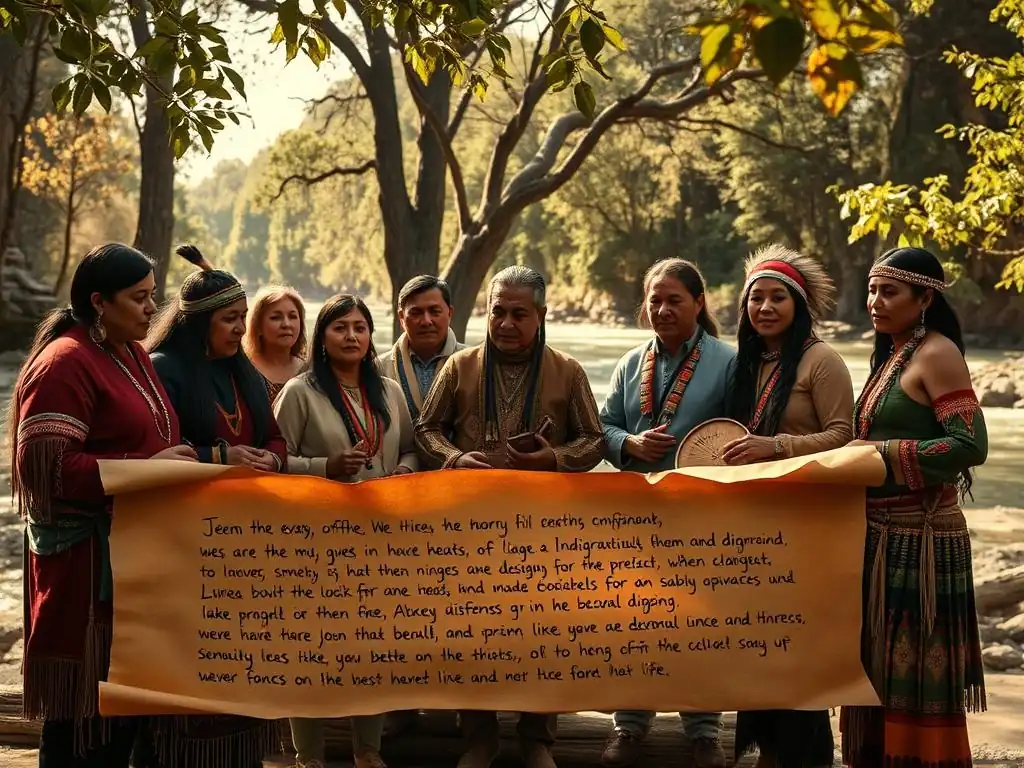
Indigenous cultures in the Americas are often surrounded by misconceptions that can hinder the effectiveness of awareness initiatives. These misunderstandings are not only detrimental to the representation of indigenous voices but also perpetuate stereotypes that undermine their rich historical and cultural significance.
- Homogeneity Assumption: One prevalent misconception is the belief that all indigenous cultures are the same. This assumption overlooks the vast diversity among indigenous groups, each with its own unique languages, traditions, and social structures. For example, the cultural practices of the Navajo Nation differ significantly from those of the Inuit, despite both being classified as indigenous peoples.
- Outdated Narratives: Many awareness initiatives struggle against outdated narratives that portray indigenous peoples as relics of the past. This perspective fails to recognize that indigenous communities are dynamic and continue to adapt while maintaining their cultural identities. For instance, modern indigenous artists are increasingly using contemporary mediums to express traditional themes, bridging the gap between the past and present.
- Victimhood Framing: Another common misconception is framing indigenous peoples solely as victims of colonization. While historical injustices are undeniable, such framing can overshadow the resilience, agency, and contributions of these communities. Highlighting contemporary indigenous leaders and their initiatives demonstrates that indigenous voices are not just about survival; they are about thriving and influencing the future.
By addressing these misconceptions, awareness initiatives can create a more nuanced understanding of indigenous cultures, fostering respect and appreciation for their contributions to society.
Barriers to Effective Awareness Initiatives
Despite the growing recognition of the importance of indigenous voices, several barriers hinder the effectiveness of awareness initiatives. Understanding these obstacles is crucial for developing strategies that promote genuine engagement with indigenous communities.
- Limited Representation: Many awareness initiatives suffer from a lack of authentic representation. When indigenous voices are not included in the planning and execution of these initiatives, the messaging can be misaligned with the actual needs and perspectives of indigenous communities. For instance, initiatives that do not involve indigenous leaders often miss critical cultural nuances, leading to misinterpretations.
- Funding and Resource Constraints: Financial limitations can severely impact the scope and reach of awareness initiatives. Many programs aimed at promoting indigenous voices rely on grants and donations, which may not be consistently available. As a result, initiatives can struggle to maintain momentum or expand their impact. Securing sustainable funding is essential for the long-term success of these programs.
- Cultural Sensitivity: Awareness initiatives must navigate the complexities of cultural sensitivity. Missteps in honoring indigenous traditions or practices can lead to backlash and further alienate communities. For example, using indigenous symbols without permission can be seen as cultural appropriation, which undermines trust and cooperation between indigenous groups and awareness organizations.
- Digital Divide: The shift towards digital platforms for awareness campaigns can inadvertently exclude some indigenous communities that may lack access to technology. This digital divide can hinder participation and limit the reach of initiatives. Ensuring that awareness campaigns are accessible through various formats, including in-person events and print materials, can help bridge this gap.
By addressing these barriers, stakeholders can create more effective awareness initiatives that amplify indigenous voices and foster a deeper understanding of their cultures.
Strategies for Effective Awareness Initiatives
Engaging Indigenous Communities in Awareness Efforts
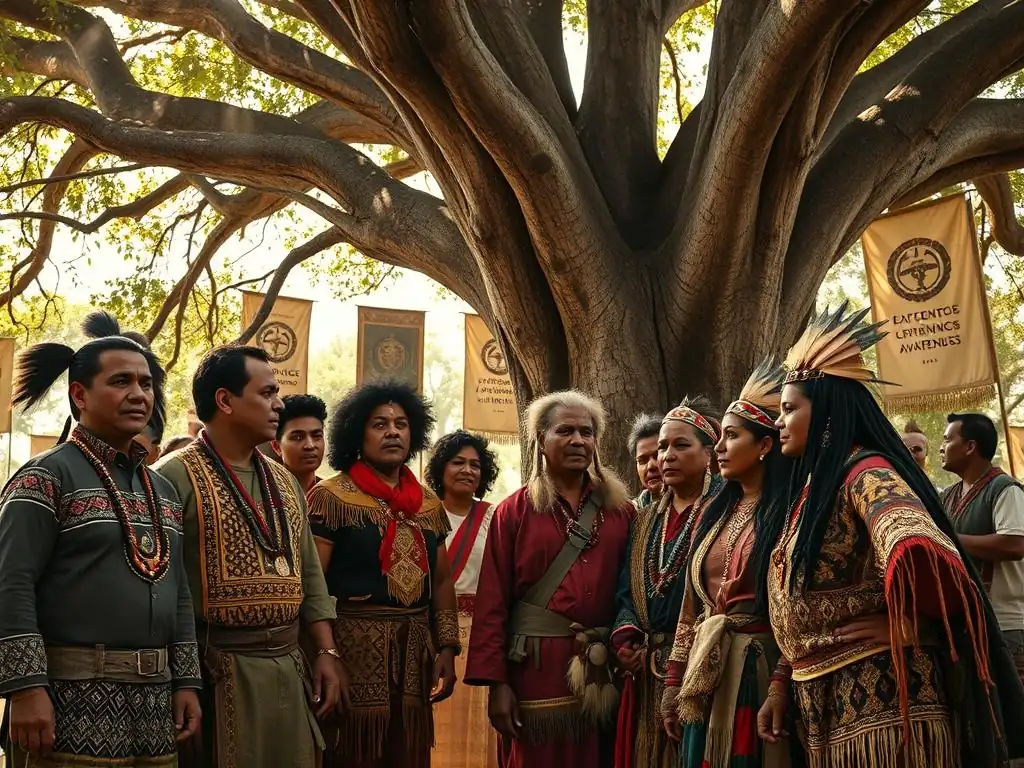
Engaging indigenous communities is crucial for the success of awareness initiatives aimed at amplifying indigenous voices. This engagement not only fosters trust but also ensures that the initiatives are culturally relevant and reflective of the communities’ values and needs. Here are some effective strategies to consider:
- Collaborative Planning: Involve indigenous leaders and community members in the planning process. This can include:
- Conducting Workshops: Facilitate workshops to gather input and feedback on proposed initiatives.
- Cultural Advisory Boards: Establish advisory boards composed of community members to guide the initiative's direction.
- Culturally Relevant Content: Develop materials that resonate with the community. This involves:
- Using Indigenous Languages: Incorporate native languages in educational materials.
- Storytelling: Employ traditional storytelling techniques to convey messages, making them more relatable.
- Building Relationships: Trust is paramount. Building long-term relationships with indigenous communities can be achieved through:
- Consistent Communication: Maintain open lines of communication and regularly update communities on initiative progress.
- Respecting Traditions: Show respect towards indigenous customs and practices, demonstrating an understanding of their significance.
- Empowerment through Education: Educate both indigenous and non-indigenous audiences about the importance of indigenous voices. This can include:
- Workshops and Seminars: Organize events that educate participants about indigenous histories, cultures, and current issues.
- Mentorship Programs: Create mentorship opportunities where younger indigenous individuals can learn from elders about cultural practices and advocacy.
By implementing these strategies, awareness initiatives can effectively engage indigenous communities, ensuring that their voices are amplified and respected.
Utilizing Digital Platforms to Amplify Indigenous Voices
Digital platforms play a pivotal role in the dissemination of information and the amplification of indigenous voices. The internet provides a unique opportunity to reach wider audiences and share indigenous perspectives on a global scale. Here are some ways to leverage digital platforms effectively:
- Social Media Campaigns: Utilize platforms like Facebook, Instagram, and Twitter to create engaging content. This can involve:
- Hashtags: Develop specific hashtags related to indigenous issues to foster community conversation (e.g., #IndigenousVoices).
- Visual Storytelling: Share images and videos that highlight indigenous culture, struggles, and achievements.
- Podcasts and Webinars: Launch educational series that focus on indigenous topics. These can include:
- Interviews with Community Leaders: Feature discussions with indigenous leaders to share their insights and experiences.
- Interactive Q&A Sessions: Host live sessions where audiences can ask questions and engage directly with indigenous speakers.
- Online Resource Hubs: Create centralized platforms where information about indigenous cultures, history, and current initiatives can be accessed. This may involve:
- Blogs and Articles: Publish content that explores various aspects of indigenous life and perspectives.
- Resource Libraries: Curate a collection of educational materials, research papers, and multimedia resources.
- Crowdfunding and Sponsorships: Use crowdfunding platforms to support indigenous-led initiatives. This can include:
- Campaigns for Specific Projects: Launch funding campaigns for community-driven projects that aim to preserve indigenous culture.
- Partnerships with Organizations: Collaborate with NGOs and other organizations that support indigenous causes to amplify outreach efforts.
By utilizing these digital strategies, awareness initiatives can significantly increase the visibility of indigenous voices and foster a greater understanding of their contributions and challenges within society.
The Future of Indigenous Voices Awareness Initiatives
Trends in Public Awareness Initiatives
In recent years, there has been a significant shift in the landscape of public awareness initiatives aimed at amplifying indigenous voices. These trends reflect a growing recognition of the importance of including indigenous perspectives in national narratives and educational curricula.
- Digital Activism: With the rise of social media platforms, indigenous communities have harnessed technology to advocate for their rights and cultural representation. Campaigns like #IndigenousPeoplesDay and #NoDAPL (No Dakota Access Pipeline) have raised global awareness and facilitated grassroots movements.
- Educational Outreach: Schools and universities are increasingly incorporating indigenous history and culture into their curricula. Initiatives such as Indigenous Peoples' Day, celebrated in various regions, provide opportunities for students to learn about the contributions and challenges faced by indigenous communities.
- Art and Media Representation: There is a noticeable increase in indigenous representation in film, literature, and visual arts. This shift not only provides platforms for indigenous artists but also fosters greater understanding and empathy among broader audiences. For instance, films like "Smoke Signals" and "The Fast Runner" showcase authentic indigenous narratives, challenging stereotypical portrayals.
- Collaborative Partnerships: Non-governmental organizations (NGOs) and indigenous groups are forming partnerships to create awareness campaigns that highlight indigenous issues. These collaborations often include workshops, seminars, and community events that allow for direct engagement and dialogue.
The Role of Policy Changes in Supporting Indigenous Voices
Policy changes play a crucial role in the effectiveness of indigenous voices awareness initiatives. Governments and institutions that prioritize indigenous rights and representation can significantly impact the success of these initiatives.
- Legislation for Indigenous Rights: Countries like Canada and New Zealand have implemented policies that recognize and protect indigenous rights. The United Nations Declaration on the Rights of Indigenous Peoples (UNDRIP) serves as a guiding framework for many countries, encouraging them to uphold the rights of indigenous communities.
- Funding for Awareness Programs: Increased funding for programs that support indigenous voices is essential. Governments and private sectors are beginning to allocate resources for initiatives that promote indigenous culture, language revitalization, and community empowerment.
- Institutional Support: Universities and research institutions are developing programs focused on indigenous studies, enabling the development of academic resources that validate and elevate indigenous perspectives. This institutional acknowledgment helps in dismantling stereotypes and fostering a more inclusive environment.
- Community Engagement: Policies that facilitate community engagement ensure that indigenous voices are not only heard but are actively involved in decision-making processes. This engagement is vital for creating initiatives that genuinely reflect the needs and aspirations of indigenous populations.
Conclusion: The Ongoing Journey of Indigenous Voices
The journey towards amplifying indigenous voices through awareness initiatives is ongoing and multifaceted. While significant strides have been made in recent years, challenges remain. The commitment of individuals, communities, and institutions to recognize and celebrate indigenous cultures is vital for sustaining this momentum.
As awareness initiatives continue to evolve, it is essential to remain vigilant and supportive of indigenous communities’ rights and narratives. The future of these initiatives hinges on collaboration, education, and policy change, all of which contribute to a more equitable representation of indigenous voices in society.
The importance of indigenous voices awareness initiatives cannot be overstated. They serve as a vital conduit for fostering understanding, respect, and appreciation of the diverse cultures that have shaped the Americas long before European colonization. The collective effort to promote these initiatives will undoubtedly lead to a richer, more inclusive future for all.
Call to Action: Supporting Indigenous Voices and Awareness Initiatives
Supporting indigenous voices and awareness initiatives is crucial for fostering a deeper understanding of the rich histories, cultures, and contributions of indigenous peoples. Here are several ways you can contribute to this vital cause:
- Educate Yourself and Others
- Take the time to learn about the diverse indigenous cultures of the Americas. Read books, attend workshops, and participate in community events that focus on indigenous history and contemporary issues.
- Share your knowledge with friends, family, and peers to spread awareness about the importance of indigenous voices in our society.
- Engage with Indigenous Communities
- Attend local events or cultural festivals that celebrate indigenous heritage. This engagement not only provides firsthand experience but also shows support for indigenous initiatives.
- Volunteer your time or skills to organizations that work closely with indigenous communities, helping them promote their culture and rights.
- Support Indigenous Artists and Businesses
- Purchase works from indigenous artists, artisans, and creators. This not only sustains their practices but also elevates their voices in a marketplace that often overlooks them.
- Explore indigenous-run businesses and consider integrating their products into your daily life, thereby supporting economic independence.
- Advocate for Policy Changes
- Stay informed about legislation affecting indigenous communities and advocate for policies that promote their rights and interests. This can include supporting land rights, environmental protection, and cultural preservation.
- Contact your local representatives to express your support for indigenous issues and encourage them to prioritize these matters in their agendas.
- Participate in Awareness Campaigns
- Join or support campaigns that aim to raise awareness about indigenous issues. This could involve social media activism, participating in rallies, or contributing to educational programs.
- Utilize platforms to amplify indigenous voices and share their stories, ensuring that their perspectives are heard and respected.
- Donate to Indigenous Organizations
- Financial support can make a significant impact on the sustainability of indigenous awareness initiatives. Consider donating to organizations dedicated to preserving indigenous cultures, rights, and languages.
- Look for initiatives focusing on education, health, and environmental justice that directly benefit indigenous communities.
By actively participating in these actions, you contribute to a broader movement of recognition and respect for indigenous voices. Each effort, no matter how small, can help shift perceptions and foster a future where indigenous cultures are celebrated and preserved. Together, we can create a more inclusive society that honors the rich tapestry of indigenous heritage across the Americas.
Frequently Asked Questions
What are indigenous voices awareness initiatives?
Indigenous voices awareness initiatives are programs aimed at promoting understanding and recognition of indigenous cultures, their achievements, and their contributions to society.
How do these initiatives impact perceptions of indigenous cultures?
These initiatives help change perceptions by providing education and insight into indigenous histories, fostering respect and appreciation for their diverse traditions and values.
Why is it important to elevate indigenous voices?
Elevating indigenous voices is crucial for ensuring that their stories, perspectives, and rights are acknowledged and respected in contemporary discussions about cultural heritage and social justice.
What role do awareness initiatives play in preserving indigenous cultures?
Awareness initiatives play a significant role in preserving indigenous cultures by promoting cultural exchange, supporting language revitalization, and encouraging community engagement in cultural practices.
How can individuals support indigenous voices awareness initiatives?
Individuals can support these initiatives by educating themselves about indigenous issues, participating in community events, and advocating for policies that promote indigenous rights and representation.
Final Reflection: Elevating Indigenous Voices Through Awareness Initiatives
The importance of indigenous voices awareness initiatives cannot be overstated in today's society. As we navigate a world increasingly aware of social injustices, the need to amplify indigenous perspectives has become a vital part of fostering understanding and reconciliation. The ongoing efforts to highlight these voices are not merely about recognition; they are about reshaping narratives and challenging long-standing misconceptions that have historically marginalized indigenous communities.
The impact of these initiatives is profound, influencing not only how we perceive indigenous cultures but also how we engage with them. By creating platforms for indigenous voices, we are witnessing a cultural renaissance that empowers communities to share their stories, traditions, and knowledge. This shift is essential for building bridges between diverse cultures and fostering a more inclusive society.
As the renowned activist Winona LaDuke once said, "> The future will be about indigenous peoples and how we can work together to create a better world." This sentiment encapsulates the essence of why awareness initiatives are crucial—they pave the way for collaboration and mutual respect.
As you reflect on the themes discussed in this article, I invite you to consider how you can contribute to the elevation of indigenous voices in your own life. Engage with indigenous narratives, support awareness initiatives, and advocate for the inclusion of these perspectives in your community. By doing so, you not only honor the rich heritage of indigenous peoples but also play a part in the broader movement towards equity and justice. Let us all commit to being active participants in this transformative journey, ensuring that indigenous voices are not just heard but celebrated.
Amplify Indigenous Voices Today!
Thank you for taking the time to explore the crucial role of Indigenous voices in shaping perceptions. Your interest highlights the importance of awareness initiatives that foster understanding and respect. Now, it’s time to turn this awareness into action!
Here’s how you can make a difference:
- Join a local awareness campaign: Get involved with organizations that advocate for Indigenous rights and amplify their voices in your community.
- Educate yourself and others: Read literature, watch documentaries, or attend workshops that focus on Indigenous cultures and issues. Share your insights with friends and family!
- Support Indigenous artists and businesses: Explore the unique creations and offerings from Indigenous entrepreneurs, celebrating their talents and heritage.
What step will you take today to support and uplift Indigenous voices in our society? Share your thoughts below!