
Reclaiming Narratives: Successful Campaigns Raising Awareness of Indigenous Civilizations

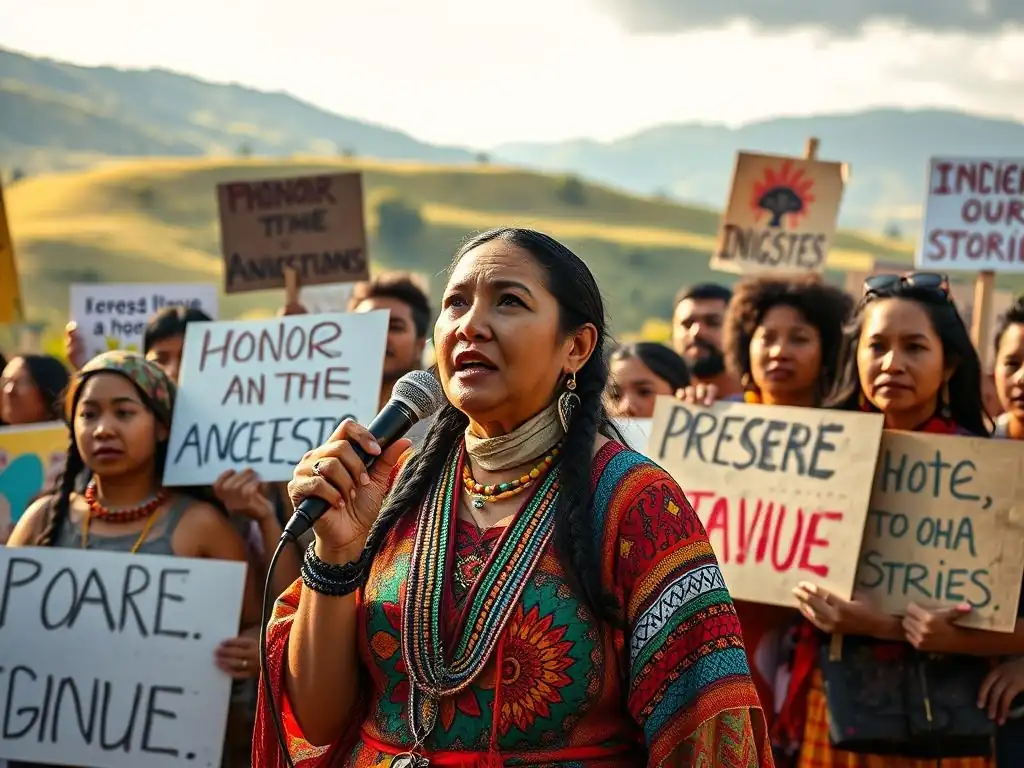
Welcome to Indigenous Civilizations of the Americas, where we invite you to journey through the rich tapestry of cultures that flourished long before European footprints touched these lands. In our featured article, "Reclaiming Narratives: Successful Campaigns Raising Awareness of Indigenous Civilizations," we delve into the powerful awareness campaigns that breathe life into these remarkable histories.
Discover how these initiatives not only honor the achievements of indigenous societies but also challenge misconceptions and inspire a deeper understanding of their enduring legacy. Join us as we uncover the stories that have shaped our world and continue to resonate today—your adventure into the past starts here!
- Introduction to Indigenous Civilizations Awareness Campaigns
- Historical Context of Indigenous Civilizations
- The Role of Awareness Campaigns in Reclaiming Narratives
- Successful Indigenous Civilizations Awareness Campaigns
- Strategies for Effective Indigenous Civilizations Awareness Campaigns
- Measuring the Impact of Awareness Campaigns
- Challenges Facing Indigenous Civilizations Awareness Campaigns
- Future Directions for Indigenous Civilizations Awareness Campaigns
- Conclusion: The Importance of Reclaiming Narratives
- References
- Frequently Asked Questions
- Final Reflection: Reclaiming the Voices of Indigenous Civilizations
- Ignite Change: Elevate Indigenous Voices Today!
Introduction to Indigenous Civilizations Awareness Campaigns
Indigenous civilizations across the Americas have a rich and diverse heritage that predates European colonization by thousands of years. These cultures, each with their own unique traditions, languages, and societal structures, have made significant contributions to human history through their innovations in agriculture, art, governance, and spirituality. However, the narratives surrounding these civilizations have often been overshadowed or misrepresented in mainstream discourse.
As a result, awareness campaigns aimed at reclaiming and promoting the histories, cultures, and contributions of indigenous peoples have emerged as vital initiatives. This article will explore notable campaigns that have successfully raised awareness of indigenous civilizations, emphasizing their impact on education and cultural preservation.
Overview of Indigenous Civilizations in the Americas
Indigenous civilizations in the Americas encompass a vast array of cultures, from the highly developed societies of the Aztecs and Incas to the nomadic tribes of the Great Plains. Each civilization has its own distinct practices and achievements:
- Mesoamerican Civilizations:
- Maya: Known for their advanced calendar, mathematics, and writing system.
- Aztec: Renowned for their architectural feats and agricultural innovations.
- Andean Civilizations:
- Inca: Famous for their extensive road systems and impressive stone architecture, such as Machu Picchu.
- North American Tribes:
- Iroquois Confederacy: Notable for their democratic governance structures.
- Sioux: Known for their rich oral traditions and connection to the buffalo.
These civilizations not only thrived independently but also influenced one another through trade, migration, and cultural exchange. Understanding their histories is crucial for appreciating the profound impact they have had on the continent.
Importance of Raising Awareness for Indigenous Cultures
Raising awareness about indigenous cultures is essential for several reasons:
- Cultural Preservation: Increased awareness can lead to efforts aimed at preserving languages, traditions, and practices that are at risk of being lost.
- Social Justice: Highlighting the histories and contributions of indigenous peoples can help address historical injustices and promote equity.
- Educational Impact: Awareness campaigns can educate the public about the complexities and richness of indigenous histories, challenging stereotypes and misconceptions.
- Empowerment: These initiatives can empower indigenous communities to reclaim their narratives and assert their rights in contemporary society.
By fostering a deeper understanding of indigenous civilizations, awareness campaigns play a crucial role in bridging the gap between cultures and promoting mutual respect.
Purpose of the Article: Highlighting Successful Campaigns
This article aims to spotlight successful campaigns that have effectively raised awareness of indigenous civilizations. By examining specific initiatives, we will explore their methodologies, target audiences, and the outcomes they have achieved. Through this analysis, we hope to inspire further efforts in promoting indigenous narratives and contributing to a more inclusive understanding of history. From grassroots movements to larger institutional programs, these campaigns demonstrate the power of storytelling and education in reclaiming the rich heritage of indigenous peoples across the Americas.
Historical Context of Indigenous Civilizations
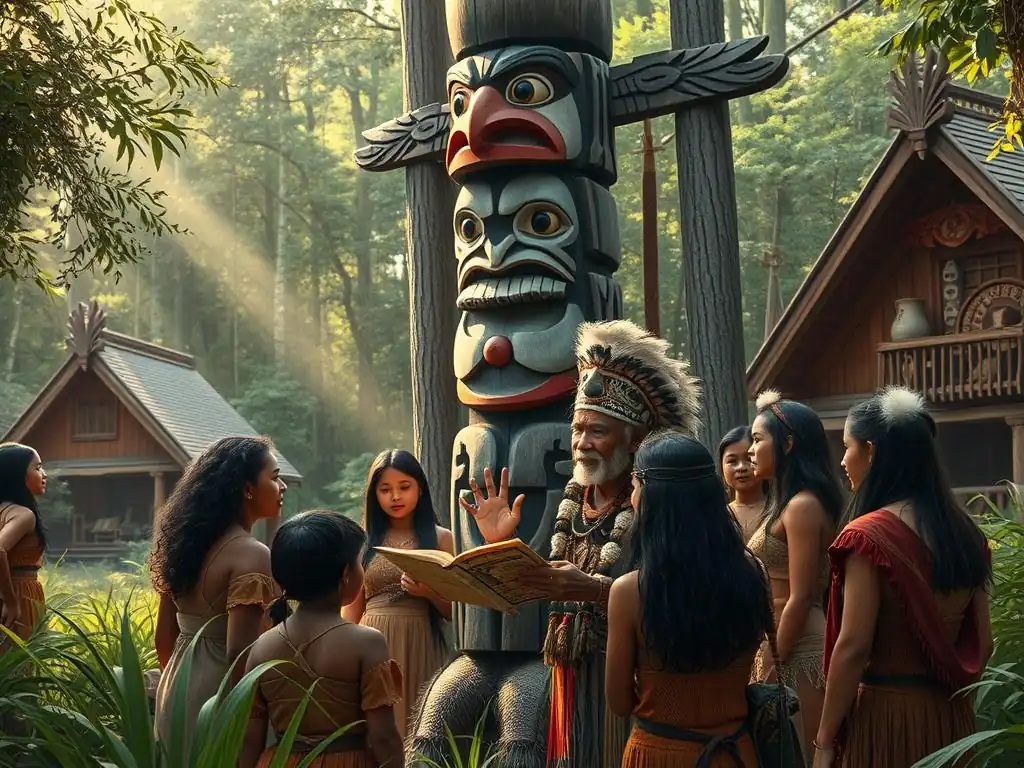
Overview of Major Indigenous Civilizations Before Colonization
Before European colonization, the Americas were home to a rich tapestry of indigenous civilizations, each with its unique cultural practices, social structures, and technological advancements. Notable among these were the Maya, Aztec, and Inca civilizations, which are often highlighted due to their significant achievements and influence.
- Maya Civilization:
- Location: Primarily in present-day Mexico, Guatemala, Belize, and parts of Honduras and El Salvador.
- Key Features:
- Advanced writing system known as hieroglyphics.
- Remarkable achievements in astronomy and mathematics, including the concept of zero.
- Construction of impressive architectural structures such as pyramids and palaces.
- Aztec Civilization:
- Location: Central Mexico, primarily in the Valley of Mexico.
- Key Features:
- A complex social and political structure centered around the city of Tenochtitlan.
- Innovations in agriculture, such as chinampas (floating gardens).
- A rich cultural life that included art, poetry, and a pantheon of gods.
- Inca Civilization:
- Location: Along the Andean mountain range, primarily in present-day Peru and parts of Ecuador, Bolivia, and Chile.
- Key Features:
- A vast and sophisticated road system facilitating trade and communication across diverse terrains.
- Advanced agricultural practices, including terracing and irrigation.
- Remarkable stone architecture, seen in sites like Machu Picchu.
These civilizations thrived for centuries, establishing extensive trade networks and cultural exchanges that shaped the continent long before European arrival.
Achievements and Contributions of Indigenous Societies
Indigenous civilizations made numerous contributions that have had a lasting impact on the world. These achievements span various fields, including agriculture, governance, engineering, and art.
- Agricultural Innovations:
- Indigenous peoples developed crops that are now staples worldwide, such as maize, potatoes, and tomatoes.
- Techniques like crop rotation and intercropping were utilized to enhance agricultural productivity and sustainability.
- Governance and Social Structures:
- Many indigenous societies had complex governance systems based on democratic principles and consensus-building, such as the Iroquois Confederacy.
- Social organization often included distinct roles for men and women, with some cultures valuing matrilineal descent and leadership.
- Engineering and Architecture:
- Remarkable engineering feats, including the Inca's extensive road systems and the Maya's sophisticated urban planning, demonstrate advanced knowledge of mathematics and engineering.
- Architectural styles, such as adobe structures and stone temples, reflect a deep understanding of local materials and environmental conditions.
- Art and Cultural Expression:
- Indigenous art, including pottery, weaving, and mural painting, reflects cultural values, spiritual beliefs, and historical narratives.
- Music, dance, and oral traditions played critical roles in maintaining cultural identity and community cohesion.
These contributions are vital in understanding the complexity and richness of indigenous civilizations and their relevance to contemporary society.
The Impact of European Colonization on Indigenous Narratives
The arrival of European colonizers had profound effects on indigenous civilizations, leading to significant disruptions in their social, political, and cultural structures. The narratives surrounding these societies were often rewritten or silenced as colonizers imposed their views and values.
- Disruption of Societies:
- The introduction of new diseases by Europeans decimated indigenous populations, leading to significant demographic changes.
- Warfare and land dispossession resulted in the collapse of many indigenous societies, altering traditional ways of life.
- Reinterpretation of History:
- European narratives often portrayed indigenous peoples as "savages," undermining their sophisticated cultures and contributions.
- Historical accounts were frequently biased, focusing on European perspectives while marginalizing indigenous voices and experiences.
- Contemporary Awareness Campaigns:
- In recent years, there has been a resurgence of interest in reclaiming indigenous narratives through various awareness campaigns.
- These initiatives aim to educate the public about the true history and ongoing contributions of indigenous peoples, promoting cultural respect and understanding.
The impact of colonization continues to influence discussions about indigenous rights and recognition today, making awareness campaigns crucial for fostering a more inclusive historical narrative.
The Role of Awareness Campaigns in Reclaiming Narratives
Definition and Importance of Awareness Campaigns
Awareness campaigns are structured efforts aimed at educating the public about specific issues, cultures, or histories that are often underrepresented or misrepresented. These campaigns play a crucial role in shaping the narrative around indigenous civilizations by highlighting their rich histories, cultural practices, and contributions to society.
Key Components of Awareness Campaigns:
- Educational Outreach: These campaigns often involve workshops, seminars, and educational materials that inform the public about indigenous cultures and histories.
- Social Media Engagement: Utilizing platforms like Instagram, Facebook, and Twitter to share stories, images, and testimonials from indigenous communities.
- Community Involvement: Engaging community members in the creation and dissemination of the campaign materials to ensure authentic representation.
The importance of these campaigns cannot be overstated, as they serve to dismantle stereotypes, challenge misconceptions, and foster a deeper understanding of the complexities and diversity of indigenous civilizations.
How Awareness Campaigns Influence Public Perception
Awareness campaigns significantly influence public perception by reshaping how indigenous civilizations are viewed and understood. Through targeted messaging and storytelling, these initiatives can alter preconceived notions and foster empathy among audiences.
Mechanisms of Influence:
- Storytelling: Sharing personal narratives and historical accounts allows the public to connect emotionally with indigenous cultures, making the information more relatable and impactful.
- Visual Imagery: Using powerful imagery in campaigns can evoke strong emotions and drive home the significance of indigenous cultures, making them more memorable.
- Educational Content: Informative materials that detail the achievements and contributions of indigenous civilizations can dispel myths and highlight their enduring legacies.
For example, campaigns like "Indigenous Peoples’ Day" aim to reframe the narrative surrounding historical events and promote a more inclusive understanding of history. By emphasizing the achievements and resilience of indigenous peoples, these campaigns foster a more balanced perspective.
The Connection Between Awareness and Cultural Preservation
The connection between awareness and cultural preservation is profound. As awareness campaigns educate the public about indigenous civilizations, they also promote the importance of preserving these cultures for future generations.
Ways Awareness Supports Cultural Preservation:
- Empowerment of Indigenous Voices: Campaigns often prioritize the voices of indigenous peoples themselves, allowing them to share their stories and advocate for their rights.
- Encouraging Cultural Practices: Increased awareness can lead to a revitalization of traditional practices and languages, as communities feel supported and recognized in their efforts.
- Policy Advocacy: By raising awareness, these campaigns can influence public policy, leading to protections for indigenous lands, traditions, and practices.
The preservation of indigenous cultures is not only about safeguarding history but also about nurturing the living traditions that continue to thrive today. Awareness campaigns play a pivotal role in this process, ensuring that the narratives of indigenous civilizations are not only reclaimed but also celebrated and perpetuated for future generations.
Successful Indigenous Civilizations Awareness Campaigns
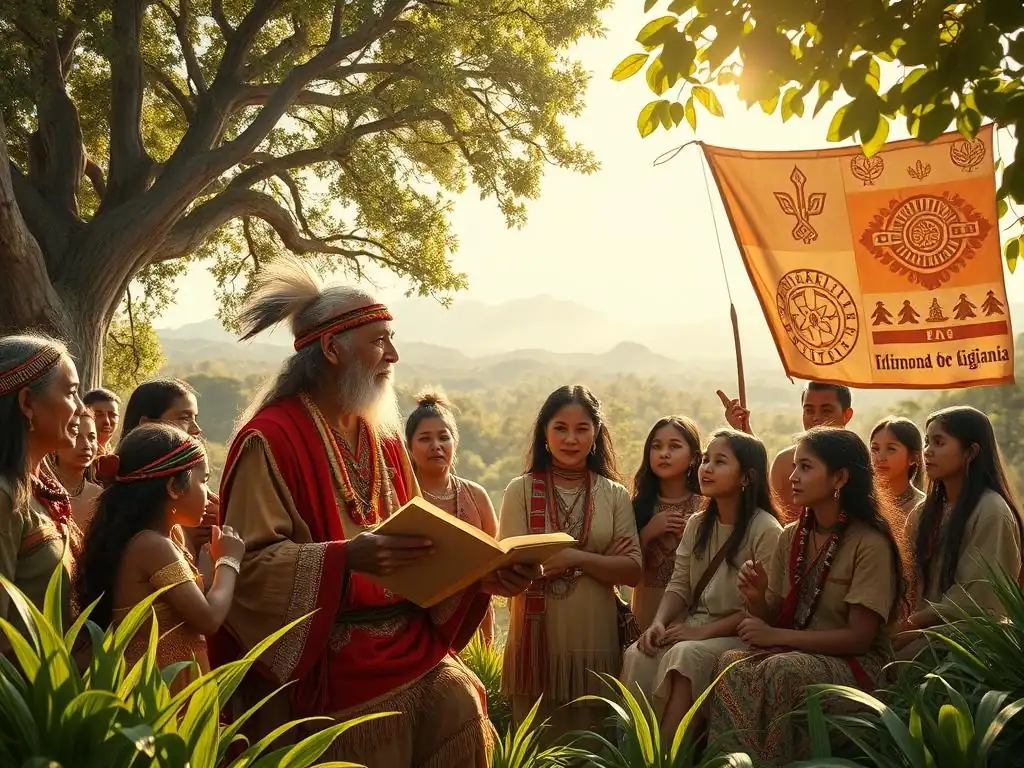
Case Study 1: #NoDAPL
Goals and Objectives of the Campaign
The #NoDAPL (No Dakota Access Pipeline) campaign emerged in response to the proposed construction of the Dakota Access Pipeline, which threatened sacred lands and water sources for the Standing Rock Sioux Tribe. The primary goals of this campaign included:
- Protection of Sacred Lands: To halt the pipeline construction, protecting the culturally significant sites of the Sioux Nation.
- Environmental Safeguarding: To prevent potential oil spills that would jeopardize water quality and ecological balance in the region.
- Amplifying Indigenous Voices: To raise awareness about the rights and sovereignty of Indigenous peoples, emphasizing their role as stewards of the land.
Strategies and Tactics Employed
The #NoDAPL movement utilized a variety of strategies to achieve its objectives:
- Social Media Mobilization: Leveraging platforms like Twitter and Facebook to spread awareness, share updates, and mobilize supporters nationally and internationally.
- Grassroots Organizing: Bringing together activists, Indigenous leaders, and allies to create a unified front, organizing protests and rallies.
- Public Engagement Campaigns: Hosting events, educational sessions, and direct actions to inform the public about the implications of the pipeline.
- Legal Action: Engaging in legal strategies to challenge the permits granted for the pipeline's construction, highlighting violations of treaties and environmental regulations.
Impact and Outcomes Achieved
The #NoDAPL campaign had significant repercussions:
- Increased Awareness: The movement gained international attention, highlighting the struggles of Indigenous peoples in the United States and their fight for environmental justice.
- Policy Changes: At the height of the campaign, the U.S. Army Corps of Engineers halted construction on the pipeline, leading to renewed discussions about Indigenous rights and environmental protections.
- Continuing Dialogue: The campaign sparked ongoing conversations about the importance of respecting treaties and the need for Indigenous representation in environmental decision-making.
Case Study 2: Indigenous Peoples' Day
Goals and Objectives of the Campaign
Indigenous Peoples' Day is celebrated as an alternative to Columbus Day, aiming to honor the history, culture, and contributions of Indigenous peoples. The campaign's goals include:
- Reclaiming History: Challenging the narratives that celebrate colonization and recognizing the impact of colonization on Indigenous communities.
- Cultural Recognition: Promoting appreciation for Indigenous cultures, traditions, and contemporary issues faced by Indigenous peoples.
- Advocacy for Justice: Raising awareness about the ongoing struggles for rights, land, and recognition faced by Indigenous populations.
Strategies and Tactics Employed
To achieve its goals, the campaign has embraced various strategies:
- Legislative Advocacy: Working with local and state governments to officially recognize Indigenous Peoples' Day, creating formal observance in place of Columbus Day.
- Community Events: Organizing educational workshops, cultural festivals, and public discussions to celebrate Indigenous heritage and foster community engagement.
- Social Media Campaigns: Using hashtags and online platforms to generate support and share stories that highlight the significance of the day.
- Partnerships: Collaborating with educational institutions, non-profit organizations, and Indigenous communities to amplify the message and broaden outreach.
Impact and Outcomes Achieved
The impact of Indigenous Peoples' Day has been notable:
- Widespread Adoption: As of October 2023, over 130 U.S. cities and several states have adopted Indigenous Peoples' Day, reflecting a shift in public awareness and acknowledgment of Indigenous histories.
- Educational Reform: Schools and universities have begun to integrate Indigenous perspectives into their curricula, promoting a more inclusive understanding of history.
- Cultural Revitalization: The observance of this day has encouraged Indigenous communities to celebrate their cultures, traditions, and languages, fostering a sense of pride and identity.
Through campaigns like #NoDAPL and Indigenous Peoples' Day, awareness of Indigenous civilizations is being actively reclaimed and celebrated, ensuring their histories and contributions are recognized within broader societal narratives.
Case Study 3: #MMIW (Missing and Murdered Indigenous Women)
Goals and Objectives of the Campaign
The #MMIW movement aims to raise awareness about the disproportionate rates of violence against Indigenous women in North America. The campaign seeks to highlight the systemic issues contributing to this crisis, including inadequate law enforcement responses and the historical marginalization of Indigenous communities. Specific goals include:
- Increasing Visibility: Bringing attention to the alarming statistics surrounding missing and murdered Indigenous women (MMIW), fostering a broader societal understanding of the issue.
- Advocating for Policy Change: Pushing for legislative reforms at local, state, and federal levels to improve the investigation and reporting processes related to cases of MMIW.
- Empowering Indigenous Voices: Amplifying the voices of Indigenous women and communities to share their stories, experiences, and demands for justice.
- Building Community Resilience: Supporting Indigenous-led initiatives focused on healing, education, and prevention of violence against women.
Strategies and Tactics Employed
The #MMIW campaign employs a multifaceted approach to achieve its goals through various strategies and tactics, including:
- Social Media Mobilization: Utilizing platforms like Twitter, Instagram, and Facebook to spread awareness, share personal stories, and create a sense of community among advocates. The hashtag #MMIW has become a rallying point for discussions surrounding the issue.
- Community Events and Vigils: Organizing marches, vigils, and awareness events to honor the lives of missing and murdered Indigenous women while fostering community solidarity. These events serve as both memorials and calls to action.
- Collaboration with Allies: Partnering with non-Indigenous organizations, activists, and influencers to broaden the reach of the campaign and to advocate for justice collectively. This collaboration often includes educational workshops and public discussions.
- Education and Outreach: Conducting educational campaigns to inform the public about the historical and ongoing injustices faced by Indigenous women. This includes workshops, panels, and the distribution of informational materials.
- Grassroots Advocacy: Engaging local communities in grassroots activism to pressure policymakers for change, including organizing letter-writing campaigns and lobbying efforts.
Impact and Outcomes Achieved
The #MMIW campaign has led to significant impacts and outcomes, including:
- Increased Awareness: The movement has successfully raised national and international awareness about the crisis of MMIW, leading to broader discussions in media and academia regarding Indigenous rights and public safety.
- Policy Changes: Several jurisdictions have begun to implement policy reforms aimed at improving the investigation of cases involving missing and murdered Indigenous women, including the establishment of task forces and improved data collection practices.
- Empowerment of Indigenous Communities: The campaign has empowered Indigenous communities to take a stand against violence, fostering a sense of agency and resilience among women and families affected by these issues.
- Support for Survivors and Families: Increased resources and support services for families of missing and murdered Indigenous women have emerged, including counseling services and legal assistance.
- Formation of National Coalitions: The movement has led to the creation of national coalitions and networks aimed at continuous advocacy for Indigenous women's rights, ensuring that the fight against violence remains a priority in public discourse.
Through these combined efforts, the #MMIW campaign has made substantial strides in raising awareness about Indigenous civilizations and the urgent issues they face, thereby reclaiming narratives and advocating for justice.
Strategies for Effective Indigenous Civilizations Awareness Campaigns
Awareness campaigns focusing on Indigenous civilizations are vital for preserving their history and promoting their contributions to society. Successful campaigns employ a variety of strategies that engage communities, utilize technology, and foster collaborations with educational institutions. Here, we explore key strategies that enhance the effectiveness of these awareness initiatives.
Community Involvement and Grassroots Movements
Community involvement is crucial for the success of Indigenous civilizations awareness campaigns. Grassroots movements harness the passion and knowledge of local communities to advocate for their history and culture. Here are some effective methods:
- Local Storytelling Events: Organizing events where community members share traditional stories can help educate the public about Indigenous histories and values. These gatherings foster a sense of identity and solidarity.
- Cultural Workshops: Providing hands-on workshops that teach traditional crafts, music, or dance allows participants to engage directly with Indigenous cultures. This experiential learning deepens understanding and appreciation.
- Collaborative Projects: Partnering with local artists and historians for community art projects or historical reenactments can create impactful visual representations of Indigenous civilizations, drawing attention to their rich heritage.
Grassroots movements are often at the forefront of preserving Indigenous narratives, allowing communities to reclaim their stories on their own terms.
Use of Digital Media and Technology
In the digital age, leveraging technology is essential for reaching broader audiences. Campaigns that utilize digital media can increase visibility and engagement. Key approaches include:
- Social Media Campaigns: Platforms like Instagram, Twitter, and Facebook can amplify Indigenous voices by sharing stories, educational content, and events. Hashtags such as #IndigenousAwareness or #ReclaimingHistory can help unify these messages.
- Virtual Exhibitions and Tours: Creating online exhibitions or virtual reality experiences allows people to explore Indigenous cultures from anywhere in the world. This can be particularly effective in reaching younger audiences who are more accustomed to digital interactions.
- Podcasts and Webinars: Producing podcasts or hosting webinars featuring Indigenous leaders and scholars can provide in-depth discussions on various aspects of Indigenous civilizations. This format encourages dialogue and learning.
| Digital Media Tools | Purpose |
|---|---|
| Social Media | Share stories and engage audiences |
| Virtual Reality | Provide immersive cultural experiences |
| Podcasts | Facilitate discussions and education |
Collaboration with Educational Institutions and Organizations
Partnering with educational institutions and organizations is another effective strategy for raising awareness about Indigenous civilizations. These collaborations can take many forms:
- Curriculum Development: Working with schools and universities to integrate Indigenous histories and perspectives into their curricula can foster a more comprehensive understanding of these cultures among students.
- Research Partnerships: Collaborating with academic researchers can help document and disseminate Indigenous knowledge. This research can then be shared through seminars, publications, and conferences.
- Public Awareness Programs: Engaging with museums, cultural centers, and non-profit organizations can enhance visibility through public programs that highlight Indigenous achievements and contributions.
“Educational partnerships are fundamental in ensuring that Indigenous narratives are woven into the broader fabric of education, promoting a more inclusive historical discourse.”
By employing these strategies, awareness campaigns can effectively promote understanding and appreciation of Indigenous civilizations, ensuring their legacies are recognized and celebrated.
Measuring the Impact of Awareness Campaigns
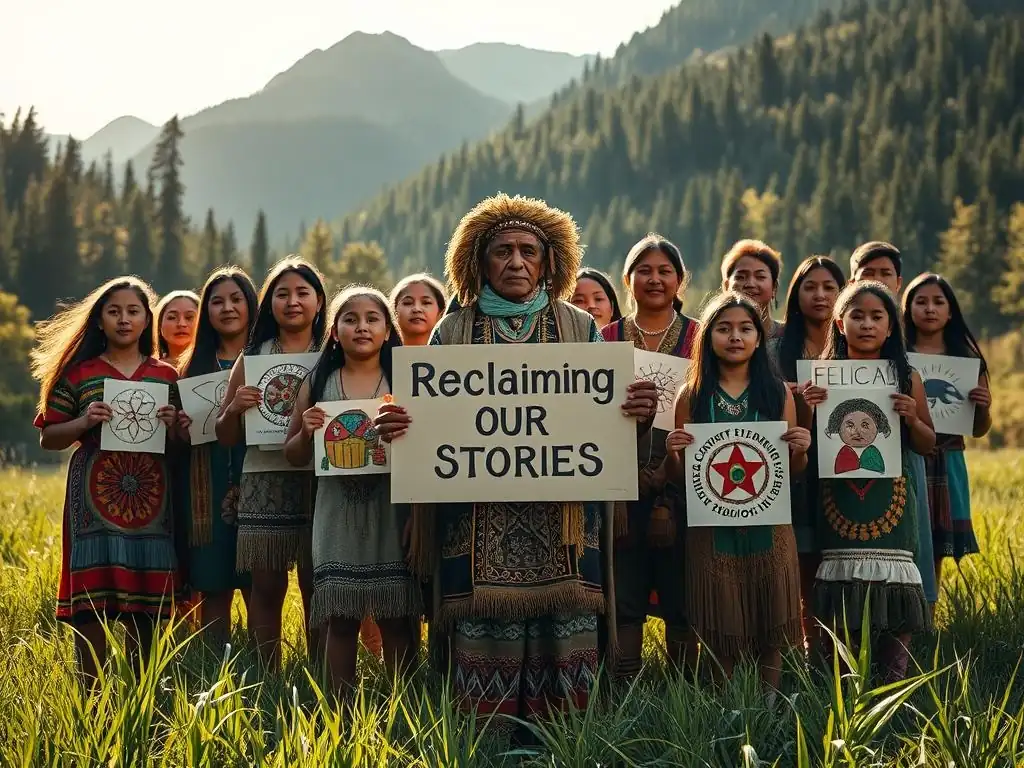
Metrics for Assessing Reach and Engagement
In the context of Indigenous civilizations awareness campaigns, measuring reach and engagement is crucial to understanding the effectiveness of these initiatives. Several metrics can be utilized to assess these aspects:
- Social Media Engagement:
- Likes, Shares, and Comments: Monitoring interactions on platforms like Facebook, Twitter, and Instagram can provide insight into how well the content resonates with audiences.
- Hashtag Tracking: Unique campaign hashtags can help track the volume of discussions surrounding the campaign, illustrating its reach.
- Website Analytics:
- Traffic Sources: Analyzing where visitors are coming from (e.g., social media, direct traffic, search engines) helps identify the most effective channels for spreading awareness.
- Bounce Rate and Time on Page: High engagement is indicated by lower bounce rates and longer time spent on educational pages, suggesting that users find the information valuable.
- Event Attendance and Participation:
- Workshops and Webinars: Tracking the number of participants in events can provide immediate feedback on interest levels.
- Surveys and Polls: Conducting surveys during or after events can yield qualitative data about attendees' perceptions and knowledge gained.
- Media Coverage:
- Press Releases and Articles: The quantity and quality of media coverage can serve as an indicator of a campaign's reach and how it is being portrayed in public discourse.
These metrics collectively offer a comprehensive picture of how effectively awareness campaigns are engaging with both indigenous and non-indigenous communities.
Long-Term Effects on Public Awareness and Understanding
The long-term effects of Indigenous civilizations awareness campaigns can be profound, contributing to a shift in societal perceptions and increasing understanding of indigenous cultures. Here are some significant outcomes:
- Cultural Reclamation:
- Campaigns often empower indigenous communities to reclaim their narratives, fostering pride in their heritage and traditions. This cultural revival can lead to renewed interest in indigenous languages, art forms, and practices.
- Educational Changes:
- Increased awareness can prompt educational institutions to incorporate indigenous histories and perspectives into their curricula, ensuring that future generations have a more accurate and comprehensive understanding of these civilizations.
- Policy and Advocacy:
- Heightened awareness can lead to advocacy for policy changes that benefit indigenous communities, such as land rights protection, cultural preservation programs, and increased funding for indigenous-led initiatives.
- Community Engagement:
- As awareness grows, there is often a corresponding increase in community engagement and collaboration between indigenous and non-indigenous populations, fostering mutual respect and understanding.
- Shifting Narratives:
- Over time, sustained campaigns can alter prevailing narratives around indigenous peoples, moving away from stereotypes and misconceptions towards a recognition of their contributions and ongoing relevance in contemporary society.
The Role of Feedback in Improving Future Campaigns
Feedback mechanisms are essential for refining and enhancing Indigenous civilizations awareness campaigns. Here’s how feedback plays a pivotal role:
- Collecting Participant Feedback:
- Surveys and feedback forms can be distributed after events or campaigns to gauge participants' thoughts on what worked well and what could be improved. This direct input is invaluable for future planning.
- Focus Groups:
- Engaging with small groups from diverse stakeholder backgrounds can provide deeper insights into community perceptions and needs. This qualitative data can inform campaign strategies.
- Social Media Monitoring:
- Analyzing comments and discussions on social media platforms can reveal public sentiment and areas where misconceptions still exist, allowing campaigns to address these gaps directly.
- Iterative Campaign Design:
- Using feedback to iterate on campaign designs helps ensure that future initiatives are more targeted and relevant to the audience's interests and concerns. This can involve adjusting messaging, visuals, or outreach strategies based on what resonates most with participants.
- Building a Feedback Loop:
- Establishing a continuous feedback loop encourages ongoing dialogue between campaign organizers and the communities they aim to serve. This collaborative approach fosters trust and enhances the effectiveness of awareness efforts.
The integration of feedback into the planning and execution of awareness campaigns not only improves their efficacy but also strengthens relationships between indigenous communities and broader society, paving the way for greater understanding and respect.
Challenges Facing Indigenous Civilizations Awareness Campaigns
Societal Misconceptions and Stereotypes
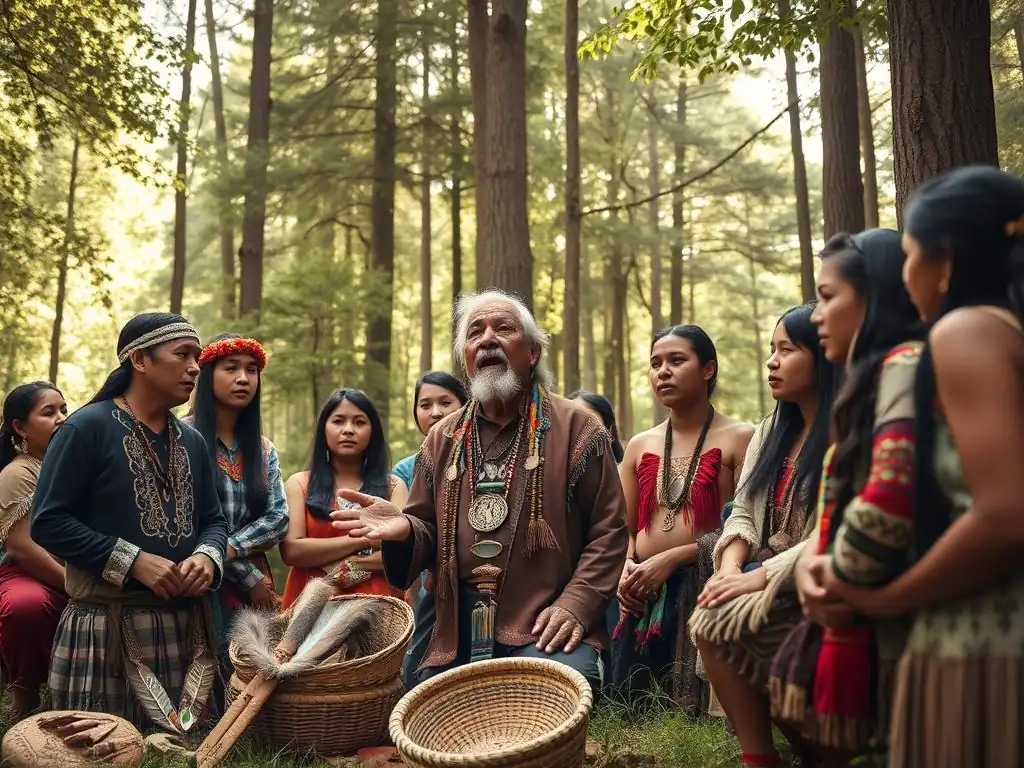
One of the primary challenges in raising awareness about Indigenous civilizations is the prevalence of misconceptions and stereotypes that persist in society. Many individuals hold outdated views that simplify or misrepresent the rich and diverse cultures of Indigenous peoples. These stereotypes often stem from historical narratives that lack depth and fail to acknowledge the complexity of Indigenous societies.
For instance, portrayals in media frequently depict Indigenous peoples in a monolithic manner, ignoring the unique languages, traditions, and histories that characterize different tribes and nations. This can lead to a widespread misunderstanding, where the public perceives Indigenous cultures as static relics of the past rather than dynamic, evolving communities.
To combat these misconceptions, awareness campaigns must focus on:
- Educational outreach: Providing accurate, nuanced information about Indigenous histories and cultures through workshops and seminars.
- Engagement with local communities: Involving Indigenous voices and leaders in campaigns to share their narratives directly.
- Utilization of media: Creating documentaries, podcasts, and digital content that present Indigenous stories from Indigenous perspectives.
By addressing these societal misconceptions, awareness campaigns can foster a more informed and respectful understanding of Indigenous civilizations.
Funding and Resource Limitations
Funding is a critical aspect that affects the efficacy of Indigenous civilizations awareness campaigns. Many initiatives struggle to secure the financial support necessary to develop comprehensive outreach programs. This can be attributed to several factors:
- Limited governmental support: In many regions, financial resources allocated to Indigenous initiatives are insufficient, leading to programs that lack the necessary funds for effective execution.
- Competition for grants: Nonprofit organizations focused on Indigenous issues often compete for the same grants and donations, which can dilute the impact of individual campaigns.
- Economic constraints: Many Indigenous communities experience economic hardships, which can hinder their ability to participate in or support awareness initiatives.
To overcome these challenges, campaigns can explore:
- Crowdfunding options: Engaging with the community to raise funds through platforms that support social causes.
- Partnerships with universities and NGOs: Collaborating with academic institutions and nonprofits that can provide financial and logistical support.
- Sponsorship from businesses: Building relationships with corporate sponsors who value corporate social responsibility and community engagement.
By addressing funding limitations, awareness campaigns can improve their reach and effectiveness in promoting Indigenous civilizations.
Awareness campaigns for Indigenous civilizations often face political and legal barriers that can impede their efforts. These challenges can manifest in various ways:
- Regulatory hurdles: Navigating the legal frameworks surrounding Indigenous rights and cultural heritage can be complex. Campaigns may require permits or face restrictions that limit their activities.
- Political resistance: Some governments or institutions may resist acknowledging Indigenous histories or support initiatives that promote awareness, fearing backlash or challenges to the status quo.
- Cultural appropriation concerns: Campaigns must also be sensitive to the potential for cultural appropriation, where elements of Indigenous cultures are misused or exploited without proper representation or consent.
To navigate these barriers effectively, campaigns should consider:
- Legal advocacy: Engaging legal experts to ensure compliance with laws regarding Indigenous rights and cultural preservation.
- Building alliances: Forming coalitions with other organizations and advocacy groups to amplify voices and create a unified front in promoting Indigenous narratives.
- Community involvement: Ensuring that campaigns are driven by Indigenous peoples themselves, which can enhance legitimacy and support from the broader community.
By strategically addressing political and legal challenges, awareness campaigns can create a more conducive environment for promoting understanding of Indigenous civilizations.
Future Directions for Indigenous Civilizations Awareness Campaigns
Emerging Trends in Awareness Initiatives
The landscape of Indigenous civilizations awareness campaigns is continuously evolving. Recent years have seen a shift towards integrating technology and social media into these initiatives, allowing for broader reach and engagement. For instance, platforms like Instagram and TikTok have become vital tools for sharing informative content about Indigenous histories and cultures in visually compelling formats.
Several emerging trends include:
- Virtual Reality (VR) Experiences: Organizations are creating immersive VR experiences that allow users to explore historical sites or participate in cultural events from Indigenous perspectives. This engagement can foster a deeper understanding and appreciation.
- Storytelling Projects: Community-driven storytelling projects are gaining traction. These initiatives often highlight personal narratives that connect the past with contemporary issues, making the information more relatable and impactful.
- Collaborative Art Installations: Artists are collaborating with Indigenous communities to create public art that conveys powerful messages about identity, resilience, and history. Such installations often prompt community discussions and awareness.
By tapping into these trends, awareness campaigns can reach new audiences, fostering a more profound respect for Indigenous cultures.
Opportunities for Innovation and Collaboration
Innovation is crucial in enhancing the effectiveness of Indigenous civilizations awareness campaigns. Opportunities abound for collaboration across various sectors, which can amplify the reach and impact of these initiatives. Some potential avenues include:
- Partnerships with Educational Institutions: Schools and universities can integrate Indigenous studies into their curricula, collaborating with Indigenous leaders to develop educational materials that reflect authentic narratives. This partnership can lead to workshops, seminars, and cultural exchanges.
- Corporate Sponsorship and Support: Businesses can play a significant role by sponsoring awareness campaigns or community events. By aligning corporate social responsibility initiatives with Indigenous causes, companies can help to elevate awareness while also enhancing their community engagement.
- Crowdsourced Funding Platforms: Utilizing platforms like Kickstarter or GoFundMe can provide grassroots campaigns with the financial support needed to launch awareness initiatives. This democratizes funding and allows communities to take the lead in promoting their histories.
These collaborative efforts can foster innovation, ensuring that awareness campaigns are not only effective but also sustainable.
The Importance of Sustained Efforts and Advocacy
While one-off events can raise initial awareness, the real change comes from sustained efforts and advocacy. Continuous engagement is essential for ensuring that the narratives of Indigenous civilizations remain prominent in public discourse. Key aspects of this sustained approach include:
- Ongoing Education and Workshops: Regular workshops and educational programs promote continuous learning about Indigenous cultures and histories. These sessions can help dismantle stereotypes and foster a more nuanced understanding.
- Advocacy for Policy Change: Awareness campaigns can also advocate for policy changes that support Indigenous rights and representation. Engaging with policymakers to include Indigenous perspectives in decision-making processes is vital for long-term impact.
- Community Involvement: Encouraging community involvement in awareness initiatives ensures that campaigns remain relevant and reflective of the needs and desires of Indigenous peoples. Active participation can strengthen community bonds and serve as a platform for sharing experiences.
Sustained efforts in these areas ensure that the rich narratives of Indigenous civilizations are preserved and celebrated, fostering a lasting impact on society.
Conclusion: The Importance of Reclaiming Narratives
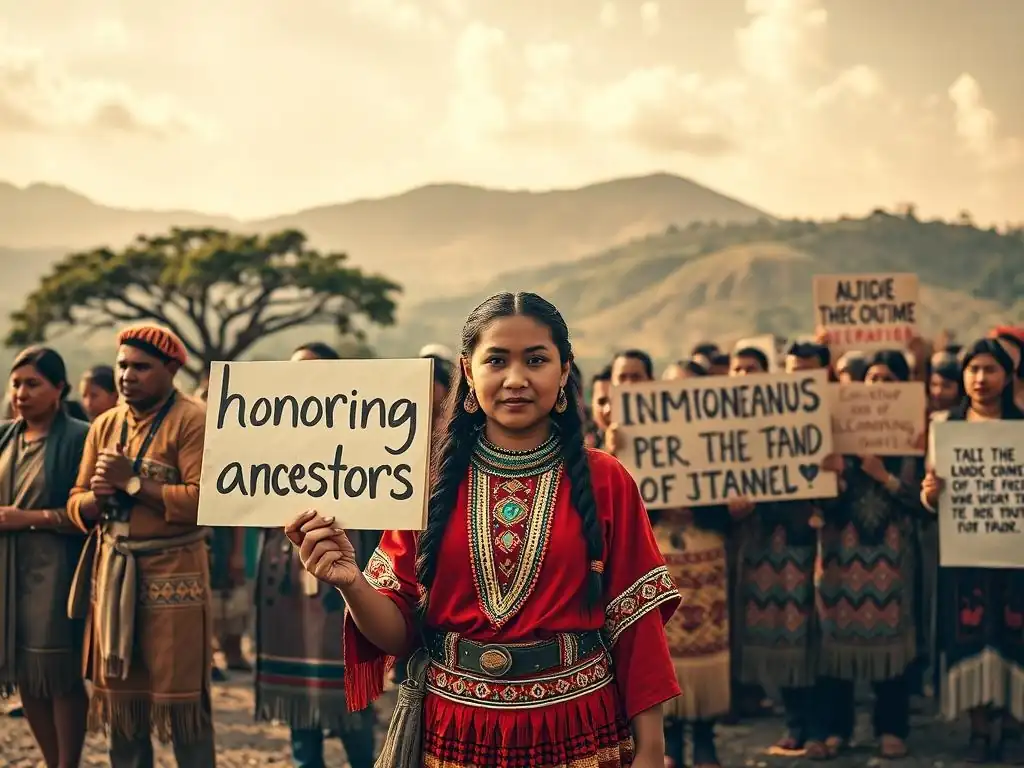
Reclaiming narratives surrounding Indigenous civilizations is vital for acknowledging and honoring their rich histories, cultures, and contributions to the world. Awareness campaigns serve as a powerful tool in this endeavor, helping to counteract the often-misrepresented or overlooked aspects of Indigenous peoples' legacies. By fostering greater understanding and appreciation of these civilizations, we pave the way for a more inclusive and equitable society.
The significance of these campaigns lies not only in education but also in the empowerment of Indigenous communities. They provide a platform for Indigenous voices to be heard, allowing them to share their stories, traditions, and perspectives. This reclamation of narratives is essential in challenging stereotypes and misconceptions, promoting a more accurate depiction of Indigenous histories.
Summary of Key Insights on Indigenous Civilizations Awareness Campaigns
- Diverse Approaches: Various strategies are employed in awareness campaigns, ranging from art and storytelling to educational programs and social media engagement. Each method plays a role in reaching different audiences and fostering understanding.
- Community Involvement: Successful campaigns often involve local Indigenous communities, ensuring that their voices are central to the narrative. This collaboration not only enhances authenticity but also builds trust and respect.
- Impact on Education: Awareness campaigns have a profound impact on educational systems, prompting curriculum changes that include Indigenous histories and perspectives. These changes foster a deeper understanding among students and educators alike.
- Policy Influence: Increased awareness can lead to policy changes that benefit Indigenous communities, such as land rights recognition and cultural preservation initiatives. Campaigns that raise awareness can mobilize public support for legislative actions.
- Cultural Revitalization: By highlighting Indigenous achievements and cultures through various campaigns, there is a revitalization of interest in traditional practices, languages, and arts. This revival strengthens community identity and pride.
- Long-term Engagement: Sustained awareness efforts are crucial to maintaining momentum. Campaigns that establish ongoing dialogue and connection with audiences are more likely to effect lasting change in perceptions and policies.
Call to Action for Continued Support and Engagement
The journey towards reclaiming narratives about Indigenous civilizations is ongoing and requires collective effort. Here are some ways individuals and communities can contribute:
- Educate Yourself and Others: Take the initiative to learn about Indigenous histories and cultures. Share this knowledge within your community to foster a broader understanding.
- Support Indigenous Artists and Creators: Engage with and promote the work of Indigenous artists, writers, and musicians who are instrumental in sharing their narratives.
- Participate in Local Events: Attend workshops, lectures, and cultural events that focus on Indigenous issues. These gatherings not only provide insight but also strengthen community ties.
- Advocate for Inclusion: Encourage educational institutions to integrate Indigenous narratives into their curricula. Advocate for policies that support Indigenous rights and cultural preservation.
- Engage on Social Media: Use your platform to amplify Indigenous voices and campaigns. Share content that raises awareness and addresses misconceptions.
By taking these actions, we can all contribute to the important work of raising awareness about Indigenous civilizations, ensuring their stories are told with the respect and recognition they deserve. Together, we can create a future that honors the past while empowering Indigenous communities today.
References
List of Sources and Further Readings on Indigenous Civilizations Awareness Campaigns
The following sources provide valuable insights into the various awareness campaigns aimed at promoting the understanding and appreciation of Indigenous civilizations. These resources cover a range of topics, including historical context, educational initiatives, and community-led efforts.
- Books
- "Indigenous Peoples and the Modern State" by James Anaya: This book discusses the relationship between Indigenous peoples and state governments, emphasizing the importance of awareness campaigns.
- "Decolonizing Methodologies: Research and Indigenous Peoples" by Linda Tuhiwai Smith: This critical text examines research practices and their implications for Indigenous communities, highlighting the role of awareness in decolonization.
- Articles
- "Raising Awareness of Indigenous Cultures: Strategies and Outcomes" by Maria T. Jones: This article explores effective strategies for raising awareness about Indigenous cultures and evaluates the outcomes of various campaigns.
- "The Role of Education in Indigenous Rights Advocacy" by Robert H. Miller: This piece discusses how educational initiatives contribute to awareness campaigns focused on Indigenous rights and cultures.
- Reports
- "Indigenous Awareness Campaigns: A Review of Best Practices" by The North American Indigenous Institute: This comprehensive report analyzes successful awareness campaigns across North America and outlines best practices for future initiatives.
- "Cultural Heritage and Indigenous Rights: A Global Perspective" by The International Council on Monuments and Sites: This report highlights the importance of cultural heritage in awareness campaigns and presents case studies from around the world.
- Documentaries and Multimedia
- "In the Footsteps of the Ancestors" (Documentary): This film follows the journey of Indigenous activists as they work to reclaim narratives about their cultures, providing a poignant look at the impact of awareness campaigns.
- "Voices of the First Peoples" (Podcast Series): This series features interviews with Indigenous leaders and advocates discussing their experiences with awareness campaigns and their significance in contemporary society.
- Online Resources
- Native Knowledge 360°: A project by the National Museum of the American Indian, offering educational resources and lesson plans aimed at increasing awareness of Indigenous histories and cultures.
- Indigenous Peoples’ Day Toolkit: A resource compiled by various Indigenous organizations that provides materials for awareness campaigns centered around the celebration of Indigenous Peoples’ Day.
These sources collectively contribute to a deeper understanding of the dynamics of Indigenous civilizations awareness campaigns, their methodologies, and their impact on both Indigenous communities and broader society. Engaging with this material can foster a more nuanced appreciation of the rich histories and cultural traditions of Indigenous peoples in the Americas.
Frequently Asked Questions
What are Indigenous civilizations awareness campaigns?
Indigenous civilizations awareness campaigns are initiatives aimed at educating the public about the rich cultures, histories, and contributions of indigenous peoples prior to European colonization.
Why are these campaigns important?
These campaigns are crucial for promoting cultural understanding and recognizing the impact of colonization on indigenous societies, fostering respect and appreciation for their heritage.
How can individuals get involved in these campaigns?
Individuals can participate in awareness campaigns by attending events, supporting indigenous organizations, and sharing information through social media or community networks to raise visibility.
What types of activities are included in these campaigns?
Activities may include educational workshops, exhibitions, storytelling sessions, and community gatherings that highlight the achievements and ongoing contributions of indigenous civilizations.
How do these campaigns affect indigenous communities?
Successful campaigns can empower indigenous communities by enhancing their visibility, encouraging cultural revival, and promoting policies that support their rights and interests.
Final Reflection: Reclaiming the Voices of Indigenous Civilizations
In a world increasingly aware of the importance of diverse narratives, the campaigns raising awareness of Indigenous civilizations stand as beacons of hope and resilience. These initiatives not only educate the public about the rich histories and cultures of Indigenous peoples but also challenge the dominant narratives that have long marginalized their voices. As we navigate through contemporary society, it becomes clear that understanding and amplifying these narratives is not just a matter of historical accuracy but a crucial step towards justice and reconciliation.
The impact of these awareness campaigns is profound, shaping cultural dialogues and fostering a deeper appreciation for the contributions of Indigenous civilizations. By reclaiming their stories, Indigenous communities are not only preserving their heritage but also inspiring future generations to embrace their identities. As we witness the growing momentum of these movements, we are reminded of the words of Indigenous activist Winona LaDuke: The future will be about the stories we tell, and the stories we tell will shape the future.
This sentiment underscores the importance of storytelling as a powerful tool for change, urging us to listen and learn from the narratives that have been historically silenced.
As we reflect on the lessons from these campaigns, I invite you to consider how you can contribute to this vital movement. Engage with Indigenous narratives, support their initiatives, and advocate for their representation in all spheres of society. Each of us has the power to help reclaim these stories, ensuring they are heard and celebrated. Let us take action, not just as passive observers, but as active participants in the journey towards understanding, respect, and unity. Together, we can create a future where the voices of Indigenous civilizations are not only acknowledged but revered.
Ignite Change: Elevate Indigenous Voices Today!
Thank you for taking the time to explore the powerful narratives of Indigenous civilizations. Your interest in these stories is essential for fostering understanding and respect. As you reflect on the significance of raising awareness, it’s time to transform that insight into impactful action!
Here are a few steps you can take to actively support and elevate Indigenous voices:
- Join a local or online campaign dedicated to Indigenous rights and awareness. Take that first step today to become an active participant in the movement!
- Share this article with your friends and family to spark meaningful conversations and encourage others to learn about Indigenous cultures.
- Attend community events or workshops that focus on Indigenous history and culture. Keep an eye out for unique opportunities that can enhance your understanding!
What are some ways you plan to continue exploring and supporting Indigenous narratives in your daily life?