
Telling Stories Through Fabric: The Symbolism in Indigenous Textile Designs

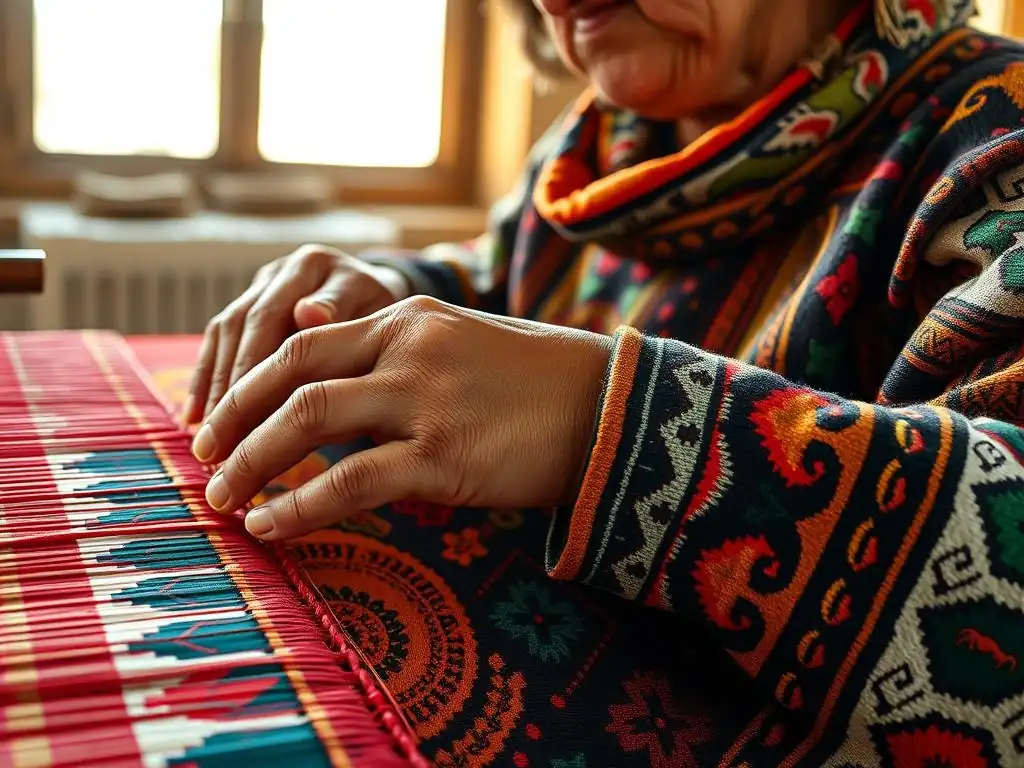
Welcome to Indigenous Civilizations of the Americas, where we embark on a fascinating journey through the rich tapestry of cultures that flourished long before European contact. Here, we invite you to delve into the intricate world of indigenous textile design symbolism, where every thread tells a story and communicates profound cultural meanings.
As you explore our featured article, “Telling Stories Through Fabric,” prepare to uncover the artistry and significance behind these stunning creations that have shaped identities and traditions. Join us in celebrating the enduring legacies of indigenous craftsmanship and the vibrant narratives woven into their textiles—your adventure into the heart of indigenous artistry begins now!
Introduction to Indigenous Textile Design Symbolism
Textiles have long served as a critical medium for storytelling among indigenous cultures of the Americas, weaving together history, identity, and spirituality. Each thread, pattern, and color in indigenous textile designs carry profound meanings and reflect the rich cultural narratives of diverse communities. From intricate weavings of the Navajo to the vibrant patterns of the Andean peoples, indigenous textile design symbolism encapsulates not only aesthetic beauty but also the essence of ancestral knowledge, natural surroundings, and social values.
Indigenous textiles are often imbued with symbolism that transcends mere decoration; they are intimate expressions of cultural heritage. For these communities, fabric serves as a vital conduit for conveying stories, beliefs, and traditions from one generation to the next. The artistry found in these textiles often highlights connections to the land, the cosmos, and the communal spirit, making them invaluable artifacts of both historical and contemporary significance.
As we delve deeper into the intricate world of indigenous textile designs, we will explore how these artworks not only reflect the identities of their creators but also foster a sense of belonging and continuity in rapidly changing environments.
The Role of Indigenous Textile Design in Cultural Identity
Indigenous textile design plays a pivotal role in shaping and expressing cultural identity among various communities throughout the Americas. These textiles are not just functional items; they are cultural artifacts that embody the beliefs, stories, and practices of the people who create them.
Key aspects of this cultural significance include:
- Storytelling: Each pattern and motif can tell a unique story, often rooted in mythology, history, or personal experiences. For example, the Navajo use specific symbols to represent elements of the natural world, such as water, earth, and sky, which are integral to their worldview.
- Community and Belonging: Textiles often serve as a means of reinforcing community ties. Shared techniques, patterns, and colors can signify group identity, making textiles an essential aspect of communal life.
- Ritual and Ceremony: Many indigenous textiles are crafted for specific rituals and ceremonies, imbuing them with spiritual significance. For instance, the Maya create ceremonial garments that are worn during important life events, signifying the wearer's role within the community.
- Resistance and Resilience: In the face of colonization and cultural assimilation, indigenous textile designs have emerged as powerful symbols of resistance and resilience. By preserving traditional methods and motifs, these artisans assert their cultural identity and heritage.
Through a closer examination of indigenous textile design, we uncover a tapestry of meaning that not only enriches our understanding of these cultures but also highlights the enduring legacy of their artistic expressions. As we continue our exploration, we will see how these ancient practices influence modern interpretations and applications of indigenous textile designs today.
Key Elements of Indigenous Textile Design Symbolism
Indigenous textile design symbolism is rich and multifaceted, deeply rooted in the cultural narratives, spiritual beliefs, and environmental contexts of various indigenous communities. The textiles created by these cultures serve not only as functional items but also as profound expressions of identity and storytelling. The key elements of this symbolism can be categorized into patterns and motifs, color significance, and regional variations.
Patterns and motifs often reflect the natural environment, historical events, and social structures of the communities. These designs are imbued with meanings that can convey messages about ancestry, community values, and individual experiences. Moreover, colors used in these textiles are not arbitrary; they hold significant emotional and cultural weight, often linked to specific elements of life, nature, and spirituality. By understanding these elements, one can appreciate how indigenous textiles serve as a vibrant language that communicates the essence of a culture.
Patterns and Motifs in Indigenous Textiles
Patterns and motifs are central to the storytelling aspect of indigenous textiles. Each design can tell a story or convey a specific message. For instance, in the textiles of the Navajo people, geometric shapes and intricate weavings often symbolize elements of nature, such as mountains, rivers, and the sky. These patterns can also represent the interconnectedness of all living things, emphasizing the relationship between humanity and the natural world.
In contrast, the motifs found in the textiles of the Quechua people from the Andes often include depictions of animals, such as llamas and condors, which hold significant cultural symbolism. These creatures are not only a part of their ecosystem but also embody qualities that are revered in their culture, such as strength, freedom, and resilience. Each motif is carefully chosen to reflect beliefs and values, making the textile a narrative canvas where history, spirituality, and identity converge.
Color Significance in Indigenous Textile Designs
Color plays a crucial role in indigenous textile designs, often serving as a symbolic language of its own. Different colors can evoke various emotions and meanings, deeply connected to cultural beliefs and practices. For instance, the use of red in many indigenous textiles often symbolizes life, strength, and vitality. In contrast, black may represent the earth or the unknown, while white can signify purity and spiritual connection.
The significance of color can also vary across different regions and cultures. For example, in the textiles of the Huichol people in Mexico, vibrant colors such as blue and yellow are used to symbolize the sun and the sky, reflecting their cosmological beliefs. This use of color not only enhances the aesthetic appeal of the textiles but also reinforces their cultural narratives, as each hue carries its own story and significance.
Regional Variations in Indigenous Textile Design Symbolism
The symbolism found in indigenous textile designs is not uniform; it varies significantly across different regions of the Americas. Each culture has developed its unique set of symbols, patterns, and meanings based on their historical experiences, environmental contexts, and spiritual beliefs. Understanding these regional variations enriches our appreciation of the diversity within indigenous textile art.
North American Indigenous Textile Symbols
In North America, indigenous tribes such as the Hopi and the Lakota have distinct textile traditions that embody their cultural identities. For the Hopi, weaving is a sacred art form, and their textiles often include symbols like the spider, which represents creation and the interconnectedness of life. The Lakota, on the other hand, use symbols in their quillwork and beadwork that reflect their connection to nature, such as the sacred buffalo, which is integral to their culture and survival.
These symbols are not merely decorative; they carry profound meanings that connect the weaver to their ancestors and the land, serving as a vital link between past and present. The textiles created by these communities are often used in ceremonies, storytelling, and as a means of preserving their cultural heritage.
Central and South American Indigenous Textile Art
In Central and South America, indigenous textile art is characterized by its vibrant colors and intricate designs, each imbued with deep meaning. The textiles of the Maya are renowned for their elaborate patterns, which often depict aspects of their mythology, daily life, and social structures. For example, the use of specific animals or plants in their designs can signify various deities or natural forces within their cosmology.
Similarly, the textiles of the Andean cultures, such as the Aymara and Quechua, showcase a rich tradition of weaving that incorporates symbolism reflecting agricultural practices, seasonal changes, and community identity. The use of bright colors and complex patterns is not only a form of artistic expression but also serves to communicate cultural narratives and maintain a sense of continuity within their communities.
Indigenous textile design symbolism is a vital aspect of cultural expression across the Americas, encapsulating the stories and identities of diverse communities through patterns, colors, and regional distinctions. By exploring these elements, we gain a deeper understanding of the significance of textiles in preserving and conveying the rich heritage of indigenous peoples.
Modern Interpretations of Indigenous Textile Design Symbolism
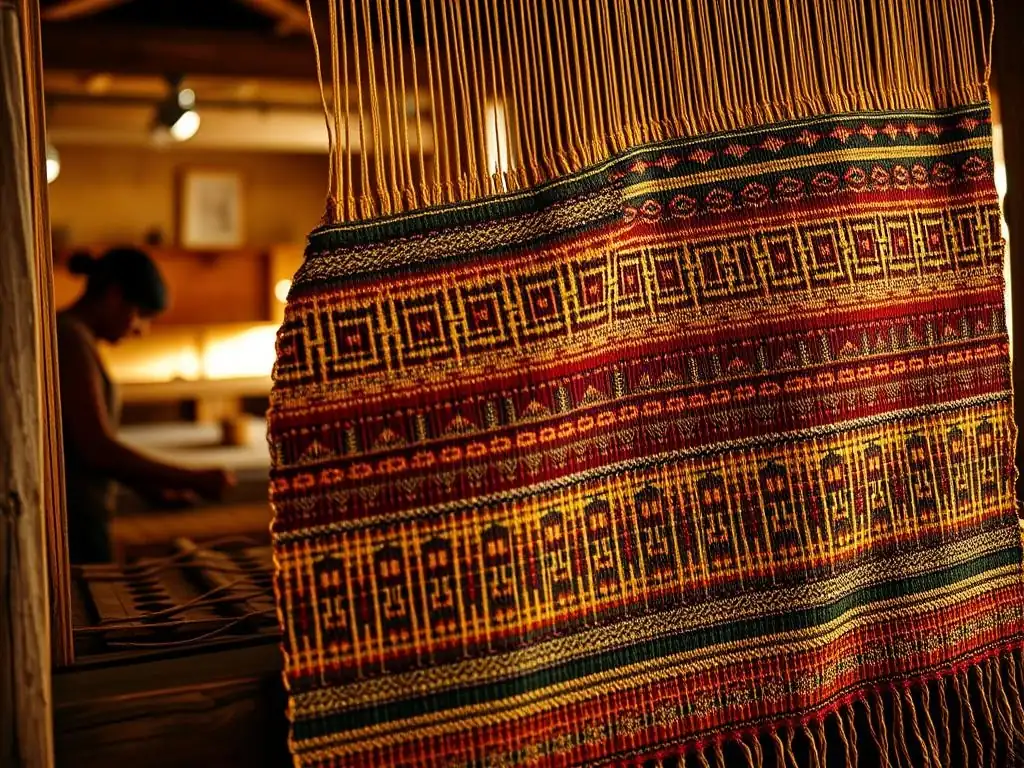
In recent years, the appreciation for indigenous textile design symbolism has surged, leading to a revival of traditional techniques and motifs in contemporary art and fashion. Artists and designers are increasingly drawing inspiration from the rich tapestry of indigenous cultures, interpreting these symbols through a modern lens. This not only honors the historical significance of these designs but also creates a dialogue between the past and the present.
Contemporary interpretations often blend traditional motifs with modern aesthetics, resulting in unique pieces that resonate with a broader audience. For instance, the use of bold colors and geometric patterns can be seen in both home décor and high fashion, reflecting a fusion of cultural heritage and contemporary style. These modern adaptations serve as a means for indigenous artists to reclaim their narratives, ensuring that their stories continue to be told and appreciated in today's society.
Moreover, the globalization of fashion and art has facilitated the spread of indigenous textile design symbolism beyond its original context. As these designs gain visibility, they invite discussions about cultural appropriation, authenticity, and the need for respectful representation. Thus, while modern interpretations celebrate indigenous heritage, they also call for a deeper understanding of the significance behind each symbol.
Contemporary Artists and Their Connection to Tradition
Many contemporary artists are deeply rooted in their indigenous heritage, using their craft to explore and express the complexities of their identities. Artists like Cristina Córdova, who works with clay and textiles, incorporate traditional symbolism into their pieces, emphasizing the cultural narratives that have been passed down through generations. Córdova's work often reflects her Puerto Rican heritage, blending ancient indigenous techniques with contemporary themes, thereby bridging the gap between past and present.
Similarly, Elisa Harkins, a mixed-media artist of Cherokee and Muscogee descent, uses textile design to communicate her cultural identity. Through her innovative use of fabrics and patterns, Harkins creates installations that challenge traditional notions of storytelling and representation. Her work not only showcases the beauty of indigenous designs but also highlights the ongoing relevance of these symbols in contemporary society.
These artists exemplify how the connection to tradition can be both a source of inspiration and a foundation for innovation. By embracing their cultural heritage, they create pieces that resonate on multiple levels, inviting viewers to engage with the stories and meanings embedded in indigenous textile designs.
Ethical Considerations in Using Indigenous Designs
The resurgence of indigenous textile design in contemporary art and fashion raises important ethical considerations. As these designs gain popularity, the line between appreciation and appropriation becomes increasingly blurred. It is crucial for artists, designers, and consumers to approach indigenous symbols with respect and understanding, ensuring that they honor the cultures from which these designs originate.
One key ethical concern is the importance of representation and credit. Designers who incorporate indigenous motifs must acknowledge the contributions of the original cultures and avoid exploiting their symbols for profit. Collaborations with indigenous artists can foster authenticity and ensure that the cultural significance of these designs is preserved. Additionally, the use of indigenous symbols should be informed by the stories and meanings behind them, rather than being reduced to mere aesthetic choices.
Furthermore, there is a growing movement advocating for the protection of indigenous intellectual property rights. Many communities are working to reclaim their cultural heritage and control how their symbols are used. This highlights the necessity for dialogue and collaboration between indigenous communities and those who wish to use their designs, ensuring that all parties are respected and represented fairly.
Conclusion: The Enduring Impact of Indigenous Textile Design Symbolism
Indigenous textile design symbolism continues to hold significant cultural and historical importance, serving as a vital means of storytelling and identity. The modern reinterpretation of these designs reflects a broader recognition of their value, as contemporary artists and designers seek to honor and celebrate indigenous heritage in their work.
As we navigate the complexities of cultural appreciation and appropriation, it is essential to remain mindful of the stories behind these symbols and the communities they represent. The ethical considerations surrounding the use of indigenous designs not only foster respect but also empower indigenous voices in the contemporary art scene.
Ultimately, the enduring impact of indigenous textile design symbolism lies in its ability to connect people across time and space. By weaving together tradition and modernity, these designs continue to inspire and educate, ensuring that the rich narratives of indigenous cultures are preserved and celebrated for generations to come.
Call to Action
The rich tradition of indigenous textile design symbolism is not just a testament to the artistry of these cultures but also an invitation to delve deeper into their narratives. As you explore the intricate patterns and vibrant colors that adorn indigenous fabrics, consider the stories they tell—stories of heritage, identity, and resilience.
We encourage you to engage with indigenous communities, support their artisans, and advocate for the preservation of their unique crafts. Whether through purchasing handmade textiles, attending workshops, or participating in cultural events, your involvement can help sustain these important traditions.
Moreover, we invite you to share your insights and experiences related to indigenous textiles. How has the symbolism in these designs enriched your understanding of indigenous cultures? Join the conversation, and help raise awareness about the significance of indigenous textile design symbolism in contemporary society.
Together, let’s honor the legacies of these remarkable civilizations and ensure their stories continue to be woven into the fabric of our collective history. 🌎✨
- Introduction to Indigenous Textile Design Symbolism
- The Role of Indigenous Textile Design in Cultural Identity
- Key Elements of Indigenous Textile Design Symbolism
- Regional Variations in Indigenous Textile Design Symbolism
- Modern Interpretations of Indigenous Textile Design Symbolism
- Conclusion: The Enduring Impact of Indigenous Textile Design Symbolism
- Call to Action
- What is the focus of the article "Telling Stories Through Fabric: The Symbolism in Indigenous Textile Designs"?
- How do indigenous textile designs reflect cultural identity?
- What are some common themes found in indigenous textile symbolism?
- Why is understanding the symbolism in textile designs important?
- How can I learn more about indigenous textile design symbolism?
Frequently Asked Questions
What is the focus of the article "Telling Stories Through Fabric: The Symbolism in Indigenous Textile Designs"?
The article examines the symbolism found in indigenous textile designs from various cultures in the Americas, showcasing how these fabrics convey cultural narratives and historical significance.
How do indigenous textile designs reflect cultural identity?
Indigenous textile designs often incorporate unique patterns and colors that represent specific tribes or communities, serving as a medium to express their heritage and values.
What are some common themes found in indigenous textile symbolism?
Common themes include nature, spirituality, and community, with motifs that often depict elements like animals, plants, and ancestral stories, reflecting a deep connection to the environment.
Why is understanding the symbolism in textile designs important?
Understanding this symbolism helps preserve and promote the knowledge of indigenous cultures, fostering greater appreciation for their contributions and artistic expressions throughout history.
How can I learn more about indigenous textile design symbolism?
You can explore articles, books, and documentaries focused on indigenous cultures and their textile arts, or visit museums that feature textile collections highlighting this rich heritage.
Final Reflection: The Enduring Legacy of Indigenous Textile Design Symbolism
The intricate world of indigenous textile design symbolism is not just a reflection of cultural heritage; it is a living narrative that continues to resonate in today's society. As we navigate a rapidly changing world, the stories woven into these fabrics remind us of the importance of cultural identity and the need to honor and preserve these traditions. The vibrant patterns and motifs serve as a bridge connecting the past with the present, urging us to recognize the significance of storytelling through art.
The influence of indigenous textile designs extends far beyond their aesthetic appeal; they are powerful symbols of resilience, community, and history. These textiles encapsulate the struggles and triumphs of indigenous peoples, fostering a deeper understanding of their cultures. As we engage with these designs, we are invited to reflect on our own narratives and the stories we carry. Textiles are the language of the people; they speak volumes about who we are and where we come from.
This quote encapsulates the essence of how these fabrics serve as a medium for cultural expression and continuity.
As you contemplate the themes presented in this article, I encourage you to explore the stories behind the textiles you encounter in your own life. Take a moment to appreciate the craftsmanship and the narratives woven into each piece. Consider how you can honor and share these stories, whether through supporting indigenous artisans, learning about their histories, or incorporating these symbols into your own life. By doing so, you not only celebrate the artistry of indigenous textile design but also contribute to the preservation of these vital cultural legacies for future generations.
Unveil the Story Behind Every Stitch!
Thank you for diving into the rich world of Indigenous textile designs with us! We hope you found inspiration in the deep symbolism and narratives woven into each piece. Now, it’s time to take that inspiration further and connect more deeply with these remarkable traditions.
Here are some tangible steps you can take right now:
- Explore local fabric stores or online shops to support Indigenous artisans and discover unique textiles that resonate with you.
- Join or start a community group dedicated to textile arts, providing a space to share knowledge, learn techniques, and appreciate the stories behind these beautiful fabrics.
- Document your own textile journey by creating a blog or social media profile that showcases Indigenous designs that inspire you, while encouraging others to share their experiences!
What narratives do you imagine your own textile pieces conveying?