
The Impact of Digital Technology on Indigenous Art Accessibility

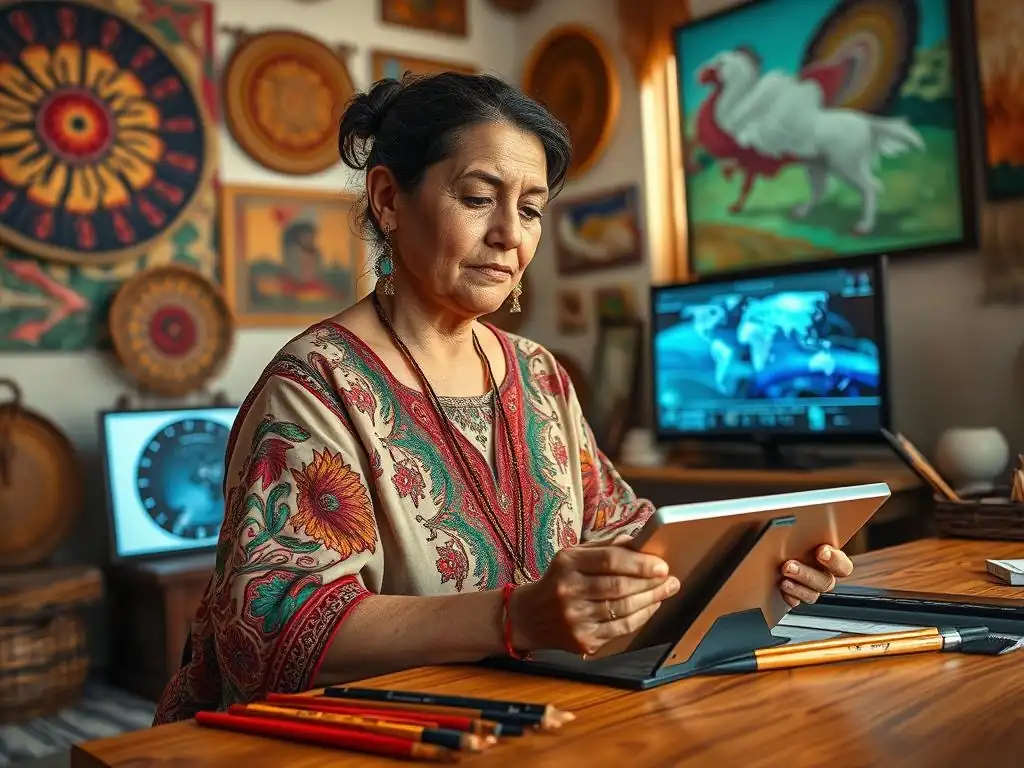
Welcome to Indigenous Civilizations of the Americas, where we embark on a captivating journey through the rich tapestry of indigenous cultures that flourished long before European contact. Our exploration delves into the achievements, societies, and enduring legacies of these remarkable civilizations. In our featured article, “The Impact of Digital Technology on Indigenous Art Accessibility,” we uncover how modern advancements are reshaping the way indigenous art is shared and appreciated.
Prepare to be intrigued as we reveal the transformative potential of digital technology, inviting you to discover the vibrant expressions of indigenous artistry like never before. Dive in and let's celebrate these remarkable stories together!
Introduction to Digital Technology and Indigenous Art Access
In the contemporary world, digital technology has emerged as a transformative force, reshaping various aspects of our lives, including art and cultural expression. For indigenous communities across the Americas, this technological evolution presents both opportunities and challenges in preserving and sharing their rich artistic heritage. Digital technology enhances indigenous art access, allowing a broader audience to appreciate and engage with the diverse artistic expressions that have flourished over centuries.
The advent of the internet, social media, and digital platforms has democratized art accessibility, enabling indigenous artists to showcase their work to global audiences without the barriers often presented by traditional art markets. This shift not only promotes cultural exchange but also fosters a deeper understanding of the historical and contemporary narratives embodied in indigenous artworks. However, as we explore the intersection of digital technology and indigenous art access, it is crucial to recognize the inherent complexities and responsibilities that come with this newfound visibility.
Understanding Indigenous Art: Cultural Significance and Traditional Methods
Indigenous art is more than just an aesthetic endeavor; it serves as a vital conduit for expressing cultural identity, history, and values. Each piece of art is often imbued with profound meanings and narratives that reflect the uniqueness of a community's experiences and traditions. The significance of indigenous art can be understood through several key aspects:
- Cultural Identity: Art is a vital expression of heritage, helping to reinforce and communicate the cultural identity of indigenous peoples. Through various mediums—such as pottery, weaving, painting, and carving—artists convey stories, beliefs, and worldviews that are central to their communities.
- Traditional Techniques: Many indigenous artists employ traditional methods passed down through generations. These techniques, often rooted in the natural environment and community practices, not only enhance the authenticity of the artwork but also serve as a means of cultural preservation. For instance, indigenous weaving may utilize materials sourced from local flora, embodying a deep connection to the land.
- Community and Collaboration: Indigenous art is frequently a communal activity, involving collaboration among members of the community. This emphasis on collective creativity fosters social bonds and reinforces cultural continuity, making the art a living tradition rather than a static representation.
- Spirituality and Ritual: Many indigenous artworks are intrinsically linked to spiritual beliefs and practices. They can serve as ceremonial objects, symbols of tribal identity, or tools for storytelling, enriching the cultural fabric of indigenous societies.
In understanding these elements, we can better appreciate the role of digital technology in enhancing accessibility to indigenous art. By bridging the gap between artists and audiences, digital platforms can facilitate a greater appreciation for the depth and richness of indigenous artistic expressions, paving the way for a more inclusive cultural dialogue.
The Role of Digital Technology in Enhancing Indigenous Art Access
Digital technology has revolutionized the way indigenous art is accessed, appreciated, and shared across the globe. With the advent of the internet and various digital platforms, artists and audiences are no longer confined by geographical barriers. This democratization of access allows a wider audience to explore and engage with authentic indigenous art, fostering a deeper understanding of the cultures and histories behind the works.
One significant impact of digital technology is the ability to showcase art in high resolution, enabling viewers to appreciate the intricate details and craftsmanship of indigenous artworks. Online galleries and virtual exhibitions provide an immersive experience, allowing art enthusiasts to navigate through collections and learn about the stories behind each piece. Furthermore, digital archives and databases dedicated to indigenous art preserve cultural heritage and ensure that these creations are not lost to time.
Moreover, digital technology facilitates collaboration and networking among artists, collectors, and cultural institutions. This interconnectedness leads to increased visibility for indigenous artists and their work, promoting cultural exchange and appreciation. As a result, indigenous art gains greater recognition in the global art scene, which can help combat stereotypes and misconceptions about indigenous cultures.
Digital Tools Empowering Indigenous Artists
Digital tools are empowering indigenous artists by providing them with innovative avenues to create, market, and sell their art. These technologies not only enhance their creative processes but also offer platforms for economic sustainability and cultural expression. As indigenous artists embrace these tools, they are able to reach new audiences and maintain their cultural narratives in a rapidly changing world.
Social Media Platforms for Indigenous Art Promotion
Social media platforms have become vital tools for indigenous artists to promote their work and connect with audiences. Platforms such as Instagram, Facebook, and TikTok allow artists to share their creations, stories, and cultural heritage with a global audience.
- Visual Storytelling: Artists can use visually appealing posts, stories, and reels to showcase their artworks and the processes behind them, attracting followers and potential buyers.
- Community Building: Social media fosters a sense of community among indigenous artists, enabling them to support one another, share resources, and collectively promote their art. Hashtags like #IndigenousArt and #NativeArtists have become essential for visibility.
- Direct Engagement: Artists can engage directly with their audience through comments, live sessions, and Q&A, creating a personal connection that enhances the appreciation of their work.
E-Commerce Solutions for Indigenous Art Sales
E-commerce solutions have transformed the way indigenous artists sell their work, providing them with direct access to consumers without the need for intermediaries.
- Online Marketplaces: Platforms such as Etsy, Shopify, and specialized indigenous art marketplaces allow artists to set up virtual shops, showcasing their products to a wider audience. This accessibility is crucial for artists who may not have physical galleries nearby.
- Secure Transactions: E-commerce tools offer secure payment options, making it easier for customers to purchase art without concerns about fraud. This encourages more people to invest in indigenous art, knowing that their transactions are safe.
- Global Reach: By leveraging e-commerce, indigenous artists can reach customers across different continents, increasing their sales potential and providing them with sustainable income sources. This shift not only supports individual artists but also contributes to the preservation and growth of indigenous cultures through the arts.
Digital technology plays a crucial role in enhancing access to indigenous art by empowering artists, promoting their work through social media, and providing robust e-commerce solutions. As these tools continue to evolve, they will undoubtedly foster even greater accessibility and appreciation for indigenous art in the digital age.
Challenges Faced by Indigenous Artists in the Digital Age
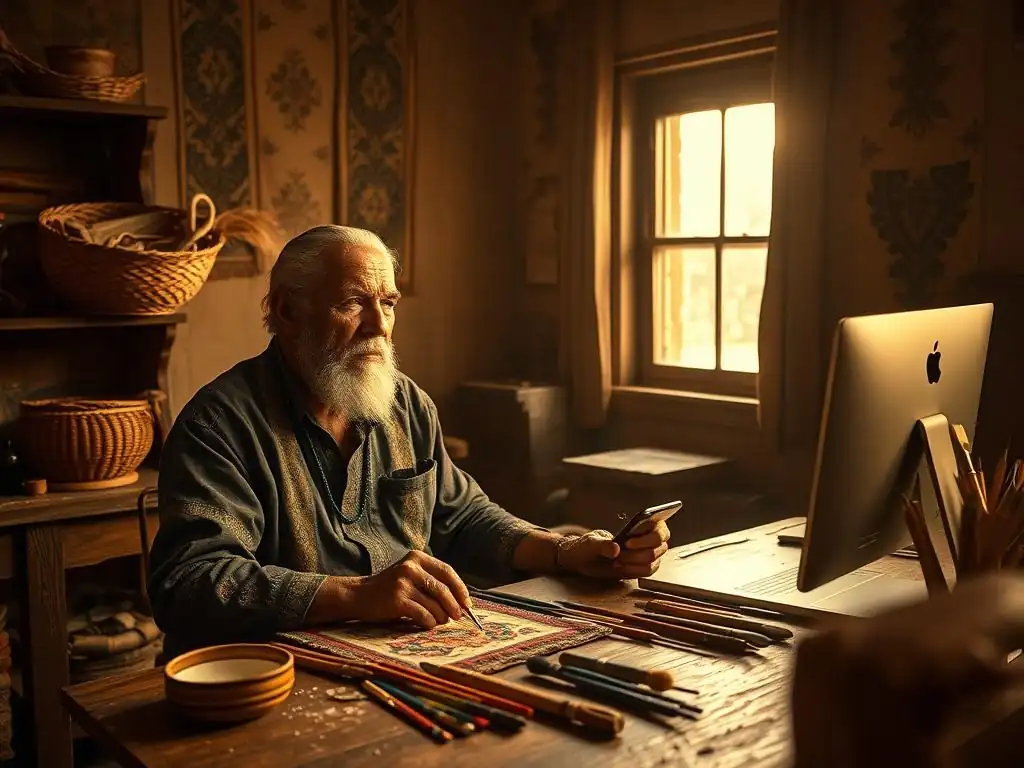
Indigenous artists encounter a multitude of challenges in the digital age, which can hinder their ability to share their work and connect with broader audiences. One significant issue is the digital divide, where many Indigenous communities lack access to reliable internet and technology. This limits their ability to showcase their art online, participate in digital marketplaces, and engage with potential buyers or audiences.
Furthermore, there is often a cultural appropriation of Indigenous art online. Many artists find their work being reproduced without permission or credit, leading to a loss of revenue and recognition. This appropriation not only undermines the artists' livelihoods but also dilutes the cultural significance of their creations.
Additionally, the rapid technological advancements can create a knowledge gap for Indigenous artists. Those who are not familiar with digital tools may struggle to adapt to new platforms, hindering their capacity to market their art effectively. The lack of digital literacy programs specifically tailored to Indigenous communities exacerbates this issue.
Lastly, there is a challenge of representation and visibility. Despite the rich diversity of Indigenous art, many mainstream platforms often overlook or misrepresent Indigenous artists. This can perpetuate stereotypes and fail to accurately convey the depth and variety of Indigenous cultures and artistic expressions.
Strategies for Supporting Authentic Indigenous Art Access
To enhance accessibility to Indigenous art through digital technology, several strategies can be employed. These approaches focus on empowering Indigenous artists, fostering community involvement, and promoting ethical practices in the digital space.
Promoting Ethical Digital Practices
Promoting ethical digital practices is essential to ensure that Indigenous artists receive the recognition and compensation they deserve. This can be achieved by:
- Implementing Fair Use Policies: Platforms that host Indigenous art should establish clear guidelines that respect the rights of artists, preventing unauthorized reproductions and ensuring that creators are credited appropriately.
- Creating Awareness Campaigns: Educating the public about the importance of respecting Indigenous art and culture can help combat appropriation. These campaigns can highlight the significance of cultural heritage and the need for ethical engagement with Indigenous art.
- Supporting Indigenous-Owned Platforms: Encouraging the development and use of digital platforms owned and operated by Indigenous people can create spaces that prioritize authentic representation and equitable access to art.
Collaborations Between Indigenous Artists and Tech Companies
Collaborations between Indigenous artists and technology companies can bridge the gap in digital access and enhance the visibility of Indigenous art. These collaborations can take various forms:
- Skill Development Workshops: Tech companies can partner with Indigenous artists to provide training on digital tools and platforms. This can empower artists with the necessary skills to navigate the digital landscape effectively.
- Co-Creation of Digital Art Platforms: By involving Indigenous artists in the design and operation of online marketplaces, tech companies can create more inclusive spaces that cater to the unique needs of Indigenous creators and their audiences.
- Cultural Exchange Programs: Initiatives that promote cultural exchange between Indigenous artists and tech professionals can foster mutual understanding and help integrate Indigenous perspectives into technological solutions.
Overall, these strategies aim to create a more equitable digital landscape that respects and uplifts Indigenous art, ensuring that these rich cultural expressions are accessible to all while safeguarding the rights and identities of Indigenous creators.
Future Trends in Digital Technology and Indigenous Art
As digital technology continues to evolve, its influence on the accessibility and representation of indigenous art is expected to grow significantly. One future trend is the increased use of augmented reality (AR) and virtual reality (VR) to create immersive experiences that allow viewers to engage with indigenous art in new ways. Through AR and VR, users can virtually step into indigenous communities, exploring art in its cultural context, which fosters a deeper understanding and appreciation of the heritage behind the artwork.
Another trend is the development of web-based platforms and apps specifically designed to showcase indigenous art. These platforms will facilitate direct connections between artists and art enthusiasts, enabling transactions that are fair and beneficial to the creators. Such platforms can also integrate storytelling elements that highlight the cultural significance of the art, thus educating users about the traditions and narratives inherent in indigenous craftsmanship.
Furthermore, social media will continue to play a crucial role in promoting indigenous art. Artists can leverage platforms like Instagram, TikTok, and Pinterest to share their work and stories, reaching a global audience without traditional barriers. This democratization of art access not only amplifies indigenous voices but also encourages cross-cultural dialogue and collaboration among artists.
Lastly, advancements in digital archiving and preservation technologies will aid in the conservation of indigenous art forms. By digitizing artworks and documenting the stories behind them, indigenous communities can ensure that their cultural expressions are preserved for future generations. This digital preservation can also serve as a resource for education and awareness, helping to combat stereotypes and misconceptions about indigenous peoples and their art.
Conclusion: Embracing Digital Technology for Inclusive Indigenous Art Access
The integration of digital technology into the realm of indigenous art is transforming how these cultures share and celebrate their heritage. By embracing digital tools, indigenous artists can expand their reach, connect with wider audiences, and maintain control over their artistic expressions. This shift not only enhances accessibility but also promotes authenticity and respect for indigenous narratives.
As digital platforms become more sophisticated, it is imperative for stakeholders—including artists, educators, and policymakers—to collaborate in creating equitable systems that prioritize indigenous voices. By ensuring that indigenous art is showcased in a manner that honors its cultural significance, we can foster a more inclusive art landscape.
Ultimately, the future of indigenous art accessibility lies in the balance between technology and tradition. By harnessing the power of digital innovations while remaining grounded in cultural authenticity, we can create a vibrant space for indigenous artists to thrive and share their stories with the world. Embracing these changes will lead to a richer understanding of the diverse and complex identities that indigenous art represents, paving the way for future generations to appreciate and engage with this vital aspect of cultural heritage.
- Introduction to Digital Technology and Indigenous Art Access
- Understanding Indigenous Art: Cultural Significance and Traditional Methods
- The Role of Digital Technology in Enhancing Indigenous Art Access
- Digital Tools Empowering Indigenous Artists
- Challenges Faced by Indigenous Artists in the Digital Age
- Strategies for Supporting Authentic Indigenous Art Access
- Future Trends in Digital Technology and Indigenous Art
- Conclusion: Embracing Digital Technology for Inclusive Indigenous Art Access
- What is the focus of the article "The Impact of Digital Technology on Indigenous Art Accessibility"?
- How has digital technology influenced indigenous art?
- What are some examples of digital technology used in indigenous art?
- Why is accessibility important for indigenous art?
- How can individuals support indigenous artists in the digital space?
Frequently Asked Questions
What is the focus of the article "The Impact of Digital Technology on Indigenous Art Accessibility"?
The article explores how digital technology has enhanced access to indigenous art, allowing broader audiences to appreciate and engage with these rich cultural expressions.
How has digital technology influenced indigenous art?
Digital technology has provided new platforms for indigenous artists, enabling them to showcase their work online, reach global audiences, and maintain cultural heritage in innovative ways.
What are some examples of digital technology used in indigenous art?
Examples include social media for promotion, virtual galleries for exhibitions, and online marketplaces that allow indigenous artists to sell their works directly to consumers.
Why is accessibility important for indigenous art?
Increased accessibility helps to raise awareness about indigenous cultures, promotes cultural preservation, and fosters a deeper understanding and appreciation of their artistic traditions.
How can individuals support indigenous artists in the digital space?
Individuals can support indigenous artists by sharing their work on social media, purchasing art from online platforms, and engaging with educational resources that highlight their cultural significance.
Final Reflection: Embracing Digital Technology for Indigenous Art Accessibility
The intersection of digital technology and indigenous art access is not just a contemporary issue; it is a vital conversation that shapes our understanding of culture and heritage today. As we navigate an increasingly digital world, the ability to share and experience indigenous art through technology has become essential in preserving these rich traditions and making them accessible to a broader audience. The potential for digital platforms to amplify indigenous voices and narratives is profound, reminding us that art is not merely a reflection of culture but a powerful tool for connection and understanding.
The impact of digital technology on the accessibility of indigenous art has transformed not only how we engage with these works but also how they are perceived within the cultural landscape. The ongoing dialogue around this topic highlights the importance of representation and the need for inclusivity in the digital realm. As we witness the rise of virtual galleries and online exhibitions, we are reminded of the words of renowned indigenous artist, Rebecca Belmore: Art is a way of knowing, a way of being, and a way of connecting.
This connection is crucial in fostering respect and appreciation for indigenous cultures, allowing for a richer, more diverse artistic dialogue.
As we reflect on the lessons presented in this article, I invite you to consider your role in this evolving narrative. How can you contribute to the accessibility and appreciation of indigenous art in your own life? Whether through supporting indigenous artists, sharing their work on social media, or advocating for digital platforms that prioritize their stories, every action counts. Let us embrace the opportunities that digital technology offers, ensuring that indigenous art not only survives but thrives in our interconnected world.
Unveil the Power of Digital Technology for Indigenous Art!
Thank you for diving into the fascinating intersection of digital technology and Indigenous art accessibility! You've explored how technology can elevate and preserve these essential cultural expressions. Now, it's time to take action and support this vibrant art community.
Here’s how you can contribute and engage actively:
- Explore online galleries that showcase Indigenous art, and share your favorites with friends on social media to raise awareness.
- Consider supporting Indigenous artists by purchasing their work directly from their websites or local art shops.
- Join community workshops or virtual meet-ups to learn more about Indigenous art and its significance. Connecting with others can foster a deeper understanding and collaboration.
What new insights have you gained about the role of technology in supporting Indigenous art, and how can you use them to inspire others?