
Crafting Community: The Social Impact of Indigenous Gift Traditions

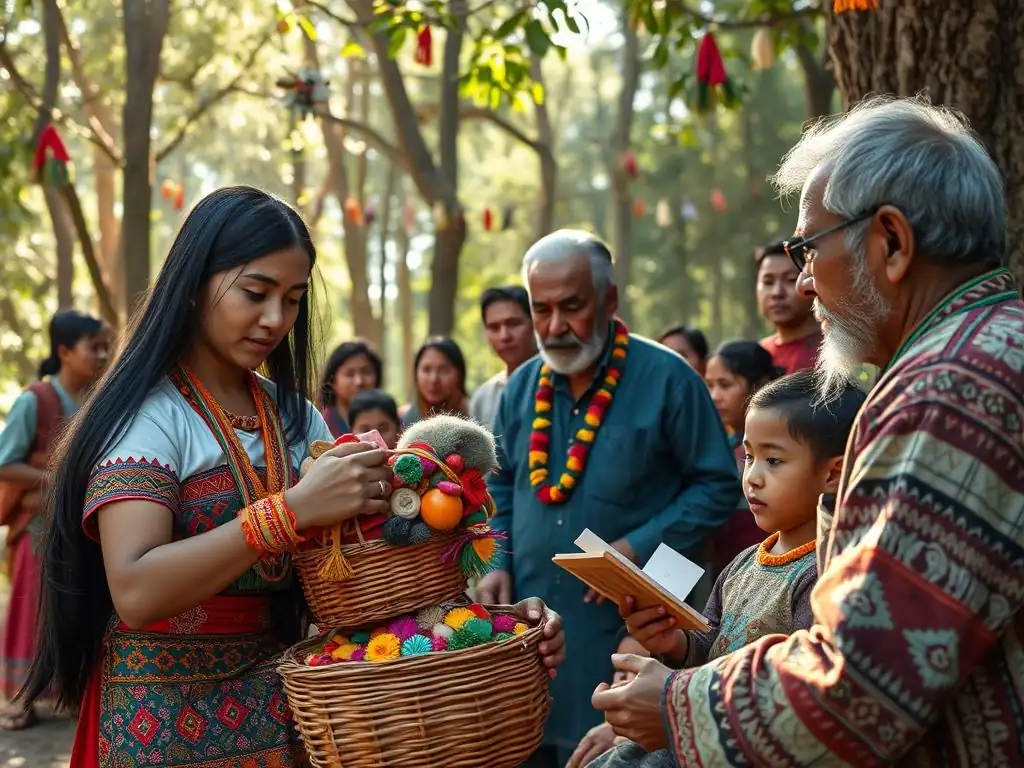
Welcome to Indigenous Civilizations of the Americas, where we embark on an enlightening journey through the rich tapestry of indigenous cultures that flourished long before European contact. Here, you'll uncover the profound impact of indigenous gift traditions—a practice that not only shaped community bonds but also laid the foundation for cultural resilience. As you delve into our featured article, "Crafting Community: The Social Impact of Indigenous Gift Traditions," prepare to be captivated by stories of artistry, ingenuity, and the enduring legacy of these remarkable civilizations. Your exploration begins now—let the discovery unfold!
Indigenous gift traditions have long been a vital aspect of social interaction and community cohesion among various Native American cultures. These practices not only foster relationships among individuals but also reinforce cultural values, identity, and continuity. This article delves into the significance of these traditions, examining their profound impact on social structures and community development within indigenous societies. By understanding the intricate layers of meaning behind these gift-giving practices, we can appreciate the enduring legacy they leave on contemporary community dynamics and their relevance in today's cultural landscape.
Introduction to Indigenous Gift Traditions
Indigenous gift traditions encompass a wide range of practices that vary significantly across different cultures and regions. At their core, these traditions serve as a means of expressing gratitude, marking significant life events, and reinforcing social bonds. Gifts are often crafted from available natural resources, showcasing the artistic skills and cultural heritage of the giver.
- Types of Gifts:
- Ceremonial Items: Used in rituals and celebrations.
- Everyday Objects: Practical items that carry personal significance.
- Artworks: Crafted pieces that reflect cultural stories and values.
These gifts are not merely material exchanges; they embody deep social meanings and are often accompanied by specific protocols and rituals that enhance their significance.
The Role of Indigenous Gift Traditions in Community Building
Indigenous gift traditions play a crucial role in community building by fostering interconnectedness among members. They contribute to the establishment of trust and reciprocity, essential elements for any thriving society.
- Strengthening Relationships:
- Gifts serve as tangible expressions of care and respect, solidifying bonds between individuals and families.
- They are often exchanged during communal events, reinforcing collective identity and shared values.
- Cultural Transmission:
- Through the act of gifting, knowledge and traditions are passed down generations, ensuring cultural continuity and resilience.
- Elders often play a pivotal role in this transmission, using gifts as teaching tools to impart wisdom and cultural practices.
- Conflict Resolution:
- In many indigenous cultures, the act of giving can serve as a gesture of peace, helping to mend relationships and resolve disputes.
- This practice emphasizes the importance of harmony within the community.
Historical Context of Indigenous Gift Traditions
The historical roots of indigenous gift traditions can be traced back to pre-colonial times, where they were integral to the fabric of social life. These traditions were shaped by the unique environments and cultures of different indigenous groups.
- Pre-Colonial Practices:
- Many indigenous societies engaged in gift exchanges as part of their economic systems, establishing networks of trade and cooperation.
- Notable examples include the potlatch ceremonies among the Pacific Northwest tribes, where wealth and status were displayed through elaborate gift-giving.
- Impact of Colonization:
- European colonization introduced new challenges, disrupting traditional practices and altering community dynamics.
- Despite these challenges, many indigenous groups adapted their gift traditions, ensuring their survival and continued relevance within modern contexts.
The social impact of indigenous gift traditions is profound, influencing community cohesion, cultural resilience, and interpersonal relationships. Recognizing the importance of these practices allows us to appreciate the rich tapestry of indigenous cultures and their contributions to the broader narrative of human social development.
Symbolism and Meaning in Indigenous Gifts
Indigenous gift traditions are rich in symbolism, reflecting the values, beliefs, and cultural narratives of various communities. Gifts are not merely material objects; they carry deep meanings and serve as a medium for expressing relationships among individuals, families, and communities. Often, the act of giving is intertwined with the spiritual and social fabric of indigenous life.
For many indigenous cultures, gifts symbolize respect and reciprocity. They can represent gratitude, friendship, and solidarity, forging stronger bonds within the community. For instance, in some Native American traditions, the act of giving a gift is accompanied by a ceremony that emphasizes the connection between the giver and the receiver, reinforcing the idea that relationships are foundational to communal life.
Additionally, the materials used in these gifts—be it woven textiles, handcrafted pottery, or carved figurines—hold significant cultural narratives. Each item may embody stories, traditions, or ancestral knowledge, making the gift a conduit for cultural transmission. In this way, indigenous gifts serve not only as tangible expressions of affection but also as vessels of cultural identity and continuity.
The Economic Impact of Indigenous Gift Traditions
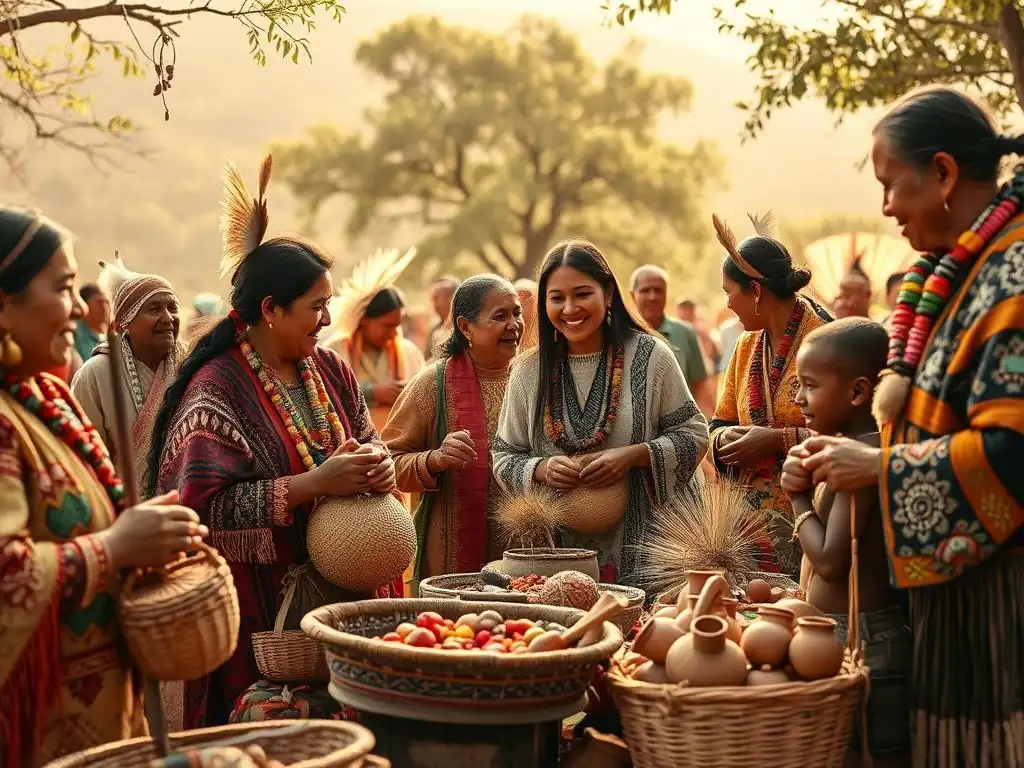
The economic impact of indigenous gift traditions extends beyond the immediate act of gifting; it plays a vital role in sustaining indigenous economies. In many communities, the creation and exchange of handcrafted items—such as jewelry, clothing, and art—contribute to local economies by providing income for artisans and promoting cultural tourism.
Many indigenous artisans have embraced the market for their goods, utilizing traditional techniques to produce unique items that appeal to both indigenous and non-indigenous consumers. This not only helps to preserve traditional craftsmanship but also fosters economic independence. According to recent studies, the indigenous artisan sector has seen a significant rise in sales over the past decade, illustrating the growing appreciation for authenticity and cultural heritage among consumers.
Moreover, gift traditions often lead to community initiatives that support economic development. Events such as craft fairs and cultural festivals provide platforms for artisans to showcase their work, allowing them to connect with broader markets. Such gatherings also reinforce community ties and celebrate the rich cultural heritage of indigenous peoples, creating a holistic approach to both cultural preservation and economic sustainability.
Contemporary Applications of Indigenous Gift Traditions
In today's globalized world, indigenous gift traditions are experiencing a resurgence, as both indigenous peoples and non-indigenous communities seek to reconnect with cultural roots and foster understanding. Contemporary applications of these traditions encompass a variety of contexts, from personal relationships to community-building initiatives.
Modern indigenous artists are innovating traditional gift-making practices, incorporating contemporary themes while maintaining their cultural significance. Items such as contemporary woven baskets, beaded jewelry, and art pieces that reflect current social issues are gaining recognition and appreciation in broader markets. This evolution not only preserves traditional methods but also allows for dialogue between generations, bridging the gap between the past and the present.
Furthermore, educational programs and workshops focused on indigenous gift traditions are becoming more widespread, fostering an appreciation for these practices among diverse audiences. Schools, museums, and cultural centers are increasingly hosting events that allow participants to engage with indigenous craft-making, thereby promoting cultural exchange and awareness.
As indigenous gift traditions continue to evolve, they serve not only as a means of personal expression but also as powerful tools for healing and reconciliation in contemporary society. By recognizing and valuing these traditions, individuals and communities can cultivate a greater understanding of indigenous cultures and their enduring impact on society.
Indigenous gift traditions have a profound social impact that extends beyond mere material exchange. These practices foster connections among community members, reinforce cultural identity, and promote social cohesion. In many Indigenous societies, the act of gifting is not simply transactional; it is deeply embedded in the fabric of social relationships and community dynamics. The sharing of gifts often symbolizes respect, gratitude, and the maintenance of kinship ties, thereby strengthening communal bonds.
In contemporary society, these traditions continue to play a crucial role. For instance, Indigenous festivals and events often highlight traditional gift-giving practices as a way to educate the broader public about Indigenous cultures. This not only helps preserve these customs but also invites dialogue and understanding between Indigenous peoples and non-Indigenous communities. Furthermore, the resurgence of interest in Indigenous art and craftsmanship has led to a greater appreciation for the stories and meanings behind these gifts, fostering a sense of respect and recognition for Indigenous heritage.
Moreover, as Indigenous gift traditions are shared and celebrated, they contribute to social movements advocating for Indigenous rights and sovereignty. By showcasing their unique cultural practices, Indigenous communities reinforce their identity and assert their place in the modern world, challenging stereotypes and misconceptions. This cultural visibility is essential in promoting social justice and fostering a more equitable society.
Supporting Indigenous Artisans and Gift Traditions
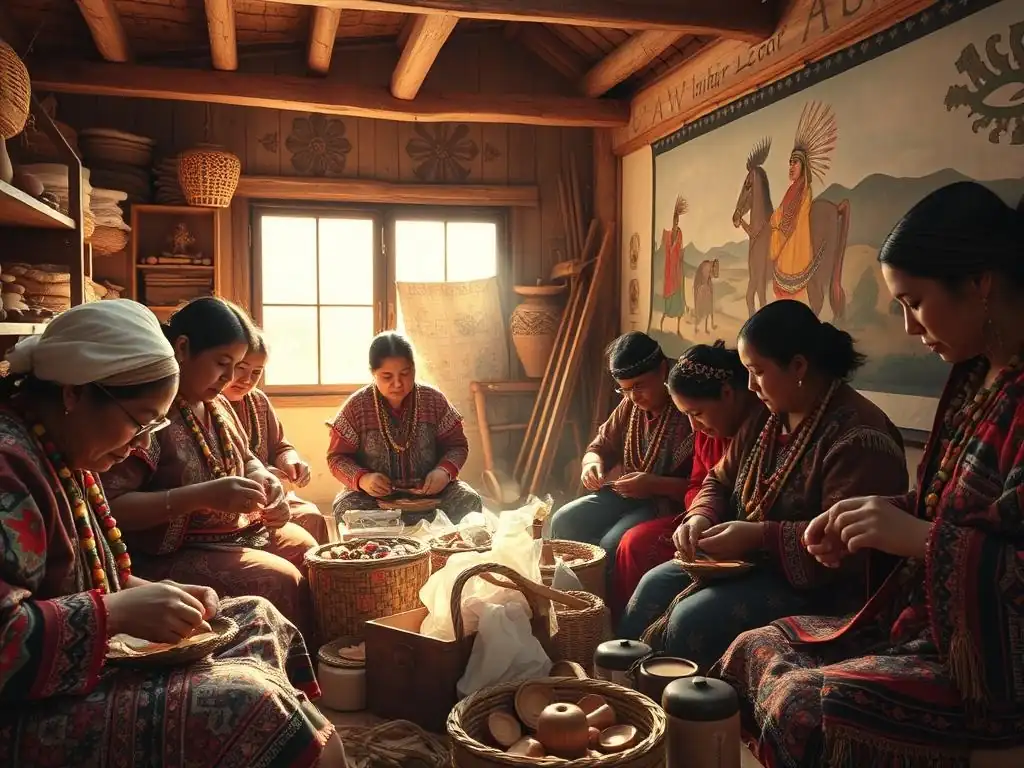
Supporting Indigenous artisans is vital for the continuation and revitalization of gift traditions. By purchasing handmade gifts directly from Indigenous creators, individuals contribute to the economic sustainability of these communities. This support not only helps preserve traditional craftsmanship but also empowers artisans to maintain their cultural practices and pass them on to future generations.
Many Indigenous artisans use their craft as a medium for storytelling, embedding cultural narratives and ancestral knowledge into each piece. This approach not only creates unique and meaningful gifts but also educates buyers about the cultural significance behind the items. Engaging with Indigenous artisans can lead to a deeper appreciation of their work and the stories they tell, fostering empathy and understanding.
Furthermore, various organizations and initiatives aim to promote Indigenous craftsmanship and artisanship. These platforms provide opportunities for artisans to showcase their work, connect with broader markets, and receive fair compensation for their labor. By supporting such initiatives, consumers can help sustain Indigenous gift traditions and ensure that these important cultural practices continue to thrive.
Conclusion: The Lasting Impact of Indigenous Gift Traditions
The impact of Indigenous gift traditions is both profound and enduring. These practices serve as a bridge between the past and present, allowing Indigenous peoples to celebrate their heritage while engaging with contemporary society. The act of gifting is not merely about the exchange of items; it embodies a philosophy of reciprocity, community, and respect that resonates deeply across generations.
As awareness of Indigenous gift traditions grows, so does the recognition of their significance in fostering social bonds and cultural identity. By supporting Indigenous artisans and embracing the values inherent in these traditions, society can play a pivotal role in sustaining Indigenous cultures and promoting their narratives. The lasting impact of these gift traditions is evident not only in the items exchanged but also in the relationships built and the cultural legacies preserved. Ultimately, Indigenous gift traditions remind us of the power of community, connection, and the shared humanity that binds us all.
Call to Action: Engaging with Indigenous Gift Traditions
Engaging with Indigenous gift traditions is not only a way to appreciate the rich cultural heritage of Indigenous peoples but also a means to foster community connections and support sustainable practices. Here are several ways you can actively participate in and honor these traditions:
- Learn and Educate
- Take the time to research the various Indigenous cultures and their unique gift-giving practices. Understanding the significance behind these traditions can enhance your appreciation and respect for them. Consider enrolling in workshops or attending cultural events that focus on Indigenous craftsmanship and storytelling.
- Support Indigenous Artisans
- Purchase gifts crafted by Indigenous artisans. By supporting their work, you contribute to the economic empowerment of these communities. Look for local craft fairs, online marketplaces, or community events where Indigenous artists showcase their creations.
- Participate in Cultural Events
- Attend local Indigenous cultural celebrations and gatherings. These events often provide opportunities to engage with community members, learn about traditional practices firsthand, and participate in gift exchanges that reflect Indigenous values of sharing and reciprocity.
- Incorporate Indigenous Practices in Your Life
- Consider integrating Indigenous gift traditions into your own life. This could mean creating handmade gifts that reflect Indigenous aesthetics or adopting the practice of giving gifts as a gesture of gratitude and community connection. Reflecting on the intention behind your gifts can transform the act into a meaningful experience.
- Advocate for Indigenous Rights
- Engaging with Indigenous gift traditions also involves advocating for the rights and recognition of Indigenous peoples. Support policies and initiatives that promote the preservation of Indigenous cultures and crafts. This can include sharing information on social media, participating in campaigns, or supporting organizations dedicated to Indigenous rights.
- Share Your Experiences
- Use your platforms to share what you learn about Indigenous gift traditions. Whether through social media, blogs, or community conversations, your voice can help raise awareness and appreciation for these cultural practices.
By engaging with Indigenous gift traditions, you not only honor the cultures from which they originate but also contribute to a broader understanding and appreciation of the diverse Indigenous societies across the Americas. Let's celebrate and support these traditions together, fostering a sense of community and mutual respect.
- Introduction to Indigenous Gift Traditions
- The Role of Indigenous Gift Traditions in Community Building
- Historical Context of Indigenous Gift Traditions
- Symbolism and Meaning in Indigenous Gifts
- The Economic Impact of Indigenous Gift Traditions
- Contemporary Applications of Indigenous Gift Traditions
- The Social Impact of Indigenous Gift Traditions in Today’s Society
- Supporting Indigenous Artisans and Gift Traditions
- Conclusion: The Lasting Impact of Indigenous Gift Traditions
- Call to Action: Engaging with Indigenous Gift Traditions
- What are Indigenous gift traditions?
- How do Indigenous gift traditions impact communities?
- Why are gift traditions important in Indigenous cultures?
- What role do gift traditions play in cultural preservation?
- How can understanding gift traditions contribute to a broader appreciation of Indigenous cultures?
Frequently Asked Questions
What are Indigenous gift traditions?
Indigenous gift traditions are cultural practices that emphasize the importance of reciprocity and community connection among Indigenous peoples. These traditions often involve giving and receiving gifts that carry social and spiritual significance.
How do Indigenous gift traditions impact communities?
Indigenous gift traditions have a profound social impact by reinforcing relationships, fostering a sense of belonging, and promoting cohesion within communities. They serve as a means of cultural expression and identity.
Why are gift traditions important in Indigenous cultures?
Gift traditions are vital as they embody values such as generosity, respect, and interdependence. They help maintain social harmony and strengthen the bonds between individuals and their communities.
What role do gift traditions play in cultural preservation?
Gift traditions play a crucial role in cultural preservation by passing down knowledge, stories, and customs from one generation to the next. They help ensure that Indigenous identities and values remain vibrant and relevant.
How can understanding gift traditions contribute to a broader appreciation of Indigenous cultures?
Understanding gift traditions allows for a deeper appreciation of the complexity and richness of Indigenous cultures. It highlights their contributions to social structures, and shows how these practices continue to influence modern Indigenous communities.
Final Reflection: The Enduring Impact of Indigenous Gift Traditions
The significance of Indigenous gift traditions extends far beyond mere cultural practices; they are vital threads in the fabric of community resilience and social cohesion. Today, as we navigate a world increasingly driven by individualism and consumerism, the lessons embedded in these traditions remind us of the power of generosity and interconnectedness. The impact of Indigenous gift traditions is not just historical; it is a living testament to how communities can thrive through shared values and mutual support.
These traditions have profoundly shaped our cultural landscape, fostering a sense of belonging and responsibility among individuals. The principles of reciprocity and respect inherent in Indigenous gift-giving challenge us to rethink our relationships with one another and the environment. As we witness a resurgence of interest in these practices, it becomes clear that they offer a blueprint for sustainable living and community building. In every gift, there is a story, and in every story, there is a connection that binds us together.
As we reflect on the lessons of Indigenous gift traditions, I invite you to consider how you can incorporate these values into your own life. What can you give to your community that fosters connection and support? Whether it’s through acts of kindness, sharing resources, or simply being present for one another, each small gesture contributes to a larger movement of unity and resilience. Let us honor these traditions by embracing the spirit of giving and nurturing the bonds that hold us together, paving the way for a more compassionate future.
Thank you for taking the time to explore the profound social impact of Indigenous gift traditions. Your interest not only enriches your understanding but also honors these meaningful practices. Now, let’s take actionable steps to celebrate and promote these traditions in our daily lives!
- Reconnect with your community: Organize a gathering to share Indigenous gift traditions, inviting local artists and storytellers to foster a deeper connection among participants.
- Support Indigenous creators: Explore local marketplaces and purchase handmade gifts from Indigenous artisans to help sustain their cultural heritage and craftsmanship.
- Spread the word: Share this article on social media or discuss it with friends and family to raise awareness about the significance of these traditions.
What unique gift traditions from your community can you share that celebrate connection and cultural identity?