
Gender Roles in Textile Production: The Women's Craft of Weaving

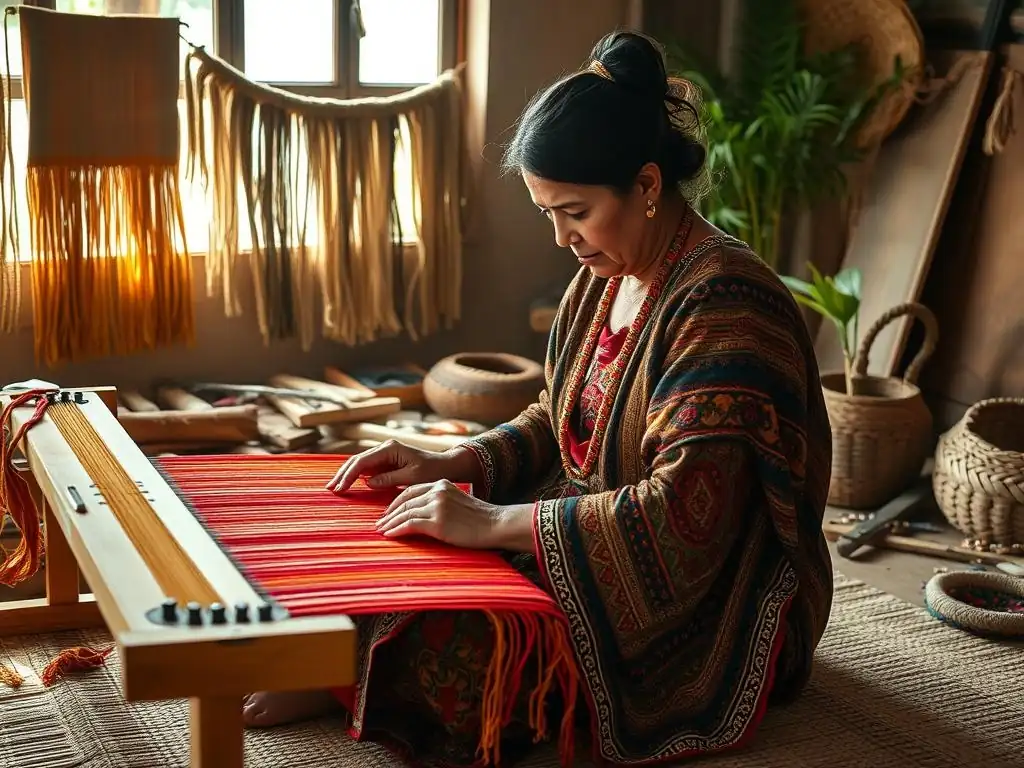
Welcome to Indigenous Civilizations of the Americas, where we invite you to embark on a fascinating journey through the rich tapestry of indigenous cultures that flourished long before European shores were reached. In our exploration, we shine a spotlight on the indigenous women's weaving traditions, a craft that not only showcases artistic skill but also reflects the intricate gender roles within these vibrant societies.
As you delve into our featured article, Gender Roles in Textile Production: The Women's Craft of Weaving, prepare to uncover the profound significance of these traditions and their enduring impact on both cultural identity and heritage. Keep reading to discover how these remarkable women wove the very fabric of their communities and left a legacy that continues to inspire.
- Introduction to Indigenous Women's Weaving Traditions
- Historical Context of Indigenous Women's Weaving Traditions
- The Craft of Weaving: Techniques and Materials
- Cultural Significance of Weaving in Indigenous Communities
- Gender Roles in Textile Production
- Preservation and Revitalization of Indigenous Women's Weaving Traditions
- Conclusion: The Legacy of Indigenous Women's Weaving Traditions
- Call to Action: Supporting Indigenous Women's Weaving Traditions
-
Frequently Asked Questions
- What are indigenous women's weaving traditions?
- How did gender roles influence weaving in indigenous cultures?
- What types of materials are commonly used in indigenous weaving?
- How do weaving traditions reflect the societal values of indigenous cultures?
- What is the significance of preserving indigenous women's weaving traditions today?
- Final Reflection: Embracing the Legacy of Indigenous Women's Weaving Traditions
- Embrace the Craft: Join the Weaving Community Today!
Introduction to Indigenous Women's Weaving Traditions
Indigenous women's weaving traditions represent a profound aspect of cultural heritage and craftsmanship within the diverse societies that flourished across the Americas. Long before European colonization, women played a pivotal role in textile production, utilizing natural materials and ancestral techniques to create intricate textiles that served practical, ceremonial, and artistic purposes.
This article delves into the significance of these traditions, exploring how they not only reflect the artistry and skills of Indigenous women but also embody the values, beliefs, and identities of their communities. Through a comprehensive examination of the weaving practices, we will uncover the rich tapestry of stories and cultural significance woven into each piece, highlighting the enduring legacy of Indigenous women's contributions to textile technologies.
Overview of Textile Production in Indigenous Cultures
Textile production in Indigenous cultures was not merely a craft; it was an essential component of daily life and a reflection of societal organization. Women, as the primary weavers, were responsible for creating garments, blankets, and ceremonial items that were integral to their communities. The process of weaving involved several stages, including:
- Material Selection: Indigenous women utilized local resources, such as cotton, wool, and plant fibers, which were often dyed using natural pigments.
- Spinning and Preparation: The fibers were spun into threads, a labor-intensive process that required skill and patience.
- Weaving Techniques: Various techniques, such as loom weaving and finger weaving, were employed, each yielding distinct patterns and textures.
- Cultural Significance: Each textile piece often contained symbols and designs that conveyed stories, cultural beliefs, or social status.
The mastery of these techniques was passed down through generations, ensuring the survival of both the craft and the cultural narratives it encapsulated.
Importance of Weaving in Indigenous Societies
Weaving held a multifaceted importance in Indigenous societies, acting as a conduit for cultural expression, economic sustenance, and social cohesion. Here are some key aspects of its significance:
- Cultural Expression: Textiles often featured motifs and designs that reflected the community's history, spirituality, and connection to the land. Each woven piece served as a canvas for storytelling, allowing cultural narratives to be preserved and shared.
- Economic Role: The production and trade of textiles provided economic support for many households. Women often engaged in barter systems, exchanging textiles for other goods, thereby contributing to the community's economy.
- Social Bonds: Weaving was often a communal activity, fostering social connections among women. It was not uncommon for groups to gather for weaving circles, where knowledge was shared, and relationships strengthened.
- Ceremonial Significance: Many textiles were created for specific ceremonies, such as weddings, funerals, and rites of passage, highlighting their role in the spiritual and communal life of Indigenous peoples.
Indigenous women's weaving traditions are not merely a reflection of craftsmanship but are deeply intertwined with cultural identity, economic vitality, and social structures. Through the lens of textile production, we can appreciate the profound impact of these traditions on Indigenous societies and recognize the vital role women played in shaping their cultural landscapes.
Historical Context of Indigenous Women's Weaving Traditions
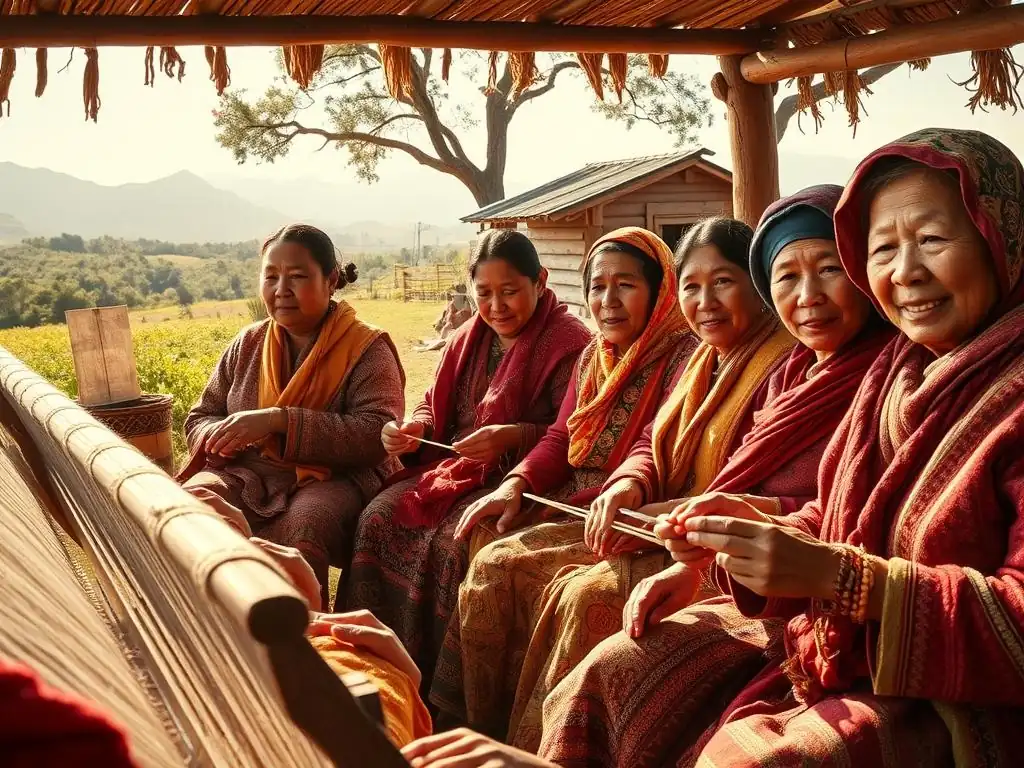
Origins of Weaving Techniques in the Americas
Weaving is an age-old craft that holds significant cultural importance among Indigenous peoples of the Americas. The origins of weaving techniques can be traced back thousands of years, with archaeological evidence indicating that the practice began as early as 5000 BCE in regions such as Peru and Mexico. Early methods involved the use of simple looms and natural fibers, such as cotton, wool, and plant materials.
Early Materials and Techniques
- Natural Fibers: Indigenous women primarily utilized local resources, including:
- Cotton: Cultivated in warmer climates, especially in Mesoamerica.
- Wool: Sourced from llamas and alpacas in the Andean regions.
- Plant Materials: Such as yucca and agave, used for creating textiles in arid environments.
- Loom Types: Variations of looms existed across different cultures:
- Backstrap Looms: Common among many Mesoamerican cultures, allowing for portability and use in various settings.
- Horizontal Looms: Employed in more complex weaving processes, particularly in the Andean regions.
These foundational techniques not only contributed to the creation of textiles but also fostered a sense of identity and community among Indigenous groups.
Role of Women in Textile Production Across Various Cultures
Indigenous women's weaving traditions are central to the cultural fabric of many societies across the Americas. Women have historically played a crucial role in textile production, which served not only functional purposes but also held deep cultural significance.
Cultural Significance of Weaving
- Symbol of Identity: Textiles often reflect a community's history, values, and beliefs. For example, the intricate patterns and colors used in weaving can signify tribal affiliation and social status.
- Ceremonial Importance: Many Indigenous groups incorporate woven items into rituals and ceremonies, highlighting their spiritual significance.
Economic Contributions
- Subsistence and Trade: Women were often responsible for producing textiles that were essential for daily life, such as clothing and blankets. Surplus textiles also became valuable trade items, contributing to the economy of their communities.
- Skill Development and Transmission: The craft of weaving was typically passed down through generations, with mothers teaching their daughters the techniques and cultural stories associated with the craft.
Regional Variations
- Navajo Nation: Renowned for their intricate rugs and blankets, Navajo women have preserved traditional techniques while incorporating modern influences.
- Andean Cultures: In regions like Peru, Quechua and Aymara women maintain ancient weaving practices, producing vibrant textiles that are both functional and artistic.
Indigenous women's weaving traditions not only showcase remarkable craftsmanship but also embody the resilience and cultural heritage of their communities. Through their art, women have played an essential role in maintaining the legacy of their ancestors, ensuring that the stories and techniques of weaving continue to thrive.
The Craft of Weaving: Techniques and Materials
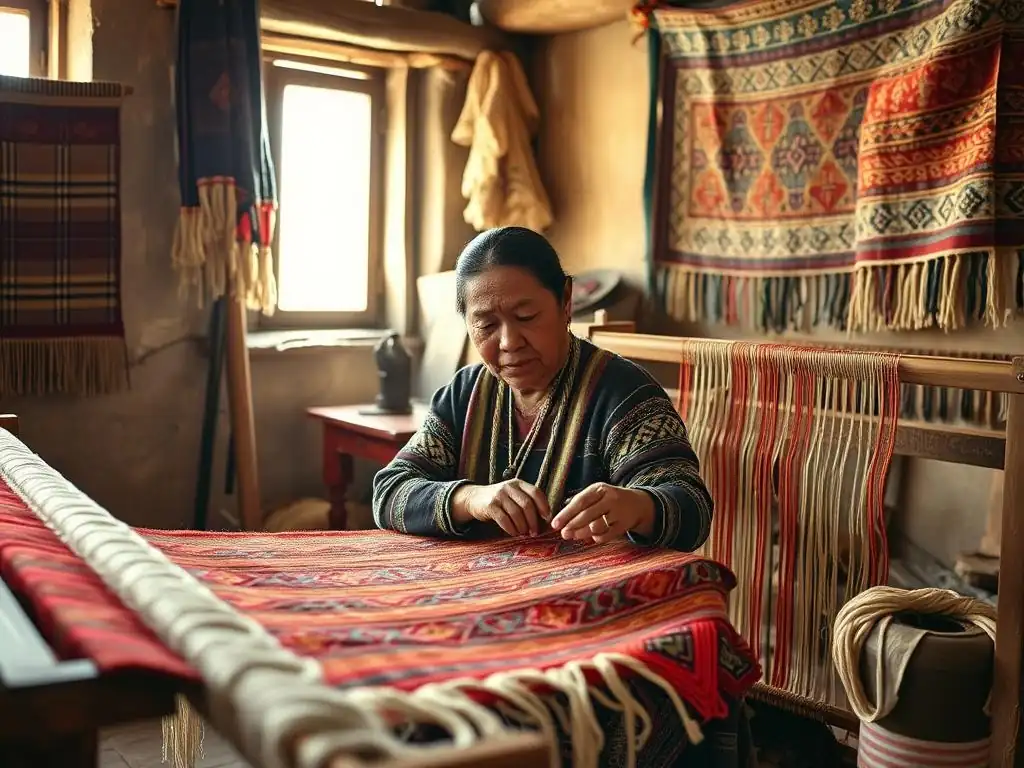
Traditional Weaving Techniques Employed by Indigenous Women
Indigenous women's weaving traditions are rich and diverse, showcasing a myriad of techniques passed down through generations. One of the most prominent methods is backstrap weaving, a technique that originated in the Andean regions and is still practiced today. This method involves anchoring one end of the loom to a stationary object, while the weaver uses her back to create tension on the warp threads. This allows for intricate patterns and designs that are unique to specific cultures.
Moreover, tapestry weaving is another significant technique utilized by various indigenous groups, particularly among the Navajo and other Southwestern tribes. This technique involves weaving weft threads over and under warp threads to create complex images and motifs that often tell stories or convey cultural significance. The use of vibrant colors and geometric patterns is a hallmark of this style, reflecting the natural landscape and spiritual beliefs of the weaver's community.
Another technique worth noting is coiling, which, although more commonly associated with basketry, also finds its place in textile production in some regions. Women adept in this method create textiles by spiraling and stitching together fibers, creating both functional and decorative items. This reflects the innovative spirit of indigenous women, as they adapt techniques to serve multiple purposes.
Natural Materials Used in Indigenous Textile Production
The choice of materials in indigenous women's weaving traditions is crucial, as it reflects the environment and resources available to each community. Commonly used materials include:
- Cotton: Widely used among Mesoamerican cultures, particularly the Maya, who cultivated and spun cotton into fine threads. The dyeing techniques employed by these women often utilized natural dyes extracted from plants, insects, and minerals, resulting in vibrant colors that held significant cultural meanings.
- Wool: In the Andean regions, the use of alpaca and llama wool is predominant. The soft, warm fibers are not only durable but also provide excellent insulation for clothing. Indigenous women have mastered techniques to dye wool using natural plant-based dyes, resulting in a stunning palette that reflects the region's biodiversity.
- Bark and Grass Fibers: Some indigenous groups, such as the Coastal Salish of the Pacific Northwest, utilize bark and grass fibers to create textiles. These materials are often woven into intricate designs that symbolize the connection to nature and the surrounding environment.
These materials are not merely functional; they are imbued with cultural significance, often representing ancestral connections and the natural world. The process of gathering, preparing, and transforming these materials into textiles is a communal activity, reinforcing social bonds and cultural identity among women.
Regional Variations in Weaving Practices
Indigenous women's weaving traditions vary significantly across the Americas, each region exhibiting unique practices influenced by local resources, climate, and cultural beliefs.
- Mesoamerica: In areas such as Oaxaca, Mexico, women are known for their vibrant embroidered textiles. The use of backstrap looms allows for a variety of intricate designs that are often inspired by local flora and fauna. The textiles produced here are not only functional but serve as a canvas for storytelling and cultural expression.
- Andean Region: The weaving traditions of the Andean cultures, particularly the Quechua and Aymara, are characterized by the use of wool from llamas and alpacas. Their textiles often feature bold colors and geometric patterns that have deep spiritual meanings. Additionally, the cultural significance of weaving is highlighted through rituals and ceremonies associated with textile production.
- Northwest Coast: The Coastal Salish and other tribes are known for their unique weaving styles, which often integrate cedar bark and grass fibers. These textiles are used to create ceremonial regalia, mats, and blankets, reflecting the deep connection between the people and their environment.
- Southeast: In the Southeastern United States, indigenous women have historically utilized natural dyes and weaving techniques to create textiles that reflect their cultural heritage. The use of shuttle looms enables the production of intricate patterns that are symbolic of community identity.
Understanding these regional variations not only highlights the diversity of indigenous women's weaving traditions but also underscores the importance of these practices in preserving cultural heritage and identity across the Americas. Each woven piece tells a story, serving as a testament to the resilience and creativity of indigenous women throughout history.
Cultural Significance of Weaving in Indigenous Communities
Weaving as a Form of Cultural Expression
Weaving is not merely a practical skill among Indigenous women; it serves as a profound form of cultural expression that encapsulates the essence of their communities. Each woven piece tells a story, reflecting the values, beliefs, and histories of the society from which it originates. The techniques and materials used in weaving vary significantly across different cultures, but the underlying purpose remains consistent: to convey identity and heritage.
Indigenous women's weaving traditions often include intricate patterns and vibrant colors that are symbolic of their environment, spirituality, and social structures. For instance, the Navajo weavers of the Southwestern United States employ a range of motifs in their textiles, from geometric shapes to representations of natural landscapes, which are steeped in cultural meanings. These textiles not only serve functional purposes but also act as a canvas for the expression of the weaver's individuality and community pride.
Symbolism and Stories Embedded in Woven Textiles
Woven textiles within Indigenous cultures are rich with symbolism and narratives. Patterns often represent specific stories or significant events in the community's history. For example, the use of the "spider woman" motif among the Navajo is a tribute to the mythical figure who taught the people the art of weaving, highlighting the intertwined nature of culture and mythology in textile production.
Moreover, colors in woven textiles carry specific meanings. In many cultures, red may symbolize the earth and life, while blue can represent the sky or water. The selection of colors and patterns is intentional, and the resulting textiles serve not just as clothing or decor but as visual narratives that preserve and communicate the culture's heritage.
The Role of Weaving in Community Identity and Continuity
Weaving plays a pivotal role in fostering community identity and ensuring cultural continuity among Indigenous peoples. The knowledge and skills associated with weaving are often passed down through generations, creating a strong bond among women in the community. This transmission of knowledge is crucial for maintaining cultural practices and reinforcing social cohesion.
In times of change or adversity, weaving can serve as a form of resistance and resilience. For example, the resurgence of interest in traditional weaving techniques among Indigenous women today is a way to reclaim cultural identity and assert autonomy in the face of external pressures. Through weaving, women not only preserve their heritage but also assert their place within their communities, making it a vital aspect of social and cultural continuity.
Indigenous women's weaving traditions are deeply embedded in the cultural fabric of their communities, serving as a powerful medium for expression, storytelling, and identity preservation. The intricate connection between weaving, symbolism, and community continuity highlights its importance in the broader context of Indigenous achievements and advances in textile technologies.
Gender Roles in Textile Production
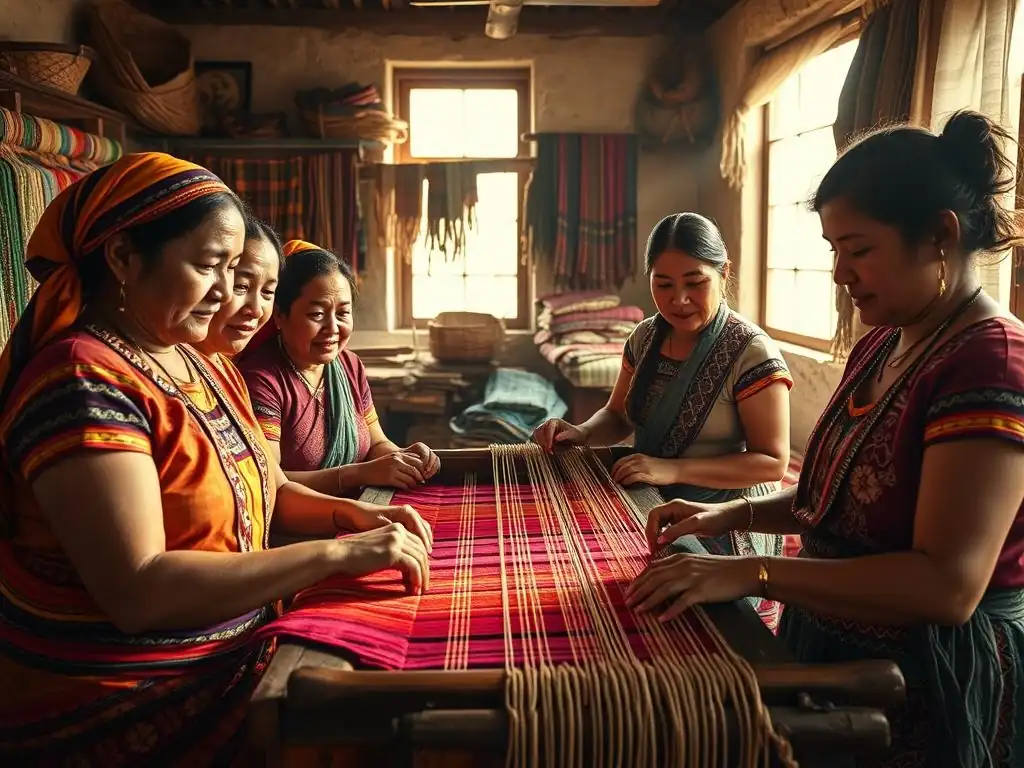
Traditional Gender Roles in Indigenous Societies
In many indigenous societies across the Americas, weaving was not merely a craft; it was a vital expression of cultural identity and community cohesion. Traditionally, women held primary responsibility for textile production, which included the intricate processes of spinning, dyeing, and weaving. This role was deeply embedded in social structures, with the craft being passed down through generations, often as part of a larger educational framework within the family.
Key Aspects of Women's Weaving Traditions
- Cultural Significance: Weaving was often tied to spiritual beliefs and rituals. For example, in the Navajo culture, the creation of a rug was believed to embody stories and prayers, connecting the weaver with the cosmos.
- Social Structure: Women were not only producers but also the custodians of knowledge related to textile arts. This role empowered them within their communities, as they were seen as essential contributors to both the economy and the cultural heritage.
- Material Choices: Different regions developed unique weaving materials and techniques. For instance, the use of cotton in the Southeast contrasted with the wool used in the Andes. Such variations illustrated the adaptability of indigenous women to their environments and resources.
The skills involved in weaving were often a source of pride and identity, with distinct styles and patterns indicating tribal affiliations or personal stories. Thus, indigenous women's weaving traditions were more than just functional; they were a tapestry of cultural expression and social significance.
The Impact of Colonialism on Women's Weaving Roles
The arrival of European colonizers dramatically transformed indigenous women's roles in weaving. Colonization introduced new materials and techniques but also disrupted traditional practices and economies.
Consequences of Colonial Influence
- Disruption of Traditional Practices: As Europeans established trade networks, indigenous women faced pressures to conform to new economic systems. Traditional weaving often became commercialized, shifting from a communal craft to a market-oriented activity.
- Loss of Autonomy: The imposition of colonial rules and regulations marginalized indigenous practices. Women, who once controlled the production of textiles, found their roles diminished as European goods flooded the markets, undermining local economies.
- Cultural Appropriation: European settlers often appropriated indigenous designs and techniques, altering them to fit their aesthetic preferences while stripping the original cultural significance. This led to a dilution of the authentic narratives embedded in indigenous weaving traditions.
The impact of colonialism on women's weaving roles highlights a critical intersection of gender, culture, and economic change. Despite these challenges, many indigenous women have worked to reclaim and revitalize their weaving practices, blending traditional methods with contemporary influences.
Contemporary Perspectives on Gender and Weaving
Today, indigenous women's weaving traditions are experiencing a renaissance as many artisans strive to reclaim their cultural heritage and assert their identities within modern contexts.
Current Trends and Movements
- Revival of Techniques: Many indigenous women are re-learning traditional techniques, often integrating them with contemporary designs. This movement not only preserves cultural heritage but also promotes economic independence through the sale of handmade textiles.
- Cultural Education: Workshops and community programs have emerged, where older generations pass down their knowledge to younger women. This intergenerational transmission of skills fosters a deeper understanding and appreciation of cultural identity.
- Political Statements: Weaving is increasingly used as a form of political expression. Many contemporary indigenous artists utilize traditional weaving as a medium to address social issues, advocate for indigenous rights, and highlight the importance of cultural preservation.
This resurgence reflects a broader trend of empowerment and resilience among indigenous women, who continue to navigate the complexities of modern life while honoring their ancestral practices. Through weaving, they craft not just textiles, but also narratives of survival, strength, and cultural pride.
Preservation and Revitalization of Indigenous Women's Weaving Traditions
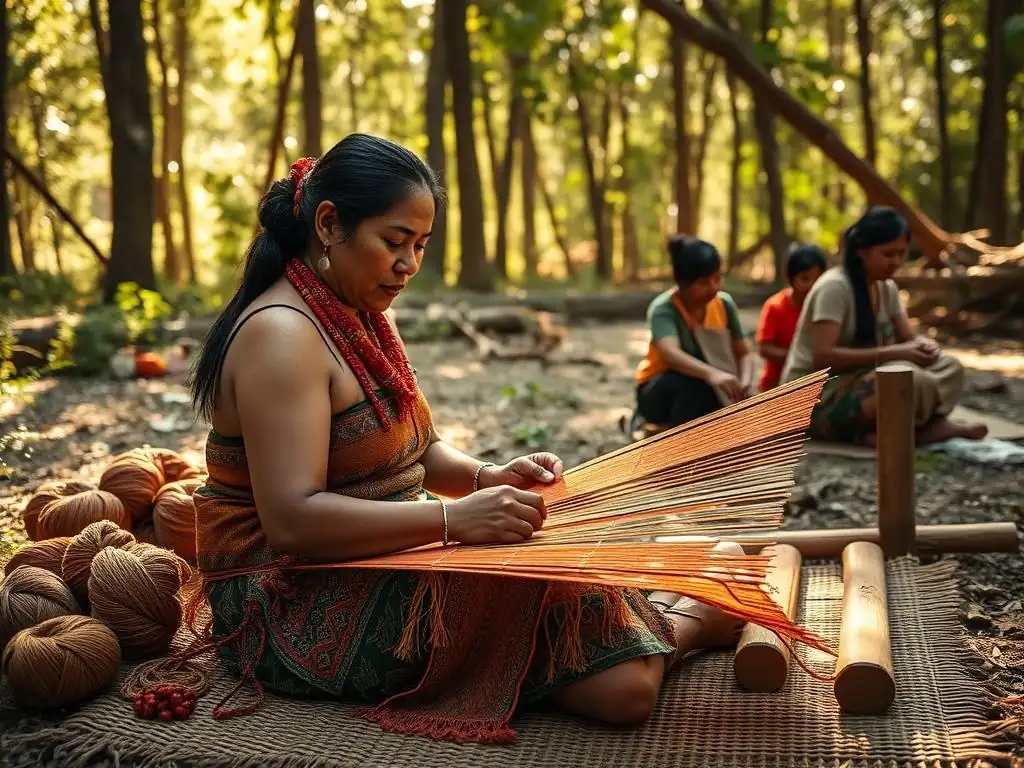
Challenges Faced by Indigenous Weaving Communities Today
Indigenous women's weaving traditions have been a vital aspect of cultural identity and heritage across various communities in the Americas. However, today, these traditions face numerous challenges that threaten their survival and continuation.
- Economic Pressures:
- Many weavers struggle to compete with mass-produced textiles that flood the market. The affordability and accessibility of these products often overshadow the intricate work and cultural significance of handmade textiles.
- Limited access to markets for selling their traditional crafts can lead to reduced income for indigenous artisans, discouraging younger generations from learning this essential skill.
- Cultural Erosion:
- Globalization and modernization have led to a dilution of cultural practices. The younger generations may feel disconnected from their heritage, opting instead for modern lifestyles that do not prioritize traditional skills.
- The commercialization of indigenous crafts can sometimes strip away the cultural narratives and meanings associated with weaving, reducing these items to mere commodities.
- Environmental Issues:
- Climate change has adversely affected the natural resources needed for weaving, such as traditional dyes and fibers. As ecosystems face degradation, the availability of these materials becomes increasingly precarious.
- Polluted water sources can impact the production of natural dyes, making it challenging for weavers to maintain the vibrant colors historically used in their textiles.
Efforts to Revive and Sustain Weaving Practices
In response to these challenges, various initiatives have emerged to support and revitalize indigenous women's weaving traditions. These efforts are crucial for preserving cultural heritage and ensuring that future generations can continue these practices.
- Community Workshops and Training Programs:
- Many indigenous communities have established workshops aimed at teaching weaving techniques to younger members. These programs not only pass down skills but also foster a sense of pride and identity.
- Collaborative projects often encourage women to share their knowledge, creating a supportive environment that celebrates their heritage.
- Support from Nonprofit Organizations:
- Nonprofits and cultural organizations are increasingly partnering with indigenous artisans to provide resources, training, and market access. These partnerships can enhance the visibility of traditional crafts and create sustainable economic opportunities.
- Initiatives that focus on fair trade practices ensure that artisans receive fair compensation for their work, encouraging the continuation of their craft.
- Cultural Festivals and Exhibitions:
- Events celebrating indigenous weaving traditions provide platforms for artisans to showcase their work. These gatherings foster community engagement and attract interest from the broader public.
- Such festivals also serve as educational opportunities, raising awareness about the cultural significance of weaving and the importance of preserving these traditions.
The Role of Education and Cultural Exchange in Preservation
Education and cultural exchange play pivotal roles in the preservation and revitalization of indigenous women's weaving traditions. These elements foster understanding, appreciation, and collaboration across different cultures.
- Integrating Indigenous Knowledge into Educational Curricula:
- Schools and educational institutions are increasingly recognizing the importance of indigenous knowledge systems. Incorporating weaving traditions into curriculums can help students appreciate their cultural heritage and inspire the next generation of weavers.
- Programs that highlight the stories and techniques behind traditional textiles can create a deeper understanding of their significance.
- Cultural Exchange Programs:
- Initiatives that promote cultural exchange between indigenous and non-indigenous communities can enrich the understanding of weaving traditions. These programs encourage dialogue and collaboration, allowing participants to learn from each other's experiences.
- Workshops and residency programs that invite artisans to share their skills foster mutual respect and appreciation for diverse cultural practices.
- Digital Platforms for Knowledge Sharing:
- The rise of digital technology has opened new avenues for sharing indigenous weaving traditions. Online platforms can serve as resources for education, showcasing tutorials, and sharing stories of artisans.
- Social media can amplify the voices of indigenous women weavers, allowing them to connect with a global audience and share their craft with the world.
The preservation and revitalization of indigenous women's weaving traditions are crucial for maintaining cultural heritage. While challenges persist, concerted efforts in education, community engagement, and cultural exchange offer hope for the future of these invaluable practices.
Conclusion: The Legacy of Indigenous Women's Weaving Traditions
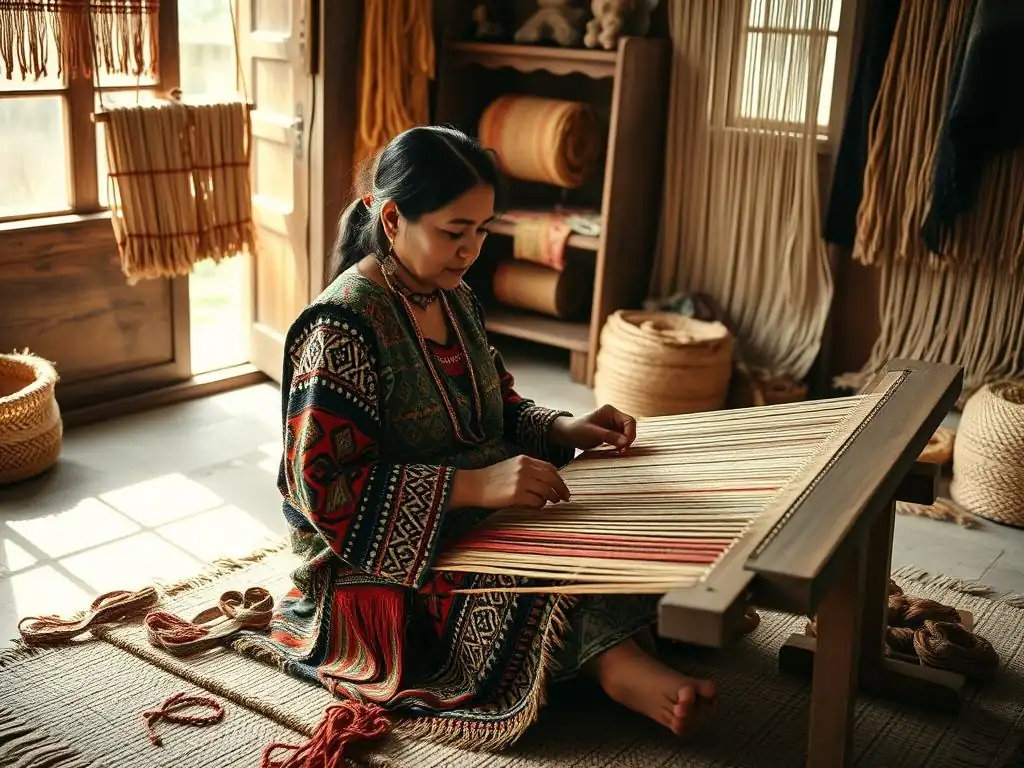
The legacy of Indigenous women's weaving traditions is profound, shaping not only the cultural fabric of their communities but also influencing broader artistic expressions and social structures. Through their intricate craftsmanship, Indigenous women have conveyed stories, cultural values, and identity, creating textiles that serve as both functional items and vital cultural artifacts.
The act of weaving was not merely a craft; it was imbued with meaning and purpose. It often represented a woman's role within her community, emphasizing her contributions to the family and societal structure. The patterns and symbols woven into textiles frequently held significant narratives, reflecting historical events, spiritual beliefs, and ecological knowledge. The preservation of these traditions has ensured that subsequent generations maintain a connection to their ancestry and the stories that come with it.
Lasting Impact of Weaving on Indigenous Cultures
Indigenous women's weaving traditions have had a lasting impact on various aspects of Indigenous cultures, serving as a foundation for economic sustenance, cultural expression, and community cohesion. Some key areas of impact include:
- Cultural Preservation: Weaving has played a crucial role in the transmission of traditional knowledge and cultural heritage. Patterns and techniques passed down through generations not only showcase artistry but also encapsulate the history and identity of the community.
- Economic Empowerment: Weaving has historically provided economic opportunities for Indigenous women. By creating and selling textiles, women have generated income, contributing to the economic stability of their families. This economic independence has also allowed women to play a more active role in decision-making processes within their communities.
- Social Significance: Weaving circles and communal crafting sessions foster social bonds among women, strengthening community ties. These gatherings serve as spaces for sharing knowledge, exchanging stories, and supporting one another, reinforcing social cohesion.
- Artistic Innovation: The adaptability of Indigenous women's weaving traditions has led to the incorporation of new materials and techniques. This evolution keeps the craft relevant in contemporary contexts, allowing artisans to engage with modern markets while maintaining cultural significance.
Future Directions for Indigenous Textile Arts
Looking forward, there are several promising directions for the future of Indigenous textile arts, particularly in the realm of women's weaving traditions:
- Revitalization Programs: Initiatives aimed at revitalizing traditional weaving practices are essential for preserving Indigenous cultures. Workshops, mentorship programs, and community gatherings can encourage younger generations to engage with weaving, ensuring its continuation.
- Collaboration with Contemporary Artists: Collaborations between Indigenous weavers and contemporary artists can lead to innovative textile expressions. These partnerships can bridge traditional techniques with modern aesthetics, resulting in unique works that honor heritage while appealing to broader audiences.
- Sustainable Practices: Emphasizing sustainable materials and practices within weaving can contribute to environmental stewardship. By promoting the use of natural dyes and locally sourced fibers, Indigenous artisans can create textiles that reflect their commitment to ecological balance.
- Market Access: Expanding access to markets through online platforms and collaborations with ethical fashion brands can provide Indigenous women weavers with greater economic opportunities. This accessibility can help elevate their crafts and ensure fair compensation for their artistry.
- Cultural Education: Increasing awareness of Indigenous women's weaving traditions through educational programs and exhibitions can foster appreciation for these crafts. By highlighting the stories and significance behind the textiles, audiences can gain a deeper understanding of Indigenous cultures.
The Indigenous women's weaving traditions represent not only a rich artistic heritage but also a vital aspect of cultural identity and community resilience. By embracing these traditions and exploring new avenues for their expression, we can honor and ensure the continuation of these invaluable practices for future generations.
Call to Action: Supporting Indigenous Women's Weaving Traditions
Indigenous women have played a crucial role in the preservation and advancement of weaving traditions across the Americas. These traditions are not merely craft; they embody cultural identity, history, and resilience. Supporting Indigenous women's weaving traditions is essential for the sustainability of these practices and the communities that nurture them.
How to Engage with and Support Indigenous Textile Artists
Engagement can take many forms, and supporting Indigenous textile artists is vital for the continuation of their cultural practices. Here are some practical ways to get involved:
- Purchase Authentic Textiles:
- Seek out authentic Indigenous textiles from artists or cooperatives. This direct support ensures that artists receive fair compensation for their work.
- Look for certifications or labels that guarantee the authenticity of the products.
- Promote Awareness:
- Share information about Indigenous weaving traditions on social media and community platforms to raise awareness of their cultural significance.
- Attend workshops, exhibitions, and festivals that celebrate Indigenous textile arts.
- Collaborate:
- If you are an artist or a craftsperson, consider collaborating with Indigenous weavers to create new works that honor traditional techniques while exploring contemporary themes.
- Support Education:
- Contribute to or volunteer with organizations that provide resources and training for Indigenous women in textile arts. This support can help preserve their craft for future generations.
- Advocate for Rights:
- Advocate for policies and initiatives that protect Indigenous artists' rights and promote their cultural heritage.
By engaging with these practices, you contribute to the vitality and visibility of Indigenous women's weaving traditions, ensuring they continue to thrive.
Resources for Learning More About Indigenous Weaving Techniques
If you're interested in deepening your understanding of Indigenous women's weaving traditions, several resources can provide valuable insights and knowledge:
- Books and Publications:
- "Weaving the Sacred: The Spirituality of Weaving" by Ana L. Castillo offers a profound exploration of the spiritual aspects of weaving in Indigenous cultures.
- "Textiles of the Native Americas" by Hali A. E. McAuley details various textile techniques and cultural significances across different tribes.
- Online Courses and Workshops:
- Websites like Coursera and Skillshare often offer courses on traditional weaving techniques, sometimes featuring Indigenous instructors.
- Local community centers or cultural organizations frequently host workshops led by Indigenous weavers, providing hands-on experience.
- Documentaries and Films:
- Documentaries such as "Threads of Identity" explore the lives of Indigenous women weavers and their craft's cultural significance.
- "Weaving a New Land" highlights how weaving serves as a medium for storytelling and preserving Indigenous histories.
- Cultural Organizations:
- Organizations like The National Museum of the American Indian and The American Indian Community House often have exhibitions, resources, and programs dedicated to Indigenous textiles and artists.
- Social Media and Websites:
- Follow Indigenous artists and textile cooperatives on platforms like Instagram and Facebook to stay updated on their work and initiatives.
- Websites such as Indigenous Fashion Week and The Indigenous Weaver’s Association provide insights and connections to artists and their creations.
By utilizing these resources, you can gain a deeper appreciation for the rich heritage of Indigenous women's weaving traditions and actively participate in their preservation and celebration.
Frequently Asked Questions
What are indigenous women's weaving traditions?
Indigenous women's weaving traditions encompass a variety of techniques and styles used by women across different cultures in the Americas, reflecting their cultural heritage and social roles within their communities.
How did gender roles influence weaving in indigenous cultures?
In many indigenous cultures, gender roles dictated that women were primarily responsible for textile production, allowing them to express their creativity and maintain cultural identity through weaving.
What types of materials are commonly used in indigenous weaving?
Indigenous women often use natural fibers, such as cotton, wool, and sinew, along with dyes from local plants to create vibrant and meaningful textiles that represent their heritage and traditions.
How do weaving traditions reflect the societal values of indigenous cultures?
Weaving traditions often embody the values and beliefs of a society, serving as a medium for storytelling, spiritual expression, and the transmission of cultural knowledge from one generation to the next.
What is the significance of preserving indigenous women's weaving traditions today?
Preserving indigenous women's weaving traditions is crucial for maintaining cultural identity, fostering community pride, and ensuring that these unique crafts continue to thrive in a modern context.
Final Reflection: Embracing the Legacy of Indigenous Women's Weaving Traditions
The intricate art of weaving, deeply rooted in Indigenous cultures, remains profoundly relevant today as we navigate the complexities of gender roles and cultural preservation. The craftsmanship of Indigenous women not only showcases their artistic talents but also serves as a powerful symbol of resilience and identity. In a world where traditional practices often face the threat of extinction, the stories woven into each piece remind us that these traditions are not merely relics of the past but living legacies that continue to shape our understanding of gender and community.
The influence of Indigenous women's weaving traditions extends far beyond the loom; it resonates within the cultural fabric of society. These traditions challenge the conventional narratives surrounding gender roles, highlighting the strength and agency of women as custodians of their heritage. As we reflect on this ongoing influence, we are reminded of the words of renowned Indigenous artist and activist, Linda Tuhiwai Smith: The past is not a dead weight; it is a living force that shapes our present and future.
This perspective invites us to recognize the vital role that these weaving practices play in fostering cultural continuity and empowerment.
As we conclude this exploration of Indigenous women's weaving traditions, I invite you to reflect on the importance of preserving and honoring these crafts in your own life. Consider how you can support Indigenous artisans and advocate for the recognition of their contributions to our shared cultural heritage.
By engaging with these traditions, we not only celebrate the artistry of Indigenous women but also contribute to a broader movement that seeks to elevate their voices and stories. Let us weave our own narratives of respect and appreciation, ensuring that the legacy of these remarkable women continues to inspire future generations.
Embrace the Craft: Join the Weaving Community Today!
Thank you for exploring the vital role women have played in the craft of weaving within textile production. Your engagement is crucial to preserving and celebrating these timeless traditions. As you leave this article, consider taking meaningful steps to connect further with the art and history of weaving.
Here are some actions you can take:
- Sign up for a local weaving workshop to gain hands-on experience and learn techniques that have been passed down through generations.
- Share this article with friends and family to spread awareness of women's contributions to textile arts and inspire conversations about gender roles in craft.
- Research and support local artisans by purchasing their handcrafted textiles, helping to honor their heritage and sustain their craft.
What will you create next with your newfound inspiration and knowledge about the powerful traditions of weaving?