
Innovations in Fiber: The Use of Native Plants in PreColumbian Textiles

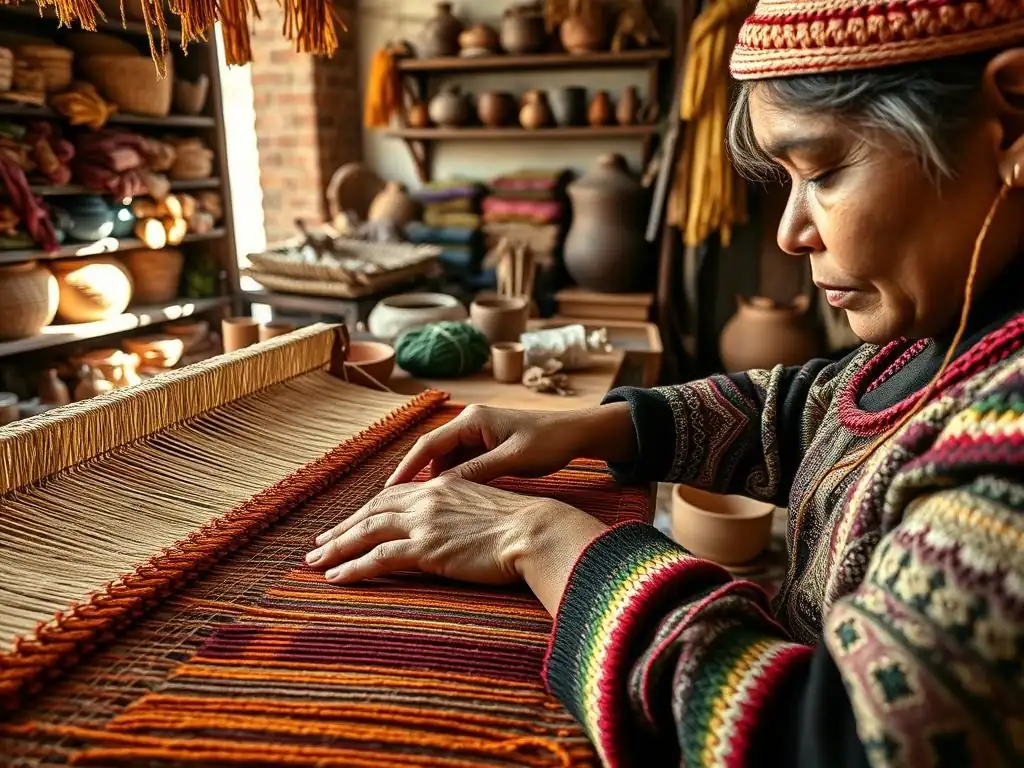
Welcome to Indigenous Civilizations of the Americas, where we embark on a captivating journey through the rich tapestry of indigenous cultures that flourished long before European encounters. In our featured article, “Innovations in Fiber: The Use of Native Plants in PreColumbian Textiles,” we delve into the remarkable preColumbian textile innovations that showcase the ingenuity and artistry of these civilizations.
Discover how native plants were transformed into intricate fabrics, and explore the profound impact these innovations have had on cultural identity and heritage. Prepare to be inspired as we unravel the threads of history and invite you to continue your exploration of these extraordinary achievements!
Introduction to PreColumbian Textile Innovations
The ability to weave intricate textiles from native plants is one of the remarkable achievements of the indigenous cultures of the Americas. Long before European contact, these civilizations developed sophisticated techniques for producing textiles that were not only functional but also rich in cultural significance. The innovations in fiber—rooted in the use of local flora—played a crucial role in their social, economic, and artistic expressions. Understanding these preColumbian textile innovations allows us to appreciate the ingenuity and resourcefulness of indigenous peoples, whose legacies continue to influence contemporary textile practices.
Overview of PreColumbian Textiles
PreColumbian textiles were diverse and varied significantly across different regions and cultures. From the elaborate featherwork of the Aztecs to the intricate weaving of the Andean civilizations, each society showcased its unique artistry and techniques. Textiles served multiple purposes:
- Clothing: Essential for protection and adornment.
- Trade: Textiles were valuable trade goods, facilitating interactions between tribes and cultures.
- Ceremonial Use: Many textiles were used in rituals and ceremonies, imbued with cultural symbolism.
The choice of materials, designs, and weaving techniques reflected not only the environment but also the beliefs and values of the indigenous peoples.
Importance of Fiber in Indigenous Cultures
Fiber was foundational to the daily lives and cultural practices of indigenous communities. The production of textiles was often a communal activity, involving techniques passed down through generations. Key aspects of fiber's importance include:
- Identity: Textiles often represented tribal identity and status, with specific patterns and colors signifying different meanings.
- Economic Value: The ability to create textiles from local plants contributed to self-sufficiency and trade relationships.
- Cultural Preservation: Through textile arts, stories, traditions, and histories were woven into fabric, preserving the cultural narrative of communities.
The Role of Native Plants in PreColumbian Textile Production
Indigenous peoples skillfully utilized native plants, not only for their fibers but also for their dyes and other textile-related needs. The selection of plants was based on their availability, usability, and the qualities they imparted to the finished textile.
Common Native Plants Used in Textiles
Various native plants were integral to textile production, each offering unique properties:
- Cotton: Widely cultivated in the Americas, cotton was crucial for creating soft, durable fabrics.
- Hemp: Valued for its strength, hemp fibers were used in a variety of applications, from clothing to rope.
- Bark Fibers: Plants like the mulberry tree provided fibers that were processed and woven into textiles, often used in ceremonial contexts.
- Agave: The leaves of the agave plant produced strong fibers suitable for making rough textiles and cords.
Sustainable Practices in Plant Sourcing
Sustainability was inherent in the textile practices of indigenous cultures. These communities often employed methods that ensured the continued availability of plant resources, such as:
- Selective Harvesting: Only the necessary amounts of plants were harvested to maintain ecological balance.
- Crop Rotation: This practice helped preserve soil health and ensure a diverse supply of materials.
- Cultural Rituals: Many communities incorporated spiritual practices in their harvesting methods, reinforcing their connection to nature and the importance of stewardship.
The sustainable approaches to textile production not only exemplified a deep respect for the environment but also ensured the survival of their cultural practices for future generations.
Techniques of Textile Production in PreColumbian Societies
PreColumbian societies across the Americas developed a variety of sophisticated techniques for textile production, showcasing their ingenuity and resourcefulness. These techniques were deeply intertwined with their cultural practices, environmental knowledge, and social structures. Indigenous peoples utilized local flora, such as cotton, flax, and various plant fibers, to create textiles that served practical, ceremonial, and artistic purposes.
The techniques of textile production included spinning, weaving, dyeing, and embellishing, with each method reflecting the unique traditions of the specific culture. For instance, the Andean civilizations, like the Incas, are well-known for their advanced weaving techniques, which included the use of the backstrap loom. Meanwhile, Mesoamerican cultures, such as the Maya, developed intricate designs that conveyed social status and communal identity through their textiles.
Additionally, the knowledge of local plant species allowed these societies to innovate in their textile production. From the cultivation of cotton to the harvesting of wild fibers, Indigenous peoples tailored their practices to their environments, demonstrating a profound understanding of their natural resources.
Weaving Methods and Innovations
Weaving methods in PreColumbian societies were not only functional but also artistic expressions of cultural identity. Various techniques were employed, including plain weaving, twill, and tapestry, each producing distinct textures and patterns.
- Backstrap Loom: A common method utilized by many Indigenous cultures, particularly in the Andes, the backstrap loom allowed for flexible and portable weaving. The weaver would secure one end of the loom to a stationary object, such as a tree, and the other end to their body, enabling them to control the tension and create intricate designs.
- Twill Weaving: This technique, characterized by its diagonal pattern, was prevalent in various regions, enabling the production of durable textiles used for clothing and other practical applications.
- Tapestry Techniques: In Mesoamerica, tapestry weaving involved complex designs that often depicted stories or symbols significant to the community. This innovative technique showcased the weaver's skill and the cultural narratives of their people.
The innovations in weaving methods were often accompanied by the use of unique tools and practices, such as the use of bone or wooden shuttle to facilitate the weaving process, demonstrating the creativity and adaptability of PreColumbian textile artisans.
Dyeing Processes Using Native Plants
The dyeing processes in PreColumbian textile production were equally innovative, relying heavily on the natural resources available in the environment. Indigenous peoples mastered the use of native plants, minerals, and even insects to create vibrant colors, which not only enhanced the beauty of their textiles but also held cultural significance.
- Plant-Based Dyes: Various plants were harvested for their dyeing properties. For example, the indigo plant was used to produce deep blues, while cochineal, derived from insects, provided a rich red dye. Other plants, such as marigolds and walnut husks, were used for yellows and browns, respectively.
- Natural Mordants: The use of mordants, substances that fix dyes to fibers, was crucial in the dyeing process. Indigenous cultures often employed natural mordants like alum or tannin extracted from local plants, ensuring that the colors were vibrant and long-lasting.
- Dyeing Techniques: The techniques varied across cultures, from immersion dyeing to tie-dyeing, each method producing distinct patterns and colors. The knowledge of dyeing techniques was often passed down through generations, reflecting the community's connection to their environment and heritage.
These dyeing processes not only showcased the artisans' technical skills but also highlighted their deep relationship with the natural world, as colors often held symbolic meanings tied to cultural beliefs.
Cultural Significance of PreColumbian Textile Innovations
The innovations in textile production were not merely technical achievements; they were deeply embedded in the cultural fabric of PreColumbian societies. Textiles served as a medium for expressing identity, beliefs, and social structures, reflecting the values and traditions of these civilizations.
Textiles as Cultural Identity
Textiles in PreColumbian societies were powerful symbols of cultural identity. They served as a canvas for artistic expression, where patterns and colors conveyed information about the wearer's social status, community affiliation, and even gender roles.
- Distinct Patterns: Each culture had its own set of patterns and motifs, often inspired by nature, mythology, or historical events. For example, the intricate geometric designs of the Nazca were not only aesthetically pleasing but also carried cultural significance, representing the connection between the people and their environment.
- Social Hierarchy: Textiles often indicated one's place within the social hierarchy. Nobility and elite classes wore garments made from the finest materials and adorned with elaborate designs, while commoners typically wore simpler, more practical clothing. This differentiation reinforced social structures and community organization.
- Cultural Continuity: The act of weaving and dyeing textiles was often a communal activity, helping to reinforce cultural practices and strengthen community bonds. Traditional methods passed down through generations fostered a sense of pride and continuity within the community.
The Role of Textiles in Rituals and Ceremonies
Textiles also played a vital role in rituals and ceremonies, serving as important elements in religious practices and cultural celebrations. They were often imbued with spiritual meanings, marking significant life events and communal gatherings.
- Ceremonial Garments: Special garments were created for rituals, often featuring specific colors and patterns believed to invoke blessings or protection. These textiles acted as conduits for spiritual expression, connecting the physical and spiritual worlds.
- Offerings and Gifts: Textiles were commonly used as offerings to deities or as gifts within the community, representing goodwill and fostering relationships. The act of gifting textiles was often a significant component of marriage ceremonies, funerals, and other important events.
- Storytelling Medium: Textiles also served as storytelling mediums, with intricate designs depicting historical narratives or mythological tales. This storytelling aspect of textiles helped to preserve the history and traditions of the community, ensuring that cultural knowledge was passed down through generations.
The innovations in fiber and textile production among PreColumbian societies were not only remarkable technological advancements but also essential components of cultural identity and communal life, highlighting the profound connections between art, society, and the environment.
Case Studies of PreColumbian Textile Innovations
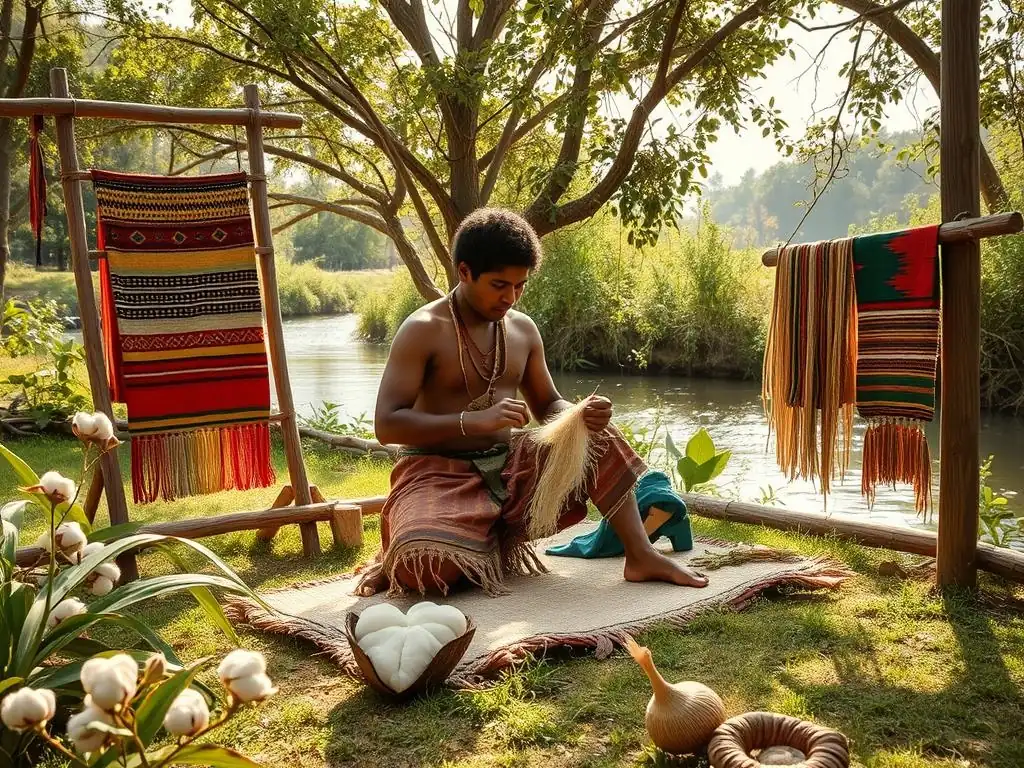
PreColumbian textile innovations showcase the remarkable creativity and resourcefulness of indigenous cultures in the Americas. These innovations not only highlight the technical skills of ancient artisans but also reflect the socio-economic and cultural contexts in which these textiles were produced. Case studies of specific civilizations, such as the Moche and Nazca, reveal the diversity and sophistication of textile technologies that were developed long before European contact.
The Moche Civilization: Advanced Textile Techniques
The Moche civilization, which flourished in present-day Peru from approximately 100 to 800 CE, is renowned for its advanced textile techniques. The Moche artisans utilized a variety of native plants and fibers, including cotton and the fibers of the Andean camelids, such as alpacas and llamas.
Their textile production was characterized by:
- Complex Weaving Techniques: Moche weavers employed intricate tapestry and backstrap weaving methods, allowing them to create detailed images and symbols within their textiles. These methods required both skill and precision, reflecting a deep understanding of fiber properties.
- Dyeing Innovations: The Moche were adept at dyeing their textiles using natural dyes derived from plants, insects, and minerals. They developed a palette of vibrant colors, which were often symbolic and held cultural significance.
- Functional and Ceremonial Textiles: The Moche produced both everyday and ceremonial textiles. They crafted garments not only for practical use but also for religious ceremonies, often incorporating motifs that depicted their beliefs and social hierarchy.
The legacy of Moche textiles continues to inspire contemporary textile art, showcasing their lasting impact on the craft.
The Nazca Culture: Unique Textile Patterns and Materials
The Nazca culture, known for its geoglyphs and artistic pottery, also excelled in textile production from around 100 BCE to 800 CE. Their textiles reveal unique patterns and the inventive use of natural materials.
Key aspects of Nazca textile innovations include:
- Distinctive Patterns: Nazca textiles are famous for their bold geometric designs and vivid colors. These patterns often incorporated symbolic elements, reflecting the culture's spiritual beliefs and connection to the natural world.
- Diverse Materials: While cotton was a primary material, Nazca artisans also utilized animal fibers, such as llama and alpaca wool. This diversity allowed for a range of textures and warmth in their textiles.
- Advanced Techniques: The Nazca people employed techniques such as resist dyeing and embroidered embellishments. These methods not only enhanced the visual appeal of their textiles but also demonstrated sophisticated knowledge of fiber manipulation.
The Nazca textiles serve as a testament to the rich artistic heritage of the region, influencing textile design in subsequent cultures.
The Legacy of PreColumbian Textile Innovations
The innovations in textile practices by PreColumbian civilizations have left a profound legacy that resonates in contemporary societies. This legacy is evident in both the influence on modern textile practices and the ongoing preservation of traditional techniques.
Influence on Contemporary Textile Practices
The techniques and designs developed by PreColumbian cultures have significantly influenced contemporary textile art and design. Modern artisans and designers often draw inspiration from:
- Traditional Patterns: Many contemporary textiles incorporate motifs and patterns that originated from PreColumbian cultures, maintaining a visual connection to the past.
- Sustainable Practices: The use of natural materials and dyes in ancient textile production has inspired a resurgence in sustainable textile practices today. Many modern artisans prioritize eco-friendly methods, reflecting the values of resourcefulness and respect for nature that characterized PreColumbian innovations.
- Cultural Revitalization: There is a growing movement among indigenous communities to revive and celebrate their textile traditions, integrating them into contemporary art forms. This cultural revitalization helps to preserve the unique heritage of these ancient civilizations while promoting their relevance in today's world.
Preservation of Traditional Techniques in Modern Times
The preservation of traditional textile techniques remains a vital aspect of cultural identity for many indigenous communities. Efforts to sustain these practices include:
- Educational Programs: Workshops and classes are being offered to teach younger generations about traditional weaving, dyeing, and textile-making techniques. This ensures that the knowledge and skills are passed down, preventing the loss of these cultural practices.
- Community Initiatives: Many indigenous groups are establishing cooperatives that focus on the production of traditional textiles. These initiatives not only help preserve techniques but also provide economic opportunities for artisans.
- Cultural Exchange: Collaborations between traditional artisans and contemporary designers foster an exchange of ideas, leading to innovative uses of ancient techniques in modern textile applications.
Through these efforts, the legacy of PreColumbian textile innovations continues to thrive, enriching both cultural heritage and contemporary artistic expression.
Conclusion: The Enduring Impact of PreColumbian Textile Innovations
The innovations in fiber and textile production among PreColumbian civilizations reveal a deep understanding of local ecosystems and a mastery of natural resources. These achievements not only highlight the artistic and technical skills of indigenous peoples but also underscore their ability to create sustainable practices long before the advent of modern environmental consciousness. The textiles produced by these cultures served multiple purposes, from practical applications in clothing and shelter to ceremonial uses that reinforced social and spiritual identities.
The enduring impact of these innovations can be seen in contemporary textile practices and the revival of traditional methods among indigenous communities. As modern artisans and designers look to these rich histories for inspiration, they are often reminded of the importance of sustainability, ecological balance, and cultural heritage. This resurgence serves as a bridge connecting past knowledge to present and future practices, affirming that the legacy of PreColumbian textile innovations is not merely historical but continues to evolve and inform today's textile industry.
Reflection on Indigenous Knowledge and Sustainability
Indigenous knowledge systems encompass a wealth of information regarding the sustainable use of natural resources, particularly in the context of textile production. The utilization of native plants, such as cotton, yucca, and various dyes derived from local flora, reflects a profound relationship with the environment. These practices were characterized by a cyclical approach to resource use, where cultivation and harvesting were done in harmony with natural cycles.
The sustainability inherent in PreColumbian textile innovations offers crucial lessons for contemporary society. By studying these practices, modern textile producers can adopt techniques that minimize environmental impact and promote biodiversity. The emphasis on using local materials not only supports ecosystems but also reinforces community ties and cultural identities. This reflection on indigenous knowledge highlights the relevance of traditional practices in addressing current global challenges, such as climate change and the push for sustainable fashion.
Future Directions in the Study of Indigenous Textiles
As the field of textile studies continues to evolve, there is a growing recognition of the importance of incorporating indigenous perspectives and methodologies. Future research should prioritize collaboration with indigenous communities to ensure that their voices and knowledge systems are respected and integrated into academic discourse. This collaboration can lead to a more nuanced understanding of the cultural significance of textiles and their role in identity formation.
Moreover, interdisciplinary approaches that combine anthropology, history, ecology, and art can enrich the study of PreColumbian textile innovations. By examining the intersections between these disciplines, researchers can uncover new insights into the social, economic, and environmental contexts of textile production. Technologies such as digital archiving and 3D modeling also offer exciting opportunities to document and analyze textile artifacts, facilitating greater access to these invaluable cultural resources.
The future of studying indigenous textiles lies in a respectful acknowledgment of the past, a commitment to sustainability, and a collaborative approach that honors the generations of knowledge held by indigenous peoples. By fostering such relationships, we can ensure that the legacy of PreColumbian textile innovations continues to thrive and inspire.
- Introduction to PreColumbian Textile Innovations
- The Role of Native Plants in PreColumbian Textile Production
- Techniques of Textile Production in PreColumbian Societies
- Cultural Significance of PreColumbian Textile Innovations
- Case Studies of PreColumbian Textile Innovations
- The Legacy of PreColumbian Textile Innovations
- Conclusion: The Enduring Impact of PreColumbian Textile Innovations
Frequently Asked Questions
What are PreColumbian textile innovations?
PreColumbian textile innovations refer to the advanced techniques and practices in fabric creation developed by indigenous cultures in the Americas before European contact, utilizing natural fibers and dyes from native plants.
Which native plants were commonly used in textile production?
Indigenous cultures utilized a variety of native plants including cotton, bark, and various grasses, which were transformed into textiles using specialized techniques that reflected their unique cultural identities.
How did fiber arts influence indigenous societies?
Fiber arts not only provided practical clothing and shelter but also served as a medium for cultural expression, enabling communities to convey their identity, status, and beliefs through intricate designs and patterns.
What impact did PreColumbian textiles have on modern fashion?
The innovation and artistry of PreColumbian textiles have inspired contemporary fashion designers, leading to a renewed appreciation for indigenous techniques and sustainable practices in the textile industry today.
Are there resources to learn more about PreColumbian textile innovations?
Yes, many museums, online archives, and educational platforms offer extensive resources, including articles and exhibitions, that explore the rich history and significance of PreColumbian textile innovations.
Final Reflection: Embracing the Legacy of PreColumbian Textile Innovations
The exploration of PreColumbian textile innovations reveals a profound connection between culture, nature, and creativity that remains strikingly relevant today. As we navigate a world increasingly focused on sustainability and eco-conscious practices, the ingenuity of ancient civilizations in utilizing native plants for textiles serves as a powerful reminder of our potential to harmonize with the environment. The artistry and resourcefulness of these early innovators not only shaped their societies but also offer invaluable lessons for our contemporary practices.
Cultural heritage is not merely a relic of the past; it is a living testament that continues to influence our social landscape. The techniques and materials used in PreColumbian textiles echo through time, inspiring modern artisans and designers to explore sustainable practices rooted in tradition. As we witness a resurgence of interest in natural dyes and fibers, we are reminded of the words of textile artist Elspeth McLean: Art is a reflection of our culture, and when we honor our past, we enrich our future.
This ongoing dialogue between past and present highlights the importance of preserving and celebrating the knowledge of indigenous practices.
As we reflect on the innovations in fiber from PreColumbian times, I invite you to consider how these lessons can be woven into your own life. What steps can you take to honor the traditions that have shaped our world while also fostering innovation and sustainability? Whether it’s through supporting local artisans, exploring eco-friendly materials, or simply deepening your understanding of cultural heritage, each action contributes to a richer, more sustainable future. Embrace the legacy of these ancient innovators and let it inspire you to create a more connected and conscious world.
Unveil the Secrets of Indigenous Textiles!
Thank you for diving into the fascinating world of Pre-Columbian textiles! We hope you found inspiration in the innovative use of native plants and their cultural significance. Now, it’s time to take what you’ve learned and make it meaningful!
Here are some **exciting actions** you can take to further your exploration of these incredible traditions:
- Visit a local museum that showcases indigenous fiber art or textiles, and deepen your appreciation for these craft techniques.
- Share your newfound knowledge with friends and family — consider hosting a discussion or sharing an article to raise awareness about the cultural heritage of Indigenous textiles.
- Explore your own creativity by experimenting with natural dyes derived from local plants, discovering the beauty and history behind these vibrant colors.
What insights or experiences about indigenous textiles resonate with you the most, and how will you share them with others?