
The Ingenious Architecture of the Maya: A Study of Pyramids and Temples

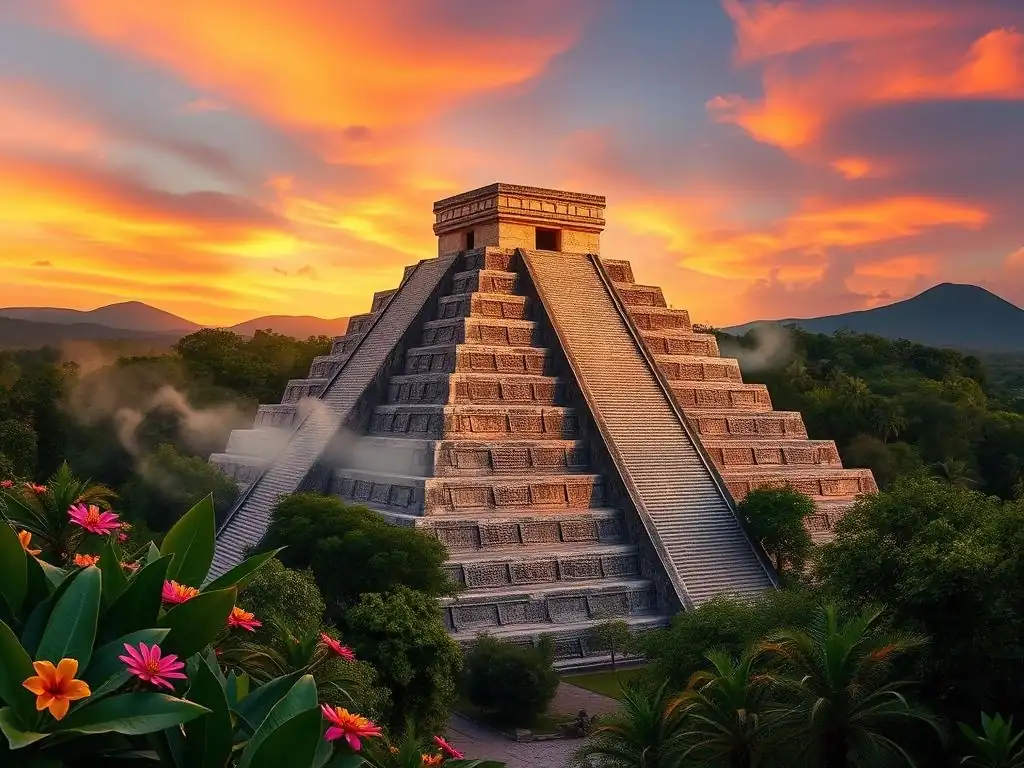
Welcome to "Indigenous Civilizations of the Americas"! Here, we embark on a captivating journey through the rich tapestry of diverse indigenous cultures that flourished across the Americas long before European contact. Our focus today is on the remarkable Maya architecture and cultural significance, where you'll uncover the secrets behind their iconic pyramids and temples.
What drove the Maya to construct these monumental structures, and what do they reveal about their society? Dive into our exploration and discover the profound achievements and lasting impacts of the Maya civilization that continue to inspire curiosity and admiration today. Let’s unveil the wonders together!
Introduction to Maya Architecture and Cultural Significance
Maya architecture represents one of the most fascinating and intricate achievements of pre-Columbian civilizations in the Americas. The Maya, who flourished in Mesoamerica from around 2000 BCE to the arrival of Europeans in the 16th century, constructed monumental pyramids, grand temples, and sophisticated urban centers that reflected not only their technological prowess but also their rich cultural and religious beliefs.
This article delves into the architectural marvels of the Maya, illuminating their cultural significance and the ingenuity that underpinned their construction methods. By examining the intricacies of Maya pyramids and temples, we gain insight into the societal structures, religious practices, and artistic expressions that defined this remarkable civilization.
Overview of Maya Civilization
The Maya civilization was a complex society characterized by its advanced knowledge in various fields, including mathematics, astronomy, and agriculture. This civilization was composed of numerous city-states that shared similar cultural traits but often functioned independently. Key cities such as Tikal, Palenque, and Calakmul showcased extensive urban planning and architectural sophistication.
- Geographical Distribution: The Maya occupied regions in present-day Mexico, Belize, Guatemala, and Honduras.
- Cultural Contributions: They developed a hieroglyphic writing system and a calendar that remains influential in understanding their historical timeline.
- Population and Society: The population of the Maya civilization is estimated to have reached several million, with societal roles ranging from nobility and priests to artisans and farmers.
Importance of Architecture in Maya Society
Architecture served as a reflection of Maya identity, showcasing their religious beliefs, political power, and technological advancements. The construction of monumental structures not only served practical purposes but also held profound symbolic significance.
- Religious Significance: Temples and pyramids were often built as sites for worship and rituals, connecting the Maya people with their deities.
- Political Power: The scale and grandeur of these structures often symbolized the power and influence of ruling elites, with architecture serving as a tool for propaganda and control.
- Community and Identity: Public architecture fostered a sense of community and identity among the Maya, as these structures were often central to civic life and gatherings.
Key Features of Maya Architecture
Maya architecture is characterized by several distinctive features that set it apart from other contemporary civilizations. The following sections explore these key elements in greater detail.
Distinctive Elements of Maya Pyramids
Maya pyramids are among the most recognizable structures of the ancient world, renowned for their unique design and cultural significance.
- Step Pyramids: Most Maya pyramids were constructed in a stepped form, often featuring multiple platforms and terraces.
- Alignment with Celestial Events: Many pyramids were constructed with astronomical alignments in mind, serving as observatories for celestial events.
- Burial Sites: Some pyramids served as tombs for elite individuals, further emphasizing their importance in both architecture and society.
Architectural Styles of Maya Temples
Maya temples exhibit a variety of architectural styles, reflecting regional diversity and cultural influences.
- Temple Complexes: Many cities featured elaborate temple complexes, which included multiple structures, plazas, and ceremonial spaces.
- Use of Decoration: Temples were often adorned with intricate carvings, murals, and ornamental designs that conveyed religious and historical narratives.
- Variability Across Regions: Architectural styles could vary significantly between regions, influenced by local resources and cultural exchanges.
Materials and Techniques Used in Construction
The construction of Maya architecture was marked by the innovative use of materials and techniques, showcasing their ingenuity.
- Local Materials: The Maya utilized locally sourced materials such as limestone, which was abundant in their environment, for building.
- Construction Techniques: Techniques such as corbel arch construction allowed for the creation of spacious interiors in temple structures.
- Sustainable Practices: The Maya practiced sustainable construction methods, ensuring that their buildings could withstand the test of time and the elements.
The architectural achievements of the Maya civilization not only highlight their engineering prowess but also reveal the intricate relationship between their culture, religion, and society. Understanding these elements allows us to appreciate the lasting legacy of Maya architecture and its cultural significance in the context of indigenous civilizations of the Americas.
The Cultural Significance of Maya Pyramids
The pyramids of the Maya civilization are not merely architectural feats; they are deeply embedded in the cultural and spiritual fabric of Maya society. These structures served multiple purposes, from religious ceremonies to political gatherings, highlighting their multifaceted significance. The pyramids often reflected the complexities of Maya cosmology and social structure, acting as focal points in the community that linked the earthly realm with the divine.
Role of Pyramids in Maya Religion and Cosmology
Maya pyramids were primarily constructed as religious monuments. They were often dedicated to various deities, with the most prominent pyramids aligned with specific celestial events, such as solstices and equinoxes. The placement and orientation of these structures were meticulously calculated to reflect the Maya's advanced understanding of astronomy.
For instance, the Pyramid of Kukulcán at Chichen Itza is renowned for its impressive shadow play during the equinox, which symbolizes the descent of the feathered serpent god, Kukulcán. This alignment not only demonstrated architectural prowess but also reinforced the Maya’s religious beliefs, illustrating the connection between their deities and the natural world.
Pyramids as Centers of Political Power
Beyond their religious implications, Maya pyramids also served as powerful symbols of political authority. They were often built by elite rulers to showcase their strength and divine right to govern. The construction of these grand structures required immense resources and labor, which positioned the ruling class as both spiritual leaders and political figures. For example, the Temple of the Inscriptions at Palenque, built by King Pakal, exemplifies how pyramids were used to immortalize rulers and legitimize their power. The inscriptions and carvings found within these pyramids often depicted the king's achievements, intertwining governance with divine favor.
Symbolism of Maya Pyramids in Society
Maya pyramids were laden with symbolism that transcended their physical presence. They represented the Maya worldview, where the layers of the pyramids often corresponded to different levels of existence, from the underworld to the heavens. The stepped design of many pyramids symbolized the ascent to the gods, reinforcing the idea of a hierarchy in both the spiritual and social realms. Additionally, pyramids acted as communal gathering places, where rituals and ceremonies brought together individuals from various social strata, fostering a sense of unity and shared identity among the Maya people.
The Functionality of Maya Temples
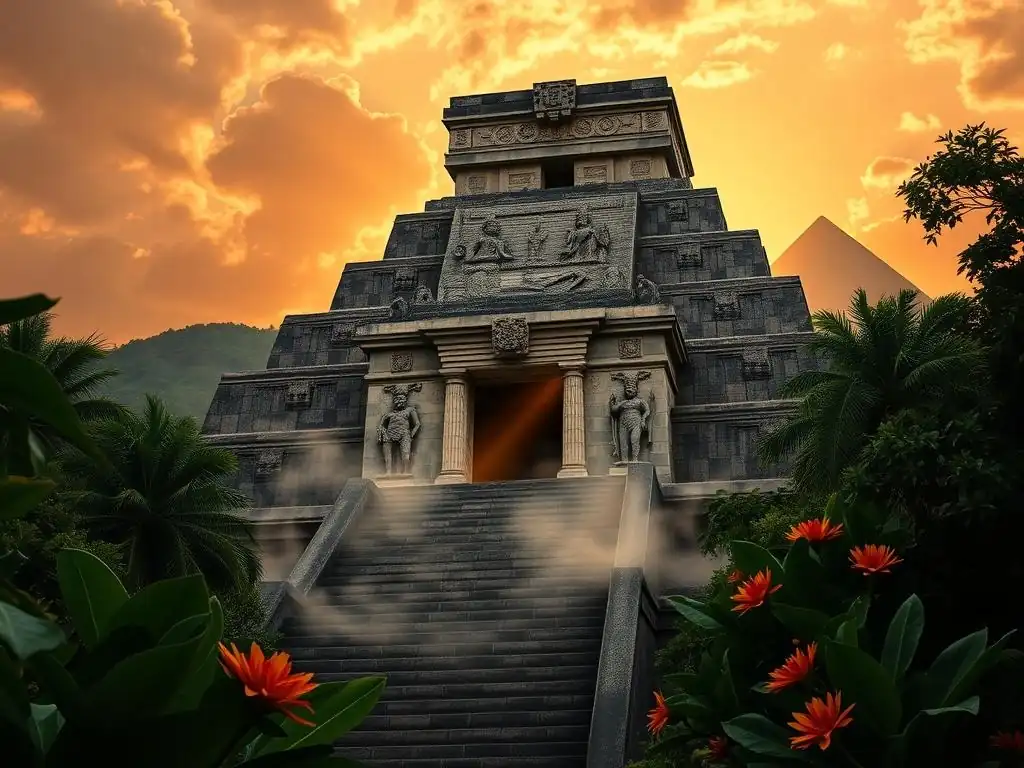
Maya temples were integral components of the pyramids, serving specific functions that catered to the needs of the community. These structures were not only places of worship but also venues for social interaction and cultural expression. The design and functionality of these temples reveal much about the Maya’s architectural ingenuity and their understanding of community dynamics.
Temples as Places of Worship
Temples in Maya society were primarily dedicated to the worship of gods and ancestors. These sacred spaces were often adorned with intricate carvings and murals that depicted mythological scenes and religious rituals. The ceremonies conducted within these temples played a crucial role in Maya spirituality, as they were believed to maintain harmony between the gods and humanity. For instance, the Temple of the Great Jaguar in Tikal served as a ceremonial site where priests performed rituals to honor the deities, reinforcing the significance of the temple as a center of spiritual life.
Temples and Community Gatherings
In addition to their religious functions, Maya temples served as important venues for community gatherings. Festivals, market days, and social events were often held in the vicinity of these structures, making them central to daily life. The communal aspect of temple activities fostered social cohesion and allowed for the exchange of goods and ideas. This functionality illustrates how temples were not isolated religious sites but rather vibrant centers of social interaction that contributed to the overall unity of Maya civilization.
Architectural Innovations in Temple Design
Maya temple architecture showcases remarkable innovations that reflect the civilization's advanced engineering skills. The use of corbel arches, for instance, allowed for the creation of expansive interiors without the need for columns, enabling larger congregational spaces. Additionally, the incorporation of multiple platforms and terraces in temple design provided not only aesthetic appeal but also practical advantages, such as improved visibility for rituals and ceremonies. The Temple of the Inscriptions in Palenque is a prime example of these architectural innovations, featuring intricate stonework and a unique interior layout that facilitated both worship and commemoration.
Through their pyramids and temples, the Maya civilization exhibited a profound understanding of architecture's role in society, blending functionality with deep cultural significance. These structures remain a testament to the ingenuity and complexity of Maya civilization, reflecting their achievements in engineering, religion, and social organization.
Notable Examples of Maya Architecture
Maya architecture is renowned for its monumental structures, intricate designs, and advanced engineering techniques. Across the ancient Maya civilization, numerous sites showcase their architectural prowess, reflecting both religious significance and social hierarchy. The following examples highlight the grandeur and ingenuity of Maya architectural achievements.
The Pyramid of Chichen Itza: A Marvel of Engineering
The Pyramid of Chichen Itza, also known as El Castillo, is one of the most iconic structures of Maya architecture. Standing at approximately 24 meters (79 feet) tall, this step pyramid is dedicated to the feathered serpent deity, Kukulkan.
- Architectural Features:
- The pyramid consists of four sides, each with 91 steps, culminating in the temple on top, which adds up to 365 steps—symbolizing the calendar days of the year.
- During the equinox, the setting sun casts a shadow that creates the illusion of a serpent slithering down the staircase, showcasing the Maya's understanding of astronomy.
- Cultural Significance:
- El Castillo served not only as a religious site but also as a calendar, indicating the Maya’s sophisticated grasp of mathematics and timekeeping.
- The site was a hub of trade and pilgrimage, reflecting the civilization's social and economic structures.
Tikal Temple I: A Testament to Maya Ingenuity
Tikal Temple I, also known as Temple of the Great Jaguar, is one of the tallest structures in the ancient Maya world, reaching a height of 47 meters (154 feet).
- Architectural Features:
- The temple features a steep, pyramidal base topped with a temple structure that once housed a burial chamber for the ruler, Jasaw Chan K'awil I.
- The intricate carvings and reliefs on the temple commemorate royal victories and provide insights into the political landscape of the time.
- Cultural Significance:
- Tikal was a major city-state, and Temple I symbolizes the power and influence of its rulers.
- The temple's alignment with celestial bodies indicates the Maya's advanced knowledge of astronomy and its integration into their architectural designs.
The Temple of the Inscriptions at Palenque: Architectural Masterpiece
The Temple of the Inscriptions is one of the most significant structures in the Maya city of Palenque, primarily due to its elaborate inscriptions and tomb of the ruler Pakal the Great.
- Architectural Features:
- This temple is notable for its three levels, adorned with intricate stone carvings and hieroglyphs that narrate the life and achievements of Pakal.
- The tomb chamber, located deep within the temple, contains a sarcophagus topped with a richly decorated lid, showcasing the artistic skill of the Maya.
- Cultural Significance:
- The inscriptions provide invaluable historical data, revealing the dynastic lineage and rituals of the Maya civilization.
- The temple stands as a testament to the religious and political ideologies that shaped Maya society.
The Legacy of Maya Architecture
The architectural achievements of the Maya have left an indelible mark on history, influencing subsequent cultures and continuing to captivate modern scholars and enthusiasts alike.
Influence on Later Mesoamerican Cultures
Maya architecture laid the groundwork for later civilizations in Mesoamerica.
- Architectural Techniques:
- The use of corbel arch construction and sophisticated urban planning seen in Maya cities influenced later cultures, such as the Aztecs and the Mixtecs.
- Cultural Continuity:
- Elements of Maya design and symbolism can be traced in the architecture of later Mesoamerican societies, demonstrating the enduring legacy of their engineering practices.
Preservation and Restoration Efforts of Maya Sites
Efforts to preserve and restore Maya sites are crucial for maintaining cultural heritage and understanding history.
- Conservation Initiatives:
- Various organizations and governments are engaged in the restoration of sites like Tikal and Chichen Itza, employing techniques that respect the original materials and construction methods.
- Challenges:
- The preservation efforts face challenges from natural deterioration, looting, and the impact of tourism, necessitating ongoing commitment and resources.
The Ongoing Study of Maya Architecture and Its Impact
The study of Maya architecture continues to evolve, revealing new insights into their civilization.
- Archaeological Discoveries:
- Recent excavations have uncovered previously unknown structures and artifacts, shedding light on the complexity of Maya urban planning and social organization.
- Interdisciplinary Approaches:
- Researchers from various fields, including archaeology, anthropology, and engineering, collaborate to deepen understanding of the Maya's architectural achievements and their cultural significance.
The ingenuity of Maya architecture is not only a testament to their engineering prowess but also a reflection of their rich cultural tapestry. The legacy of their structures continues to inspire awe and scholarly inquiry, affirming the importance of preserving this remarkable heritage.
Conclusion: The Enduring Significance of Maya Architecture
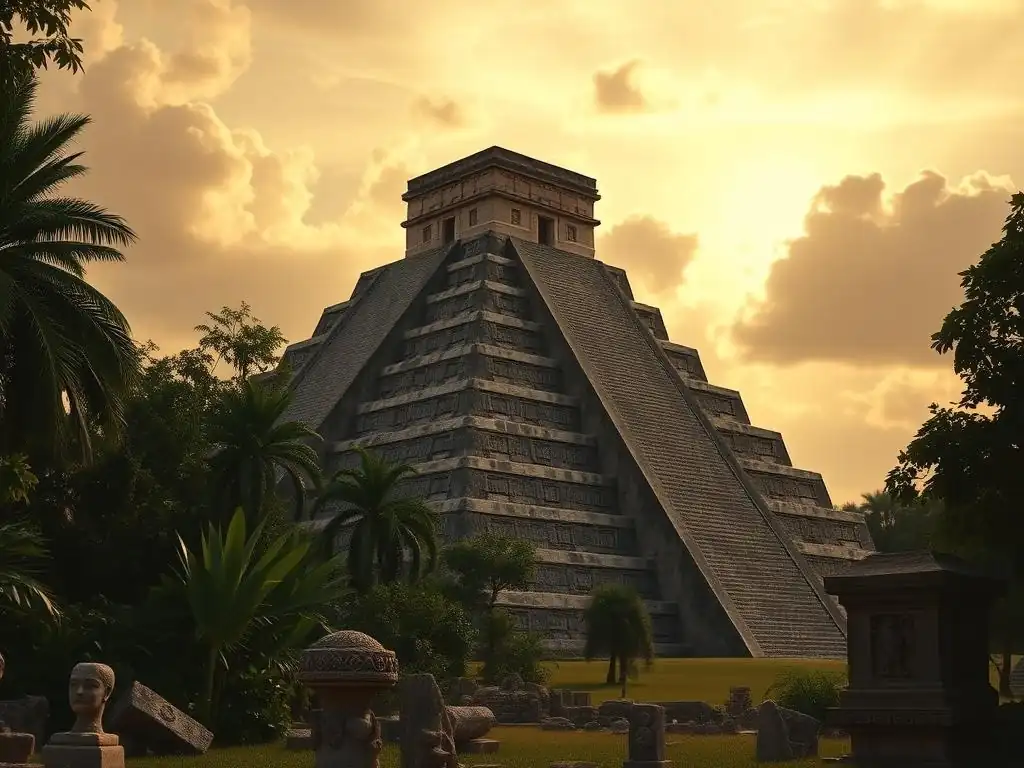
Maya architecture stands as a testament to the ingenuity and creativity of one of the most advanced civilizations in pre-Columbian America. The pyramids and temples erected by the Maya are not merely structures of stone; they are profound expressions of their cultural values, religious beliefs, and social organization. These architectural feats reflect a sophisticated understanding of engineering and artistry, showcasing advanced techniques in construction that have inspired awe for centuries.
The significance of Maya architecture extends beyond its physical presence. It serves as a historical narrative, providing insights into the Maya’s cosmology, societal hierarchy, and daily life. The alignment of these structures with celestial bodies underscores the Maya's profound connection to astronomy and their understanding of the universe. This architectural legacy has left an indelible mark on the cultural identity of contemporary Maya communities, reinforcing their heritage and communal ties.
Summary of Key Insights on Maya Architecture and Cultural Significance
The study of Maya architecture reveals several key insights that underscore its cultural significance:
- Innovative Engineering: The Maya developed advanced construction techniques, utilizing locally available materials such as limestone and adobe. Their capability to build massive structures without modern technology highlights their engineering prowess.
- Cultural Expression: Temples and pyramids were often adorned with intricate carvings and murals, depicting deities, historical events, and daily life. These artistic elements provide valuable information about Maya mythology and societal norms.
- Religious and Ceremonial Centers: Many pyramids served as focal points for religious ceremonies, reinforcing the connection between architecture and spirituality. They were often linked to the worship of gods and the cycles of agriculture, reflecting the Maya's deep reverence for nature.
- Societal Organization: The scale and complexity of Maya cities, characterized by their pyramids and public spaces, reveal insights into their hierarchical society. The presence of elite structures indicates a well-defined social stratification and governance.
- Enduring Legacy: The architectural accomplishments of the Maya continue to influence modern architecture and inspire cultural pride among descendants. Preservation efforts are essential to maintain these historical sites for future generations.
Reflection on the Importance of Preserving Indigenous Architectural Heritage
Preserving indigenous architectural heritage, such as that of the Maya, is crucial for several reasons. Firstly, these structures are irreplaceable cultural artifacts that embody the history and identity of indigenous peoples. They offer a tangible connection to the past, providing insights into the social, political, and spiritual lives of the Maya civilization.
Additionally, preservation efforts foster a sense of pride and continuity among contemporary Maya communities. By maintaining their ancestral sites, these communities can share their stories and cultural practices with younger generations, ensuring that their heritage is not lost to time.
Furthermore, protecting these architectural sites contributes to global cultural diversity. As UNESCO recognizes and designates World Heritage Sites, the importance of preserving the Maya pyramids and temples becomes evident on an international scale. These efforts not only safeguard the structures but also promote awareness of the rich tapestry of human history.
The preservation of Maya architecture is not merely about maintaining stone structures; it is about honoring a vibrant cultural legacy that continues to resonate today. It is imperative for stakeholders, including governments, organizations, and local communities, to collaborate in safeguarding these irreplaceable treasures for future generations.
- Introduction to Maya Architecture and Cultural Significance
- Key Features of Maya Architecture
- The Cultural Significance of Maya Pyramids
- The Functionality of Maya Temples
- Notable Examples of Maya Architecture
- The Legacy of Maya Architecture
- Conclusion: The Enduring Significance of Maya Architecture
- Summary of Key Insights on Maya Architecture and Cultural Significance
- Reflection on the Importance of Preserving Indigenous Architectural Heritage
Frequently Asked Questions
What are the main features of Maya architecture?
Maya architecture is characterized by pyramids, temples, and palaces, often adorned with intricate carvings and murals that reflect their cultural significance and religious beliefs.
How did the Maya use their architectural skills?
The Maya utilized their architectural skills to create ceremonial centers and urban complexes that served as focal points for religious ceremonies, trade, and social interaction within their communities.
What is the importance of pyramids in Maya culture?
Pyramids in Maya culture served as religious structures and burial sites, symbolizing their connection to the gods and the cosmos, and reflecting their deep spiritual beliefs.
How does Maya architecture reflect their society?
Maya architecture reflects their society by showcasing the hierarchical structure of their civilization, with larger and more elaborate structures built for the elite and significant religious activities.
What is the lasting impact of Maya architecture today?
The lasting impact of Maya architecture can be seen in modern-day archaeological studies, tourism, and the ongoing appreciation for their artistic and engineering achievements, which continue to influence contemporary architecture.
Final Reflection: The Enduring Legacy of Maya Architecture
The intricate designs and monumental structures of Maya architecture continue to resonate with us today, reminding us of a civilization that mastered the art of building in harmony with nature. The pyramids and temples not only served as religious and ceremonial centers but also as symbols of the Maya's profound understanding of astronomy, mathematics, and engineering. As we navigate an era where sustainable practices are paramount, the ingenuity of the Maya serves as a powerful example of how architecture can reflect cultural values and environmental consciousness.
The cultural significance of Maya architecture extends beyond its physical presence; it embodies the spiritual and societal beliefs of a civilization that thrived for centuries. The remnants of these magnificent structures invite us to explore the rich tapestry of Maya history and its ongoing influence on contemporary society. Architecture is the thoughtful making of space,
and the Maya certainly crafted spaces that were not only functional but also deeply meaningful, connecting the earthly realm with the divine.
As we reflect on the lessons of Maya architecture, let us be inspired to appreciate the stories that our built environments tell and to consider how we can create spaces that honor our cultural heritage and promote sustainability. I invite you to explore your surroundings with a new perspective, recognizing the potential of architecture to shape our identities and communities. Embrace the challenge of building a future that respects the past while innovating for the generations to come.
Unveil the Wonders of Maya Architecture!
Thank you for diving into the fascinating world of Maya architecture with us! We hope you’ve gained a deeper appreciation for the ingenuity behind their pyramids and temples. Now, it’s time to take the next step in your journey of discovery!
Here are some **simple actions** you can take to further explore and engage with this incredible topic:
- Visit a local museum to see Maya artifacts and exhibits in person. This hands-on experience will deepen your understanding and connection to this ancient civilization.
- Share your newfound knowledge with friends and family! Start a conversation about the Maya; you might inspire others to learn alongside you.
- Join an online community that focuses on Indigenous cultures and history. Engaging with others can enrich your learning and provide valuable insights.
What aspect of Maya architecture surprised you the most, and how do you plan to explore it further?