
10 Groundbreaking Academic Texts on PreColumbian Civilizations You Need to Read

Welcome to Indigenous Civilizations of the Americas—a gateway to the rich tapestry of cultures that flourished long before European contact. Here, we invite you to delve into the 10 Groundbreaking Academic Texts on Pre-Columbian Civilizations You Need to Read. These essential readings not only illuminate the remarkable achievements and intricate societies of indigenous peoples but also challenge the narratives that have shaped our understanding of history.
Prepare to embark on a journey of discovery that reveals the profound impact these civilizations continue to have today. Join us as we explore their legacies and uncover the stories waiting to be told!
- Introduction to Pre-Columbian Civilizations Academic Texts
- 1. "1491: New Revelations of the Americas Before Columbus" by Charles C. Mann
- 2. "The Inca Empire: A Multidisciplinary Approach" by Izumi Shimada
- 3. "The Maya: A Very Short Introduction" by Matthew Restall
- 4. "Ancient North America: The Archaeology of a Continent" by Brian M. Fagan
- 5. "Aztec Thought and Culture: A Study of the Ancient Nahuatl Mind" by Miguel León-Portilla
- 6. "The Art of the Americas: Pre-Columbian, Colonial, Modern" by David P. Silverman
- 7. "The Native American History: A Documentary Reader" by John R. Wunder
- 8. "The Pre-Columbian World: A Global Perspective" by David J. Meltzer
- 9. "The Olmec: America's First Civilization" by John E. Clark
- 10. "Indigenous Knowledge and Learning in Asia/Pacific and North America" edited by Josephine A. L. K. R. Wong
- Conclusion: The Impact of Pre-Columbian Civilizations Academic Texts
- Call to Action: Expand Your Library with Essential Reads
- Frequently Asked Questions
- Final Reflection: Embracing the Legacy of Pre-Columbian Civilizations
- Dive Deeper into Pre-Columbian Wisdom!
Introduction to Pre-Columbian Civilizations Academic Texts
The study of Pre-Columbian civilizations offers a fascinating glimpse into the rich tapestry of cultures that flourished across the Americas long before European contact. These indigenous societies were not only diverse but also highly sophisticated, showcasing remarkable achievements in areas such as agriculture, architecture, governance, and social organization. Understanding these civilizations is crucial as it allows us to appreciate their legacy and the profound impact they had on the continent's history. This article aims to highlight ten groundbreaking academic texts that delve into the intricacies of Pre-Columbian cultures, providing essential insights and knowledge for both scholars and enthusiasts alike.
Importance of Studying Pre-Columbian Civilizations
Studying Pre-Columbian civilizations is vital for several reasons:
- Cultural Heritage: These civilizations form the foundation of many modern cultures in the Americas. Understanding their histories helps preserve their legacies.
- Historical Context: By examining these cultures, we gain insights into the events leading up to European colonization and their aftermath.
- Diversity and Complexity: The Americas were home to a multitude of societies, each with unique languages, customs, and belief systems. Recognizing this diversity enriches our understanding of human history.
- Contributions to Knowledge: Many Pre-Columbian societies made significant advancements in fields such as mathematics, astronomy, and agriculture. Their contributions continue to influence contemporary thought and practice.
Through the study of these civilizations, we foster a greater appreciation for the resilience and ingenuity of indigenous peoples and recognize their ongoing impact on modern society.
Overview of Groundbreaking Academic Texts
The following texts represent some of the most important contributions to the field of Pre-Columbian studies. Each book provides a unique perspective and deep analysis of various aspects of these civilizations:
-
"1491: New Revelations of the Americas Before Columbus" by Charles C. Mann
A comprehensive look at the Americas before European contact, challenging conventional narratives.
-
"The Inca Empire: A Multi-Disciplinary Approach" edited by David M. Jones
A collection of essays exploring the complex society and achievements of the Inca civilization.
-
"The Maya" by Michael D. Coe
This text presents an in-depth examination of one of the most advanced Pre-Columbian cultures, covering its history, achievements, and decline.
-
"The Aztecs" by Richard F. Townsend
A detailed analysis of Aztec society, culture, and its significant contributions to Mesoamerican history.
-
"Ancient North America" by Brian M. Fagan
A survey of the indigenous cultures of North America, from the Arctic to the American Southwest.
-
"The Art of the Andes: From Chavín to Inca" by Rebecca Stone
An exploration of the rich artistic traditions that emerged in the Andean region.
-
"The Native American Experience: A Historical Encyclopedia" edited by D. L. Birchfield
This encyclopedia provides a broad overview of Native American history, including Pre-Columbian societies.
-
"The Mound Builders: Ancient Peoples of Eastern North America" by Robert Silverberg
A look at the mound-building cultures of the eastern United States, shedding light on their social structures and practices.
-
"Pre-Columbian Architecture in Mesoamerica" by Esther Pasztory
An examination of the architectural achievements of Mesoamerican civilizations, highlighting their innovations and cultural significance.
-
"The First Americans: In Pursuit of Archaeology's Greatest Mystery" by Charles C. Mann
This book investigates the origins and migrations of the first peoples in the Americas, providing new insights into their early cultures.
These texts serve as essential academic reads for anyone interested in the complexities and achievements of Pre-Columbian civilizations, paving the way for a deeper understanding of their lasting impact on contemporary society.
1. "1491: New Revelations of the Americas Before Columbus" by Charles C. Mann
Key Themes and Contributions
"1491: New Revelations of the Americas Before Columbus" by Charles C. Mann is a groundbreaking text that challenges conventional narratives surrounding the Americas before European contact. Mann synthesizes a vast array of research from anthropology, archaeology, and history to present a nuanced view of Pre-Columbian civilizations.
Some key themes include:
- Population Density: Mann argues that the population of the Americas was significantly larger than previously thought, suggesting that complex societies thrived across the continent.
- Ecological Impact: The book highlights how indigenous peoples shaped their environment through agriculture, land management, and the domestication of plants and animals.
- Cultural Diversity: Mann provides insights into the rich cultural tapestry of the Americas, emphasizing the distinct languages, social structures, and practices of various indigenous groups.
The contributions of this text are profound, as it not only compiles existing research but also encourages new interpretations of historical data, challenging readers to rethink stereotypes about indigenous populations.
Impact on Understanding Pre-Columbian Societies
The impact of "1491" on the understanding of Pre-Columbian societies is multifaceted. Mann's work has ignited discussions among scholars and has influenced subsequent research in several ways:
- Reassessment of Historical Narratives: By presenting evidence that contradicts long-held beliefs about the Americas as sparsely populated wilderness, Mann encourages a reconsideration of how history is taught and understood.
- Interdisciplinary Approach: Mann's integration of various academic fields fosters a more holistic view of Pre-Columbian civilizations, illustrating their complexities and interconnections.
- Inspiration for Further Research: The book serves as a catalyst for new studies that explore indigenous innovations, social structures, and interactions prior to European contact.
Through these impacts, "1491" has become a crucial reference point for scholars seeking to deepen their understanding of the intricate realities of ancient American societies.
Why This Text is Essential for Scholars
"1491: New Revelations of the Americas Before Columbus" is essential for scholars of Pre-Columbian civilizations for several reasons:
- Foundational Knowledge: The text provides a comprehensive overview that serves as a foundation for further academic inquiry into indigenous cultures.
- Critical Thinking: Mann’s provocative assertions challenge scholars to question existing paradigms and to engage critically with historical sources.
- Cultural Awareness: Understanding the complexities of Pre-Columbian societies is vital for scholars who wish to appreciate the full scope of indigenous contributions to global history.
In summary, "1491" is not just a book; it is a pivotal academic text that reshapes the landscape of Pre-Columbian studies, making it a necessary read for anyone serious about understanding the rich histories and legacies of indigenous civilizations in the Americas.
2. "The Inca Empire: A Multidisciplinary Approach" by Izumi Shimada
Exploring Inca Civilization Through Various Disciplines
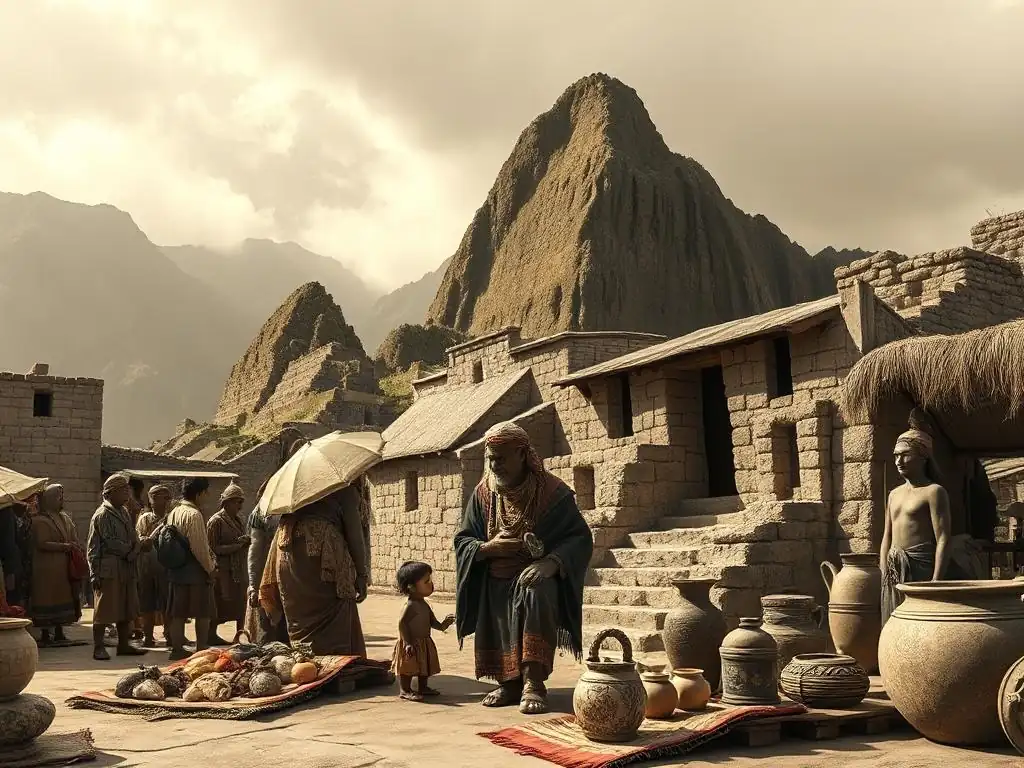
Izumi Shimada's groundbreaking work, "The Inca Empire: A Multidisciplinary Approach," presents a comprehensive examination of the Inca civilization, integrating insights from various academic fields such as archaeology, anthropology, history, and linguistics. This multidisciplinary perspective is vital for understanding the complexities of the Inca social structure, economy, and cultural practices.
The author delves into the political organization of the Inca Empire, highlighting how it was not only vast but also intricately organized. Shimada explains the roles of local leaders and the importance of administrative systems, supported by archaeological data and historical accounts. By analyzing both qualitative narratives and quantitative data, this text allows readers to appreciate the multifaceted nature of Inca governance.
Additionally, the book illustrates the technological innovations that characterized the Inca Empire, such as advanced agricultural techniques, impressive architectural achievements, and extensive road networks. These aspects underscore the ingenuity of Inca society and its adaptability to diverse environments across the Andes.
Significance of Archaeological Evidence
Archaeological evidence plays a crucial role in Shimada's analysis, providing tangible proof of the Inca civilization's achievements and daily life. The author meticulously discusses findings from key archaeological sites, such as Machu Picchu and Sacsayhuamán, emphasizing how these discoveries contribute to our understanding of Inca culture.
The book includes detailed descriptions of artifacts, such as textiles, pottery, and tools, which illuminate the daily lives of the Inca people. By synthesizing these findings with historical records, Shimada effectively reconstructs not only the material culture but also the spiritual beliefs and social practices of the Incas.
This emphasis on archaeological evidence serves to validate the interdisciplinary approach, showcasing how collaboration across fields can lead to a more nuanced understanding of Pre-Columbian civilizations. The text also highlights the importance of ongoing research and excavation efforts in uncovering new insights about the Inca Empire.
Recommended for Researchers in Andean Studies
"The Inca Empire: A Multidisciplinary Approach" is an essential read for researchers in Andean studies, offering a rich resource for both seasoned scholars and newcomers to the field. The detailed exploration of various disciplines provides an inclusive framework for understanding the Inca civilization's complexity and richness.
Key Features of the Book:
- Interdisciplinary Framework: Integrates multiple academic perspectives for a holistic understanding.
- Archaeological Insights: Presents significant archaeological findings that enhance comprehension of Inca society.
- Comprehensive Analysis: Covers political, social, and technological aspects of the Inca Empire.
For those pursuing advanced studies in Pre-Columbian civilizations, this text stands out as a pivotal resource that not only informs but also inspires further research in Andean cultures. The depth of analysis and breadth of disciplines covered truly embody the essence of Pre-Columbian civilizations academic texts, making it a vital addition to any academic library.
3. "The Maya: A Very Short Introduction" by Matthew Restall
Concise Overview of Maya Civilization
"The Maya: A Very Short Introduction" by Matthew Restall provides an accessible yet comprehensive overview of one of the most fascinating Pre-Columbian civilizations. The Maya, known for their sophisticated culture, made significant advancements in various fields, including mathematics, astronomy, and writing. This text delves into the social structure, religious beliefs, and everyday life of the Maya people, highlighting the complexity and richness of their civilization.
Restall emphasizes the geographical diversity of the Maya, who inhabited regions in present-day Mexico, Guatemala, Belize, Honduras, and El Salvador. By exploring the classic period (c. 250-900 CE), the book illustrates the architectural marvels of cities like Tikal and Palenque, and the artistic achievements reflected in their pottery and carvings.
The author also addresses the decline of the Maya civilization, exploring theories related to environmental changes, warfare, and sociopolitical factors that contributed to their eventual fragmentation. This overview not only sets the stage for understanding the Maya but also situates them within the broader context of Pre-Columbian civilizations.
Important Insights for Beginners and Experts Alike
Restall's work is designed to cater to both newcomers and seasoned scholars of Maya studies. For beginners, the text serves as a foundational guide, succinctly summarizing essential aspects of Maya life, including:
- Social Hierarchy: The stratified society with kings, nobles, and commoners.
- Religion and Cosmology: The intricate belief systems that governed their lives and rituals.
- Agricultural Practices: Techniques such as slash-and-burn farming that supported their economy.
For experts, Restall offers fresh interpretations and engages with contemporary debates in Maya scholarship. He challenges long-held assumptions by presenting nuanced arguments regarding the nature of Maya civilization, particularly regarding their resilience and adaptability in the face of change. This dual approach makes the text a valuable resource for anyone looking to deepen their understanding of Pre-Columbian civilizations.
Accessibility and Relevance in Academic Circles
One of the standout features of "The Maya: A Very Short Introduction" is its accessibility. The language is clear and engaging, making it suitable for a wide audience, including those outside of academia. This accessibility is crucial in fostering interest in Pre-Columbian studies among the general public.
In academic circles, the book is often recommended as a starting point for courses on Maya civilization and Mesoamerican studies. Its relevance is underscored by its incorporation into university syllabi, where it is utilized to stimulate discussions on topics such as cultural continuity and the impact of European colonization on indigenous societies.
Matthew Restall's work is an essential read for anyone interested in Pre-Columbian civilizations, particularly those keen to explore the Maya. It stands as a testament to the enduring legacy of these ancient cultures and their ongoing influence in contemporary society.
4. "Ancient North America: The Archaeology of a Continent" by Brian M. Fagan
Comprehensive Coverage of North American Indigenous Cultures
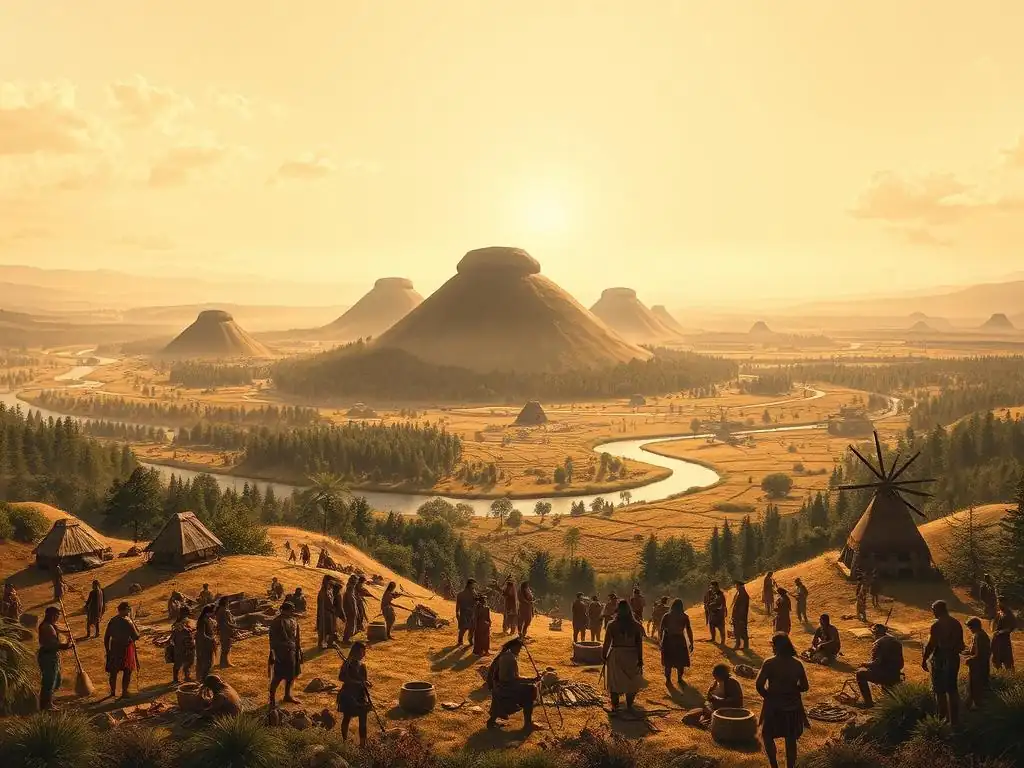
"Ancient North America: The Archaeology of a Continent" by Brian M. Fagan is an essential text for anyone interested in the diverse tapestry of indigenous cultures that flourished across North America prior to European contact. This work provides a thorough examination of the archaeological evidence that reveals the rich histories, social structures, and cultural practices of various indigenous groups.
Fagan meticulously covers a wide range of cultures, from the hunter-gatherers of the Arctic to the complex societies of the Mississippi Valley. The book explores the development of agriculture, trade networks, and urban centers, highlighting the significant achievements of groups such as the Ancestral Puebloans, the Mississippians, and the Iroquois Confederacy. By synthesizing archaeological findings with anthropological insights, Fagan paints a vivid picture of how these societies adapted to their environments and interacted with one another.
Moreover, Fagan's narrative is enhanced by a variety of case studies that illustrate the diversity of indigenous life. For instance, he delves into the monumental architecture of Cahokia, the intricate pottery styles of the Southwest, and the ceremonial mounds of the Great Lakes region. This comprehensive coverage ensures that readers gain a holistic understanding of the complexity and richness of North America's pre-Columbian cultures.
Contributions to Archaeological Methodologies
In addition to its content, Fagan's text is notable for its contributions to archaeological methodologies. The author emphasizes the importance of interdisciplinary approaches, integrating insights from history, anthropology, and environmental science to provide a more nuanced understanding of ancient societies.
Fagan advocates for the use of advanced techniques such as:
- Radiocarbon dating: Essential for establishing timelines and understanding the chronological development of cultures.
- Geographic Information Systems (GIS): Useful for analyzing spatial relationships and settlement patterns.
- Paleoethnobotany: Helps researchers understand the relationships between ancient peoples and their environment through the study of plant remains.
These methodologies not only enhance the rigor of archaeological research but also encourage future scholars to adopt a more comprehensive approach to studying pre-Columbian civilizations. Fagan's emphasis on methodological diversity serves as a critical reminder of the complexity of indigenous histories and the importance of utilizing various tools to uncover their stories.
Essential for a Holistic Understanding of Pre-Columbian Life
"Ancient North America" is essential for anyone seeking a holistic understanding of pre-Columbian life. Fagan's work goes beyond mere facts and dates; it invites readers to consider the cultural, social, and environmental contexts that shaped the lives of indigenous peoples.
Through engaging narratives and vivid descriptions, Fagan brings to life the daily experiences of individuals within these societies, allowing readers to appreciate the depth of their cultural practices, belief systems, and community dynamics. The book challenges readers to rethink preconceived notions about indigenous cultures as primitive or static, instead showcasing their adaptability, innovation, and resilience.
Brian M. Fagan's "Ancient North America: The Archaeology of a Continent" is a groundbreaking academic text that is invaluable for understanding the complexity of pre-Columbian civilizations. It serves as a critical resource for both students and scholars, offering insights that are essential for appreciating the rich heritage of North America's indigenous cultures.
5. "Aztec Thought and Culture: A Study of the Ancient Nahuatl Mind" by Miguel León-Portilla
Miguel León-Portilla’s groundbreaking work, Aztec Thought and Culture, delves into the philosophical and cultural nuances of the Aztec civilization through the lens of the Nahuatl language. This text is essential for anyone interested in understanding the intricate ways in which the Aztecs perceived their world and organized their society. León-Portilla meticulously examines the literary and philosophical contributions of the Aztec people, providing a comprehensive overview of their intellectual legacy.
Deep Dive into Aztec Philosophy and Worldview
León-Portilla's exploration of Aztec thought is profound, highlighting the interplay between mythology, philosophy, and daily life. By analyzing various Nahuatl texts, including poetry and philosophical writings, he reveals how the Aztecs understood concepts like life, death, and the cosmos.
- Key Concepts:
- Teotl: The Aztec concept of divinity that transcends duality, representing both the sacred and the mundane.
- Tonalli: The vital force or energy believed to be present in all living things, illustrating the interconnectedness of existence.
- Chicahuaquauh: The concept of strength or vigor that was essential for personal and communal identity.
Through these concepts, León-Portilla articulates a worldview that emphasizes harmony with nature and the cyclical nature of life, which is crucial to understanding the cultural practices and rituals of the Aztecs.
Importance of Nahuatl Language in Cultural Studies
The significance of the Nahuatl language cannot be understated in the study of Pre-Columbian civilizations. León-Portilla argues that language shapes thought, and the unique structure of Nahuatl offers insights into Aztec philosophy and cultural identity. Aspects of Nahuatl that are particularly noteworthy include:
- Metaphorical Language: The use of metaphors in Nahuatl allows for rich expressions of complex ideas and emotions.
- Pictorial Elements: The integration of pictorial elements in Nahuatl literature provides a distinctive perspective on how the Aztecs communicated their beliefs and values.
Understanding Nahuatl is not only essential for interpreting Aztec texts but also for gaining a deeper appreciation of their worldview and societal norms. León-Portilla’s work serves as a crucial resource for scholars and students alike who wish to navigate the intricate landscape of Mesoamerican thought.
Recommended for Those Exploring Mesoamerican Thought
Aztec Thought and Culture is highly recommended for anyone interested in Mesoamerican studies, philosophy, or linguistic anthropology. This text is particularly beneficial for:
- Students: Those pursuing degrees in anthropology, history, or linguistics will find León-Portilla’s insights invaluable for their research and understanding.
- Researchers: Scholars seeking to explore the philosophical dimensions of indigenous cultures will benefit from León-Portilla’s thorough examination of Nahuatl literature.
- Enthusiasts: Anyone intrigued by the rich tapestry of Pre-Columbian civilizations will gain a deeper understanding of the Aztec legacy through this work.
León-Portilla's Aztec Thought and Culture is an essential academic text that illuminates the profound philosophical and cultural achievements of the Aztec civilization, making it a must-read for those invested in the study of Pre-Columbian civilizations.
6. "The Art of the Americas: Pre-Columbian, Colonial, Modern" by David P. Silverman

Interconnections Between Art and Culture in Pre-Columbian Societies
David P. Silverman's "The Art of the Americas: Pre-Columbian, Colonial, Modern" delves deeply into the intricate relationships between art and culture within various Pre-Columbian societies. The text emphasizes that art was not merely a form of aesthetic expression; it served as a crucial medium for communicating cultural values, societal structures, and religious beliefs.
- Cultural Significance: Each artwork encapsulates the beliefs and practices of its creators. For instance, the intricate pottery of the Moche civilization often depicted their deities and rituals, reflecting their cosmology and social hierarchy.
- Functionality of Art: Unlike in many contemporary contexts, art in Pre-Columbian cultures was often practical. Items such as textiles and ceramics were both utilitarian and ornamental, serving a dual purpose that reinforced community identity and cohesion.
Moreover, Silverman highlights how these artistic expressions varied significantly across different regions, driven by local resources, spiritual beliefs, and environmental factors. This rich tapestry of interconnections is crucial for understanding the broader sociopolitical landscapes of Pre-Columbian civilizations.
Visual Representations of Indigenous Achievements
Silverman's work also presents a compelling examination of how artistic representations served to document and celebrate indigenous achievements. The author explores various forms of art, from monumental sculpture to intricate beadwork, illustrating how these creations reflect the technological and social advancements of their respective cultures.
- Monumental Architecture: The construction of vast ceremonial centers, such as those seen in Teotihuacan, stands as a testament to the engineering prowess and organizational skills of its inhabitants. Silverman notes that the artwork adorning these structures not only served decorative purposes but also conveyed historical narratives and cultural pride.
- Symbolism in Art: Indigenous artists employed symbols and motifs to communicate complex ideas. For instance, the use of the serpent motif in Maya art often represented duality and power, linking the physical and spiritual realms.
Silverman’s analysis underscores the profound impact of these artistic achievements on the identity and legacy of indigenous cultures, asserting that they were integral to the communities' historical narratives.
Key Resource for Art Historians and Cultural Scholars
As an essential academic text, "The Art of the Americas: Pre-Columbian, Colonial, Modern" serves as a cornerstone for art historians and cultural scholars specializing in Pre-Columbian studies. Silverman’s comprehensive approach integrates various disciplines, including anthropology, archaeology, and history, making it a multidimensional resource.
- Interdisciplinary Insights: The text encourages scholars to draw connections between art and other facets of indigenous life, such as politics, religion, and trade. This holistic perspective is invaluable for those seeking to understand the complexities of Pre-Columbian societies.
- Rich Visual Documentation: Accompanied by a wealth of illustrations and photographs, the book provides visual context that enhances the scholarly discourse. This is particularly beneficial for visual learners and researchers who prioritize empirical evidence in their studies.
Silverman’s work is not only a vital academic resource but also a profound testament to the creativity and resilience of indigenous cultures in the Americas. By studying these artistic expressions, researchers can gain a deeper appreciation for the cultural legacies that continue to influence contemporary societies.
7. "The Native American History: A Documentary Reader" by John R. Wunder
Primary Sources that Illuminate Indigenous Perspectives
"The Native American History: A Documentary Reader," edited by John R. Wunder, is a pivotal academic text that assembles a diverse array of primary sources, providing a multifaceted view of Indigenous experiences in North America. This compilation includes letters, treaties, speeches, and legal documents that offer firsthand accounts of the lives, cultures, and struggles of Native American peoples.
- Diverse Voices: The text encompasses narratives from various tribes and nations, such as the Cherokee, Sioux, and Iroquois, allowing readers to appreciate the diversity of Indigenous thought and philosophy.
- Contextualized Accounts: Each document is accompanied by contextual commentary from Wunder, which serves to situate the primary sources within the broader framework of American history, highlighting the relevance of these documents to contemporary discussions about Indigenous rights and identity.
By engaging with these primary sources, readers can gain insight into the complex social, political, and cultural landscapes of Native American societies prior to and during European colonization.
Importance of Documentation in Academic Research
Documentation plays a crucial role in academic research, particularly in the study of Pre-Columbian civilizations. Wunder's compilation underscores several significant aspects of this importance:
- Authenticity and Credibility: Primary sources provide authentic voices from the past, enhancing the credibility of historical narratives. They allow scholars to build arguments grounded in real experiences rather than secondary interpretations.
- Fostering Critical Analysis: The inclusion of various documents encourages readers to critically evaluate historical events from multiple perspectives. This is essential in understanding the complexities of Indigenous societies and their responses to colonial pressures.
- Preserving Indigenous Histories: Academic documentation helps preserve Indigenous histories that may otherwise be overlooked or misrepresented in mainstream narratives. By prioritizing Indigenous voices, researchers contribute to a more accurate and equitable historical record.
- Interdisciplinary Connections: The documentary reader also facilitates connections between history, anthropology, and cultural studies, making it an invaluable resource for interdisciplinary research on Indigenous cultures.
A Must-Read for Comprehensive Historical Context
For anyone interested in the study of Pre-Columbian civilizations, "The Native American History: A Documentary Reader" is an essential text that provides comprehensive historical context.
- Bridging Past and Present: The reader not only chronicles the historical events but also ties them to contemporary issues faced by Indigenous communities today, making it relevant for both historical scholars and activists.
- Educational Resource: It serves as an educational resource for students and educators alike, enriching curricula focused on Native American studies, history, or multicultural education.
John R. Wunder's work stands out as a foundational academic text that is critical for understanding the rich tapestry of Indigenous histories and their enduring impacts on American society. Engaging with this text will deepen your appreciation of the complexities surrounding Pre-Columbian civilizations and their legacies.
8. "The Pre-Columbian World: A Global Perspective" by David J. Meltzer
Contextualizing Pre-Columbian Civilizations in a Global Framework
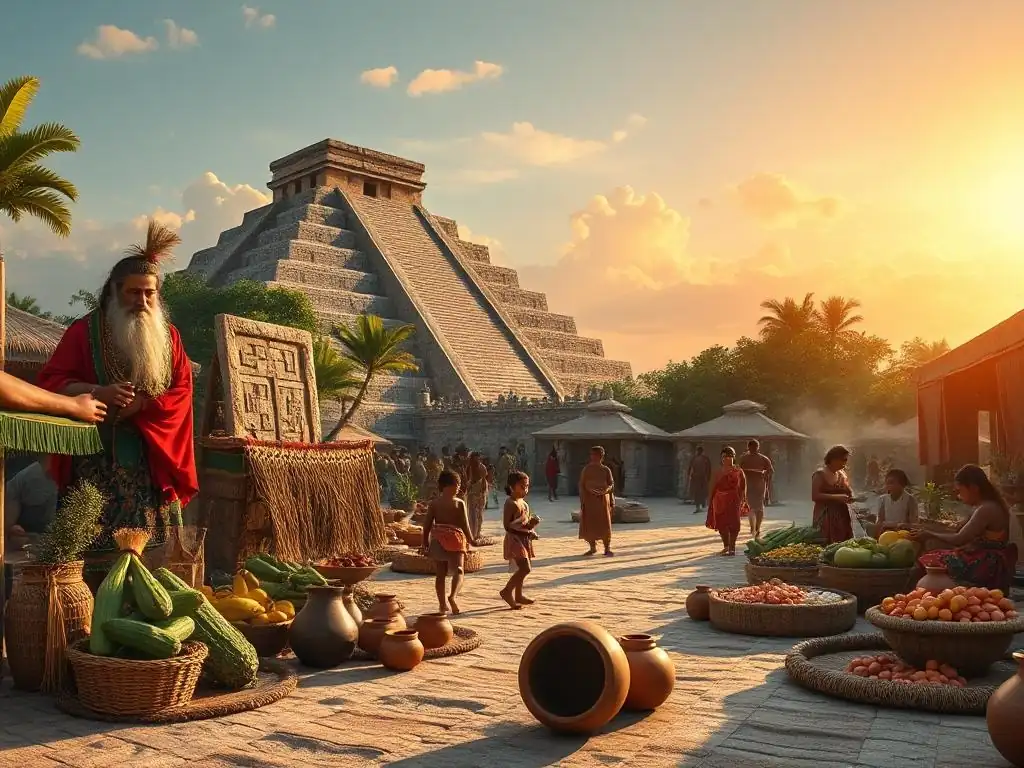
David J. Meltzer's "The Pre-Columbian World: A Global Perspective" offers a crucial examination of the indigenous civilizations of the Americas through a global lens. This approach challenges the conventional narrative that often isolates Pre-Columbian societies from worldwide historical contexts. Meltzer argues that understanding these civilizations requires recognizing their interactions with other global cultures, both contemporaneously and historically.
By situating Pre-Columbian societies within broader patterns of human development, Meltzer emphasizes the significance of environmental factors, trade routes, and migratory movements across continents. For instance, the exchange of goods and ideas between the Americas and other regions, such as Asia and Europe, sheds light on the complexity and dynamism of these cultures. This text is particularly valuable for scholars seeking to understand the interconnectivity of civilizations, highlighting that the achievements of Pre-Columbian groups were not isolated but rather part of a larger tapestry of human experience.
Insights on Migration and Settlement Patterns
Meltzer’s work is particularly notable for its in-depth analysis of migration and settlement patterns that shaped Pre-Columbian civilizations. He explores the theories of how early peoples migrated into the Americas, primarily via the Bering Land Bridge, and how these movements influenced the development of distinct cultural groups across the continents.
One key aspect discussed is the variability in settlement patterns, which were often dictated by environmental changes and resource availability. For example, the rise and fall of the climate influenced agricultural practices among Mesoamerican cultures, leading to innovations such as the development of maize cultivation. Meltzer’s investigation into these patterns not only uncovers the adaptability and resilience of indigenous peoples but also offers insights into how these civilizations responded to external pressures, such as climate fluctuations and resource scarcity.
Through detailed case studies, such as the urbanization of the Inca Empire and the nomadic lifestyles of the Great Plains tribes, Meltzer illustrates the diverse strategies employed by different groups. This nuanced understanding of migration and settlement enhances our grasp of the socio-political structures that emerged in Pre-Columbian societies.
Valuable for Comparative Cultural Studies
"The Pre-Columbian World: A Global Perspective" serves as an essential resource for scholars engaged in comparative cultural studies. Meltzer’s emphasis on cross-cultural interactions invites readers to draw parallels between Pre-Columbian societies and civilizations from other parts of the world.
By examining similarities and differences in social organization, technological innovations, and artistic expressions, researchers can gain a more comprehensive view of human civilization. For instance, Meltzer's analysis of the ceremonial practices of Native American tribes can be compared to those of indigenous groups in Africa or Asia, revealing universal themes in spirituality and community bonding.
Moreover, the book encourages interdisciplinary approaches, integrating anthropology, archaeology, and history. This holistic methodology not only enriches academic discourse but also provides a framework for understanding the complexities of cultural identities in a globalized world. As such, Meltzer's text is not just about the past; it invites ongoing dialogue about cultural heritage and its relevance in contemporary society.
9. "The Olmec: America's First Civilization" by John E. Clark
Significance of Olmec Civilization in Mesoamerican History
The Olmec civilization, often referred to as "America's first civilization," holds a pivotal role in the history of Mesoamerica. Emerging around 1200 BCE and flourishing until approximately 400 BCE, the Olmecs laid the groundwork for subsequent cultures such as the Maya and Aztec. Their influence is evident in various aspects, including:
- Artistic Expression: The Olmecs are renowned for their colossal head sculptures and intricate jade carvings, which showcase advanced artistic techniques and a profound understanding of symbolism.
- Urban Planning: The Olmecs established some of the earliest urban centers in the Americas, such as San Lorenzo and La Venta, featuring complex layouts and monumental architecture. These cities served as hubs for trade, politics, and religion.
- Cultural Practices: The civilization is credited with the early development of Mesoamerican ballgames and religious rituals, which became integral to later cultures in the region.
The significance of the Olmec civilization extends beyond its time frame; it set the stage for cultural, religious, and political developments that shaped Mesoamerican history for centuries to come.
Discoveries and Theories Surrounding Olmec Culture
Recent archaeological discoveries have shed light on the complexities of Olmec culture and its contributions to Mesoamerican civilization. Some key findings include:
- Archaeological Sites: Excavations at sites like La Venta and Tres Zapotes have revealed a wealth of artifacts, including pottery, tools, and ceremonial objects, which provide insights into daily life and religious practices.
- Writing System: Emerging theories suggest that the Olmecs may have developed one of the earliest writing systems in the Americas, as indicated by markings found on artifacts. This challenges previous notions regarding the timeline of literacy in pre-Columbian societies.
- Social Structure: The discovery of elite burial sites indicates a complex social hierarchy within Olmec society, suggesting that leadership and power dynamics were well-established.
Scholars continue to debate the origins and influences of the Olmecs, with some theories proposing connections to other ancient civilizations in the Americas and beyond, highlighting the interconnected nature of early human societies.
Essential Reading for Understanding Early Civilizations
John E. Clark's "The Olmec: America's First Civilization" is an essential text for anyone looking to deepen their understanding of pre-Columbian civilizations. This book provides:
- In-depth Analysis: Clark offers a thorough examination of Olmec society, integrating archaeological evidence with anthropological insights to paint a vivid picture of their way of life.
- Contextual Framework: The text situates the Olmecs within the broader spectrum of Mesoamerican history, allowing readers to appreciate their role as a foundational culture.
- Critical Perspectives: The book engages with various scholarly debates surrounding Olmec culture, encouraging readers to consider multiple viewpoints and interpretations.
For those interested in the rich tapestry of pre-Columbian civilizations, this text serves as a crucial resource that highlights the legacy of the Olmecs and their enduring impact on the Americas.
10. "Indigenous Knowledge and Learning in Asia/Pacific and North America" edited by Josephine A. L. K. R. Wong

"Indigenous Knowledge and Learning in Asia/Pacific and North America," edited by Josephine A. L. K. R. Wong, is a significant academic text that explores the intersections of indigenous knowledge systems across various cultures, specifically focusing on the Asia/Pacific region and North America. This book not only highlights the diversity of indigenous cultures but also emphasizes the importance of these knowledge systems in understanding their unique histories and contributions to global civilization.
This text is essential for anyone looking to deepen their understanding of how indigenous perspectives inform various fields, including education, environmental science, and cultural studies. It provides a platform for indigenous voices and perspectives, encouraging readers to appreciate the richness of these traditions and their relevance in contemporary discussions.
Bridging Indigenous Knowledge Across Cultures
One of the most compelling aspects of Wong's edited volume is its commitment to bridging indigenous knowledge across different cultural contexts. The text presents a variety of case studies that illustrate how indigenous practices and philosophies from the Asia/Pacific region and North America can inform and enrich one another.
- Cross-Cultural Insights: The book showcases various indigenous methodologies and epistemologies, enabling readers to recognize commonalities and divergences in indigenous knowledge systems.
- Collaborative Approaches: It emphasizes collaborative research practices that honor indigenous ways of knowing, fostering partnerships between indigenous communities and academic institutions.
- Practical Applications: The chapters detail practical applications of indigenous knowledge in contemporary issues, such as sustainability, health, and education, illustrating how these time-honored traditions can address modern challenges.
This bridging of knowledge not only enhances academic discourse but also promotes a greater understanding of the interconnectedness of indigenous cultures worldwide.
Reflections on Learning and Heritage
Wong's anthology encourages deep reflections on learning and heritage from an indigenous perspective. The contributors share personal narratives and scholarly insights that highlight the vital role of heritage in shaping educational practices and community identity.
- Cultural Resilience: Many chapters focus on the resilience of indigenous cultures in maintaining their traditions despite historical disruptions. This resilience is a testament to the strength of indigenous knowledge and its adaptability in the face of change.
- Intergenerational Learning: The text emphasizes the importance of intergenerational learning, where knowledge is passed down through storytelling, rituals, and community practices, ensuring the continuity of cultural heritage.
- Critical Pedagogy: Wong and the contributing authors advocate for a critical pedagogy that incorporates indigenous perspectives, challenging conventional educational frameworks that often marginalize these voices.
This reflection on learning processes from an indigenous standpoint invites readers to reconsider their own approaches to education and knowledge acquisition.
Recommended for Interdisciplinary Studies
"Indigenous Knowledge and Learning in Asia/Pacific and North America" is highly recommended for interdisciplinary studies, as it transcends traditional academic boundaries. The text is relevant to various fields, including anthropology, sociology, education, and environmental studies.
- Diverse Perspectives: The interdisciplinary nature of the book allows for a confluence of ideas, encouraging scholars and students alike to draw from multiple disciplines when studying indigenous cultures.
- Global Relevance: The insights provided in this volume are not confined to a specific geographical area; they resonate with global issues such as climate change, cultural preservation, and social justice.
- Comprehensive Resource: It serves as a comprehensive resource for researchers, educators, and policymakers interested in integrating indigenous knowledge into their work, fostering a more inclusive and holistic approach to understanding human societies.
This academic text is a vital addition to the library of anyone interested in the complexities and contributions of Pre-Columbian civilizations and their enduring influence on contemporary society.
Conclusion: The Impact of Pre-Columbian Civilizations Academic Texts
Encouraging Further Study and Exploration
The exploration of Pre-Columbian civilizations academic texts serves as a crucial gateway to understanding the rich tapestry of indigenous cultures that flourished across the Americas. These texts not only provide insights into the societal structures, artistic achievements, and philosophical frameworks of these ancient peoples but also challenge preconceived notions about their historical significance.
As scholars and enthusiasts delve into these works, they are encouraged to engage with a variety of sources, including archaeological findings, anthropological studies, and oral histories. This multidisciplinary approach can enhance one’s understanding of the complexities and nuances of Pre-Columbian societies.
Suggested Areas for Further Exploration:
- Archaeological Evidence: Investigate how current archaeological methods are uncovering new insights about Pre-Columbian life.
- Cultural Practices: Study the rituals, languages, and traditions that have persisted or transformed over time.
- Interdisciplinary Connections: Consider how disciplines like ecology and economics intersect with the study of these civilizations.
By expanding the scope of study beyond traditional texts, readers can appreciate the full spectrum of indigenous contributions to human history.
Final Thoughts on the Significance of These Texts
The Pre-Columbian civilizations academic texts highlighted in this article are not mere historical accounts; they are vital narratives that illuminate the achievements and legacies of indigenous cultures. These works underscore the importance of recognizing indigenous voices and perspectives, which have often been marginalized or overlooked in mainstream historical discourse.
The significance of these texts extends beyond the academic realm, fostering a greater appreciation for the diversity and resilience of these cultures. As we confront contemporary issues surrounding cultural heritage and identity, the lessons drawn from Pre-Columbian civilizations can inspire a more inclusive understanding of history.
Ultimately, engaging with these academic texts provides invaluable knowledge that resonates with today’s societal challenges, encouraging a deeper respect for the enduring impact of indigenous civilizations on the modern world. By prioritizing these readings, scholars and interested readers alike can contribute to a more comprehensive and nuanced dialogue about our shared past.
Call to Action: Expand Your Library with Essential Reads
As you delve into the fascinating world of Pre-Columbian civilizations, enriching your understanding through academic texts is essential. These groundbreaking works provide invaluable insights into the diverse cultures that flourished across the Americas long before European contact. By exploring these texts, you not only gain knowledge about the achievements and societies of indigenous peoples but also contribute to the ongoing conversation about their lasting impact on modern society.
Where to Find These Groundbreaking Academic Texts
Locating high-quality academic texts on Pre-Columbian civilizations is crucial for anyone looking to deepen their understanding of indigenous cultures. Here are some key avenues to explore:
- University Libraries: Many universities house extensive collections of books and journals focused on indigenous studies. Students and the public can often access these resources, either physically or through interlibrary loan systems.
- Academic Publishers: Renowned publishers such as University of Texas Press, University of California Press, and Cambridge University Press offer a wide selection of scholarly works on Pre-Columbian civilizations. These publishers often have online catalogs that showcase their latest titles.
- Online Databases: Platforms like JSTOR, Project MUSE, and Google Scholar provide access to a wealth of academic articles and texts. Subscriptions may be required, but many institutions provide access to their members.
Recommended Online Retailers and Libraries
When it comes to purchasing or borrowing texts on Pre-Columbian civilizations, several online retailers and libraries stand out:
- Amazon: As one of the largest online retailers, Amazon offers a vast selection of both new and used academic texts on Pre-Columbian cultures. The reviews and ratings can help guide your choices.
- Barnes & Noble: This retailer also provides a range of books on indigenous studies, with options for both physical and digital formats.
- WorldCat: An invaluable resource for locating books in libraries worldwide, WorldCat allows you to search for specific titles and find the nearest library that holds them.
- Google Books: This tool enables you to preview many academic texts and find links to purchase or borrow them from libraries.
- Library Genesis: While a controversial option, Library Genesis offers free access to numerous academic texts. Exercise caution and ensure compliance with copyright laws in your region.
By utilizing these resources, you can build a robust library of essential academic reads on Pre-Columbian civilizations. Embrace the opportunity to uncover the rich tapestry of indigenous cultures and their historical significance through these foundational texts.
Frequently Asked Questions
What are Pre-Columbian civilizations?
Pre-Columbian civilizations refer to the diverse cultures that existed in the Americas before the arrival of Europeans. These societies showcased remarkable achievements in areas such as art, architecture, and governance.
Why are academic texts important for studying Pre-Columbian civilizations?
Academic texts provide rigorous research and insights, helping to deepen our understanding of the complexities and contributions of these civilizations. They serve as essential resources for scholars and enthusiasts alike.
Can you recommend some key themes covered in the academic texts?
Key themes include societal structures, cultural practices, economic systems, and the impact of European colonization on indigenous populations. These themes offer a broad perspective on the dynamics of Pre-Columbian life.
How can I access these recommended academic texts?
Many of these texts can be found through university libraries, online academic databases, or book retailers. Some may also be available in digital formats for easier access.
What impact did Pre-Columbian civilizations have on modern culture?
The legacies of Pre-Columbian civilizations influence modern art, architecture, agriculture, and societal values. Understanding these influences is crucial for appreciating the cultural richness of today's Americas.
Final Reflection: Embracing the Legacy of Pre-Columbian Civilizations
The exploration of Pre-Columbian civilizations through academic texts is not just an academic pursuit; it is a vital journey into understanding the rich tapestry of human history. These civilizations laid the groundwork for cultural, social, and technological advancements that continue to influence our world today. By engaging with these groundbreaking texts, we not only honor the legacy of these societies but also gain insights that are crucial for addressing contemporary issues.
The impact of studying Pre-Columbian civilizations extends far beyond the pages of history books; it shapes our cultural consciousness and informs our societal values. As we delve into the narratives and achievements of these ancient peoples, we recognize the importance of diversity and resilience in human history. History is not a burden on the memory but an illumination of the soul.
This quote encapsulates the transformative power of understanding our past, allowing us to appreciate the complexities of our present and the possibilities for our future.
As you reflect on the insights gained from these academic texts, I invite you to consider how the lessons of Pre-Columbian civilizations can inspire action in your own life. Seek to understand the interconnectedness of cultures, challenge prevailing narratives, and advocate for the recognition of diverse histories. By doing so, you contribute to a richer, more inclusive understanding of our world, ensuring that the legacies of these remarkable civilizations continue to resonate for generations to come.
Dive Deeper into Pre-Columbian Wisdom!
Thank you for taking the time to explore the groundbreaking texts on Pre-Columbian civilizations! By engaging with these invaluable resources, you've taken a significant step toward understanding and appreciating the rich tapestry of indigenous history and culture. Now, let’s transform that knowledge into meaningful action!
Here are some ways to continue your journey:
- Start reading one of the recommended texts today! Select the one that resonates with you the most and immerse yourself in the wisdom of ancient civilizations.
- Join a local book club or online forum focused on indigenous studies. Share insights and spark enlightening discussions with fellow enthusiasts.
- Share your experience on social media or with friends. Encourage others to recognize and explore the incredible history surrounding Pre-Columbian societies.
What insights do you hope to uncover in these texts that will deepen your understanding of indigenous cultures?