
Comparing Indigenous Political Systems: Lessons from the Plains, Woodlands, and Southwest

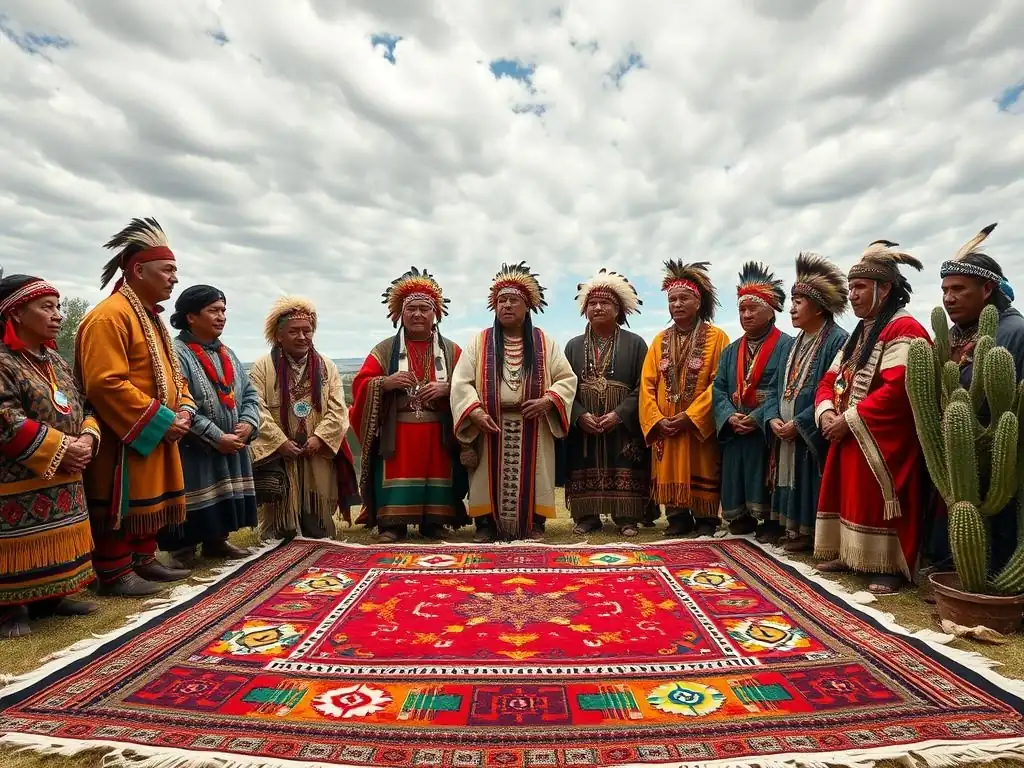
Welcome to Indigenous Civilizations of the Americas, where we invite you to embark on an enlightening journey through the rich tapestry of indigenous cultures that flourished long before European influence reshaped the landscape. Our main article, "Comparing Indigenous Political Systems: Lessons from the Plains, Woodlands, and Southwest," delves into the fascinating world of indigenous political systems comparison, revealing the innovative governance structures that sustained these vibrant societies.
Curious about how these systems differed and what they can teach us today? Dive deeper with us as we uncover the remarkable achievements and enduring legacies of these civilizations, and discover how their wisdom resonates in our world.
- Introduction to Indigenous Political Systems Comparison
- Indigenous Political Systems of the Plains
- Indigenous Political Systems of the Woodlands
- Indigenous Political Systems of the Southwest
- Comparative Analysis of Indigenous Political Systems
- Conclusion: Lessons from Indigenous Political Systems Comparison
-
Frequently Asked Questions
- What are the main indigenous political systems discussed in the article?
- How did indigenous political systems differ among regions?
- What can we learn from these indigenous political systems?
- Why is the comparison of indigenous political systems important?
- How did indigenous political systems influence modern governance?
- Final Reflection: Embracing Diversity in Indigenous Political Systems
- Embrace the Wisdom of Indigenous Governance!
Introduction to Indigenous Political Systems Comparison
The exploration of indigenous political systems provides a profound insight into the rich tapestry of governance and societal organization that existed in North America prior to European colonization. These systems were not monolithic; rather, they varied significantly across regions, reflecting the diverse cultures, environments, and historical contexts of the indigenous peoples.
The comparison of indigenous political systems—particularly those of the Plains, Woodlands, and Southwest—offers valuable lessons on governance, community engagement, and adaptation to changing circumstances. By understanding these political structures, we gain a deeper appreciation for the complexities of indigenous societies and their enduring legacies in contemporary governance and cultural identity.
Importance of Understanding Indigenous Political Systems
Studying indigenous political systems is essential for several reasons:
- Cultural Heritage: These systems are a vital part of the cultural heritage of indigenous peoples. Understanding them helps preserve their histories and traditions.
- Historical Context: Analyzing how these systems functioned provides insight into the historical development of governance in North America, highlighting the innovations and adaptations that occurred over centuries.
- Lessons for Modern Governance: Indigenous political systems offer alternative models of governance that emphasize collective decision-making, community involvement, and environmental stewardship. These lessons can inform contemporary political practices and policies.
- Decolonization: Recognizing and valuing indigenous political systems is a crucial step in the decolonization process, fostering greater respect and understanding between indigenous and non-indigenous communities.
Overview of Indigenous Political Systems in North America
Indigenous political systems in North America can be broadly categorized into three distinct regions: the Plains, Woodlands, and Southwest. Each region's political structures were shaped by its unique environmental conditions, social dynamics, and cultural traditions.
- Plains Indigenous Political Systems:
- Characterized by a nomadic lifestyle centered around bison hunting.
- Governance often involved councils of elders or chiefs who made decisions based on consensus.
- The Lakota and Cheyenne are notable examples, with their systems emphasizing kinship ties and communal responsibility.
- Woodlands Indigenous Political Systems:
- Comprised of diverse tribes with varying degrees of complexity in governance.
- Many tribes, such as the Iroquois Confederacy, had sophisticated political structures that included representative councils and participatory decision-making processes.
- These systems often integrated spiritual beliefs into governance, reinforcing the importance of community harmony.
- Southwest Indigenous Political Systems:
- Known for their agricultural practices and complex societies, such as the Hopi and Zuni.
- Political systems often involved a mix of clan-based governance and religious leadership, where spiritual leaders played a significant role in political decisions.
- The balance between community needs and environmental sustainability was paramount, reflecting a deep connection to the land.
The indigenous political systems of North America reveal a wealth of knowledge and practices that remain relevant today. By examining these systems, we can learn valuable lessons about governance, community, and resilience from the diverse cultures that have shaped the continent's history.
Indigenous Political Systems of the Plains
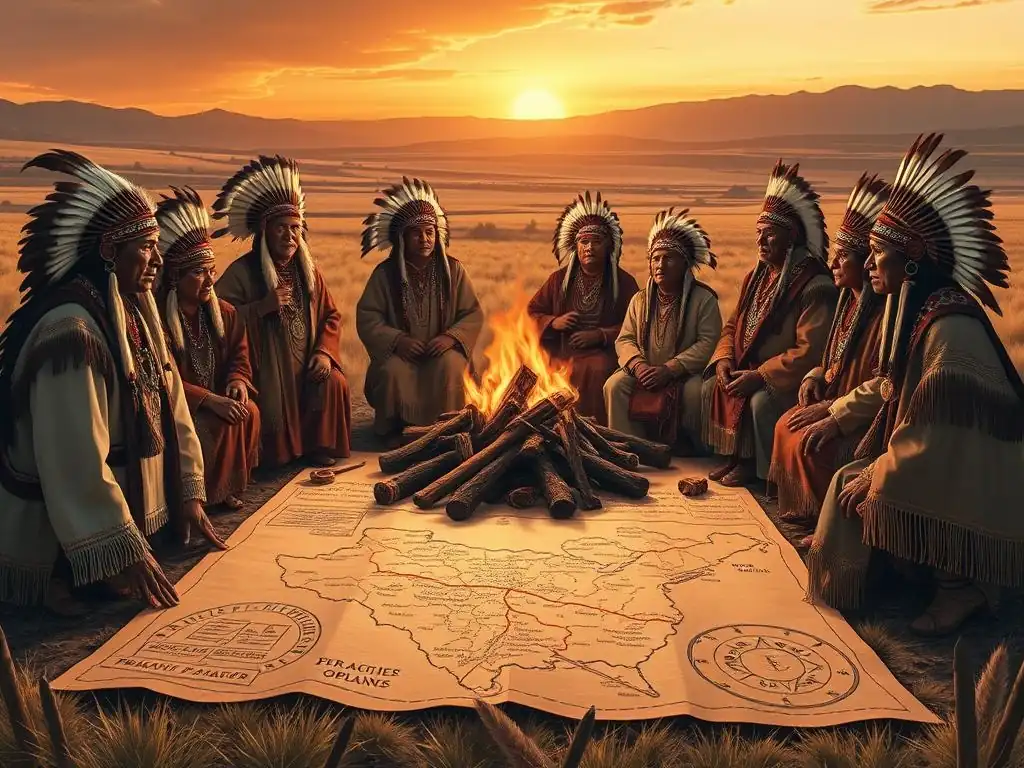
The indigenous political systems of the Plains region were characterized by a unique blend of democratic elements, communal decision-making, and a deep connection to the land and environment. These systems were often flexible, adapting to the needs and circumstances of the tribes, which thrived in a challenging and diverse landscape. The governance structures varied among the tribes, but common themes included leadership roles, councils, and an emphasis on consensus.
Characteristics of Plains Indigenous Governance
Plains indigenous governance was distinguished by its emphasis on tribal sovereignty and communal responsibility. Key characteristics included:
- Consensus Decision-Making: Many Plains tribes employed a consensus model, where decisions were made collectively rather than enforced by a single leader. This process encouraged participation from all adult members of the community.
- Council Systems: Tribal councils, often composed of respected elders and leaders, played a crucial role in governance. These councils were responsible for addressing issues such as resource management, inter-tribal relations, and conflict resolution.
- Leadership Roles: Leadership positions varied among tribes, but leaders were often chosen based on their skills, wisdom, and ability to gain the respect of their peers rather than through hereditary means. This allowed for a more dynamic and adaptable leadership structure.
- Spiritual and Cultural Integration: Governance was deeply intertwined with spiritual beliefs and cultural practices. Leaders were often seen as spiritual guides, and decisions were made with consideration of their impact on the community's cultural values and practices.
- Adaptability and Resilience: The political systems were designed to respond to external pressures, such as environmental changes and interactions with neighboring tribes or European settlers. This adaptability helped sustain tribal identity and autonomy in the face of challenges.
Key Societies and Their Political Structures
Several key societies in the Plains region exemplify the diversity and complexity of indigenous political systems. Below are two prominent examples:
The Lakota Political System
The Lakota, part of the Sioux Nation, had a sophisticated political system that emphasized egalitarian principles and community involvement. Key elements of their governance included:
- Tiospaye: The basic social unit was the tiospaye, or extended family group, which played a crucial role in decision-making and governance. Each tiospaye was led by a chief, but authority was shared and based on mutual respect.
- Councils of Elders: Elders held significant influence within the Lakota political structure. Their wisdom and experience were sought in council meetings, where important decisions were made regarding hunting, land use, and relations with other tribes.
- War and Peace Chiefs: The Lakota distinguished between war chiefs and peace chiefs, allowing them to adapt their leadership based on the context of the tribe's needs. This separation of roles ensured that leadership was responsive to both conflict and cooperation.
The Cheyenne Governance Model
The Cheyenne tribe also demonstrated a unique political system characterized by communal decision-making and strong leadership structures. Some key features include:
- The Council of Forty-Four: A significant governing body comprised of representatives from various Cheyenne bands. This council made decisions on behalf of the tribe and ensured that different perspectives were considered.
- Chiefs and Their Responsibilities: The Cheyenne political system recognized both military and civil leaders. Chiefs were responsible for protecting the tribe while also serving as mediators in disputes and fostering relationships with other tribes.
- Ceremonial Roles: Ceremonies played an essential role in governance, reinforcing social cohesion and the tribe's cultural identity. Leaders often participated in rituals that symbolized their commitment to the tribe's well-being and harmony.
The political systems of the Plains indigenous cultures reveal a rich tapestry of governance that prioritized community, adaptability, and respect for traditional values. By examining these systems, we can gain valuable insights into the resilience and ingenuity of indigenous societies in the Americas.
Lessons Learned from Plains Political Systems
The political systems of the Plains Indigenous peoples, particularly those of tribes such as the Lakota, Cheyenne, and Comanche, present profound insights into governance, community organization, and resource management. These systems were not only sophisticated but also adaptable, revealing key lessons that can be applied to modern governance structures and community dynamics.
1. Consensus-Based Decision Making
One of the hallmark features of Plains political systems was their reliance on consensus rather than coercion. Tribal councils, often composed of respected leaders and elders, gathered to discuss and deliberate on issues affecting the community. This approach fostered a sense of communal responsibility and unity, emphasizing that decisions should reflect the collective will of the people. Modern political systems can learn from this model by incorporating more participatory frameworks that encourage dialogue and inclusive decision-making processes.
2. Interconnectedness of Governance and Culture
Plains Indigenous political systems were deeply intertwined with cultural practices and beliefs. Governance was not merely a bureaucratic function but was embedded within the spiritual and social fabric of the society. For instance, ceremonies and rituals reinforced leadership roles and community obligations. This interconnectedness underscores the importance of cultural values and traditions in shaping effective governance. Contemporary political systems can benefit from recognizing and integrating cultural heritage into their frameworks, enhancing legitimacy and public trust.
3. Mobility and Adaptability
The nomadic lifestyle of many Plains tribes required their political systems to be flexible and responsive to changing circumstances, particularly in relation to resource availability and environmental conditions. Leadership roles often shifted based on the context, with individuals emerging based on their skills, wisdom, and situational needs. This adaptability highlights the necessity for modern political structures to remain responsive to change and to empower leaders who can navigate complex challenges effectively.
4. Conflict Resolution and Peacekeeping
The Plains Indigenous peoples developed intricate systems for conflict resolution that prioritized peacekeeping and reconciliation over punishment. Tribes often engaged in dialogue to resolve disputes, with mediators playing a crucial role in facilitating understanding between parties. This approach not only preserved community harmony but also reinforced social cohesion. Contemporary societies can draw from these practices by emphasizing restorative justice principles that focus on healing and community restoration rather than retribution.
5. Resource Management and Sustainability
Plains Indigenous political systems were characterized by a profound respect for the land and its resources, guided by principles of sustainability. Decisions regarding hunting, gathering, and land use were made with an understanding of ecological balance, ensuring that future generations could thrive. This lesson is particularly relevant today, as modern governance grapples with issues of environmental degradation and climate change. Emphasizing sustainable practices and incorporating Indigenous knowledge into resource management can lead to more effective and environmentally conscious policies.
The political systems of the Plains Indigenous peoples offer valuable lessons in governance that prioritize consensus, cultural integration, adaptability, conflict resolution, and sustainability. By studying and applying these principles, contemporary societies can enhance their political structures and foster more resilient and inclusive communities.
Indigenous Political Systems of the Woodlands
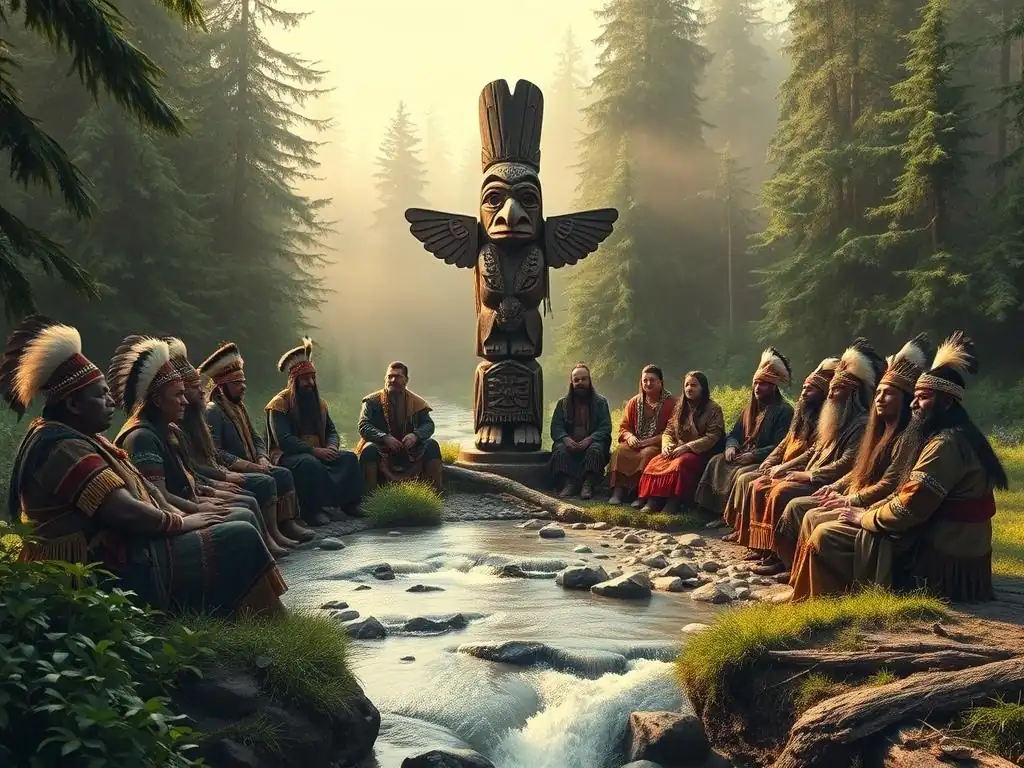
The Woodlands region, characterized by its rich forests and diverse ecosystems, was home to various indigenous groups with distinct political systems. These systems were deeply influenced by their environments, social structures, and cultural practices. The governance of the Woodlands tribes emphasized communal decision-making, consensus-building, and an intricate relationship with the land.
Defining Features of Woodlands Indigenous Governance
Woodlands indigenous governance was often marked by several defining features:
- Decentralized Leadership: Many societies operated without a single central authority. Instead, leadership roles were shared among councils and chiefs, allowing for a more democratic approach to governance.
- Consensus Decision-Making: Decisions were typically made through consensus rather than majority rule. This process ensured that all voices were heard and respected, fostering unity within the community.
- Clan and Family Structures: Governance was often organized around clans or extended family groups. These kinship ties played a crucial role in political representation and social organization.
- Spiritual and Cultural Integration: Political systems were closely tied to spiritual beliefs and cultural practices. Leaders often held spiritual significance, and their authority was derived from their connection to the community's traditions and the natural world.
Prominent Societies and Their Political Frameworks
The Woodlands region is notable for its diverse societies, each with its own unique political framework. Two of the most prominent societies are the Iroquois Confederacy and the Algonquin political organization.
The Iroquois Confederacy
The Iroquois Confederacy, also known as the Haudenosaunee, is a prime example of a sophisticated political system in the Woodlands. Formed around the 15th century, this alliance originally consisted of five nations: the Mohawk, Oneida, Onondaga, Cayuga, and Seneca. The confederacy later included the Tuscarora, bringing the total to six nations.
- Political Structure: The Iroquois governance system was characterized by a council of chiefs from each nation, known as the Grand Council. Each chief held a position for life but could be removed for misconduct. Decisions were made collectively, emphasizing the importance of consensus.
- Great Law of Peace: Central to the Iroquois political system is the Great Law of Peace, which established the principles of governance, including the rights of individuals and the responsibilities of leaders. This framework inspired democratic ideals and is cited as a foundational influence on the U.S. Constitution.
- Role of Women: Women played a crucial role in Iroquois politics, particularly in the selection of chiefs. Clan mothers, who were matriarchs, held the power to nominate and depose leaders, ensuring that women's voices were integral to governance.
The Algonquin Political Organization
The Algonquin people, a diverse group of tribes across the northeastern Woodlands, exhibited a different yet equally significant political structure.
- Tribal Autonomy: Each Algonquin tribe operated autonomously, with its own leaders and councils. While they shared linguistic and cultural ties, their political systems varied significantly, adapting to local circumstances and resources.
- Council Leadership: Similar to the Iroquois, many Algonquin tribes utilized councils made up of elders and respected leaders to discuss and make decisions. These councils often included both men and women, reflecting a more inclusive approach to governance.
- Intertribal Relations: The Algonquin political organization also included alliances and confederacies with neighboring tribes, establishing networks of mutual support and defense. This flexible political arrangement allowed them to navigate the complexities of intertribal relations effectively.
The indigenous political systems of the Woodlands illustrate the rich diversity and complexity of governance among North American tribes, showcasing unique adaptations to their environments and cultural values. These systems continue to influence contemporary indigenous governance today, providing valuable lessons in democracy, community, and respect for the natural world.
Insights Gained from Woodlands Political Systems
The political systems of the Woodlands indigenous cultures, which include the Iroquois Confederacy and various Algonquin tribes, offer profound insights into governance, social organization, and community resilience. One of the most significant aspects is the emphasis on consensus-building. In many Woodlands tribes, decision-making processes were designed to incorporate a wide range of voices, ensuring that different perspectives were considered. This practice not only fostered unity but also encouraged active participation from community members, making governance a collective responsibility rather than a power held by a single leader.
Moreover, the political structures often reflected the values and beliefs of the people. For instance, the Iroquois Confederacy was known for its Great Law of Peace, which emphasized respect for individual rights and the importance of maintaining harmony among nations. This legal framework served as a model for democratic principles, showcasing how indigenous political systems could prioritize peace and cooperation over conflict. Such values have influenced contemporary discussions on governance and social justice, illustrating that indigenous political philosophies are not relics of the past but are relevant to modern political discourse.
Another vital insight drawn from the Woodlands political systems is the role of kinship and clan structures in governance. Many tribes organized themselves into clans, with each clan representing specific responsibilities and roles within the community. This kinship-based approach ensured that leaders were held accountable to their families and communities, reinforcing a system of checks and balances. The interconnectedness of clans also fostered alliances and relationships among tribes, promoting a broader sense of identity and collaboration that transcended individual communities.
Lastly, the adaptability and resilience of these political systems showcase the ability of indigenous cultures to respond to environmental and social challenges. The Woodlands tribes demonstrated an impressive capacity to navigate changes, such as shifting alliances or resource scarcity, by employing flexible governance strategies. This resilience is a testament to the creativity and resourcefulness of indigenous peoples, offering valuable lessons on sustainability and adaptability in the face of modern challenges.
The insights gained from the political systems of the Woodlands emphasize the importance of consensus, kinship, accountability, and adaptability. These principles not only highlight the sophistication of indigenous governance but also provide a framework that can inspire contemporary political thought and action.
Indigenous Political Systems of the Southwest
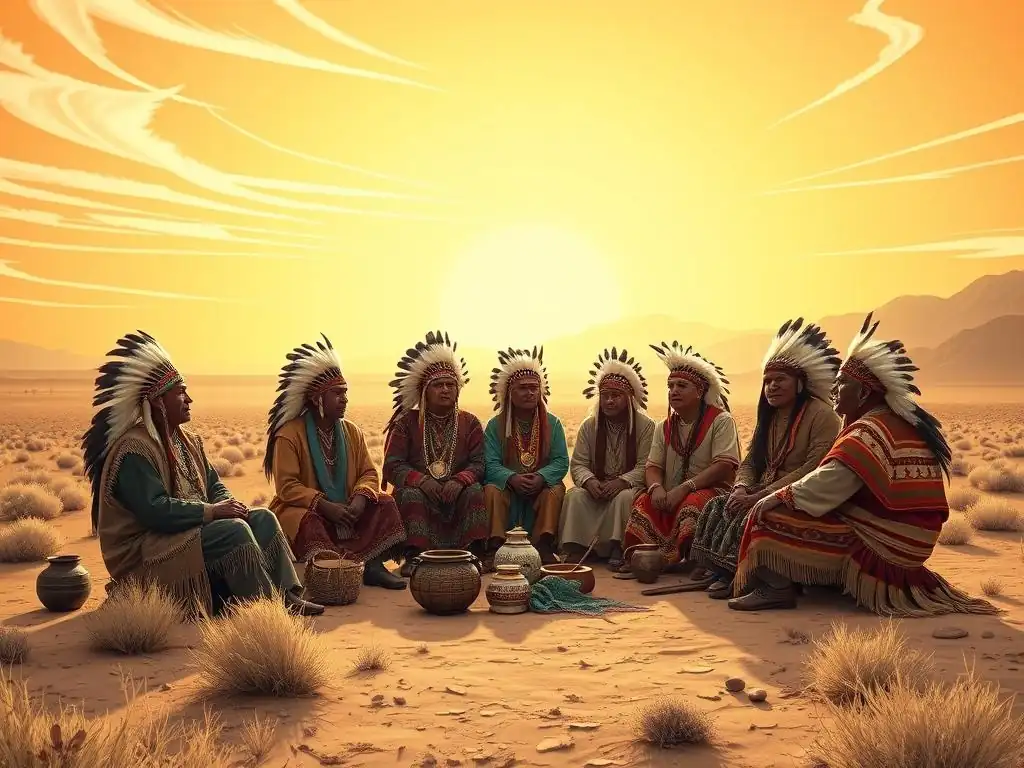
The Indigenous political systems of the Southwest region of North America are characterized by their unique governance structures, which are intricately linked to the cultural, spiritual, and environmental contexts of the peoples who inhabit this area. This region, which includes tribes such as the Hopi, Navajo, Zuni, and Apache, showcases a rich tapestry of political organization that reflects their values and social norms.
Unique Aspects of Southwest Indigenous Governance
Southwest Indigenous governance is distinct in several ways. One of the most notable features is the integration of spiritual beliefs with political authority. Leaders are often seen as mediators between the spiritual and physical worlds, and their decisions are influenced by traditional practices and ceremonies. This intertwining of governance and spirituality fosters a sense of communal responsibility and emphasizes the importance of consensus in decision-making.
Another key aspect is the matrilineal nature of many societies in the Southwest, particularly among the Hopi and Zuni. In these cultures, lineage and inheritance are traced through the female line, which empowers women in various political roles. This contrasts sharply with patriarchal systems seen in other regions, highlighting the diversity of indigenous political systems across North America.
Additionally, the governance structures in the Southwest are often decentralized. While there are leaders, decision-making tends to involve community participation, reflecting a strong emphasis on collective input. This participatory approach ensures that diverse voices within the community are heard, reinforcing the idea that governance is a communal endeavor rather than the responsibility of a single leader.
Major Societies and Their Political Structures
The Southwest is home to several major Indigenous societies, each with its own political structures and governance practices. The following sections delve into the political systems of two prominent groups: the Hopi and the Navajo.
The Hopi Political System
The Hopi people, residing primarily in northeastern Arizona, have a governance system that is deeply rooted in their agricultural lifestyle and spiritual beliefs. Their political structure is organized around village councils, which consist of representatives from different clans. Each clan plays a vital role in the decision-making process, ensuring that various perspectives are considered.
Key features of the Hopi political system include:
- Elders' Council: A council of elders holds significant authority and wisdom, guiding the community based on traditional knowledge and practices.
- Consensus Decision-Making: Major decisions are made through consensus, emphasizing harmony and collective agreement rather than majority rule.
- Ceremonial Leadership: Leaders are often chosen based on their spiritual acumen and ability to conduct ceremonial practices, reinforcing the connection between governance and spirituality.
This structure not only fosters unity but also ensures that decisions resonate with the cultural values and needs of the Hopi people.
The Navajo Governance Approach
In contrast to the Hopi, the Navajo Nation has developed a more formalized political structure, particularly since the establishment of their government in the 20th century. The Navajo governance system incorporates both traditional practices and modern political frameworks, reflecting their adaptability and resilience.
Key elements of Navajo governance include:
- Navajo Nation Council: Comprised of elected representatives from various chapters (local communities), this council creates laws and policies that govern the Nation.
- Chapter Houses: Local governance is managed through chapter houses, which serve as community centers where residents can voice concerns and participate in local decision-making.
- Cultural Integration: While modern governance practices are in place, traditional Navajo beliefs and customs continue to play a critical role in political discourse and community activities.
The Navajo approach is notable for its balance between traditional values and contemporary governance, demonstrating how Indigenous political systems can evolve while maintaining cultural integrity.
The Indigenous political systems of the Southwest are rich in diversity and complexity, offering valuable insights into how governance can be structured to reflect the unique cultural, spiritual, and social dynamics of a community. The comparison of these systems, particularly through the lenses of the Hopi and Navajo, underscores the importance of understanding Indigenous governance as a vital aspect of their identity and heritage.
Takeaways from Southwest Political Systems
The indigenous political systems of the Southwest demonstrate a rich tapestry of governance that reflects the unique environmental, cultural, and social dynamics of the region. Here are some key takeaways that highlight the complexities and innovations of these systems:
-
Centralized Authority with Community Involvement
Many Southwest tribes, such as the Hopi and Zuni, exhibited a blend of centralized leadership and community engagement. Leaders, often referred to as "chiefs" or "governors," wielded authority over communal decisions but were expected to consult with elders and community members. This practice ensured that governance was not solely top-down but involved a participatory approach, fostering a sense of collective responsibility.
-
Integration of Religion and Governance
In the Southwest, political systems were deeply intertwined with spiritual beliefs and practices. Leaders often held religious significance, acting as intermediaries between the community and the spiritual realm. This integration of governance and spirituality helped maintain social cohesion and guided decision-making processes. For instance, the Pueblo peoples conducted ceremonies that were crucial for agricultural cycles, demonstrating how governance was aligned with the natural environment and its rhythms.
-
Adaptation to Environment
The arid climate of the Southwest necessitated innovative political solutions to manage water resources and agricultural practices. Systems of governance were often designed to facilitate communal irrigation projects and land management. This collective approach not only ensured sustainable resource use but also reinforced social bonds among community members as they worked together to overcome environmental challenges.
-
Conflict Resolution Mechanisms
Southwest indigenous political systems also featured established methods for conflict resolution. Elders played a vital role as mediators, drawing upon cultural narratives and community values to resolve disputes. This emphasis on restorative justice rather than punitive measures highlights the importance of harmony and community well-being in governance.
-
Sovereignty and Autonomy
Many Southwest tribes maintained a strong sense of sovereignty, even in the face of external pressures from colonial powers. They developed political structures that asserted their autonomy, allowing for self-governance and the preservation of cultural practices despite challenges. This resilience is a testament to their enduring political sophistication and adaptability.
-
Cultural Preservation Through Governance
Political systems in the Southwest were instrumental in preserving cultural identity and practices. Governance structures often included mechanisms for the transmission of traditional knowledge, ensuring that younger generations understood their heritage. This focus on cultural continuity underscores the role of political systems not just as governing bodies but as custodians of cultural legacy.
The political systems of the Southwest reveal significant lessons about governance, community engagement, and the integration of cultural values. These systems not only provided frameworks for decision-making but also reinforced the interconnectedness of social, spiritual, and environmental elements, offering valuable insights into the complexities of indigenous political systems across the Americas.
Comparative Analysis of Indigenous Political Systems
Similarities Across Plains, Woodlands, and Southwest
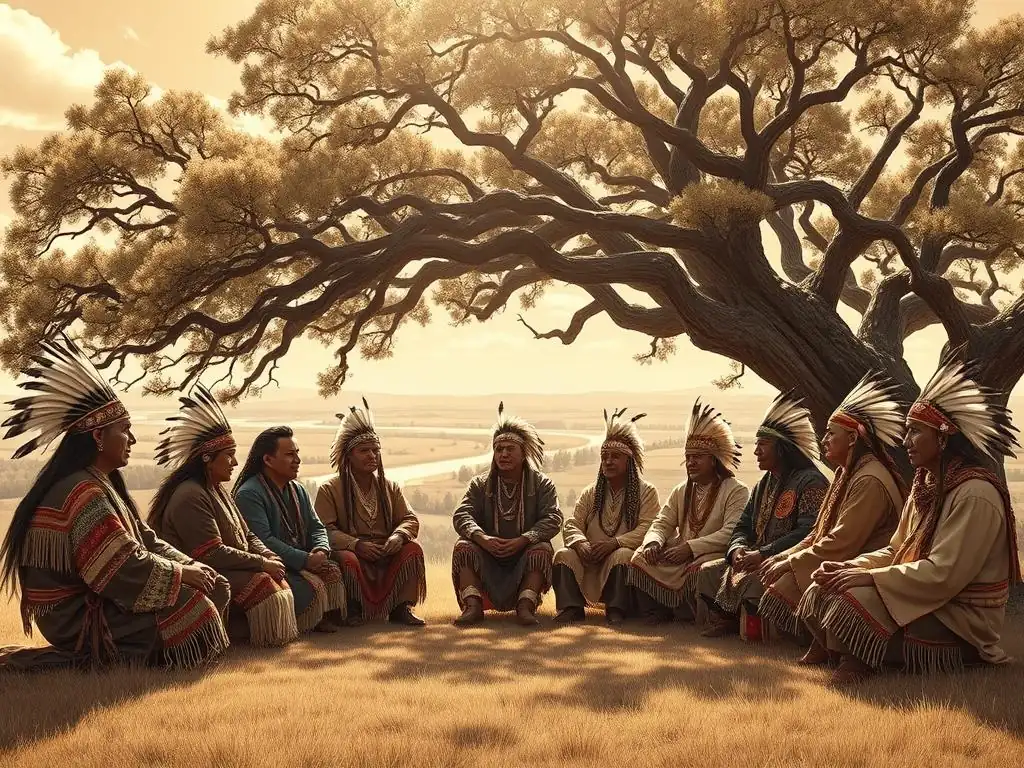
Indigenous political systems across the Plains, Woodlands, and Southwest regions of North America exhibit notable similarities that reflect shared values and communal structures. Despite geographic and cultural differences, these political systems often emphasize consensus-building, communal decision-making, and a strong connection to the land.
- Consensus Decision-Making: Many indigenous groups practiced a form of governance that prioritized consensus over majority rule. This approach fostered unity and cooperation, ensuring that all voices within the community were heard. For example, in the Iroquois Confederacy, leaders from different nations convened in a council to deliberate on important issues, aiming for collective agreement rather than divisive voting.
- Role of Elders and Leaders: Across various cultures, elders held significant influence in governance. Their wisdom and experience were respected, and they often served as advisors in political matters. In the Plains tribes, such as the Lakota, respected leaders guided their communities based on traditional values and historical knowledge.
- Connection to Spirituality: Indigenous political systems were closely tied to spiritual beliefs, with governance often reflecting a holistic view of life. Decisions were made with consideration for the well-being of the community and the environment, reinforcing the notion that political actions had spiritual consequences.
- Social Organization: Many tribes organized themselves into clans or kinship groups, which played a critical role in political representation. For instance, in the Woodlands, the Algonquin peoples often made decisions based on clan representation, integrating familial ties into the political framework.
These similarities illustrate a foundational understanding of governance that prioritizes community welfare, respect for tradition, and an interconnected worldview.
Differences in Governance and Political Practices
While there are commonalities, the governance structures and political practices among the Plains, Woodlands, and Southwest indigenous groups reveal distinct differences shaped by their unique environments and historical contexts.
- Political Structure: The Plains tribes, such as the Cheyenne and Comanche, often had a more decentralized political structure. Leadership could be fluid, with different individuals assuming roles based on their skills and the needs of the community at any given time. In contrast, the Woodlands tribes often formed complex confederacies, such as the Iroquois, where a more formalized political structure was established, allowing for structured relationships among member nations.
- Resource Management: Governance in the Southwest, particularly among the Pueblo peoples, was deeply influenced by agriculture and water management. Political practices often revolved around communal farming and irrigation systems, requiring organized planning and cooperation. This contrasts sharply with the resource mobilization in the Plains, where nomadic lifestyles dictated a different approach to governance focused on mobility and hunting.
- Ceremonial Roles: In the Woodlands, political leaders often doubled as spiritual leaders, intertwining governance with ceremonial responsibilities. Conversely, in the Southwest, political and spiritual leadership tended to be more distinct, with specialized roles for priests and political leaders, leading to a division of duties that could affect decision-making processes.
- Conflict Resolution: Different approaches to conflict resolution also highlight variances in governance. While Plains tribes might engage in warfare as a means of resolving disputes, Woodlands tribes often utilized mediation and negotiation. This divergence reflects broader cultural attitudes toward conflict and community cohesion.
These differences underscore how distinct environmental and cultural factors shaped each region's political systems, providing insight into the adaptability of indigenous governance.
Implications for Understanding Indigenous Political Systems Today
The comparative analysis of indigenous political systems across the Plains, Woodlands, and Southwest regions reveals essential implications for understanding indigenous governance today. By recognizing the complexity and diversity of these systems, we gain valuable insights into contemporary indigenous movements and governance practices.
- Revitalization of Indigenous Governance: Many indigenous communities today are reclaiming traditional governance models, often integrating them with contemporary legal frameworks. By understanding past systems, communities can draw inspiration from their ancestors to create governance structures that resonate with their cultural identity.
- Cultural Preservation: The emphasis on community and consensus in indigenous political systems serves as a foundation for cultural preservation efforts. As indigenous peoples navigate modern challenges, these governance principles can foster resilience and solidarity in protecting their heritage.
- Policy-Making: Policymakers and scholars can benefit from studying indigenous political systems to inform approaches that respect and integrate indigenous knowledge and practices. Recognizing the validity of traditional governance methods can lead to more inclusive and effective policy development.
- Inter-Tribal Relationships: Understanding the historical context of inter-tribal relationships can enhance collaboration among indigenous nations today. As many tribes face similar socio-economic challenges, a solid historical foundation can pave the way for cooperative political and economic strategies.
The indigenous political systems comparison not only highlights the historical richness of these cultures but also emphasizes their relevance in contemporary discussions about governance, identity, and resilience. By appreciating the nuances of these systems, we can foster a more profound respect for indigenous knowledge and its application in the modern world.
Conclusion: Lessons from Indigenous Political Systems Comparison
The Relevance of Indigenous Governance in Modern Contexts
The study of indigenous political systems offers valuable insights into governance models that prioritize community, sustainability, and resilience. In an era where contemporary societies grapple with issues of inequality, environmental degradation, and cultural disintegration, the principles underlying many indigenous governance structures remain profoundly relevant.
Indigenous political systems, such as those found among the Plains tribes, Woodlands communities, and Southwestern nations, emphasize collective decision-making, consensus-building, and a deep respect for the land and its resources. For instance, the Iroquois Confederacy of the Woodlands not only established one of the earliest forms of democratic governance in North America but also influenced the framers of the U.S. Constitution. This highlights the potential for indigenous governance models to inform modern political discourse and practices.
Moreover, many contemporary indigenous communities are revitalizing traditional governance practices to address current challenges. Incorporating indigenous knowledge systems with modern legal frameworks allows for a holistic approach to issues such as climate change, resource management, and social justice. This blending of old and new showcases the adaptability of indigenous political systems and their capacity to contribute to a sustainable future.
Final Thoughts on Indigenous Political Systems and Their Legacy
The comparison of indigenous political systems across the Plains, Woodlands, and Southwest regions illuminates the diversity and complexity of governance among Indigenous peoples in North America. Each system, shaped by its unique cultural, environmental, and historical contexts, offers lessons on the importance of community, respect for traditions, and an integrated approach to leadership.
In recognizing the achievements and enduring legacies of these systems, we not only honor the rich heritage of Indigenous cultures but also embrace the possibility of learning from their experiences. The resilience of indigenous governance structures serves as a testament to their effectiveness and relevance in today's world.
As contemporary societies seek to navigate the challenges of the 21st century, understanding and integrating the values found in indigenous political systems can foster more equitable, sustainable, and inclusive governance. The lessons learned from these diverse indigenous cultures highlight the importance of community-oriented decision-making, the need for environmental stewardship, and the power of collaborative governance.
The comparison of indigenous political systems not only enriches our understanding of history but also provides essential insights for shaping a more just and sustainable future.
Frequently Asked Questions
What are the main indigenous political systems discussed in the article?
The article focuses on the political systems of the Plains, Woodlands, and Southwest indigenous cultures, highlighting their unique governance structures and decision-making processes.
How did indigenous political systems differ among regions?
Each region had distinct political traditions shaped by their environment and cultural practices. For instance, Plains societies often used tribal councils, while Woodlands groups emphasized confederations of tribes.
What can we learn from these indigenous political systems?
Studying these systems offers valuable insights into collaboration, leadership, and community governance, which can inform contemporary discussions on political organization and social justice.
Why is the comparison of indigenous political systems important?
Analyzing these systems provides a broader understanding of how diverse cultures approached governance and societal organization, challenging monolithic views of indigenous societies.
How did indigenous political systems influence modern governance?
Many principles from these systems, such as consensus-building and community involvement, can be seen influencing modern democratic practices and are relevant in discussions about decolonization and indigenous rights.
Final Reflection: Embracing Diversity in Indigenous Political Systems
The comparison of indigenous political systems reveals not only the rich tapestry of governance among the Plains, Woodlands, and Southwest tribes but also underscores the urgent need for understanding and respect in today's society. As we navigate an increasingly complex world, the lessons drawn from these diverse systems remind us that there is no one-size-fits-all approach to governance. Instead, we must appreciate the unique cultural contexts and historical experiences that shape each community's political landscape.
The influence of indigenous political systems extends far beyond their historical roots; they continue to inspire contemporary movements for social justice and self-determination. These systems offer valuable insights into participatory governance, community resilience, and the importance of relationship-building within societies. As noted by Vine Deloria Jr., “The most important thing about being an Indian is that you are part of a community.” This perspective encourages us to recognize the interconnectedness of our social structures and the significance of collective decision-making in fostering a sense of belonging and responsibility.
As we reflect on the lessons from these indigenous political systems, I invite you to consider how you can apply these principles in your own life and community. Think about the ways in which you can promote inclusivity, respect diverse perspectives, and engage in meaningful dialogue. By embracing the wisdom of indigenous governance, we can work towards a more equitable and harmonious future, where every voice is heard, and every culture is valued. Let us carry these lessons forward, honoring the past while shaping a brighter tomorrow.
Embrace the Wisdom of Indigenous Governance!
Thank you for exploring the fascinating world of Indigenous political systems with us. By delving into the governance styles from diverse regions, you’ve uncovered invaluable lessons that can enrich our understanding of leadership, community, and resilience. So, what’s next on your journey of discovery?
- Dive Deeper: Choose one Indigenous political system to research further. Explore its historical impact and contemporary relevance.
- Share Your Insights: Engage your friends or community by hosting a discussion or sharing what you've learned on social media with the hashtag #IndigenousWisdom.
- Celebrate Diversity: Visit a local Indigenous event or presentation to connect with and support Indigenous voices in your community.
As you reflect on these powerful lessons, what new perspectives will you bring to your own leadership style or community engagement? We would love to hear your thoughts!