
The Role of Mythology in Toltec Society: Stories That Defined a Culture

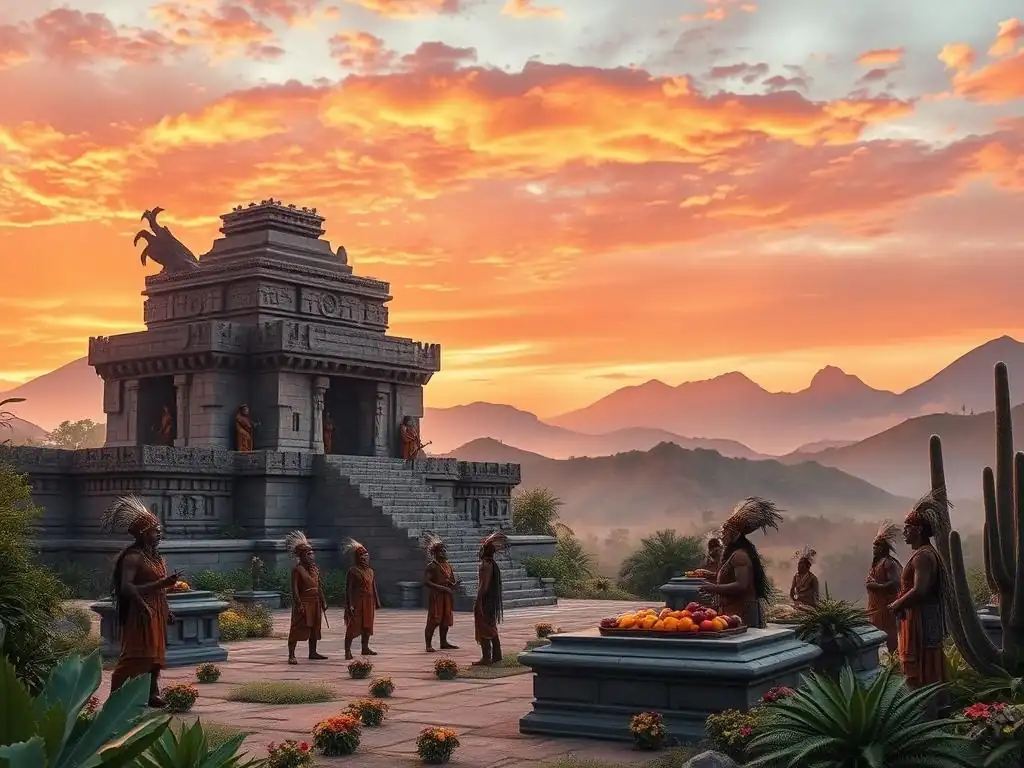
Welcome to Indigenous Civilizations of the Americas, where we invite you to embark on an enlightening journey through the rich tapestry of pre-colonial cultures. In this exploration, we delve into the captivating world of Toltec mythology and culture, uncovering the intricate stories that shaped a society renowned for its achievements and influence.
As you navigate through our content, you’ll discover how these narratives not only defined the Toltec civilization but continue to resonate today. Join us as we unravel the mythic threads of history that connect us all, and prepare to be intrigued by the profound legacy of the Toltecs!
- Introduction to Toltec Mythology and Culture
- Key Elements of Toltec Mythology
- The Impact of Toltec Myths on Society and Culture
- Rituals and Practices Influenced by Toltec Mythology
- The Transmission of Toltec Myths Through Generations
- Comparative Analysis: Toltec Mythology and Other Mesoamerican Myths
- Conclusion: The Enduring Legacy of Toltec Mythology and Culture
- Frequently Asked Questions
- Final Reflection: The Enduring Legacy of Toltec Mythology and Culture
- Unveil the Power of Toltec Mythology in Your Life!
Introduction to Toltec Mythology and Culture
The Toltec civilization, renowned for its rich cultural heritage and significant contributions to Mesoamerican history, flourished between the 10th and 12th centuries. Central to their societal framework was a complex system of mythology that not only reflected their spiritual beliefs but also played a crucial role in shaping their identity and social norms.
Toltec mythology and culture are intertwined, with stories that encapsulate their values, cosmology, and understanding of the world around them. This article delves into the profound impact that mythology had on Toltec society, exploring the narratives that defined their existence and the historical context in which these tales emerged.
Understanding the Significance of Mythology in Toltec Society
Mythology served as the backbone of Toltec society, influencing every aspect of their daily life, governance, and spiritual practices.
- Cultural Identity: The myths provided a sense of belonging and shared history among the Toltecs, reinforcing their cultural identity and unity.
- Moral Framework: Through allegorical tales, mythology imparted lessons on ethics and morality, guiding the behavior of individuals within the community.
- Religious Practices: Deities and mythical heroes were integral to their religious rituals, influencing everything from agricultural cycles to warfare.
The stories often featured gods such as Quetzalcoatl, the feathered serpent, who represented wisdom and the arts, symbolizing the ideal of civilization in Toltec thought. The duality of creation and destruction present in these myths reflected the complexities of life and the natural world, emphasizing balance and harmony.
Overview of Toltec Civilization and its Historical Context
The Toltec civilization emerged after the decline of the Teotihuacan culture, establishing itself primarily in central Mexico, with Tula as its capital. This civilization is characterized by:
- Architectural Achievements: The Toltecs are known for their impressive architectural structures, including pyramids and temples, which often served as sites for ritualistic practices and worship.
- Artistic Contributions: Toltec art, particularly in sculpture and pottery, showcased a unique blend of realism and abstraction, often depicting their gods and mythological tales.
- Societal Structure: The Toltec society was hierarchically organized, with a ruling elite that engaged in both governance and religious leadership, reflecting the interconnectedness of myth and power.
Understanding the historical context of the Toltec civilization is essential to grasping the significance of their mythology. The sociopolitical landscape, influenced by trade and interactions with neighboring cultures, facilitated the exchange of ideas and beliefs, further enriching their mythological narratives. The legacy of the Toltecs, particularly their mythology, continues to resonate, offering insights into the cultural fabric of pre-Columbian societies in the Americas.
Key Elements of Toltec Mythology
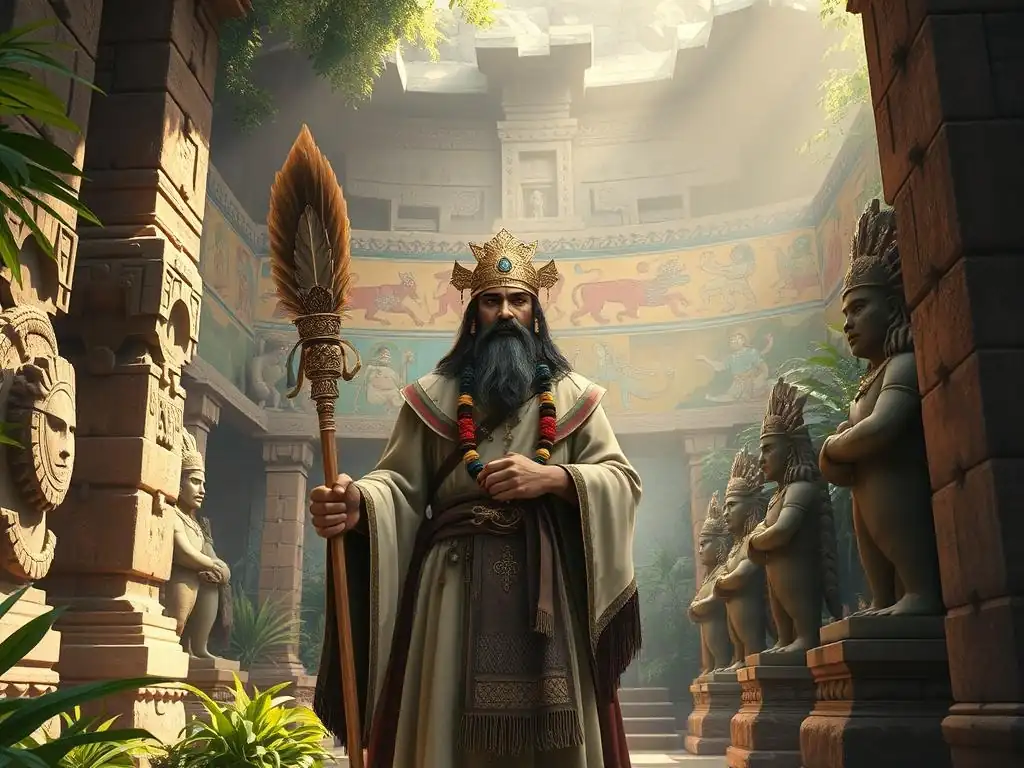
Toltec mythology is a rich tapestry of narratives and beliefs that served to explain the world around the Toltec civilization and its place within it. Central to this mythology are key elements that reflect the values, practices, and worldview of the Toltec people. These elements include the pantheon of deities, creation stories, and the symbolic role of nature and animals. Understanding these components provides deeper insight into how mythology shaped the social and cultural fabric of the Toltec society.
Major Deities in Toltec Mythology
The Toltec pantheon consists of numerous deities, each embodying different aspects of life, nature, and human experience. Among the most notable deities are:
- Quetzalcoatl: Often referred to as the "Feathered Serpent," Quetzalcoatl is one of the most significant gods in Toltec mythology. He is associated with creation, wind, and knowledge. Quetzalcoatl is believed to have taught agriculture, writing, and the arts, making him a cultural hero.
- Tezcatlipoca: Known as the "Smoking Mirror," Tezcatlipoca represents conflict and change. He is often depicted as a rival to Quetzalcoatl and embodies the duality of life, including both creation and destruction. His myths often explore themes of power and the consequences of hubris.
- Tlaloc: As the god of rain and fertility, Tlaloc plays a critical role in agricultural success. He is often depicted with goggle-like eyes and is associated with storms and water, emphasizing the importance of these elements for sustenance in Toltec society.
- Xipe Totec: This deity represents rebirth and renewal, often connected with the agricultural cycle. Xipe Totec is associated with spring and is depicted as a flayed god, symbolizing the shedding of the old to make way for the new.
These deities were not merely figures of worship; they represented ideals, societal values, and natural forces that influenced daily life and governance among the Toltecs. Rituals and ceremonies dedicated to these gods were vital for maintaining cosmic order and ensuring prosperity.
Creation Stories and Their Cultural Implications
Toltec creation myths are foundational narratives that explain the origins of the world, humanity, and the gods themselves. One prominent creation story involves the emergence of the Fifth Sun, which signifies the current era in Toltec cosmology. This myth describes:
- The Four Previous Suns: Each sun represents a different age, characterized by distinct forms of existence and eventual destruction. For example, the First Sun was a creation of water, leading to a world engulfed by floods.
- The Birth of the Fifth Sun: The current sun was created after the gods sacrificed themselves to bring light and life to the world. This act signifies the importance of sacrifice in Toltec culture, reflecting a belief that the gods must be appeased through offerings and rituals.
- Humanity's Role: In Toltec belief, humans were created from the bones of the previous generations of humanity, emphasizing a cyclical notion of life and death. This concept reinforces the idea of interconnectedness and continuity within the cosmos.
These creation stories served not only to explain the origins of the world but also to instill a sense of purpose and responsibility in the Toltec people. They highlighted the significance of balance, the role of sacrifice, and the importance of living in harmony with the divine and natural worlds.
The Role of Nature and Animals in Toltec Myths
Nature and animals play a significant role in Toltec mythology, often serving as symbols and messengers in various stories. The interconnectedness between humans and the natural world is a recurring theme, reflected in the following aspects:
- Symbolism of Animals: Many animals are revered in Toltec mythology, each carrying distinct meanings. For instance, the jaguar symbolizes strength and the underworld, while the eagle represents the sky and the divine. These animals embody qualities that the Toltecs aspired to or feared.
- Natural Elements: The Toltecs viewed natural elements like mountains, rivers, and forests as sacred. These features were often personified in myths and served as backdrops for various stories, reinforcing the idea that nature is imbued with spiritual significance.
- Rituals and Offerings: The connection to nature was expressed through rituals that honored the earth, water, and celestial bodies. Offerings to deities often included elements from nature, reflecting the belief that maintaining a harmonious relationship with the environment was essential for survival.
The role of nature and animals in Toltec myths illustrates a profound respect for the environment and the belief in a world full of life and spirit. This relationship underscores the significance of ecological balance and the moral responsibility of the Toltec people to their surroundings, which was critical in maintaining the social order and cultural identity of their civilization.
The Impact of Toltec Myths on Society and Culture
Mythology as a Reflection of Toltec Values and Beliefs
Toltec mythology serves as a profound lens through which we can understand the values and beliefs that were central to Toltec society. The myths are not merely stories; they encapsulate the ideals, morals, and teachings that guided the daily lives of the Toltec people. For instance, many myths emphasize balance and duality, reflecting the Toltec understanding of the universe as an interplay between opposing forces, such as life and death, light and darkness.
The deity Quetzalcoatl, often depicted as a feathered serpent, symbolizes wisdom, life, and the connection between the earthly and the divine. His narratives often convey lessons about humility, the importance of knowledge, and the dangers of pride. This highlights the significance of education and leadership within Toltec culture. Quetzalcoatl's role as a culture hero reinforces the value placed on intellectual pursuits and moral integrity among the Toltecs.
Moreover, mythological stories often featured heroic journeys and transformations, which were crucial in instilling a sense of purpose and resilience within the community. These archetypal narratives provided models for behavior, encouraging individuals to strive for personal growth and societal contribution.
How Stories Shaped Toltec Identity and Community
The narratives within Toltec mythology played a pivotal role in shaping both individual and collective identity. Myths were not only told for entertainment but also served as a medium for cultural transmission and community bonding. They provided a shared framework of understanding that united the Toltec people, reinforcing their distinct identity amidst the diverse cultures of Mesoamerica.
Through communal storytelling, the Toltecs could pass down their cultural heritage, values, and historical experiences to younger generations. Festivals and rituals often incorporated mythological themes, allowing communities to embody these stories physically and spiritually. This practice fostered a sense of belonging and continuity, as participants engaged deeply with their cultural narratives.
The concept of shared mythology also created a collective memory, which was crucial during times of conflict or change. By invoking their myths, the Toltecs could draw upon a sense of strength and resilience, rallying together to face external challenges. The stories of their ancestors became a source of inspiration, reinforcing the idea that they were part of a grand narrative that transcended individual lives.
The Influence of Mythology on Toltec Art and Architecture
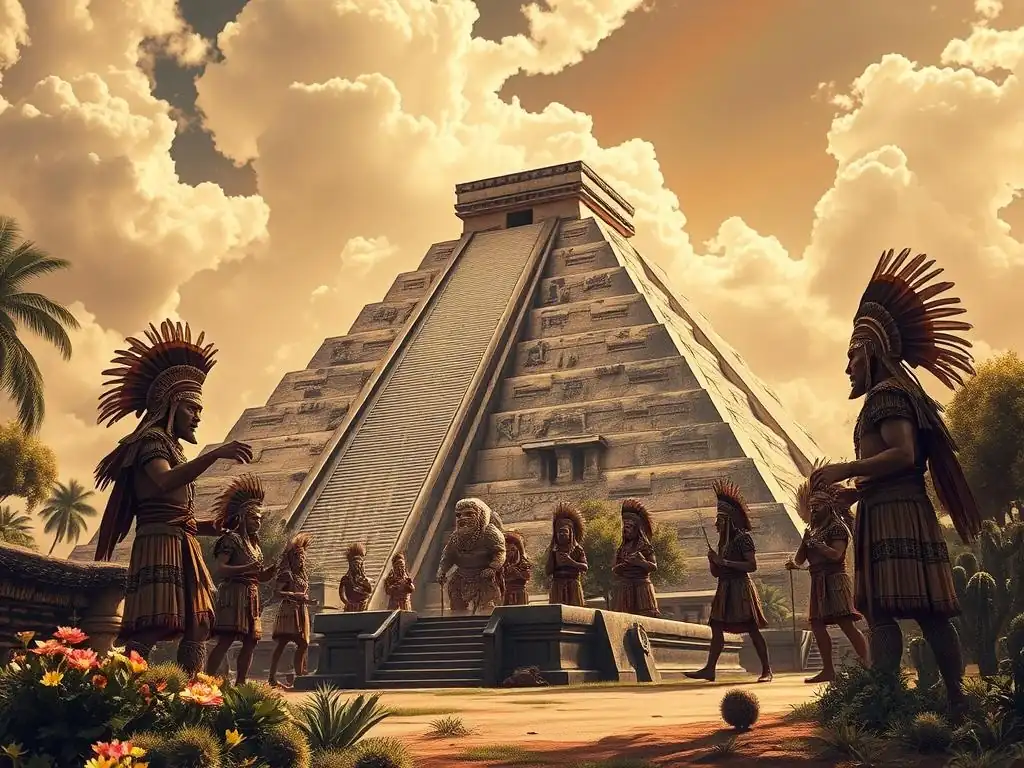
Toltec mythology significantly influenced the artistic expressions and architectural achievements of the civilization. Temples, sculptures, and murals often depicted mythological themes, serving both as religious symbols and as visual narratives that communicated the core beliefs of the society.
Architectural elements such as the Pyramid of Quetzalcoatl at Teotihuacan and the Temple of Tlaloc showcase intricate designs that reflect the cosmological concepts central to Toltec mythology. These structures were not merely functional; they were designed to resonate with the spiritual significance of their deities, often aligning with celestial events to emphasize the connection between the earthly and divine realms.
In art, the representation of gods and mythical figures was both symbolic and instructional. For example, glyphs and carvings often illustrated the tales of deities like Tezcatlipoca, the god of the night sky and conflict, which informed viewers of their cultural values surrounding power, sacrifice, and celestial order. This artistic storytelling was a vital component of Toltec identity, as it visually encapsulated their mythology and served as a constant reminder of their beliefs.
Overall, the reverberations of Toltec mythology can be seen across their artistic and architectural endeavors, highlighting how deeply intertwined their cultural identity was with the stories that defined their existence.
Rituals and Practices Influenced by Toltec Mythology
Sacred Ceremonies and Their Importance in Toltec Culture
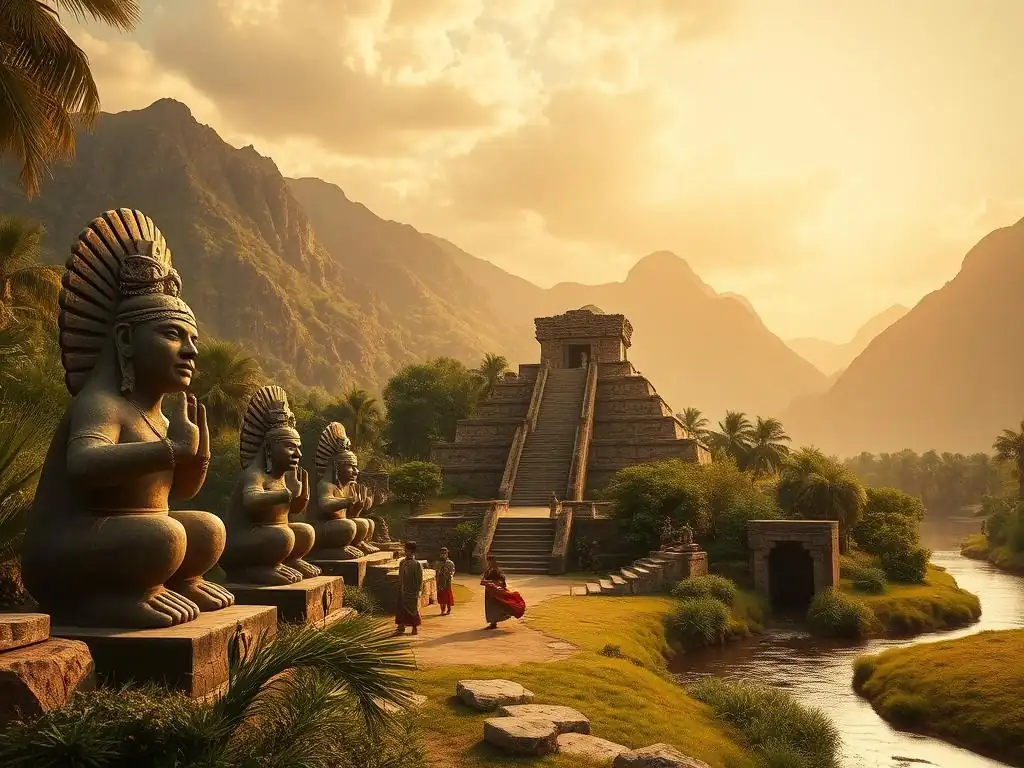
Toltec mythology was deeply intertwined with the rituals and ceremonies that defined their cultural identity. These sacred ceremonies were not merely social events; they were vital expressions of spirituality and a reflection of the Toltecs' relationship with the divine. Central to these rituals was the belief that the gods actively participated in the world, requiring regular offerings and ceremonies to maintain harmony between the spiritual and physical realms.
One of the most significant ceremonies was the New Fire Ceremony, a ritual that marked the end of a 52-year cycle, known as the "Calendar Round." This event involved the extinguishing of all fires in the community, symbolizing a cosmic reset, followed by the relighting of a sacred fire, believed to be a gift from the gods. The new fire was then used to light the hearths of every household, ensuring the continued favor of the deities.
Additionally, ceremonies dedicated to the gods of agriculture, such as Tlaloc, the rain god, were crucial for ensuring bountiful harvests. Rituals included offerings of maize, feathers, and other items, often conducted in sacred spaces like temples and altars. These practices reinforced the community's reliance on the divine for sustenance and prosperity, highlighting the importance of mythology in daily life.
Festivals Celebrating Toltec Myths and Deities
Toltec festivals celebrated various deities and mythological stories, reinforcing cultural identity and community bonds. These vibrant events were characterized by music, dance, and theatrical performances that retold the legends of the gods.
One prominent festival was dedicated to Quetzalcoatl, the feathered serpent, revered as a creator god and a symbol of wisdom and enlightenment. During this festival, participants engaged in dance rituals that reenacted the creation myths associated with Quetzalcoatl, emphasizing themes of rebirth and renewal.
Another important celebration was the Tlacaxipehualiztli, a festival honoring the god of vegetation and renewal, Xipe Totec. This event involved elaborate rituals symbolizing the cycle of life, death, and rebirth, reflected in the sacrificial offerings made to the deity. The ceremonies served not only to appease the gods but also to reinforce the community's agricultural practices, linking mythology directly to their survival and prosperity.
Through these festivals, the Toltecs expressed their reverence for the natural world and the divine forces that governed it, thereby embedding their mythology into the fabric of their society.
The Role of Priests and Shamans in Mythological Practices
In Toltec society, priests and shamans held a significant role as mediators between the people and the divine. Their responsibilities included conducting rituals, interpreting dreams, and healing the sick, all grounded in the rich tapestry of Toltec mythology.
Priests were often seen as the custodians of sacred knowledge, possessing an in-depth understanding of the myths, rituals, and the spiritual significance of various ceremonies. They led major ceremonies and festivals, ensuring that the community adhered to the religious calendar and performed the necessary rites to honor the deities. Their authority was derived from their perceived connection to the divine, allowing them to interpret the will of the gods.
Shamans, on the other hand, played a more mystical role, often engaging in trance states to communicate with spirits and gain insights into the mythological narratives that shaped their society. They were revered for their ability to heal and protect the community through their understanding of mythology, which they utilized in their practices.
Both priests and shamans were essential in maintaining the cultural continuity of Toltec mythology and ensuring that the stories, teachings, and rituals were passed down through generations, thereby solidifying the myths' place in the everyday lives of the Toltec people.
The Transmission of Toltec Myths Through Generations
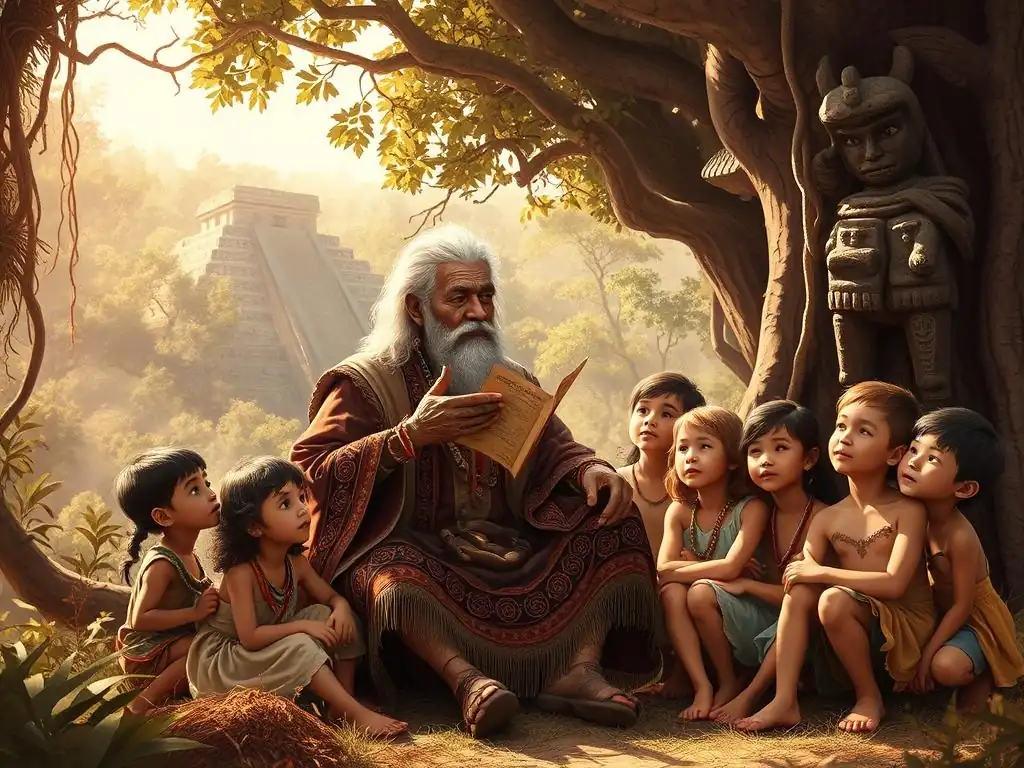
Oral Tradition and Storytelling in Toltec Society
In Toltec society, oral tradition played a pivotal role in the transmission of mythology and culture. Elders and storytellers acted as the custodians of ancient narratives, delivering tales that not only entertained but also imparted moral lessons and cultural values. These stories were often recounted during communal gatherings, rituals, and festivals, creating a shared cultural identity among the Toltec people.
The narrative techniques employed in these oral traditions often included:
- Use of Repetition: This reinforced key themes and made it easier for listeners to remember important elements of the stories.
- Incorporation of Songs and Chants: Many myths were accompanied by musical elements, enhancing the emotional impact and memorability of the tales.
- Symbolism and Allegory: The stories frequently contained layers of meaning, allowing for interpretations that could vary by audience and context.
With an emphasis on community participation, storytelling was not a passive experience; rather, it involved interaction where listeners could ask questions or share their interpretations, ensuring that the myths evolved over time while still remaining rooted in tradition.
The Preservation of Myths in Written Records
Although oral tradition was crucial, the Toltecs also recognized the importance of preserving their myths through written records. The advent of codices enabled the documentation of these narratives, allowing for a more permanent record of Toltec mythology and culture.
These codices, often created on materials such as bark paper and leather, served multiple purposes:
- Religious Instruction: Many texts included detailed accounts of deities, cosmology, and rituals, which were essential for maintaining religious practices.
- Historical Accounts: Myths were intertwined with historical events, providing context for the Toltec civilization's achievements and societal structure.
Notable examples of written records include the Codex Chimalpopoca and the Codex Borgia, which contain rich illustrations and narratives that delve into Toltec mythology. These documents not only preserved the myths but also influenced later Mesoamerican civilizations, showcasing the interconnectedness of cultures.
The Influence of Toltec Myths on Subsequent Cultures
The impact of Toltec mythology extended far beyond their civilization, significantly influencing subsequent Mesoamerican cultures, particularly the Aztecs. As the Aztecs rose to prominence, they adopted and adapted many aspects of Toltec mythology, integrating them into their own religious framework.
Key influences include:
- Deities and Rituals: Many Toltec gods, such as Quetzalcoatl, were revered by the Aztecs, with myths surrounding these deities being modified to fit the new cultural context.
- Art and Architecture: The artistic representations of Toltec myths inspired Aztec art, evident in sculptures, pottery, and murals that depicted similar themes and narratives.
This cultural exchange illustrates how Toltec mythology served as a foundational component of Mesoamerican identity, shaping the beliefs and practices of later civilizations. The enduring nature of these myths highlights their significance in understanding the broader tapestry of indigenous cultures in the Americas, emphasizing that the narratives of the Toltecs continue to resonate through time.
Comparative Analysis: Toltec Mythology and Other Mesoamerican Myths
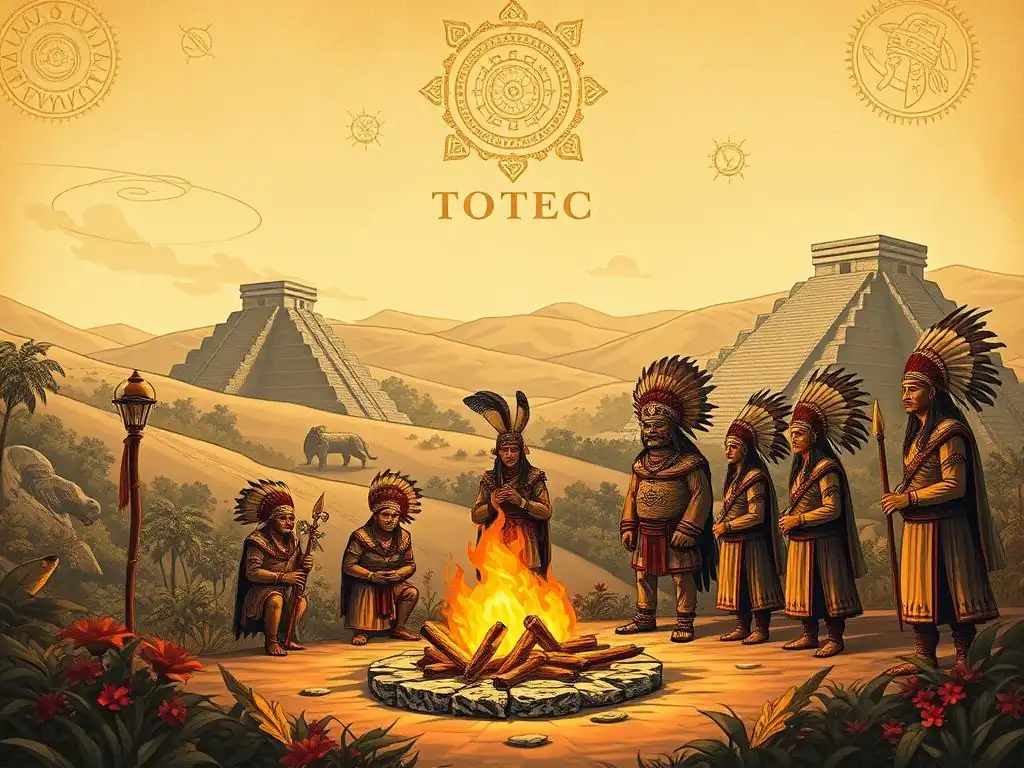
Similarities Between Toltec and Aztec Mythology
Toltec mythology and Aztec mythology share a profound interconnection, stemming from their geographical proximity and cultural exchanges over centuries. Both civilizations revered a pantheon of gods, many of whom were believed to embody natural forces and elements crucial for agricultural success.
- Creation Myths:
- Both cultures shared similar creation narratives, notably the concept of multiple worlds or suns. The Toltecs believed in a series of creations and destructions, paralleling the Aztec belief in previous suns that were destroyed due to the gods' dissatisfaction with humanity.
- The Quetzalcoatl figure serves as a central deity in both mythologies, symbolizing wisdom, wind, and life. His narratives often overlap, depicting him as a creator and a cultural hero.
- Duality and Balance:
- Both mythologies emphasize the duality of existence, particularly through the opposing forces of light and darkness, life and death. This duality is apparent in their religious practices and ceremonial rites, aiming to maintain cosmic balance.
- Ritual Practices:
- Rituals in both cultures involved offerings and sacrifices to appease the gods and ensure prosperity. For instance, the practice of ceremonial bloodletting was common, as both the Toltecs and Aztecs believed that blood nourished the deities.
Differences in Mythological Themes Across Cultures
While Toltec and Aztec mythologies share many similarities, they also exhibit distinct themes that reflect their unique cultural identities.
- Deities and Their Roles:
- The Toltecs emphasized a more nuanced pantheon where deities were often linked to specific crafts and societal roles. For example, the god Tlaloc, associated with rain and agriculture, held a different significance in Toltec stories compared to his Aztec counterparts, focusing more on the harmony of nature rather than warfare.
- Conversely, the Aztecs placed a stronger emphasis on gods related to warfare and conquest, such as Huitzilopochtli, who was central to their expansionist ideologies.
- Cultural Narratives and Their Implications:
- Toltec mythology often celebrated themes of wisdom, craftsmanship, and the pursuit of knowledge, resonating through tales of Quetzalcoatl as a symbol of enlightenment. This contrasts with Aztec narratives that frequently highlighted conquest, power, and the necessity of human sacrifice to sustain the cosmos.
- The mythological tales of the Toltecs often contained moral lessons and philosophical reflections on society's role within nature, which were less pronounced in the more war-centric Aztec tales.
The Lasting Influence of Toltec Myths on Other Indigenous Cultures
Toltec mythology has had a significant and enduring impact on subsequent indigenous cultures in Mesoamerica, shaping their beliefs, practices, and storytelling traditions.
- Cultural Transmission:
- As the Toltec civilization declined, their myths and deities were absorbed into the Aztec pantheon, illustrating a remarkable continuity of cultural practices. Many Aztec rituals and stories can trace their roots back to Toltec beliefs, particularly in the reverence for Quetzalcoatl.
- Influence on Later Civilizations:
- The reverberations of Toltec mythology can be observed in the cultural narratives of later Mesoamerican groups, such as the Mixtecs and Zapotecs. These cultures adopted and adapted Toltec stories, entwining them with their own mythologies, which facilitated a rich tapestry of shared beliefs across the region.
- Modern Reflections:
- Today, Toltec mythology continues to inspire contemporary indigenous movements and spiritual practices. The themes of balance, respect for nature, and the pursuit of knowledge resonate within various indigenous communities, highlighting the timeless relevance of these ancient narratives.
The study of Toltec mythology not only reveals the intricate stories that defined their culture but also underscores the interconnectedness of Mesoamerican civilizations and their enduring legacies. Through comparative analysis, we can appreciate the depth and diversity of these mythologies while recognizing their influence on future generations.
Conclusion: The Enduring Legacy of Toltec Mythology and Culture
The exploration of Toltec mythology and culture reveals a rich tapestry of beliefs, stories, and traditions that have not only shaped the identity of the Toltec civilization but also continue to resonate in contemporary discussions about indigenous cultures. The myths of the Toltecs served as a tool for understanding the world around them, offering explanations for natural phenomena, social structures, and the moral fabric of their society.
As we delve into the legacy of these narratives, it becomes evident that their significance extends far beyond mere stories; they are foundational elements that defined a culture and continue to influence modern interpretations of indigenous heritage.
The Relevance of Toltec Myths in Modern Understanding of Indigenous Cultures
Toltec mythology plays a crucial role in modern scholarship and cultural appreciation of indigenous societies. By examining these ancient stories, we gain insights into the values, philosophies, and social structures of the Toltec people. For instance, myths surrounding key figures like Quetzalcoatl not only highlight the importance of deities in Toltec belief systems but also reflect the community's ideals of leadership, wisdom, and balance with nature.
Research on Toltec mythology has influenced various fields, including anthropology, history, and literature. Many scholars argue that understanding these myths is essential for appreciating the cultural continuity and resilience of indigenous peoples in the Americas. The storytelling traditions have been preserved and adapted over generations, showcasing the dynamic nature of cultural expression.
Moreover, the integration of Toltec myths into contemporary art, literature, and spirituality serves as a bridge between past and present, allowing modern audiences to reconnect with and honor the legacy of this remarkable civilization. The symbols and themes derived from Toltec mythology are frequently revisited by artists and writers, becoming a source of inspiration that emphasizes the enduring relevance of these ancient narratives.
Final Thoughts on the Role of Mythology in Shaping Toltec Civilization
The impact of mythology on Toltec civilization cannot be overstated. Myths provided a framework through which the Toltecs understood their existence, their relationship with the divine, and their place within the cosmos. These stories fostered a sense of identity and community, uniting individuals through shared beliefs and cultural practices.
Furthermore, mythology influenced various aspects of daily life, from agricultural practices to societal governance. Rituals and ceremonies derived from these myths were pivotal in reinforcing social cohesion and cultural continuity. As such, the Toltec civilization was not only a product of its historical circumstances but also a living embodiment of the narratives that shaped its worldview.
The study of Toltec mythology and culture is vital for a comprehensive understanding of the complexities and nuances of indigenous societies in the Americas. As we continue to unravel the layers of these ancient stories, we honor the legacy of the Toltecs and ensure that their contributions to human history remain recognized and celebrated. The enduring nature of their mythology serves as a testament to the resilience of cultural identities in the face of change and challenges throughout the ages.
Frequently Asked Questions
What is Toltec mythology?
Toltec mythology encompasses myths and legends that were integral to the Toltec civilization, reflecting their beliefs, values, and cultural identity.
How did mythology influence Toltec society?
Mythology played a crucial role in shaping social norms and religious practices, guiding the Toltec people's understanding of the world around them.
What are some key stories in Toltec mythology?
Key stories include creation myths, tales of gods like Quetzalcoatl, and narratives that explain natural phenomena, all of which highlight the Toltecs' connection to their environment.
How did Toltec mythology affect their achievements?
The achievements of the Toltecs, including advancements in art, architecture, and governance, were often inspired by their mythological beliefs, which encouraged innovation and creativity.
What is the lasting impact of Toltec mythology today?
Toltec mythology continues to influence modern interpretations of indigenous cultures and has inspired various art forms, preserving the Toltec legacy in contemporary society.
Final Reflection: The Enduring Legacy of Toltec Mythology and Culture
In an era where cultural narratives shape our identities and values, the significance of Toltec mythology and culture remains profoundly relevant. The stories woven into the fabric of Toltec society not only defined their worldview but also offer timeless lessons that resonate with contemporary audiences. As we navigate a world increasingly disconnected from its roots, the wisdom embedded in these ancient myths serves as a guiding light, reminding us of the power of storytelling in shaping our collective consciousness.
The influence of Toltec mythology extends far beyond the historical context of its origin; it continues to inspire modern interpretations of spirituality, art, and community. The rich tapestry of myths and legends has permeated various aspects of culture, encouraging individuals to explore their own narratives and connections to the past. As noted by the scholar Miguel León-Portilla, The myths of the Toltecs are not merely relics of the past; they are living stories that continue to inform our understanding of existence.
This ongoing dialogue between past and present highlights the importance of preserving and honoring these narratives as we forge our identities in a rapidly changing world.
As we reflect on the lessons of Toltec mythology, I invite you to consider how these ancient stories can inform your own life and values. What narratives do you carry within you, and how do they shape your understanding of the world? Embrace the opportunity to explore your cultural heritage, engage with the stories that resonate with you, and let them guide your journey. In doing so, you not only honor the legacy of the Toltecs but also contribute to the ongoing tapestry of human experience, weaving your own unique thread into the fabric of our shared history.
Unveil the Power of Toltec Mythology in Your Life!
Thank you for exploring the profound role of mythology in Toltec society with us! We hope you’ve gained valuable insights into how these ancient stories shaped a thriving culture. Now, let’s transform that knowledge into action!
Here are a few ways you can dive deeper and engage with the heritage of the Toltec:
- Immerse yourself in the legends: Choose a Toltec myth that resonates with you and delve into its themes. Reflect on how these stories can be meaningful in your life today.
- Share your insights: Discuss your learnings with friends or family. Consider starting a casual book club focused on indigenous myths to inspire collective growth and understanding.
- Join community discussions: Look for local events or online forums that celebrate indigenous cultures. Engaging with others will enrich your perspective and help you build connections.
Which Toltec myth speaks to you the most, and how do you plan to integrate its wisdom into your life?