
The Power of Offerings: Exploring the Spiritual Significance of Gifts in Indigenous Ceremonies

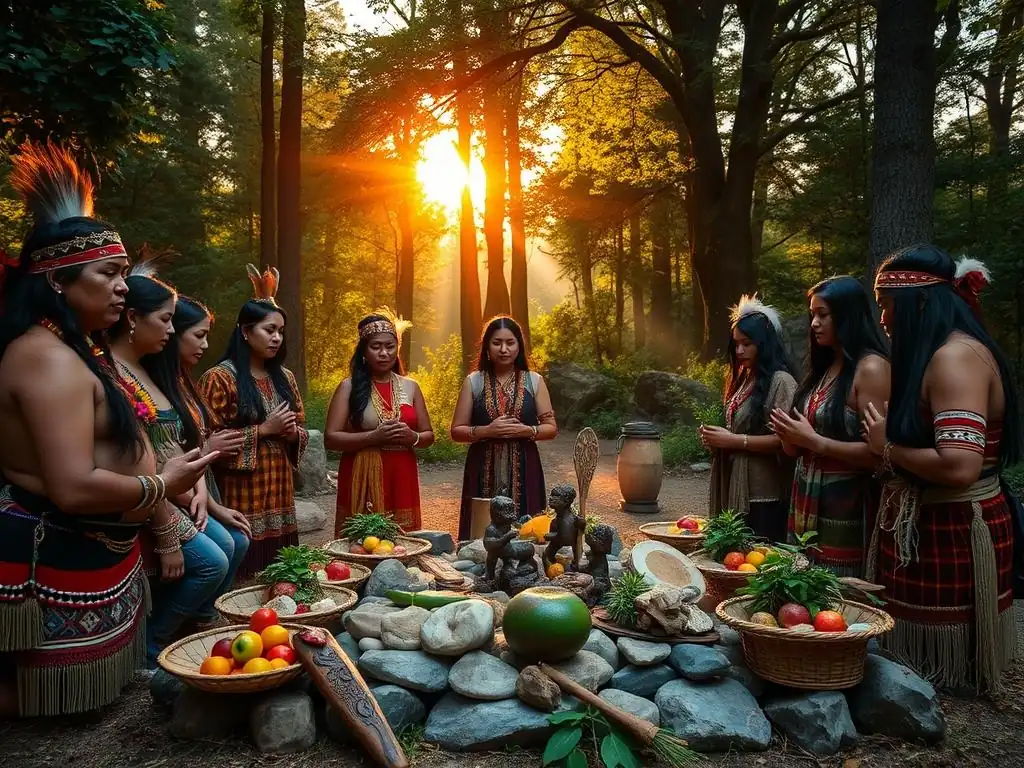
Welcome to Indigenous Civilizations of the Americas, where we embark on a captivating journey through the rich tapestry of indigenous cultures that flourished long before European influences. In our featured article, “The Power of Offerings: Exploring the Spiritual Significance of Gifts in Indigenous Ceremonies,” we delve into the profound meanings behind indigenous offerings, revealing how these sacred gifts connect communities to their ancestors, the natural world, and the divine.
Prepare to uncover the layers of tradition and belief that continue to shape these vibrant societies. Join us as we explore the past and its enduring legacy—your adventure into the heart of indigenous spirituality begins here!
Indigenous cultures across the Americas are rich with tradition and spirituality, intricately woven into their social fabric. One of the most profound aspects of these traditions is the practice of offerings—sacred gifts presented during various ceremonies. These offerings hold deep spiritual significance, acting as a bridge between the physical world and the spiritual realm.
As we explore the diverse ways in which indigenous peoples have engaged in gift-giving, we will uncover the meanings behind these gestures, the historical contexts that shaped them, and their evolution over time. This article delves into the spiritual significance of indigenous offerings, highlighting not only their role in ceremonial practices but also their enduring impact on contemporary indigenous identities and spiritual expressions.
Introduction to Indigenous Offerings
Indigenous offerings are much more than mere gifts; they represent a profound connection to the land, ancestors, and the cosmos. In many indigenous cultures, offerings are made to honor deities, spirits, and the natural world, reflecting a deep respect for the interconnectedness of all life. This section will explore the various forms of offerings and their importance in maintaining cultural and spiritual practices.
Understanding the Concept of Offerings in Indigenous Cultures
The concept of offerings varies greatly among indigenous cultures, yet common themes emerge. Offerings can take many forms, including:
- Food: Fruits, grains, and animal products are often presented as gifts to nourish spirits.
- Crafts: Handmade items, such as textiles and pottery, serve as tokens of appreciation and respect.
- Natural Elements: Flowers, herbs, and sacred objects symbolize gratitude and connection to the earth.
The act of giving is rooted in the belief that what is offered returns to the giver in abundance, fostering a cycle of reciprocity that sustains both community and spirit.
The Role of Gifts in Spiritual Practices
Gifts play a crucial role in various spiritual practices among indigenous peoples. They are often used in:
- Rituals: Offerings are integral to ceremonies, marking significant life events, seasonal changes, or spiritual observances.
- Healing: Many indigenous healing practices incorporate offerings as a way to seek assistance from spiritual entities.
- Community Bonding: Sharing gifts in communal settings strengthens social ties and reaffirms collective identities.
Through these diverse practices, offerings serve not only as expressions of spirituality but also as essential components of social cohesion.
Historical Context of Indigenous Offerings
The historical context of indigenous offerings reveals how these practices have evolved and adapted over centuries. Understanding the roots of these traditions is essential to appreciating their significance in contemporary indigenous cultures.
Traditional Practices of Gift-Giving Among Indigenous Peoples
Historically, gift-giving among indigenous peoples was a communal act, deeply embedded in their societies. Different tribes had unique customs surrounding offering practices, which could include:
- Ceremonial Feasts: Large gatherings where food and other gifts are shared to honor community members and spirits.
- Ritual Exchanges: Specific occasions where gifts are exchanged to signify alliances and relationships.
These traditional practices not only reinforced social structures but also affirmed the spiritual beliefs that guided everyday life.
Evolution of Ceremonial Offerings Through Time
Over time, the practice of offerings has adapted in response to external influences, including colonization and globalization. Despite these challenges, many indigenous cultures have maintained their ceremonial practices while also incorporating new elements. Key aspects of this evolution include:
- Syncretism: The blending of indigenous and introduced religious practices, resulting in new forms of offerings.
- Revitalization Movements: Contemporary efforts to reclaim and preserve traditional offering practices, often driven by a desire to restore cultural identities.
Through this ongoing evolution, the spiritual significance of indigenous offerings continues to resonate, reflecting both resilience and adaptability in the face of change.
The Spiritual Significance of Indigenous Offerings
Indigenous offerings are profound expressions of spirituality that encapsulate the beliefs, values, and traditions of various cultures across the Americas. These offerings, often presented during ceremonies, serve multiple purposes, from honoring deities and spirits to expressing gratitude and seeking guidance. They embody a deep connection to the natural world, emphasizing the integral role of nature in indigenous cosmologies.
At the heart of these offerings lies a recognition of the interconnectedness of all life. Indigenous peoples view the act of giving as a way to maintain balance and harmony within their communities and with the environment. Each offering is imbued with intention and significance, often reflecting the unique cultural narratives and historical experiences of the people. Thus, the spiritual significance of indigenous offerings is not merely in the physical items given but also in the relationships and meanings they cultivate.
How Offerings Reflect Cultural Beliefs and Values
Offerings in indigenous ceremonies serve as a mirror reflecting the cultural beliefs and values of the communities that practice them. Each type of offering—whether it’s food, symbolic objects, or natural materials—carries specific meanings tied to the community's worldview and their understanding of the universe.
For instance, many indigenous cultures believe in a reciprocal relationship with nature, where every gift must be returned in some form. This belief influences the types of offerings made, often emphasizing sustainability and respect for the earth. Offerings are typically chosen not only for their physical properties but also for their spiritual resonance, showcasing the community's values surrounding respect, gratitude, and reverence.
Additionally, the act of making offerings often involves communal participation, reinforcing social bonds and collective identity. This communal aspect highlights the importance of unity and shared purpose within indigenous societies, reflecting values that prioritize community welfare and interconnectedness over individualism.
The Connection Between Offerings and Ancestral Spirits
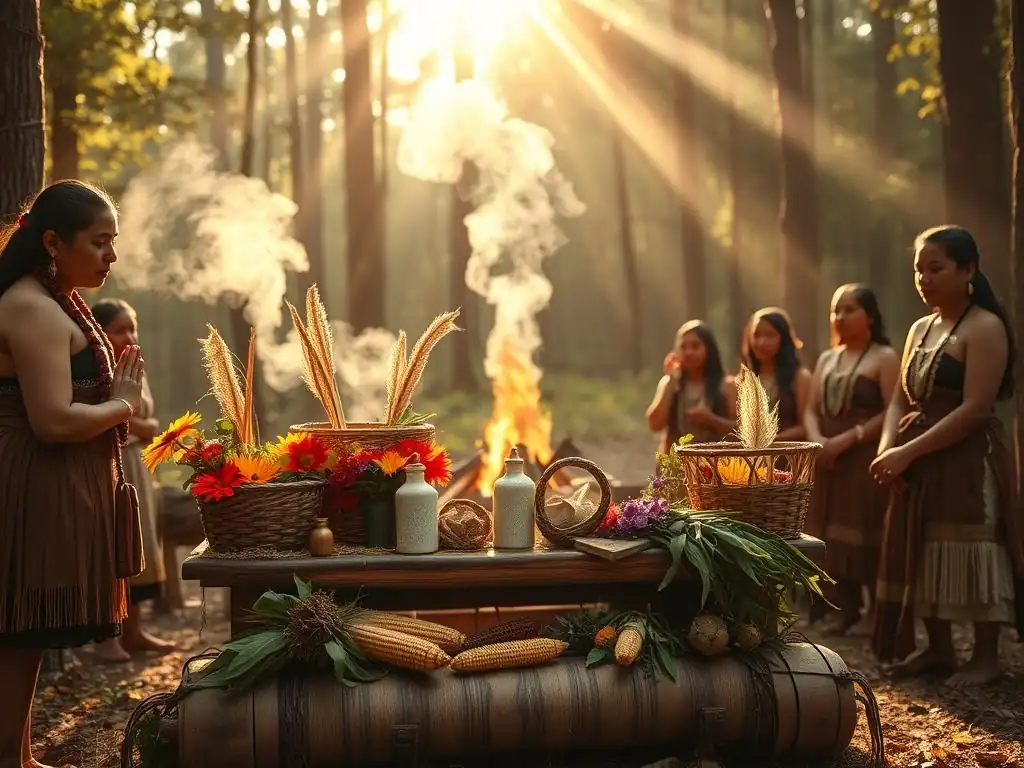
In many indigenous cultures, offerings are closely intertwined with the veneration of ancestral spirits. These offerings serve as a means of communication between the living and the deceased, providing a way to honor those who have passed and to seek their guidance and blessings. This connection fosters a sense of continuity, linking past generations with the present and future.
The act of offering gifts to ancestral spirits is often accompanied by rituals and prayers, which further enhance the spiritual significance of the gifts presented. Such offerings may include items that were meaningful to the ancestors, such as their favorite foods or tools, symbolizing respect and remembrance. This practice reinforces the belief that ancestors continue to play an active role in the lives of their descendants, guiding and protecting them.
Moreover, the connection to ancestral spirits through offerings highlights the importance of lineage and heritage within indigenous cultures. It emphasizes the belief that the wisdom of ancestors is accessible and that honoring them through offerings is vital for maintaining cultural integrity and spiritual health.
Types of Offerings in Indigenous Ceremonies
Indigenous ceremonies feature a rich variety of offerings, each chosen for its unique cultural significance and spiritual resonance. Understanding these types can provide deeper insights into the diverse practices and beliefs that characterize indigenous spirituality.
Food and Natural Materials as Offerings
Food and natural materials are among the most common types of offerings in indigenous ceremonies. These offerings typically include fruits, grains, herbs, and other natural items that symbolize sustenance and the earth's abundance. The act of offering food signifies gratitude for the gifts of nature and the sustenance that supports life.
Natural materials, such as flowers, stones, and water, are also prevalent in offerings. Each element carries its own significance and is often chosen based on its symbolic meanings within the culture. For example, flowers may represent beauty and the cycle of life, while water is seen as a source of purification and renewal.
The preparation and presentation of these offerings are often steeped in ritual, emphasizing the sacredness of the act and the respect afforded to the natural world. Such practices reinforce the belief that offerings are not merely gifts but powerful expressions of spiritual intent and cultural identity.
Symbolic Objects and Their Spiritual Importance
Symbolic objects hold profound spiritual importance in indigenous offerings. These items can include masks, figurines, or other crafted objects that embody cultural narratives, spiritual beliefs, and communal values. Each object is often laden with symbolism, representing various aspects of life, nature, or the spiritual realm.
For instance, a ceremonial mask may be used to connect with spiritual entities or ancestors during a ritual, acting as a conduit between the physical and spiritual worlds. Similarly, figurines representing animals or natural elements may symbolize qualities such as strength, wisdom, or adaptability—traits that are revered within the culture.
The careful selection and creation of these symbolic objects reflect the community's artistic expression and its deep understanding of the spiritual dimensions of life. Their use in ceremonies reinforces the belief that physical items can carry spiritual energy, serving as vessels for prayers and intentions.
The Role of Offerings in Specific Indigenous Ceremonies
Indigenous cultures across the Americas have long recognized the profound spiritual significance of offerings in their ceremonies. These offerings serve not only as a means of communication with the spiritual realm but also as a reflection of the values and beliefs inherent in these societies. Different indigenous groups have unique practices surrounding offerings, often tied closely to their environmental context, cosmology, and seasonal cycles.
For example, in many Mesoamerican cultures, offerings are integral to agricultural rituals, symbolizing gratitude to the earth and deities for sustenance. The Maya, for instance, often presented offerings of maize, cocoa, and various animals during ceremonies to honor their gods and ensure successful harvests. Similarly, the Andean peoples, such as the Quechua and Aymara, offer gifts to the Pachamama (Mother Earth) during planting and harvesting seasons to express gratitude and seek blessings for their crops.
In contrast, the ceremonies of the North American Plains tribes may focus on offerings during rites of passage, such as the Sun Dance or vision quests, where participants offer items that symbolize their personal sacrifices or aspirations. This highlights how offerings can be tailored to the specific spiritual needs and cultural narratives of a community.
Rituals and Celebrations Featuring Offerings
Numerous rituals and celebrations among indigenous cultures prominently feature offerings, often intertwining them with significant life events and seasonal changes. For instance:
- The Potlatch Ceremony: Practiced by various Indigenous groups in the Pacific Northwest, the potlatch is a ceremonial feast that involves the giving away of gifts to demonstrate wealth and social standing. Offerings during potlatches may include blankets, food, and other valuables, reinforcing social ties and community status.
- The Day of the Dead: Celebrated primarily by the Nahua people of Mexico, this event includes the creation of altars (ofrendas) adorned with offerings such as food, flowers, and photographs of deceased loved ones. These offerings honor the spirits and facilitate a connection between the living and the dead.
- The Kachina Dances: In Hopi culture, Kachina ceremonies involve the presentation of offerings to Kachina spirits, which represent various aspects of life and nature. These offerings, often in the form of food and crafts, are believed to invite blessings and ensure harmony within the community.
These rituals illustrate the diverse ways offerings are integrated into cultural practices, reflecting the spiritual and communal values of indigenous societies.
Case Studies of Notable Indigenous Ceremonial Practices
Examining specific case studies of indigenous ceremonial practices provides a deeper understanding of the spiritual significance of offerings.
- The Sun Dance: Among various Plains tribes, the Sun Dance is a significant ritual involving offerings of pain and sacrifice. Participants may pierce their skin and attach themselves to a central pole, symbolizing their dedication to the community and the spiritual world. Offerings of tobacco, prayers, and songs accompany this ritual, emphasizing the connection between personal sacrifice and communal well-being.
- Inti Raymi: This Incan festival, known as the Festival of the Sun, includes offerings of maize, llamas, and other goods to Inti, the Sun god. Historically celebrated during the winter solstice, the ritual underscores the importance of offerings in ensuring agricultural prosperity and honoring ancestral traditions.
- The Navajo Blessingway: This ceremony involves multiple offerings, including food, songs, and prayers to promote harmony and healing within the community. The Blessingway exemplifies how offerings are utilized to navigate life's transitions and reinforce collective identity.
These case studies highlight the nuanced ways indigenous cultures integrate offerings into their ceremonial practices, reinforcing their spiritual significance and communal bonds.
The Impact of Offerings on Community and Identity
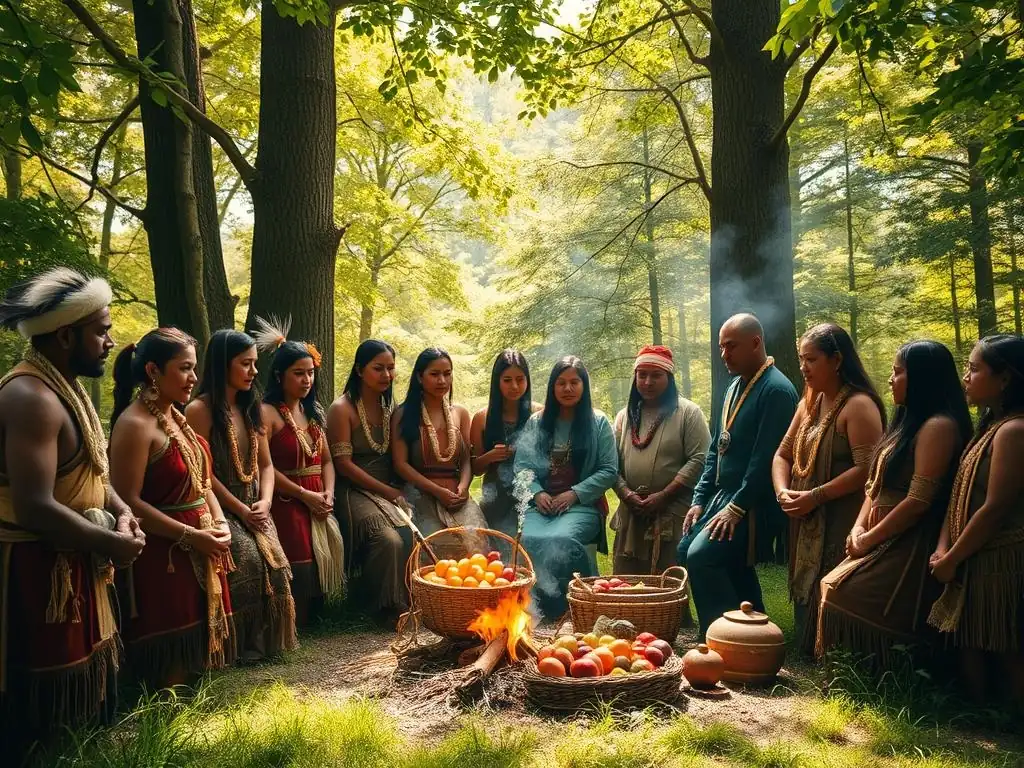
Offerings play a crucial role in shaping community dynamics and individual identities within indigenous cultures. They serve as a medium through which cultural values are expressed, social ties are reinforced, and collective identity is cultivated.
Strengthening Social Bonds Through Gift-Giving
The act of offering gifts is deeply embedded in indigenous traditions as a means of fostering social cohesion. Gift-giving ceremonies, such as the potlatch and other communal feasts, create opportunities for individuals to demonstrate their commitment to the community and its members.
- Reciprocity: Offerings often operate within a framework of reciprocity, where gifts are exchanged to maintain social relationships. This practice is vital for building trust and solidarity among community members, as it reinforces the interconnectedness of individuals within the larger social fabric.
- Collective Memory: The sharing of offerings during communal rituals creates shared experiences that contribute to a collective memory. These memories shape group identity and reinforce cultural continuity, making the act of giving not just a personal gesture but a communal affirmation of shared values and beliefs.
Offerings as Expressions of Cultural Identity
In indigenous societies, offerings serve as powerful expressions of cultural identity, reflecting the unique histories, traditions, and relationships with the natural world.
- Symbolism: The items chosen for offerings often carry specific symbolic meanings that resonate with cultural narratives. For example, the use of corn in Mesoamerican offerings reflects its central role in agricultural practices and cosmology, while the significance of feathers in many Native American cultures symbolizes spiritual connection and freedom.
- Cultural Resilience: The continued practice of making offerings in contemporary indigenous ceremonies highlights the resilience of cultural identities in the face of historical challenges, such as colonization and globalization. By maintaining these practices, indigenous communities affirm their heritage and assert their place within the broader society.
Through these dimensions, offerings are not merely acts of giving; they are integral to the fabric of indigenous identity and community life, shaping how individuals relate to one another and to their cultural heritage.
Contemporary Perspectives on Indigenous Offerings
In contemporary discussions surrounding indigenous cultures, the spiritual significance of offerings remains a vibrant topic. Indigenous offerings are not merely ceremonial gifts; they are embodiments of relationships—between people, nature, and the spiritual realm. Today, many indigenous communities are reasserting the importance of these practices, often merging traditional beliefs with modern values. This resurgence emphasizes the role of offerings as essential elements in maintaining cultural identity, fostering community ties, and expressing gratitude to the natural world.
Moreover, the contemporary understanding of the spiritual significance of indigenous offerings transcends mere ritualistic practices. It encompasses a broader appreciation for the interconnectedness of life and the environment. Many modern indigenous leaders advocate for the recognition of these offerings in the context of environmental stewardship, viewing them as a way to honor and protect the land that sustains their communities. This perspective invites a reevaluation of how society perceives indigenous spirituality, framing it as a vital part of ecological consciousness.
Revitalization of Traditional Practices in Modern Times
The revitalization of traditional practices around offerings in modern times has been a powerful movement within many indigenous communities. Elders and cultural leaders have taken the initiative to pass down knowledge and teachings related to these rituals to younger generations. This intergenerational transfer is crucial for maintaining the spiritual significance of offerings, which often include items such as food, tobacco, or crafted goods, each carrying its own meaning and purpose.
Cultural festivals, educational programs, and community gatherings have emerged as platforms for this revitalization. For instance, many tribes organize ceremonial events that not only celebrate traditional offerings but also invite non-indigenous people to witness and participate. This exchange fosters mutual respect and understanding, allowing a wider audience to appreciate the deep-rooted significance of these practices.
Additionally, the use of social media and digital storytelling has opened new avenues for sharing the spiritual significance of indigenous offerings. Online platforms enable indigenous voices to reach global audiences, raising awareness about their cultures and the importance of maintaining these sacred traditions.
Challenges Faced by Indigenous Communities in Preserving Offering Traditions
Despite the revitalization efforts, indigenous communities face numerous challenges in preserving their offering traditions. One of the primary obstacles is the ongoing impact of colonization, which has led to a loss of land, language, and cultural practices. The disconnection from ancestral territories often disrupts the relationship with nature that is central to the ritual of offerings.
Moreover, socio-economic pressures can hinder the ability of communities to engage in traditional practices. Economic inequalities may force individuals to prioritize daily survival over cultural ceremonies, leading to a decline in the frequency and authenticity of offering rituals. This situation is exacerbated by the effects of globalization, which can dilute indigenous identities and practices as communities navigate a rapidly changing world.
Additionally, environmental degradation poses a significant threat to the materials used for traditional offerings. As natural resources become increasingly scarce, communities struggle to find the necessary items to conduct their rituals meaningfully. This not only affects the spiritual significance of the offerings but also raises concerns about the sustainability of cultural practices.
Conclusion: The Enduring Power of Indigenous Offerings
The enduring power of indigenous offerings lies in their ability to connect individuals to their cultural roots and to the broader universe. These gifts are more than material items; they are symbols of respect, gratitude, and reciprocity. The spiritual significance of indigenous offerings serves as a reminder of the profound relationships that exist within ecosystems and between communities.
Reflections on the Spiritual Legacy of Gifts in Indigenous Cultures
The spiritual legacy of gifts in indigenous cultures is rich and multifaceted. Offerings often reflect a deep understanding of balance and harmony within the natural world. By acknowledging and honoring the spirits of the land, water, and air, indigenous peoples maintain a sense of responsibility towards their environment. This practice fosters an ethos of care and stewardship, urging future generations to recognize their place within the intricate web of life.
Furthermore, the spiritual significance of these offerings can be seen in their adaptability. As indigenous communities navigate modern challenges, they are finding innovative ways to incorporate traditional practices into contemporary life, ensuring that the essence of these rituals remains alive and relevant.
The Continued Relevance of Offerings in Today’s World
In today's world, the relevance of indigenous offerings transcends cultural boundaries. As global society grapples with issues such as climate change, social injustice, and disconnection from nature, the philosophies encapsulated in indigenous offerings provide valuable insights. They encourage a holistic understanding of existence, promoting harmony between humanity and the environment.
Many non-indigenous people are now seeking to learn from indigenous perspectives on offerings, recognizing their potential to inform sustainable practices and community building. By fostering respect for indigenous traditions, society can work towards a future in which the spiritual significance of offerings is honored, ensuring that these practices endure not just within indigenous communities but as a universal testament to the importance of gratitude, connection, and respect for all forms of life.
- Introduction to Indigenous Offerings
- Historical Context of Indigenous Offerings
- The Spiritual Significance of Indigenous Offerings
- How Offerings Reflect Cultural Beliefs and Values
- The Connection Between Offerings and Ancestral Spirits
- Types of Offerings in Indigenous Ceremonies
- The Role of Offerings in Specific Indigenous Ceremonies
- The Impact of Offerings on Community and Identity
- Contemporary Perspectives on Indigenous Offerings
- Conclusion: The Enduring Power of Indigenous Offerings
- What is the spiritual significance of indigenous offerings?
- How do indigenous offerings vary among different cultures?
- What materials are commonly used in indigenous offerings?
- How do offerings facilitate community bonding in indigenous cultures?
- What impact do indigenous offerings have on contemporary society?
Frequently Asked Questions
What is the spiritual significance of indigenous offerings?
The spiritual significance of indigenous offerings lies in their role as a connection to the spirit world. These gifts are often made to express gratitude, seek guidance, or maintain harmony with nature and the community.
How do indigenous offerings vary among different cultures?
Indigenous offerings can vary widely, reflecting the unique beliefs and practices of each culture. While some may use food or artifacts, others might offer songs or prayers, each holding its own spiritual meaning.
What materials are commonly used in indigenous offerings?
Common materials for indigenous offerings often include natural elements such as flowers, seeds, herbs, and water. These items are chosen for their symbolic connections to life, growth, and the elements of nature.
How do offerings facilitate community bonding in indigenous cultures?
Offerings often serve as a means of strengthening relationships within the community. By participating in ceremonies and sharing gifts, individuals reinforce their cultural identity and foster a sense of belonging and unity.
What impact do indigenous offerings have on contemporary society?
The practice of making offerings continues to have a lasting impact on contemporary society. It promotes respect for indigenous traditions and encourages a deeper understanding of the spiritual values that guide these communities, influencing environmental awareness and cultural preservation.
Final Reflection: Embracing the Spiritual Significance of Indigenous Offerings
The exploration of the spiritual significance of indigenous offerings is not just a historical inquiry; it is a vital reminder of the deep connections between culture, community, and the natural world. In today's fast-paced society, where materialism often overshadows meaningful interactions, understanding the profound role that offerings play in indigenous ceremonies invites us to reconnect with our own spiritual practices and the essence of gratitude. The act of giving transcends mere exchange; it embodies respect, reciprocity, and reverence for the life that sustains us.
The cultural landscape continues to be enriched by the teachings and traditions surrounding indigenous offerings, reminding us of the importance of honoring our ancestors and the earth. These practices foster a sense of belonging and identity, encouraging us to reflect on our own relationships with the world around us. As noted by indigenous scholar Robin Wall Kimmerer, “The land is alive, and it is our responsibility to acknowledge its gifts and give back in return.” This perspective challenges us to consider how we can integrate similar values of gratitude and respect into our daily lives.
As we conclude this exploration, I invite you to reflect on the significance of offerings in your own life. How can you cultivate a practice of gratitude and reciprocity in your interactions with others and the environment? Let the lessons learned from indigenous ceremonies inspire you to create meaningful connections and acknowledge the gifts that life presents. By embracing the spiritual significance of offerings, we can foster a deeper understanding of ourselves and our place within the larger tapestry of existence.
Unveil the Spirit Behind Every Gift
Thank you for exploring the profound significance of offerings within Indigenous ceremonies. Your interest enriches our collective understanding of these vital cultural practices! Now, let's take the next step to deepen your connection with this topic.
- Reflect on your own acts of giving: Consider how you can honor the spirit of offerings in your daily life. What meaningful gesture can you share with your community or loved ones?
- Join the conversation: Share your thoughts or personal experiences about offerings in the comments below. Your insights could inspire others!
- Explore more: Discover additional articles that delve into the rich traditions of Indigenous cultures and expand your knowledge of the role of gifts in spiritual practices.
What unique form of giving do you believe could create a positive change in your community?