
The Role of Museums in Preserving Indigenous Cultures: A Deep Dive

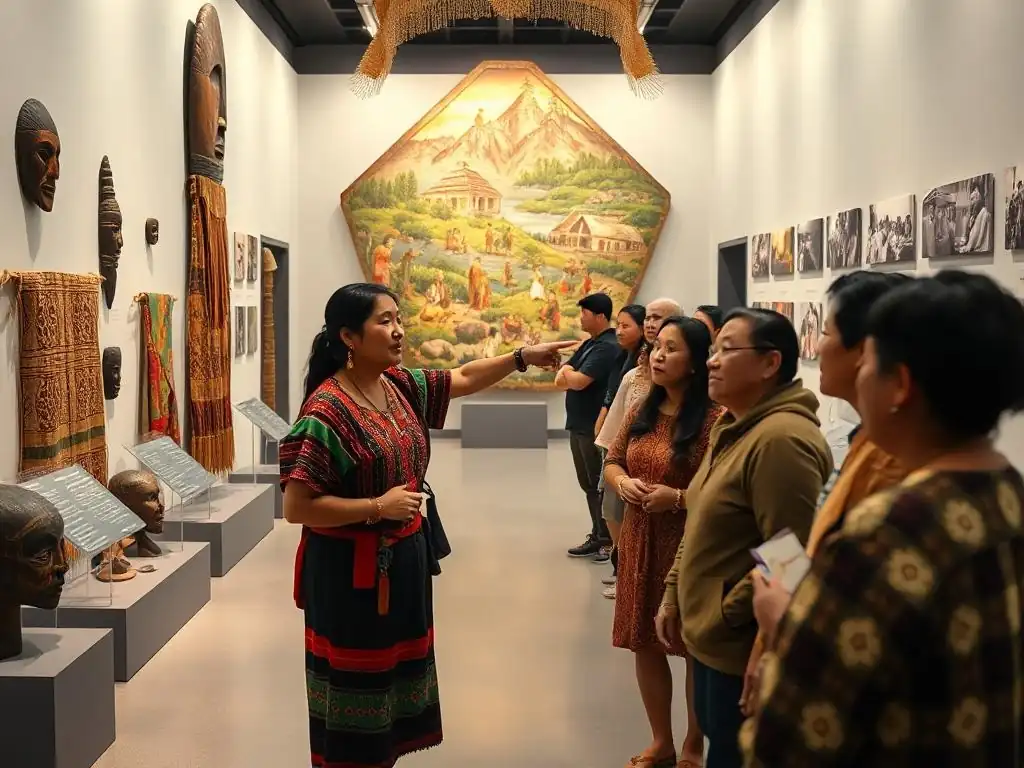
Welcome to Indigenous Civilizations of the Americas, where we invite you to embark on a journey through the rich tapestry of indigenous cultures that flourished long before European contact. In our featured article, “The Role of Museums in Preserving Indigenous Cultures: A Deep Dive,” we delve into the vital efforts being made to safeguard these vibrant legacies. Discover how museums serve not only as custodians of history but also as active participants in the ongoing dialogue about cultural preservation.
Join us as we explore the intricacies of these preservation efforts and the profound impact they have on our understanding of indigenous societies. Curious about how these practices shape our modern world? Read on to uncover the stories that resonate through time.
Introduction to Preserving Indigenous Cultures in Museums
Preserving Indigenous cultures in museums is not merely about safeguarding artifacts; it's about honoring and revitalizing the rich heritage of the diverse societies that flourished in the Americas long before European influence. Museums serve as critical institutions that curate, interpret, and present the stories of Indigenous peoples, ensuring that their voices and histories are represented in the cultural narrative.
This article will delve into the multifaceted role that museums play in this preservation effort, examining their significance in maintaining the continuity of Indigenous cultures, the challenges they face, and the innovative practices they employ to foster understanding and respect for these rich traditions.
Importance of Museums in Cultural Preservation
Museums are essential in the fight against cultural erasure and in promoting awareness of Indigenous histories. By collecting, preserving, and exhibiting artifacts and narratives, they provide:
- Educational Resources: Museums serve as platforms for learning, offering educational programs that highlight Indigenous knowledge, traditions, and contemporary issues.
- Cultural Representation: They create spaces where Indigenous cultures can be authentically represented, allowing communities to share their stories in their own words.
- Community Engagement: Many museums collaborate with Indigenous communities to co-create exhibitions, ensuring that the community's perspective is reflected and respected.
Museums have a profound responsibility to be stewards of Indigenous cultures, advocating for their rightful place in history and contemporary society.
Overview of Indigenous Cultures in the Americas
The Americas are home to a vast array of Indigenous cultures, each with its unique traditions, languages, and social structures. From the complex civilizations of the Aztecs and Incas to the diverse tribes of North America, these cultures exhibit remarkable achievements in areas such as agriculture, art, and governance. Key aspects include:
- Diverse Languages: There are approximately 300 Indigenous languages spoken today in North America alone, reflecting the rich linguistic diversity.
- Artistic Expression: Indigenous art, from intricate pottery to vibrant textiles, serves as a means of cultural expression and storytelling.
- Traditional Knowledge: Indigenous communities possess valuable ecological knowledge that informs sustainable practices and conservation efforts.
Each culture contributes to the tapestry of Indigenous history, emphasizing the need for their ongoing preservation.
Historical Context of Indigenous Cultures and Museums
Pre-Colonization Indigenous Societies
Before the arrival of Europeans, Indigenous societies in the Americas were diverse and sophisticated. They developed complex social structures, trade networks, and spiritual beliefs that were intimately connected to their environments. Examples include:
- The Mississippian Culture: Known for their impressive earthen mounds and trade systems across the southeastern United States.
- The Ancestral Puebloans: Renowned for their cliff dwellings and advanced agricultural practices in the Southwest.
These societies thrived independently, shaping their identities and cultures long before external contact.
The Impact of European Colonization on Indigenous Cultures
The arrival of Europeans brought profound disruptions to Indigenous ways of life. Colonization resulted in:
- Population Decline: Diseases introduced by Europeans decimated Indigenous populations, leading to significant loss of life and cultural knowledge.
- Displacement and Land Loss: Colonization often resulted in the displacement of Indigenous communities, leading to the erosion of traditional practices and lifestyles.
- Cultural Suppression: Efforts to impose European values often led to the suppression of Indigenous languages, spiritual practices, and cultural expressions.
This tumultuous period significantly impacted the survival of Indigenous cultures, making preservation efforts crucial.
The Emergence of Museums as Cultural Institutions
The establishment of museums in the 19th century marked a pivotal moment in the documentation and preservation of Indigenous cultures. Initially, many museums operated under colonial frameworks, often displaying Indigenous artifacts without context or representation. However, over time, there has been a shift towards:
- Collaborative Practices: Increasingly, museums are working alongside Indigenous communities to co-curate exhibitions and share authority over cultural narratives.
- Repatriation Efforts: Many institutions are now recognizing the importance of returning artifacts to their communities of origin, fostering healing and reconciliation.
- Inclusive Narratives: Museums are striving to present a more nuanced and accurate portrayal of Indigenous histories, moving beyond stereotypes and misconceptions.
This evolution within the museum sector highlights an ongoing commitment to preserving Indigenous cultures and promoting understanding among diverse audiences.
The Function of Museums in Preserving Indigenous Cultures
Museums play a pivotal role in preserving indigenous cultures by serving as custodians of artifacts, histories, and traditions that embody the rich heritage of indigenous peoples. Their multifaceted functions include archiving tangible and intangible cultural heritage, offering educational programs, and creating exhibitions that raise awareness about indigenous cultures and their contributions to society. By providing a space for the preservation and celebration of these cultures, museums not only safeguard indigenous identities but also foster understanding and respect among diverse audiences.
Archiving Artifacts and Historical Objects
One of the primary functions of museums is to archive artifacts and historical objects that represent the material culture of indigenous peoples. These items, which can range from tools and clothing to art and ceremonial objects, provide invaluable insights into the daily lives, spiritual beliefs, and social structures of indigenous communities. By carefully curating these collections and implementing conservation strategies, museums ensure the longevity of these artifacts, allowing future generations to study and appreciate their significance.
Moreover, museums often collaborate with indigenous communities to ensure that artifacts are represented accurately and respectfully. This partnership fosters a sense of ownership and empowerment among indigenous peoples, as they can contribute to the narrative surrounding their own heritage. By prioritizing the ethical stewardship of these items, museums help to honor the cultural legacy of indigenous cultures.
Documenting Oral Histories and Traditions
In addition to tangible artifacts, museums play a crucial role in documenting oral histories and traditions that are integral to indigenous cultures. Oral storytelling has been a vital means of knowledge transfer for generations, encompassing legends, historical accounts, and traditional practices. Museums can record these narratives through interviews, workshops, and multimedia projects, preserving them for future audiences.
By documenting these oral traditions, museums contribute to a more comprehensive understanding of indigenous cultures. This documentation not only enriches the museum's collections but also validates the experiences and perspectives of indigenous peoples, ensuring that their voices are included in the broader historical narrative. Furthermore, these oral histories can serve as educational resources, bridging the gap between generations and fostering cultural continuity.
Creating Educational Programs and Exhibitions
Museums are instrumental in creating educational programs and exhibitions that promote awareness and appreciation of indigenous cultures. Through interactive displays, workshops, and guided tours, museums engage audiences in meaningful conversations about the history, traditions, and contemporary issues facing indigenous communities. These educational initiatives are designed to foster critical thinking and encourage visitors to reflect on the complexities of cultural identity and heritage.
Moreover, exhibitions that highlight the achievements and contributions of indigenous cultures can challenge stereotypes and misconceptions. By presenting a nuanced portrayal of indigenous peoples, museums can help combat the marginalization often faced by these communities. This commitment to education and advocacy empowers both indigenous peoples and the broader public to appreciate the richness of indigenous cultures and their ongoing relevance in today's world.
Challenges Faced by Museums in Cultural Preservation
While museums play a crucial role in preserving indigenous cultures, they also face significant challenges in their efforts. These challenges include ethical considerations in collecting artifacts, balancing representation and authenticity, and ensuring the active involvement of indigenous communities in museum practices.
Ethical Considerations in Collecting Indigenous Artifacts
The collection of indigenous artifacts raises complex ethical questions regarding ownership, consent, and representation. Historically, many indigenous artifacts were acquired through colonial practices that disregarded the rights and voices of indigenous peoples. This legacy has led to ongoing discussions about repatriation and the need for museums to address the historical injustices surrounding their collections.
To navigate these ethical considerations, museums must establish transparent policies that prioritize collaboration with indigenous communities. This includes seeking consent before acquiring artifacts and engaging in dialogue about the cultural significance of items in their collections. Museums that adopt an ethical framework can foster trust and build meaningful relationships with indigenous peoples, ensuring that their cultural heritage is respected and preserved.
Balancing Representation and Authenticity
Another challenge faced by museums is balancing representation and authenticity in their exhibitions. It is essential for museums to present indigenous cultures accurately and respectfully, avoiding stereotypes and oversimplifications. However, representing the diversity within indigenous cultures can be complex, as there is no singular narrative that encompasses all indigenous experiences.
To achieve a balance between representation and authenticity, museums should actively involve indigenous voices in the curation process. This collaboration can help ensure that exhibitions reflect the lived experiences, beliefs, and traditions of indigenous communities. By prioritizing authentic representation, museums can create more inclusive spaces that honor the complexities of indigenous identities.
The Role of Indigenous Communities in Museums
The role of indigenous communities in museums is paramount to the success of preservation efforts. Engaging indigenous peoples as active participants in museum practices—ranging from collection management to exhibition design—can lead to more meaningful and accurate representations of their cultures. This collaboration fosters a sense of ownership and respect, allowing indigenous communities to reclaim their narratives and histories.
Additionally, involving indigenous communities in museums can enhance educational programs and outreach initiatives. By drawing on the knowledge and expertise of indigenous peoples, museums can create programming that resonates with both indigenous and non-indigenous audiences. This collaborative approach not only enriches museum collections but also strengthens the bonds between museums and the communities they serve, ultimately contributing to the preservation of indigenous cultures.
Case Studies of Successful Indigenous Cultural Preservation in Museums
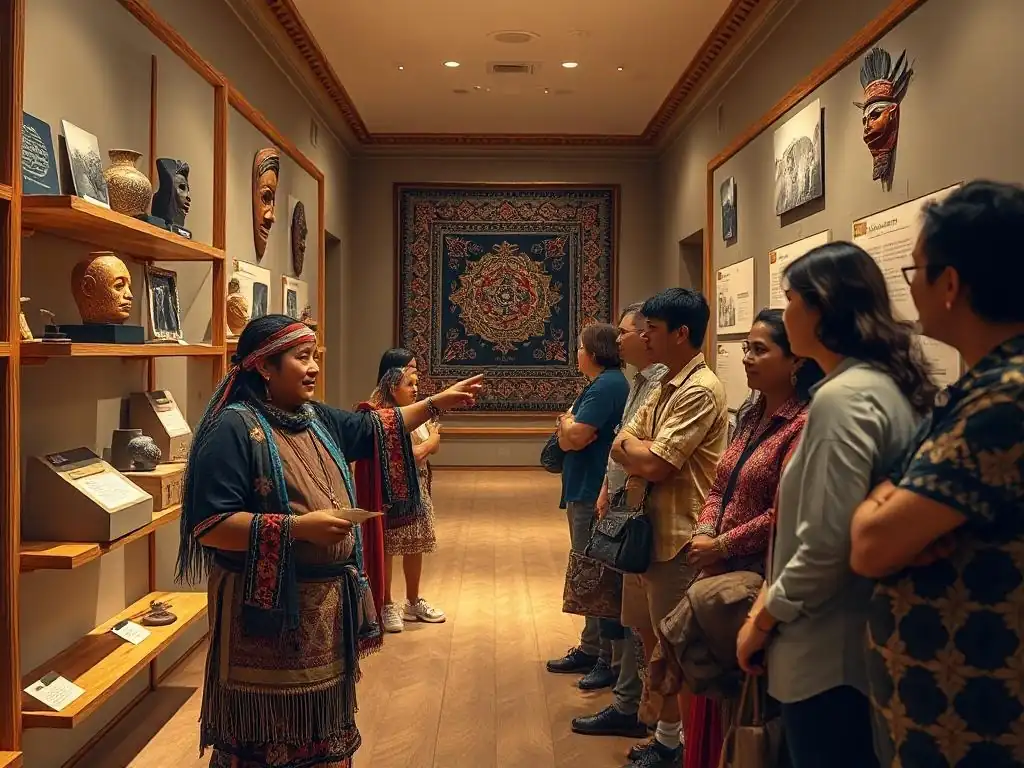
The preservation of Indigenous cultures within museum settings often requires innovative approaches that respect and incorporate Indigenous perspectives. Several museums around the world have implemented successful strategies that not only showcase Indigenous heritage but also involve Indigenous peoples in the process of curation and education. These case studies highlight the importance of collaboration and respectful representation in preserving Indigenous cultures.
National Museum of the American Indian: A Model for Indigenous Representation
The National Museum of the American Indian (NMAI) in Washington, D.C., serves as a leading example of how museums can authentically represent Indigenous cultures. Established to honor and preserve the diverse cultures of Native peoples of the Americas, the NMAI is unique in its commitment to Indigenous voices. The museum's exhibits are largely curated by Native communities, ensuring that the narratives presented are accurate and representative of their histories and cultures.
One standout feature of the NMAI is its emphasis on community engagement. The museum regularly collaborates with Indigenous groups to develop exhibitions that reflect their stories, traditions, and contemporary issues. This collaboration extends to educational programs that foster a deeper understanding of Indigenous cultures among visitors, making the museum a dynamic space for cultural exchange and learning.
Canadian Museum of History: Collaborative Exhibitions with Indigenous Communities
The Canadian Museum of History (CMH) has made significant strides in integrating Indigenous perspectives into its exhibitions. Through partnerships with Indigenous communities, the CMH has developed collaborative exhibitions that not only highlight Indigenous artifacts but also tell the stories behind them. This approach ensures that the cultural context is preserved and respected.
For instance, the "From Time Immemorial" exhibition showcases the rich history and contributions of Indigenous peoples in Canada. The museum worked closely with Indigenous elders and knowledge keepers to curate the exhibition, allowing for authentic storytelling that honors their experiences. By prioritizing collaboration, the CMH has created a model for how museums can evolve into spaces of reconciliation and mutual respect.
Heard Museum: Innovative Approaches to Cultural Education
The Heard Museum in Phoenix, Arizona, is renowned for its dedication to the art and culture of Native American peoples. The museum employs innovative educational approaches that actively involve Indigenous artists and educators in programming. This commitment extends beyond traditional exhibits, as the Heard hosts workshops, artist demonstrations, and cultural events that invite community participation.
One of the museum's flagship programs is the "Native Art Market," which connects Indigenous artists directly with the public, fostering appreciation for their work while providing economic opportunities. Furthermore, the Heard's focus on interactive and hands-on learning experiences allows visitors to engage with Indigenous culture in meaningful ways, making it a leader in cultural education.
Future Directions for Museums in Preserving Indigenous Cultures
As museums continue to play a crucial role in the preservation of Indigenous cultures, several future directions can enhance their effectiveness in this vital work. These directions emphasize collaboration, technological integration, and advocacy for policy changes that support Indigenous rights and heritage.
Encouraging Collaboration with Indigenous Leaders
The future of cultural preservation in museums hinges on fostering strong partnerships with Indigenous leaders and communities. By involving Indigenous voices in decision-making processes, museums can ensure that their programming and exhibitions reflect authentic cultural narratives. This collaboration can take many forms, from advisory boards composed of Indigenous representatives to joint curation efforts that empower communities to share their stories on their terms.
Utilizing Technology for Enhanced Cultural Representation
Technology presents exciting opportunities for museums to enhance the representation of Indigenous cultures. Virtual reality (VR), augmented reality (AR), and digital storytelling can create immersive experiences that allow visitors to engage with Indigenous heritage in innovative ways. For example, virtual exhibits can transport audiences to important cultural sites or historical events, providing a deeper understanding of Indigenous perspectives.
Additionally, online platforms can be utilized to share Indigenous voices and stories more broadly, reaching a global audience and fostering connections between cultures. By leveraging technology, museums can create dynamic and accessible representations of Indigenous cultures that resonate with diverse audiences.
Advocating for Policy Changes in Cultural Preservation
Advocacy plays a critical role in the future of museums and their efforts to preserve Indigenous cultures. Museums must actively support policy changes that recognize Indigenous rights to cultural heritage and land. This includes advocating for repatriation efforts, where Indigenous artifacts held in museums are returned to their rightful communities.
Furthermore, museums can push for funding and resources that prioritize Indigenous-led initiatives and cultural programming. By aligning their missions with broader movements for social justice and cultural equity, museums can contribute to a more inclusive narrative that respects Indigenous sovereignty and heritage.
Conclusion: The Vital Role of Museums in Indigenous Cultural Heritage
Museums play an indispensable role in the preservation and promotion of Indigenous cultures, serving as custodians of heritage and as platforms for education and engagement. They not only house artifacts and collections that tell the story of Indigenous peoples but also facilitate discussions that challenge stereotypes and foster understanding among diverse audiences. By integrating Indigenous voices into their narratives, museums can help to ensure that the histories represented are accurate and respectful, reflecting the complexities and richness of Indigenous experiences.
Furthermore, museums contribute to the ongoing revitalization of Indigenous languages, traditions, and practices by collaborating with Indigenous communities. This partnership approach is crucial for authentic representation and for creating spaces where Indigenous peoples can share their narratives in their own words. By doing so, museums help to bridge the gap between past and present, allowing for a deeper appreciation of Indigenous cultures and their enduring legacy.
Summary of Key Points
- Cultural Custodianship: Museums preserve artifacts and narratives that are essential to understanding Indigenous histories and cultures.
- Educational Platforms: They serve as venues for education, enabling visitors to learn about the diverse cultural practices and achievements of Indigenous societies.
- Community Collaboration: Effective partnerships with Indigenous communities ensure that their voices are included and respected in museum narratives.
- Revitalization of Traditions: Museums can support the revival of Indigenous languages and practices through workshops, exhibitions, and outreach programs.
- Challenging Stereotypes: By presenting accurate and nuanced representations, museums play a critical role in combating stereotypes and promoting cultural understanding.
Call to Action for Continued Support in Cultural Preservation Efforts
As we reflect on the vital role of museums in preserving Indigenous cultures, it is imperative that we actively support their efforts. Here are several ways individuals and communities can contribute:
- Visit Local Museums: Engage with exhibitions that focus on Indigenous cultures and histories. Your attendance supports these institutions and emphasizes the importance of their work.
- Advocate for Indigenous Representation: Encourage museums to include Indigenous perspectives in their exhibits and educational programs.
- Support Indigenous Organizations: Contribute to or volunteer with organizations that work towards the preservation and promotion of Indigenous cultures.
- Participate in Cultural Events: Attend events hosted by museums or Indigenous communities that celebrate cultural heritage and promote awareness.
- Educate Others: Share knowledge about Indigenous cultures and the importance of their preservation within your social circles and communities.
By taking these steps, we can collectively ensure that Indigenous cultural heritage is not only preserved but also celebrated and passed on to future generations. The commitment to preserving Indigenous cultures in museums is not just a responsibility but a vital part of recognizing and respecting the rich tapestry of human history.
- Introduction to Preserving Indigenous Cultures in Museums
- Historical Context of Indigenous Cultures and Museums
- The Function of Museums in Preserving Indigenous Cultures
- Challenges Faced by Museums in Cultural Preservation
- Case Studies of Successful Indigenous Cultural Preservation in Museums
- Future Directions for Museums in Preserving Indigenous Cultures
- Conclusion: The Vital Role of Museums in Indigenous Cultural Heritage
- What is the main focus of the article "The Role of Museums in Preserving Indigenous Cultures: A Deep Dive"?
- How do museums contribute to the preservation of indigenous cultures?
- What challenges do museums face in preserving indigenous cultures?
- Why is it important to preserve indigenous cultures in museums?
- How can visitors engage with indigenous cultures through museums?
Frequently Asked Questions
What is the main focus of the article "The Role of Museums in Preserving Indigenous Cultures: A Deep Dive"?
The article emphasizes the importance of museums in preserving indigenous cultures by showcasing their achievements and providing insights into their societal structures before European colonization.
How do museums contribute to the preservation of indigenous cultures?
Museums play a critical role by collecting, curating, and exhibiting artifacts that represent the rich histories and traditions of indigenous peoples, thereby fostering cultural appreciation and understanding.
What challenges do museums face in preserving indigenous cultures?
Museums often encounter challenges such as ethical considerations regarding ownership, representation, and the need for collaboration with indigenous communities to ensure authenticity in their exhibits.
Why is it important to preserve indigenous cultures in museums?
Preserving these cultures in museums is vital for educating the public, promoting cultural diversity, and ensuring that the stories and traditions of indigenous peoples are recognized and valued in society.
How can visitors engage with indigenous cultures through museums?
Visitors can engage by participating in educational programs, attending cultural events, and exploring exhibitions that highlight the heritage and contributions of indigenous cultures, fostering deeper connections and appreciation.
Final Reflection: The Vital Role of Museums in Preserving Indigenous Cultures
The preservation of Indigenous cultures in museums is not merely an academic pursuit; it is a pressing necessity in today’s world. As we navigate a rapidly changing global landscape, the importance of safeguarding the rich tapestry of Indigenous histories, languages, and traditions has never been more urgent. Museums serve as vital custodians of this heritage, offering a platform for education, dialogue, and reconciliation. In a time when cultural erasure threatens the very fabric of Indigenous identities, the role of museums becomes a beacon of hope and resilience.
The influence of museums in the cultural and social landscape is profound and ongoing. They are not just repositories of artifacts; they are spaces for storytelling and cultural exchange, fostering understanding and respect among diverse communities. By showcasing Indigenous cultures authentically and collaboratively, museums can challenge stereotypes and promote a more inclusive narrative. As the renowned Indigenous scholar Vine Deloria Jr. once said, The most important thing about the past is that it is not dead. It is not even past.
This perspective reminds us that the legacies of Indigenous peoples continue to shape our present and future, urging us to engage with their stories meaningfully.
As we reflect on the insights gained from exploring the role of museums in preserving Indigenous cultures, I invite you to consider your own relationship with these institutions. How can you support the efforts to honor and amplify Indigenous voices in your community? Whether through visiting local museums, advocating for Indigenous representation, or educating yourself and others about these vibrant cultures, every action counts. Let us commit to being active participants in this journey of preservation and respect, ensuring that Indigenous cultures not only survive but thrive for generations to come.
Spark Change: Advocate for Indigenous Cultures Today!
Thank you for taking the time to explore the crucial role museums play in preserving Indigenous cultures. Your interest in this topic demonstrates a commitment to understanding and supporting the rich heritage of Indigenous communities. Now, let's transform your insights into action!
Here are some simple yet impactful steps you can take right now:
- Join or support local Indigenous cultural programs—participating in community events not only enriches your understanding but also strengthens efforts to preserve these cultures.
- Share this article with friends and family to raise awareness about Indigenous histories and the vital role museums play in safeguarding these important narratives.
- Visit a museum dedicated to Indigenous cultures—experience firsthand the stories and artifacts that connect you to these vibrant communities.
What impact do you believe your actions could have on the preservation of Indigenous cultures in your community?