
Fieldwork Essentials: The Best Gear for Archaeological Site Visits

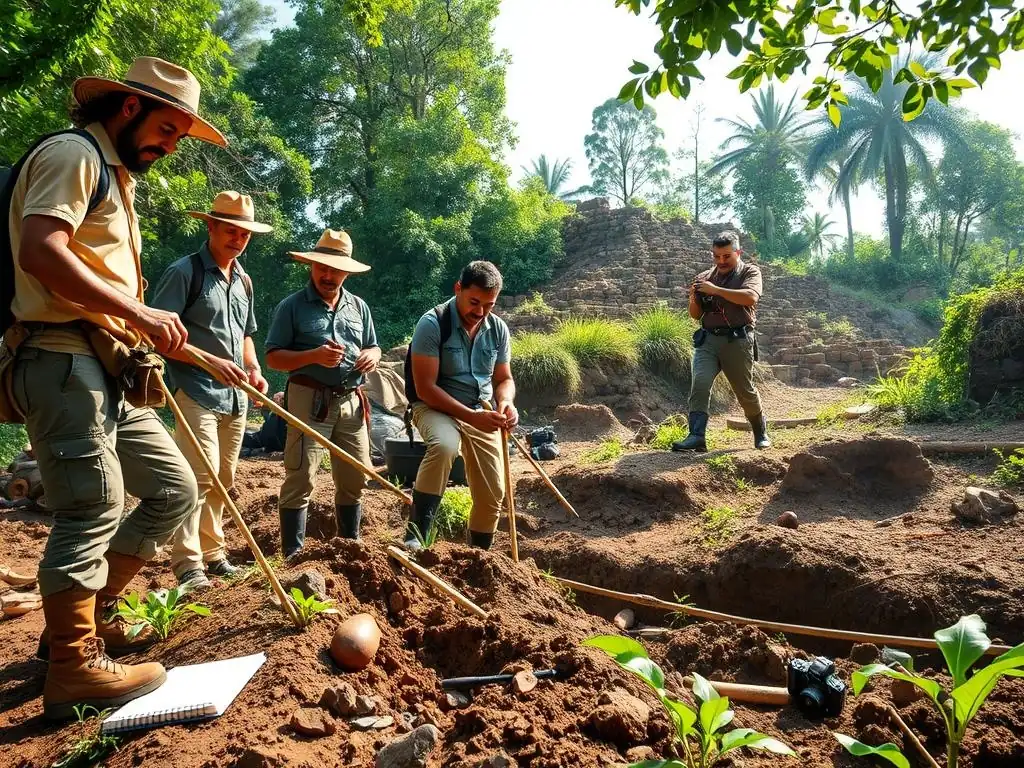
Welcome to Indigenous Civilizations of the Americas, where we invite you to traverse the rich tapestry of cultures that flourished long before European contact. Here, you’ll discover the remarkable achievements and intricate societies of indigenous peoples, showcasing their lasting impact on history and modern society. Our featured article, "Fieldwork Essentials: The Best Gear for Archaeological Site Visits," dives into the essential archaeological gear for indigenous sites, equipping you with the knowledge you need to explore these profound legacies. Ready to uncover the secrets of the past? Let's embark on this enlightening journey together!
Introduction to Archaeological Gear for Indigenous Sites
Exploring archaeological sites, particularly those rich in indigenous history, requires more than just curiosity and a sense of adventure; it demands the right gear to ensure both safety and efficiency. Whether you're a professional archaeologist, a student, or an enthusiastic volunteer, the equipment you bring significantly influences the quality of your fieldwork and the preservation of these invaluable cultural landscapes.
Indigenous sites across the Americas present unique challenges and opportunities. These locations are often steeped in cultural significance, and as such, they require a respectful approach that aligns with best practices in archaeology. The proper archaeological gear for indigenous sites not only enhances your ability to conduct thorough research but also helps protect the integrity of these fragile environments.
From tools designed for excavation to safety gear that ensures your well-being in remote areas, this article will guide you through the essential items you should consider for your next site visit. By equipping yourself with the right tools, you contribute to the ongoing appreciation and understanding of the diverse indigenous cultures that thrived in the Americas long before European colonization.
In the following sections, we will delve deeper into specific types of gear, their functions, and tips for selecting the best equipment tailored to the unique needs of archaeological research in indigenous contexts. Prepare to embark on a journey that combines respect for history with the practicalities of fieldwork!
- What is the focus of the article "Fieldwork Essentials: The Best Gear for Archaeological Site Visits"?
- Why is archaeological gear important for indigenous sites?
- What types of gear are recommended for fieldwork in indigenous civilizations?
- How does proper gear contribute to the study of indigenous cultures?
- Where can I find the best archaeological gear for visiting indigenous sites?
Essential Tools for Archaeological Fieldwork
1. Excavation Tools
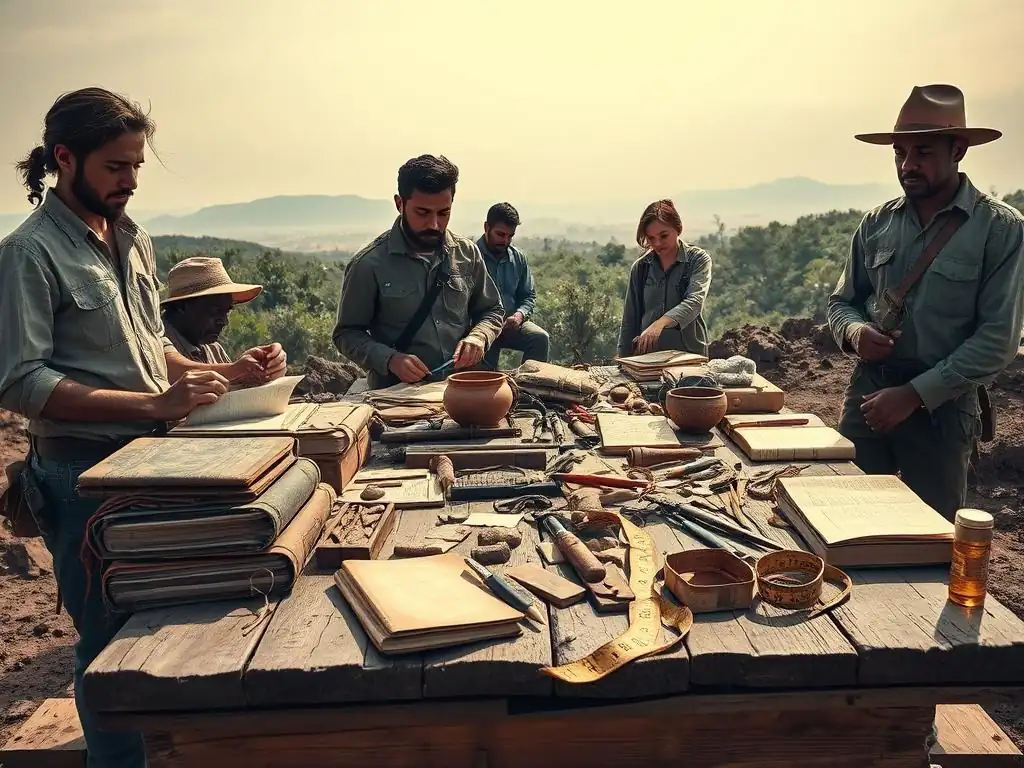
Excavation tools are fundamental for any archaeologist working on indigenous sites. These instruments allow researchers to carefully uncover artifacts while preserving the integrity of the archaeological context. Proper excavation techniques are crucial for ensuring that the history of the site remains intact.
Trowels: The Archaeologist’s Best Friend
Trowels are perhaps the most iconic tool in an archaeologist's toolkit. These small, handheld tools are essential for precise digging and scraping in delicate areas. Here are some key points about trowels:
- Types of Trowels:
- Pointed Trowels: Ideal for detailed work in tight spaces.
- Square Trowels: Best for moving larger amounts of soil.
- Material: Most trowels are made from stainless steel, which resists rust and maintains durability. Some archaeologists prefer trowels with wooden handles for better grip.
- Use: Trowels are used to gently remove soil layers while keeping an eye out for artifacts and features. They help define stratigraphy, allowing archaeologists to understand the chronological sequence of the site.
Shovels and Picks for Site Preparation
While trowels are essential for delicate work, shovels and picks play a crucial role in the initial stages of excavation. These tools help prepare the site for more detailed digging.
- Shovels:
- Types: Round-point shovels are versatile for digging, while flat shovels are useful for scraping and leveling.
- Function: Shovels are used for moving bulk soil and clearing large areas quickly.
- Picks:
- Purpose: Picks are invaluable for breaking up hard or compacted soil.
- Technique: Using a pick requires skill to avoid damaging underlying artifacts.
2. Documentation Gear
Proper documentation is essential in archaeology, especially when studying indigenous sites. It ensures that findings are accurately recorded and can be analyzed later.
Field Notebooks and Recording Sheets
Field notebooks are indispensable for archaeologists, allowing them to record observations, sketches, and reflections during their site visits.
- Field Notebooks:
- Durability: Notebooks should be waterproof or resistant to moisture to withstand outdoor conditions.
- Organization: Many archaeologists use a structured format to capture data, including date, location, and detailed descriptions of findings.
- Recording Sheets:
- Templates: Pre-printed recording sheets help standardize data entry, ensuring that all necessary information is collected.
- Importance: Accurate recording is crucial for the analysis of artifacts and site stratigraphy.
Cameras for Capturing Site Context
Visual documentation is vital in archaeology. Cameras help capture the context of artifacts, features, and the overall site layout.
- Types of Cameras:
- DSLR Cameras: Offer high-quality images and versatility with interchangeable lenses.
- Smartphones: Convenient for quick snapshots and easy sharing, though they may lack the same image quality as professional cameras.
- Usage:
- Site Context: Photographs should capture not only artifacts but also their spatial relationships and the surrounding environment.
- Recording Procedures: Archaeologists often take photos at various stages of excavation to document changes and progress.
Having the right archaeological gear for indigenous sites is critical for effective fieldwork. From excavation tools that help unearth artifacts to documentation gear that preserves findings for future analysis, each piece of equipment plays a crucial role in the archaeological process.
3. Safety Equipment
When venturing into archaeological sites, especially those connected to indigenous civilizations, safety equipment is paramount. Not only does it protect the individuals conducting the research, but it also ensures that the integrity of the site remains intact. The right safety gear can mitigate risks associated with environmental hazards, wildlife encounters, and physical injuries.
Personal Protective Gear (PPG)
Personal Protective Gear (PPG) is essential for safeguarding archaeologists against various hazards encountered during fieldwork. The following items are crucial components of effective PPG:
- Hard Hats: Protect the head from falling debris, particularly in excavation sites or areas with unstable structures.
- Safety Glasses: Shield the eyes from dust, debris, and harmful UV rays while working outdoors.
- Gloves: Durable gloves protect the hands from sharp tools, rough materials, and potential infections from soil microorganisms. Depending on the task, options include leather gloves for heavy work or latex gloves for delicate tasks.
- High-Visibility Vests: Especially important in areas with vehicular traffic or where visibility might be limited, these vests ensure that team members can be easily seen.
- Steel-Toed Boots: These provide foot protection against heavy objects and sharp materials while offering ankle support for uneven terrain.
- Sun Protection: This includes wide-brimmed hats and sunscreen to guard against prolonged sun exposure.
Incorporating PPG into fieldwork practices not only enhances personal safety but also promotes a culture of responsibility and care for the archaeological environment.
First Aid Kits for Fieldwork
Equipping field teams with comprehensive first aid kits is crucial for addressing potential injuries or emergencies during archaeological site visits. A well-stocked first aid kit should include:
- Adhesive Bandages: For minor cuts and abrasions.
- Gauze and Adhesive Tape: Essential for larger wounds that require dressing.
- Antiseptic Wipes and Creams: To clean wounds and prevent infections.
- Pain Relievers: Such as aspirin or ibuprofen for managing pain or inflammation.
- Elastic Bandages: Useful for sprains and strains.
- Tweezers: For removing splinters or ticks.
- Thermometer: To monitor for fever in case of illness.
- Emergency Contact Information: Including local emergency services and nearby medical facilities.
It's also advisable for team members to be trained in basic first aid and CPR, ensuring they can respond effectively in emergencies. Regularly checking and restocking the first aid kit ensures that it remains ready for use throughout the fieldwork season.
Prioritizing safety through proper equipment and preparedness not only protects individuals but also preserves the invaluable archaeological sites linked to indigenous cultures of the Americas.
Clothing and Footwear for Archaeological Fieldwork
1. Weather-Appropriate Clothing
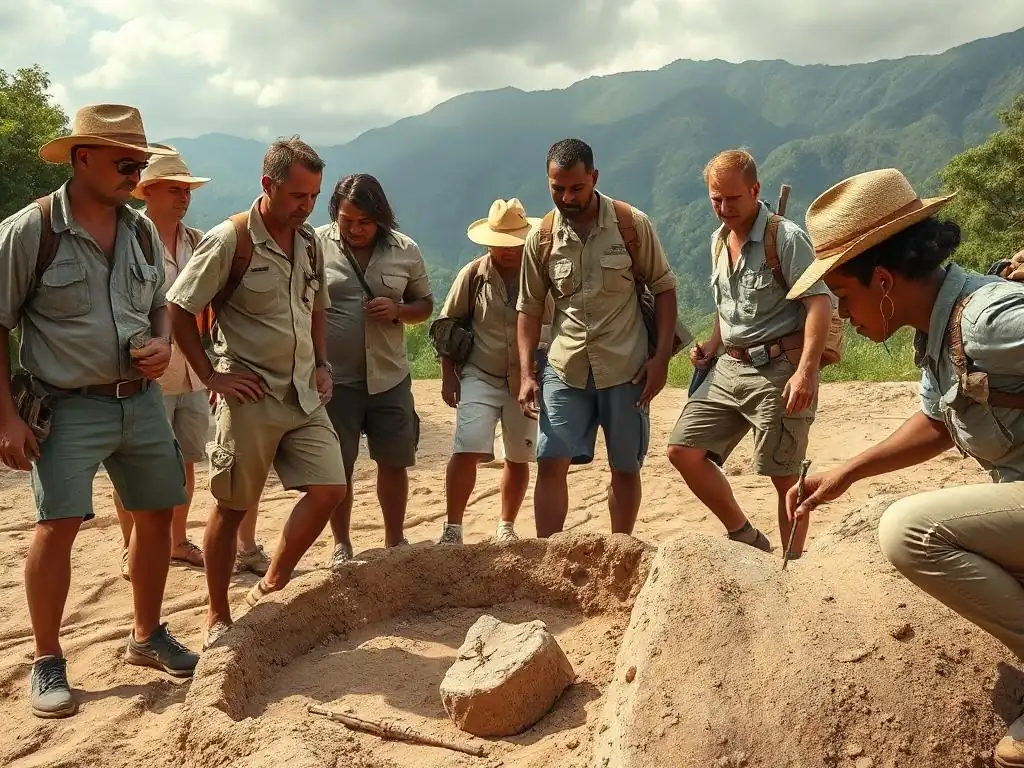
When embarking on archaeological site visits, particularly in regions rich in indigenous history, selecting the right clothing is crucial for comfort and protection. The diverse climates across the Americas require fieldworkers to adapt their clothing choices to maintain optimal performance.
Lightweight, Breathable Fabrics
Opting for lightweight and breathable fabrics is essential, especially during warm months. Materials such as cotton, moisture-wicking polyester, and blends designed for outdoor activities help regulate body temperature and wick away sweat. This is particularly important when working in areas where humidity levels can rise significantly.
Consider the following features when selecting clothing:
- UV Protection: Many outdoor fabrics offer built-in UV protection, which is vital for extended exposure to the sun during site visits.
- Quick-Drying: Look for materials that dry quickly, as unexpected rain or creek crossings can occur. This feature ensures that you remain comfortable and reduces the risk of hypothermia in cooler climates.
- Durability: Fieldwork can be rough on clothing. Select garments reinforced at the seams and resistant to tearing, especially when navigating dense vegetation or rocky terrains.
Additionally, layering is a practical approach to dressing for varied weather conditions. A breathable base layer combined with an insulating mid-layer and a waterproof outer layer allows for adaptability throughout the day.
2. Sturdy Footwear for Uneven Terrain
Choosing the right footwear is as critical as selecting clothing when visiting archaeological sites. The terrain can be unpredictable, encompassing everything from rocky paths to lush underbrush.
Hiking Boots vs. Work Boots
When it comes to footwear, two popular options are hiking boots and work boots, each with its advantages:
- Hiking Boots:
- Support: Designed for long treks, hiking boots provide excellent ankle support, which is essential when traversing uneven ground.
- Traction: They typically feature specialized outsoles that offer superior grip on various surfaces, reducing the risk of slips and falls.
- Water Resistance: Many hiking boots are constructed with water-resistant materials, keeping your feet dry during wet conditions.
- Work Boots:
- Durability: Work boots are built to withstand rugged conditions, making them ideal for heavy-duty fieldwork.
- Protection: They often include steel toes and reinforced materials, providing extra protection against sharp objects and rough terrain.
- Comfort: While generally heavier than hiking boots, many modern work boots come with advanced cushioning and ergonomic designs for long-term comfort.
Ultimately, the choice between hiking boots and work boots will depend on the specific archaeological site conditions and personal comfort preferences. Regardless of the option chosen, ensure the footwear is well-fitted and broken in before embarking on your fieldwork to prevent blisters and discomfort.
By investing in weather-appropriate clothing and sturdy footwear, archaeologists can enhance their fieldwork experience while exploring the rich tapestry of indigenous civilizations across the Americas.
Tech Gear for Archaeological Research
1. GPS and Mapping Tools
Importance of GPS in Archaeological Fieldwork
The integration of GPS (Global Positioning System) technology in archaeological fieldwork has revolutionized the way researchers document and analyze indigenous sites. GPS devices allow archaeologists to obtain precise location data, which is crucial for mapping archaeological features, artifacts, and excavation sites. This technology not only enhances the accuracy of spatial data collection but also facilitates the management of vast landscapes, particularly in regions with dense vegetation or challenging terrain.
In practice, the use of GPS in archaeological research involves:
- Site Location: Pinpointing the exact coordinates of significant features or artifacts, ensuring they can be revisited for future studies.
- Mapping: Creating detailed maps that overlay geographical features with archaeological data, allowing for better analysis of spatial relationships.
- Data Integration: Combining GPS data with GIS (Geographic Information Systems) software to visualize patterns and trends across a given area.
Moreover, the use of handheld GPS units has become more accessible, enabling even small teams to collect and share data efficiently. This has proven to be particularly beneficial in indigenous site research, where understanding spatial context is essential for interpreting cultural significance.
2. Drones for Aerial Surveys
How Drones Enhance Archaeological Research
Drones have emerged as an invaluable tool in the field of archaeology, especially in the exploration of indigenous sites. These unmanned aerial vehicles (UAVs) offer a bird's-eye view of landscapes, allowing archaeologists to identify features that may not be visible from the ground. The ability to capture high-resolution imagery and generate 3D models significantly enhances the understanding of site layout and structure.
Key advantages of using drones in archaeological research include:
- Rapid Data Collection: Drones can cover large areas quickly, capturing extensive data in a fraction of the time it would take on foot.
- Non-Intrusive Surveys: Aerial surveys minimize ground disturbance, preserving the integrity of sensitive archaeological sites.
- Detailed Visualization: The imagery captured can reveal patterns in the landscape, such as ancient roads, settlement layouts, and agricultural terraces, providing insights into indigenous lifestyles.
Drones also enable archaeologists to conduct post-survey analyses using photogrammetry and other techniques, which can produce highly detailed topographical maps. This capability is particularly useful for understanding the spatial organization of indigenous communities and their interactions with the environment.
Both GPS and drones represent essential archaeological gear for indigenous sites, enabling researchers to gather accurate data and insights that contribute to a deeper understanding of pre-colonial cultures in the Americas.
Special Considerations for Indigenous Sites
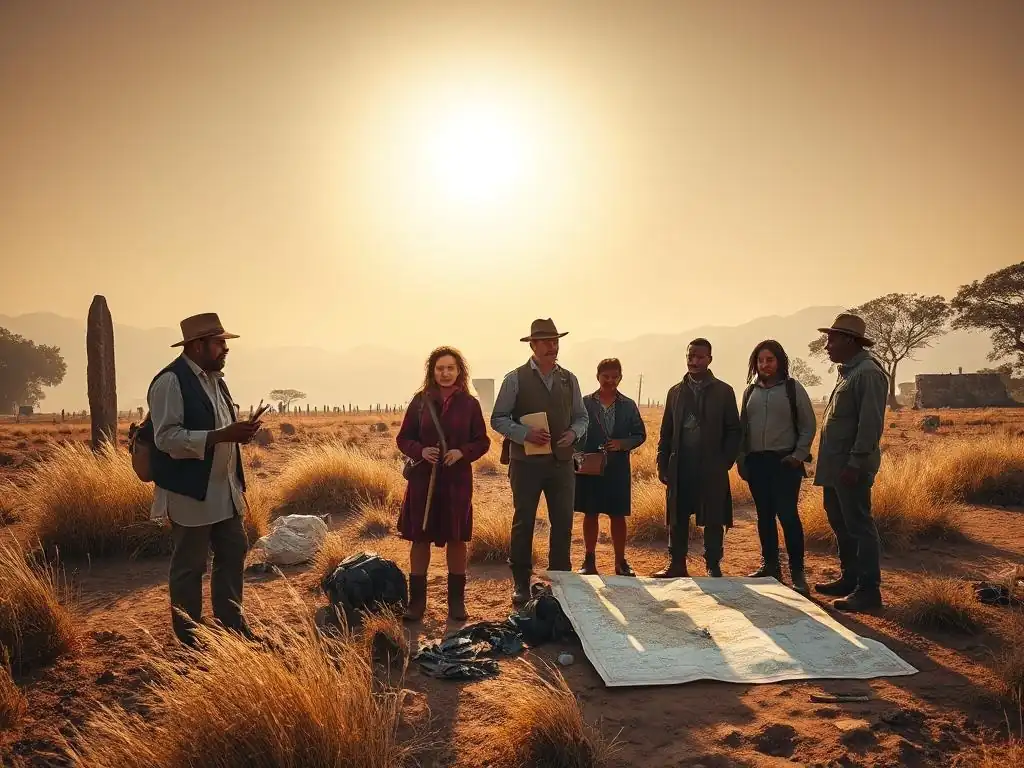
Ethical Practices in Archaeology
When engaging with archaeological sites of indigenous cultures, it is imperative to adhere to ethical practices that respect the heritage and traditions of these communities. Archaeologists must recognize that these sites are not merely remnants of the past; they are vital to the identity, spirituality, and cultural continuity of indigenous peoples. Here are some key ethical considerations:
- Informed Consent: Always seek informed consent from the local indigenous communities before beginning any archaeological work. This process involves clear communication about the project’s goals, methods, and potential impacts on the site.
- Respect for Sacred Sites: Many archaeological locations hold sacred significance for indigenous groups. Understanding and respecting these beliefs is crucial. For instance, sites may be considered ancestral burial grounds or places of spiritual practice, and any disturbance can lead to profound cultural loss.
- Transparency in Findings: Archaeologists should commit to sharing findings with indigenous communities. This transparency fosters collaboration and ensures that indigenous voices are included in the narrative of their own history.
- Culturally Sensitive Methods: Employ methods that align with the cultural practices of the indigenous communities involved. This may include specific excavation techniques or approaches to documenting artifacts.
- Long-term Stewardship: Consider the long-term implications of archaeological work. Engaging in practices that promote preservation and sustainability is essential for protecting the cultural heritage of indigenous sites for future generations.
Collaborating with Indigenous Communities
Collaboration with indigenous communities is not just an ethical obligation; it enriches archaeological research and contributes to a more holistic understanding of the sites. Here are some effective strategies for fostering collaboration:
- Building Relationships: Establishing trust and rapport with indigenous communities is foundational. This can be achieved through consistent communication, participation in community events, and showing genuine interest in their culture and history.
- Participatory Research: Involve indigenous community members in the research process. Their knowledge and perspectives can provide invaluable insights that enhance the archaeological narrative. For example, indigenous oral histories can offer context that complements archaeological evidence.
- Capacity Building: Support capacity-building initiatives by providing training and resources to indigenous community members interested in archaeology. This empowerment allows communities to engage actively in the preservation of their heritage.
- Joint Ownership of Results: Create agreements that outline how research findings will be shared and utilized. This approach ensures that indigenous communities have a say in how their heritage is represented and respected.
- Cultural Heritage Programs: Collaborate on cultural heritage programs that promote the significance of indigenous sites. This can include educational outreach, workshops, and public presentations that involve both archaeologists and community members.
Working in indigenous sites demands a respectful and collaborative approach. By implementing ethical practices and fostering strong partnerships with indigenous communities, archaeological research can contribute positively to the understanding and preservation of their rich cultural heritage.
Conclusion: Equipping for Success in Archaeological Fieldwork
When venturing into the depths of indigenous sites, the right archaeological gear is not just a luxury; it is an essential component that can significantly enhance the experience and effectiveness of fieldwork. Understanding the unique requirements of these sites is critical, as they often encompass a diverse array of environments—from arid deserts to lush forests, each presenting specific challenges and opportunities.
Key Considerations for Choosing Gear
- Cultural Sensitivity:
- Respect the cultural significance of the sites.
- Use gear that minimizes impact on the landscape and artifacts.
- Environmental Adaptability:
- Select gear suited for varying weather conditions.
- Waterproof bags and breathable clothing can be vital in unpredictable climates.
- Durability and Functionality:
- Prioritize high-quality materials that withstand rugged use.
- Multi-functional tools can save space and enhance efficiency.
- Safety and Comfort:
- Proper footwear and protective clothing are essential for long hours in the field.
- Consider first-aid kits and emergency supplies as part of your essential gear.
- Documentation Tools:
- Equip yourself with sturdy notebooks, cameras, and portable technology for recording findings.
- Consider digital tools for mapping and data collection, ensuring you can capture the full scope of your research.
By thoughtfully selecting your archaeological gear for indigenous sites, you not only prepare yourself for the physical demands of fieldwork but also show respect and appreciation for the rich histories and cultures you are studying. Each piece of equipment plays a role in uncovering the stories of the past, making your explorations both rewarding and responsible.
Call to Action
Ready to dive into your next archaeological adventure? Equip yourself with the best archaeological gear for indigenous sites to ensure a successful fieldwork experience. Explore our comprehensive guides and curated lists of essential gear tailored specifically for archaeological endeavors. Embrace the journey of discovery while honoring the legacies of indigenous cultures across the Americas. Happy exploring!
Frequently Asked Questions
What is the focus of the article "Fieldwork Essentials: The Best Gear for Archaeological Site Visits"?
The article emphasizes essential gear needed for conducting archaeological visits to indigenous sites, ensuring the safety and effectiveness of the fieldwork.
Why is archaeological gear important for indigenous sites?
Having the right archaeological gear is crucial for protecting the integrity of indigenous sites while enabling researchers to conduct thorough excavations and analysis without causing damage.
What types of gear are recommended for fieldwork in indigenous civilizations?
The article suggests items like durable boots, field notebooks, GPS devices, and excavation tools to enhance the efficiency and safety of fieldwork at indigenous sites.
How does proper gear contribute to the study of indigenous cultures?
Using the appropriate gear allows archaeologists to gather accurate data, which is vital for understanding the achievements and societal structures of indigenous cultures.
Where can I find the best archaeological gear for visiting indigenous sites?
The article provides links and recommendations for purchasing high-quality archaeological gear, ensuring that researchers are well-equipped for their fieldwork in indigenous areas.
Final Reflection: Embracing the Past with the Right Gear
In the realm of archaeology, the right gear is not just a matter of convenience; it is a vital tool for preserving and understanding our shared history. As we delve into indigenous sites, the importance of appropriate equipment becomes even more pronounced, allowing us to respect and honor the cultures we study. The insights shared in this article underscore the necessity of being well-prepared, ensuring that each excavation contributes meaningfully to our collective narrative.
The impact of archaeological gear extends beyond mere functionality; it shapes the way we engage with the cultural and social landscapes of indigenous communities. By equipping ourselves with the right tools, we not only enhance our fieldwork but also foster a deeper connection to the histories we uncover. As we navigate these sacred spaces, we must remember the words of renowned archaeologist David Hurst Thomas: Archaeology is not just about the past; it is a bridge to understanding the present.
This perspective invites us to reflect on our role as stewards of history, emphasizing the responsibility that comes with our work.
As you embark on your own archaeological adventures, I encourage you to consider how the gear you choose can influence not only your findings but also your relationship with the sites you visit. Take a moment to reflect on the significance of your work and how you can contribute to a respectful and informed exploration of indigenous heritage. Let this article inspire you to approach your fieldwork with intention, ensuring that every tool you carry serves to honor the stories waiting to be told.
Equip Yourself for Adventure: Take Action Today!
Thank you for diving into our guide on essential gear for archaeological site visits! We hope you’ve gained valuable insights to enhance your fieldwork experience and appreciate the rich history of Indigenous civilizations. Now, it’s time to put this knowledge into action!
Here are some practical steps you can take:
- Invest in the right equipment: Research and purchase at least one key item from our list that you need for your next field visit, such as a sturdy backpack or specialized excavation tools.
- Join a local archaeological group: Connect with fellow enthusiasts who can share experiences, provide tips, and help organize upcoming site visits.
- Share your adventures: Capture and post your experiences on social media or a blog, emphasizing the importance of preserving and understanding Indigenous cultures.
What will you choose to enhance your archaeological journey and deepen your connection to these remarkable civilizations? Let’s discuss!