
Understanding Indigenous Resource Management: Techniques and Traditions

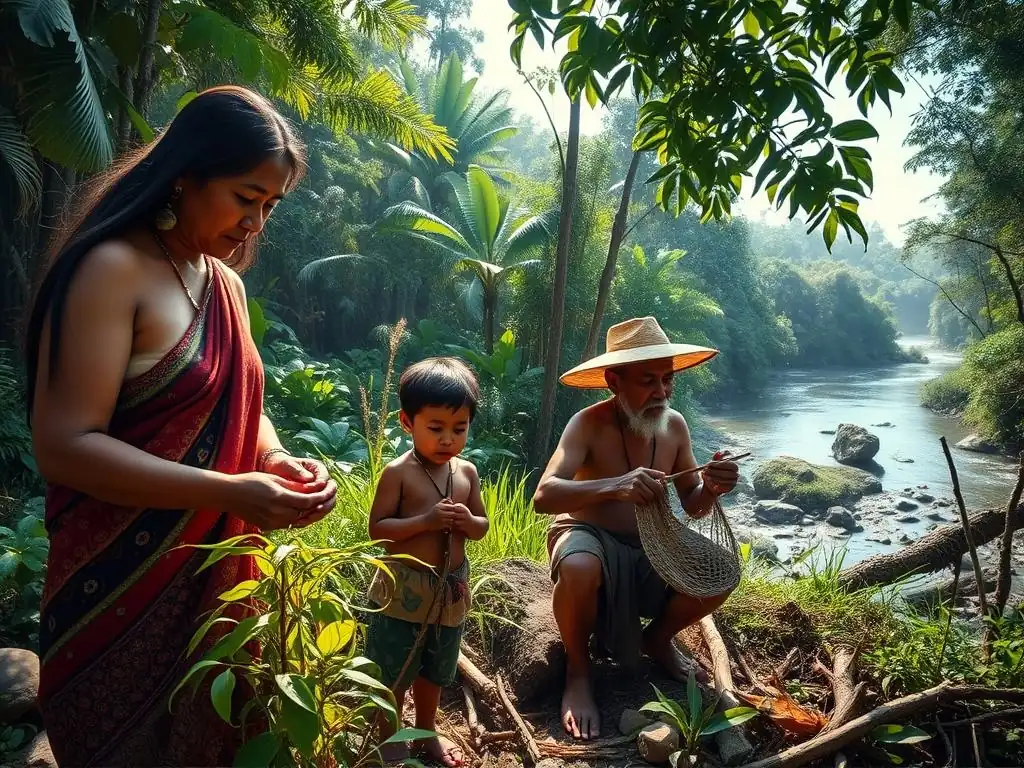
Welcome to Indigenous Civilizations of the Americas, where we invite you to embark on a fascinating journey through the rich tapestry of indigenous cultures that once flourished across this vast continent. In our featured article, "Understanding Indigenous Resource Management: Techniques and Traditions," we delve into the innovative practices that these societies employed to harmonize with their environments.
From intricate agricultural methods to sustainable hunting practices, discover how these ancient techniques continue to inspire contemporary approaches to resource management. Prepare to be captivated by the wisdom and resilience of these civilizations, and let your curiosity guide you deeper into their remarkable legacies.
Introduction to Indigenous Resource Management
Indigenous resource management refers to the diverse and sophisticated practices developed by indigenous societies across the Americas to sustainably utilize and conserve their natural resources. These techniques, rooted in deep cultural traditions and extensive knowledge of local ecosystems, have been refined over centuries. They encompass a wide array of practices, from agriculture and fishing to forestry and land stewardship. This article will delve into the various indigenous resource management techniques that have not only supported indigenous communities but also contributed to the resilience and health of ecosystems.
Definition of Indigenous Resource Management
Indigenous resource management can be defined as the methods and practices employed by indigenous peoples to manage their natural resources, guided by their cultural beliefs, traditions, and knowledge systems. These practices include:
- Sustainable agriculture: Techniques such as crop rotation, companion planting, and agroforestry.
- Water management: Traditional irrigation systems and water conservation strategies.
- Wildlife management: Practices to ensure the sustainable use of animal populations and habitats.
- Fire management: Controlled burns to promote healthy ecosystems and reduce wildfire risks.
By integrating ecological knowledge with cultural values, indigenous resource management techniques provide insights into sustainable living that can inform contemporary environmental practices.
Importance of Indigenous Resource Management Techniques
The importance of indigenous resource management techniques lies in their ability to promote ecological balance, enhance biodiversity, and support the well-being of indigenous communities. Key points include:
- Sustainability: Indigenous practices often emphasize long-term ecological health, ensuring that resources are available for future generations.
- Cultural preservation: These techniques are closely tied to cultural identity and heritage, playing a crucial role in maintaining traditional ways of life.
- Resilience to climate change: Indigenous resource management strategies can enhance community resilience against environmental changes and disasters.
Historical Context of Indigenous Resource Management
Understanding the historical context of indigenous resource management provides valuable insights into the development of these techniques and their relevance today.
Overview of Indigenous Cultures in the Americas
The Americas were home to a rich tapestry of indigenous cultures, each with unique ways of interacting with their environment. From the agricultural practices of the Maya in Mesoamerica to the nomadic hunting strategies of the Plains tribes, these cultures developed diverse resource management techniques tailored to their specific ecological contexts. The following table provides an overview of a few notable indigenous groups and their primary resource management practices:
| Indigenous Group | Primary Resource Management Techniques |
|---|---|
| Maya | Terrace farming, slash-and-burn agriculture |
| Haudenosaunee (Iroquois) | The Three Sisters planting method (corn, beans, squash) |
| Inuit | Sustainable hunting and fishing techniques |
| Navajo | Dryland farming, water conservation practices |
Historical Practices in Resource Management
Historically, indigenous peoples employed a variety of innovative practices to manage their resources effectively. Some notable examples include:
- Agroecology: Indigenous farmers utilized polyculture systems that fostered healthy soils and minimized pest outbreaks.
- Seasonal migration: Many groups practiced seasonal movement to allow ecosystems to recover and sustain wildlife populations.
- Cultural burning: Fire was used not only as a tool for hunting but also to manage landscapes and promote desirable plant growth.
These historical practices underline the depth of knowledge that indigenous cultures have developed over millennia, emphasizing their role as stewards of the land. Understanding these techniques is essential for appreciating the contributions of indigenous peoples to sustainable resource management today.
Key Indigenous Resource Management Techniques
Indigenous resource management techniques are diverse and deeply rooted in the ecological knowledge accumulated over generations. These methods emphasize sustainability and a profound connection to the environment, often integrating cultural practices with scientific understanding. Below are some key techniques widely practiced among various indigenous communities across the Americas.
Traditional Ecological Knowledge (TEK)
Traditional Ecological Knowledge (TEK) refers to the cumulative body of knowledge, practices, and beliefs developed by indigenous peoples through their long-term interactions with the environment. TEK encompasses an understanding of local ecosystems, wildlife behavior, seasonal changes, and sustainable practices, all of which contribute to effective resource management.
For instance, many indigenous tribes utilize TEK to predict weather patterns and understand the migration of animals. This knowledge informs decisions about when to plant crops, harvest resources, and manage wildlife populations. By incorporating TEK into modern resource management practices, indigenous communities can enhance biodiversity and promote ecological resilience.
Sustainable Hunting and Fishing Practices
Sustainable hunting and fishing practices are fundamental to many indigenous cultures, ensuring that these activities do not deplete local populations and ecosystems. Indigenous methods often include specific seasonal restrictions, limits on the number of animals or fish that can be caught, and rituals that honor the animals' spirits.
For example, the Inuit people in the Arctic have developed intricate hunting techniques that include the use of traditional tools and methods. They adhere to strict guidelines regarding the hunting of seals and whales, allowing populations to recover and thrive. Similarly, many indigenous fishing practices emphasize the importance of maintaining fish habitats, such as using fish weirs that allow juvenile fish to escape while capturing adults.
Crop Rotation and Companion Planting
Crop rotation and companion planting are agricultural techniques used by indigenous peoples to enhance soil fertility, control pests, and ensure sustainable food production. These methods promote biodiversity and reduce the need for synthetic fertilizers and pesticides.
An illustrative example is the Three Sisters planting method practiced by various Native American tribes. This technique involves planting corn, beans, and squash together. Corn provides a structure for beans to climb, beans enrich the soil with nitrogen, and squash spreads out to block sunlight, reducing weeds. This synergistic approach not only maximizes yield but also fosters a balanced ecosystem.
Water Management Systems
Water management is crucial for sustaining agriculture and natural resources, particularly in regions prone to drought or flooding. Indigenous peoples have developed sophisticated water management systems tailored to their specific environments.
For instance, the Hohokam people of the American Southwest engineered an extensive network of irrigation canals to divert river water for their crops. Similarly, the indigenous peoples of the Amazon rainforest utilize techniques such as floodplain farming, where they plant during the high-water season and harvest as the waters recede. These systems reflect a deep understanding of hydrology and the importance of water conservation.
Cultural Significance of Resource Management
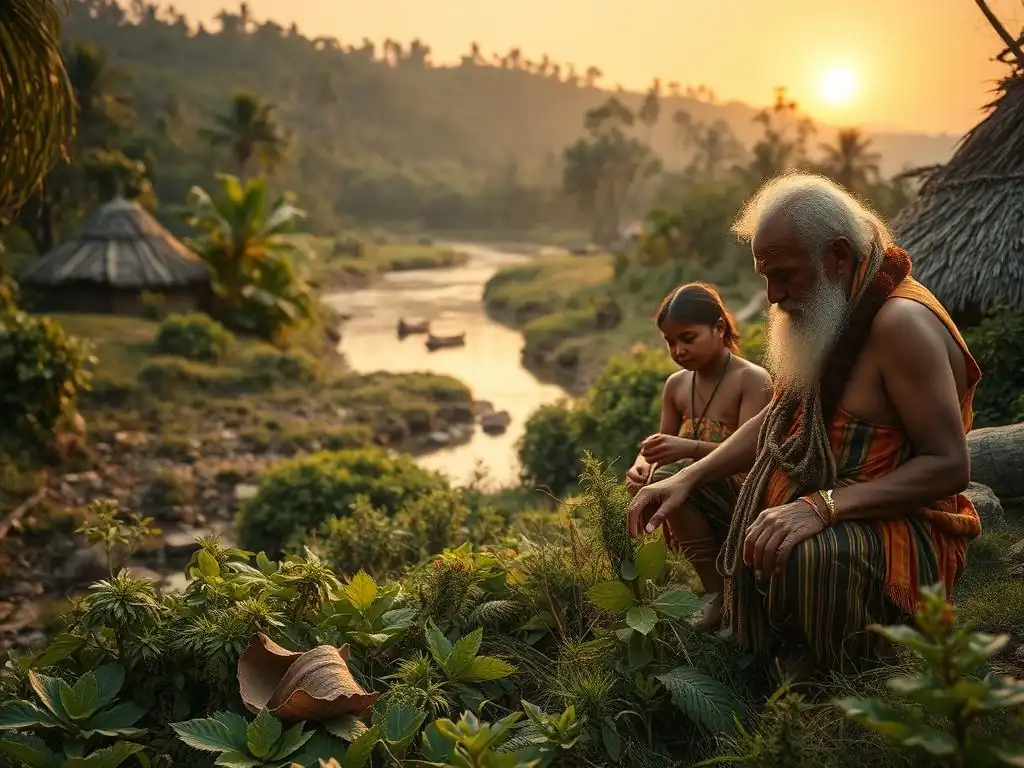
Indigenous resource management techniques are not only practical but also carry significant cultural meanings. They embody the values, beliefs, and traditions that shape the identity of indigenous communities.
Spiritual Connections to Nature
Many indigenous cultures view nature as a living entity and hold deep spiritual connections to the land and its resources. This perspective fosters a sense of stewardship, where the management of resources is seen as a way to honor and respect the natural world.
For example, the Lakota people of North America engage in ceremonies that express gratitude to the Earth for its resources. These rituals reinforce the belief that humans are part of a larger ecological community and that responsible resource management is essential for maintaining balance and harmony.
Community Involvement in Resource Management
Resource management within indigenous communities often involves collective decision-making processes that include input from all members, emphasizing the importance of community ties. This collective approach ensures that resource management practices reflect the needs and values of the entire community.
For instance, many tribes hold regular meetings to discuss fishing quotas, hunting territories, and land use, fostering a sense of ownership and responsibility among community members. This collaborative model not only supports sustainable practices but also strengthens social cohesion and cultural identity.
Intergenerational Knowledge Transfer
The transmission of knowledge about resource management practices is primarily passed down through generations. Elders play a crucial role in mentoring younger community members, sharing traditional practices, stories, and ecological insights that are vital for sustainable living.
This intergenerational knowledge transfer ensures that valuable techniques are preserved and adapted to changing environmental conditions. It also reinforces cultural identity and instills a sense of responsibility towards the land and resources among the youth, fostering a culture of stewardship that is fundamental to indigenous societies.
Regional Variations in Indigenous Resource Management Techniques
Indigenous resource management techniques vary significantly across the Americas, shaped by regional ecosystems, cultural practices, and historical contexts. Each region has developed unique methodologies that reflect the relationship between the indigenous peoples and their environments. Understanding these regional variations provides insight into how diverse communities sustainably manage their resources, ensuring their survival and cultural integrity over centuries.
North American Indigenous Practices
In North America, various indigenous groups have developed resource management techniques that are closely tied to the natural environment. For instance, many tribes relied on seasonal migration patterns to optimize their use of resources, such as game animals and wild plants. The use of controlled burns is a well-documented practice among tribes like the Plains Sioux and the California tribes. These burns not only promote new growth for grazing but also help manage pests and maintain biodiversity.
The Haudenosaunee Confederacy, known for their sophisticated agricultural practices, implemented a system called the “Three Sisters,” which involves planting corn, beans, and squash together. This companion planting technique not only maximizes yield but also enhances soil fertility and reduces weeds, showcasing a deep understanding of ecological relationships. Additionally, resource stewardship is evident in their communal decision-making processes, reflecting a collective responsibility for land management.
Central American Indigenous Practices
Central American indigenous cultures, such as the Maya and the Olmec, developed advanced agricultural techniques that adapted to their tropical environments. The Maya utilized a method called "slash-and-burn" or swidden agriculture, where forests were cleared, burned, and cultivated for several years before being left fallow to regenerate. This practice allowed them to maintain soil fertility and support their large populations.
Terracing is another critical technique employed by these cultures, particularly in mountainous regions. The construction of terraces on slopes minimizes soil erosion and maximizes arable land, allowing communities to cultivate crops like maize and beans effectively. Moreover, the Mayan civilization is renowned for its sophisticated water management systems, including aqueducts and reservoirs, which ensured a reliable water supply during dry seasons and supported their agricultural practices.
South American Indigenous Practices
In South America, indigenous resource management techniques are deeply influenced by the diverse landscapes, from the Amazon rainforest to the Andes mountains. The Quechua people, for example, have developed intricate irrigation systems that harness mountain streams for agriculture in the high-altitude regions. These systems are often complemented by crop rotation and the cultivation of diverse crops adapted to varying climatic conditions.
In the Amazon, the concept of “agroforestry” is prevalent. Indigenous groups such as the Yanomami practice mixed cropping, integrating fruit, nuts, and medicinal plants within their agricultural systems. This not only sustains their diet but also preserves biodiversity by maintaining the forest ecosystem. The use of fish ponds and managed forest gardens reflects a profound understanding of ecological balance and resource sustainability.
Case Studies of Effective Indigenous Resource Management
Examining specific case studies of indigenous resource management provides a clearer understanding of how these techniques have been successfully implemented over time.
Example 1: The Haudenosaunee Confederacy and Their Agricultural Techniques
The Haudenosaunee Confederacy, comprising six nations, has long been recognized for its sustainable agricultural practices. The "Three Sisters" farming technique exemplifies their holistic approach to agriculture. Corn provides a natural support for the climbing beans, while squash spreads across the ground, limiting weed growth and retaining moisture. This intercropping not only enhances productivity but also exemplifies their deep ecological knowledge.
Furthermore, the Haudenosaunee emphasize environmental stewardship through their governance structures, which incorporate principles of sustainability into decision-making processes. Their focus on communal land management ensures that resources are used responsibly and preserved for future generations, demonstrating an effective blend of tradition and ecological awareness.
Example 2: The Quechua People of the Andes and Their Water Management Traditions
The Quechua people of the Andes have developed sophisticated water management techniques that reflect their adaptation to high-altitude environments. Their use of "waru waru" agriculture, which involves raised beds and water channels, allows them to manage irrigation effectively while preventing frost damage in their crops. This method captures and retains water, enhancing soil moisture and fertility.
Additionally, the Quechua employ traditional knowledge passed down through generations to maintain and operate their irrigation systems. Community engagement in water management not only fosters cooperation but also ensures the sustainability of their agricultural practices. These techniques highlight the Quechua's deep connection to their environment and their commitment to preserving their culture while managing resources effectively.
Challenges Facing Indigenous Resource Management Today
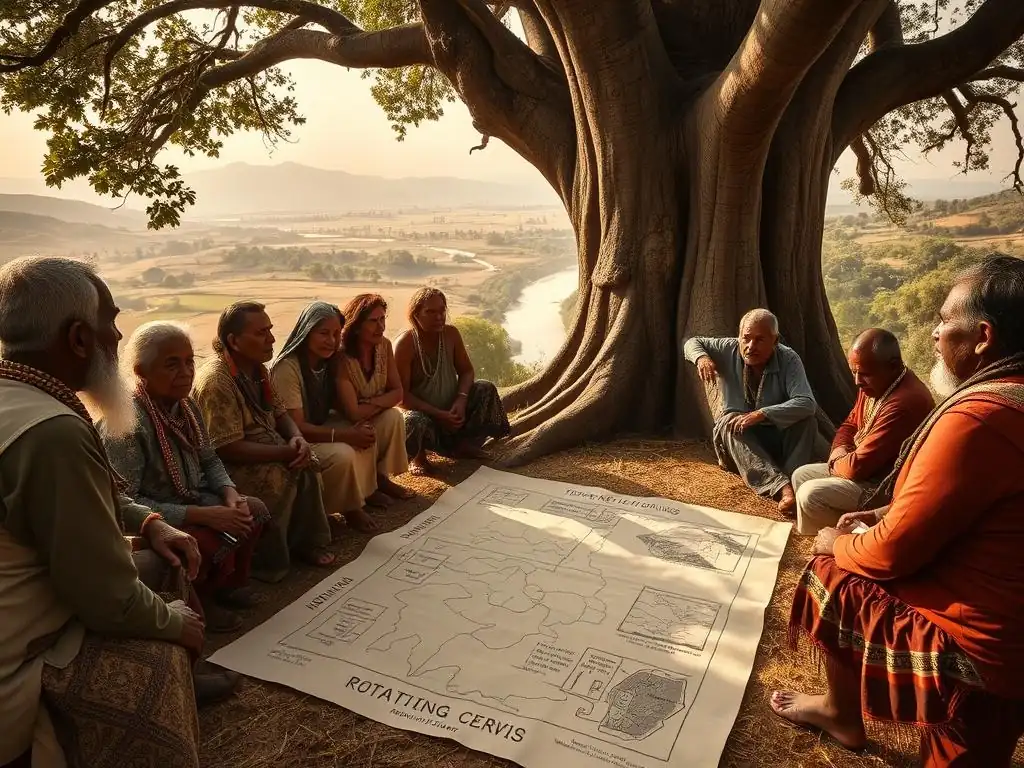
Indigenous resource management techniques have stood the test of time, showcasing the profound knowledge and sustainable practices of indigenous cultures. However, these techniques face numerous challenges today, primarily influenced by historical and contemporary factors. Understanding these challenges is crucial for preserving the wisdom embedded in these practices and ensuring their relevance in modern contexts.
Effects of Colonization and Modernization
The legacy of colonization has had a profound impact on indigenous resource management. European settlers often imposed their land-use practices, disregarding the existing systems that indigenous peoples had developed over millennia. This led to:
- Displacement: Indigenous communities were forcibly removed from their ancestral lands, disrupting their traditional practices and access to vital resources.
- Cultural Erosion: The suppression of indigenous cultures and languages has hindered the transmission of traditional ecological knowledge, making it difficult for younger generations to learn and implement sustainable practices.
- Legal Barriers: Many indigenous groups face legal challenges in asserting their rights to land and resources, which limits their ability to engage in traditional management techniques effectively.
Modernization further complicates these issues. As industrialization expands, indigenous lands are often exploited for agriculture, mining, and urban development, leading to habitat destruction and resource depletion. These pressures not only undermine indigenous practices but also threaten biodiversity and ecosystem health.
Climate Change and Its Impact on Traditional Practices
Climate change poses a significant threat to indigenous resource management techniques. Many indigenous communities rely on predictable seasonal patterns for agriculture, fishing, and hunting. However, climate change disrupts these patterns, resulting in:
- Altered Ecosystems: Changes in temperature and precipitation affect the availability of plants and animals traditionally harvested by indigenous peoples. This can lead to food insecurity and loss of culturally significant species.
- Increased Natural Disasters: More frequent and severe weather events, such as floods and droughts, can destroy infrastructure and traditional farming practices, further jeopardizing food sovereignty.
- Loss of Knowledge: As traditional ecological knowledge is often closely tied to specific environmental conditions, the rapid changes brought by climate change can result in the loss of this knowledge, making it challenging for communities to adapt.
Indigenous communities are at the forefront of experiencing these changes, often serving as critical observers and stewards of the land. Their insights are invaluable in developing adaptive strategies to manage resources sustainably in a changing climate.
The Future of Indigenous Resource Management
Looking ahead, the future of indigenous resource management hinges on the ability to integrate traditional techniques with modern practices while addressing contemporary challenges. By revitalizing indigenous knowledge systems and fostering collaboration, these communities can navigate the complexities of resource management in today's world.
Revitalizing Traditional Techniques in Modern Contexts
Revitalization of traditional resource management techniques involves not only the preservation of knowledge but also its adaptation to contemporary practices. This can be achieved through:
- Education and Training: Developing programs that educate both indigenous youth and non-indigenous communities about traditional practices can help preserve and transmit valuable knowledge. Workshops that emphasize the importance of indigenous perspectives in resource management are essential.
- Cultural Practices: Encouraging the use of traditional ecological practices in modern agriculture and conservation can enhance biodiversity and improve food security. Techniques such as polyculture, crop rotation, and controlled burns can be integrated into modern farming.
- Community Engagement: Empowering local communities to take the lead in resource management decisions fosters ownership and responsibility. This can lead to innovative approaches that respect traditional knowledge while addressing current environmental issues.
Collaborative Approaches to Resource Management
Collaboration between indigenous communities, governmental agencies, and environmental organizations is vital for effective resource management. Such partnerships can facilitate:
- Joint Management Agreements: Establishing co-management frameworks allows indigenous communities to work alongside other stakeholders, ensuring that traditional knowledge informs decision-making processes.
- Policy Advocacy: Collaborating on policy initiatives can help secure legal recognition of indigenous rights and practices, leading to sustainable resource management frameworks that respect traditional knowledge.
- Research Partnerships: Engaging in research that incorporates indigenous knowledge systems alongside scientific methods can yield more holistic and effective resource management strategies, addressing both ecological and cultural needs.
By embracing collaborative approaches, the future of indigenous resource management can be one that honors traditional techniques while addressing contemporary challenges, ensuring the sustainability of both ecosystems and indigenous cultures for generations to come.
Conclusion
Understanding indigenous resource management techniques offers profound insights into the sustainable practices that have been employed by various indigenous cultures throughout the Americas. These techniques are not merely historical relics but are vibrant, living traditions that continue to inform contemporary approaches to environmental stewardship and resource conservation. By studying these methods, we gain valuable perspectives on how to balance human needs with ecological health, a lesson that is increasingly relevant in today’s world facing climate change and environmental degradation.
The resilience of indigenous resource management is evident in its adaptability and community-focused strategies. By recognizing the interconnectedness of all life, indigenous cultures have developed systems that promote biodiversity and sustainability. This holistic approach is a testament to the deep knowledge and respect these cultures hold for the land and its resources.
Summary of Indigenous Resource Management Techniques
Indigenous resource management techniques vary widely across different cultures but share common principles that emphasize sustainability and community involvement. Some key techniques include:
- Agroecology: This involves the integration of traditional agricultural practices with ecological principles, fostering biodiversity and resilience in farming systems.
- Rotational Grazing: Many indigenous groups practice rotational grazing, which allows land to recover and regenerate, promoting healthier ecosystems.
- Controlled Burns: Fire management is a traditional technique used to clear underbrush, promote new growth, and maintain healthy habitats for wildlife.
- Water Management Systems: Indigenous peoples often develop sophisticated irrigation and water conservation techniques that optimize the use of this vital resource.
- Wildlife Management: Sustainable hunting and fishing practices are rooted in respect for animal populations, ensuring that they thrive for future generations.
These techniques highlight a profound understanding of ecological dynamics and a commitment to maintaining the balance between human needs and environmental health.
Final Thoughts on the Importance of Preserving Indigenous Traditions
Preserving indigenous resource management traditions is crucial not only for the cultures themselves but also for the global community. As modern societies grapple with environmental challenges, the lessons learned from indigenous practices can play a pivotal role in informing sustainable resource management strategies.
By valuing and integrating indigenous knowledge systems, we can foster greater resilience in our ecosystems and communities. Supporting indigenous rights and practices is essential for maintaining biodiversity and ensuring food security in a rapidly changing world.
The preservation of these traditions is not just about historical acknowledgment; it is about recognizing the wisdom embedded in these practices and the potential they hold for a sustainable future. As we move forward, it is essential to create spaces for indigenous voices and knowledge, ensuring that the rich tapestry of their resource management techniques continues to thrive and inspire.
- Introduction to Indigenous Resource Management
- Historical Context of Indigenous Resource Management
- Key Indigenous Resource Management Techniques
- Cultural Significance of Resource Management
- Regional Variations in Indigenous Resource Management Techniques
- Case Studies of Effective Indigenous Resource Management
- Challenges Facing Indigenous Resource Management Today
- The Future of Indigenous Resource Management
- Conclusion
Frequently Asked Questions
What are indigenous resource management techniques?
Indigenous resource management techniques are traditional practices employed by native cultures to sustainably manage their natural resources. These techniques are often based on a deep understanding of local ecosystems.
How did indigenous cultures approach land stewardship?
Indigenous cultures practiced holistic land stewardship, emphasizing the balance between human needs and environmental health. They utilized crop rotation, burning practices, and seasonal migrations to maintain ecosystem health.
What role did community play in resource management?
Community was central to indigenous resource management; practices were often collectively decided upon and shared. This ensured that resources were managed sustainably and that all members had access to vital resources.
Can indigenous resource management techniques be applied today?
Yes, many of these ancient techniques can be applied to modern resource management. They offer valuable insights into sustainability and environmental responsibility amidst contemporary challenges like climate change.
How did indigenous peoples ensure the sustainability of their resources?
Indigenous peoples ensured sustainability through methods such as integrated farming, wildlife management, and water conservation techniques. These practices were rooted in a cultural respect for nature and an understanding of ecological limits.
Final Reflection: Embracing Indigenous Wisdom for Sustainable Futures
Understanding Indigenous resource management techniques is not just an academic pursuit; it is a vital necessity in today's world. As we grapple with environmental crises and the degradation of our natural resources, the wisdom embedded in Indigenous practices offers a roadmap toward sustainability and resilience. The integration of these time-honored techniques into contemporary resource management strategies is not merely beneficial; it is imperative for the health of our planet and future generations.
The influence of Indigenous resource management techniques extends far beyond their immediate applications; they challenge us to rethink our relationship with nature. By recognizing the interconnectedness of ecosystems and the importance of stewardship, we can foster a more harmonious existence with our environment. As noted by Indigenous scholar Robin Wall Kimmerer, The land is not a resource for us; it is our home, and we are its caretakers.
This perspective invites us to reflect on our roles as custodians of the Earth, urging us to adopt practices that honor the wisdom of those who have long understood the delicate balance of nature.
As we move forward, I encourage you to reflect on how you can incorporate the lessons learned from Indigenous resource management into your own life. Consider how you can advocate for these techniques in your community, support Indigenous voices, and adopt sustainable practices that honor the Earth. Together, we can create a future that respects and integrates the invaluable knowledge of Indigenous peoples, fostering a world where both nature and humanity thrive in harmony.
Embrace Indigenous Wisdom: Take Action Today!
Thank you for dedicating your time to explore the rich traditions of Indigenous resource management. We hope you’ve gained valuable insights into the sustainable practices that have supported communities for generations. Now, it’s time to put that knowledge into action!
Here are some practical steps you can take:
- Engage with Local Indigenous Communities: Reach out to Indigenous groups in your area and learn about their resource management techniques firsthand. Attend workshops or cultural events to deepen your understanding.
- Advocate for Indigenous Rights: Use your voice to support policies that protect Indigenous lands and resources. Share information on social media or write to your local representatives about the importance of these initiatives.
- Explore Indigenous Practices: Research and implement sustainable practices in your own life. Consider how traditional ecological knowledge can inform your approach to gardening, foraging, or managing resources within your community.
How can you incorporate Indigenous knowledge into your daily life or community activities? We encourage you to share your thoughts and experiences below!