
Myth and Legend: The Narratives Captured in Toltec Art

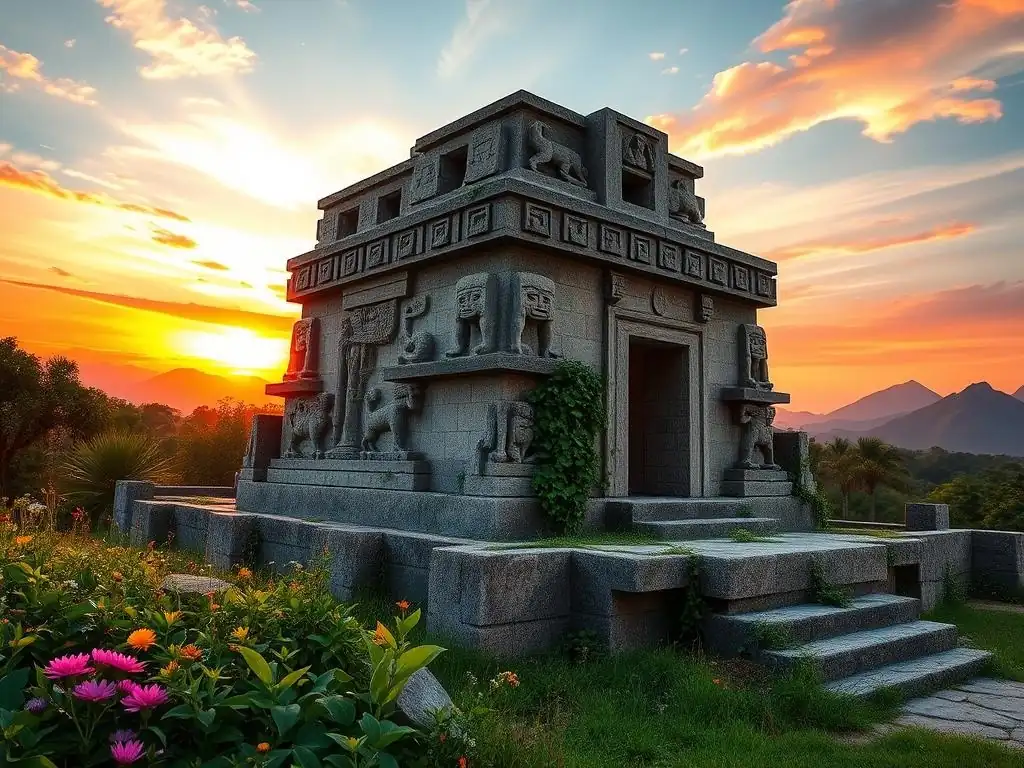
Welcome to Indigenous Civilizations of the Americas, where we invite you to embark on a fascinating journey through the rich tapestry of indigenous cultures that flourished long before European colonization. Our exploration begins with Toltec art and mythology, a captivating lens through which we can uncover the profound narratives and artistic achievements of the Toltec civilization. What stories lie hidden within their intricate designs and powerful symbols? Join us as we delve deeper into the myth and legend that shaped their world, igniting your curiosity to discover the enduring legacy of these remarkable societies.
- Introduction to Toltec Art and Mythology
- Myth vs. Legend: Understanding the Distinction
- Key Themes in Toltec Art and Mythology
- Famous Toltec Artifacts and Their Legends
- The Influence of Toltec Myths on Art
- Contemporary Interpretations of Toltec Art and Mythology
- Conclusion: The Enduring Legacy of Toltec Art and Mythology
- References and Further Reading
- Frequently Asked Questions
- Final Reflection: The Enduring Legacy of Toltec Art and Mythology
- Unveil the Richness of Toltec Narratives!
Introduction to Toltec Art and Mythology
The Toltec civilization, renowned for its rich cultural legacy, offers a fascinating glimpse into the world of indigenous artistry and storytelling. In this article, we will delve into Toltec art and mythology, exploring how the artistic expressions of the Toltecs not only reflected their beliefs and social structures but also served as powerful narratives that shaped their identity. The intricate designs, symbolic motifs, and vibrant imagery found in Toltec art are not mere decorations; they are windows into a world steeped in myth and legend, capturing the essence of a society that thrived long before European contact.
By examining the interplay between art and mythology, we will uncover the profound significance of these narratives within the Toltec culture, revealing how they influenced their worldview and continue to resonate in contemporary discussions of indigenous heritage.
Overview of Toltec Civilization
The Toltec civilization emerged around the 10th century CE, primarily in central Mexico, and is often considered a cultural predecessor to the Aztec Empire. Centered in the ancient city of Tula, the Toltecs are celebrated for their architectural innovations, advanced agricultural practices, and complex societal structures. Their influence extended across Mesoamerica, impacting neighboring cultures through trade, warfare, and cultural exchange.
Key characteristics of the Toltec civilization include:
- Political Structure: The Toltecs had a hierarchical society led by a ruling elite, with a focus on military prowess and territorial expansion.
- Religion: Their belief system was rich with gods and deities, emphasizing duality and the cyclical nature of life. Quetzalcoatl, the feathered serpent, was among the most revered figures.
- Artistic Expression: Toltec art is characterized by its grand sculptures, intricate carvings, and vibrant murals, each imbued with symbolic meaning that often reflected their mythology.
Understanding the Toltec civilization provides essential context for their art, illustrating how these narratives are deeply intertwined with their historical and cultural identity.
Importance of Art in Toltec Culture
Art in Toltec culture served multiple purposes, transcending mere aesthetics to encompass religious, political, and social dimensions. It was a medium through which the Toltecs communicated their values, beliefs, and histories.
Functions of Toltec Art:
- Religious Significance: Art was integral to religious practices, often depicting deities, rituals, and cosmological themes. Temples and sculptures were crafted to honor gods and facilitate communication with the divine.
- Cultural Identity: Through artistic expression, the Toltecs reinforced their cultural identity, showcasing their achievements and values. Symbols and motifs became markers of Toltec heritage, passing down stories from generation to generation.
- Political Power: Artistic representations were used to legitimize power and authority. Monumental sculptures and grand architecture conveyed the might of rulers and the importance of the state.
In sum, Toltec art was not only a reflection of their mythology but also a vital component of their societal framework, influencing how they viewed the world and their place within it. Understanding this importance enriches our appreciation of Toltec art and mythology, revealing the depth of their cultural legacy.
Myth vs. Legend: Understanding the Distinction
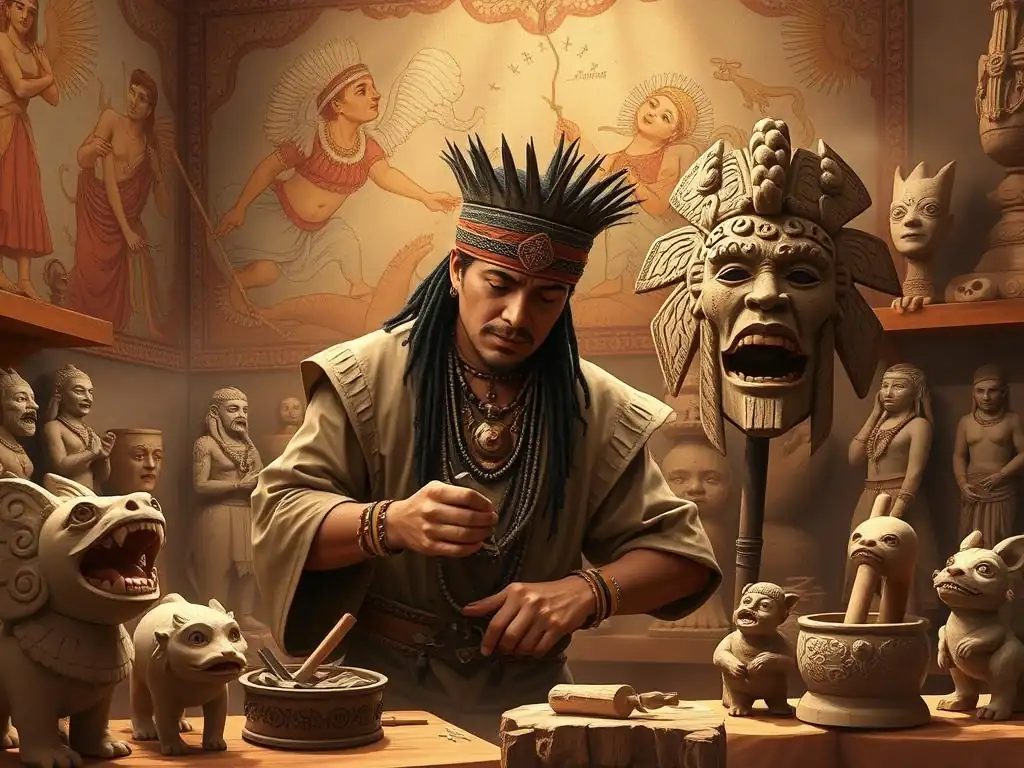
In the context of Toltec art and mythology, distinguishing between myths and legends is crucial to fully appreciate the narratives depicted in their artistic expressions. While both forms of storytelling serve to convey cultural values and knowledge, they differ in their characteristics and functions within the society.
Definitions of Myth and Legend
Myth is generally understood as a traditional story that explains the natural or social world, often involving supernatural beings or forces. Myths serve to convey moral lessons, cosmological insights, and cultural truths. For example, in Toltec mythology, the creation myth involving the god Quetzalcoatl illustrates the origins of humanity and the universe, reflecting the people's connection to the divine and the natural world.
Conversely, a legend refers to a narrative that is rooted in historical events or figures but is often embellished over time. Legends may include elements of truth but are not strictly bound to factual accuracy. They often serve to reinforce cultural identity and communal values. An example of a Toltec legend might be the tales surrounding the heroic figures like Tezcatlipoca, whose actions are dramatized to convey moral implications and societal ideals.
To further clarify the distinctions, consider the following table:
| Aspect | Myth | Legend |
|---|---|---|
| Purpose | Explain natural phenomena or cultural truths | Reinforce historical events or figures |
| Characters | Supernatural beings and gods | Historical or semi-historical figures |
| Cultural Role | Establish moral codes and cosmology | Build community identity and values |
| Factual Basis | Often not based on historical facts | Rooted in historical events, though embellished |
Role of Myths and Legends in Indigenous Cultures
Myths and legends play an essential role in the fabric of indigenous cultures, including the Toltec civilization. They are not merely stories; they serve as a means of transmitting knowledge, preserving history, and shaping the collective identity of the people.
-
Cultural Preservation
Myths and legends are vital in preserving the cultural heritage of the Toltecs. They encapsulate the beliefs, practices, and worldview of the society, ensuring that crucial aspects of their identity are passed down through generations. For instance, the story of Quetzalcoatl not only highlights the significance of the god within the pantheon but also reflects the agricultural practices and the reverence for nature that the Toltecs held.
-
Moral and Ethical Instruction
Many Toltec myths carry moral lessons that instruct individuals on how to live harmoniously within their community and with the environment. These narratives often illustrate the consequences of actions, guiding societal behavior and reinforcing ethical standards.
-
Social Cohesion and Identity
Legends foster a sense of belonging and unity among the members of the Toltec civilization. By sharing these stories, communities reinforce their shared identity and values, creating a collective memory that strengthens social bonds. The retelling of heroic legends, such as those of great leaders or warriors, serves to inspire and motivate present and future generations.
-
Artistic Expression
The narratives encapsulated in myths and legends are vividly represented in Toltec art, contributing to its rich symbolic language. Artworks often depict scenes from these stories, serving as a visual reinforcement of the cultural significance of the narratives. For example, the intricate carvings and murals found in Toltec ruins reflect mythological themes that resonate deeply with the people’s values and beliefs.
Understanding the distinction between myth and legend is vital for comprehending the narratives captured in Toltec art. These stories serve not only as cultural touchstones but also as vehicles for teaching, preserving history, and fostering community identity within the Toltec civilization.
Key Themes in Toltec Art and Mythology
The Representation of Deities in Toltec Art
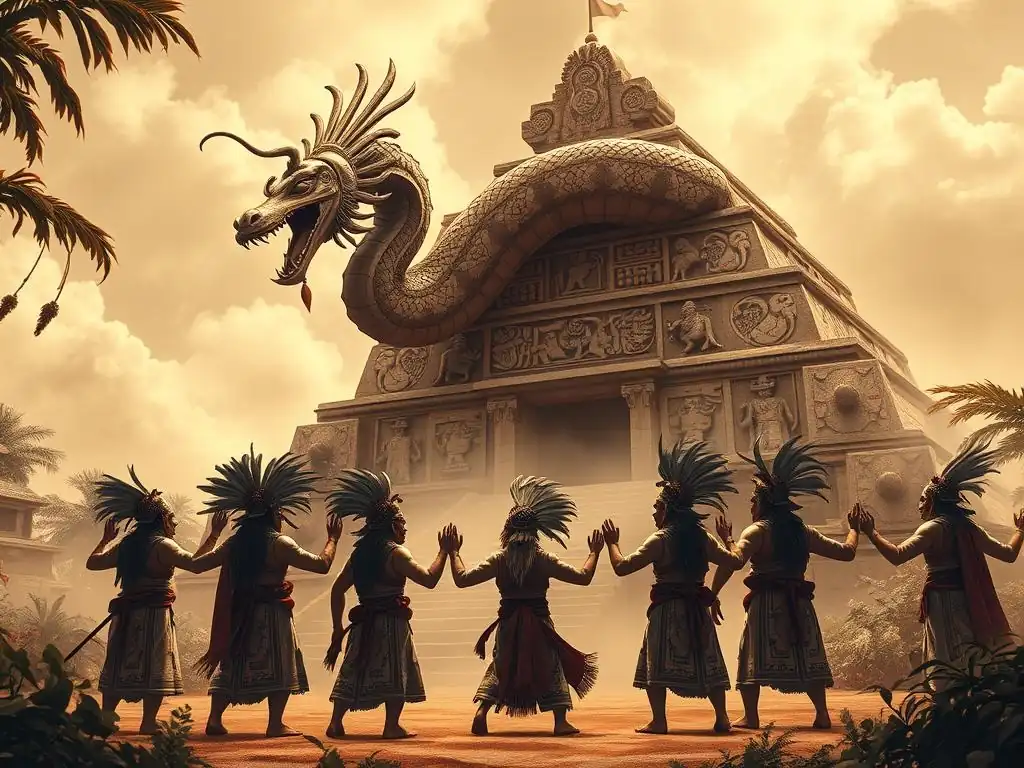
The representation of deities is a central theme in Toltec art and mythology, serving as a visual narrative that encapsulates their spiritual beliefs and cosmology. Toltec artists often depicted major deities such as Quetzalcoatl, the Feathered Serpent, and Tezcatlipoca, the god of the night sky and sorcery. These representations were not merely artistic expressions; they were imbued with cultural significance and played a crucial role in rituals.
- Quetzalcoatl: Frequently illustrated as a feathered serpent, Quetzalcoatl embodies the duality of earth and sky. Toltec artisans used vivid colors and intricate patterns to symbolize his connection to nature and life. For instance, in the Temple of the Feathered Serpent, the deity's image is intricately carved into stone, showcasing the artistry and reverence the Toltecs had for him.
- Tezcatlipoca: Contrasting with Quetzalcoatl, Tezcatlipoca is often portrayed with obsidian mirrors and jaguar motifs, representing power and darkness. His depictions frequently emphasize conflict and transformation, illustrating the Toltec belief in the cyclical nature of life and death. The use of contrasting materials, such as polished obsidian, further enhances the symbolic power of his imagery.
Symbolism in Toltec Artworks
Toltec art is rich with symbolism that conveys deep meanings and narratives. Each element in their artworks is deliberately chosen to reflect the beliefs, values, and experiences of the Toltec civilization.
- Color Palette: The use of color in Toltec art is highly symbolic. For example, red often signifies life and vitality, while black represents the underworld and death. This duality in color usage mirrors the Toltec worldview, where life and death are interconnected.
- Geometric Patterns: The incorporation of geometric shapes in Toltec art serves not only as decoration but also as a means of conveying cosmological ideas. Squares and triangles may symbolize the earth and the heavens, respectively, suggesting the balance and interconnectedness of the universe.
- Animal Motifs: Animals play a significant role in Toltec mythology, each carrying specific meanings. The jaguar, for instance, symbolizes strength and the power of the night, while birds, particularly hummingbirds, represent life and resurrection. These motifs are often integrated into sculptures, pottery, and murals, enhancing the narrative depth of the artworks.
The Connection Between Art and Spirituality
In Toltec culture, art is an expression of spirituality, embodying their beliefs and practices. The creation of art is seen as a sacred act, intimately tied to the worship of deities and the rituals that accompanied them.
- Ritualistic Functions: Many Toltec artworks served specific ritualistic purposes. Statues and carvings were often used in ceremonies to honor the gods, seeking their favor and protection. For example, the large stone monuments found in Tula were likely integral to religious ceremonies, acting as conduits between the earthly and divine realms.
- Art as a Form of Storytelling: The narratives depicted in Toltec art serve as a means of preserving history and passing down knowledge. Through murals and carvings, the stories of creation, the gods, and the cosmos were communicated to future generations, ensuring that the spiritual and cultural identity of the Toltecs would endure.
- Meditative Practices: The intricate designs and symbols found in Toltec art also facilitated meditative practices. By focusing on these artworks, individuals could connect with the divine, reflecting on the deeper meanings embedded within their culture. This practice underscores the holistic nature of Toltec life, where art, spirituality, and daily existence are intertwined.
The Toltec art and mythology reflect a complex interplay of spirituality, symbolism, and cultural identity. Through their vibrant and intricate artworks, the Toltecs conveyed their beliefs, connected with their deities, and preserved the narratives that defined their civilization.
Famous Toltec Artifacts and Their Legends
The Toltec civilization, known for its rich artistic expression and intricate mythology, produced various artifacts that encapsulate their cultural narratives. These artifacts not only serve as historical evidence of the Toltecs' sophisticated artistry but also as vessels of their myths and legends, linking the divine and mortal realms. Below, we explore some of the most significant Toltec artifacts and the legends associated with them.
The Colossal Heads of the Olmec and Their Myths
Although primarily attributed to the Olmec civilization, the colossal heads have influenced Toltec art and mythology. These imposing sculptures, carved from basalt, depict human heads that are believed to represent rulers or important figures.
- Symbolism: The Olmec colossal heads symbolize authority and power. Their presence in Toltec art signifies the reverence for past civilizations and their contributions to Mesoamerican culture.
- Legends: Various legends surround these heads, suggesting they were created as offerings to the gods or as a means to immortalize great leaders. Some myths propose that the heads possess mystical powers, protecting their territories from invaders.
| Artifact | Description | Mythological Significance |
|---|---|---|
| Colossal Heads | Large stone carvings of human heads | Symbols of power and divine protection |
The Pyramid of Quetzalcoatl: Art and Mythology
The Pyramid of Quetzalcoatl, also known as the Temple of the Feathered Serpent, is one of the most iconic structures in the Toltec archaeological site of Tula. This pyramid is intricately linked to the mythology surrounding Quetzalcoatl, the feathered serpent god who embodies the duality of life and death.
- Artistic Features: The pyramid is adorned with sculptures and reliefs depicting Quetzalcoatl and other deities. The intricate designs embody the Toltec mastery of stonework and provide insight into their religious beliefs.
- Mythical Narratives: According to legend, Quetzalcoatl taught the Toltecs essential skills such as agriculture, writing, and art. The pyramid served as a place of worship and a reminder of his teachings. The myths suggest that Quetzalcoatl would return to guide the Toltecs in times of need, reinforcing his role as a protector.
Legend of Quetzalcoatl:
- A deity of creation, culture, and fertility.
- Associated with the morning star and represented in various forms across Mesoamerica.
The Atlantean Figures: Guardians of Toltec Legends
The Atlantean figures, often depicted as colossal statues, are another significant aspect of Toltec art that embodies their mythology. These figures are believed to represent the warriors or guardians of the Toltec civilization.
- Cultural Representation: These statues not only showcase the artistic prowess of the Toltecs but also symbolize strength and resilience. Their posture and attire reflect the warrior class's importance in Toltec society.
- Legends: The Atlantean figures are said to stand as protectors of the sacred sites, guarding against malevolent forces. According to legend, they were animated by the spirits of fallen warriors, who would rise to defend their land during times of crisis.
| Artifact | Description | Mythological Role |
|---|---|---|
| Atlantean Figures | Colossal statues of warriors | Guardians of sacred sites and traditions |
Toltec art is deeply intertwined with mythology, and the artifacts produced by this civilization reflect a rich tapestry of cultural narratives. These artifacts are not only artistic expressions but also vital links to the myths that shaped the Toltec worldview, illustrating their understanding of the cosmos and their place within it.
The Influence of Toltec Myths on Art
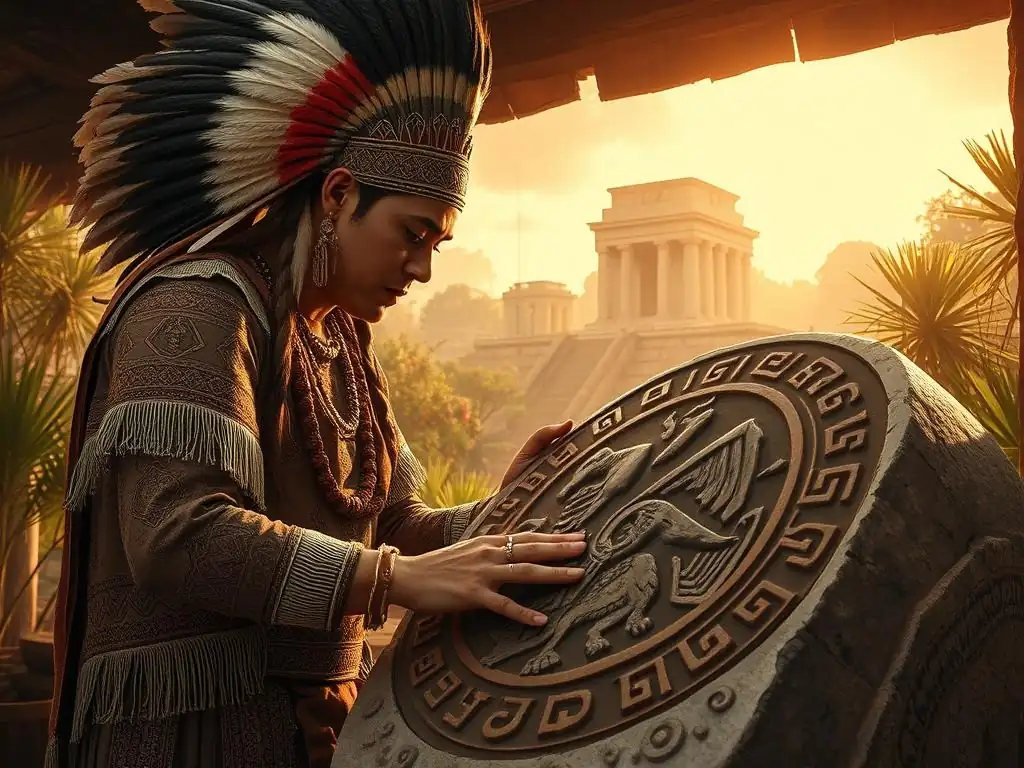
Toltec art is deeply intertwined with the myths and legends that shaped the civilization's worldview. This art not only served aesthetic purposes but also functioned as a medium for storytelling, preserving the rich tapestry of Toltec mythology. The influence of these myths on artistic expression can be seen in various forms, including sculpture, pottery, and murals, each reflecting the beliefs, values, and historical narratives of the Toltec people.
How Myths Shaped Artistic Expression
The Toltecs, known for their sophisticated society and rich spiritual life, drew heavily from their mythology to inform their artistic endeavors. Myths served as an inspiration and framework for artistic expression, allowing artists to convey complex ideas and emotions through visual means. Key aspects of this influence include:
- Symbolism: Toltec artists utilized symbolic imagery derived from myths to represent deities, creation stories, and significant cultural narratives. For example, the feathered serpent, often associated with the god Quetzalcoatl, prominently features in Toltec art, symbolizing duality and the connection between the earthly and divine realms.
- Theme Integration: Many artworks encapsulate themes of struggle, transformation, and the balance of life, reflecting the dual nature of existence as described in Toltec mythology. The interplay between life and death, creation and destruction, is vividly illustrated in sculptures and carvings.
- Cultural Narratives: Toltec myths were not merely stories; they were foundational narratives that shaped societal values. Artworks often depicted legendary events, such as the creation of the world or heroic deeds of mythological figures, reinforcing the cultural identity and continuity of the Toltec civilization.
As a result, Toltec art became a vibrant narrative medium, encapsulating the civilization’s mythology and serving as a bridge between the past and present.
Narrative Elements in Toltec Art
The narrative elements in Toltec art are distinctive and deeply tied to their mythology. These elements include:
- Character Representation: Figures from Toltec mythology, such as gods, mythical beasts, and historical heroes, are often depicted in a stylized manner. This stylization is not just for aesthetic appeal but serves to convey specific attributes and qualities associated with each character, creating a visual lexicon that communicates complex narratives.
- Scene Composition: The arrangement of figures and objects within artworks often tells a story or conveys a specific message. Artists employed techniques such as hierarchy of scale, where larger figures represent greater importance, and dynamic poses to suggest action and emotion, thereby immersing viewers in the mythological narrative.
- Interactivity: Many Toltec artworks were designed to engage viewers, inviting them to ponder the stories depicted. This interaction is crucial, as it encourages the audience to reflect on their own cultural beliefs and the messages conveyed through the art. The use of repetitive motifs and patterns often signifies continuity in storytelling, making the narratives accessible and memorable.
Conclusion
The interplay between Toltec art and mythology is a testament to the civilization's rich cultural heritage. The myths not only shaped artistic expression but also served as a means of preserving and transmitting the Toltec worldview. Through the intricate narrative elements found in their art, the Toltecs communicated their values, beliefs, and historical experiences, leaving a lasting impact on the cultural landscape of the Americas.
Contemporary Interpretations of Toltec Art and Mythology
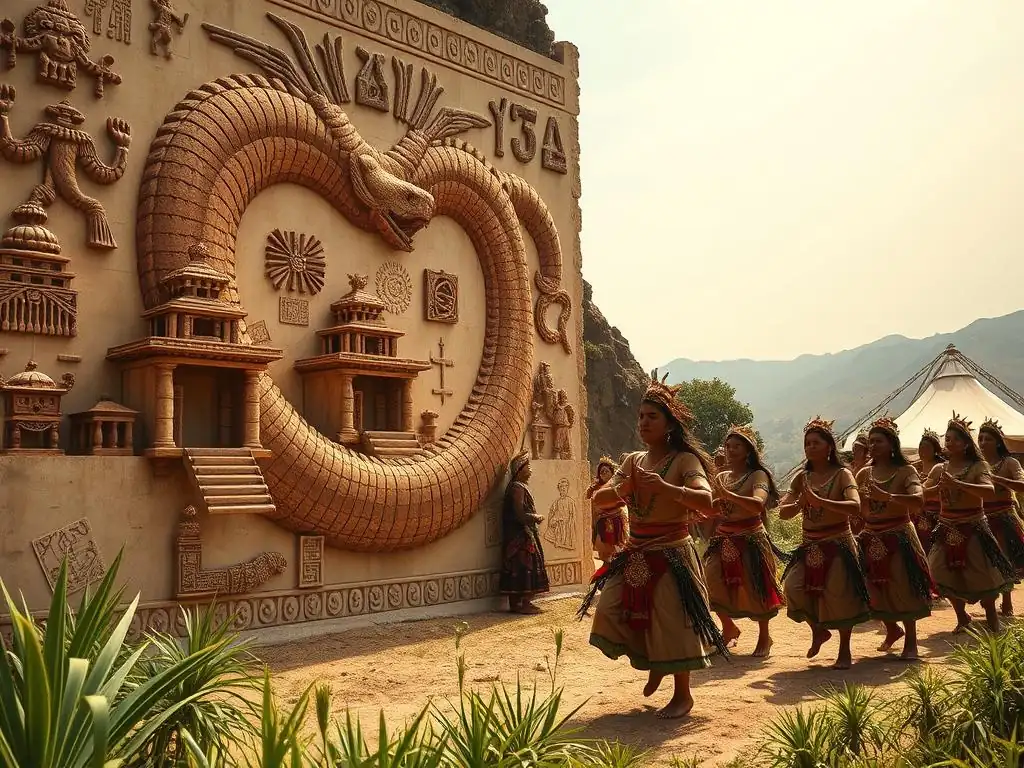
The enduring legacy of Toltec art and mythology continues to resonate in contemporary culture, influencing various fields such as literature, visual arts, and spiritual practices. Scholars, artists, and enthusiasts alike are revisiting these ancient narratives to draw inspiration and meaning in today's context. This section explores the relevance of Toltec myths in modern culture and the revival of traditional artistic expressions.
The Relevance of Toltec Myths in Modern Culture
Toltec mythology, rich in symbolism and profound teachings, finds its way into modern storytelling and spiritual practices. Myths such as those surrounding the deity Quetzalcoatl, often depicted as a feathered serpent, serve as metaphors for transformation, knowledge, and the cyclical nature of life.
-
Literary Adaptations
Many contemporary authors have incorporated Toltec myths into their narratives, weaving them into the fabric of modern fiction. These stories often explore themes of duality, the battle between good and evil, and the quest for enlightenment. For example, the works of authors like Don Miguel Ruiz have popularized Toltec wisdom, presenting ancient teachings in accessible formats that resonate with audiences today.
-
Influence on Spiritual Practices
The philosophies embedded in Toltec mythology have also permeated New Age spirituality. Concepts such as personal empowerment, mindfulness, and the importance of living in harmony with nature echo the teachings of the Toltecs. Workshops and retreats that focus on Toltec principles, such as the "Four Agreements," have gained popularity, offering individuals a pathway to personal growth rooted in ancient wisdom.
-
Cultural Celebrations and Festivals
Various cultural events celebrate the Toltec heritage, emphasizing the significance of myths in community identity. Festivals may include reenactments of mythological stories, artistic showcases, and workshops that explore traditional practices. These gatherings not only honor the past but also foster a sense of unity and cultural pride among participants.
Reviving Toltec Artistic Traditions
The revival of Toltec artistic traditions is an essential aspect of preserving and honoring the culture's rich heritage. Artists today are engaging with traditional techniques and themes, reinterpreting them through a modern lens while maintaining their historical significance.
-
Contemporary Artists and Their Works
Numerous contemporary artists are inspired by Toltec motifs and narratives, producing works that reflect both traditional forms and innovative styles. These creations often feature the intricate designs and vibrant colors characteristic of Toltec craftsmanship. Artists like Francisco Toledo and others have explored these themes, merging ancient iconography with modern artistic expressions.
-
Workshops and Educational Programs
Various organizations and cultural institutions offer workshops aimed at teaching traditional Toltec artistic techniques. These programs not only provide participants with hands-on experience in crafts such as pottery, sculpture, and textile weaving but also immerse them in the mythology and cultural context of the art forms. By passing down these skills, participants contribute to the preservation and revitalization of Toltec culture.
-
Digital Platforms and Global Reach
The advent of digital technology has enabled artists to share their interpretations of Toltec art with a global audience. Online galleries, social media platforms, and virtual exhibitions allow for a broader appreciation of Toltec mythology and artistry, ensuring that these narratives continue to inspire future generations. Moreover, the accessibility of these platforms encourages cross-cultural dialogues, fostering a greater understanding of the richness of indigenous traditions.
The exploration of Toltec art and mythology in contemporary contexts illustrates the ongoing relevance and adaptability of these ancient narratives. By engaging with these stories and artistic traditions, modern society not only honors the legacy of the Toltecs but also finds new meanings and inspirations that enrich our collective cultural tapestry.
Conclusion: The Enduring Legacy of Toltec Art and Mythology
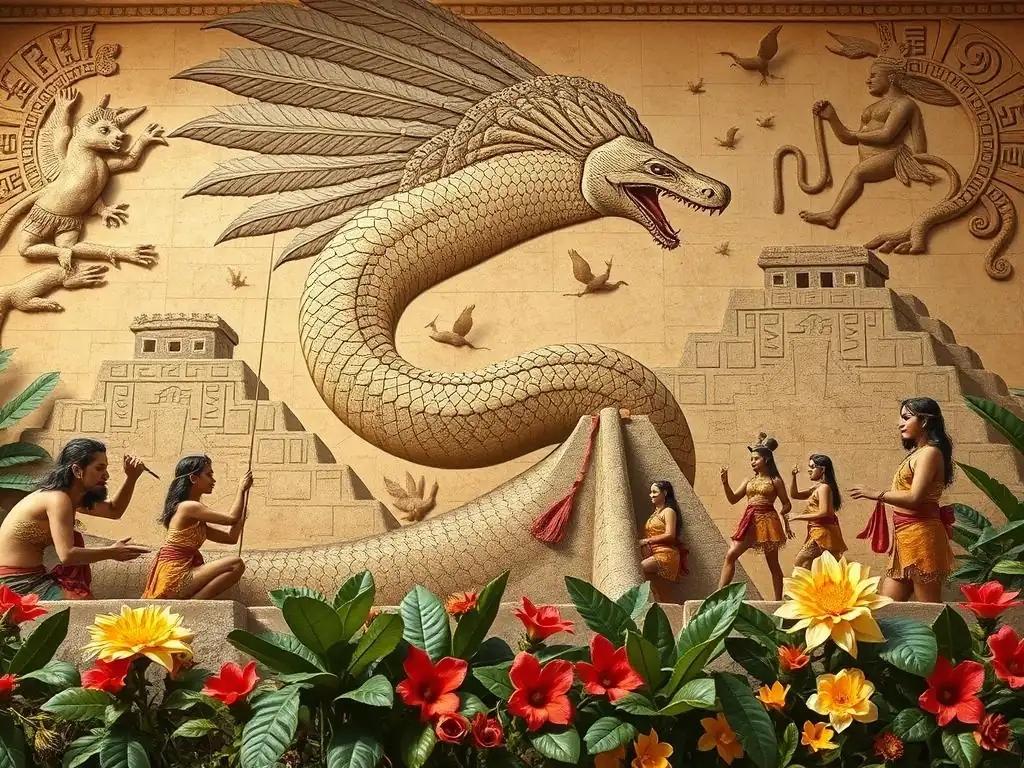
Summary of Key Insights
The exploration of Toltec art and mythology reveals a profound tapestry of narratives that not only reflect the values and beliefs of the Toltec civilization but also serve as a foundation for understanding their societal structure. Key insights include:
- Symbolism: Toltec art is rich in symbolism, using motifs like serpents and eagles to convey deeper meanings related to life, death, and the cosmos.
- Cultural Syncretism: The interplay between Toltec mythology and the artistic expressions of neighboring cultures illustrates a dynamic exchange of ideas that enriched their narrative traditions.
- Historical Context: Understanding the historical backdrop of the Toltec civilization helps contextualize their artistic achievements and the significance of their mythological stories, which were often tied to the political and social spheres of their time.
These insights underscore the importance of Toltec art as a critical lens through which we can appreciate the complexities of their mythology and the broader cultural landscape of ancient Mesoamerica.
The Lasting Impact of Toltec Culture on Art and Myth
The influence of Toltec culture on art and mythology extends well beyond their immediate geographic region and time period. Several aspects highlight this enduring legacy:
- Inspiration for Future Civilizations: The artistic styles and mythological themes of the Toltecs significantly influenced the subsequent Aztec civilization, which adopted many Toltec elements into its own cultural framework. The Aztecs revered the Toltecs as cultural predecessors, often referencing their myths in various forms of art and literature.
- Modern Interpretations: Contemporary artists and scholars continue to draw inspiration from Toltec mythology, incorporating ancient symbols and narratives into modern works. This revival not only keeps Toltec stories alive but also promotes a deeper understanding of indigenous heritage.
- Cultural Identity: For many indigenous communities in Mexico today, the myths and artistic traditions of the Toltecs serve as a source of pride and identity. They are celebrated in festivals, folklore, and educational initiatives aimed at preserving these ancient narratives for future generations.
The legacy of Toltec art and mythology is not only a testament to the creativity and spirituality of the Toltec people but also a vital part of the cultural heritage of the Americas, influencing both historical and contemporary narratives.
References and Further Reading
Suggested Books on Toltec Art and Mythology
When exploring the intricate relationship between Toltec art and mythology, a variety of scholarly and artistic texts provide valuable insights. Here are some recommended readings that delve into the subject:
-
"The Toltec Heritage: Pre-Columbian Art and Culture" by Richard F. Townsend
This book offers a comprehensive overview of Toltec culture, examining the artistic expressions and their connections to mythological narratives. Townsend's detailed analysis helps readers appreciate the socio-political context of Toltec art.
-
"Myths of the Aztecs" by David Carrasco
While primarily focused on Aztec mythology, this work draws parallels to Toltec beliefs and artistic expressions, providing a broader context for understanding the mythological frameworks that influenced both civilizations.
-
"The Art of the Toltecs" by Benjamín de la Rosa
De la Rosa's work specifically highlights the stylistic elements of Toltec art, exploring how these elements reflect the mythology and religious practices of the Toltec civilization.
-
"Toltec Mythology: An Interpretation" by John Pohl
This book presents a deep dive into the myths that shaped Toltec society, providing interpretations of various artistic works and their symbolic meanings.
-
"Gods, Heroes, and Mythical Creatures of Ancient Mexico" by Martha L. C. Lentz
This accessible text introduces readers to the pantheon of gods and mythical beings in ancient Mexico, including those revered by the Toltecs, and illustrates how these figures were represented in art.
Online Resources for Exploring Indigenous Art and Culture
The digital age has made it easier to access a wealth of information on Toltec art and mythology. Here are some online resources that can further enhance your understanding of this fascinating subject:
-
Smithsonian National Museum of the American Indian
This museum's website features extensive collections and exhibitions related to indigenous cultures, including the Toltecs. It provides access to articles, images, and virtual exhibitions that showcase their art and mythology.
-
The Metropolitan Museum of Art: Ancient Mexican Art
The Met's online collection includes a variety of artifacts from the Toltec civilization. Their detailed descriptions and scholarly essays help contextualize the artistic works within their mythological narratives.
-
Digital Archaeological Archive of Comparative Slavery
This resource offers insights into the social structures and cultural practices of indigenous civilizations, including the Toltecs, with a focus on art and mythology.
-
World Digital Library
This platform features a collection of historical texts and artworks from indigenous cultures across the Americas, providing access to primary sources that reflect the Toltec worldview.
-
YouTube Channels on Indigenous Cultures
Channels featuring documentaries and lectures on indigenous art and mythology can offer visual interpretations and expert discussions that enhance understanding. Look for channels dedicated to Mesoamerican history and art.
By engaging with these resources, readers can deepen their appreciation for Toltec art and mythology, exploring the rich tapestry of stories and artistic expressions that define this remarkable civilization.
Frequently Asked Questions
What are the main themes explored in Toltec art?
Toltec art often reflects mythology, spiritual beliefs, and daily life of the Toltec civilization, showcasing their rich cultural heritage and storytelling traditions.
How did Toltec mythology influence their artistic creations?
Toltec mythology played a crucial role in shaping their art, as it often depicted gods, heroes, and legendary events, serving as a means to convey their spiritual values and historical narratives.
What are some notable examples of Toltec art?
Key examples include intricately carved stone sculptures, ceramic pieces, and murals, which showcase the technical skills and symbolic meanings embedded in Toltec culture.
How did the arrival of Europeans impact the perception of Toltec mythology?
The arrival of Europeans led to a misunderstanding and often a diminishment of Toltec mythology, as many narratives were altered or overlooked in favor of European perspectives.
Why is it important to study Toltec art and mythology today?
Studying Toltec art and mythology is vital for understanding the complexities of indigenous cultures in the Americas, their contributions to art and society, and their enduring legacy in contemporary discussions on cultural identity.
Final Reflection: The Enduring Legacy of Toltec Art and Mythology
The intricate narratives captured in Toltec art resonate profoundly with our contemporary understanding of mythology and culture. As we navigate a world increasingly defined by rapid change and globalization, the timeless stories and symbols found in Toltec art remind us of the power of narrative to shape identity and community. These artistic expressions are not merely relics of the past; they are vibrant threads woven into the fabric of our collective consciousness, urging us to explore the depths of human experience.
The influence of Toltec mythology extends far beyond the borders of ancient Mesoamerica, permeating various aspects of modern culture and spirituality. The themes of creation, duality, and the human connection to the cosmos continue to inspire artists, scholars, and seekers alike. As noted by the renowned anthropologist, "Myth is not a thing of the past; it is a living force that shapes our understanding of the world." > This ongoing dialogue between the past and present invites us to reflect on our own narratives and the myths we choose to embrace in our lives.
As you close this exploration of Toltec art and mythology, I encourage you to reflect on the stories that resonate with you personally. Consider how these ancient narratives can inform your understanding of your own identity and values. Let the wisdom of the Toltecs inspire you to seek out and honor the myths that shape your life, fostering a deeper connection to both your heritage and the universal human experience. Embrace the power of storytelling, and allow it to guide you on your journey toward self-discovery and cultural appreciation.
Unveil the Richness of Toltec Narratives!
Thank you for diving into the captivating world of Toltec art and mythology with us! You’ve explored the intricate narratives that shape this ancient civilization, and now it’s time to take meaningful steps to deepen your understanding and appreciation. Here’s how you can further connect with the richness of Toltec culture:
- Explore Local Cultural Exhibits: Visit museums or galleries showcasing Indigenous art to experience the profound themes and concepts reflected in these works.
- Engage with the Community: Join online forums or local groups dedicated to Indigenous history to share insights and learn from others who are equally passionate about this rich heritage.
- Create Your Own Art Piece: Drawing inspiration from your studies, try crafting an artwork that expresses the myths or legends that resonate most with you!
What aspect of Toltec mythology inspires you the most, and how would you like to express it creatively?