
The Legacy of Indigenous Festivals: Lessons for Modern Celebrations and Events

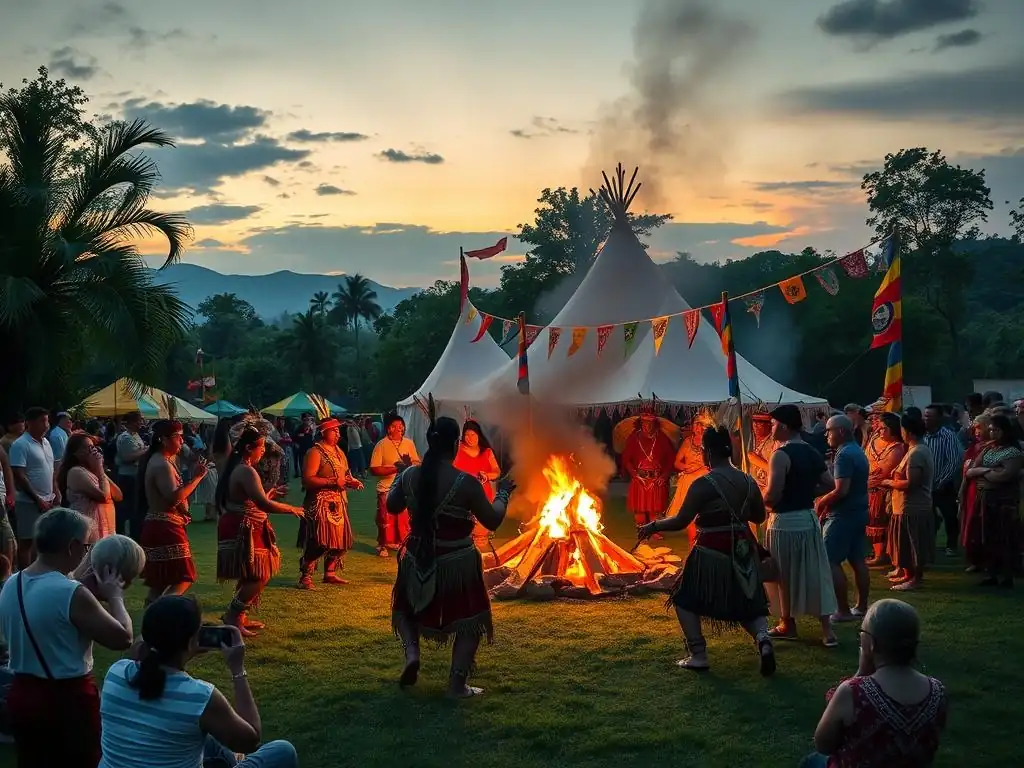
Welcome to Indigenous Civilizations of the Americas, a portal into the rich tapestry of cultures that flourished across the continent long before European contact. Here, we invite you to delve into the vibrant world of indigenous festivals and celebrations, where each gathering tells a story of resilience, community, and profound connection to the land. Discover how these timeless traditions not only shaped the identities of diverse societies but also offer valuable lessons for our modern celebrations and events. Join us as we explore the legacies that continue to resonate today, sparking curiosity and a deeper understanding of the past.
Indigenous festivals and celebrations are not just vibrant displays of cultural heritage; they are profound expressions of identity, community, and history. This article delves into the legacy of these festivals, emphasizing their significance in shaping contemporary celebrations and events. By exploring the rich tapestry of indigenous cultures across the Americas, we can uncover valuable lessons that inform modern practices, fostering a deeper appreciation for diversity and heritage. This journey through indigenous festivals will highlight not only their historical context but also their enduring impact on society today.
Introduction to Indigenous Festivals and Celebrations
Indigenous festivals serve as a window into the rich cultural landscapes of the Americas, showcasing the traditions, beliefs, and communal values of various indigenous peoples. These events are characterized by a blend of rituals, music, dance, and storytelling, reflecting the unique identities and histories of their respective communities. They play a crucial role in the transmission of knowledge, the reinforcement of social bonds, and the celebration of seasonal cycles.
Understanding the Importance of Indigenous Cultural Events
Indigenous cultural events are vital for several reasons:
- Cultural Preservation: They help preserve languages, traditions, and histories that might otherwise be lost.
- Community Cohesion: Festivals foster a sense of belonging and unity among community members.
- Education: They serve as platforms for educating both indigenous and non-indigenous people about cultural practices and histories.
- Spiritual Significance: Many festivals are rooted in spiritual beliefs and practices, providing an opportunity for communities to connect with their ancestors and the natural world.
Overview of Indigenous Festivals in the Americas
The Americas boast a plethora of indigenous festivals, each with its unique customs and meanings. Some notable examples include:
- Inti Raymi (Inca Festival of the Sun): Celebrated in Peru, this festival honors the sun god Inti and marks the winter solstice.
- Powwows: These gatherings occur throughout North America, featuring dance, music, and cultural exhibitions that celebrate Native American heritage.
- Day of the Dead (Día de los Muertos): A Mexican holiday that honors deceased ancestors through colorful altars and festivities.
Historical Significance of Indigenous Festivals
The historical significance of indigenous festivals extends beyond mere celebration; they are vital to understanding the development of social structures and cultural continuity.
The Role of Festivals in Indigenous Societies
Festivals historically served multiple purposes within indigenous societies:
- Rituals of Renewal: They marked seasonal changes and agricultural cycles, essential for survival and community planning.
- Social Structure: Festivals reinforced social hierarchies and roles within the community, often designating specific responsibilities during celebrations.
- Conflict Resolution: Such events provided opportunities to resolve disputes and strengthen alliances among neighboring tribes.
Traditional Practices and Their Meaning in Indigenous Celebrations
Traditional practices associated with indigenous festivals often carry deep meanings and reflect the values of the community. Examples include:
- Ceremonial Dances: Often performed to honor deities or ancestors, these dances embody stories and teachings passed down through generations.
- Offerings and Sacrifices: These acts symbolize gratitude and reciprocity with nature, emphasizing the interconnectedness of all living beings.
- Artistic Expressions: Crafts, music, and visual arts produced during festivals serve as means of storytelling and cultural expression.
By understanding the legacy of indigenous festivals, we can appreciate their contributions to modern celebrations and the ongoing relevance of indigenous cultures in today's society.
Elements of Indigenous Festivals and Celebrations
Indigenous festivals and celebrations are rich in cultural significance and serve as a unique window into the societies that created them. These events are multifaceted, encompassing various elements that highlight the values, beliefs, and traditions of the communities.
Key components include:
- Rituals and Ceremonies: Often spiritual in nature, these practices are integral to the cultural identity and heritage of Indigenous peoples. They serve to connect participants with their ancestors and the natural world.
- Music, Dance, and Art: These forms of expression are vital in conveying stories, history, and communal values. Each performance or artwork often carries deep meanings and can be a celebration of life, nature, and community.
- Foods and Feasts: Culinary traditions play a significant role in gatherings, where food becomes a medium for sharing and storytelling. Dishes often reflect the local environment and seasonal changes, showcasing the relationship between the land and the people.
Together, these elements create a tapestry of cultural expression that not only preserves history but also educates future generations.
Rituals and Ceremonies: A Deep Dive
Rituals and ceremonies are foundational to Indigenous festivals, acting as a bridge between the spiritual and physical worlds. They can mark significant life events such as births, marriages, and deaths, or seasonal changes that are vital to agricultural societies.
- Spiritual Significance: Many ceremonies incorporate prayers, offerings, and invocations to spirits or deities. For instance, the Sun Dance of the Plains tribes serves as a rite of renewal and healing, showcasing the profound connection between individuals and the cosmos.
- Community Participation: These rituals are often communal, bringing people together to share in the experience, thereby reinforcing communal bonds and cultural identity. The act of participating is seen as a way to honor ancestors and uphold traditions.
- Educational Aspect: Through storytelling and symbolic actions, these ceremonies educate participants, especially younger generations, about their history, values, and responsibilities within their community.
By engaging deeply in these practices, Indigenous peoples ensure the continuity of their cultural heritage.
Music, Dance, and Art in Indigenous Cultural Events
Music, dance, and art are vibrant expressions of Indigenous cultures that play a crucial role during festivals and celebrations. Each form of expression is imbued with cultural significance and contributes to the overall experience of the event.
- Music: Traditional songs often tell stories of creation, history, and the natural world. Instruments such as drums, flutes, and rattles are commonly used, creating rhythms that resonate with the heartbeat of the earth.
- Dance: Dance serves as a physical embodiment of cultural narratives, with distinct movements and styles that vary between tribes. For example, the Powwow dance combines competitive and traditional elements, showcasing both skill and cultural pride.
- Art: Visual arts, including beadwork, pottery, and painting, often reflect the themes celebrated during festivals. These artworks serve not only as decoration but also as storytelling mediums that convey historical and spiritual narratives.
Together, these elements create a dynamic atmosphere that captivates participants and spectators alike, fostering a sense of unity and cultural pride.
Foods and Feasts: Culinary Traditions of Indigenous Celebrations
Food is a central element of Indigenous festivals, serving as a means to gather, celebrate, and share community. The culinary practices associated with these events are deeply rooted in the natural environment and cultural heritage.
- Traditional Ingredients: Indigenous cuisines often utilize local ingredients that reflect the land's bounty. Corn, beans, squash, and various meats are staples in many celebrations, with dishes crafted to honor the harvest.
- Feasting as a Communal Activity: Gatherings often involve communal feasting, where food is shared among attendees. This practice reinforces community ties and creates a sense of belonging among participants.
- Ritualistic Cooking: In some cultures, the preparation of food is a ceremonial act, invoking blessings and gratitude for the earth's resources. For example, the preparation of ceremonial bread may involve prayers or offerings to ensure a bountiful harvest.
The culinary traditions of Indigenous festivals not only nourish the body but also the spirit, reinforcing cultural identity and community bonds.
Modern Interpretations of Indigenous Festivals
Modern interpretations of Indigenous festivals reflect both a revival of traditional practices and an adaptation to contemporary contexts. As societies grow and change, these celebrations continue to evolve, offering new layers of meaning and significance.
Reviving Indigenous Festivals in Contemporary Society
In recent years, there has been a resurgence of interest in Indigenous festivals as a means of cultural preservation and education. Many communities are actively working to revive traditional festivals that may have diminished over time due to colonization and cultural suppression.
- Cultural Education: These revived festivals serve as platforms for educating both Indigenous and non-Indigenous audiences about traditions, histories, and contemporary issues facing Indigenous communities.
- Community Empowerment: Reviving festivals fosters a sense of pride and ownership within Indigenous communities, allowing them to reclaim their heritage and share it with others.
- Collaboration and Support: Modern festivals often involve collaboration with local governments and organizations, which helps secure funding and resources necessary for successful events.
Through these efforts, Indigenous festivals are not only preserved but also reinvigorated, ensuring their relevance in modern society.
Case Studies: Successful Modern Indigenous Festivals
Several contemporary Indigenous festivals exemplify the successful blending of tradition and modernity, attracting diverse audiences while honoring ancestral practices.
- The Gathering of Nations: Held annually in Albuquerque, New Mexico, this powwow is one of the largest celebrations of Native American culture in the United States. It features traditional dance, music, and art, drawing thousands of participants and spectators.
- The Manito Ahbee Festival: This Winnipeg-based festival celebrates Indigenous culture through music, dance, and art, while also addressing contemporary Indigenous issues. It includes workshops and presentations that educate attendees on cultural practices and history.
- The North American Indigenous Games: While primarily a sporting event, this gathering emphasizes cultural exchange and celebration, incorporating Indigenous arts, crafts, and ceremonies into the festivities.
These case studies highlight how modern Indigenous festivals can thrive while remaining deeply rooted in tradition.
How Indigenous Festivals Influence Contemporary Celebrations
Indigenous festivals have a significant impact on contemporary celebrations, influencing various aspects of cultural events around the world.
- Cultural Awareness: The increasing recognition of Indigenous festivals has led to a broader understanding and appreciation of Indigenous cultures, inspiring other communities to incorporate elements of these traditions into their own celebrations.
- Sustainability Practices: Many Indigenous festivals emphasize sustainability and respect for nature, prompting modern celebrations to adopt eco-friendly practices and promote environmental stewardship.
- Diversity and Inclusion: The success of Indigenous festivals encourages a more inclusive approach to cultural celebrations, recognizing the value of diverse cultural expressions and fostering a sense of belonging for all participants.
Through these influences, Indigenous festivals contribute to a richer tapestry of cultural celebration in contemporary society, reminding us of the importance of honoring and learning from diverse histories and traditions.
Lessons from Indigenous Festivals for Modern Events
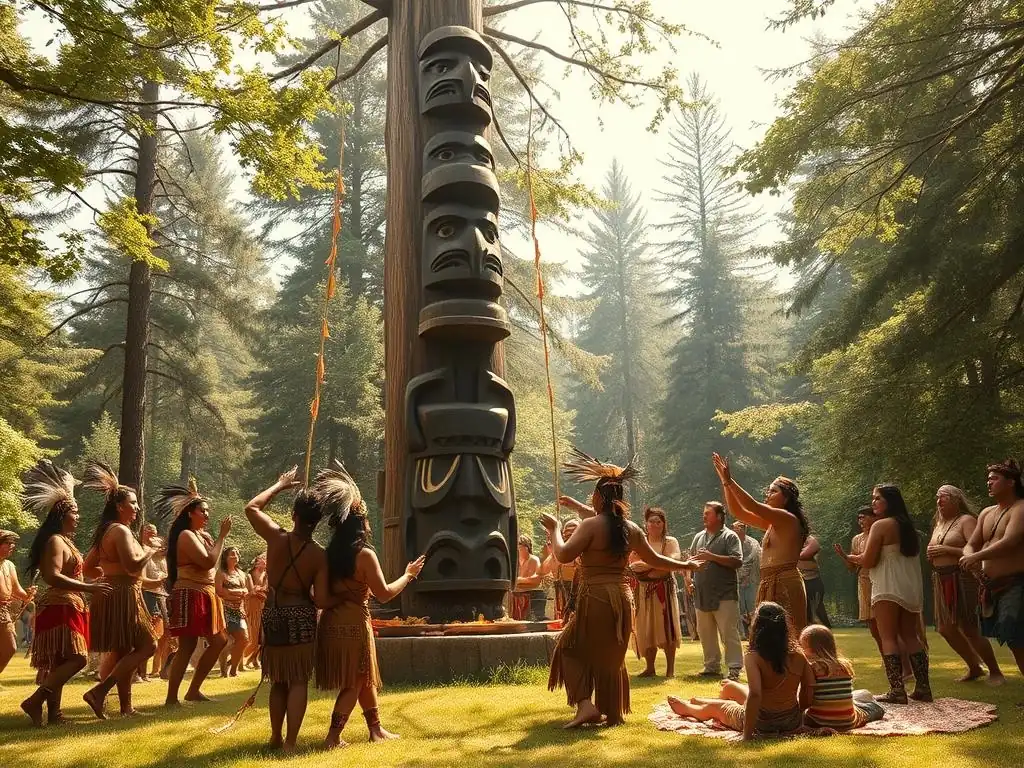
Indigenous festivals and celebrations offer rich lessons that can be applied to modern events, highlighting the importance of community, cultural identity, and sustainability. These events are often deeply rooted in traditions that have been passed down through generations, providing a sense of belonging and continuity. By examining the practices of indigenous festivals, modern event planners can glean insights into how to create more meaningful, engaging, and sustainable experiences for attendees.
One key lesson from indigenous festivals is the emphasis on inclusivity and community participation. These celebrations often involve extensive collaboration within the community, allowing for diverse voices and perspectives to contribute to the event. In today’s world, where social media and technology can create feelings of isolation, fostering a sense of community through inclusive practices can enhance modern celebrations.
Furthermore, indigenous festivals often serve as a platform for storytelling, preserving cultural narratives and traditions. Modern events can incorporate storytelling to engage audiences, creating a deeper connection to the themes and objectives of the celebration. By weaving together history, culture, and personal experiences, event planners can create a more immersive experience that resonates with participants.
Sustainability Practices in Indigenous Celebrations
Sustainability is a cornerstone of many indigenous festivals, reflecting a deep respect for the environment and a commitment to preserving resources for future generations. These celebrations often incorporate practices that minimize waste, utilize local materials, and promote eco-friendly behaviors. For modern events, adopting similar sustainability practices can significantly reduce their environmental impact.
One prevalent practice in indigenous celebrations is the use of natural materials for decorations, attire, and ceremonial items. For example, many cultures utilize plant-based dyes and biodegradable materials, which can serve as a model for modern event decor. Additionally, food served at these gatherings is frequently sourced locally, promoting community agriculture and reducing the carbon footprint associated with transportation.
Another important aspect is the focus on seasonal and cyclical themes. Many indigenous festivals align with natural cycles, such as harvests or solstices, encouraging participants to reflect on their relationship with nature. Modern celebrations can benefit from this approach by emphasizing local seasons and incorporating locally-sourced foods and products, creating a stronger connection between the event and its environment.
Community Engagement and Participation: A Key Takeaway
Community engagement is a vital lesson from indigenous festivals that modern event planners should prioritize. These celebrations are designed to bring people together, fostering a sense of belonging and shared identity. In indigenous cultures, participation is often not just encouraged but is a fundamental aspect of the celebration, with roles and responsibilities distributed among community members.
To enhance community engagement in modern events, planners can implement strategies such as volunteer opportunities, workshops, and collaborative activities. By inviting community members to take part in the planning process and execution of the event, a sense of ownership is cultivated, leading to greater investment and enthusiasm. This approach not only enriches the experience for participants but also strengthens community ties.
Moreover, incorporating local artists, performers, and vendors into modern celebrations can help to celebrate and uplift indigenous voices. By showcasing local talent, event planners not only provide a platform for cultural expression but also create an authentic atmosphere that reflects the community’s unique identity.
Challenges in Preserving Indigenous Festivals
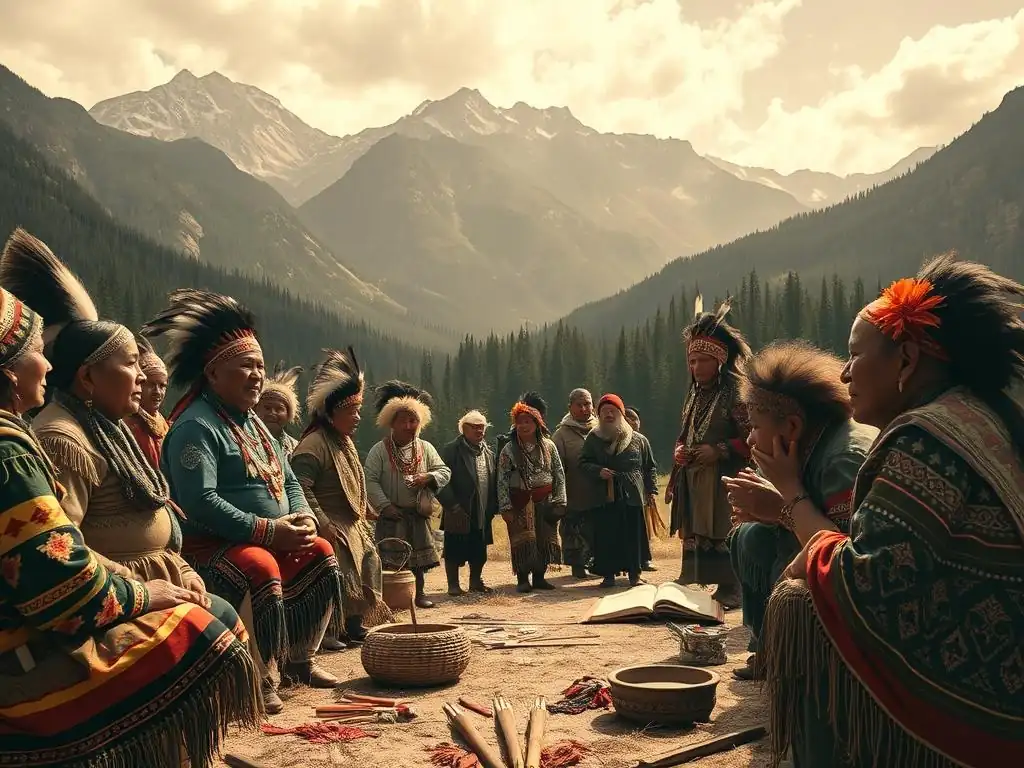
Despite the rich heritage and significance of indigenous festivals, there are numerous challenges associated with their preservation. These challenges stem from historical factors, such as colonization, as well as contemporary issues like globalization and cultural appropriation. Addressing these challenges is crucial to ensure that the traditions and practices of indigenous peoples are honored and maintained for future generations.
The Effects of Colonization on Indigenous Celebrations
Colonization has profoundly impacted indigenous festivals and celebrations, often leading to the erosion of traditional practices and cultural identities. Many indigenous communities faced forced assimilation and suppression of their cultural expressions, resulting in the loss of languages, rituals, and community cohesion. As a result, some festivals have been altered or even abandoned entirely, as communities struggle to reclaim their heritage.
Today, many indigenous groups are working to revive and adapt their festivals to reflect both their historical roots and contemporary realities. This process often involves a delicate balance between maintaining traditional elements and integrating modern practices. While the revival of these celebrations is a positive step, it also raises questions about authenticity and the preservation of cultural integrity.
Navigating Cultural Appropriation in Modern Festivals
Cultural appropriation poses another significant challenge in the preservation of indigenous festivals. As elements of indigenous cultures are incorporated into mainstream celebrations, there is a risk of commodification and misrepresentation. This can lead to a disconnect between the original cultural significance and its modern interpretation.
To navigate this issue, modern event planners must approach indigenous cultural elements with respect and understanding. Engaging with indigenous communities, seeking permission, and ensuring that cultural practices are represented accurately are essential steps in fostering respectful collaboration. By prioritizing authenticity and cultural sensitivity, modern celebrations can honor indigenous traditions while promoting inclusivity and diversity.
The lessons derived from indigenous festivals can greatly enhance modern celebrations, emphasizing sustainability, community engagement, and the importance of cultural integrity. However, it is vital to address the challenges of preservation and appropriation to ensure that these rich traditions continue to thrive and inspire future generations.
Conclusion: Embracing the Legacy of Indigenous Festivals
Indigenous festivals and celebrations embody a rich tapestry of cultural heritage, showcasing traditions, values, and communal bonds that have persisted through centuries. These gatherings serve not only as a means to honor ancestors and the natural world but also as platforms for education, cultural preservation, and community resilience. By embracing the legacy of these festivals, modern societies can enrich their own celebrations, fostering inclusivity and respect for diverse cultures. Recognizing the significance of the stories, rituals, and arts presented in indigenous festivals can lead to a broader understanding of cultural identity and social cohesion.
As we look to the future, it is essential to integrate the teachings from these time-honored traditions into contemporary event planning. This can involve collaborating with indigenous communities, ensuring their voices are heard, and creating spaces where their cultures are celebrated authentically. By doing so, we not only honor the past but also pave the way for future generations to appreciate and sustain these vital cultural expressions.
The Future of Indigenous Festivals and Their Impact on Society
The future of indigenous festivals holds immense potential for influencing societal norms and values. As awareness of cultural diversity increases, there is a growing recognition of the importance of indigenous perspectives in shaping modern celebrations. Festivals that draw on indigenous traditions can promote environmental stewardship, social justice, and community engagement.
Key aspects influencing the future of indigenous festivals include:
- Cultural Revitalization: Many indigenous communities are actively working to revive their traditional customs, languages, and practices, ensuring that future generations retain a connection to their heritage.
- Sustainability: Festivals that prioritize sustainable practices can serve as models for environmental responsibility, showcasing how indigenous communities have lived in harmony with nature for thousands of years.
- Education and Awareness: As festivals become platforms for storytelling and cultural exchange, they can educate wider audiences about the histories and contemporary issues facing indigenous peoples, fostering empathy and understanding.
Ultimately, these festivals can help bridge cultural divides, creating opportunities for dialogue and collaboration that benefit all members of society.
Final Thoughts on Learning from Indigenous Celebrations
In reflecting on the lessons offered by indigenous celebrations, it becomes clear that these events are more than mere festivities; they are essential expressions of identity, resilience, and community. They remind us of the importance of honoring our past while embracing the present and future.
Modern celebrations can draw inspiration from indigenous practices by incorporating elements such as:
- Community Engagement: Encouraging participation from diverse groups to foster a sense of belonging and unity.
- Cultural Exchange: Creating spaces for cross-cultural dialogue, allowing participants to share their stories and learn from one another.
- Mindfulness of Tradition: Recognizing and respecting the significance of rituals and symbols, ensuring that they are presented authentically and with proper context.
By learning from indigenous celebrations, we can create more meaningful events that resonate with a broader audience and promote a deeper appreciation for cultural diversity.
References
- Smith, J. (2020). Indigenous Festivals: A Cultural Heritage. New York: Cultural Press.
- Johnson, L. (2019). Celebrating Diversity: The Role of Festivals in Modern Society. London: Social Dynamics.
- Turner, M. (2021). Reviving Traditions: Indigenous Festivals and Their Future. Toronto: Heritage Books.
Recommended Reading on Indigenous Festivals and Celebrations
- The Spirit of Celebration: Indigenous Festivals Across the Americas by A. Martinez
- Cultural Connections: Festivals of Native Peoples by D. White
- Rituals of Resilience: Indigenous Practices in the Modern World by S. Ramos
Additional Resources for Exploring Indigenous Cultures
- Online Archives: Explore digital collections that document indigenous festivals and celebrations.
- Documentaries: Watch films that showcase the vibrancy and diversity of indigenous cultures.
- Cultural Organizations: Engage with local or national indigenous organizations that promote cultural heritage and education.
- Introduction to Indigenous Festivals and Celebrations
- Historical Significance of Indigenous Festivals
- Elements of Indigenous Festivals and Celebrations
- Modern Interpretations of Indigenous Festivals
- Lessons from Indigenous Festivals for Modern Events
- Sustainability Practices in Indigenous Celebrations
- Community Engagement and Participation: A Key Takeaway
- Challenges in Preserving Indigenous Festivals
- Conclusion: Embracing the Legacy of Indigenous Festivals
- References
Frequently Asked Questions
What are indigenous festivals and celebrations?
Indigenous festivals and celebrations are cultural events that showcase the traditions, rituals, and values of Indigenous peoples. They often involve music, dance, and storytelling, reflecting the rich heritage of these communities.
How do indigenous festivals impact modern celebrations?
Indigenous festivals offer valuable lessons for modern celebrations by emphasizing the importance of community, heritage, and sustainability. They inspire contemporary events to incorporate cultural significance and authenticity.
What are some examples of indigenous festivals in the Americas?
Examples include the Pow Wow in North America, which celebrates Native American culture, and the Inti Raymi in Peru, honoring the Inca sun god. These festivals feature traditional music, dance, and rituals, fostering a sense of belonging.
How can modern societies learn from indigenous festivals?
Modern societies can learn from indigenous festivals by embracing diversity, inclusivity, and respect for nature. These celebrations often promote community engagement and cultural preservation, which can enhance contemporary event practices.
Why is it important to preserve indigenous festivals?
Preserving indigenous festivals is crucial for maintaining cultural identity and passing down traditions to future generations. These festivals serve as a reminder of history and provide a platform for cultural exchange in today's globalized world.
Final Reflection: Embracing the Wisdom of Indigenous Festivals
The lessons drawn from indigenous festivals and celebrations are more relevant today than ever, as we seek to reconnect with our roots and understand the cultural narratives that shape our identities. In a world increasingly dominated by commercialism and fleeting trends, the enduring traditions of indigenous communities remind us of the profound significance of cultural heritage and the importance of honoring the past. These festivals are not merely events; they are living expressions of identity, resilience, and community that resonate deeply in our contemporary society.
The influence of indigenous festivals extends beyond their immediate cultural contexts, shaping our social landscape and inspiring modern celebrations. As we navigate the complexities of globalization and cultural appropriation, it becomes essential to recognize and respect the authentic practices of indigenous peoples. These festivals teach us the value of storytelling, community engagement, and sustainability in our celebrations. Tradition is not the worship of ashes, but the preservation of fire.
This quote encapsulates the spirit of indigenous festivals, urging us to keep the flame of cultural heritage alive while adapting it to our modern lives.
As we reflect on the rich tapestry of indigenous festivals, I invite you to consider how you can incorporate these lessons into your own celebrations. Take a moment to honor the stories, traditions, and values that resonate with you, and strive to create events that foster connection, respect, and authenticity. By embracing the wisdom of the past, we can cultivate a future where celebrations are not only joyous occasions but also meaningful expressions of our shared humanity. Let us carry forward the legacy of indigenous festivals, ensuring that their teachings continue to inspire generations to come.
Embrace and Celebrate Indigenous Wisdom Today!
Thank you for taking the time to explore the rich legacy of Indigenous festivals with us. We hope you gained valuable insights into how these vibrant traditions can enhance our modern celebrations. Now, let’s take this newfound appreciation and make a meaningful impact!
Here are a few actionable steps you can take right now:
- Explore local Indigenous festivals in your area – attend, participate, and learn from these unique cultural experiences.
- Share your newfound knowledge with friends and family. Consider hosting a gathering inspired by Indigenous themes to foster appreciation and dialogue.
- Volunteer with organizations that support Indigenous communities and their cultural events, helping to amplify their voices.
What new traditions or themes from Indigenous festivals resonate with you? How can you incorporate these elements into your next celebration?