
The Future of Indigenous Heritage: How Museums Are Adapting to Change

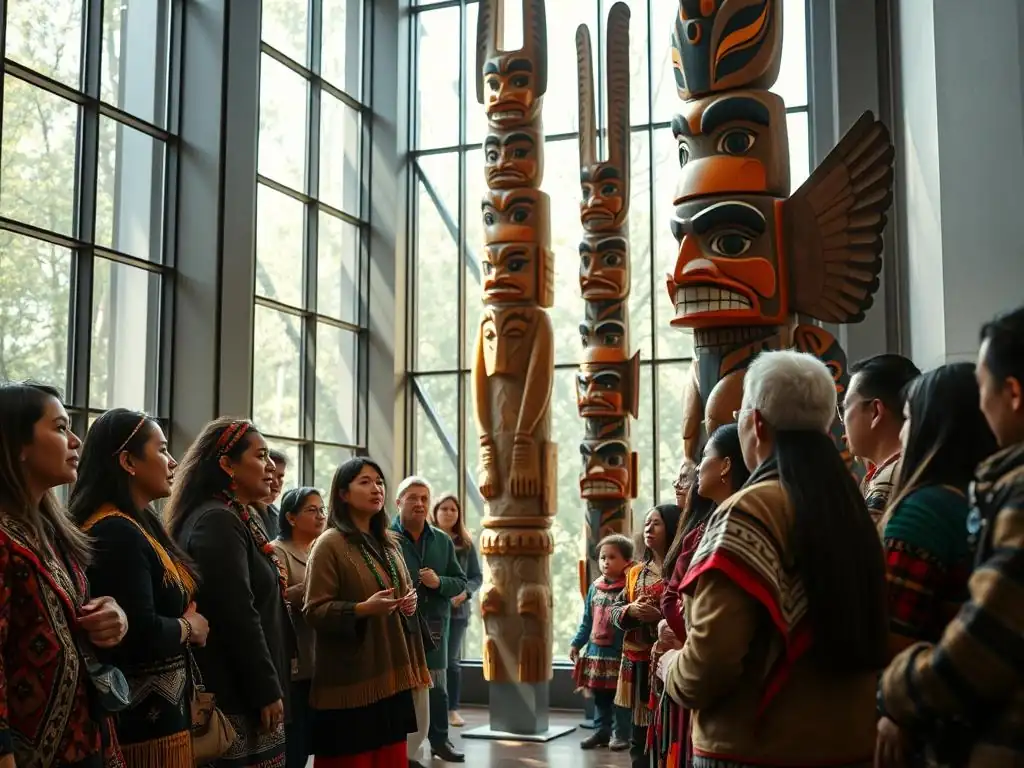
Welcome to Indigenous Civilizations of the Americas, where we invite you to journey through the rich tapestry of indigenous heritage in museums. This site serves as your gateway to understanding the profound achievements and vibrant societies that flourished across the Americas long before European contact.
In our featured article, "The Future of Indigenous Heritage: How Museums Are Adapting to Change," we explore the evolving role of museums in preserving and honoring these cultures. Join us as we unveil the stories, innovations, and legacies that continue to shape our world today, igniting your curiosity to discover more about these remarkable civilizations.
Introduction to Indigenous Heritage in Museums
Indigenous heritage represents a rich tapestry of cultures, traditions, and histories that have shaped the Americas long before European contact. As custodians of this heritage, museums play a pivotal role in preserving and interpreting the diverse narratives of Indigenous peoples. In recent years, there has been a notable shift towards recognizing the importance of authentic representation and collaboration with Indigenous communities. This article will explore how museums are adapting to these changes, focusing on their evolving practices and the critical challenges they face in managing indigenous heritage in museums.
Understanding Indigenous Heritage
Indigenous heritage encompasses a wide array of elements, including languages, rituals, art, and social structures, all of which contribute to the identity and continuity of Indigenous peoples. It is not merely a collection of artifacts but a living tradition that informs the values and beliefs of these communities. Recognizing this dynamic nature of indigenous heritage is essential for museums aiming to present accurate and respectful representations.
The Role of Museums in Preserving Indigenous Cultures
Museums have historically been seen as institutions of knowledge and culture, tasked with the preservation and display of artifacts. However, their role is rapidly evolving. Many museums are now prioritizing partnerships with Indigenous communities to ensure that their histories and identities are presented authentically. This shift acknowledges that Indigenous peoples are the rightful stewards of their heritage and that their perspectives are invaluable in shaping museum narratives.
Current Challenges Facing Indigenous Heritage in Museums
Despite the positive changes in the museum sector, several challenges persist that threaten the integrity and representation of indigenous heritage.
Misrepresentation of Indigenous Cultures
One of the most significant issues is the misrepresentation of Indigenous cultures within museum exhibits. Often, artifacts are presented without adequate context, leading to a skewed understanding of their significance. Museums must work diligently to dismantle stereotypes and provide comprehensive narratives that reflect the complexities of Indigenous identities.
Lack of Indigenous Voices in Museum Narratives
Another critical challenge is the underrepresentation of Indigenous voices in museum narratives. Many institutions continue to rely on external experts to interpret Indigenous heritage, which can lead to narratives that do not resonate with the communities they are meant to represent. Increasing Indigenous participation in curatorial practices and decision-making processes is essential for fostering authenticity and respect.
Cultural Appropriation and Its Impact on Heritage
Cultural appropriation remains a contentious issue within the museum landscape. The use of Indigenous symbols, art, and practices without appropriate context or permission can undermine the significance of these elements. Museums have a responsibility to engage with Indigenous communities to navigate these complexities and ensure that their heritage is honored and protected.
Through this exploration, we will further examine how museums can effectively adapt to these challenges while celebrating and preserving indigenous heritage in a respectful and inclusive manner.
Innovative Approaches to Indigenous Heritage Preservation
As museums evolve to better represent and honor indigenous heritage, a range of innovative approaches are being employed. These strategies aim to create more inclusive environments that respect the voices and perspectives of indigenous communities. By focusing on collaboration, technology, and education, museums are transforming the way they curate and present indigenous artifacts and stories.
Collaborative Exhibitions with Indigenous Communities
One of the most significant shifts in museum practices is the establishment of collaborative exhibitions that involve indigenous communities directly. This approach not only empowers these communities but also enriches the narratives presented in museums. For instance, curators are now partnering with indigenous leaders and cultural specialists to co-create exhibitions that reflect authentic cultural practices and beliefs. This collaboration ensures that indigenous voices are not just heard but are central to the storytelling process.
Such partnerships can take various forms, including:
- Co-curation: Indigenous representatives work alongside museum staff to select artifacts, design displays, and develop interpretive materials.
- Cultural advisory boards: Museums may establish boards composed of indigenous elders and knowledge keepers to guide their programming and exhibition efforts.
- Community engagement: Regular workshops and discussions allow museums to gather insights and feedback from indigenous communities, fostering a sense of ownership and pride.
Incorporating Technology in Museum Displays
The integration of technology into museum displays has the potential to enhance the understanding of indigenous heritage significantly. Interactive exhibits, virtual reality experiences, and digital storytelling are being employed to create engaging educational opportunities. For example, augmented reality applications can provide visitors with immersive experiences that illustrate historical contexts and cultural practices.
Some notable technological innovations include:
- Digital archives: Museums can create accessible online databases of indigenous artifacts, allowing broader public engagement and research opportunities.
- Mobile applications: These apps can offer guided tours, multimedia content, and educational resources tailored to the interests of diverse visitors.
- Virtual reality experiences: Visitors can experience traditional ceremonies or historical events in a simulated environment, fostering empathy and deeper understanding.
Educational Programs Focused on Indigenous Histories
Education is at the forefront of efforts to preserve indigenous heritage in museums. By developing programs that focus on indigenous histories, museums can promote awareness and appreciation of these rich cultures among diverse audiences. This includes workshops, lectures, and outreach initiatives designed to engage both children and adults.
Key elements of effective educational programs include:
- Curriculum integration: Collaborating with schools to incorporate indigenous perspectives into educational curricula.
- Hands-on workshops: Offering visitors the opportunity to participate in traditional crafts or storytelling sessions led by indigenous instructors.
- Cultural festivals: Hosting events that celebrate indigenous cultures through dance, music, and art, fostering community ties and public interest.
Case Studies of Successful Museum Adaptations
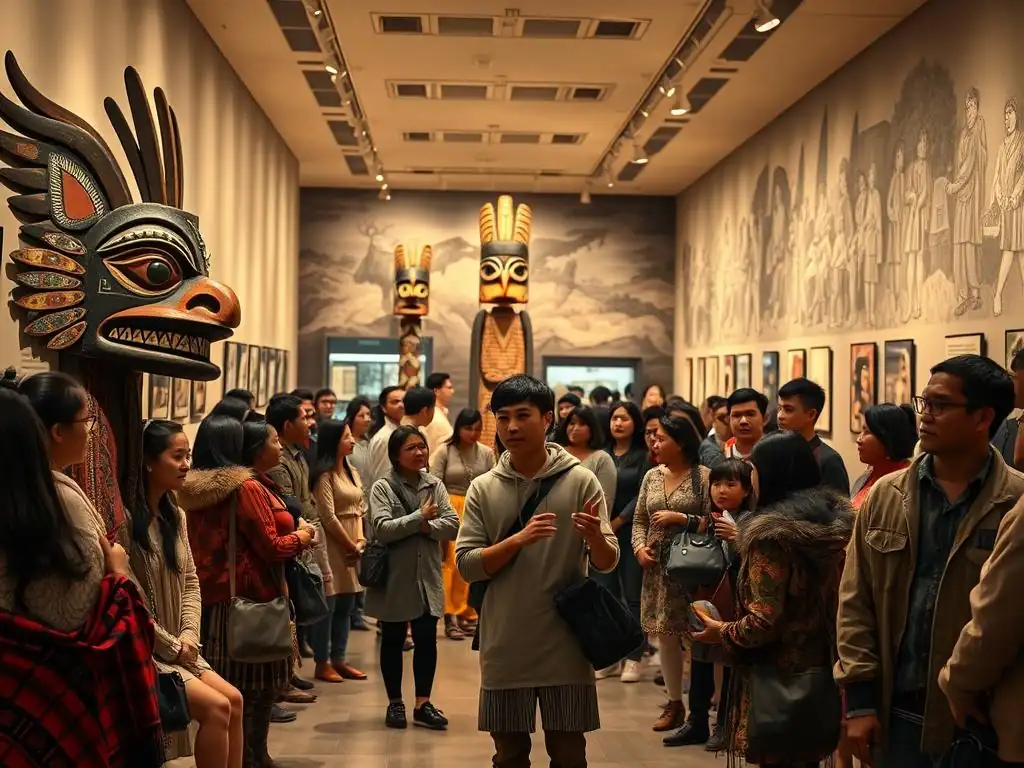
Examining specific case studies can provide insights into how museums successfully adapt to incorporate indigenous heritage into their practices. These institutions showcase effective strategies for collaboration, technology use, and educational outreach.
The National Museum of the American Indian: Engaging Indigenous Perspectives
The National Museum of the American Indian (NMAI) is a prime example of a museum that has embraced indigenous perspectives. From its inception, NMAI has prioritized collaboration with indigenous communities in its exhibitions and programming. The museum’s commitment to authenticity is reflected in its diverse range of exhibits that showcase the stories, artifacts, and traditions of various tribes across the Americas.
Noteworthy initiatives include:
- Indigenous-led exhibitions: The museum regularly features exhibitions curated by indigenous artists and scholars, ensuring that their voices are central to the narrative.
- Community outreach: NMAI conducts educational programs and workshops in partnership with tribal communities, fostering stronger relationships and shared learning experiences.
- Cultural preservation: The museum actively works to document and revitalize endangered languages and traditions through its programs.
The British Museum: Revitalizing Traditional Knowledge
The British Museum has taken significant steps towards revitalizing traditional knowledge by collaborating with indigenous groups to reassess its collections and exhibitions. Acknowledging the complex histories surrounding its artifacts, the museum strives to create exhibits that reflect the cultural significance of these items from an indigenous viewpoint.
Key initiatives include:
- Repatriation efforts: The museum has engaged in discussions regarding the repatriation of sacred objects to their indigenous communities, recognizing the importance of returning items to their rightful context.
- Education programs: The British Museum offers educational resources that explore indigenous histories and cultures, helping to challenge stereotypes and promote understanding.
- Digital initiatives: The museum has launched online platforms where indigenous narratives can be shared, allowing for a broader audience to engage with these vital stories.
The Canadian Museum of History: Community-Driven Exhibition Models
The Canadian Museum of History exemplifies the use of community-driven exhibition models to highlight indigenous heritage. By fostering relationships with indigenous communities, the museum has developed exhibitions that reflect their histories, cultures, and contemporary issues.
Significant features of their approach include:
- Consultative processes: The museum actively consults with indigenous groups throughout the exhibition planning process, ensuring their perspectives are integrated.
- Showcasing contemporary artists: The museum highlights the work of contemporary indigenous artists, emphasizing the ongoing cultural vibrancy and resilience of indigenous communities.
- Interactive displays: By creating exhibits that encourage visitor participation, the museum fosters a deeper understanding of the complexities of indigenous heritage.
Through these case studies, it becomes evident that innovative approaches to indigenous heritage preservation are essential for museums aiming to adapt to changing societal expectations and values. By prioritizing collaboration, technology, and education, museums can effectively honor and celebrate the rich tapestry of indigenous cultures.
The Future Vision for Indigenous Heritage in Museums
As museums evolve to meet the needs of modern society, the future vision for indigenous heritage in these institutions emphasizes a holistic and inclusive approach. This vision seeks to create a dynamic space where indigenous voices are not only heard but are integral to the narrative. By prioritizing collaborative storytelling and community engagement, museums can transform into platforms for education, dialogue, and cultural exchange. The aim is to foster an environment where indigenous heritage is celebrated, preserved, and actively integrated into the broader cultural landscape.
In this future vision, technology plays a significant role, with digital tools facilitating greater access to indigenous narratives and artifacts. Virtual reality, augmented reality, and interactive exhibits can bridge geographical barriers, allowing audiences worldwide to experience indigenous cultures authentically. Museums will also increasingly focus on decolonizing their collections and practices, ensuring that indigenous perspectives shape the interpretation and presentation of their heritage. This forward-thinking approach promises to redefine the relationship between museums and indigenous communities, fostering mutual respect and understanding.
Emphasizing Authentic Representation
Authentic representation of indigenous cultures is paramount in the context of museums. Historically, many institutions have presented indigenous heritage through a colonial lens, often distorting or oversimplifying complex narratives. To rectify this, museums are increasingly committed to showcasing indigenous perspectives through collaboration with community members. This involves involving indigenous artists, historians, and cultural practitioners in the curation process, ensuring that the stories told are accurate and reflective of the community’s values.
Moreover, authentic representation requires a commitment to diversity within indigenous cultures themselves. Museums must recognize the rich tapestry of languages, traditions, and histories that exist among various indigenous groups. By highlighting these differences and celebrating the uniqueness of each culture, museums can provide a more nuanced understanding of indigenous heritage. This approach not only enriches the visitor experience but also validates the identities of indigenous peoples, fostering a sense of pride and ownership over their narratives.
Building Sustainable Partnerships with Indigenous Peoples
Building sustainable partnerships with indigenous peoples is essential for the future of indigenous heritage in museums. These partnerships should be based on trust, respect, and shared goals, enabling museums to engage with indigenous communities in meaningful ways. Collaborative initiatives can take various forms, from joint exhibitions and educational programs to community-led preservation projects.
Sustainable partnerships also involve acknowledging and addressing historical injustices faced by indigenous communities. Museums have a responsibility to create platforms for Indigenous voices to articulate their needs and desires regarding the representation of their heritage. This includes providing fair compensation for contributions, ensuring that indigenous communities have a say in how their stories are told, and maintaining ongoing dialogue to adapt to changing needs and perspectives. By fostering these relationships, museums can become allies in the preservation and revitalization of indigenous cultures.
Evolving Museum Policies to Support Indigenous Heritage
To effectively support indigenous heritage, museums must evolve their policies and practices. This involves a critical reassessment of existing frameworks to ensure they align with the values and needs of indigenous communities. Policies should prioritize the repatriation of artifacts and human remains, promoting the return of culturally significant items to their rightful owners. This shift in policy reflects a growing recognition of indigenous sovereignty and the importance of cultural heritage as a vital aspect of identity.
Additionally, museums should implement policies that encourage the participation of indigenous peoples in decision-making processes. This can include establishing advisory boards composed of indigenous representatives who can provide guidance on exhibitions, programming, and collection management. Such involvement not only enhances the authenticity of museum practices but also empowers indigenous communities to take an active role in preserving and sharing their heritage. By evolving their policies, museums can better serve as custodians of indigenous cultures, ensuring that they are treated with the respect and dignity they deserve.
Conclusion: The Importance of Adapting Museums for Indigenous Heritage
As museums continue to adapt to changing societal expectations, the importance of prioritizing indigenous heritage cannot be overstated. The evolving landscape of museums presents an opportunity to redefine how indigenous cultures are represented and engaged with, ultimately benefiting both the institutions and the communities they serve. By embracing authentic representation, building sustainable partnerships, and evolving policies, museums can play a pivotal role in fostering cultural understanding and reconciliation.
The Role of Museums as Stewards of Indigenous Cultures
Museums have a vital role as stewards of indigenous cultures, serving as guardians of knowledge and heritage. This stewardship extends beyond the preservation of artifacts; it encompasses a broader commitment to honoring the traditions, histories, and contributions of indigenous peoples. By acting as facilitators of dialogue and understanding, museums can educate the public about the richness and diversity of indigenous cultures, promoting respect and appreciation.
Furthermore, museums can support the revitalization of indigenous languages, traditions, and practices through dedicated programs and initiatives. By providing resources and spaces for indigenous communities to share their knowledge, museums can contribute to the ongoing survival of these cultures. This stewardship requires a genuine commitment to collaboration and a willingness to listen and learn from indigenous voices, ensuring that museums are not merely passive institutions but active participants in the preservation of cultural heritage.
Call to Action for Future Preservation Efforts
As we look to the future, a call to action is essential for the preservation of indigenous heritage in museums. It is imperative that museum professionals, policymakers, and the general public recognize the importance of supporting indigenous communities in their quest for cultural preservation and representation. This involves advocating for policies that prioritize indigenous voices, investing in community-led initiatives, and fostering collaborations that empower indigenous peoples.
Moreover, education plays a crucial role in this call to action. Museums should aim to educate visitors about the ongoing impacts of colonization and the importance of indigenous heritage. By promoting awareness and understanding, museums can inspire individuals to become advocates for indigenous rights and cultural preservation. The path forward lies in collective efforts to ensure that indigenous heritage is not only preserved but celebrated, creating a future where indigenous cultures thrive alongside the broader societal narrative.
- Introduction to Indigenous Heritage in Museums
- The Role of Museums in Preserving Indigenous Cultures
- Current Challenges Facing Indigenous Heritage in Museums
- Innovative Approaches to Indigenous Heritage Preservation
- Case Studies of Successful Museum Adaptations
- The Future Vision for Indigenous Heritage in Museums
- Conclusion: The Importance of Adapting Museums for Indigenous Heritage
- What is the main focus of the article "The Future of Indigenous Heritage: How Museums Are Adapting to Change"?
- How are museums changing their approach to indigenous heritage?
- Why is the representation of indigenous heritage important in museums?
- What role do indigenous communities play in museums today?
- How can visitors support indigenous heritage in museums?
Frequently Asked Questions
What is the main focus of the article "The Future of Indigenous Heritage: How Museums Are Adapting to Change"?
The article emphasizes how museums are evolving to better represent and honor indigenous heritage in their exhibitions and programs, ensuring that indigenous voices are heard and respected.
How are museums changing their approach to indigenous heritage?
Museums are increasingly collaborating with indigenous communities to develop more accurate and meaningful displays, promoting cultural sensitivity and representation in their narratives.
Why is the representation of indigenous heritage important in museums?
Proper representation of indigenous heritage is crucial for educating the public about diverse cultures, fostering respect, and acknowledging historical injustices faced by these communities.
What role do indigenous communities play in museums today?
Indigenous communities are now actively involved in the curation process, providing insights and perspectives that shape how their cultures are portrayed, ensuring authenticity and cultural integrity.
How can visitors support indigenous heritage in museums?
Visitors can support indigenous heritage by actively engaging with exhibitions, participating in related events, and advocating for policies that prioritize indigenous representation and collaboration in museum practices.
Final Reflection: Embracing Indigenous Heritage in Museums for a Sustainable Future
The preservation and celebration of indigenous heritage in museums is more relevant today than ever, as we navigate a world increasingly aware of the importance of cultural diversity and representation. As institutions evolve, they are not only tasked with safeguarding artifacts but also with fostering genuine relationships with indigenous communities, ensuring their voices are heard and respected. This shift signifies a profound acknowledgment that museums can no longer operate as mere custodians of the past; they must become active participants in shaping a more inclusive future.
The ongoing transformation of museums reflects a broader societal change, where the narratives of marginalized communities are finally being recognized and valued. This evolution is not just about displaying artifacts; it’s about creating spaces where indigenous stories are told authentically and collaboratively. As we witness this shift, we are reminded of the words of author and activist Rebecca Solnit: > “The future is already here — it’s just not very evenly distributed.” This sentiment resonates deeply as we see some museums leading the way in integrating indigenous perspectives, while others still grapple with outdated practices.
As we reflect on the lessons from this article, I invite you to consider your own role in supporting the preservation of indigenous heritage in museums. Engage with local institutions, advocate for inclusive practices, and seek out stories that celebrate the richness of indigenous cultures. Together, we can contribute to a future where museums serve not only as places of learning but as vibrant communities that honor and uplift the voices of indigenous peoples. Your actions, no matter how small, can help ensure that the heritage of these communities is not only preserved but celebrated for generations to come.
Embrace and Advocate for Indigenous Heritage Today!
Thank you for taking the time to explore how museums are evolving to honor Indigenous heritage. Your interest in this crucial conversation is invaluable, and we hope you've gained insights into the transformative changes taking place within these institutions. Now is the time to take action and help amplify Indigenous voices!
- Join a local Indigenous cultural event or workshop to deepen your understanding and support community initiatives.
- Share this article with friends and family to spread awareness about the importance of preserving Indigenous heritage.
- Consider visiting museums that showcase Indigenous histories and provide feedback to encourage further inclusivity and representation.
What steps are you inspired to take to advocate for Indigenous heritage in your community?