
The Role of Rituals and Spirituality in Indigenous Military Practices

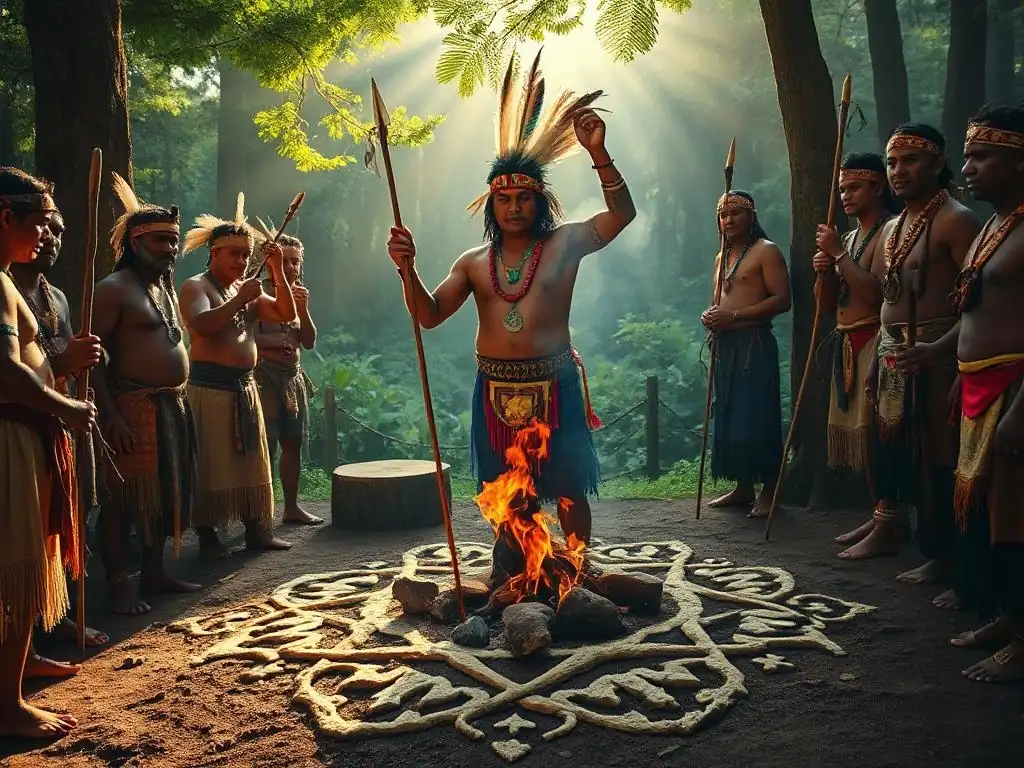
Welcome to Indigenous Civilizations of the Americas, where we delve into the rich tapestry of cultures that flourished long before European contact. In this exploration, we invite you to uncover the profound connections between indigenous military rituals and spirituality. How did these practices shape the identities and societies of indigenous peoples during times of conflict?
Prepare to embark on a journey that reveals the intricate balance of warfare and the spiritual beliefs that guided these remarkable civilizations. Dive into our featured article, The Role of Rituals and Spirituality in Indigenous Military Practices, and discover the powerful legacies that continue to resonate today. Your adventure into the heart of indigenous traditions awaits!
- Introduction to Indigenous Military Rituals and Spirituality
- Historical Context of Indigenous Military Rituals
- Key Indigenous Military Rituals and Their Spiritual Significance
- Case Studies of Indigenous Military Rituals
- The Impact of Rituals on Indigenous Military Cohesion
- Modern Perspectives on Indigenous Military Rituals and Spirituality
- Conclusion: The Lasting Impact of Indigenous Military Rituals and Spirituality
-
Frequently Asked Questions
- What are the key elements of indigenous military rituals?
- How does spirituality influence indigenous warfare?
- In what ways do indigenous military rituals differ among cultures?
- What is the significance of rituals during times of conflict?
- How do these practices impact the lasting legacy of indigenous cultures?
- Final Reflection: The Enduring Power of Indigenous Military Rituals and Spirituality
- Unleash the Power of Ritual: Connect, Reflect, and Engage!
Introduction to Indigenous Military Rituals and Spirituality
Indigenous military rituals and spirituality represent an essential facet of the complex tapestry of cultures that flourished across the Americas prior to European colonization. These practices were not mere formalities; they embodied profound beliefs and values that shaped the identities and actions of various indigenous groups.
The intertwining of military endeavors with spiritual elements provided a framework through which communities understood their place in the cosmos and their relations with both the seen and unseen worlds. This article delves into the intricate relationship between indigenous military practices and spirituality, shedding light on how these rituals not only guided warriors into battle but also reinforced community bonds, cultural identity, and a deeper connection to the earth and its mysteries.
Overview of Indigenous Military Practices
Indigenous military practices varied widely across the Americas, influenced by environmental conditions, social structures, and cultural beliefs. Common elements in these practices included:
- Strategic Warfare: Indigenous groups often employed strategies based on their intimate knowledge of the land. For instance, the Iroquois Confederacy utilized a combination of guerrilla tactics and psychological warfare to maintain dominance in the Northeast.
- Ritual Preparation: Before engaging in battle, warriors would participate in rituals designed to invoke the support of spiritual entities. These rituals could involve:
- Purification ceremonies: Bathing or fasting to cleanse the body and spirit.
- Vision quests: Seeking guidance from spirits or ancestors through solitary reflection and prayer.
- Sacrifices: Offering items of value to demonstrate respect to deities or spirits.
- Post-Battle Rituals: Following conflicts, rituals were conducted to honor the fallen and to heal both the physical and spiritual wounds of the community. These practices included communal feasts, storytelling, and the creation of memorials.
The integration of these elements was essential in reinforcing the warrior's role within their society, often elevating them to a status of reverence and respect.
Importance of Spirituality in Indigenous Cultures
Spirituality played a critical role in shaping the worldview of indigenous peoples, influencing not only military practices but also daily life and community cohesion. Key aspects include:
- Connection to the Land: Many indigenous cultures viewed the land as sacred, a living entity that provided not only sustenance but also spiritual guidance. This connection imbued military actions with a sense of purpose and responsibility, as warriors were often seen as protectors of their territory.
- Ancestral Guidance: Spirituality was deeply tied to the veneration of ancestors. Warriors believed that the spirits of their forebears would guide them in battle, and thus, rituals were performed to honor these ancestral connections. This belief fostered resilience and courage during conflicts.
- Rituals as Community Bonds: Military rituals served as communal events that strengthened social ties. The shared experiences of preparation and remembrance helped to unify individuals within a tribe, reinforcing a collective identity and shared purpose.
Understanding the role of spirituality in indigenous military practices is essential for appreciating the depth of their cultures and their historical contexts. Through this exploration, we can gain insight into how these practices shaped the identities of countless communities across the Americas and how they continue to influence indigenous cultures today.
Historical Context of Indigenous Military Rituals
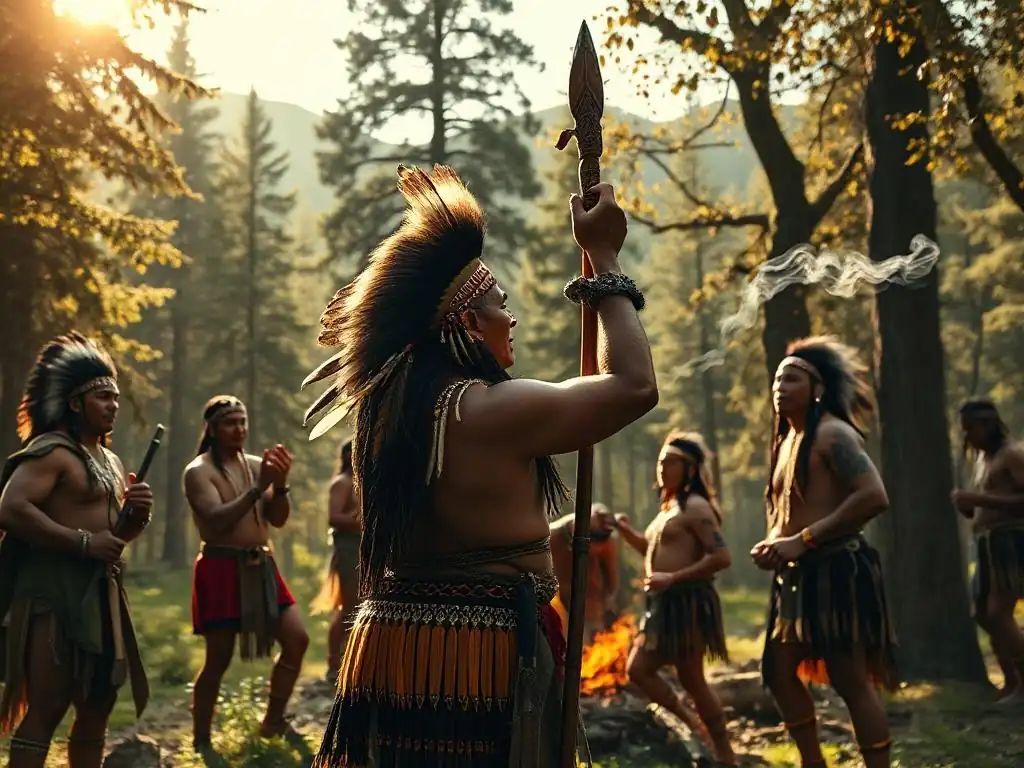
Indigenous military rituals and spirituality were deeply intertwined with the cultural and societal frameworks of various indigenous civilizations across the Americas. These rituals served not only as a means of preparing for and engaging in conflict but also as a reflection of broader spiritual beliefs and communal values. Understanding the historical context of these practices offers valuable insights into the complexities of indigenous military strategies and their significance in the lives of these communities.
Pre-Colonial Military Structures and Strategies
Before European colonization, many indigenous societies established sophisticated military structures tailored to their specific environmental and sociopolitical contexts. These structures were often characterized by:
- Hierarchical Leadership: Military leaders, sometimes referred to as war chiefs, were selected based on their valor, wisdom, and ability to unify the tribe. Their decisions were often informed by spiritual advisors or shamans who interpreted the will of the spirits.
- Alliances and Confederacies: Many indigenous groups formed alliances to strengthen their military capabilities. For instance, the Iroquois Confederacy is a notable example of a coalition that enhanced collective military strength through shared resources and coordinated strategies.
- Tactical Warfare: Indigenous military strategies often emphasized guerrilla tactics, ambushes, and knowledge of the terrain. This adaptability allowed for effective engagements against both rival tribes and colonial forces.
- Ritualistic Warfare: Engaging in warfare was often accompanied by rituals that invoked the protection and favor of spiritual entities. These rituals could include offerings, prayers, and ceremonies performed before battles to ensure success and minimize casualties.
The interplay of these elements formed a robust military system that was as much about spiritual endurance as it was about physical prowess. Indigenous military practices were not solely focused on conquest; they also aimed to maintain balance within the community and uphold values of honor and respect.
The Influence of Spiritual Beliefs on Warfare
Spiritual beliefs played a pivotal role in shaping indigenous military rituals, influencing everything from battle preparations to the conduct of warfare itself. These beliefs were often rooted in a deep connection to the land, ancestors, and the cosmos. Key aspects include:
- Ritual Preparations: Before entering battle, warriors typically engaged in various rituals intended to purify their spirits and seek guidance from supernatural forces. This could involve fasting, meditation, or ceremonial dances, which served both to bolster individual morale and to unite the collective spirit of the warriors.
- Symbols and Totems: Many tribes used specific symbols or totems representing their spiritual beliefs during warfare. These emblems could be painted on warriors' bodies or displayed on shields, serving as a source of strength and a reminder of their spiritual heritage.
- Post-Battle Rituals: After conflicts, rituals were conducted to honor the deceased, both friend and foe. These practices emphasized the importance of respecting the spirits of those who had fallen, reinforcing the belief in an interconnected existence beyond the physical realm.
- Divination and Prophecy: Some indigenous cultures employed divination practices to foresee potential outcomes of military engagements. Shamans or spiritual leaders would interpret signs, such as animal behavior or celestial events, to guide military decisions.
The integration of spirituality into military practices among indigenous peoples was not merely an ancillary aspect but rather a fundamental component that shaped their approaches to warfare. The rituals surrounding military actions reinforced communal ties, instilled courage, and ensured that battles were fought with a sense of purpose that transcended mere territorial disputes. The legacy of these indigenous military rituals continues to resonate, offering profound insights into the spiritual dimensions of warfare and the enduring resilience of these cultures.
Key Indigenous Military Rituals and Their Spiritual Significance
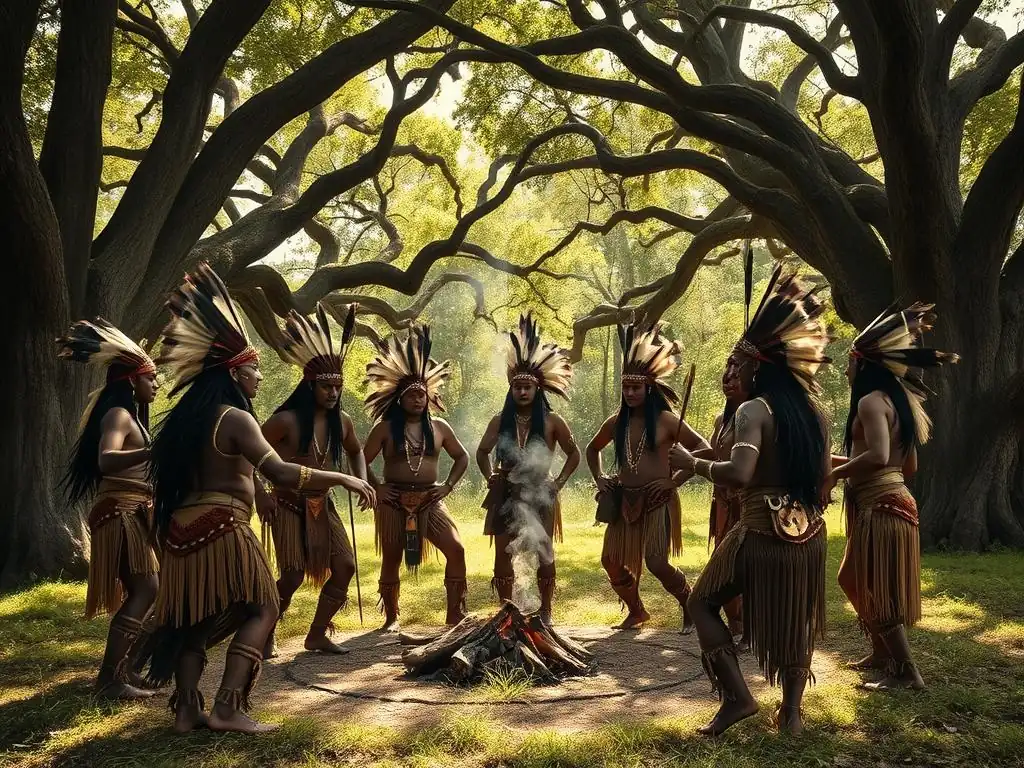
Rituals of Preparation for Battle
Indigenous military rituals often began with meticulous preparations that were deeply intertwined with spirituality. These rituals served not only as a means to prepare physically for warfare but also to invoke spiritual guidance and protection. Among various indigenous cultures, such as the Lakota Sioux and the Aztecs, specific practices were undertaken to ensure the success of their military endeavors.
- Vision Quests: Many tribes, including the Plains Indians, engaged in vision quests where individuals would seek spiritual visions to gain insights and guidance from their ancestors or spirit animals. This process could involve fasting, meditation, and isolation in nature, emphasizing the connection between the individual and the spiritual realm.
- Invocation of Spirits: Rituals often included invocations to spirits for strength and favor. For instance, the Iroquois Confederacy would conduct ceremonies to honor their war deities, ensuring that warriors entered battles with both courage and divine backing.
- Sacred Objects and Symbols: The use of sacred objects, such as feathers, totems, or painted shields, was common. These items were believed to carry spiritual power and protection. For example, the use of eagle feathers represented bravery and honor, fostering a sense of pride and purpose among the warriors.
The significance of these rituals was profound; they not only prepared the warriors physically and mentally but also forged a collective identity and purpose, deeply rooted in their cultural and spiritual heritage.
Ceremonies for the Fallen Warriors
The loss of warriors in battle prompted a host of rituals aimed at honoring their sacrifice and ensuring their safe passage to the afterlife. These ceremonies varied across cultures but shared common themes of respect, mourning, and spiritual connection.
- Funeral Rites: Many indigenous cultures practiced elaborate funeral rites that included songs, dances, and storytelling to celebrate the lives of fallen warriors. The Cherokee, for example, held communal gatherings where the achievements of the deceased were recounted, reinforcing their legacy within the community.
- Spirit Offerings: Offerings were often made to accompany the soul of the fallen warrior. This could include food, tools, or personal items, reflecting the belief that these offerings would help the warrior in their journey to the afterlife. The Maya, for instance, would bury their warriors with items they would need in the next world.
- Memorial Rituals: The remembrance of fallen warriors often extended beyond the immediate funerary practices. Annual ceremonies or festivals were held to honor their memories, allowing communities to reconnect with their past and teach younger generations about the values of bravery and sacrifice.
Through these ceremonies, indigenous communities maintained a vital connection to their ancestors, reinforcing the idea that the spirit of the warrior lives on, continuing to protect and guide the living.
Spiritual Cleansing and Protection Rituals
Spiritual cleansing and protection rituals were essential components of indigenous military practices, aimed at safeguarding warriors from negative energies and ensuring their readiness for battle.
- Smudging Ceremonies: Many tribes utilized the practice of smudging, where sacred herbs such as sage or sweetgrass were burned. The smoke was believed to cleanse individuals of impurities, both physical and spiritual. This process was crucial before entering battle, as it was thought to provide clarity and protection against malevolent forces.
- Protective Charms and Amulets: Warriors often carried charms or amulets imbued with spiritual significance. These objects were believed to offer protection and enhance the warrior's strength in battle. For instance, the use of bear claws or talismans with intricate designs symbolizing strength and valor was common among various tribes.
- Ritual Dances: Dance played a significant role in many cleansing rituals. The Pueblo people, for example, conducted ceremonial dances to invoke the spirits of ancestors and nature, seeking their guidance and protection before battles. These dances often included symbolic movements that represented the warriors' connection to the earth and the cosmos.
These spiritual cleansing and protection rituals were fundamental to the psychological and emotional readiness of the warriors, reinforcing their belief in the supernatural forces that guided their lives and battles.
Case Studies of Indigenous Military Rituals
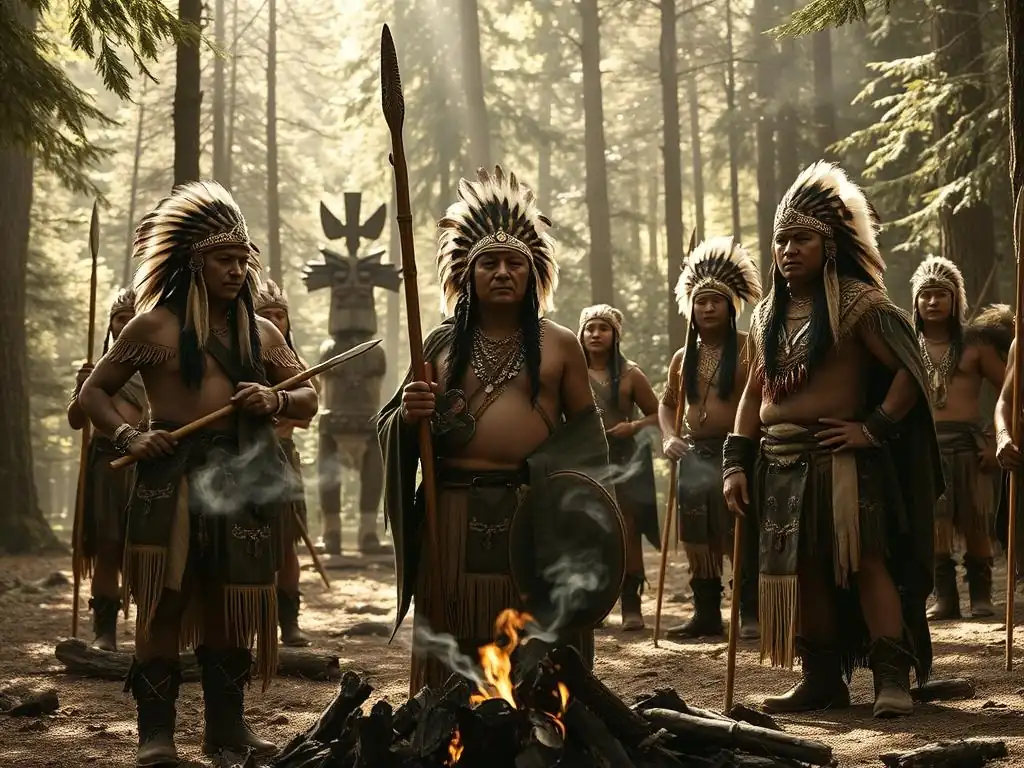
Indigenous military rituals were deeply intertwined with spirituality, influencing the preparation and conduct of warfare. These rituals not only provided psychological support to warriors but also reinforced communal bonds and cultural identity. By examining specific case studies, we can gain insight into how different indigenous groups integrated spirituality into their military practices.
The Role of the Sun Dance in Military Preparedness
The Sun Dance is a significant spiritual and ceremonial event practiced by various Plains Indigenous nations, including the Lakota and Cheyenne. This ritual is characterized by intense physical endurance and communal participation, aimed at renewing strength and resilience among participants.
- Purpose and Preparation:
- The Sun Dance is often held in the summer and lasts several days, involving fasting, dancing, and sometimes self-sacrifice.
- Warriors participate to seek visions and guidance from the spirits, which they believe will enhance their prowess in battle.
- Spiritual Significance:
- The ceremony serves as a means of connecting with the Great Spirit, invoking protection and strength for the community.
- Participants often receive personal revelations that guide their actions during warfare, creating a spiritual framework for their military strategies.
- Outcome and Impact:
- The communal aspect of the Sun Dance strengthens social ties and fosters unity, essential for effective military campaigns.
- Historical accounts suggest that tribes who actively participated in the Sun Dance often displayed greater cohesion and resilience in battle.
The Cherokee War Rituals and Spiritual Practices
The Cherokee employed a variety of rituals to prepare for war, blending their spiritual beliefs with military objectives. These rituals served to invoke protection and ensure success in combat.
- Warriors' Preparation:
- Before engaging in battle, Cherokee warriors would participate in cleansing rituals, such as the "going to water" ceremony, to purify themselves and seek favor from the Creator.
- Offerings and prayers were made to the spirits of ancestors, asking for guidance and strength.
- Symbolic Acts:
- The use of symbols, such as the Cherokee war club and shield, often involved ceremonial blessings to imbue them with spiritual significance.
- The practice of wearing specific colors or markings during battle was believed to invoke protection from spiritual forces.
- Post-Battle Rituals:
- After a conflict, the Cherokee would hold rituals to honor fallen warriors, integrating their spirits into the community consciousness and reinforcing the importance of bravery and sacrifice.
Comparative Analysis: The Sioux and Apache Military Spirituality
While both the Sioux and Apache engaged deeply with spirituality in their military practices, their rituals and beliefs exhibited unique characteristics influenced by their distinct cultural contexts.
- Sioux Military Spirituality:
- Sioux warriors often sought visions through the "Vision Quest," a rite of passage involving isolation and fasting to receive spiritual guidance.
- Their rituals included the use of sacred objects, such as the eagle feather, which symbolized bravery and connection to the divine.
- Apache Military Spirituality:
- The Apache utilized ceremonies such as the "Enemy Way," which involved rituals to honor and appease the spirits of those killed in battle, ensuring they did not seek revenge against the living.
- Their spiritual practices emphasized the importance of balance and harmony, with warriors engaging in rituals that sought to restore equilibrium after conflict.
- Key Differences:
- While both groups emphasized personal spiritual experiences, the Sioux rituals were more focused on individual visions, whereas the Apache practices centered on community and ancestral appeasement.
- These differences reflect the broader cultural values of each group, with the Sioux placing greater emphasis on individual prowess and the Apache prioritizing communal harmony and respect for the dead.
The role of indigenous military rituals spirituality varies significantly across different cultures. The integration of spiritual beliefs into military practices underscores the profound connection between warfare, community identity, and the natural world. By exploring these case studies, we gain a deeper understanding of the rich tapestry of indigenous military traditions and their lasting impact on cultural heritage.
The Impact of Rituals on Indigenous Military Cohesion
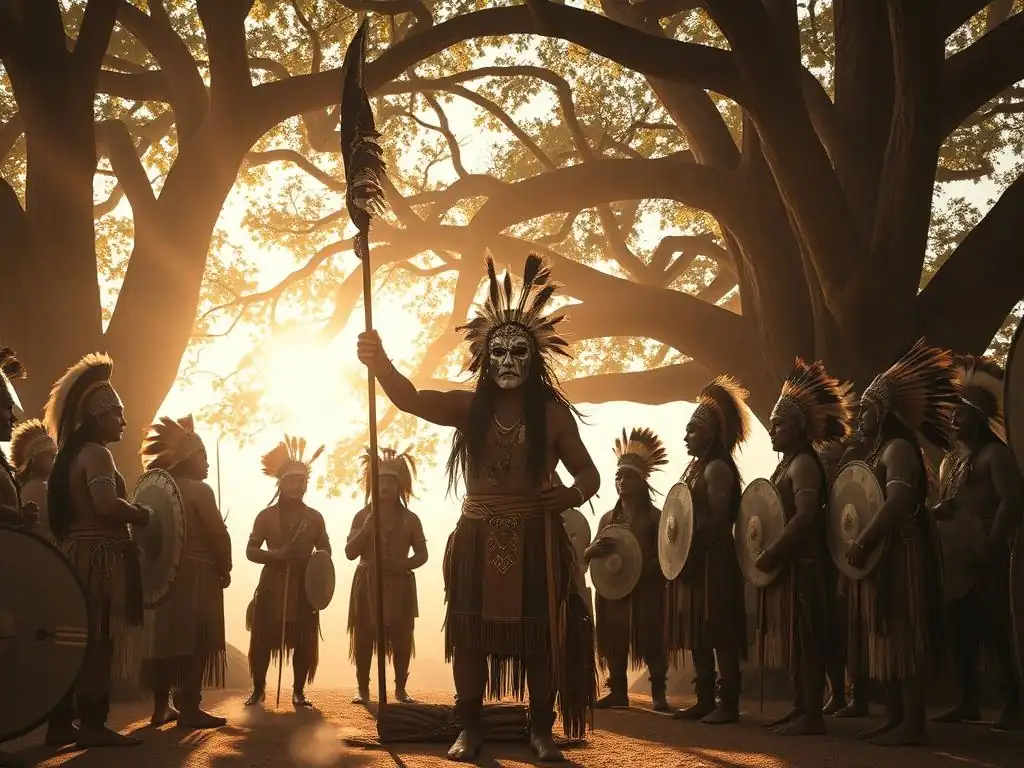
Enhancing Unity and Morale Among Warriors
Rituals in indigenous military practices were not merely ceremonial; they served as powerful tools to enhance unity and morale among warriors. These rituals often involved communal gatherings, where stories of bravery and valor were shared, reinforcing a collective identity among the fighters. For instance, among the Lakota Sioux, the Sun Dance was a significant event that fostered a sense of belonging and mutual support. This dance involved not only warriors but also families and the community, creating a shared purpose that transcended individual motivations.
Additionally, specific rituals were designed to invoke spiritual protection and guidance. Many tribes believed that the success of their military endeavors was intertwined with their spiritual beliefs. For example, the Navajo employed the practice of Blessingway ceremonies to ensure that warriors were spiritually fortified before going into battle. This form of spirituality provided them with a sense of strength and resilience, crucial for maintaining morale during challenging times.
Moreover, rituals often included offerings to deities or ancestors, which were believed to grant favor in conflicts. These acts of devotion solidified the warriors' commitment to their cause and to one another. The sense of being watched over and supported by the spiritual realm enhanced their courage, leading to improved performance on the battlefield.
The Role of Community in Military Spirituality
The communal aspect of indigenous military spirituality cannot be overstated. Rituals were not solely individual acts; they were collective experiences that brought entire communities together. This unity was essential in creating a robust support system for warriors. In many cultures, the participation of women and children in military rituals was common, emphasizing the interconnectedness of all members of the society in the military effort.
For example, among the Aztec, the Tlacaxipehualiztli festival involved the community in honoring the god of war, Huitzilopochtli. This event included music, dance, and offerings, reinforcing the societal commitment to the warriors and their battles. The community's active involvement fostered a shared sense of responsibility and pride, which was vital for sustaining morale and cohesion among the fighting forces.
Furthermore, the spiritual beliefs surrounding military practices often encouraged narratives that celebrated community resilience. These stories, passed down through generations, served as reminders of the collective sacrifices made for the sake of survival and honor. The emphasis on community in these spiritual practices created a strong bond among warriors, making them more likely to fight valiantly for one another.
The integration of rituals and spirituality within indigenous military practices played a critical role in enhancing cohesion and unity among warriors. By fostering a deep sense of community and shared purpose, these rituals laid the foundation for effective military collaboration and resilience in the face of adversity.
Modern Perspectives on Indigenous Military Rituals and Spirituality
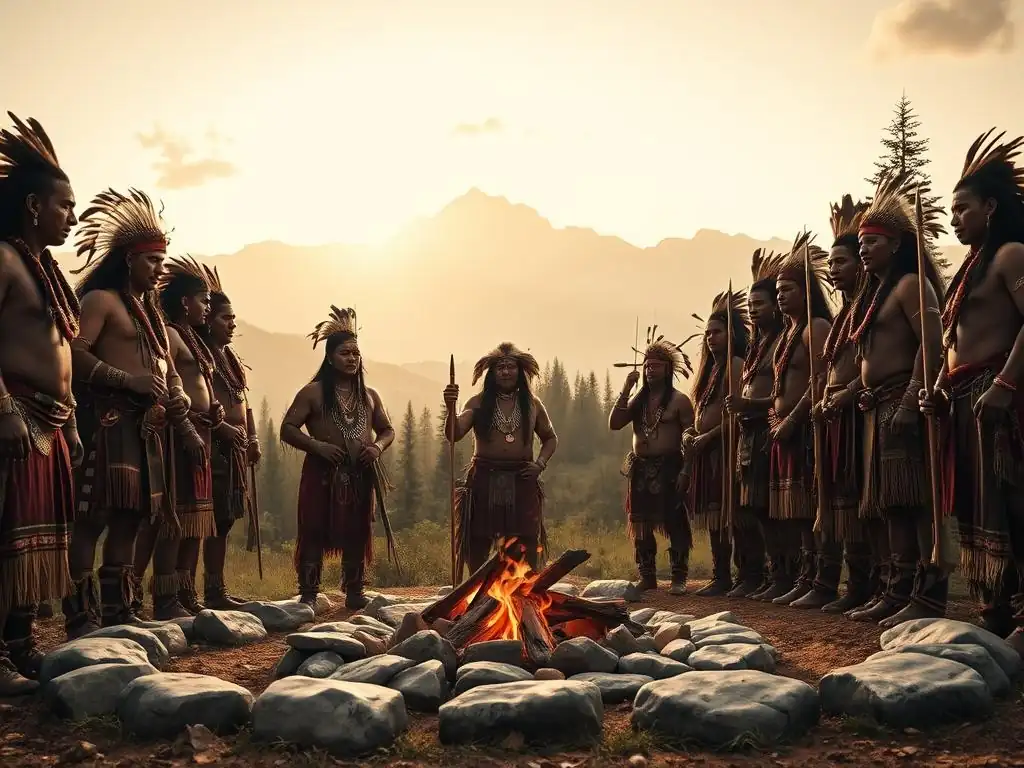
Reviving Traditional Practices in Contemporary Indigenous Warfare
In recent years, there has been a significant resurgence in the interest and application of traditional indigenous military rituals and spirituality among various Indigenous communities. This revival is not merely a nostalgic return to the past; it serves as a critical means of cultural preservation and empowerment in contemporary contexts. Many Indigenous groups are reintroducing ancient practices into their military strategies, emphasizing the importance of spirituality as a guiding force.
- Cultural Resilience: The revival of these rituals is a reflection of cultural resilience. Indigenous peoples are reclaiming their heritage and utilizing these practices as a form of resistance against historical oppression. By reintegrating traditional military rituals, they foster a sense of identity and community cohesion.
- Spiritual Guidance in Warfare: Many contemporary Indigenous military leaders emphasize the role of spirituality in decision-making processes during conflicts. For example, ceremonies such as the Sweat Lodge or Vision Quests are conducted to seek guidance and clarity before engaging in military actions. These practices help warriors align their intentions with a higher purpose, ensuring that their actions are in harmony with their cultural values.
- Training and Preparation: Traditional rituals are increasingly incorporated into training regimens for contemporary Indigenous warriors. By blending physical training with spiritual practices, Indigenous fighters prepare not just their bodies but also their minds and spirits for the challenges they may face.
The Role of Spirituality in Current Indigenous Military Movements
Spirituality remains a cornerstone of Indigenous identity and is deeply woven into the fabric of their military movements today. The influence of spirituality can be observed in various dimensions of contemporary Indigenous military practices:
- Collective Spirituality: Many Indigenous military movements emphasize collective spirituality, fostering unity among members. Ceremonies such as Drum Circles and Prayer Offerings are common, serving as bonding experiences that strengthen the group’s resolve and shared purpose.
- Symbolism and Rituals: The use of symbols and rituals that resonate with their cultural heritage is prevalent. For instance, the Eagle Feather, symbolizing bravery and honor, is often used in military regalia. Such symbols not only enhance morale but also remind warriors of their ancestral responsibilities.
- Interconnection with Nature: Spirituality in these military practices emphasizes the interconnectedness of all life forms. Many Indigenous warriors view their actions as part of a larger ecological and spiritual framework. This perspective informs their strategies, leading to a more holistic approach to warfare that respects the land and its resources.
- Integration with Modern Tactics: While respecting traditional practices, Indigenous military movements also integrate modern tactics and technologies. This blend ensures that they remain effective in contemporary conflicts while honoring their spiritual heritage.
The intersection of indigenous military rituals and spirituality in modern contexts highlights the ongoing relevance of these practices. They serve not only as tools for military effectiveness but also as vital expressions of cultural identity and resilience. By embracing their heritage, Indigenous communities continue to navigate the complexities of contemporary warfare while remaining deeply connected to their spiritual roots.
Conclusion: The Lasting Impact of Indigenous Military Rituals and Spirituality
The examination of indigenous military rituals and spirituality reveals profound insights into the cultural and social frameworks of pre-colonial societies in the Americas. These practices were not merely ceremonial; they were integral to the identity and cohesion of indigenous communities, shaping their military strategies, enhancing morale, and forging a deep connection to the land and their ancestors. The legacy of these rituals persists today, serving as a testament to the resilience and adaptability of indigenous cultures in the face of historical challenges.
Reflection on the Importance of Rituals in Indigenous Identity and Military History
Indigenous military rituals played a crucial role in defining the identity of various tribes and nations throughout the Americas. These rituals often blended spiritual beliefs with practical military objectives, creating a unique approach to warfare that transcended mere combat. For instance, ceremonies such as the Vision Quest or Dance of the Warriors were not only preparatory rituals but also served to reinforce community bonds and affirm a warrior’s purpose and commitment.
- Cultural Significance:
- Connection to Ancestors: Rituals were often seen as a way to honor ancestors, with warriors calling upon their spirits for guidance and strength.
- Collective Identity: Participating in rituals fostered a sense of belonging and solidarity among warriors, strengthening their resolve in battle.
- Psychological Impact:
- Morale and Motivation: Engaging in spiritual rituals helped boost the morale of warriors, instilling courage and a sense of invincibility.
- Preparation for Battle: Rituals served as mental preparation, allowing warriors to enter a trance-like state, enhancing their focus and determination.
- Strategic Use:
- Timing of Engagements: Many indigenous groups believed in the auspicious timing of military actions, often aligning them with celestial events or specific ritualistic calendars.
The interplay of ritual and spirituality within military contexts exemplifies how indigenous peoples viewed warfare as an extension of their cultural and spiritual beliefs, rather than a separate, detached activity.
Future Directions for Research on Indigenous Spirituality and Warfare
As we continue to explore the intricate relationship between indigenous military rituals and spirituality, several avenues for future research emerge:
- Interdisciplinary Approaches:
- Integrating anthropology, history, and religious studies can provide a more holistic understanding of how spirituality influenced military practices across different indigenous cultures.
- Comparative Studies:
- Examining the similarities and differences among various indigenous groups regarding military rituals can uncover broader patterns and unique adaptations to environmental and social challenges.
- Contemporary Relevance:
- Investigating how modern indigenous communities are reviving or reinterpreting traditional rituals in contemporary contexts can shed light on their ongoing significance in identity formation and cultural continuity.
- Archival Research:
- Utilizing historical documents, oral histories, and archaeological findings can help reconstruct the practices and beliefs surrounding indigenous military rituals that may have been lost or transformed over time.
- Cultural Preservation Initiatives:
- Supporting initiatives that document and preserve indigenous knowledge related to military rituals can contribute to a greater understanding of their cultural heritage and promote indigenous voices in contemporary discussions about warfare and spirituality.
By delving into these areas, researchers can not only enhance our understanding of indigenous military rituals and spirituality but also contribute to the broader discourse on the significance of these practices in shaping indigenous identities and histories. The exploration of these themes is essential for honoring the rich cultural legacy of indigenous peoples and acknowledging their enduring impact on military practices and spirituality in the Americas.
Frequently Asked Questions
What are the key elements of indigenous military rituals?
Indigenous military rituals often include spiritual ceremonies, dance, and offerings to the spirits. These practices are integral to preparing warriors for battle and ensuring community support.
How does spirituality influence indigenous warfare?
Spirituality plays a crucial role by providing warriors with a sense of purpose and connection to their ancestors. Rituals often invoke spiritual protection and strength, fostering a communal bond among participants.
In what ways do indigenous military rituals differ among cultures?
Each indigenous culture has its unique set of military rituals, influenced by their historical experiences and spiritual beliefs. While some may emphasize sacred songs and dance, others might focus on vision quests or sacrifices.
What is the significance of rituals during times of conflict?
Rituals serve to unify the community, enhance morale, and instill a sense of identity among warriors. They also function as a way to honor the spiritual dimensions of warfare, ensuring that the fight is aligned with cultural values.
How do these practices impact the lasting legacy of indigenous cultures?
The military rituals and spirituality of indigenous peoples have left a profound impact on their cultural heritage. They continue to influence contemporary indigenous identity and practices, contributing to resilience and cultural revitalization.
Final Reflection: The Enduring Power of Indigenous Military Rituals and Spirituality
The exploration of indigenous military rituals and spirituality reveals a profound connection between cultural identity and the practices that shape military life. In today's world, where globalization often threatens the uniqueness of indigenous traditions, understanding and honoring these rituals becomes increasingly vital. The resilience of these practices not only preserves cultural heritage but also reinforces the strength and unity of indigenous communities in the face of modern challenges.
The influence of indigenous military rituals and spirituality extends far beyond the battlefield; it permeates the social fabric of communities, fostering a sense of belonging and purpose. These rituals serve as a bridge between past and present, connecting generations and instilling values that resonate deeply within indigenous identities. As noted by cultural anthropologist Vine Deloria Jr., The most important thing about the past is that it is not dead; it is alive in the present.
This ongoing influence underscores the importance of recognizing and respecting these practices as integral to the cultural landscape.
As we reflect on the significance of indigenous military rituals and spirituality, I invite you to consider how these lessons can be applied in your own life. Take a moment to reflect on your own rituals and the spiritual practices that ground you.
Whether through honoring traditions, engaging in community service, or simply taking time for personal reflection, each of us has the power to cultivate a deeper connection to our own identities and to the world around us. Embrace the wisdom of indigenous practices, and let them inspire you to forge a path of respect, understanding, and unity in your own journey.
Unleash the Power of Ritual: Connect, Reflect, and Engage!
Thank you for taking the time to explore the vital link between rituals, spirituality, and Indigenous military practices. We hope you found insightful connections that deepen your understanding of these traditions and their significant impact.
Now, it’s your turn to make a difference! Here are a few actionable ways to further engage with this powerful theme:
- Reflect on your own practices: Take a moment to consider the rituals or spiritual elements that are part of your life. How can these enhance your personal journey?
- Join the conversation: Share your thoughts or experiences related to rituals and spirituality in Indigenous cultures in the comments section below. Let’s learn from one another!
- Explore further: Visit your local library or browse online resources to discover books and documentaries that provide deeper insights into Indigenous military practices and spirituality.
What insights or connections have you discovered in your own life that resonate with the role of rituals in building community and resilience?