
The Council of Elders: DecisionMaking in Toltec Society

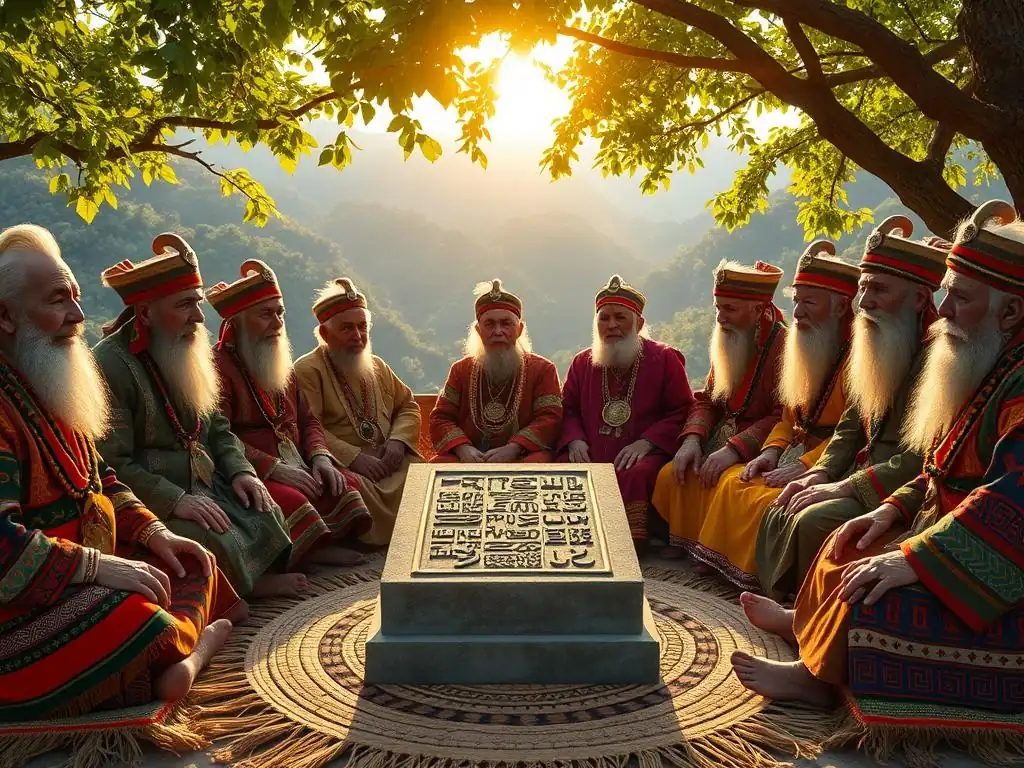
Welcome to Indigenous Civilizations of the Americas, where we invite you to embark on a captivating journey through the rich tapestry of pre-colonial cultures that once flourished across the continent. Our featured article, “The Council of Elders: Decision-Making in Toltec Society,” delves into the intricate processes that shaped one of the most fascinating civilizations in history.
Discover how the wisdom of the elders guided the Toltec people in their governance, and learn about the profound impact these ancient practices have had on contemporary indigenous cultures. Prepare to explore, question, and engage with the remarkable achievements and legacies of the Americas’ indigenous peoples!
Introduction to Toltec Society
The Toltec civilization, which flourished in Mesoamerica between the 10th and 12th centuries, is renowned for its rich cultural heritage and complex societal structures. Among these structures, the decision-making processes played a pivotal role in maintaining social order, cultural practices, and political stability. This article delves into the intricacies of the Toltec society decision-making process, focusing on the Council of Elders—a crucial governing body that shaped the lives and destinies of the Toltec people. Understanding this council provides insights into how indigenous cultures managed governance and community affairs long before European colonization altered their trajectories.
Overview of the Toltec Civilization
The Toltec civilization was marked by significant achievements in architecture, art, and trade. Centered in what is now central Mexico, particularly the city of Tula, the Toltecs are often credited with influencing later Mesoamerican cultures, such as the Aztecs. Their society was highly stratified, consisting of nobles, priests, commoners, and warriors, each playing distinct roles within the community.
- Key Features of Toltec Society:
- Architectural Marvels: The construction of pyramids and ceremonial centers.
- Artistic Expression: Notable for intricate stone carvings and monumental statues.
- Trade Networks: Extensive trade routes that connected various regions, facilitating cultural exchange.
Importance of Governance in Indigenous Cultures
Governance among indigenous cultures, including the Toltecs, was not merely a hierarchical system of control; it was a framework for maintaining harmony and ensuring the well-being of the community. The decision-making processes were often collective, involving various stakeholders to reflect the interests and needs of the populace.
- Governance in Indigenous Cultures:
- Collective Decision-Making: Emphasis on consensus rather than autocratic rule.
- Cultural Values: Decisions were often guided by traditions, spiritual beliefs, and societal norms.
- Community Engagement: Active participation of community members in discussions and decisions.
The Role of the Council of Elders
The Council of Elders was a central institution within Toltec society, embodying the wisdom and experience of its members. This council served as a crucial mechanism for governance, providing guidance on important matters such as warfare, trade, and religious practices.
Definition and Composition of the Council
The Council of Elders was composed of respected leaders and elders who possessed a profound understanding of societal norms, history, and spiritual beliefs. Membership typically included:
- Elders: Individuals recognized for their wisdom and life experience.
- Priests: Spiritual leaders who mediated between the divine and the community.
- Warriors: Those with military experience who contributed to discussions on defense and security.
The council's decisions were characterized by a blend of traditional practices and innovative strategies, ensuring that governance remained relevant to the changing needs of the society.
Historical Context of the Council in Toltec Society
Historically, the Council of Elders emerged during a time of significant social and political evolution in Mesoamerica. As the Toltec civilization expanded and faced external pressures, the need for a cohesive governance structure became paramount.
- Key Historical Factors:
- Rise of Tula: The establishment of Tula as a political and cultural center.
- Interactions with Other Cultures: Trade and military alliances with neighboring societies.
- Religious Significance: The council's role in maintaining religious practices and ceremonies that unified the community.
The Council of Elders not only reflected the political hierarchy of the Toltec civilization but also illustrated the profound respect for knowledge and experience within their governance framework, influencing decision-making processes that would resonate throughout subsequent indigenous cultures in the Americas.
The Toltec Society Decision-Making Process
The decision-making process within Toltec society was deeply rooted in a combination of cultural traditions, social hierarchies, and spiritual beliefs. Central to this process was the Council of Elders, a body comprised of respected leaders and wise individuals who had earned their positions through experience, knowledge, and community respect. This council played a pivotal role in guiding the community's direction and ensuring that decisions reflected the collective values and needs of the populace.
Toltec decision-making was characterized by a consensus-driven approach. Elders would engage in discussions that emphasized the importance of listening to various viewpoints. This collective approach not only fostered unity but also ensured that decisions were well-informed and reflective of the community's diverse perspectives. The process was inherently democratic, as every elder had the opportunity to voice their opinions and contribute to the outcomes, which in turn strengthened the social fabric of Toltec society.
Key Principles of Decision-Making in Toltec Culture
The decision-making principles in Toltec culture were guided by several key tenets:
- Respect for Elders: The wisdom and experience of the elders were highly valued, and their insights were considered crucial for making sound decisions.
- Community Involvement: Decisions were not taken in isolation; instead, they involved consultations with various community members, ensuring that the voices of all societal segments were heard.
- Holistic Approach: The Toltecs believed in addressing issues from multiple angles, including social, economic, and spiritual dimensions, which helped create well-rounded decisions.
- Long-Term Vision: Decisions were made with foresight, considering their potential impact on future generations and the sustainability of resources.
These principles underscored the Toltec commitment to a governance system that prioritized not just immediate gains but also the well-being of the community as a whole.
Influence of Spiritual Beliefs on Governance
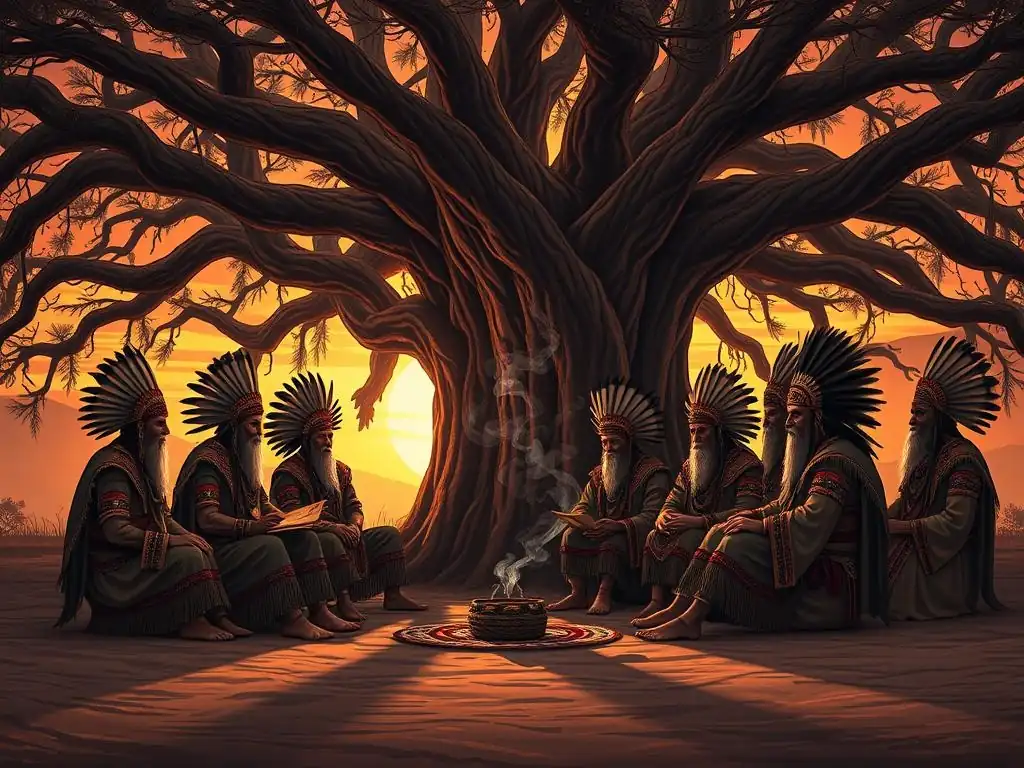
Spiritual beliefs played a significant role in the governance of Toltec society, intertwining with the decision-making process in profound ways. The Toltecs held a worldview that emphasized the interconnectedness of the natural and spiritual realms. Elders often consulted spiritual leaders or shamans to seek guidance from the divine before making major decisions, believing that the gods had a vested interest in the welfare of their people.
Rituals and ceremonies were integral to this process, serving as a means to invoke spiritual favor and ensure harmony within the community. Decisions regarding warfare, agriculture, and social policies were often preceded by these spiritual consultations, reflecting a governance model that was deeply embedded in their cosmology. This integration of spirituality and governance fostered a sense of responsibility among leaders to act in ways that honored both the community and the spiritual forces that governed their existence.
Functions of the Council of Elders
The Council of Elders served multiple essential functions within Toltec society, acting as both a governing body and a source of communal wisdom. Some of the primary functions included:
- Legislation: The council was responsible for creating and upholding laws that governed social conduct, trade practices, and resource management.
- Advisory Role: Elders provided counsel to leaders and community members on various issues, drawing from their extensive knowledge and life experiences.
- Crisis Management: In times of conflict or social unrest, the council acted as mediators, working to restore peace and unity within the community.
This multifaceted role ensured that the council remained a stable and respected institution, crucial for maintaining order and fostering a sense of collective identity.
Conflict Resolution within Toltec Communities
Conflict resolution in Toltec communities was a structured process that often involved the Council of Elders. When disputes arose—be it between families, clans, or neighboring communities—the council would step in to mediate and facilitate discussions aimed at reconciliation. Elders utilized a variety of methods, including storytelling, to impart wisdom and guide conflicting parties toward understanding and resolution.
Through these mediations, the council aimed to restore harmony without resorting to violence, reflecting the Toltec values of community cohesion and respect for one another. This approach not only resolved immediate conflicts but also reinforced social bonds, ensuring that relationships could be mended and strengthened over time.
Strategic Planning and Resource Management
Strategic planning and resource management were critical aspects of governance for the Toltec civilization, and the Council of Elders played a central role in these processes. The council was tasked with overseeing agricultural practices, trade relations, and the sustainable use of natural resources.
Elders would analyze environmental conditions, assess community needs, and develop plans that balanced immediate demands with long-term sustainability. This foresight was vital, especially in a region where fluctuating weather patterns could impact harvests and resource availability.
Moreover, the council utilized collective knowledge and historical precedents to make informed decisions about resource allocation, ensuring that all community members had access to essential goods and services. This meticulous approach to planning not only solidified the community’s resilience but also demonstrated the elders' commitment to the well-being of future generations.
The Process of Decision-Making
In Toltec society, the decision-making process was a structured and communal effort, reflecting the values of cooperation and shared responsibility. Central to this process was the Council of Elders, a body composed of respected leaders and wise individuals who represented various clans and communities. Their collective wisdom was seen as crucial for making decisions that would affect the entire society. The Council’s influence extended beyond mere governance; it encompassed spiritual, social, and economic dimensions of Toltec life.
Decision-making typically involved gathering information, discussing issues, and deliberating on possible solutions. The Elders would prioritize the needs and well-being of the community, ensuring that every decision was made with careful consideration of its long-term implications. Their approach emphasized the importance of context, tradition, and the cultural heritage of the Toltec people, often referencing historical precedents in their discussions. This process not only allowed for informed decisions but also fostered a sense of unity and shared purpose among the members of the society.
Steps in the Toltec Decision-Making Process
The decision-making process within the Toltec Council of Elders can be broken down into several key steps:
- Identification of Issues: Issues that required attention were often brought to the Council by community members or the Elders themselves. This could range from resource allocation to conflict resolution.
- Gathering Information: The Council would collect relevant data and insights related to the issue. This might involve consulting other community members, examining historical contexts, and evaluating potential impacts.
- Deliberation: Elders would engage in discussions, sharing their perspectives and insights. This stage was crucial for ensuring that all voices were heard, and diverse opinions were considered.
- Consensus Building: The Council aimed to reach a consensus on the best course of action. This required negotiation and compromise, ensuring that the solution aligned with the community's values and needs.
- Decision Implementation: Once a consensus was reached, the decision was communicated to the wider community. Implementation often involved delegating responsibilities to various members or groups within the society to ensure effective execution.
- Review and Reflection: After the implementation, the outcomes of the decision were reviewed. This reflective practice allowed the Council to learn from experiences, refine their processes, and adapt future decisions based on past successes or failures.
Role of Consensus in Council Decisions
Consensus was a fundamental aspect of the decision-making process in Toltec society. The Council of Elders sought to ensure that all members agreed on the chosen course of action, reflecting the collective will of the community. This approach not only fostered unity but also minimized dissent and conflict, as decisions were made collaboratively rather than unilaterally.
Consensus building involved extensive dialogue and negotiation, often taking considerable time to achieve. Elders prioritized respectful communication and active listening, creating an environment where everyone could express their views without fear of retribution. This method reinforced the notion that each member of society had a stake in the outcomes of decisions, promoting social cohesion.
The emphasis on consensus also highlighted the Toltec belief in interconnectedness. Decisions were viewed not just as individual choices but as reflections of the community's values and aspirations. By striving for consensus, the Council ensured that the decisions were not only wise but also aligned with the broader goals of the society.
Comparison with Other Indigenous Governance Systems
The Toltec society's decision-making process can be compared with those of other indigenous governance systems across the Americas. While each culture had its unique practices, several themes emerge that illustrate both similarities and distinctions.
Similarities with Other Mesoamerican Societies
Many Mesoamerican societies shared a commitment to collective decision-making and governance through councils or assemblies. For example, the Aztecs also employed a council of nobles to advise the ruler and make important decisions, emphasizing the importance of communal input.
Like the Toltecs, these societies valued the wisdom of elders and leaders who represented various segments of the population. Additionally, the use of ritual and tradition in decision-making was a common thread, as leaders often invoked spiritual beliefs and historical precedents to guide their choices. This shared cultural framework underscored the importance of maintaining harmony and balance within the community.
Unique Aspects of Toltec Society Decision-Making
Despite these similarities, the Toltec decision-making process had unique characteristics that distinguished it from other indigenous governance systems. One notable aspect was the significant role of spiritual practices in their deliberations. The Toltecs often incorporated spiritual rituals and offerings into their decision-making process, seeking divine guidance to ensure the correctness of their choices.
Another unique feature was the emphasis placed on artistic and intellectual contributions to governance. The Toltecs were known for their advancements in art, philosophy, and science, and these elements played a crucial role in shaping their decision-making framework. Elders not only drew on practical experiences but also on philosophical discourses that reflected their rich cultural heritage.
While the Toltec decision-making process shared commonalities with other Mesoamerican societies, its distinct integration of spirituality and intellectualism set it apart, contributing to the depth and complexity of their governance system.
Case Studies of Notable Decisions
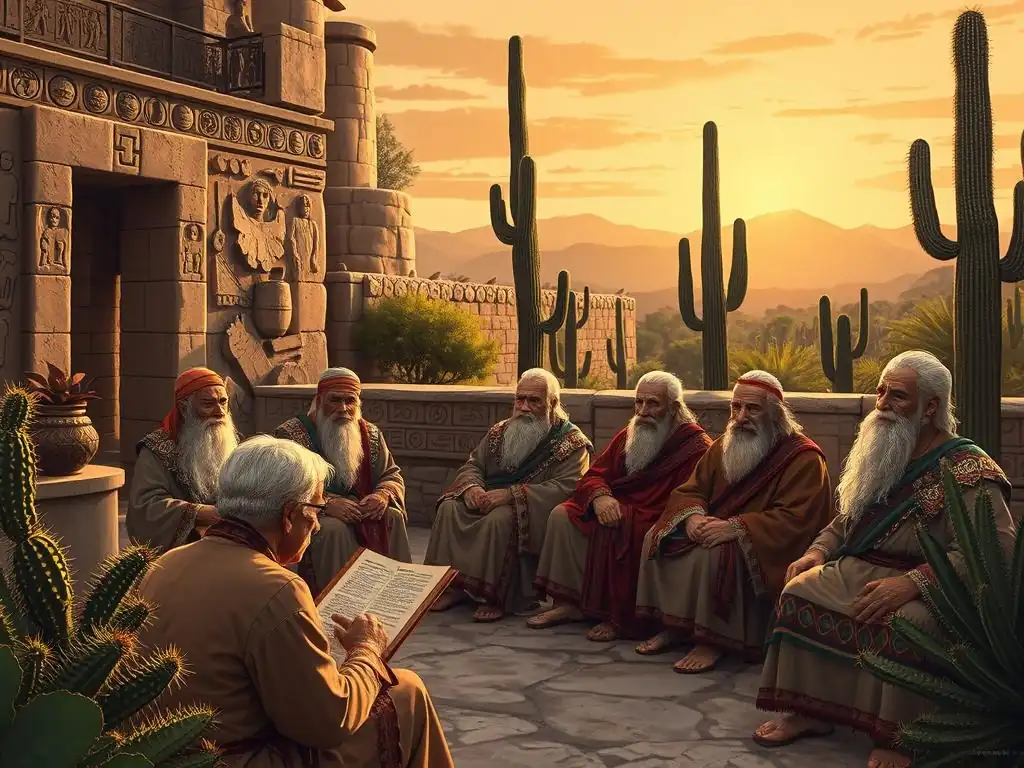
The decision-making process in Toltec society was significantly influenced by the Council of Elders, a group of respected leaders who played a pivotal role in shaping the political landscape of Tula and its surrounding regions. Several notable decisions illustrate the Council's authority and the complexities involved in their deliberations.
Analysis of the Decision to Build Tula
The establishment of Tula as the capital of the Toltec civilization was a monumental decision that reflected the Council’s strategic foresight. Located in present-day Hidalgo, Mexico, Tula became a bustling center of trade, culture, and architecture. The decision was driven by several factors:
- Geographical Advantage: Tula's location provided access to vital trade routes that connected different regions, facilitating economic growth.
- Cultural Significance: The Council recognized the importance of creating a cultural hub that would serve as a unifying force for the diverse peoples of the Toltec civilization. By promoting art, religion, and shared practices, Tula became a symbol of Toltec identity.
- Military Strategy: The Council’s deliberations included considerations of defense and military presence, ensuring that Tula could protect its inhabitants and maintain power against potential threats.
The construction of Tula not only showcased the Toltec's architectural prowess but also laid the groundwork for a societal structure that emphasized collaboration and shared governance.
Impact of the Reforms on Trade Practices in Toltec Society
In response to evolving economic conditions, the Council of Elders implemented reforms that transformed trade practices within Toltec society. These reforms had a profound impact on both local and regional economies:
- Standardization of Trade Goods: The Council established guidelines for the quality and types of goods traded, enhancing the reputation of Toltec products in neighboring regions. This standardization encouraged trust and reliability among traders.
- Expansion of Trade Networks: By promoting long-distance trade, the Council connected Tula with various cultures across Mesoamerica, leading to an exchange of ideas, goods, and cultural practices. This expansion fortified the Toltec economy and affirmed their role as influential traders.
- Community Involvement: The reforms encouraged greater participation from local communities in trade practices, fostering a sense of ownership and responsibility among the populace. This inclusivity helped to strengthen social bonds and collective identity within Toltec society.
These trade reforms exemplified the Council's role in responding to societal needs while promoting prosperity and interconnectivity within the Toltec civilization.
Conclusion
Summary of the Council’s Role in Toltec Governance
The Council of Elders served as the cornerstone of political authority within Toltec society. Comprising experienced leaders with deep knowledge of social, economic, and spiritual matters, the Council played a crucial role in:
- Advising the Ruler: The Council provided guidance and counsel to the ruling elite, ensuring that decisions were made with the wisdom of collective experience.
- Conflict Resolution: Through mediation and dialogue, the Council addressed disputes within the community, emphasizing harmony and cooperation as essential elements of governance.
- Cultural Preservation: The Council was instrumental in preserving and promoting Toltec traditions, beliefs, and practices, thereby reinforcing the civilization's identity and values.
In essence, the Council of Elders exemplified a governance model that prioritized community involvement and consensus-building, which were critical to the stability of Toltec society.
Lasting Legacy of Toltec Decision-Making Practices
The decision-making practices established by the Council of Elders have left a lasting legacy that extends beyond the Toltec civilization. Key aspects of this legacy include:
- Influence on Subsequent Societies: The governance and decision-making frameworks developed by the Toltecs were adopted and adapted by later Mesoamerican civilizations, including the Aztecs, who revered the Toltec as cultural predecessors.
- Cultural Continuity: The emphasis on collective decision-making and community engagement has continued to resonate in indigenous governance practices throughout the Americas, highlighting the enduring significance of the Toltec model.
- Academic Interest: Modern scholars and anthropologists continue to study the Toltec decision-making processes as a means to understand the complexities of governance in ancient civilizations, providing insights into political structures that prioritize communal values.
The legacy of the Council of Elders thus reflects a profound understanding of governance that emphasizes collaboration, wisdom, and cultural continuity, aspects that remain relevant in contemporary discussions of political structures within indigenous communities.
References
The study of the Toltec society and its decision-making processes has been enriched by various scholarly works. These references provide insights into the complex political structures, cultural values, and the role of the Council of Elders in governance. Academic research and historical studies offer a foundational understanding of this remarkable civilization.
Suggested Further Reading on Toltec Society and Governance
-
"The Toltec Heritage: Pre-Columbian Art and Culture" by Joseph Needham
This book delves into the artistic and cultural advancements of the Toltecs, providing context for their governance and societal structure.
-
"Toltec Society: A Cultural Perspective" by David Carrasco
Carrasco explores the social hierarchies and decision-making frameworks within Toltec society, emphasizing the importance of elders in political processes.
-
"The Mesoamerican World System: Toltecs and Beyond" by Richard Blanton
This comprehensive analysis discusses the Toltec civilization's interactions with neighboring cultures, highlighting their governance systems and decision-making dynamics.
-
"Ancient Mexico: A History" by David Brading
Brading's work offers a broader historical perspective on Mesoamerican civilizations, including the Toltecs, and examines their political structures and governance practices.
-
"The Council of Elders: A Historical Overview" by Patricia M. Fernández
This article focuses specifically on the role of the Council of Elders within various indigenous cultures, including the Toltecs, analyzing how these councils influenced decision-making processes.
Academic Sources on Indigenous Decision-Making Processes
-
"Indigenous Governance: Power, Rights, and Responsibility" by John Borrowman
This academic text investigates the governance structures of various indigenous peoples, providing frameworks that can be compared to the Toltec decision-making processes.
-
"The Role of Elders in Indigenous Governance" by Anna L. Tully
Tully's research highlights the significance of elders in decision-making across multiple indigenous cultures, drawing parallels to the Toltec system.
-
"Cultural Models of Decision-Making in Indigenous Societies" by Marco Alvarado
This paper examines how cultural beliefs and values shape decision-making processes in indigenous communities, with a focus on collaborative governance models, including those of the Toltecs.
-
"The Dynamics of Indigenous Leadership: A Comparative Study" by Emily J. Ramirez
Ramirez compares leadership styles and decision-making processes among indigenous groups, featuring insights into the Toltec approach within a broader Mesoamerican context.
-
"Elders as Leaders: An Indigenous Perspective" by Tehila K. Tso
This article discusses the leadership roles of elders in various indigenous cultures, offering a detailed analysis of their influence on community decisions, relevant to understanding the Toltec system.
- Introduction to Toltec Society
- The Role of the Council of Elders
- The Toltec Society Decision-Making Process
- Key Principles of Decision-Making in Toltec Culture
- Influence of Spiritual Beliefs on Governance
- Functions of the Council of Elders
- The Process of Decision-Making
- Comparison with Other Indigenous Governance Systems
- Case Studies of Notable Decisions
- Conclusion
- References
- What was the role of the Council of Elders in Toltec society?
- How did the decision-making process work in Toltec society?
- What were the key responsibilities of the Council of Elders?
- How did the Council of Elders influence Toltec culture?
- Are there similarities between the Toltec decision-making process and other indigenous cultures?
Frequently Asked Questions
What was the role of the Council of Elders in Toltec society?
The Council of Elders played a crucial role in decision-making, guiding the Toltec community through their wisdom and experience.
How did the decision-making process work in Toltec society?
The decision-making process in Toltec society involved debate and consensus among the elders, ensuring that all voices were heard before reaching a conclusion.
What were the key responsibilities of the Council of Elders?
The Council of Elders was responsible for advising leaders, resolving disputes, and maintaining the social and spiritual well-being of the community.
How did the Council of Elders influence Toltec culture?
The Council of Elders significantly influenced Toltec culture by preserving traditions, enforcing moral values, and shaping the society's political direction.
Are there similarities between the Toltec decision-making process and other indigenous cultures?
Yes, like many indigenous cultures, the Toltec decision-making process emphasized community involvement and consensus-building, reflecting shared values and collaborative governance.
Final Reflection: The Wisdom of Elders in Toltec Society's Decision-Making Process
In exploring the decision-making process within Toltec society, we uncover a profound relevance that resonates with our contemporary world. The wisdom of the Council of Elders, who guided their community through collective deliberation and shared values, serves as a powerful reminder of the importance of inclusive governance today. As we navigate complex societal challenges, the lessons from the Toltec approach underscore the need for thoughtful dialogue and collaboration in our decision-making processes.
The influence of the Toltec decision-making model extends beyond historical context; it continues to shape our cultural and social landscapes. The emphasis on collective wisdom and respect for experience fosters a sense of unity and purpose. This principle is echoed in the words of Mahatma Gandhi, who said, In a gentle way, you can shake the world.
The enduring legacy of the Toltec elders invites us to reflect on how we can incorporate these values into our own lives, fostering environments where every voice is heard and respected.
As we conclude, I invite you to reflect on the role of collective wisdom in your own decision-making. Consider how you can embody the spirit of the Toltec Council of Elders in your interactions, whether in your community, workplace, or family. Embrace the opportunity to listen, learn, and lead with empathy, ensuring that your decisions not only reflect your values but also uplift those around you. Together, let us honor the past and forge a future where wisdom and collaboration guide our paths.
Unveil the Wisdom of the Council of Elders!
Thank you for exploring the profound decision-making practices of the Toltec society! You've learned how the Council of Elders shaped their community with wisdom and insight. Now it’s your turn to apply these timeless strategies in your life.
Take the next step to embrace this knowledge and deepen your understanding:
- Engage with your community: Organize or participate in a discussion group focused on collective decision-making and its benefits for your local area.
- Reflect on your own leadership: Write down a decision you’re currently facing—how might you involve others to embody the wisdom of the elders?
- Share your thoughts: Connect with friends or use social media to discuss what you've learned. Use the hashtag #ToltecWisdom to spark meaningful conversations!
What insights from the Council of Elders do you believe could enhance your decision-making process today? Share your thoughts below!