
The Legacy of Tiahuanaco: How Its Innovations Influenced Future Civilizations

Welcome to Indigenous Civilizations of the Americas, where we invite you to embark on a journey through the rich tapestry of cultures that flourished long before European contact. Our featured article, "The Legacy of Tiahuanaco: How Its Innovations Influenced Future Civilizations," delves into the remarkable achievements of the Tiahuanaco culture, revealing the groundbreaking innovations that not only shaped their society but also left an indelible mark on the civilizations that followed. Are you ready to uncover the secrets of Tiahuanaco and discover how its legacy continues to resonate today? Dive in and explore with us!
Introduction to Tiahuanaco Innovations and Legacy
The ancient city of Tiahuanaco, nestled near the southern shores of Lake Titicaca in present-day Bolivia, stands as a monumental testament to the ingenuity and creativity of indigenous civilizations in the Americas. Known for its remarkable architectural and technological achievements, Tiahuanaco flourished between 300 A.D. and 1000 A.D., leaving a profound legacy that echoes through time.
This article delves into the Tiahuanaco innovations and legacy, exploring how their advancements shaped not only their own culture but also influenced subsequent civilizations across the Andes and beyond. Understanding Tiahuanaco's contributions provides valuable insights into the complexities of pre-Columbian history and the enduring impact of indigenous societies.
Overview of Tiahuanaco Culture
Tiahuanaco was more than just a city; it was a vibrant cultural hub that fostered a rich tapestry of social, religious, and economic activities. The civilization is best known for its majestic stone structures, including the famous Gate of the Sun and the Akapana Pyramid. These architectural feats were not only expressions of artistic prowess but also reflected advanced engineering techniques that utilized massive stone blocks, some weighing over 100 tons. The society was highly organized, with a complex social hierarchy and a thriving trade network that connected them with other contemporary cultures.
- Key Features of Tiahuanaco Culture:
- Religion: A polytheistic belief system centered around nature deities.
- Art: Intricate pottery, textiles, and sculptures showcasing cultural symbols.
- Trade: Exchange of goods such as textiles, agricultural products, and crafted tools.
Significance of Tiahuanaco in Indigenous History
The significance of Tiahuanaco in the broader context of indigenous history cannot be overstated. As one of the largest and most influential urban centers in the Andes, Tiahuanaco played a crucial role in shaping the social and political landscapes of the region. Its innovations in agriculture, architecture, and technology set a precedent for subsequent cultures, including the Inca Empire, which would later rise to prominence. The city served as a melting pot of ideas, where knowledge and skills were shared among diverse groups, fostering an environment of collaboration and advancement.
Key Innovations of Tiahuanaco
Tiahuanaco's legacy is characterized by several key innovations that not only defined its culture but also had lasting effects on future civilizations. These innovations spanned various domains, from architecture to agriculture and craftsmanship.
Architectural Innovations in Tiahuanaco
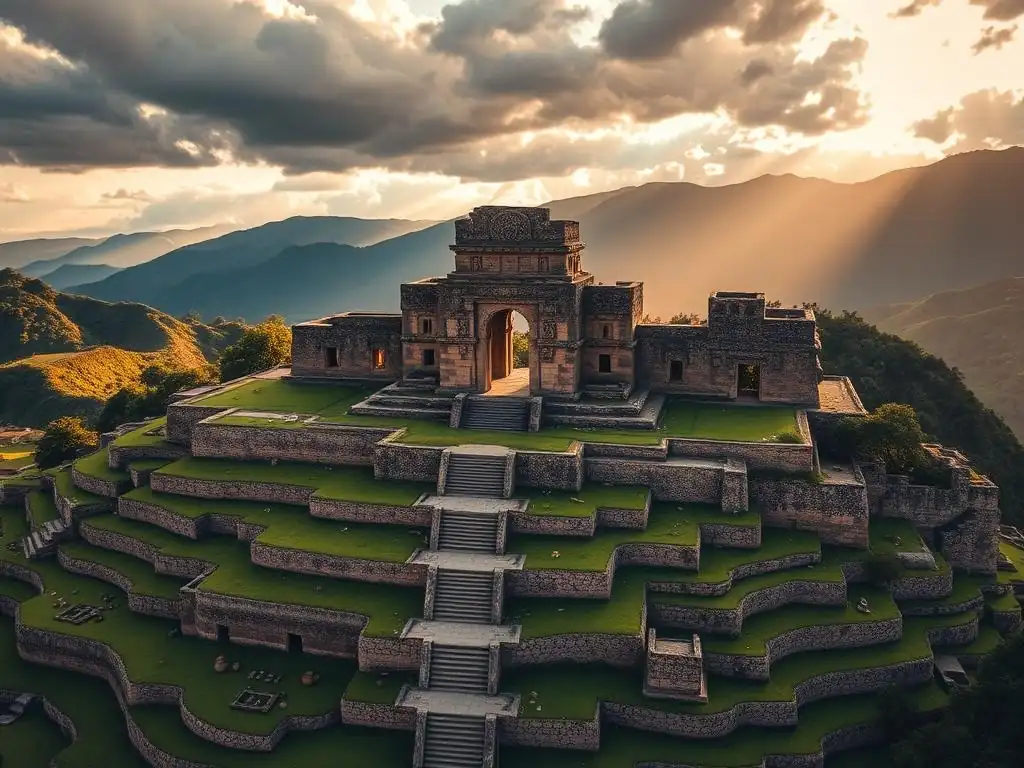
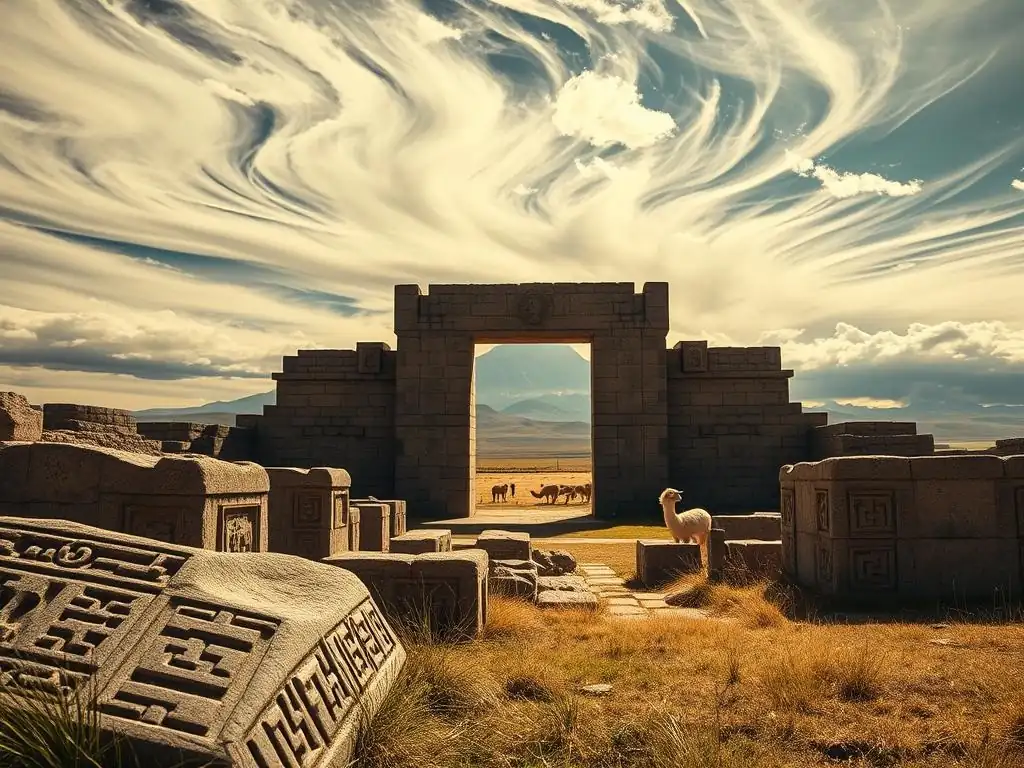
The architectural innovations of Tiahuanaco are perhaps the most visually striking aspect of its legacy. The city’s monumental buildings were constructed using a technique known as "ashlar masonry," which involved fitting massive stones together without mortar. This technique not only provided structural integrity but also created aesthetically pleasing designs that have endured through centuries.
- Notable Structures:
- Pumapunku: A complex of structures characterized by its precise stone-cutting techniques.
- The Akapana Pyramid: A terraced pyramid that served as a ceremonial center.
Agricultural Techniques and Their Impact
Tiahuanaco was also renowned for its innovative agricultural practices that enabled it to sustain a large population in a challenging environment. The civilization developed advanced irrigation systems and agricultural terraces, which maximized arable land and efficiently managed water resources. This agricultural prowess not only supported their society but also influenced neighboring cultures.
- Key Techniques:
- Raised-field agriculture: Created microclimates that improved crop yields.
- Irrigation canals: Enhanced water distribution for farming.
Technological Advances in Craftsmanship and Tools
In addition to architectural and agricultural innovations, Tiahuanaco was a center for technological advancements in craftsmanship and tool production. Artisans created finely crafted pottery, textiles, and metalwork, showcasing both functional and artistic qualities.
- Technological Innovations:
- Metalworking: Advanced techniques in bronze and gold smithing.
- Pottery: Use of distinctive styles and firing techniques that produced durable and decorative ceramics.
Through these innovations, Tiahuanaco not only established itself as a formidable civilization but also laid the groundwork for future societies in the Andes, creating a legacy that resonates to this day.
Tiahuanaco's Influence on Subsequent Civilizations
Tiahuanaco, located near the southern shores of Lake Titicaca in present-day Bolivia, is recognized as one of the most significant pre-Columbian civilizations in the Americas. Its innovations in agriculture, architecture, and societal organization had a profound impact on the cultures that came after it, particularly in the Andean region. The legacy of Tiahuanaco is evident in various aspects of life for subsequent civilizations, especially the Inca, which adopted and adapted numerous elements from Tiahuanaco's rich cultural heritage.
The Spread of Agricultural Practices
One of the most notable contributions of Tiahuanaco to future civilizations was its advanced agricultural techniques. The civilization developed a sophisticated system of raised-field agriculture known as suka kollos or wells of the earth. This method enabled them to cultivate crops efficiently, even in the challenging high-altitude environment of the Andes. These raised fields provided improved drainage and temperature regulation, which were crucial for growing staple crops like potatoes, quinoa, and maize.
As Tiahuanaco's agricultural practices spread, they influenced neighboring cultures, enhancing their own agricultural productivity. The Inca, for example, adopted these techniques and integrated them into their vast empire, which allowed for sustained food production to support their growing population. The exchange of agricultural knowledge also led to the diversification of crops and improved farming methods across the region, showcasing Tiahuanaco's lasting impact on Andean agricultural practices.
Architectural Styles and Their Legacy
Tiahuanaco is renowned for its monumental architecture, including the impressive Akapana pyramid and the Gateway of the Sun. These structures exemplify advanced engineering techniques and an understanding of astronomy, with alignments that reflect celestial events. The architectural legacy of Tiahuanaco can be seen in later Andean civilizations, particularly in the construction methods and urban planning used by the Inca.
The use of precisely cut stone blocks and the incorporation of large-scale public structures became hallmarks of Inca architecture. Many Incan cities, such as Cusco and Machu Picchu, exhibit similar architectural styles, which can be traced back to Tiahuanaco's innovations. The aesthetic and functional aspects of Tiahuanaco's buildings influenced the design and construction of subsequent urban centers, establishing a standard that would endure for centuries.
Cultural Exchange with Neighboring Societies
Tiahuanaco was not an isolated civilization; it engaged in extensive trade and cultural exchange with neighboring societies, such as the Aymara and the Wari. This interaction facilitated the sharing of ideas, technologies, and cultural practices, further amplifying Tiahuanaco's influence.
Artifacts and goods exchanged during trade routes contributed to a shared cultural identity among various groups in the region. The spread of religious beliefs, artistic styles, and social organization can be traced back to Tiahuanaco's interactions with its neighbors. The spiritual and cultural practices that emerged from Tiahuanaco's influence persisted in various forms amongst the cultures that followed, illustrating the interconnectedness of pre-Columbian societies in the Andes.
Case Studies of Tiahuanaco's Influence
The Inca Civilization and Tiahuanaco Innovations
The Inca civilization, which rose to prominence in the 15th century, is perhaps the most well-documented example of Tiahuanaco's influence. The Incas not only adopted agricultural techniques from Tiahuanaco but also integrated its architectural styles into their own monumental constructions. The use of terraced farming, which maximized arable land in the mountainous region, can be traced back to Tiahuanaco's practices.
Additionally, the Incas revered Tiahuanaco as a sacred site, often referring to it in their cosmology. The spiritual significance of the site influenced Inca religion and governance, with many Incan rulers seeking legitimacy through connections to Tiahuanaco's legacy. This cultural reverence illustrates how Tiahuanaco's innovations were woven into the very fabric of Inca society, shaping their identity and practices.
Other Indigenous Cultures Inspired by Tiahuanaco
Beyond the Inca, several other indigenous cultures in the Andes absorbed elements of Tiahuanaco's innovations. The Wari civilization, which flourished contemporaneously with Tiahuanaco, incorporated similar architectural elements and agricultural techniques, demonstrating a shared cultural foundation.
Furthermore, as Tiahuanaco's influence spread, its artistic styles and religious practices permeated other societies, including the Tiwanaku and Aymara. Various artifacts, such as pottery and textiles, reflect Tiahuanaco's aesthetic, showcasing the enduring legacy of its cultural expressions. This cultural diffusion highlights the importance of Tiahuanaco in shaping the broader Andean civilization, where its innovations became integral to the identity and achievements of successive cultures.
The Enduring Legacy of Tiahuanaco Today
The legacy of Tiahuanaco, a pre-Columbian civilization situated near Lake Titicaca in present-day Bolivia, continues to resonate in contemporary society. Its innovations in agriculture, architecture, and social organization have laid foundational principles that influenced subsequent cultures throughout the Andes and beyond.
Today, Tiahuanaco is recognized not only as an archaeological treasure but also as a symbol of the ingenuity and resilience of indigenous peoples. The remnants of its monumental structures, such as the Gateway of the Sun and the Akapana Pyramid, draw thousands of visitors annually, serving as a reminder of a complex society that thrived long before European contact.
Furthermore, Tiahuanaco's impact can be observed in modern agricultural practices, particularly those related to sustainable farming and irrigation techniques. The raised-field agriculture system, developed by the Tiahuanaco people, is a sustainable method that allows for efficient water management in high-altitude environments. This method is being revisited and adapted by contemporary farmers facing challenges posed by climate change, illustrating how ancient wisdom continues to inform modern practices.
Modern Recognition of Tiahuanaco's Contributions
In recent years, Tiahuanaco has gained recognition in both academic and popular circles for its remarkable contributions to civilization. Scholars and researchers are increasingly acknowledging the significance of Tiahuanaco's innovations in various fields, including engineering, astronomy, and agronomy. The site has been designated a UNESCO World Heritage Site since 2000, further solidifying its importance on the global stage.
Numerous studies have documented the sophisticated astronomical alignments of Tiahuanaco's structures, revealing the civilization's advanced understanding of celestial events. This knowledge not only informed agricultural cycles but also played a crucial role in religious and cultural practices. Additionally, Tiahuanaco's impact on subsequent civilizations, such as the Inca, is well-documented, with many architectural and agricultural practices being adopted and adapted by these later societies.
Preservation Efforts for Tiahuanaco Innovations
Efforts to preserve Tiahuanaco's innovations and heritage are vital for maintaining the cultural identity of indigenous communities. Local and international organizations are actively involved in restoration projects aimed at protecting the site from environmental degradation and the impacts of tourism. These initiatives focus on both the physical preservation of structures and the cultural heritage tied to Tiahuanaco.
Moreover, educational programs aimed at local communities emphasize the importance of Tiahuanaco's history and innovations, fostering a sense of pride and ownership among indigenous peoples. By integrating traditional knowledge with modern conservation techniques, these efforts ensure that the legacy of Tiahuanaco is not only preserved but also respected and celebrated by future generations.
Conclusion: Reflecting on Tiahuanaco's Lasting Impact
The legacy of Tiahuanaco is a testament to the ingenuity of its people and the cultural richness of indigenous civilizations in the Americas. As researchers continue to uncover more about this ancient society, it becomes increasingly clear that Tiahuanaco's innovations have left an indelible mark on the history of the region.
Summary of Tiahuanaco Innovations and Their Significance
Tiahuanaco's innovations encompass a wide range of advancements, from architectural feats to agricultural techniques. The civilization's use of large stone blocks in construction and its unique method of field irrigation are just a few examples of their groundbreaking contributions. These innovations not only facilitated the growth of Tiahuanaco itself but also paved the way for future civilizations, including the Inca, who drew heavily from Tiahuanaco's practices.
The significance of these innovations extends beyond mere technological advancements; they reflect a deep understanding of the environment and a harmonious relationship with nature. Tiahuanaco's practices demonstrate how societies can thrive sustainably, a lesson that remains relevant in today's world.
The Importance of Understanding Tiahuanaco's Legacy in Indigenous History
Understanding Tiahuanaco's legacy is crucial for appreciating the broader narrative of indigenous history in the Americas. It challenges the often Eurocentric perspectives that dominate historical discourse by highlighting the achievements of pre-Columbian civilizations. Acknowledging the innovations of Tiahuanaco not only enriches our understanding of the past but also empowers contemporary indigenous communities by validating their heritage.
By preserving and celebrating the contributions of Tiahuanaco, we recognize the importance of indigenous cultures in shaping the history and development of the Americas. This understanding fosters greater respect and appreciation for the diversity and complexity of indigenous civilizations, ultimately contributing to a more inclusive historical narrative.
- Introduction to Tiahuanaco Innovations and Legacy
- Key Innovations of Tiahuanaco
- Tiahuanaco's Influence on Subsequent Civilizations
- Case Studies of Tiahuanaco's Influence
- The Enduring Legacy of Tiahuanaco Today
- Conclusion: Reflecting on Tiahuanaco's Lasting Impact
Frequently Asked Questions
What are the main innovations of Tiahuanaco?
Tiahuanaco is known for its advanced architectural techniques, including precise stonework and agricultural innovations like raised-field farming that maximized crop yield in challenging environments.
How did Tiahuanaco influence future civilizations?
The innovations of Tiahuanaco, particularly in agriculture and urban planning, laid foundational practices that were adopted by subsequent cultures in the Andean region and beyond.
What is the significance of Tiahuanaco's architectural achievements?
Tiahuanaco's architectural achievements, such as the Akapana Pyramid and the Gateway of the Sun, demonstrate their engineering prowess and have inspired archaeological study and admiration for centuries.
How does Tiahuanaco's cultural legacy manifest today?
The cultural legacy of Tiahuanaco is seen in the traditions, art, and religious practices of modern indigenous communities in the Andes, who trace their heritage back to this influential civilization.
In what ways did Tiahuanaco's society differ from others in the Americas?
Tiahuanaco had a complex society characterized by a hierarchical structure, specialized labor, and extensive trade networks, setting it apart from many other indigenous cultures in the Americas.
Final Reflection: The Enduring Legacy of Tiahuanaco Innovations
The innovations of Tiahuanaco resonate profoundly in today's world, illustrating how ancient wisdom can shape modern civilization. As we explore the remarkable achievements of this pre-Columbian society, we uncover not only their architectural and agricultural advancements but also their profound understanding of community and sustainability. The legacy of Tiahuanaco serves as a reminder that the lessons of the past are not merely historical footnotes but vital blueprints for our future.
Cultural and social landscapes have been significantly influenced by the innovations of Tiahuanaco, which continue to inspire contemporary societies. The principles of their engineering, agricultural techniques, and social organization can be seen in various modern practices. As we reflect on their achievements, we are reminded of the words of historian John H. Rowe: Civilizations are built on the shoulders of those who came before.
This observation underscores the importance of recognizing and honoring the contributions of ancient cultures, as they lay the groundwork for our current advancements.
As we conclude our exploration of Tiahuanaco's legacy, I invite you to reflect on how these ancient innovations can inform your own life. Consider the ways in which you can apply the principles of sustainability, community, and innovation in your daily choices. By embracing the wisdom of the past, we can create a more harmonious and sustainable future, ensuring that the legacy of Tiahuanaco continues to inspire generations to come.
Uncover the Wonders of Tiahuanaco Today!
Thank you for diving into the remarkable legacy of Tiahuanaco with us! You've explored how this ancient civilization has shaped countless future societies, uncovering innovations that resonate even today. Now, it’s time to take that knowledge and turn it into action.
Here are a few ways you can continue your journey:
- Dig deeper into Tiahuanaco's history: Seek out a local museum or library to discover artifacts or books that shed more light on this incredible culture.
- Share your newfound knowledge with friends or family: Organize a casual discussion or presentation about Tiahuanaco and its innovations—let’s spread the word together!
- Join an online community focused on indigenous civilizations: Engage with others who share your interest and contribute to the ongoing conversation about the influence of ancient societies.
How do you think understanding ancient civilizations like Tiahuanaco can shape our perspective on modern challenges? Your insights could inspire meaningful conversations and solutions today.