
Nature as Muse: How Indigenous Relationships with Land Influence Today's Art

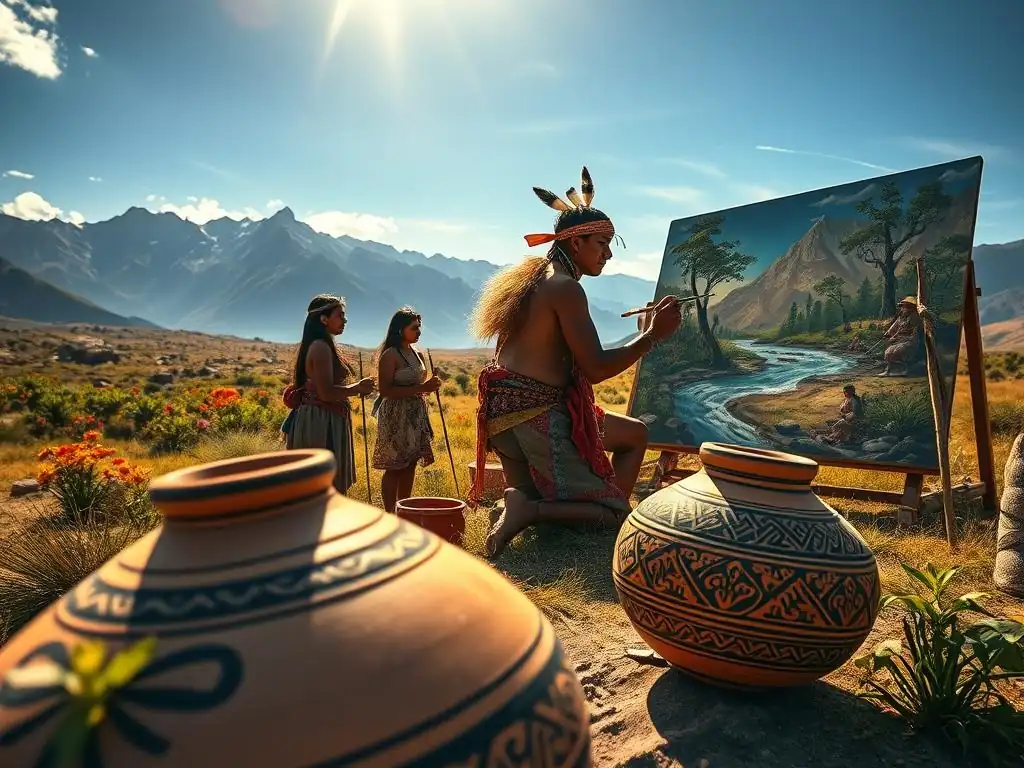
Welcome to Indigenous Civilizations of the Americas, where we invite you to journey into the vibrant tapestry of indigenous cultures that flourished long before European contact. In our featured article, "Nature as Muse: How Indigenous Relationships with Land Influence Today's Art," we delve into the profound indigenous influence on contemporary art—a captivating exploration of how age-old traditions and deep connections to the land continue to shape modern artistic expressions.
Prepare to uncover the rich legacies and innovative practices that not only celebrate heritage but also inspire today's creators. Join us as we unravel the past and its lasting impact on the art we experience now!
Introduction to Indigenous Influence on Contemporary Art
The intricate connections between Indigenous cultures and the land they inhabit have long been a source of inspiration and creativity, profoundly influencing contemporary art. This article delves into the Indigenous influence on contemporary art, illuminating how the deep-rooted relationships between Indigenous peoples and their environments have shaped artistic expressions today. By exploring the significance of land, nature, and community in Indigenous cultures, we can better appreciate the ways these elements resonate in modern artistic practices.
As we journey through this exploration, we will uncover the historical context that has shaped Indigenous art and the ongoing revitalization of traditional art forms. Understanding these connections not only enriches our appreciation of contemporary art but also highlights the resilience and adaptability of Indigenous cultures in the face of change.
Overview of Indigenous Relationships with Land
Indigenous peoples across the Americas have long maintained a profound connection to their land, viewing it as a living entity that offers sustenance, inspiration, and identity. This relationship is characterized by:
- Spirituality: Nature is often seen as sacred, with landscapes, animals, and plants imbued with spiritual significance.
- Cultural Practices: Many Indigenous traditions, ceremonies, and stories are rooted in the land, emphasizing a deep-seated respect and stewardship.
- Ecological Knowledge: Indigenous communities possess extensive knowledge of their environments, which informs their sustainable practices and artistic expressions.
These elements collectively foster a worldview where art becomes a means to communicate and celebrate the relationship with the land.
Significance of Nature in Indigenous Cultures
Nature plays a pivotal role in shaping the identities, beliefs, and values of Indigenous cultures. It is not merely a backdrop but an active participant in their narratives. Key points include:
- Cultural Identity: The land is integral to the cultural identity of Indigenous peoples, serving as a source of pride and belonging.
- Artistic Inspiration: Many contemporary artists draw on natural elements, utilizing materials sourced from their environments, reflecting a continuation of traditional practices.
- Symbolism in Art: Nature serves as a powerful symbol in Indigenous art, often representing themes of life, death, and rebirth, which resonate with broader human experiences.
By understanding these themes, we can see how contemporary artists are weaving Indigenous philosophies into their works.
The Role of Art in Indigenous Communities
Art has always been a vital form of expression within Indigenous communities, serving multiple purposes that extend beyond aesthetics. It functions as:
- Storytelling: Art conveys stories and histories, preserving knowledge and traditions through generations.
- Community Building: Artistic practices often involve community participation, fostering connections and shared identities.
- Cultural Resistance: In the face of colonization and cultural erasure, art serves as a form of resistance, allowing Indigenous voices to reclaim narratives.
The multifaceted role of art underscores its importance in both historical and contemporary contexts.
Historical Context of Indigenous Art
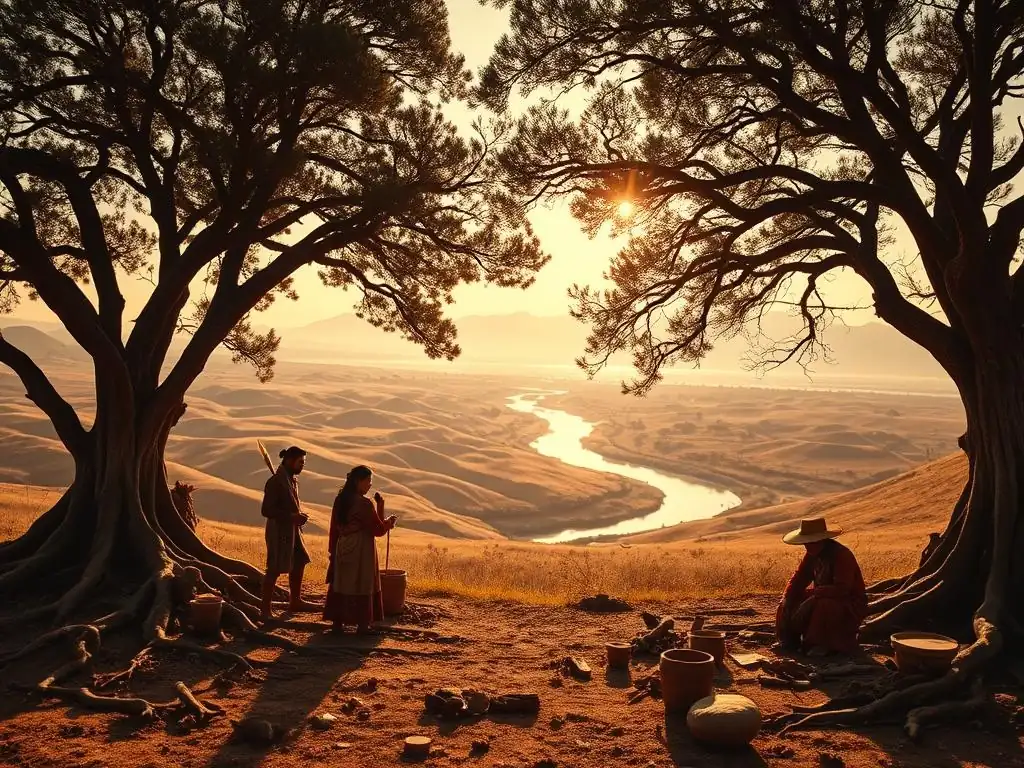
To fully appreciate the Indigenous influence on contemporary art, it is essential to explore the historical context of Indigenous art forms and their evolution.
Traditional Indigenous Art Forms and Their Meanings
Traditional Indigenous art encompasses a vast array of forms, including pottery, weaving, carving, and painting. Each medium carries specific cultural meanings:
- Pottery: Often adorned with intricate designs, pottery reflects both functionality and artistic expression, with patterns that tell stories or signify clan affiliations.
- Weaving: Textiles crafted through weaving techniques often incorporate symbols of the natural world, representing the connection to land and heritage.
- Carving: From totem poles to masks, carving serves as a powerful medium for storytelling, representing ancestral spirits and cultural narratives.
These traditional forms not only reflect the artistry of Indigenous peoples but also serve as vital conduits for cultural expression and identity.
The Impact of Colonization on Indigenous Artistic Expression
Colonization had a profound impact on Indigenous art, leading to:
- Disruption of Traditions: The imposition of foreign values and practices disrupted traditional artistic expressions and the transmission of cultural knowledge.
- Cultural Appropriation: Indigenous art has often been appropriated without acknowledgment, leading to a commodification of their cultural heritage.
- Resistance Through Art: Despite these challenges, Indigenous artists have used their art as a means of resistance, reclaiming their narratives and asserting their identities.
Understanding this historical backdrop is crucial in recognizing the resilience of Indigenous art in contemporary contexts.
Revitalization of Indigenous Art Traditions in Modern Times
In recent years, there has been a resurgence of interest in Indigenous art, characterized by:
- Cultural Revitalization: Many Indigenous communities are actively working to revive traditional art forms, ensuring the transmission of knowledge and skills to younger generations.
- Integration into Contemporary Art: Contemporary Indigenous artists are blending traditional techniques with modern themes, creating works that reflect both heritage and contemporary issues.
- Increased Recognition: There is growing recognition of Indigenous artists within the broader art world, leading to more opportunities for visibility and representation.
This revitalization not only honors the past but also paves the way for a more inclusive understanding of art today.
The intricate tapestry of Indigenous relationships with land serves as a profound muse for contemporary art, shaping the narratives and practices of artists who seek to honor and reflect their heritage.
The Connection Between Land and Art in Indigenous Cultures
Indigenous cultures across the Americas have long held a profound connection to the land, viewing it not just as a physical space, but as a vital part of their identity and spirituality. This intrinsic bond manifests in their art, where natural elements are interwoven with cultural narratives, historical events, and spiritual beliefs. For many Indigenous peoples, the landscape is a living, breathing entity that holds stories and wisdom, which are reflected in their artistic expressions.
Traditionally, Indigenous art serves multiple purposes, from ceremonial functions to storytelling, and is often created using materials sourced directly from the environment—such as clay, wood, and fibers. This practice emphasizes sustainability and reverence for nature, cultivating an aesthetic that is both beautiful and meaningful. As contemporary artists draw on these age-old traditions, they continue to explore and express the relationship between their cultures and the land, making it a cornerstone of their creative process.
Spiritual Significance of Land in Indigenous Beliefs
In many Indigenous belief systems, land is viewed as sacred. It is not merely a backdrop for human activity, but a living entity imbued with spirit and purpose. This belief is central to the worldview of countless Indigenous cultures, where the land is seen as a provider of life, sustenance, and cultural identity.
Spiritual practices often revolve around the land, with rituals and ceremonies designed to honor the spirits of the earth, plants, and animals. For instance, the Lakota people’s connection to the Black Hills, or the Navajo’s reverence for the Four Sacred Mountains, exemplifies this relationship. These beliefs profoundly influence artistic creation, as many artists incorporate symbols and motifs that reflect their spiritual connection to specific landscapes, reinforcing their cultural heritage and identity through their work.
Nature as a Source of Inspiration for Indigenous Artists
Nature is a rich source of inspiration for Indigenous artists, with its diverse ecosystems, flora, and fauna serving as both subject and medium. The vibrant colors, textures, and patterns found in nature often translate into visual art forms, such as painting, weaving, and sculpture.
Artists often utilize natural materials not only for their aesthetic qualities but also for their cultural significance. For example, the use of ochre in painting connects to ancestral practices, while the weaving of baskets from native grasses reflects a deep understanding of local ecosystems. Through these artistic endeavors, Indigenous artists convey their relationship with the land, conveying messages about conservation, respect, and the importance of maintaining harmony with nature.
Indigenous Influence on Contemporary Art Movements
Indigenous influence on contemporary art movements is increasingly recognized as artists draw from their cultural heritage to inform modern practices. This intersection creates a rich tapestry of artistic expression, where traditional techniques and contemporary themes coalesce.
As Indigenous artists engage with contemporary issues—such as environmental degradation, cultural appropriation, and social justice—they challenge prevailing narratives and offer unique perspectives that resonate within the broader art world. Their contributions encourage a dialogue about identity, history, and the role of art in activism, fostering a greater appreciation for the depth and diversity of Indigenous cultures.
The Emergence of Eco-Art and Indigenous Perspectives
The rise of eco-art, which emphasizes environmental awareness and sustainability, has seen a significant infusion of Indigenous perspectives. Artists are increasingly using their work to comment on ecological issues, often drawing on traditional ecological knowledge that has been passed down through generations. This body of knowledge informs not only the subject matter of their art but also the methods and materials used in its creation.
By integrating Indigenous philosophies about land stewardship and respect for nature, eco-artists are creating powerful visual statements that advocate for environmental justice and awareness. These works often serve as a call to action, encouraging viewers to reconsider their relationship with the natural world and to recognize the wisdom embedded in Indigenous practices.
Influential Indigenous Artists and Their Works
Several Indigenous artists have made significant contributions to contemporary art, using their platforms to elevate Indigenous voices and narratives. Notable figures include:
- Jaune Quick-to-See Smith: A Salish-Kootenai artist known for her mixed-media works that address issues of identity, colonialism, and environmental concerns.
- Eliza Noh: An artist whose sculptures and installations reflect her Native American heritage, often incorporating natural materials and themes of transformation.
- Nicholas Galanin: An artist who blends traditional Alaskan Indigenous motifs with contemporary art practices, challenging perceptions of Indigenous identity.
These artists not only create visually compelling works but also engage audiences in discussions about cultural history, contemporary challenges, and the importance of preserving Indigenous knowledge.
Cross-Cultural Collaborations: Bridging Indigenous and Contemporary Art
Cross-cultural collaborations between Indigenous artists and contemporary art practitioners are becoming increasingly common, fostering rich exchanges that enhance the understanding of both worlds. These partnerships often lead to innovative projects that merge traditional Indigenous practices with modern artistic techniques, creating unique hybrid forms of expression.
Such collaborations can be seen in various formats, including public art installations, performance art, and community projects. By working together, artists from diverse backgrounds can challenge stereotypes, broaden audiences, and promote cultural appreciation. These collaborative efforts not only enrich the art landscape but also serve as a platform for dialogue around reconciliation, cultural exchange, and the shared responsibility of preserving both Indigenous and contemporary art narratives.
Themes Explored in Indigenous-Inspired Contemporary Art
Indigenous-inspired contemporary art serves as a vibrant dialogue between past and present, weaving together themes that reflect the deep-rooted connections Indigenous peoples have with their land, culture, and identity. These themes not only honor traditional practices but also engage with contemporary issues, allowing artists to communicate their experiences and perspectives in a modern context. The richness of these themes can be categorized into several key areas, including connection to nature, identity and heritage, and the importance of storytelling.
Connection to Nature and Environmentalism
Central to many Indigenous cultures is a profound respect for nature, which is often viewed as a living entity with which humans coexist. This connection manifests in contemporary art through the use of natural materials, themes of sustainability, and environmental activism. Artists like Eliza Fernandz and Mateo Romero utilize elements from their environments—such as soil, plant fibers, and animal motifs—to create works that highlight the beauty and fragility of ecosystems.
Moreover, this theme intersects with current environmental challenges, including climate change and land reclamation. Through their art, Indigenous artists advocate for stewardship of the land, often addressing the impact of colonization and industrialization on natural resources. The integration of these themes not only raises awareness but also calls for a reevaluation of our relationship with the environment.
Identity, Heritage, and Indigenous Narratives
Indigenous artists often draw upon their cultural heritage to explore themes of identity and belonging. This is particularly significant in a world where Indigenous identities have been historically marginalized. Artworks frequently incorporate traditional symbols, languages, and narratives that reflect personal and communal histories.
For instance, artists like Jaune Quick-to-See Smith and Kent Monkman use their platforms to challenge stereotypes and reclaim their identities, presenting complex portrayals of Indigenous life that resonate with contemporary audiences. By intertwining personal stories with broader cultural narratives, these artists not only celebrate their heritage but also engage in the ongoing discourse about what it means to be Indigenous today.
The Role of Storytelling in Modern Art
Storytelling is a powerful tool within Indigenous cultures, serving both as a means of communication and a method for passing down knowledge. Contemporary Indigenous artists harness this tradition to convey stories through various mediums, including painting, sculpture, and performance art.
For example, artists like Rebecca Belmore and Brian Jungen utilize their works to narrate stories of resilience, survival, and resistance. Through their art, they invite viewers into a dialogue that transcends visual aesthetics, encouraging an understanding of the deeper meanings behind their creations. This storytelling approach not only preserves cultural narratives but also allows for a dynamic interaction with contemporary issues faced by Indigenous communities.
Challenges Facing Indigenous Artists Today
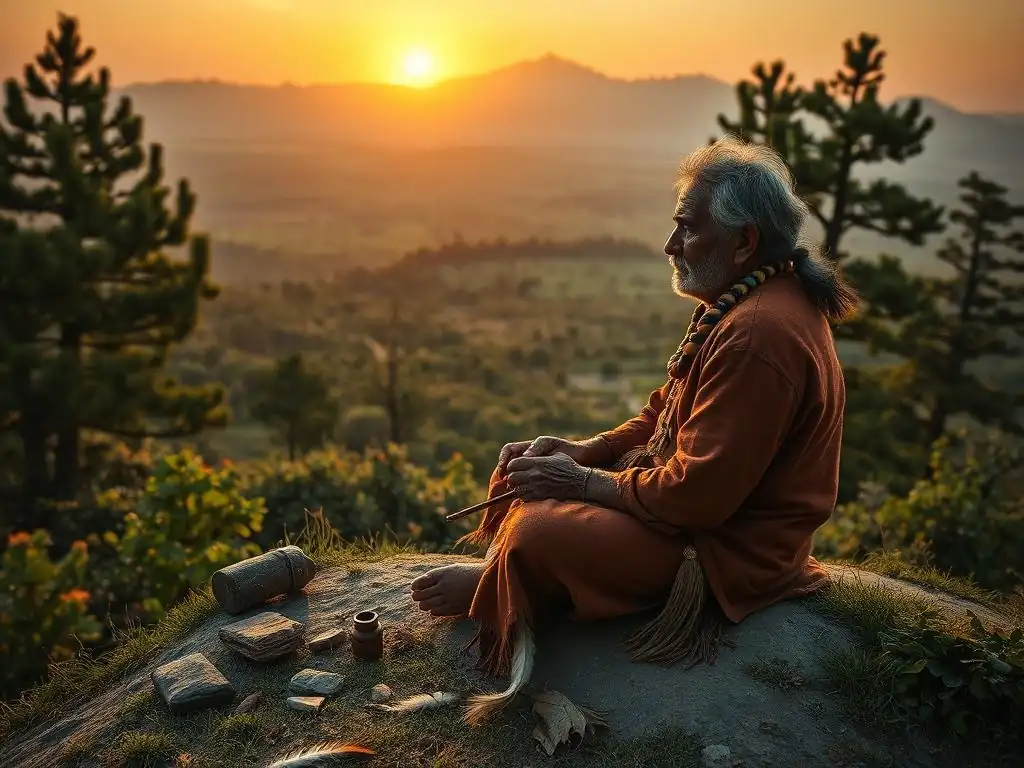
Despite the growing recognition of Indigenous art's significance in contemporary discourse, Indigenous artists continue to face several challenges that impact their ability to create and share their work. These challenges include cultural appropriation, inadequate representation in art institutions, and the need for the preservation of Indigenous knowledge and artistic practices.
Cultural Appropriation in Contemporary Art
Cultural appropriation poses a significant challenge for Indigenous artists, as it often involves the unauthorized use of Indigenous symbols, designs, and cultural practices by non-Indigenous individuals. This appropriation can dilute the meanings of these elements and exploit Indigenous culture for commercial gain.
Indigenous artists are increasingly vocal about the importance of respecting cultural boundaries and the need for ethical engagement with Indigenous art. They emphasize that true appreciation involves understanding the context and significance behind cultural symbols, rather than merely adopting them for aesthetic purposes.
The Fight for Representation in Art Institutions
Indigenous artists frequently encounter barriers when seeking representation within mainstream art institutions, which have historically underrepresented or misrepresented Indigenous voices. This lack of representation can limit opportunities for Indigenous artists to showcase their work and gain recognition within the broader art community.
Efforts are being made to address these disparities, including initiatives aimed at increasing Indigenous curators and decision-makers in galleries and museums. However, the fight for equitable representation continues, as Indigenous artists strive to ensure that their perspectives are included in the narrative of contemporary art.
Preservation of Indigenous Knowledge and Artistic Practices
The preservation of Indigenous knowledge and artistic practices is crucial in maintaining the integrity of Indigenous art forms. Many traditional techniques and materials are at risk of being lost due to globalization and changing cultural landscapes.
Indigenous artists often work to revive and sustain these practices, passing them down through generations while integrating contemporary influences. This balance between tradition and innovation allows for a rich dialogue within the art world, ensuring that Indigenous cultures continue to thrive and evolve. By prioritizing the preservation of their artistic heritage, Indigenous artists contribute to a more diverse and inclusive understanding of art today.
Conclusion: The Lasting Impact of Indigenous Influence on Contemporary Art
The vibrant threads of Indigenous cultures continue to weave through the tapestry of contemporary art, influencing a multitude of artists across various mediums. From visual arts to performance, the themes of land, identity, and spirituality inherited from Indigenous traditions resonate strongly in today's artistic expressions. This enduring impact is not merely a revival of past styles; instead, it serves as a profound dialogue about the significance of nature and the environment in shaping human experience. The integration of Indigenous perspectives invites audiences to explore deeper meanings related to community, sustainability, and the interconnectedness of all living things.
Moreover, the recognition and celebration of Indigenous contributions to contemporary art challenge the traditional Eurocentric narratives that have dominated the art world. As more artists draw upon Indigenous philosophies and aesthetics, the contemporary art scene becomes a richer, more inclusive space. This transformation not only honors the heritage of Indigenous peoples but also encourages a broader understanding and appreciation of diverse cultural expressions.
Reflections on the Future of Indigenous Art and Culture
Looking ahead, the future of Indigenous art and culture appears promising yet complex. As younger generations of Indigenous artists emerge, they are increasingly blending traditional practices with modern techniques, creating innovative works that reflect their unique identities. This evolution is essential in ensuring that Indigenous voices remain vital and relevant in the contemporary art landscape.
However, challenges persist, including cultural appropriation and the ongoing struggle for Indigenous rights and recognition. To navigate these challenges, it is vital that contemporary Indigenous artists continue to assert their narratives and advocate for their communities. By fostering collaborations between Indigenous and non-Indigenous artists, there is potential for mutual respect, understanding, and the co-creation of art that honors diverse heritages.
Encouraging Respect and Understanding of Indigenous Relationships with Land
Understanding Indigenous relationships with the land is crucial for fostering respect and appreciation for Indigenous cultures. These relationships are deeply rooted in spirituality, history, and community well-being. Indigenous peoples view the land not merely as a resource but as a living entity with which they share a reciprocal relationship. This perspective can offer valuable insights into contemporary issues such as environmental conservation and sustainability.
To encourage respect and understanding, it is essential to educate communities about the significance of land in Indigenous cultures. This education can take various forms, from workshops and community events to collaborations with Indigenous knowledge holders. By promoting awareness of these relationships, we can contribute to a more inclusive society that values and honors Indigenous wisdom.
Call to Action: Supporting Indigenous Artists and Art Initiatives
The importance of supporting Indigenous artists and art initiatives cannot be overstated. By actively engaging with Indigenous art, we can help ensure that these vital cultural expressions continue to thrive. This support can take many forms, including purchasing artwork, attending exhibitions, and advocating for funding opportunities that prioritize Indigenous initiatives.
Moreover, it is essential to amplify Indigenous voices in contemporary art discourse. This can be achieved by promoting Indigenous-led projects and platforms that showcase the work of Indigenous artists. Doing so not only helps preserve and revitalize Indigenous cultures but also enriches the broader art community.
Ways to Engage with Indigenous Art and Communities
Engagement with Indigenous art and communities can take many forms. Here are some ways to get involved:
- Attend Cultural Events: Participate in Indigenous art exhibitions, festivals, and workshops to connect with artists and their work.
- Support Indigenous Art Organizations: Contribute to or volunteer with organizations that promote Indigenous art and culture.
- Educate Yourself: Seek out literature, documentaries, and online resources that explore Indigenous perspectives on art and land.
- Collaborate with Indigenous Artists: If you are an artist, consider collaborations that respect and honor Indigenous traditions and knowledge.
By actively engaging in these ways, individuals can foster a deeper understanding of Indigenous cultures and support the continued flourishing of Indigenous art.
Promoting Awareness of Indigenous Influence on Contemporary Art
Promoting awareness of Indigenous influence on contemporary art is essential for fostering a more inclusive narrative in the art world. This can be achieved through various strategies:
- Use Social Media: Share posts about Indigenous artists and their work to reach wider audiences and raise awareness.
- Create Educational Programs: Develop workshops and lectures focused on the significance of Indigenous art in contemporary contexts.
- Highlight Indigenous Contributions: Within galleries and arts organizations, curate exhibitions that specifically showcase the work of Indigenous artists and highlight their influence.
- Collaborate with Educators: Work with schools and universities to incorporate Indigenous perspectives into art curricula, promoting understanding from a young age.
By implementing these strategies, we can collectively contribute to a greater appreciation and recognition of the profound impact Indigenous cultures have on contemporary art.
- Introduction to Indigenous Influence on Contemporary Art
- Overview of Indigenous Relationships with Land
- Significance of Nature in Indigenous Cultures
- The Role of Art in Indigenous Communities
- Historical Context of Indigenous Art
- The Connection Between Land and Art in Indigenous Cultures
- Indigenous Influence on Contemporary Art Movements
- Themes Explored in Indigenous-Inspired Contemporary Art
- Challenges Facing Indigenous Artists Today
- Conclusion: The Lasting Impact of Indigenous Influence on Contemporary Art
- Call to Action: Supporting Indigenous Artists and Art Initiatives
- What is the main theme of the article "Nature as Muse: How Indigenous Relationships with Land Influence Today's Art"?
- How do indigenous influences manifest in modern artistic practices?
- What role does land play in indigenous art according to the article?
- How has European colonization affected indigenous artistic expressions?
- Why is understanding indigenous influence on contemporary art important?
Frequently Asked Questions
What is the main theme of the article "Nature as Muse: How Indigenous Relationships with Land Influence Today's Art"?
The article explores the deep connections between indigenous cultures and their land, emphasizing how these relationships continue to shape contemporary art.
How do indigenous influences manifest in modern artistic practices?
Indigenous influences can be seen in themes related to nature, spirituality, and community, which artists incorporate to express their unique cultural narratives and heritage.
What role does land play in indigenous art according to the article?
The article highlights that land is not just a backdrop but a central character in indigenous art, symbolizing identity, history, and a spiritual connection to the environment.
How has European colonization affected indigenous artistic expressions?
European colonization disrupted traditional practices, but many indigenous artists have revived and adapted their art forms to reclaim their cultural identity and express contemporary issues.
Why is understanding indigenous influence on contemporary art important?
Recognizing this influence fosters appreciation for diversity in artistic expression and encourages a dialogue about the cultural significance of indigenous perspectives in the broader art world.
Final Reflection: Embracing Indigenous Influence in Contemporary Art
The profound connection between Indigenous cultures and the land serves as a powerful reminder of the importance of nature in shaping artistic expression today. As we navigate an increasingly urbanized world, the lessons drawn from Indigenous relationships with the land resonate more than ever, urging us to reconsider our own connections to nature and the stories it tells. This reflection invites us to recognize that the essence of art is not merely in its aesthetic value but in its ability to convey deep-rooted narratives that reflect our environment and heritage.
Cultural landscapes are continually evolving, yet the influence of Indigenous perspectives remains a cornerstone in contemporary art. The integration of traditional ecological knowledge into modern artistic practices not only enriches the art community but also fosters a deeper understanding of our shared responsibility toward the environment. As artist and activist Rebecca Belmore once said, Art is a way of knowing, it is a way of being in the world.
This statement encapsulates the ongoing dialogue between Indigenous wisdom and contemporary artistic expression, reminding us that art can be a vehicle for change and a bridge to understanding diverse worldviews.
As we reflect on the themes presented in this article, I invite you to explore how you can incorporate these insights into your own life and creative practices. Consider the stories that nature tells and how they can inspire your artistic journey.
Whether through direct engagement with the land or by amplifying Indigenous voices in your work, each of us has the power to honor these relationships and contribute to a more inclusive narrative in contemporary art. Let us embrace this opportunity to learn, grow, and create art that not only reflects our surroundings but also respects and uplifts the wisdom of those who have long understood the importance of living in harmony with the land.
Embrace Nature's Inspiration in Your Creative Journey!
Thank you for exploring the profound connection between indigenous relationships with the land and contemporary art. Your interest not only enriches your understanding but also celebrates the innovative spirit rooted in these traditions. Now, let's take those insights and turn them into action!
- Reflect on Your Environment: Spend some time in nature and draw inspiration from your surroundings. Consider how the elements influence your creativity—**keep a journal of your thoughts or create sketches of what you observe**.
- Engage with Indigenous Art: Visit a local gallery or an online exhibition showcasing indigenous artists. Delve into the stories behind their work and consider how these narratives connect to the land.
- Share Your Discoveries: Initiate a conversation with friends or fellow artists about how nature inspires your work. Utilize social media to share your insights or artwork, and engage others in this enriching creative dialogue.
What unique ways can you incorporate the beauty of the natural world into your artistic practice?