
Exploring the Significance of Color in Indigenous Fashion and Design
🌟 Indigenous fashion color significance reflects deep cultural meanings and connections to nature, spirituality, and identity. This article delves into how vibrant…
Read article
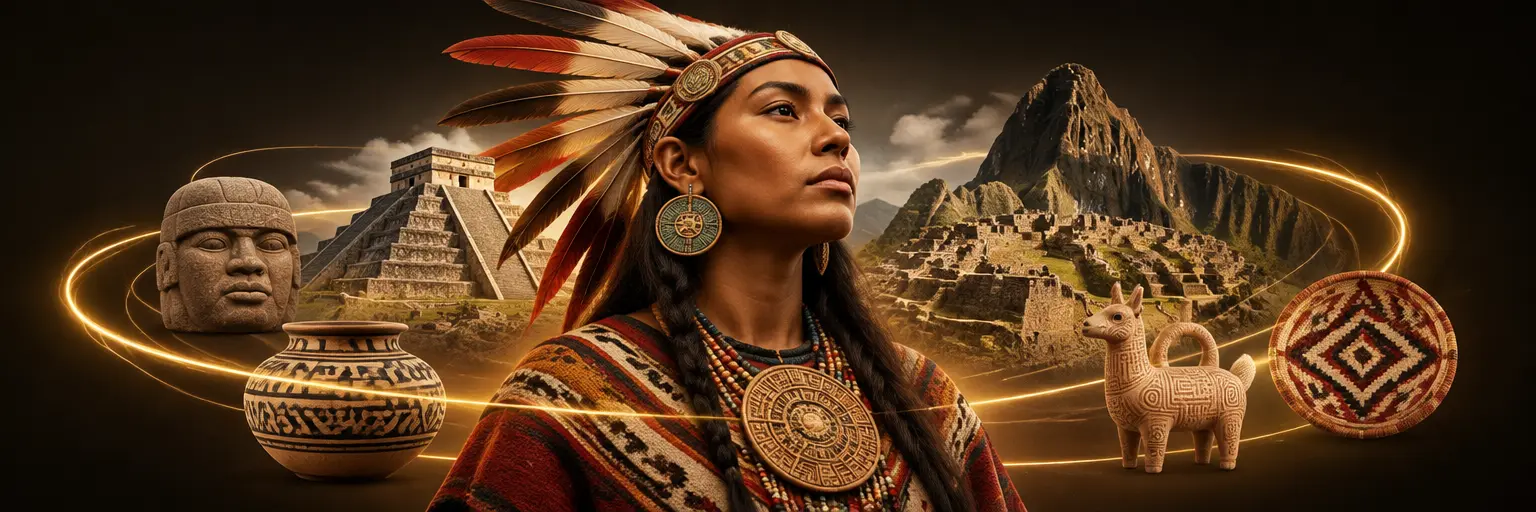
Explore the profound Cultural Influence of Indigenous civilizations of the Americas, whose enduring legacy shapes modern creativity across literature, film, music, fashion, and art. From the symbolic storytelling of Maya and Aztec myths inspiring contemporary novels and blockbuster cinema, to ancestral rhythms and instruments echoing in popular music, these cultures infuse global pop culture with authenticity and depth. Discover how traditional patterns, natural dyes, and textile techniques influence modern fashion and design, while bold geometric motifs and spiritual iconography redefine contemporary art. This living heritage transforms how we create, express, and connect—proving that ancient wisdom remains a vibrant, essential force in today’s cultural landscape. Dive into the stories, symbols, and styles that continue to shape the world’s artistic imagination.
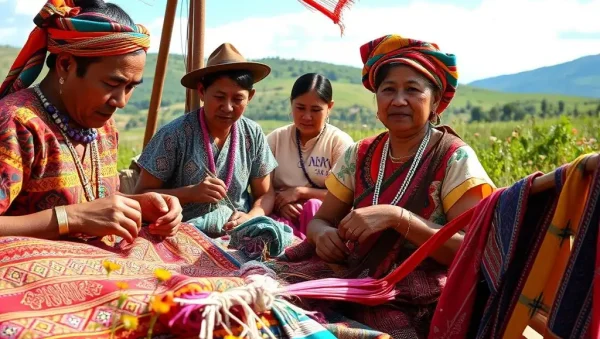
🌟 Indigenous fashion color significance reflects deep cultural meanings and connections to nature, spirituality, and identity. This article delves into how vibrant…
Read article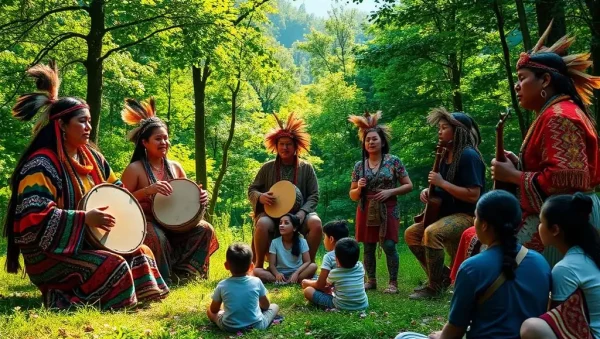
Indigenous music serves as a powerful catalyst for environmental awareness, weaving traditional wisdom into the fabric of pop culture. By highlighting the…
Read article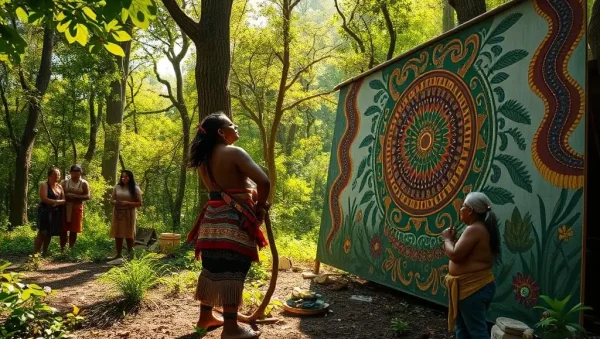
🌿 Indigenous culture and environmental art intertwine deeply, reflecting a profound respect for nature. This article explores how contemporary artists draw inspiration…
Read article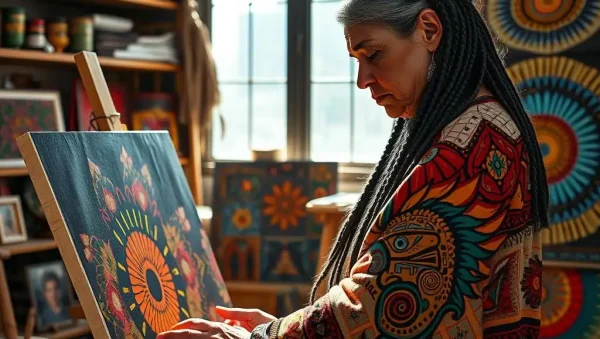
Indigenous art serves as a powerful commentary on modern society, reflecting the rich cultural heritage and resilience of Indigenous peoples. Through vibrant…
Read article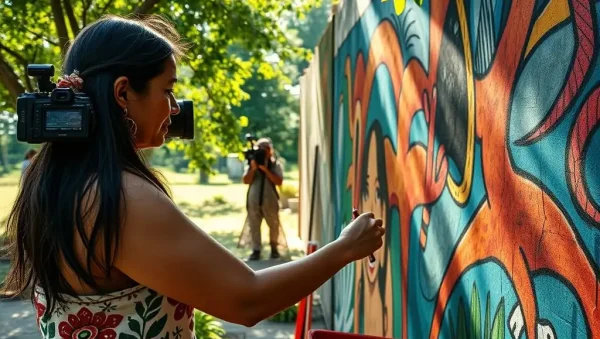
🌟 Indigenous art influence on film is profound, weaving rich narratives and cultural symbolism into cinematic storytelling. This article explores how traditional…
Read article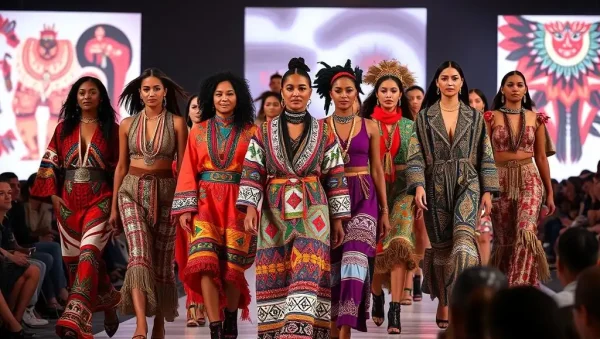
🌟 Indigenous motifs in fashion are increasingly celebrated in contemporary collections, bridging cultural heritage and modern aesthetics. Designers honor the rich narratives…
Read article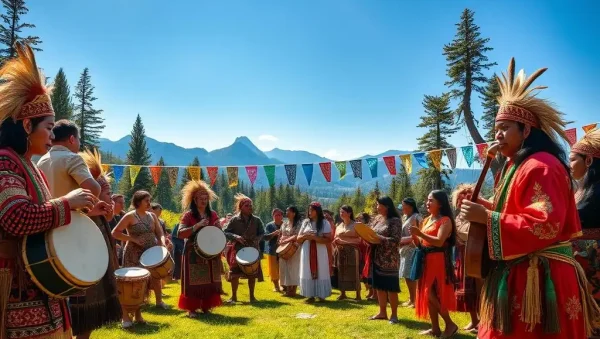
The indigenous music revival in the Americas is reshaping the contemporary music scene as artists blend traditional sounds with modern influences, celebrating…
Read article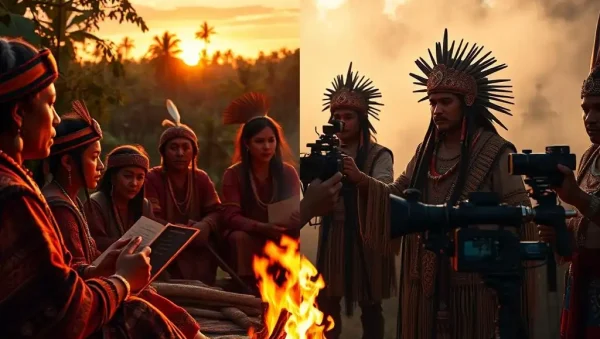
✨ Indigenous legends in film serve as a powerful medium to reimagine and celebrate the rich narratives of pre-colonial cultures, highlighting their…
Read article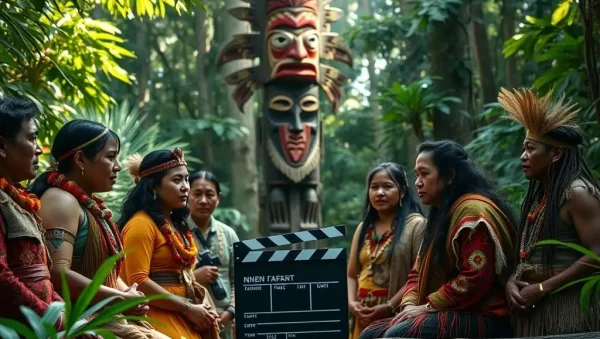
🌍 The emergence of indigenous cinema in the 21st century is reshaping narratives and challenging stereotypes, offering authentic voices and rich representations.…
Read article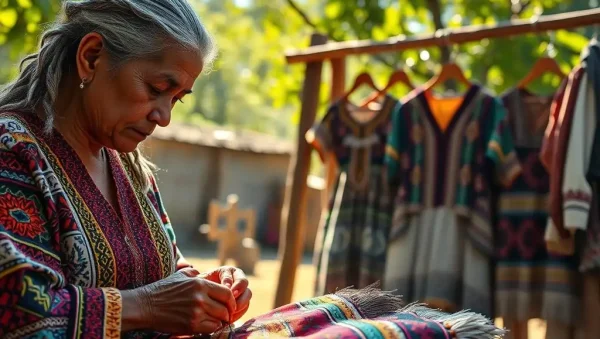
🌍 Indigenous fashion influence history reveals a rich tapestry of cultural heritage, showcasing how traditional garments have evolved into haute couture. This…
Read article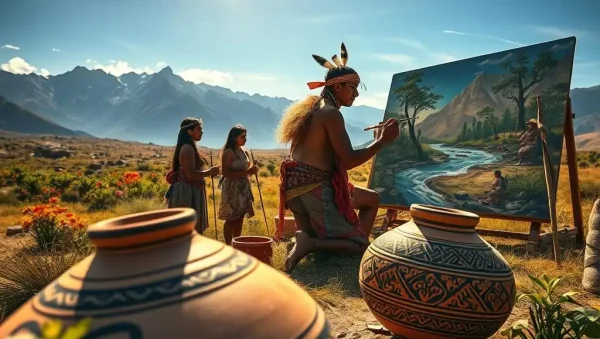
🌿 Indigenous influence on contemporary art is deeply rooted in the profound relationships indigenous cultures maintain with their land. This connection inspires…
Read article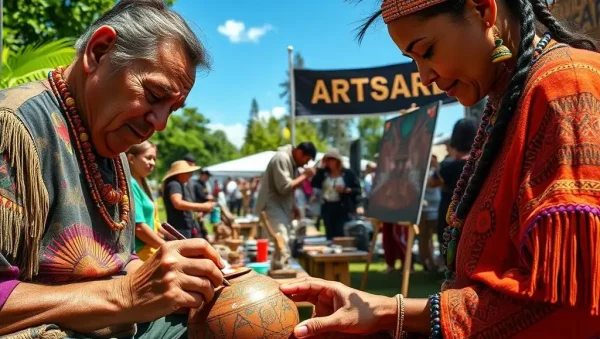
🌍 Indigenous art influence globally transcends borders, inspiring contemporary creators while celebrating rich cultural heritages. This article explores how the vibrant traditions…
Read articleExplore how the rich heritage of Indigenous civilizations—from the Maya and Aztec to the Inca and Iroquois—continues to shape global culture today. This page examines their enduring impact on literature, film, music, pop culture, fashion, design, and modern art. Discover how ancient symbols, stories, and aesthetics live on in contemporary creative expressions, offering both inspiration and a deeper understanding of cultural continuity.
Indigenous narratives, myths, and oral traditions have profoundly influenced global literature and cinema. From the Popol Vuh’s creation stories to the poetry of contemporary Native authors, these voices offer unique perspectives on identity, nature, and resilience. In film, directors like Chris Eyre and projects like *Smoke Signals* and *The Emerald Forest* bring Indigenous worldviews to mainstream audiences. Expect explorations of storytelling techniques, adaptation of folklore, and the rise of Indigenous-led productions that challenge colonial tropes and enrich cinematic language with spiritual and ecological themes. Discover how these works preserve ancestral knowledge while reimagining modern storytelling.
Indigenous musical traditions—from Andean panpipes to Native American flute and drum circles—have permeated global pop, rock, and electronic music. Artists like Buffy Sainte-Marie and A Tribe Called Red blend ancestral sounds with contemporary beats, while mainstream hits sample traditional chants. In pop culture, Indigenous motifs appear in fashion, symbols, and even video games like *Assassin’s Creed III*. Expect insights into how these elements are respectfully (or sometimes controversially) repurposed, and how activists reclaim cultural icons. Learn how rhythm, nature-inspired lyrics, and ceremonial instruments shape today’s sonic landscape.
Indigenous textiles, patterns, and jewelry—such as Navajo weavings, Huichol beadwork, and Andean mantas—have inspired haute couture and streetwear alike. Designers like Patricia Michaels and Stella Jean integrate traditional craftsmanship into modern silhouettes, while geometric motifs from Moche and Maya pottery appear in home decor and graphic design. Expect analysis of color palettes, sustainable practices, and the ethical debate around cultural appropriation versus appreciation. Uncover how ancestral techniques—from backstrap looms to natural dyes—drive innovation in sustainable fashion.
Modern art movements—from surrealism to abstract expressionism—have drawn heavily on Indigenous cosmology, iconography, and material culture. Artists like Frida Kahlo (inspired by Tehuana dress) and contemporary Indigenous painters like Kent Monkman challenge colonial narratives through vibrant canvases. Expect to see how Pre-Columbian sculpture, petroglyphs, and quipu-inspired lines influence installation art, muralism, and digital media. Discover how galleries now spotlight Indigenous sovereignty, and how ancient visual codes—like the Nazca lines or Aztec calendrics—inspire new creative languages.
The most significant is the revival of oral storytelling and mythopoetic narratives, as seen in works like *The Way to Rainy Mountain* by N. Scott Momaday. These texts blend history, folklore, and personal memory, offering a non-linear, cyclical view of time that contrasts with Western linear storytelling. This influence has broadened literary structure and theme.
Indigenous culture appears through sampled vocals, drumbeats, and flute melodies, as well as through lyrical themes honoring nature and ancestors. For example, Enigma’s *Return to Innocence* used Ami tribal chants. Additionally, artists like Sia and Paul Simon have incorporated Indigenous instruments, though sometimes sparking debate over cultural appropriation versus homage.
It depends on context and consent. When Indigenous designers or communities lead the creation, or when brands collaborate respectfully and share profits, it is often seen as cultural exchange. However, when non-Indigenous designers imitate sacred patterns without permission or credit, it can be harmful. Ethical fashion seeks authentic partnerships and acknowledges origins.
Key contributions include abstract geometric patterns (from Anasazi pottery), surrealistic dream imagery (from shamanic visions), and the use of natural materials like feather, bone, and clay. Indigenous art also introduced concepts of art as communal rather than individual property. Many modern artists, including Picasso and Pollock, studied Indigenous works, reshaping Western aesthetics.
Start by learning the specific tribe’s history and protocols. Support Indigenous artists directly by purchasing their work or attending their exhibitions. Avoid using sacred symbols for decoration. When referencing their influence, credit the cultural origin, and consider donating to Indigenous-led cultural preservation organizations. Engage as a learner, not a consumer.