
Artistic Resistance: Indigenous Art as a Commentary on Modern Society

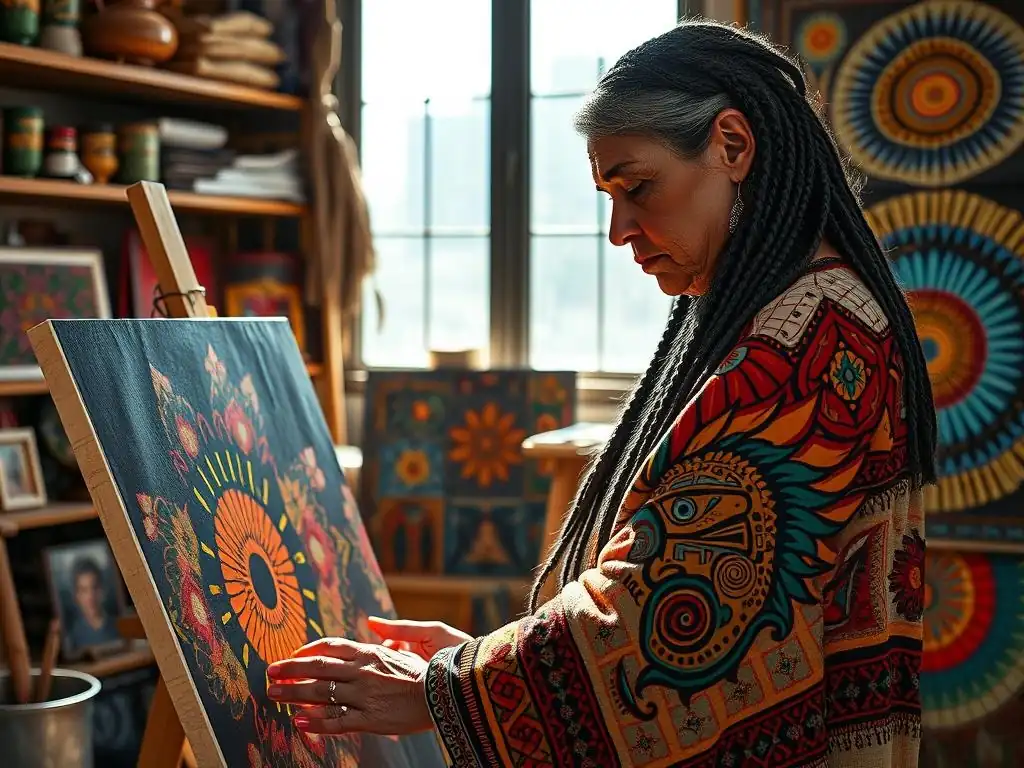
Welcome to Indigenous Civilizations of the Americas, where we invite you to embark on a fascinating journey through the rich tapestry of indigenous cultures that flourished long before European contact. Within these pages, you'll discover the profound achievements and vibrant societies that shaped the Americas, and how their legacies continue to resonate today. Our featured article, "Artistic Resistance: Indigenous Art as a Commentary on Modern Society," delves into the powerful role of indigenous art in reflecting and challenging contemporary issues.
Join us as we explore how these timeless expressions not only celebrate heritage but also spark critical conversations about identity, resilience, and cultural survival in the modern world. Dive in and uncover the stories waiting to be told!
- Introduction to Indigenous Art and Modern Society
- Historical Context of Indigenous Art
- Indigenous Art as a Reflection of Modern Society
- Case Studies of Indigenous Art Addressing Modern Society
- The Influence of Indigenous Art on Contemporary Artists
- Challenges Faced by Indigenous Artists Today
- Conclusion: The Future of Indigenous Art as a Commentary on Society
-
Frequently Asked Questions
- What is the main theme of the article "Artistic Resistance: Indigenous Art as a Commentary on Modern Society"?
- How does Indigenous art reflect the experiences of Indigenous peoples?
- In what ways can Indigenous art influence modern society?
- Why is it important to study Indigenous art in relation to modern society?
- How can individuals support Indigenous artists and their work?
- Final Reflection: The Power of Indigenous Art in Modern Society
- Unleash the Power of Indigenous Art!
Introduction to Indigenous Art and Modern Society
Indigenous art serves as a profound reflection of the rich cultural heritage and complex histories of the various indigenous civilizations that flourished across the Americas before European colonization. In the contemporary context, this art form transcends mere aesthetics, emerging as a powerful medium of commentary on modern society.
The intersection of Indigenous art and modern society highlights not only the resilience of these cultures but also their ongoing dialogue with contemporary issues such as identity, social justice, and environmental stewardship. This article explores the multifaceted role of indigenous artistic expression in providing critical insights into today's societal challenges, revealing how these traditional practices continue to influence modern art and culture.
Overview of Indigenous Art as a Cultural Commentary
Indigenous art is deeply rooted in the traditions, beliefs, and experiences of indigenous peoples. It encompasses a wide range of mediums, including painting, sculpture, textiles, and performance, each reflecting unique narratives and worldviews. Historically, indigenous artists have used their work to:
- Preserve cultural identity: Art serves as a vessel for passing down stories, rituals, and traditions from generation to generation.
- Challenge stereotypes: By depicting their realities, indigenous artists confront misconceptions and promote a deeper understanding of their cultures.
- Engage with historical injustices: Many contemporary works address the impacts of colonization, displacement, and assimilation, offering a critique of historical narratives that have marginalized indigenous voices.
Through these themes, indigenous art acts as a cultural commentary, inviting audiences to reflect on the complexities of identity and the socio-political landscape of modern society.
Significance of Indigenous Artistic Expression Today
The relevance of indigenous artistic expression in today's world cannot be overstated. As global conversations around social justice, environmental issues, and cultural preservation intensify, indigenous artists play a crucial role in shaping these dialogues. Their work not only resonates with indigenous communities but also engages a broader audience, fostering awareness and empathy. Key aspects of this significance include:
- Cultural revitalization: Indigenous art movements have sparked a renaissance of traditional practices, ensuring that ancient techniques and knowledge are preserved while adapting to contemporary contexts.
- Advocacy for social change: Many indigenous artists use their platforms to advocate for indigenous rights, environmental sustainability, and social equity, positioning their art as a tool for activism.
- Influence on modern art: Indigenous aesthetics and philosophies are increasingly recognized within the broader art world, inspiring contemporary artists and enriching the global art narrative.
As we delve deeper into the relationship between indigenous art and modern society, it becomes evident that this artistic expression is not merely a relic of the past but a vital component of cultural discourse today.
Historical Context of Indigenous Art
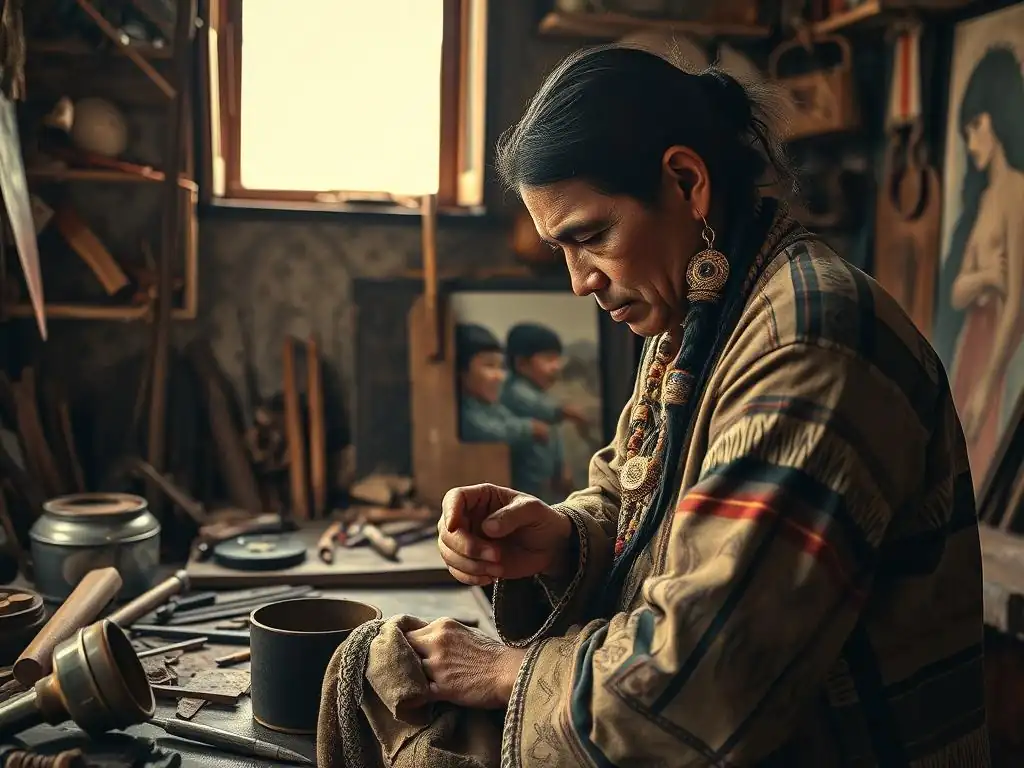
Indigenous art has long served as a vital means of expression, communication, and cultural preservation for various communities across the Americas. Understanding the historical context of Indigenous art is essential for appreciating its evolution and significance in modern society. Indigenous art is not merely a reflection of aesthetic values; it is deeply intertwined with the social, spiritual, and political lives of its creators.
The Evolution of Indigenous Art Forms
The evolution of Indigenous art forms can be traced back thousands of years, reflecting the diverse environments, cultures, and histories of Indigenous peoples. Each art form has developed unique characteristics shaped by local materials, traditions, and societal functions.
- Materials and Techniques:
- Indigenous artists utilized natural materials such as clay, wood, feathers, and stone, often employing techniques passed down through generations.
- For example, the pottery of the Pueblo peoples in the Southwest showcases intricate designs that narrate stories of their ancestors and the natural world.
- Cultural Significance:
- Art was not just for decoration; it played a crucial role in rituals, ceremonies, and community life.
- Totem poles of the Pacific Northwest serve as historical records, honoring clan lineage and significant events, while also showcasing the artistry of the carvers.
- Adaptation and Resilience:
- The arrival of European settlers brought profound changes, yet Indigenous artists adapted by integrating new materials and influences.
- The emergence of beadwork in many tribes exemplifies this fusion, where glass beads became a popular medium alongside traditional materials.
Pre-Colonial Artistic Practices and Their Meanings
Pre-colonial artistic practices were deeply embedded in the cultural and spiritual lives of Indigenous communities. Each piece of art often held multiple layers of meaning, serving as a commentary on identity, environment, and the relationships between people and the cosmos.
- Symbolism and Storytelling:
- Indigenous art often employs symbolism to convey complex narratives. For instance, the Maya civilization utilized intricate carvings and murals to depict their mythology, history, and rituals.
- These artworks served not only as decorative elements but also as educational tools, preserving knowledge and cultural heritage.
- Community and Identity:
- Artistic practices were communal, reflecting the collective identity of tribes and clans.
- Ceremonial masks used in dances were crafted to represent specific spirits or ancestors, reinforcing community ties and collective memory.
- Spiritual Connection:
- Many Indigenous artworks were created for spiritual purposes, intended to honor deities or ancestors.
- The Inca textiles, for example, were not only functional but also imbued with spiritual significance, often used in rituals to connect with the divine.
The historical context of Indigenous art reveals a rich tapestry of cultural expression that has evolved over centuries. Understanding these artistic practices and their meanings is crucial in recognizing their enduring impact on modern society and how they continue to serve as a powerful form of resistance and commentary in the face of contemporary challenges.
Indigenous Art as a Reflection of Modern Society
How Indigenous Art Captures Contemporary Issues
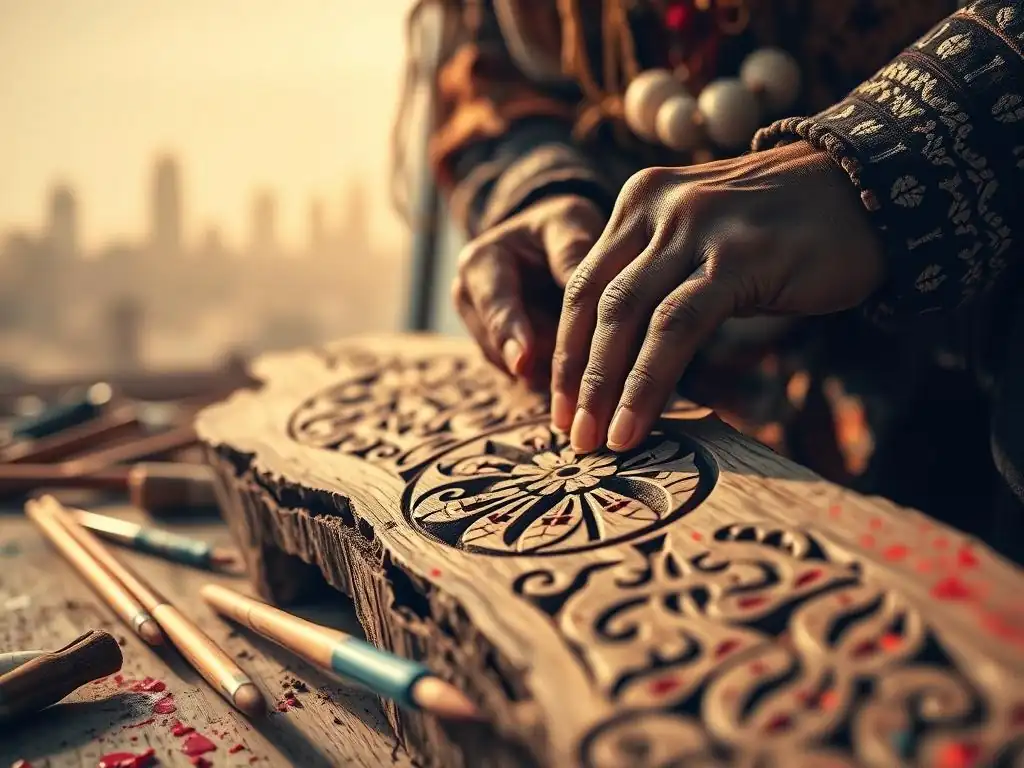
Indigenous art serves as a powerful lens through which contemporary issues are examined and critiqued. Artists utilize traditional techniques and motifs to express their views on pressing social topics such as environmental degradation, cultural appropriation, and identity politics. For instance, the use of natural materials like clay, plant dyes, and feathers not only connects the artworks to indigenous heritage but also highlights the ongoing struggles against environmental destruction.
- Environmental Concerns: Many indigenous artists address the impacts of climate change on their ancestral lands. They often depict the beauty of nature alongside stark reminders of its fragility. Examples include:
- Eliza McGowan, whose installations feature reclaimed materials that symbolize the cyclical nature of life and our responsibility to the earth.
- Raven Chacon, who uses sound installations to explore the relationship between land and indigenous identity.
- Cultural Appropriation: The appropriation of indigenous symbols in popular culture is a recurring theme in modern indigenous art. Artists challenge these representations through works that reclaim their narratives. Notable examples include:
- Rebecca Belmore, whose performances address the commodification of indigenous culture and assert the importance of authentic representation.
- Maya Lin, known for her use of indigenous themes in contemporary contexts, urging dialogue about the significance of these symbols.
Through these approaches, indigenous art becomes a vital commentary on modern society, challenging viewers to reflect on their roles in these narratives.
The Role of Indigenous Artists in Modern Discourse
Indigenous artists are increasingly positioned at the forefront of modern discourse, using their platforms to advocate for social justice and cultural revitalization. Their work often transcends traditional boundaries, engaging with broader audiences and sparking essential conversations.
- Activism Through Art: Many indigenous artists take on activist roles, using their art to highlight systemic injustices. They often collaborate with movements focused on indigenous rights, climate action, and social equity. For example:
- Dawnland, a collaborative project that addresses the history of colonization and its ongoing effects on indigenous communities through multimedia exhibitions.
- The Landback Movement, which has inspired various artists to create works that advocate for the return of land to indigenous peoples.
- Cultural Exchange and Education: Indigenous artists play a crucial role in educating both indigenous and non-indigenous audiences about their histories, beliefs, and practices. This cultural exchange fosters understanding and respect. For instance:
- Marlene Creates emphasizes the importance of place in her art, encouraging viewers to consider their own connections to the land.
- Nicholas Galanin merges traditional and contemporary practices to create a dialogue about identity and representation in the modern world.
Indigenous art serves not only as a reflection of contemporary societal issues but also as a dynamic tool for advocacy and education. By engaging with these themes, indigenous artists are redefining their place in modern discourse, ensuring that their voices and stories resonate within the broader cultural landscape.
Case Studies of Indigenous Art Addressing Modern Society
"The Four Seasons" by Kenojuak Ashevak and Its Commentary
Kenojuak Ashevak, an iconic Inuit artist, is renowned for her intricate prints and drawings that reflect the deep connection between her culture and the natural world. One of her notable works, "The Four Seasons," serves as a profound commentary on the cyclical nature of life and the impact of modernity on traditional Inuit lifestyles. Through vibrant colors and fluid forms, Ashevak captures the essence of the changing seasons, symbolizing not just the physical environment but also the spiritual and cultural rhythms of Inuit life.
In "The Four Seasons," Ashevak illustrates the stark contrasts between traditional practices and contemporary challenges faced by Indigenous communities. The artwork serves as a reminder of the resilience of Indigenous cultures amidst rapid changes brought about by modernization. Each season is depicted with a unique perspective, highlighting how the Inuit adapt to environmental shifts while preserving their cultural identity. This work invites viewers to reflect on the importance of maintaining cultural practices in a world increasingly influenced by globalization.
Ashevak's artistry is not merely decorative; it invokes discussions about land rights, climate change, and the necessity of preserving Indigenous knowledge. The piece encourages modern society to recognize and respect the wisdom embedded in Indigenous traditions, fostering a dialogue about the intersection of Indigenous art and modern society.
Brian Robinson, a Torres Strait Islander artist, creates works that emphasize the significance of land and sea to his people. His piece "The Spirit of the Land" embodies the relationship between Indigenous Australians and their environment, addressing contemporary issues of land rights and environmental degradation. Through this artwork, Robinson asserts the importance of connection to land as a source of identity and cultural heritage.
Robinson's use of bold colors and dynamic forms serves to engage viewers, prompting them to reconsider their own relationships with the land. The artwork is a visual narrative that intertwines traditional stories with modern realities, illustrating the ongoing struggles of Indigenous communities against encroaching development and climate change. By showcasing the beauty of the natural world, Robinson aims to inspire action and awareness regarding environmental preservation.
Moreover, "The Spirit of the Land" has sparked discussions in various forums, including art exhibitions and environmental conferences, emphasizing the role of Indigenous art in modern society. The piece serves as a call to action for both Indigenous and non-Indigenous audiences to advocate for sustainable practices and respect for Indigenous land rights, highlighting the vital role of art in social commentary.
"Water is Life" by Indigenous Environmental Network and Environmental Concerns
The "Water is Life" campaign, spearheaded by the Indigenous Environmental Network (IEN), is a powerful example of how Indigenous art is employed as a tool for activism in modern society. This initiative uses visual art, storytelling, and community engagement to address critical environmental issues affecting Indigenous lands and waters. The phrase "Water is Life" resonates deeply within many Indigenous cultures, emphasizing the sacred connection between water, life, and land.
Artworks produced under this campaign often feature striking imagery that connects water with cultural identity and spiritual beliefs. Through murals, sculptures, and installations, artists communicate the urgency of protecting water resources from pollution and exploitation. The campaign highlights the historical and ongoing struggles of Indigenous communities to safeguard their environments against industrialization and climate change.
The impact of the "Water is Life" initiative extends beyond artistic expression; it serves as a rallying point for activism. The campaign has garnered international attention, uniting various Indigenous groups and allies in the fight for environmental justice. By framing environmental concerns through the lens of Indigenous art, the initiative emphasizes the need for a holistic approach to sustainability that honors traditional ecological knowledge.
The intersection of Indigenous art and modern society is vividly illustrated through these case studies. Each artist and campaign utilizes art not only as a means of expression but as a powerful commentary on contemporary issues facing Indigenous communities. Through their work, they foster dialogue, inspire activism, and contribute to a deeper understanding of the cultural significance of the land and environment in Indigenous life.
The Influence of Indigenous Art on Contemporary Artists
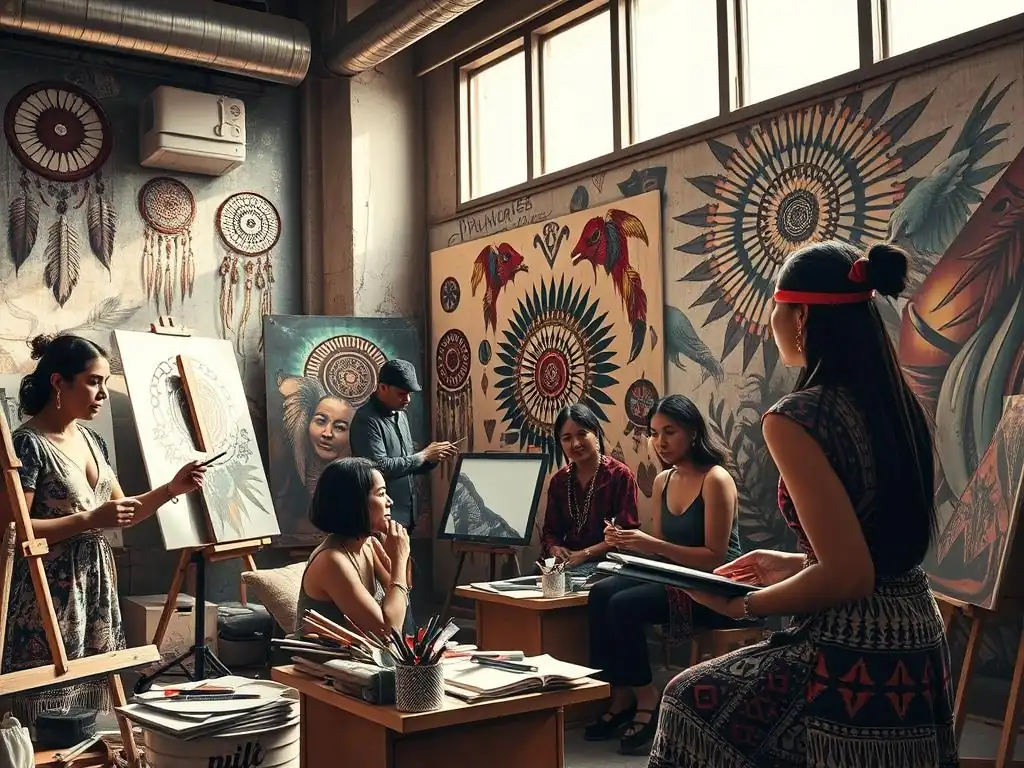
Indigenous art has emerged as a significant influence on contemporary artists, offering a rich tapestry of cultural narratives, aesthetics, and techniques that challenge conventional artistic boundaries. As modern society grapples with complex issues of identity, environment, and social justice, the incorporation of Indigenous perspectives and practices into contemporary art has become a powerful form of commentary and resistance.
Cross-Cultural Collaborations and Their Effects
Cross-cultural collaborations between Indigenous artists and their non-Indigenous counterparts have resulted in innovative and thought-provoking works. These partnerships often blend traditional Indigenous practices with contemporary techniques, creating pieces that resonate with diverse audiences.
- Examples of Notable Collaborations:
- The New Zealand Māori artist Ralph Hotere collaborated with Canadian artist David Garneau to create installations that reflect on the shared colonial histories of their respective cultures.
- The Indigenous Australian artist Fiona Foley has worked with various non-Indigenous artists to explore themes of land rights and cultural memory through mixed media.
The effects of such collaborations are multifaceted:
- Cultural Exchange: They facilitate a deeper understanding of Indigenous worldviews, allowing contemporary artists to engage with themes of spirituality, community, and connection to land.
- Visibility and Representation: By working together, Indigenous artists gain greater exposure in mainstream art circles, which can lead to increased opportunities for recognition and support.
- Challenging Stereotypes: These collaborations help dismantle stereotypes about Indigenous cultures, presenting them as dynamic and evolving rather than static and historical.
In essence, cross-cultural collaborations not only enrich the artistic landscape but also serve as a platform for dialogue and mutual respect, encouraging a more nuanced understanding of Indigenous art and modern society.
Indigenous Aesthetics in Mainstream Art Movements
The incorporation of Indigenous aesthetics into mainstream art movements has revolutionized the way contemporary art is perceived and created. Various art movements have drawn inspiration from Indigenous themes, techniques, and philosophies, leading to a significant re-evaluation of what constitutes art in modern society.
- Key Influences:
- Modernism: Artists like Georgia O'Keeffe were influenced by Indigenous motifs and landscapes, which infused their work with a sense of place and identity.
- Postmodernism: The works of artists such as Jimmie Durham and Kara Walker often critique historical narratives and power structures, utilizing Indigenous symbolism and storytelling to challenge dominant cultural norms.
The aesthetic contributions of Indigenous artists can be categorized into several areas:
- Color and Form: Bright colors and bold forms inspired by traditional textiles and pottery often appear in contemporary works, reflecting an Indigenous worldview that embraces nature and spirituality.
- Narrative Techniques: The use of storytelling, common in Indigenous art, has influenced contemporary practices, allowing artists to convey complex narratives that address social issues, history, and identity.
- Material Use: Many contemporary artists are now incorporating traditional materials—such as natural dyes, clay, and fibers—into their work, merging past and present in a commentary on sustainability and heritage.
The integration of Indigenous aesthetics into mainstream art movements not only enriches the visual language of contemporary art but also fosters a greater appreciation for the cultural significance of these practices. By acknowledging and celebrating Indigenous art, society can engage in a meaningful dialogue about history, identity, and the ongoing impact of colonialism in modern contexts.
The influence of Indigenous art on contemporary artists is profound, shaping cross-cultural collaborations and enriching mainstream art movements. This dynamic interplay between Indigenous art and modern society continues to challenge perceptions and inspire new generations of artists to explore and honor diverse cultural narratives.
Challenges Faced by Indigenous Artists Today
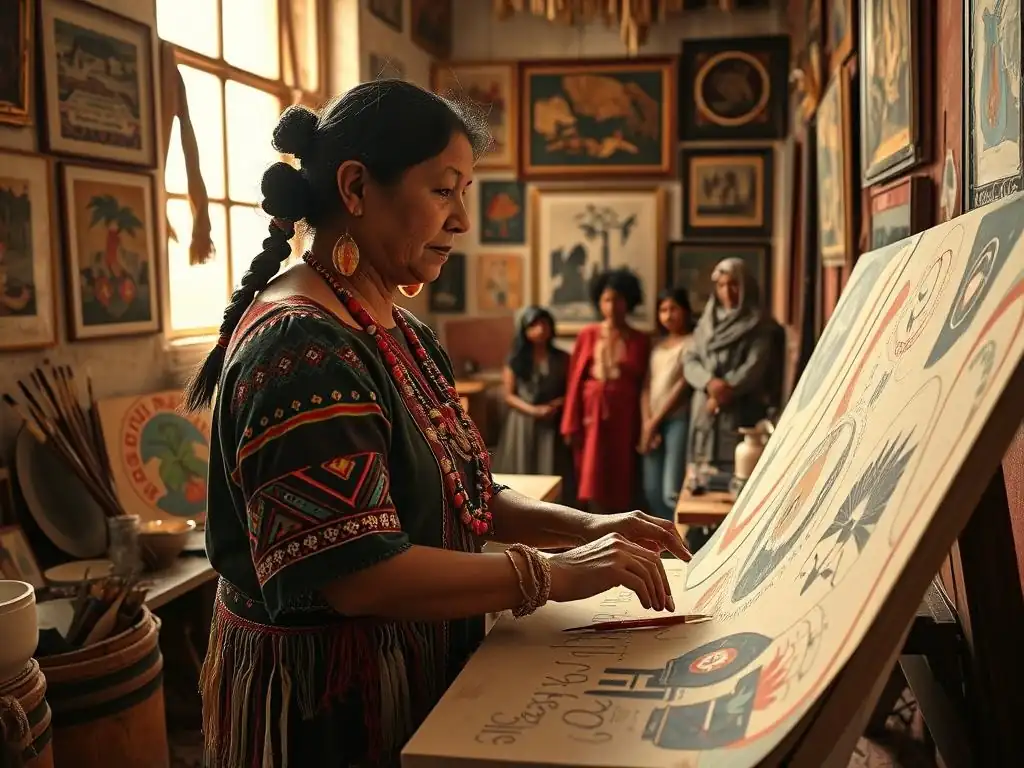
Indigenous artists today navigate a complex landscape marked by both opportunities and significant challenges. Despite their rich cultural heritage and artistic traditions, they often confront various obstacles that can hinder their creative expression and recognition in the broader art world. Understanding these challenges is crucial to appreciating the role of Indigenous art as a commentary on modern society.
Issues of Cultural Appropriation in Modern Society
Cultural appropriation remains a pressing issue for Indigenous artists, as the appropriation of their art forms by non-Indigenous individuals and institutions raises ethical concerns. This phenomenon often involves the unauthorized use of Indigenous symbols, designs, and practices without proper acknowledgment or respect for their cultural significance. The following points illustrate the impact of cultural appropriation on Indigenous art:
- Commercial Exploitation: Many non-Indigenous artists and companies capitalize on Indigenous aesthetics, producing artworks or products that mimic traditional styles without understanding their cultural context. This commodification can dilute the meaning of the art and rob Indigenous artists of rightful credit and financial compensation.
- Misrepresentation: When Indigenous motifs are used inappropriately or out of context, they can perpetuate stereotypes or reinforce misconceptions about Indigenous cultures. This misrepresentation can lead to a misunderstanding of the original intent and significance of the artwork.
- Loss of Sovereignty: Cultural appropriation undermines the sovereignty of Indigenous peoples over their cultural expressions. When outsiders utilize Indigenous art without permission, it can be seen as a continuation of colonial practices that disregard Indigenous rights.
To combat these issues, many Indigenous artists advocate for greater awareness and respect for their cultural heritage. They emphasize the importance of understanding the stories and meanings behind their art, calling for genuine engagement rather than superficial appropriation.
The Struggle for Artistic Recognition and Authenticity
Alongside cultural appropriation, Indigenous artists often face challenges in achieving recognition and maintaining authenticity in their work. Here are some key aspects of this struggle:
- Institutional Barriers: Many Indigenous artists encounter obstacles within the art world, including limited access to galleries, funding, and exhibition opportunities. Institutional biases can marginalize Indigenous perspectives, making it difficult for these artists to gain visibility and support.
- Balancing Tradition and Modernity: Indigenous artists frequently grapple with the challenge of maintaining their cultural authenticity while also engaging with contemporary themes and techniques. This balancing act is essential for their work to resonate with modern audiences while honoring traditional practices.
- Identity and Representation: The question of identity plays a crucial role in the work of Indigenous artists. They often strive to represent their communities accurately while navigating the expectations and interpretations of non-Indigenous viewers. This tension can create a sense of pressure to conform to certain narratives or styles, potentially compromising their artistic vision.
- Recognition of Contributions: Despite their profound impact on the art world, Indigenous artists often struggle to receive the recognition they deserve. Their contributions to modern art movements and dialogues are frequently overlooked, leading to a lack of appreciation for their unique perspectives.
The challenges faced by Indigenous artists today are multifaceted, encompassing issues of cultural appropriation and the struggle for recognition and authenticity. Addressing these challenges is vital for fostering a more inclusive and respectful understanding of Indigenous art and its commentary on modern society. By supporting Indigenous artists and advocating for their rights, society can help ensure that their voices and stories are heard and valued.
Conclusion: The Future of Indigenous Art as a Commentary on Society
As we look towards the future, the significance of Indigenous art as a powerful commentary on modern society cannot be overstated. It serves not only as a reflection of the past but also as a living expression of current issues, challenges, and aspirations faced by Indigenous communities today. The contemporary art movement among Indigenous artists is increasingly recognized for its ability to bridge cultural gaps, provoke thought, and inspire action.
The integration of traditional techniques with modern mediums has revitalized Indigenous artistic expression, allowing for a dialogue that resonates across generations. This evolution ensures that Indigenous perspectives remain relevant and influential in contemporary discussions surrounding identity, social justice, and environmental stewardship.
The Ongoing Importance of Indigenous Voices
Indigenous voices are crucial for the articulation of their unique experiences and perspectives within modern society. Artists such as Jeffrey Gibson, Nicholas Galanin, and Sherry Farrell Racette utilize their platforms to challenge stereotypes, confront historical injustices, and advocate for Indigenous rights. Their work often addresses themes such as:
- Cultural Identity: Exploring the complexities of being Indigenous in a modern context.
- Historical Trauma: Reflecting on the impacts of colonization and the ongoing effects on communities.
- Environmental Issues: Commenting on the relationship between Indigenous peoples and their ancestral lands.
The resurgence of Indigenous art is not merely an artistic phenomenon; it represents a broader cultural renaissance. By amplifying Indigenous narratives, artists are reshaping societal perceptions and promoting a deeper understanding of Indigenous histories and cultures.
“Art is a way to heal, to express what we cannot say in words.” - Indigenous Artist
As Indigenous art gains visibility in mainstream galleries and cultural institutions, it fosters a greater appreciation for the diversity and richness of Indigenous cultures. This visibility is essential for dismantling stereotypes and fostering cross-cultural dialogue.
Indigenous Art's Role in Shaping Modern Cultural Narratives
Indigenous art plays a transformative role in shaping modern cultural narratives by offering alternative viewpoints that challenge dominant ideologies. Through various forms, including painting, sculpture, and multimedia installations, Indigenous artists articulate a vision of society that is inclusive, equitable, and respectful of all cultures.
Some of the ways Indigenous art influences modern cultural narratives include:
- Challenging Stereotypes: Artists confront and deconstruct misconceptions about Indigenous peoples, leading to a more nuanced understanding of their realities.
- Promoting Social Justice: Many artworks address issues like land rights, environmental degradation, and systemic inequality, pushing for societal change.
- Celebrating Resilience: Indigenous art often highlights the strength and resilience of Indigenous communities, countering narratives of victimhood.
| Cultural Narrative | Indigenous Art Contribution |
|---|---|
| Stereotype Reduction | Artists create works that humanize and personalize Indigenous experiences. |
| Advocacy for Rights | Art serves as a medium to advocate for Indigenous rights and sovereignty. |
| Environmental Awareness | Many pieces highlight the interconnectedness of land, culture, and identity. |
The impact of Indigenous art on modern society extends beyond aesthetics; it serves as a catalyst for social change and encourages critical reflection on the part of the viewer. As Indigenous artists continue to forge new paths, their contributions will play a vital role in shaping a more inclusive and just cultural landscape.
Indigenous art stands as a significant commentary on modern society, offering insights that challenge, inspire, and provoke thought. The ongoing celebration and support of Indigenous voices will ensure that these narratives continue to flourish in the future.
Frequently Asked Questions
What is the main theme of the article "Artistic Resistance: Indigenous Art as a Commentary on Modern Society"?
The article explores how Indigenous art serves as a form of resistance and commentary on modern society, highlighting the cultural significance and social critiques embedded in these artistic expressions.
How does Indigenous art reflect the experiences of Indigenous peoples?
Indigenous art often reflects the historical experiences, struggles, and resilience of Indigenous peoples, serving as a powerful medium to convey their narratives and cultural identity in the face of modern challenges.
In what ways can Indigenous art influence modern society?
Indigenous art can influence modern society by promoting awareness of Indigenous issues, inspiring dialogue around cultural appreciation, and contributing to a greater understanding of diverse perspectives in contemporary discourse.
Why is it important to study Indigenous art in relation to modern society?
Studying Indigenous art in this context is crucial as it reveals the interconnections between past and present, showcases the ongoing impact of colonization, and emphasizes the value of diverse artistic expressions in today's world.
How can individuals support Indigenous artists and their work?
Individuals can support Indigenous artists by purchasing their works, attending exhibitions, advocating for Indigenous rights, and promoting awareness of Indigenous cultures within their communities.
Final Reflection: The Power of Indigenous Art in Modern Society
Indigenous art serves as a profound commentary on modern society, bridging the gap between tradition and contemporary issues. In an era where cultural narratives often clash, the vibrant expressions of Indigenous artists challenge us to confront our understanding of identity, history, and social justice. Their work not only preserves ancestral wisdom but also critiques the ongoing struggles faced by Indigenous communities, reminding us that art can be a powerful tool for resistance and change.
The influence of Indigenous art is palpable in today’s cultural landscape, as it continues to inspire movements that advocate for social equity and environmental stewardship. This art form transcends mere aesthetics; it embodies the resilience and spirit of Indigenous peoples, fostering a deeper connection to their stories and struggles. As artist and activist Rebecca Belmore once said, Art is a way of knowing. It is a way of understanding the world.
This understanding is crucial as we navigate the complexities of modern society, where Indigenous perspectives offer invaluable insights into our collective future.
As you reflect on the themes presented in this article, consider how you can engage with Indigenous art and its messages in your own life. Take the time to explore the narratives behind the artwork, support Indigenous artists, and advocate for their representation in broader societal conversations. By doing so, you not only honor their heritage but also contribute to a more inclusive and equitable world. Let the stories told through Indigenous art inspire you to become an active participant in the dialogue surrounding modern society, fostering understanding and respect for all cultures.
Unleash the Power of Indigenous Art!
Thank you for immersing yourself in the world of Indigenous artistry and its profound commentary on modern society. You've gained valuable insights into how these artistic expressions challenge perceptions and inspire change. Now, it's time to transform your understanding into action!
Here are three ways you can dive deeper and support Indigenous artists and their vital narratives:
- Explore Local Indigenous Art Exhibitions: Visit galleries or community events to connect with artists and their works personally.
- Share Your Insights: Discuss what you’ve learned with friends or on social media to spark awareness about the significance of Indigenous art.
- Support Indigenous Creators: Purchase art or crafts directly from Indigenous artists or reputable platforms, ensuring that the revenue benefits their communities directly.
What narrative will you help amplify through your engagement with Indigenous art?