
Legal Frameworks Supporting Indigenous Rights: A Deep Dive into U.S. Legislation

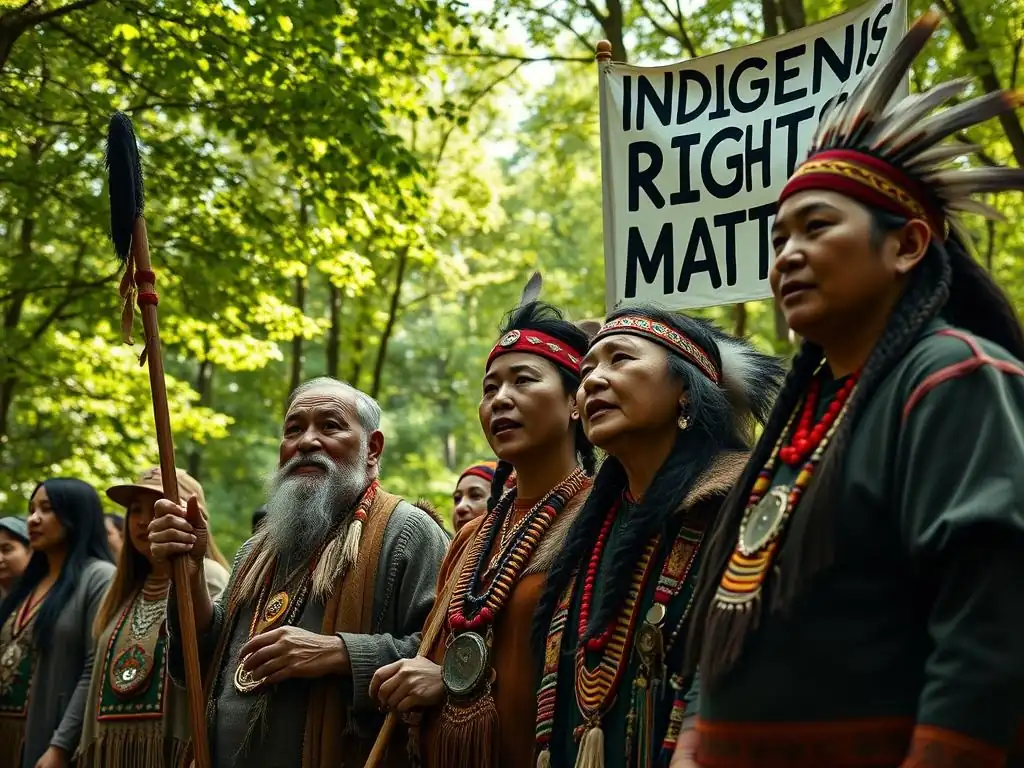
Welcome to Indigenous Civilizations of the Americas, where we embark on a journey through the rich tapestry of indigenous cultures that flourished long before European contact. Here, we delve deep into the achievements, societies, and legacy of these vibrant communities, celebrating their enduring influence. In our featured article, "Legal Frameworks Supporting Indigenous Rights: A Deep Dive into U.S.
Legislation," we explore the critical Indigenous rights legislation in the USA, uncovering the legal structures that aim to protect and preserve these invaluable cultures. Join us as we illuminate the past and inspire a deeper understanding of the present, sparking curiosity about the ongoing efforts to uphold the rights of indigenous peoples.
Introduction to Indigenous Rights Legislation in the USA
The legal landscape surrounding Indigenous rights in the United States is a complex tapestry woven from historical treaties, legislative acts, and judicial rulings. These frameworks have evolved significantly over the centuries, reflecting the shifting dynamics of power, recognition, and the quest for justice among Indigenous peoples.
In this article, we will explore the critical Indigenous rights legislation in the USA, examining how these laws serve to protect the cultural, social, and economic rights of Native American tribes and individuals. By doing so, we aim to shed light on the enduring legacy of Indigenous cultures and the ongoing struggles they face in asserting their rights within a legal system that has often marginalized their voices.
Importance of Legal Frameworks for Indigenous Peoples
Legal frameworks play a pivotal role in safeguarding the rights and heritage of Indigenous peoples. These frameworks not only provide a basis for legal recognition but also empower Indigenous communities to advocate for their interests.
- Protection of Sovereignty: Legal protections affirm the sovereignty of Indigenous nations, allowing them to govern themselves and manage their resources.
- Cultural Preservation: Laws aimed at protecting Indigenous rights help preserve languages, traditions, and cultural practices that are vital to the identity of Indigenous peoples.
- Economic Development: Through legislation, Indigenous communities can secure land rights and engage in economic activities, fostering self-sufficiency and community development.
The significance of these frameworks cannot be overstated, as they represent a commitment to rectify historical injustices and ensure that Indigenous peoples have a voice in their governance and future.
Overview of Indigenous Rights in the Context of U.S. Law
Understanding Indigenous rights within the context of U.S. law requires a look at various key pieces of legislation and their implications for Native American communities:
- Indian Reorganization Act of 1934: A landmark legislation aimed at reversing the assimilation policies of the previous century, it restored some degree of self-governance to tribes.
- American Indian Civil Rights Act of 1968: This act sought to ensure that Indigenous peoples have the same civil rights protections as other citizens, particularly concerning their right to due process and equal protection under the law.
- Indian Self-Determination and Education Assistance Act of 1975: This legislation allows tribes to have more control over education and social services, promoting self-determination.
- Native American Graves Protection and Repatriation Act of 1990 (NAGPRA): NAGPRA provides a framework for the return of Native American human remains and cultural items to their respective tribes, recognizing the importance of cultural heritage.
The interplay of these laws illustrates the ongoing journey toward justice and recognition for Indigenous rights in the USA, highlighting both the achievements made and the challenges that remain.
- Introduction to Indigenous Rights Legislation in the USA
- Importance of Legal Frameworks for Indigenous Peoples
- Overview of Indigenous Rights in the Context of U.S. Law
- What is the focus of the article "Legal Frameworks Supporting Indigenous Rights: A Deep Dive into U.S. Legislation"?
- How does U.S. legislation impact Indigenous rights?
- What are some key pieces of legislation mentioned in the article?
- How has the legal framework evolved over time?
- Why is understanding Indigenous rights legislation important?
Historical Context of Indigenous Rights Legislation in the United States
Pre-Colonial Indigenous Rights and Governance
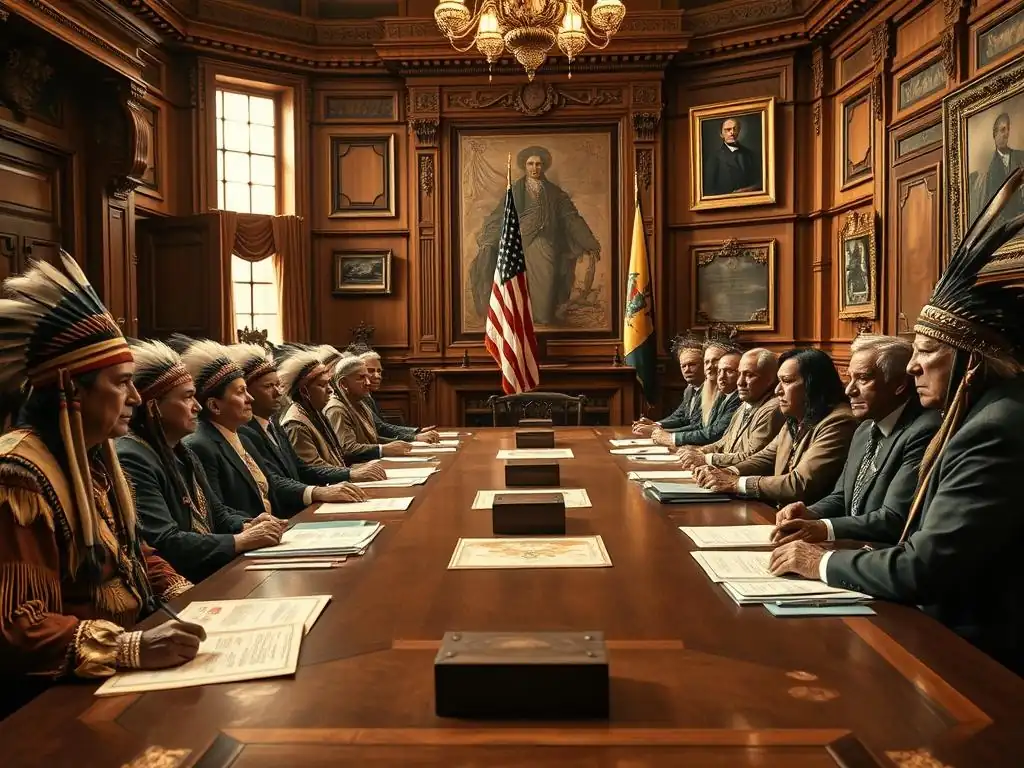
Before the arrival of European settlers, indigenous societies in the Americas operated under complex systems of governance and legal frameworks that were tailored to their cultural, social, and environmental contexts. Each tribe or nation had its own set of laws, customs, and practices that governed daily life, land use, and interpersonal relationships. These systems were often based on a deep spiritual connection to the land and a communal understanding of rights and responsibilities.
- Tribal Sovereignty: Indigenous peoples recognized their sovereignty and the inherent right to govern themselves. This sovereignty was not merely a form of political organization; it encompassed spiritual, social, and economic dimensions. Customary laws were maintained through oral traditions and community consensus.
- Land Use and Stewardship: Indigenous legal systems placed significant value on land stewardship, viewing land as a shared resource rather than a commodity to be owned. This perspective fostered sustainable practices and respect for the environment, ensuring that resources would be available for future generations.
Impact of European Colonization on Indigenous Legal Systems
The arrival of European colonizers in the late 15th and early 16th centuries resulted in profound disruptions to indigenous legal systems. Colonizers often imposed their own laws, disregarding the existing governance structures and legal customs of indigenous populations.
- Displacement and Land Loss: European settlers frequently seized indigenous lands, leading to widespread displacement. The legal frameworks of colonizers often justified these actions through doctrines such as "terra nullius," which dismissed the legitimacy of indigenous land claims.
- Cultural Suppression: Alongside land loss, colonization brought efforts to suppress indigenous cultures, languages, and legal practices. Missions and treaties often aimed to assimilate indigenous peoples into European ways of life, undermining traditional governance systems.
- Legal Conflicts: The imposition of foreign legal systems led to conflicts over land, resources, and governance. Indigenous nations often found themselves navigating a dual legal landscape, attempting to assert their rights within a system that marginalized their voices.
Evolution of Indigenous Rights Legislation in the 20th Century
The 20th century marked a significant turning point in the recognition of indigenous rights in the United States, as various social movements and legislative changes began to acknowledge the historical injustices faced by indigenous peoples.
- Indian Reorganization Act of 1934: This act aimed to reverse some of the damage caused by previous policies of assimilation and land allotment. It recognized the right of tribes to self-govern and encouraged the establishment of tribal governments. Although it was a step forward, the act also imposed certain federal controls over tribal sovereignty.
- Civil Rights Movement Influence: The broader civil rights movement of the 1960s and 1970s galvanized indigenous activists to advocate for their rights. Grassroots organizations emerged, calling for the recognition of indigenous sovereignty and cultural preservation.
- Indian Self-Determination and Education Assistance Act of 1975: This legislation allowed tribes greater control over their educational programs and social services, further affirming the principle of self-determination. It marked a shift towards recognizing the importance of indigenous governance and rights.
- United Nations Declaration on the Rights of Indigenous Peoples (2007): Though not U.S. legislation, this international treaty has influenced domestic policies and advocacy efforts. It outlines the individual and collective rights of indigenous peoples, emphasizing self-determination, cultural preservation, and land rights.
The evolution of indigenous rights legislation in the U.S. illustrates a gradual recognition of the complexities and legitimacy of indigenous governance, setting the stage for ongoing advocacy efforts to uphold and expand these rights within the legal framework of the country.
Key Legislation Supporting Indigenous Rights in the USA
Indian Reorganization Act: A Turning Point for Indigenous Sovereignty
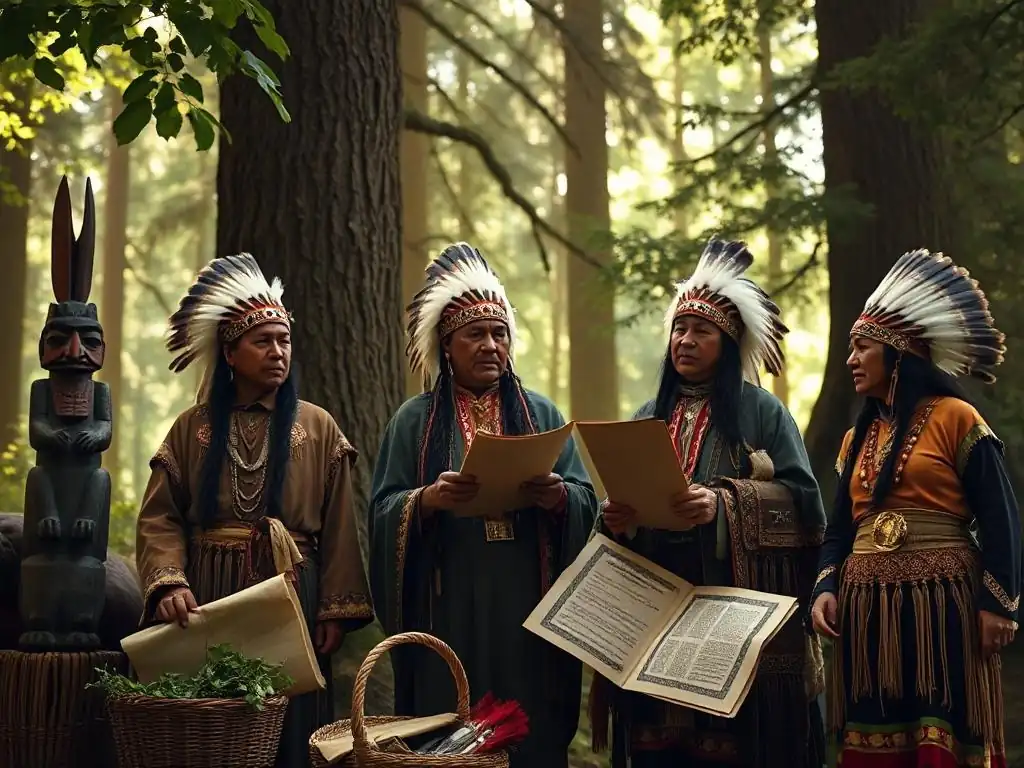
The Indian Reorganization Act (IRA), enacted in 1934, marked a significant shift in U.S. policy towards Indigenous peoples, moving away from the assimilationist policies of the Dawes Act. This legislation was designed to restore some degree of sovereignty to tribal nations and promote self-governance. By allowing tribes to create their own governments and manage their own affairs, the IRA aimed to empower Indigenous communities and preserve their cultural identities.
Key provisions of the IRA include:
- Restoration of Tribal Lands: The IRA provided for the return of lands lost during previous policies, enabling tribes to regain control over their ancestral territories.
- Self-Governance: Tribes were encouraged to establish their own constitutions and governments, fostering a sense of autonomy and self-determination.
- Financial Support: The Act included provisions for financial assistance to support tribal governance and economic development initiatives.
The IRA is often regarded as a turning point in the recognition of Indigenous sovereignty, laying the groundwork for future legislation that would further support Indigenous rights and self-determination.
Native American Graves Protection and Repatriation Act (NAGPRA)
Passed in 1990, the Native American Graves Protection and Repatriation Act (NAGPRA) addresses the repatriation of Indigenous cultural items and human remains. This legislation represents a critical step in acknowledging and rectifying historical injustices faced by Native American tribes.
NAGPRA establishes the following key provisions:
- Protection of Graves: The law mandates that federal agencies and institutions receiving federal funding must protect Native American graves and cultural items.
- Repatriation Process: NAGPRA outlines a formal process for tribes to claim and repatriate ancestral remains and cultural artifacts. This process fosters healing and reconciliation, allowing Indigenous communities to reclaim their heritage.
- Consultation Requirements: Institutions are required to consult with tribes before making determinations about the disposition of cultural items, ensuring that Indigenous voices are heard in discussions about their own history.
The impact of NAGPRA has been profound, as it has facilitated the return of thousands of culturally significant items to Indigenous communities, affirming their rights to their heritage.
Indian Self-Determination and Education Assistance Act
The Indian Self-Determination and Education Assistance Act, enacted in 1975, represents a significant advancement in the recognition of Indigenous rights in the United States. This legislation allows tribes to manage federal funds designated for their own programs, promoting self-determination and community empowerment.
Key aspects of the Act include:
- Self-Determination Contracts: Tribes have the authority to enter into contracts with the federal government to administer programs that affect their communities, such as education, health care, and social services.
- Culturally Relevant Education: The Act emphasizes the importance of culturally relevant education, allowing tribes to tailor educational programs to reflect their unique histories and cultures.
- Increased Funding: The Act has led to increased funding for tribal programs, enabling Indigenous communities to design and implement initiatives that address their specific needs.
By prioritizing self-determination and culturally appropriate education, this legislation has empowered Indigenous nations to take charge of their futures and preserve their cultural identities.
These legal frameworks collectively contribute to the advancement of Indigenous rights legislation in the USA, fostering an environment where Indigenous communities can thrive and exercise their sovereignty.
The Tribal Law and Order Act (TLOA), enacted in 2010, represents a significant step forward in enhancing the authority of tribal governments in the United States over law enforcement and criminal justice matters. This legislation was introduced in response to the unique challenges faced by Native American communities, where crime rates are disproportionately high compared to national averages, and where the jurisdictional complexities often leave tribes ill-equipped to respond effectively.
Key Provisions of the TLOA:
- Empowerment of Tribal Law Enforcement: The TLOA strengthens the ability of tribal law enforcement agencies to prosecute certain crimes, particularly those involving domestic violence, sexual assault, and child abuse. It allows tribes to impose longer sentences and provides resources for training and resources to bolster their law enforcement capabilities.
- Coordination with Federal Authorities: The Act mandates better coordination between tribal, federal, and state law enforcement agencies. By fostering partnerships and information-sharing, the TLOA aims to address jurisdictional gaps that have historically hindered effective policing in Indian Country.
- Increased Funding for Tribal Justice Systems: The TLOA also allocates grant funding to improve tribal justice systems, which can include the establishment of dedicated courts and correctional facilities. This financial support is crucial for tribes that often operate with limited budgets and resources.
The enactment of the TLOA signifies a broader recognition of the need for self-determination among Indigenous communities, allowing tribes to regain control over their legal systems. By reinforcing tribal sovereignty, the TLOA not only addresses immediate law enforcement challenges but also promotes the long-term health and safety of tribal communities.
Impact on Indigenous Rights:
The TLOA has had a profound impact on Indigenous rights by reinforcing the concept that tribes have the authority to govern themselves and manage their own legal affairs. This empowerment aligns with the principles of Indigenous rights legislation in the USA, which seeks to affirm the sovereignty of Native nations and ensure that their voices are included in discussions about justice and governance.
Moreover, the TLOA serves as a critical foundation for ongoing advocacy efforts aimed at further reforming the legal frameworks that govern Indigenous rights. As tribes continue to work towards comprehensive solutions to the challenges they face, the TLOA stands as a testament to the importance of legislative support in the pursuit of justice and equality for Indigenous peoples.
The Tribal Law and Order Act is a pivotal piece of legislation that not only strengthens tribal authority but also emphasizes the importance of Indigenous rights legislation in the USA. By empowering tribes to take charge of their own law enforcement and justice systems, the TLOA contributes to the broader movement toward recognizing and upholding Indigenous rights across the nation.
Recent Developments in Indigenous Rights Legislation
Recent Court Cases Influencing Indigenous Rights
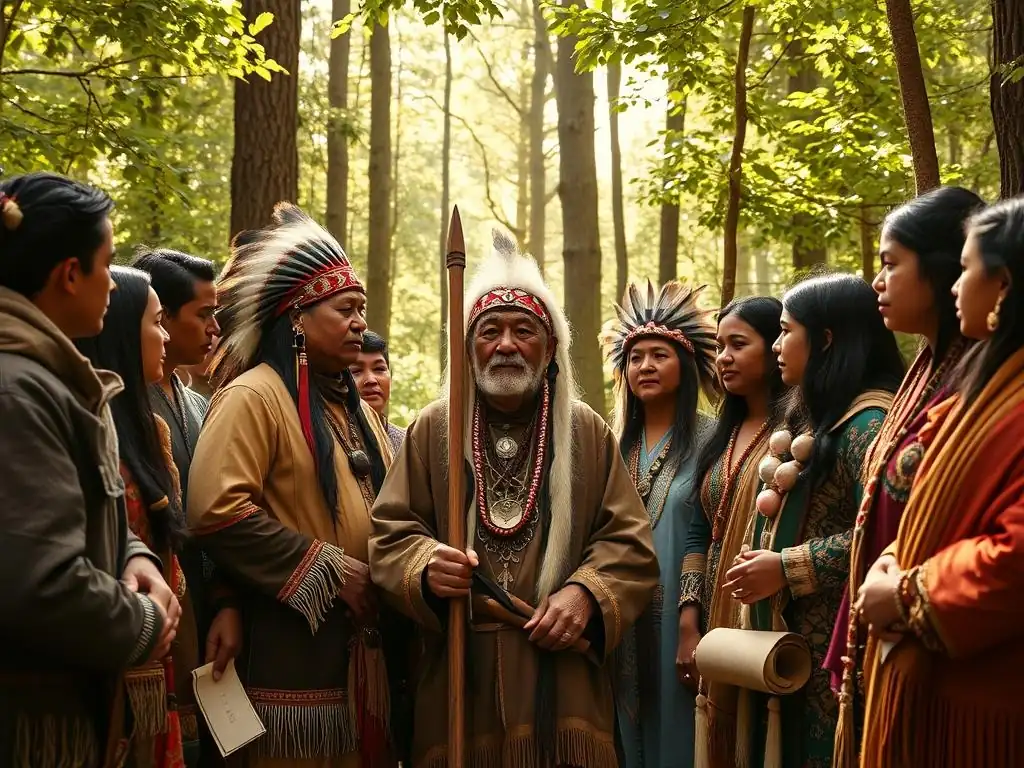
Recent court cases have significantly shaped the landscape of Indigenous rights legislation in the USA. These legal battles often revolve around land rights, sovereignty, and the interpretation of treaties. Here are some key cases that have influenced the current legal framework:
- McGirt v. Oklahoma (2020): This landmark Supreme Court decision reaffirmed the boundaries of the Creek Nation's reservation, recognizing that much of eastern Oklahoma remains a reservation for purposes of federal law. The ruling emphasized the importance of historical treaties and the sovereignty of Indigenous nations.
- United States v. Sioux Nation of Indians (1980): In this case, the Supreme Court ruled in favor of the Sioux Nation, affirming their claim to compensation for land seized by the U.S. government. This case highlighted the ongoing struggle for land restitution and the government's obligations under treaties.
- Carcieri v. Salazar (2009): This decision limited the federal government's ability to take land into trust for tribes recognized after 1934. The ruling has had lasting implications on land rights and economic development for several Indigenous groups, prompting calls for legislative action to amend the Indian Reorganization Act.
These cases illustrate the dynamic interplay between Indigenous communities and the U.S. legal system, showcasing how court decisions can either advance or hinder Indigenous rights.
New Legislative Initiatives and Proposals
In recent years, there has been a wave of legislative initiatives aimed at strengthening Indigenous rights in the USA. These proposals reflect a growing recognition of the need to address historical injustices and uphold the rights of Indigenous peoples. Some notable initiatives include:
- The Indian Community Development Block Grant (ICDBG) Program: This federal program has been proposed for expansion to provide more resources for community development projects in Indigenous areas. The initiative aims to empower tribes by facilitating economic development and infrastructure improvements.
- The Not Invisible Act (2020): This legislation focuses on addressing the crisis of missing and murdered Indigenous women and girls (MMIWG). It establishes an advisory committee to improve law enforcement responses and enhance data collection, aiming to create a more supportive legal framework for Indigenous communities affected by violence.
- The Tribal Sovereignty Act: Recently proposed, this act seeks to reaffirm tribal sovereignty by ensuring that federal and state governments respect tribal laws and regulations. The initiative is part of a broader effort to combat the encroachment of state jurisdiction over tribal lands.
These legislative initiatives demonstrate a commitment to addressing the unique challenges faced by Indigenous communities and ensuring their rights are recognized and protected within the American legal system.
The Role of the United Nations in Supporting Indigenous Rights in the U.S.
The United Nations has been instrumental in advocating for Indigenous rights globally, including within the USA. The UN's Declaration on the Rights of Indigenous Peoples (UNDRIP), adopted in 2007, serves as a critical framework for Indigenous rights legislation. Key aspects of the UN's involvement include:
- Advocacy and Awareness: The UN has played a vital role in raising awareness about the rights of Indigenous peoples, encouraging countries to adopt policies that align with international standards. This includes urging the U.S. government to recognize and implement UNDRIP principles.
- Monitoring Human Rights Violations: The UN conducts periodic reviews of the human rights situation of Indigenous peoples. This monitoring has led to recommendations for the U.S. to improve its legal frameworks and address issues such as land rights, cultural preservation, and social justice.
- Support for Indigenous Communities: The UN provides technical assistance and support to Indigenous communities in the U.S., helping them to navigate legal challenges and advocate for their rights. This includes facilitating dialogue between Indigenous leaders and government officials to foster collaboration and understanding.
The involvement of the United Nations underscores the importance of global solidarity in the fight for Indigenous rights and highlights the need for continued efforts to align U.S. legislation with international standards.
Challenges Facing Indigenous Rights Legislation
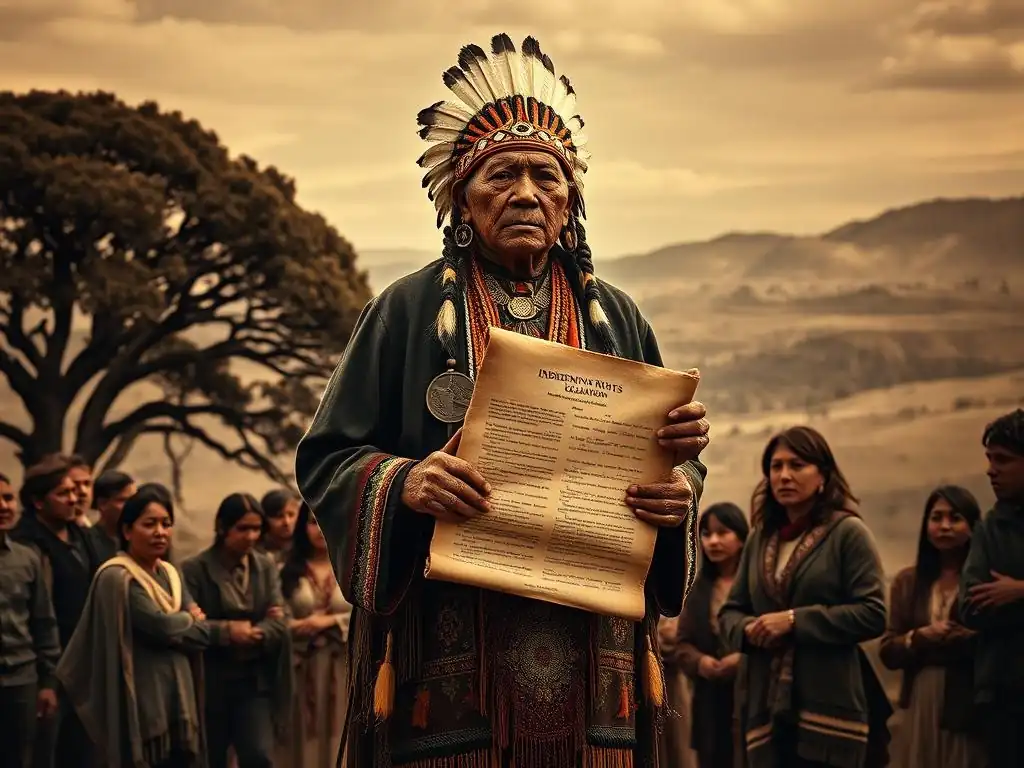
Indigenous rights legislation in the USA has made significant strides over the years, yet numerous challenges continue to hinder the full realization of these rights. The complexities surrounding legal frameworks, jurisdictional ambiguities, and socio-economic disparities create an intricate landscape where indigenous communities strive to assert their rights and preserve their cultural heritage. This section delves into the primary challenges facing indigenous rights legislation, emphasizing ongoing legal battles, enforcement barriers, and the socioeconomic factors impacting indigenous communities.
Ongoing Legal Battles and Jurisdictional Issues
Indigenous rights legislation in the USA often encounters ongoing legal battles that stem from historical treaties, state versus federal jurisdiction, and the interpretation of laws designed to protect indigenous rights.
- Treaty Rights: Many indigenous tribes possess treaties that guarantee certain rights, such as land use and resource management. However, these treaties are frequently contested in court, leading to prolonged legal disputes. For instance, the United States v. Kagama (1886) case established federal jurisdiction over tribal affairs, often overshadowing tribal sovereignty.
- Jurisdictional Conflicts: The Public Law 280 (1953) further complicates this landscape by granting certain states jurisdiction over crimes committed on tribal lands, which can undermine tribal authority. This law has led to a patchwork of jurisdictional issues, where tribes struggle to maintain law and order on their lands.
- Recent Legal Precedents: Landmark cases, such as McGirt v. Oklahoma (2020), reaffirmed tribal sovereignty by recognizing that much of eastern Oklahoma remains within the boundaries of the Creek Nation. Such decisions can create both opportunities and challenges, as they may lead to increased legal scrutiny of tribal governance.
Ultimately, these legal battles highlight the ongoing struggle for indigenous communities to assert their rights within a legal system that often marginalizes their voices.
Barriers to Effective Enforcement of Indigenous Rights Laws
Even when indigenous rights legislation is enacted, barriers to effective enforcement often impede its success. Several factors contribute to this issue:
- Insufficient Resources: Many tribal governments lack the funding necessary to implement and enforce laws designed to protect their rights. This scarcity of resources can result in the inability to provide adequate legal representation or to enforce environmental regulations that safeguard their lands.
- Federal and State Compliance: Compliance with indigenous rights laws at the federal and state levels can be inconsistent. Federal agencies may prioritize other initiatives or fail to recognize the unique needs of indigenous communities, leading to insufficient support in enforcing these laws.
- Cultural Misunderstandings: Non-indigenous legal systems often struggle to understand and respect indigenous cultural practices. This disconnect can lead to enforcement actions that are not only ineffective but also damaging to indigenous communities' traditions and social structures.
Socioeconomic Factors Affecting Indigenous Communities
The socio-economic landscape of indigenous communities plays a critical role in shaping the effectiveness of indigenous rights legislation. Several interconnected factors contribute to this situation:
- Poverty and Unemployment: Indigenous communities often face high rates of poverty and unemployment, which can limit their ability to engage in legal battles or advocate for their rights. According to the U.S. Census Bureau, the poverty rate for Native Americans is significantly higher than the national average, exacerbating their struggle for self-determination.
- Access to Education and Healthcare: Limited access to quality education and healthcare services can hinder community development and capacity building. This lack of access may prevent indigenous individuals from acquiring the skills necessary to advocate effectively for their rights or to understand the complexities of legal frameworks.
- Health Disparities: Indigenous populations frequently experience health disparities that affect their overall well-being. Issues such as substance abuse, mental health challenges, and chronic diseases can detract from community efforts to mobilize and assert their rights.
The challenges facing indigenous rights legislation in the USA are multifaceted and deeply rooted in historical, legal, and socio-economic contexts. Understanding these challenges is crucial for stakeholders committed to advancing indigenous rights and fostering a more equitable legal framework that respects and honors the rights of indigenous peoples.
The Impact of Indigenous Rights Legislation on Indigenous Communities
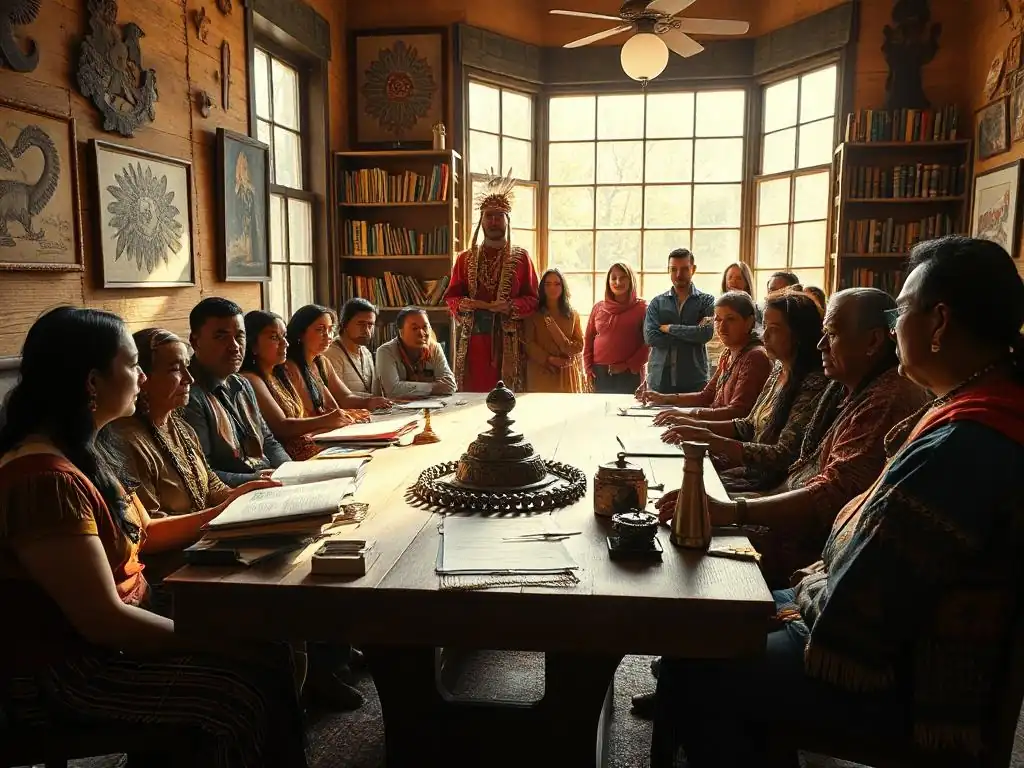
The impact of Indigenous rights legislation on Indigenous communities in the USA has been profound and multifaceted. These legal frameworks not only recognize the unique status of Indigenous peoples but also empower them to assert their rights over land, culture, and governance. Understanding the implications of this legislation is essential for grasping the broader context of Indigenous sovereignty and community resilience.
Empowerment through Legal Recognition
The legal recognition of Indigenous rights has served as a catalyst for empowerment within Indigenous communities. By establishing frameworks that acknowledge their inherent rights, these laws enable communities to reclaim and protect their cultural heritage, land, and resources. The Indian Self-Determination and Education Assistance Act of 1975 is a prime example, allowing tribes to administer their own programs and services, significantly enhancing their autonomy.
- Cultural Preservation: Legal frameworks facilitate the preservation of languages, traditions, and practices that are vital to Indigenous identity. For instance, the Native American Graves Protection and Repatriation Act (NAGPRA) mandates the return of cultural items to Indigenous peoples, fostering a revival of cultural practices and historical narratives.
- Economic Opportunities: Indigenous rights legislation often includes provisions for economic development, allowing tribes to engage in enterprises that respect their traditions while providing economic benefits. This is particularly evident in the realm of tribal gaming, which has generated substantial revenue for many tribes, enabling them to invest in health, education, and infrastructure.
- Environmental Stewardship: Legal recognition also empowers Indigenous communities to advocate for environmental protections. Many Indigenous peoples have historically been stewards of their lands, and legislation supports their efforts to combat environmental degradation. The Tribal Climate Resilience Program, for example, enables tribes to develop strategies to address climate change impacts, reinforcing their role as guardians of the environment.
Case Studies of Successful Implementation of Indigenous Rights
Examining specific instances of Indigenous rights legislation in action provides insight into its effectiveness and impact.
- The Indian Child Welfare Act (ICWA): Enacted in 1978, ICWA aims to keep Indigenous children with Indigenous families. This legislation has significantly reduced the number of Indigenous children placed in non-Indigenous homes, helping to maintain cultural continuity and familial ties within Indigenous communities.
- The United Nations Declaration on the Rights of Indigenous Peoples (UNDRIP): Although not legally binding, the adoption of UNDRIP by the U.S. in 2010 has influenced local and state policies. Tribes have leveraged its principles to advocate for their rights, leading to increased recognition and respect for Indigenous governance structures.
- Land Back Movements: Recent movements aimed at returning land to Indigenous peoples have gained traction, guided by both legal arguments and public support. For instance, the Maine Indian Claims Settlement Act (1980) allowed for negotiations that returned lands and provided financial compensation, illustrating a pathway for reconciliation and restitution.
| Case Study | Purpose | Impact |
|---|---|---|
| Indian Child Welfare Act | Preserve family and cultural ties | Reduced non-Indigenous placements of Indigenous children |
| UNDRIP | Promote Indigenous rights on a global scale | Influenced U.S. policies and local governance |
| Land Back Movements | Restore land ownership to Indigenous communities | Established frameworks for negotiation and restitution |
The Role of Indigenous Activism in Shaping Legislation
Indigenous activism has been crucial in shaping and advancing Indigenous rights legislation in the USA. Grassroots movements, organized protests, and legal challenges have all played a pivotal role in bringing attention to the issues faced by Indigenous communities and advocating for their rights.
- Grassroots Movements: Local organizations have mobilized to address specific injustices, often leading to broader national attention. The Standing Rock Sioux Tribe's protest against the Dakota Access Pipeline is a notable example, where activism not only raised awareness about environmental issues but also highlighted the need for respecting Indigenous sovereignty.
- Legal Challenges: Indigenous activists have frequently turned to the courts to assert their rights. Landmark cases, such as Montana v. United States (1981), have clarified the scope of tribal authority and the limits of state jurisdiction over tribal lands, reinforcing the legal basis for Indigenous governance.
- Coalition Building: Collaborations between Indigenous groups and non-Indigenous allies have strengthened advocacy efforts. These coalitions have successfully lobbied for comprehensive legislation that addresses the multifaceted challenges faced by Indigenous communities, fostering a more inclusive approach to policy-making.
The impact of Indigenous rights legislation in the USA is profound, affecting every aspect of Indigenous life—from cultural preservation to economic development. The empowerment derived from legal recognition, exemplified through successful case studies and bolstered by activism, showcases the resilience and agency of Indigenous communities in their ongoing struggle for rights and recognition.
Conclusion: The Future of Indigenous Rights Legislation in the USA
As we look toward the future of Indigenous rights legislation in the USA, it is imperative to recognize the ongoing challenges and opportunities that lie ahead. The landscape of Indigenous rights is continually evolving, shaped by both the resilience of Indigenous communities and the legal frameworks that seek to protect them. While significant strides have been made in recent decades to acknowledge and rectify historical injustices, the journey is far from complete.
The Importance of Continued Advocacy for Indigenous Rights
Continuous advocacy is essential for the advancement of Indigenous rights. Grassroots movements, alongside national organizations, play a pivotal role in amplifying Indigenous voices and ensuring that their rights are upheld. Advocacy efforts can take many forms, including:
- Community Engagement: Encouraging local communities to participate in discussions about their rights and the implications of legislation.
- Education and Awareness: Raising public awareness about the historical and contemporary issues faced by Indigenous peoples, fostering a greater understanding of their rights.
- Legal Support: Providing resources and legal assistance to Indigenous groups seeking to navigate the complexities of U.S. law.
The importance of such advocacy cannot be overstated, as it not only influences policy decisions but also empowers Indigenous communities to reclaim their rights and heritage.
Potential Areas for Future Legal Reforms
While existing legislation such as the Indian Self-Determination and Education Assistance Act and the American Indian Religious Freedom Act provides a framework for protecting Indigenous rights, there are several areas where further reforms are necessary:
- Land Rights: Strengthening legal protections for Indigenous land rights, ensuring that treaties are honored, and addressing land disputes promptly and fairly.
- Cultural Preservation: Enhancing protections for Indigenous cultural heritage, including languages, traditions, and sacred sites, to prevent exploitation and degradation.
- Environmental Justice: Implementing stronger regulations to protect Indigenous lands from environmental harm, particularly concerning resource extraction and climate change impacts.
- Healthcare Access: Ensuring equitable access to healthcare services for Indigenous peoples, addressing disparities that have persisted for generations.
These areas not only require legislative attention but also a commitment to collaboration between Indigenous communities and government entities to create effective and meaningful reforms.
Call to Action: Supporting Indigenous Rights at All Levels
It is essential for individuals and organizations to take an active role in supporting Indigenous rights legislation at all levels. Here are several actionable steps that can be taken:
- Stay Informed: Educate yourself about Indigenous issues, current legislation, and the history of Indigenous rights in the USA.
- Advocate: Use your voice to support Indigenous rights by contacting local representatives, participating in advocacy campaigns, and promoting Indigenous-led initiatives.
- Support Indigenous Businesses: Engage with and support Indigenous-owned businesses and artisans to help strengthen local economies.
- Participate in Events: Attend events, workshops, and forums that focus on Indigenous rights, providing a platform for dialogue and education.
By taking these steps, individuals can contribute to a future where Indigenous rights are recognized, respected, and integrated into the broader framework of U.S. law, ensuring that Indigenous communities thrive and continue to contribute to the rich tapestry of American society.
References and Further Reading on Indigenous Rights Legislation in the USA
To gain a deeper understanding of Indigenous rights legislation in the USA, a variety of resources can be consulted, ranging from academic texts to legal documents and advocacy organization publications. Below is a selection of references and further reading materials that provide valuable insights into the complex legal frameworks supporting Indigenous rights.
Books
-
"Native American Rights Fund: A History" by John Echohawk
This book explores the establishment and evolution of the Native American Rights Fund, detailing landmark cases and the impact of legal advocacy on Indigenous rights.
-
"Indigenous Peoples and the Law: A Critical Introduction" by Stephen Allen and Alexandra Xanthaki
This comprehensive text examines legal frameworks from an international perspective, addressing the rights of Indigenous peoples and the challenges they face across different jurisdictions, including the USA.
Academic Journals
-
American Indian Law Review
This journal publishes scholarly articles on various aspects of Indigenous law, including legislative developments, court cases, and policy analyses. It's an excellent source for current research and debates surrounding Indigenous rights legislation.
-
Journal of Native American Studies
This journal offers interdisciplinary perspectives on issues affecting Indigenous communities, including legal rights and advocacy. Articles often explore the effects of legislation on Native American sovereignty and culture.
Government Reports
-
U.S. Commission on Civil Rights: "Broken Promises: Continuing Federal Funding Shortfall for Native Americans"
This report examines the federal government's obligations to Indigenous peoples, highlighting the gaps in funding and support that affect the implementation of rights and services.
-
Bureau of Indian Affairs (BIA) Publications
The BIA provides various reports and guidelines on federal policies affecting Indigenous communities. Their publications often detail legal frameworks and the government's role in upholding Indigenous rights.
Advocacy Organizations
-
Native American Rights Fund (NARF)
NARF's website contains numerous resources, including case summaries, articles, and reports that detail their work in advancing Indigenous rights through legal means.
-
National Congress of American Indians (NCAI)
NCAI is one of the oldest and largest advocacy organizations for Indigenous peoples in the USA. Their publications cover a wide range of topics related to Indigenous rights legislation, policy initiatives, and advocacy efforts.
Online Resources
-
American Indian Law and Policy Institute
This platform offers a wealth of information on Indigenous law, including legislative updates, legal analyses, and educational resources tailored to understanding Indigenous rights.
-
Indigenous Peoples Law and Policy Program at the University of Arizona
The program provides access to research, publications, and legal resources focused on Indigenous rights issues, helping to educate and inform both students and practitioners in the field.
These references provide a robust foundation for understanding the evolving landscape of Indigenous rights legislation in the USA, highlighting the importance of continuous advocacy and legal support for Indigenous communities. Engaging with these resources can empower individuals and organizations to contribute to the preservation and advancement of Indigenous rights.
Frequently Asked Questions
What is the focus of the article "Legal Frameworks Supporting Indigenous Rights: A Deep Dive into U.S. Legislation"?
The article explores the legal frameworks that support Indigenous rights in the USA, detailing various laws and policies established to protect the rights of Indigenous peoples.
How does U.S. legislation impact Indigenous rights?
U.S. legislation plays a crucial role in recognizing and protecting the rights of Indigenous peoples, affecting their land ownership, cultural preservation, and self-governance.
What are some key pieces of legislation mentioned in the article?
The article discusses significant laws such as the Indian Reorganization Act, the American Indian Freedom of Religion Act, and the Indian Child Welfare Act, highlighting their importance in advancing Indigenous rights.
How has the legal framework evolved over time?
The legal framework for Indigenous rights in the USA has evolved from discriminatory policies to more supportive legislation, reflecting a growing recognition of Indigenous sovereignty and rights.
Why is understanding Indigenous rights legislation important?
Understanding Indigenous rights legislation is vital for recognizing the historical injustices faced by Indigenous peoples and for promoting social justice and equity in contemporary society.
Final Reflection: The Vital Role of Indigenous Rights Legislation in Shaping Justice
The exploration of Indigenous rights legislation in the USA reveals a profound connection between the past and present, highlighting the ongoing struggle for justice and recognition. As we navigate a society that increasingly values diversity and inclusion, the importance of these legal frameworks cannot be overstated. They serve not only as a safeguard for Indigenous communities but also as a reminder of the systemic injustices that persist. The fight for Indigenous rights is not just a historical narrative; it is a contemporary call to action that resonates deeply in today's socio-political climate.
The impact of Indigenous rights legislation extends far beyond legal texts; it shapes cultural narratives and social dynamics across the nation. As we witness a resurgence of Indigenous activism and advocacy, it becomes clear that these laws are instrumental in empowering communities and preserving their heritage. The words of activist Winona LaDuke encapsulate this sentiment: The future will be about the land and the people who live on it. We must honor the past to create a just future.
This ongoing influence underscores the necessity of understanding and supporting these legal frameworks as we strive for a more equitable society.
As we reflect on the significance of Indigenous rights legislation, I invite you to consider your role in this vital movement. How can you contribute to the recognition and support of Indigenous rights in your community? Whether through education, advocacy, or simply listening to Indigenous voices, your actions can help foster a more inclusive future. Let us commit to honoring the rights and sovereignty of Indigenous peoples, ensuring that their stories and struggles are woven into the fabric of our collective narrative. Together, we can champion justice and pave the way for a brighter tomorrow.
Amplify Indigenous Voices and Take Action!
Thank you for exploring the important legal frameworks that shape Indigenous rights in the United States. You have gained valuable insights into the complexities and significance of these laws—now it’s time to put that knowledge into action!
Here’s how you can make a difference:
- Engage with Local Indigenous Communities: Attend meetings, support events, or volunteer with Indigenous organizations in your area to gain a deeper understanding of their needs and perspectives.
- Share Your Knowledge: Discuss what you've learned with friends, family, and on social media. Amplifying these voices is crucial for raising awareness.
- Advocate for Change: Write to your elected representatives about policies that support Indigenous rights. Let your voice serve as a catalyst for legislative progress.
What steps will you take today to contribute to the advocacy of Indigenous rights and support your local communities?