
From Maya to Inca: Essential Readings on the Achievements of Indigenous Civilizations

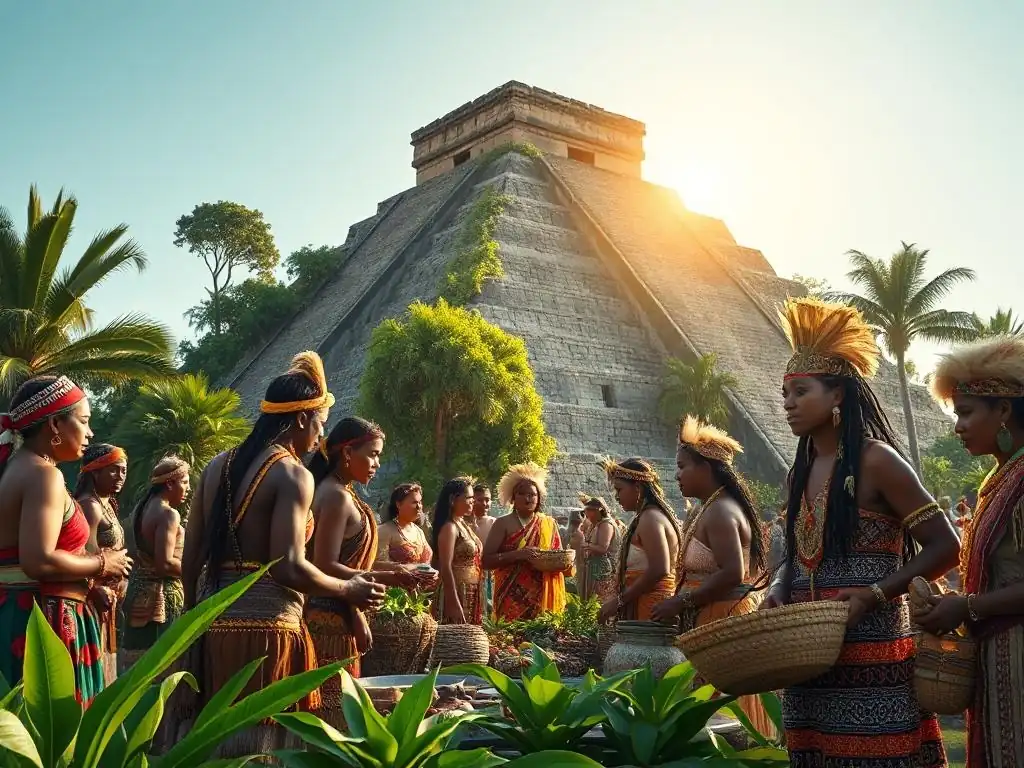
Welcome to Indigenous Civilizations of the Americas, where we invite you to embark on a captivating journey through the rich tapestry of cultures that flourished long before the arrival of Europeans. In our featured article, “From Maya to Inca: Essential Readings on the Achievements of Indigenous Civilizations,” you will uncover the remarkable innovations, societal structures, and enduring legacies of these vibrant communities. Discover how their achievements not only shaped their own worlds but also laid the groundwork for future generations.
Prepare to be inspired as you delve deeper into the fascinating stories of resilience and creativity that define the indigenous civilizations of the Americas. Your exploration begins now!
- Introduction to Indigenous Civilizations Achievements in the Americas
- The Maya Civilization: Achievements and Contributions
- The Aztec Empire: Innovations and Legacy
- The Inca Empire: Engineering and Administration Excellence
- Comparative Analysis of Indigenous Civilizations Achievements
- Lasting Impact of Indigenous Civilizations on Modern Society
- Conclusion: The Importance of Learning About Indigenous Civilizations
-
Frequently Asked Questions
- What are the main achievements of Indigenous civilizations in the Americas?
- How did the societies of Indigenous civilizations develop before European colonization?
- What is the significance of comprehensive exploration of these cultures?
- How can we learn more about the diverse cultures mentioned in the article?
- Why is it important to focus on the achievements of Indigenous civilizations?
- Final Reflection: Celebrating the Achievements of Indigenous Civilizations
- Explore the Wonders of Indigenous Civilizations!
Introduction to Indigenous Civilizations Achievements in the Americas
The indigenous civilizations of the Americas represent a rich tapestry of cultures that flourished long before European colonization. From the architectural wonders of the Maya to the sophisticated administrative systems of the Inca, these societies made remarkable contributions to human history through their achievements in various fields, including agriculture, mathematics, astronomy, and art.
This article serves as a gateway to understanding the profound impact these civilizations have had on contemporary society and the ongoing relevance of their legacies. By exploring essential readings and resources, we aim to illuminate the diverse narratives of these indigenous cultures, showcasing their innovations and the enduring significance of their achievements in shaping the Americas.
Overview of Indigenous Cultures in the Americas
The Americas were home to a multitude of indigenous cultures, each with its own unique achievements and societal structures. Some of the most notable civilizations include:
- Maya Civilization: Renowned for their advanced knowledge of astronomy and mathematics, the Maya developed an intricate calendar system and impressive architectural feats, such as the pyramids at Tikal and Chichen Itza.
- Inca Empire: The Inca are celebrated for their remarkable engineering skills, particularly in constructing an extensive road network and the iconic city of Machu Picchu, which demonstrates their mastery of agriculture in mountainous terrains.
- Aztec Empire: The Aztecs established a complex social and political system, excelling in agriculture, trade, and the arts, leaving a legacy of monumental architecture and a rich pantheon of mythology.
These cultures not only thrived through their innovations but also influenced one another through trade and cultural exchange, highlighting a shared history of resilience and ingenuity.
Importance of Understanding Pre-Columbian Civilizations
Recognizing the achievements of indigenous civilizations is essential for several reasons:
- Cultural Appreciation: Understanding the depth and complexity of these societies fosters respect and appreciation for their contributions to global history.
- Historical Context: Pre-Columbian civilizations provide critical insights into the development of human societies, illustrating how diverse cultural practices and innovations emerged independently across the globe.
- Contemporary Relevance: Many of the challenges faced by indigenous communities today stem from historical injustices. By acknowledging their achievements, we can better advocate for their rights and cultural preservation.
Incorporating knowledge of these civilizations into our collective narrative not only enriches our understanding of history but also empowers indigenous voices in contemporary discussions.
Scope of the Article: Essential Readings and Resources
In this article, we will explore a curated selection of essential readings that illuminate the achievements of indigenous civilizations in the Americas. These resources will encompass:
- Academic Texts: Scholarly works that provide in-depth analyses of specific cultures and their contributions.
- Anthropological Studies: Research focusing on the social structures, beliefs, and practices of indigenous peoples.
- Historical Accounts: Narratives that document the interactions between indigenous civilizations and European colonizers, shedding light on their enduring legacies.
By delving into these readings, readers will gain a comprehensive understanding of the rich and diverse achievements of indigenous civilizations, further enhancing the appreciation of their profound impact on the Americas and the world.
The Maya Civilization: Achievements and Contributions
Key Achievements of the Maya Civilization
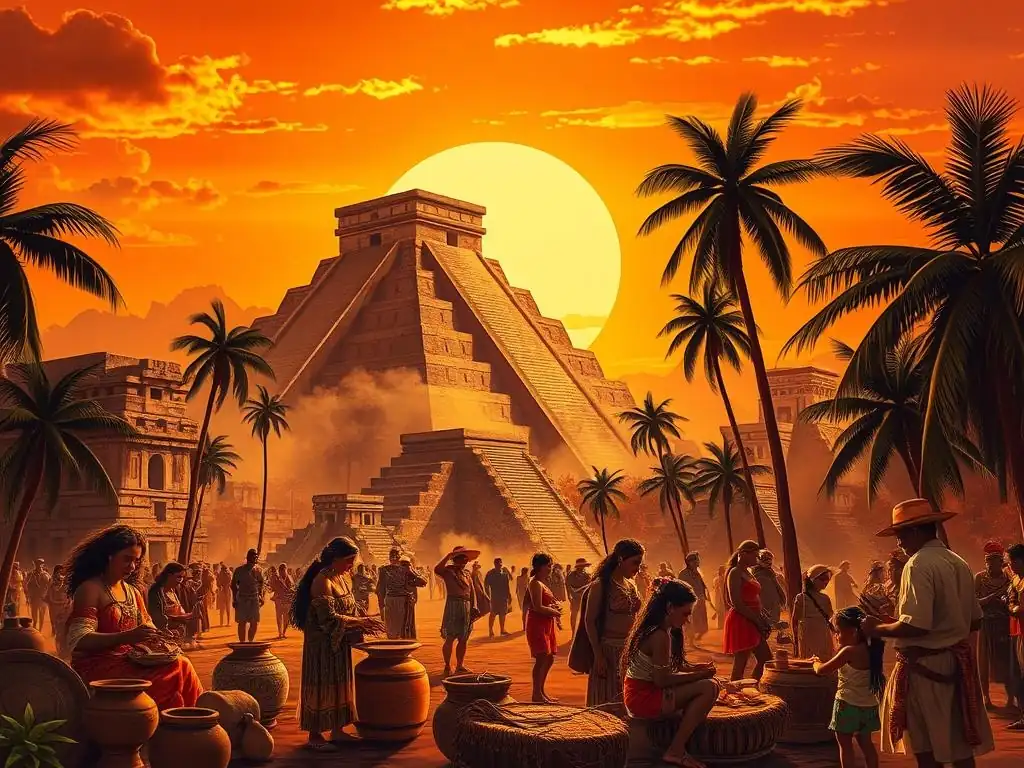
The Maya civilization, which thrived in Mesoamerica from approximately 2000 BCE until the arrival of European colonizers, is renowned for its remarkable achievements across various fields. These contributions not only underscore the sophistication of Maya society but also highlight their enduring legacy in the Americas.
Advanced Mathematics and Astronomy
The Maya developed a highly advanced mathematical system, including the concept of zero, which distinguished them from many contemporary civilizations. They employed a vigesimal (base-20) number system that facilitated complex calculations and record-keeping.
- Calendar Systems: The Maya created intricate calendar systems, notably the Tzolk'in (a 260-day sacred calendar) and the Haab' (a 365-day solar calendar). These calendars were pivotal for agricultural planning, religious ceremonies, and social governance.
- Astronomical Observations: The Maya were skilled astronomers who meticulously recorded celestial events. They could predict solar eclipses and other astronomical phenomena with remarkable precision. Their observatories, such as the one at Uxmal, demonstrate their commitment to studying the cosmos.
Architectural Marvels: Pyramids and Cities
The architectural achievements of the Maya are evident in their majestic pyramids and urban centers, which reflect their advanced engineering and artistic skills.
- Pyramids: Iconic structures like the Pyramid of Kukulcán at Chichen Itza and Temple I at Tikal showcase the Maya's architectural prowess. These pyramids served both religious and ceremonial purposes, often aligned with astronomical events.
- Urban Planning: The layout of Maya cities, such as Palenque and Copán, illustrates sophisticated urban planning. These cities featured complex road systems, plazas, and residential areas that catered to the needs of their inhabitants.
Recommended Readings on Maya Achievements
To delve deeper into the achievements of the Maya civilization, the following readings are essential:
"The Maya" by Michael D. Coe
This seminal work by Michael D. Coe provides a comprehensive overview of Maya history, culture, and achievements. Coe's clear writing and insightful analysis make this book an indispensable resource for anyone interested in understanding the complexities of Maya civilization.
"Maya Astronomy: A Study of the Ancient Maya's Contributions to Astronomy" by Anthony Aveni
In this detailed examination, Anthony Aveni explores the astronomical knowledge of the Maya, revealing how their observations shaped their calendars and influenced their daily lives. This book is a vital resource for those interested in the intersection of science and culture in indigenous civilizations.
The Aztec Empire: Innovations and Legacy
Overview of Aztec Society and Structure
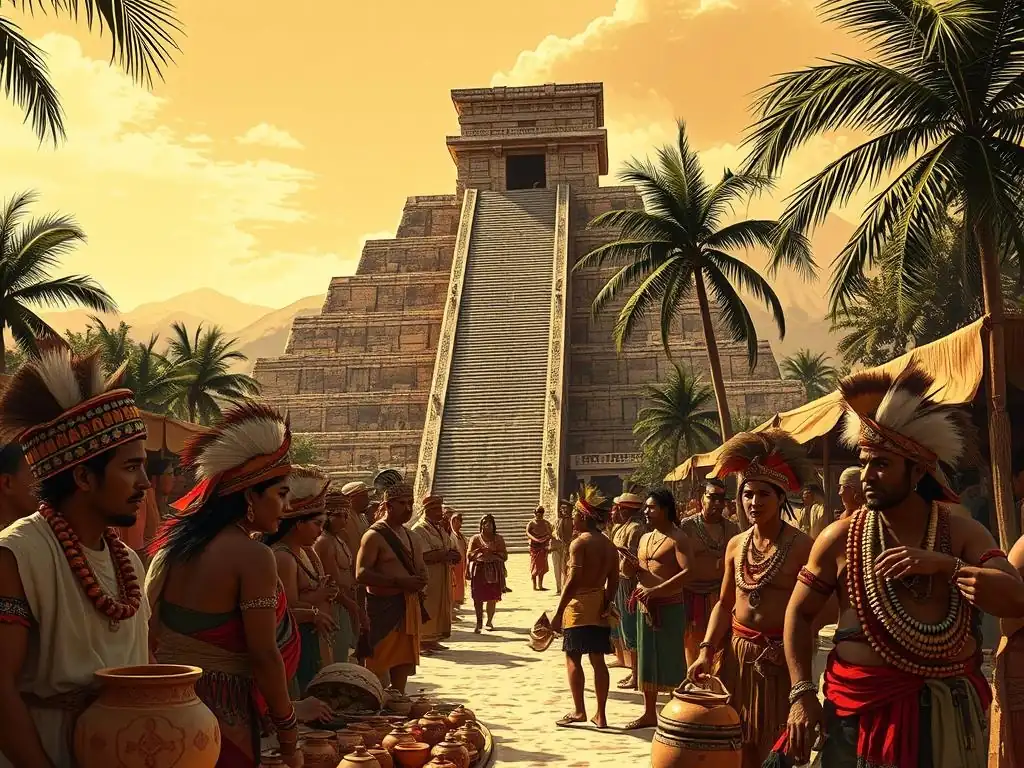
The Aztec Empire, flourishing from the 14th to the 16th century in what is now central Mexico, was a complex society known for its unique social hierarchy, political organization, and cultural achievements. At the top of the social structure was the emperor, who was considered both a political leader and a divine figure. Below him were the nobility, priests, and military leaders, who played significant roles in governance, religion, and warfare.
The commoners formed the backbone of Aztec society, engaging primarily in agriculture, trade, and crafts. They were organized into calpullis, or clans, which functioned as both social units and landholding entities. This system allowed for communal farming and resource sharing, promoting a sense of community and cooperation. The economy was further supported by a vast network of trade routes that connected various regions, facilitating the exchange of goods and ideas.
The Aztecs were also notable for their religious practices, which were deeply intertwined with their daily lives. They worshipped a pantheon of gods, each associated with different aspects of life and nature. This religious devotion influenced many aspects of their culture, including their art, architecture, and even agricultural practices.
Major Achievements of the Aztec Civilization
The Aztec civilization is renowned for its remarkable achievements in various fields, including agriculture, engineering, art, and governance. These accomplishments not only reflect their advanced understanding of their environment but also their ability to create a sophisticated society that thrived for centuries.
Agricultural Innovations: Chinampas and Farming Techniques
One of the most significant agricultural advancements of the Aztecs was the development of chinampas, often referred to as floating gardens. This innovative farming technique involved creating small, rectangular plots of fertile land on the shallow lakes of the Valley of Mexico. The chinampas were constructed by weaving together reeds and mud, allowing crops to flourish in nutrient-rich soil.
The use of chinampas enabled the Aztecs to produce a surplus of food, which supported a growing population and facilitated trade. They cultivated a variety of crops, including maize, beans, squash, and tomatoes, employing advanced techniques such as crop rotation and intercropping to maximize yield. This agricultural productivity was a cornerstone of the Aztec economy and played a critical role in sustaining their urban centers, such as Tenochtitlán.
Artistic Contributions: Sculpture and Codices
The artistic achievements of the Aztec civilization are equally impressive, marked by intricate sculpture, pottery, and the creation of codices—folded books made from bark paper or animal skin. Aztec sculpture is characterized by its grand scale and detailed craftsmanship, often depicting deities, mythological figures, and important historical events. These sculptures were typically made from stone and displayed in temples and public spaces, serving both decorative and religious purposes.
In addition to sculpture, Aztec codices provide invaluable insight into their culture, history, and society. These pictorial manuscripts documented everything from religious rituals to economic transactions. The codices were not only functional but also artistic, showcasing the Aztecs' sophisticated understanding of visual storytelling. Through vibrant illustrations and hieroglyphic writing, these documents preserved the knowledge and traditions of the Aztec civilization, enabling future generations to learn from their rich heritage.
The achievements of the Aztec civilization in agriculture and art represent a deep understanding of their environment and a commitment to cultural expression, leaving a lasting legacy that continues to be studied and celebrated today.
Essential Readings on Aztec Achievements
The Aztec Empire, with its rich cultural heritage and remarkable innovations, has been the subject of extensive study. Below are two essential readings that provide insightful perspectives on the achievements of this extraordinary civilization.
"Aztecs: An Interpretation" by Nigel Davies
In "Aztecs: An Interpretation," Nigel Davies offers a comprehensive analysis of the social, political, and economic structures that characterized the Aztec civilization. The book delves into the nuances of Aztec life, exploring how the society was organized and how it functioned.
Davies emphasizes the intricacies of Aztec religion, highlighting the significance of ritual and mythology in everyday life. He discusses the role of the priesthood and the importance of human sacrifice, which, while controversial, was central to their worldview and cosmology.
The author also examines the Aztec's impressive architectural and artistic achievements, including their magnificent temples and intricate artworks. Readers will gain an understanding of how these accomplishments were not merely aesthetic but also served civic and religious purposes, reinforcing the community's identity and social cohesion.
Overall, Davies' work is a vital resource for understanding the multifaceted achievements of the Aztecs, making it essential reading for anyone interested in indigenous civilizations of the Americas.
"The Aztec Empire: A Historical Encyclopedia" by Patricia R. Anawalt
Patricia R. Anawalt's "The Aztec Empire: A Historical Encyclopedia" serves as an invaluable resource for scholars and enthusiasts alike, providing a detailed overview of the Aztec Empire's history and achievements. This encyclopedia is structured to facilitate easy navigation through the vast array of topics related to the Aztec civilization.
Anawalt meticulously catalogues significant events, key figures, and cultural practices that defined the Aztec Empire. This approach allows readers to appreciate the complexity of Aztec society, from its agricultural innovations, such as chinampas (floating gardens), to its advanced trade networks that spanned vast distances.
The book also emphasizes the legacy of the Aztec civilization, exploring how its achievements influenced subsequent cultures and societies in the Americas. Anawalt's work is particularly notable for its inclusion of illustrations and maps, which enrich the reader's understanding of the geographical and cultural context of the Aztecs.
In summary, "The Aztec Empire: A Historical Encyclopedia" is an essential academic read for those seeking to grasp the extensive achievements of the Aztec civilization and its enduring impact on indigenous cultures in the Americas.
The Inca Empire: Engineering and Administration Excellence
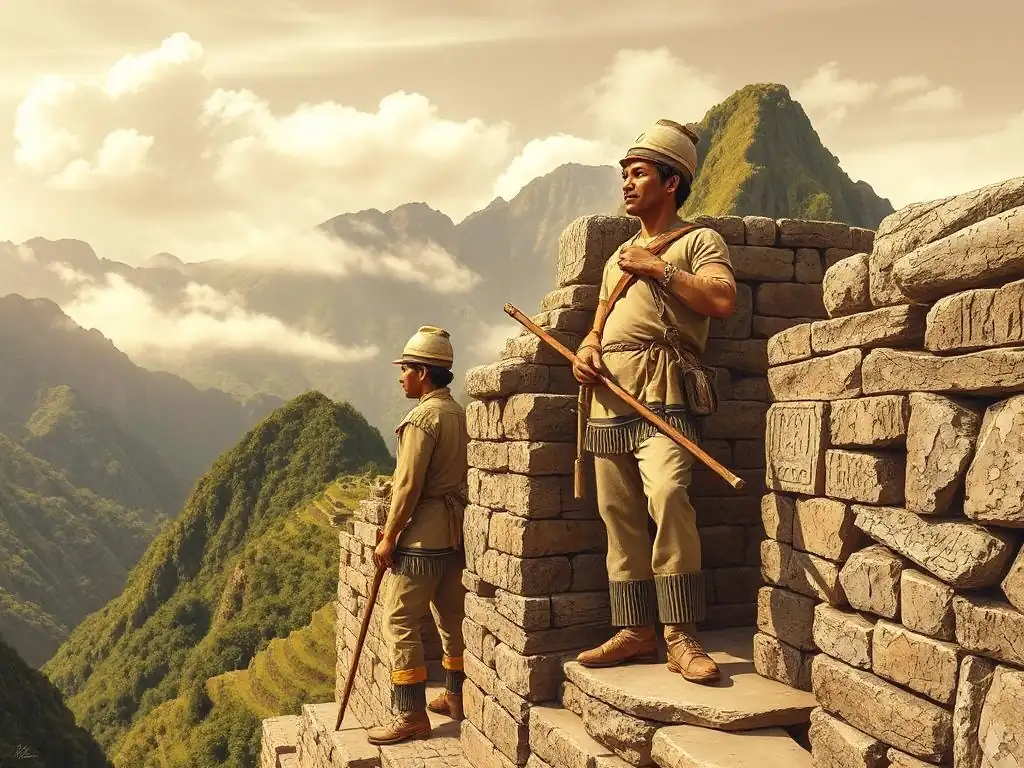
The Inca Empire, known for its vast territorial expanse and sophisticated societal structure, showcased remarkable engineering and administrative capabilities that set it apart from other indigenous civilizations in the Americas. Spanning from the early 15th century until the Spanish conquest in the 16th century, the Inca Empire was characterized by its unparalleled integration of technology, governance, and culture.
At the heart of the Inca Empire's success was its administrative system, which enabled effective governance over a diverse population scattered across various ecological zones. The Incas implemented a centralized bureaucracy that utilized a system of appointed officials, known as ayllu, which helped maintain control and facilitate communication throughout the expansive territory. This system of governance not only ensured that resources were allocated efficiently but also fostered a sense of unity among the diverse groups within the empire.
The Incas excelled in engineering, leaving a legacy of infrastructure that included extensive road networks, suspension bridges, and agricultural terraces. These innovations not only enhanced trade and communication but also supported agricultural production in the challenging Andean environment. The integration of engineering and administration in the Inca Empire exemplifies the profound achievements of Indigenous civilizations in the Americas.
Inca Society: Structure and Governance
Inca society was structured in a hierarchical manner, with the Sapa Inca, the emperor, at the top of the social pyramid. The Sapa Inca was considered a divine ruler, believed to be a descendant of the sun god, Inti. Below the Sapa Inca were the nobles, priests, and high-ranking officials, who played crucial roles in the administration and religious practices of the empire.
- Nobles: Responsible for managing different regions and ensuring the implementation of the Sapa Inca’s policies.
- Priests: Held significant power, overseeing religious ceremonies and maintaining the spiritual well-being of the society.
- Commoners: The majority of the population, who engaged in agriculture, craftsmanship, and various labor-intensive activities essential for the empire's sustenance.
This social stratification facilitated the effective governance of the empire, as each class had defined roles and responsibilities, contributing to a stable societal structure. The Incas also practiced mita, a labor tax system that required communities to contribute labor for public works, reinforcing the empire's infrastructure and agricultural production.
Remarkable Achievements of the Inca Civilization
The Inca civilization is celebrated for its remarkable achievements in various fields, including architecture, agriculture, and engineering. Their innovations not only addressed the challenges posed by the Andean environment but also laid the groundwork for future generations.
Architectural Advances: Machu Picchu and Road Systems
Machu Picchu stands as one of the most iconic architectural achievements of the Inca civilization. This 15th-century citadel, perched high in the Andes, showcases the Incas’ advanced understanding of construction and urban planning. The use of precisely cut stones without mortar, known as ashlar masonry, allowed buildings to withstand seismic activity, a common occurrence in the region.
- Key Features of Machu Picchu:
- Terraced Agriculture: The terraces maximized arable land while preventing soil erosion.
- Religious and Ceremonial Sites: Structures like the Temple of the Sun demonstrate the Incas’ deep spiritual connection to their environment.
In addition to their architectural feats, the Incas developed an extensive road system that spanned over 25,000 miles. This network facilitated the movement of armies, traders, and information across the empire, enhancing economic and military efficiency.
Agricultural Techniques: Terracing and Irrigation
The agricultural prowess of the Inca civilization significantly contributed to its sustained growth and stability. The Incas implemented advanced agricultural techniques, such as terracing and irrigation, to maximize food production in the challenging mountainous terrain.
- Terracing: The creation of stepped fields allowed for effective cultivation on steep slopes, improving soil retention and reducing erosion.
- Irrigation Systems: Ingenious irrigation canals diverted water from rivers to fields, enabling year-round farming and enhancing crop yields.
These agricultural innovations not only supported the growing population but also allowed the empire to thrive economically, making the Inca civilization a remarkable example of indigenous achievements in the Americas.
The Inca Empire’s engineering and administrative excellence, coupled with its remarkable achievements in architecture and agriculture, underscore the significant contributions of indigenous civilizations to the development of complex societies in the Americas.
Suggested Readings on Inca Achievements
Exploring the achievements of the Inca Empire provides invaluable insights into their remarkable engineering feats and sophisticated administrative systems. The following readings are essential for anyone seeking a deeper understanding of Inca civilization and its lasting contributions.
"The Inca: A Very Short Introduction" by Craig Morris and Adriana Von Hagen
This concise book serves as an excellent primer on Inca civilization, providing readers with a succinct overview of its history, culture, and significant achievements. Morris and Von Hagen delve into the intricacies of the Inca state, examining its unique administrative structures and the impressive road network that facilitated communication and trade across vast distances.
The authors highlight the Inca's remarkable engineering capabilities, such as the construction of Machu Picchu and the extensive agricultural terraces that showcased advanced farming techniques. This work also emphasizes the social organization of the Inca, including the role of the Sapa Inca and the intricate systems of labor and tribute that sustained the empire. The accessible nature of this book makes it an ideal starting point for anyone interested in understanding the foundational aspects of Inca achievements.
"The Last Inca: The Story of the Great Inca Empire" by John Hemming
In this detailed narrative, John Hemming offers a comprehensive account of the rise and fall of the Inca Empire. Hemming's extensive research provides an engaging examination of the political strategies and military innovations that enabled the Incas to expand their territory and influence across the Andes.
Key themes explored in this book include the Inca's sophisticated irrigation systems, agricultural advancements, and the extensive use of quipus for record-keeping and communication. Hemming also discusses the cultural richness of the Inca civilization, including their religious practices and artistic expressions. By weaving together historical accounts with archaeological findings, this work provides a vivid portrayal of the Inca Empire at its zenith and the factors that contributed to its eventual decline.
Both of these readings are essential for understanding the impressive achievements of the Inca civilization and their significant impact on the history of the Americas.
Comparative Analysis of Indigenous Civilizations Achievements
Similarities and Differences Among Maya, Aztec, and Inca
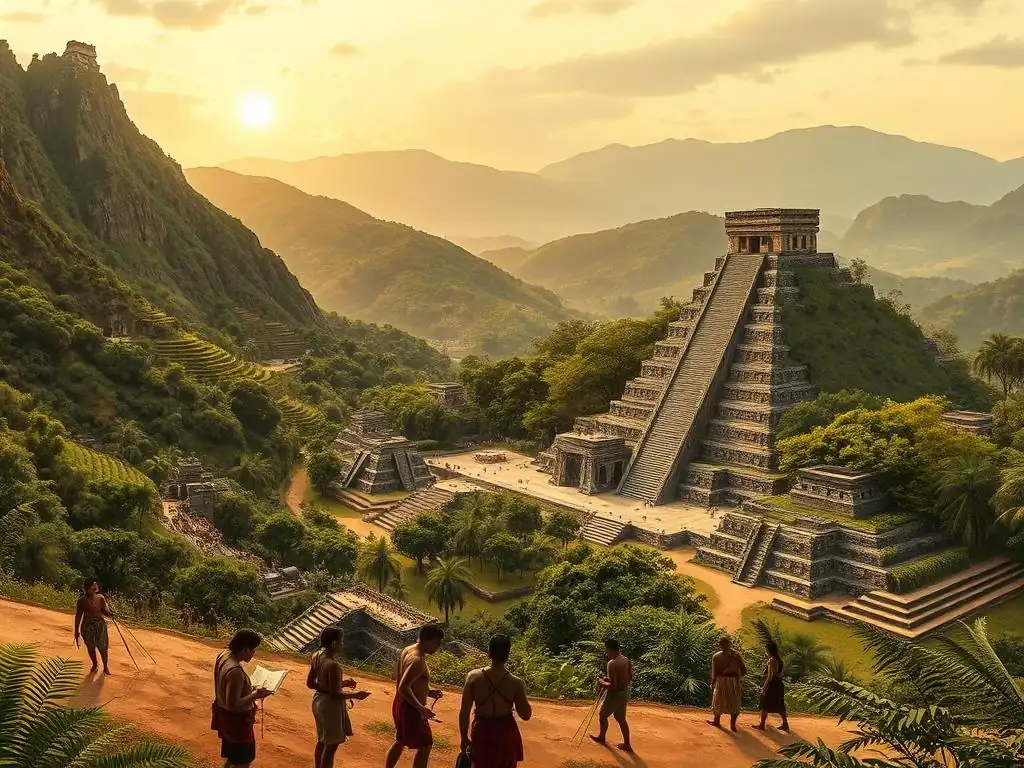
The Maya, Aztec, and Inca civilizations are often lauded for their remarkable achievements in various domains such as agriculture, architecture, mathematics, and astronomy. While they share some similarities, each civilization also exhibits unique characteristics and innovations that reflect their distinct environments and cultural contexts.
- Agricultural Practices:
- The Maya utilized advanced techniques such as slash-and-burn agriculture and terracing, which allowed them to cultivate the challenging terrain of the Yucatán Peninsula.
- The Aztec implemented chinampas, or floating gardens, which maximized agricultural output in the swampy areas around Lake Texcoco.
- The Inca developed an extensive system of terraces and irrigation, adapted to the mountainous terrain of the Andes, enabling them to grow crops at varying altitudes.
- Architectural Marvels:
- Maya architecture is characterized by grand temples and pyramids, often adorned with intricate carvings and glyphs, exemplifying their religious and political life.
- The Aztec constructed monumental structures such as the Templo Mayor, which served as both a religious center and a symbol of their power.
- The Inca are renowned for their sophisticated stonework and engineering, as seen in Machu Picchu, which showcased their ability to integrate their constructions harmoniously with the landscape.
- Mathematics and Astronomy:
- The Maya developed a complex calendar system and a base-20 numerical system, reflecting their profound understanding of time and celestial cycles.
- The Aztec also had a calendar system, but they utilized a base-20 and base-18 system, aligning their religious festivities with agricultural cycles.
- The Inca did not have a written language but excelled in quipu, a knotted-string system for record-keeping, enabling them to manage their vast empire effectively.
These similarities and differences highlight the diverse approaches to problem-solving and innovation among these civilizations, each shaped by their unique environments and social structures.
Impact of Geography on Civilizational Achievements
Geography played a critical role in shaping the achievements of Indigenous civilizations in the Americas. The diverse landscapes—from the tropical rainforests of Mesoamerica to the rugged Andes mountains—directly influenced agricultural practices, settlement patterns, and trade networks.
- Natural Resources:
- The availability of resources such as fertile land, water sources, and minerals facilitated the development of complex societies. For instance, the lush environment of the Maya lowlands supported diverse agriculture, while the mineral-rich Andes allowed the Inca to develop metallurgy.
- Trade Routes:
- Geography dictated trade routes that enabled the exchange of goods, ideas, and technologies. The Aztec capital, Tenochtitlan, was strategically located on an island in Lake Texcoco, which facilitated trade across the region.
- Defense and Expansion:
- Geographic features also influenced military strategies and territorial expansion. The Inca utilized the Andean mountains for defense, developing an extensive road system that connected their empire and facilitated troop movement.
The interplay between geography and civilization underscores the adaptive strategies these cultures employed in response to their environments, leading to their distinct achievements.
Recommended Comparative Readings
To deepen your understanding of the achievements of Indigenous civilizations in the Americas, the following readings provide valuable insights and comparative perspectives:
"The Americas: A Hemispheric History" by James E. Young
This comprehensive work examines the interconnected histories of Indigenous cultures throughout the Americas, offering a broad overview of their achievements and societal structures. Young delves into how geography, environment, and cultural exchanges shaped the diverse civilizations that thrived before European contact. The book is essential for understanding the broader context of Indigenous achievements across the continent.
"Pre-Columbian America: A Comparative Perspective" by Matthew Restall
Restall's work focuses on the comparative aspects of pre-Columbian societies, emphasizing the similarities and differences among major civilizations such as the Maya, Aztec, and Inca. This book provides a critical analysis of their achievements in various domains, including politics, economics, and spirituality, making it a valuable resource for anyone looking to explore the intricate tapestry of Indigenous civilizations in the Americas.
Lasting Impact of Indigenous Civilizations on Modern Society
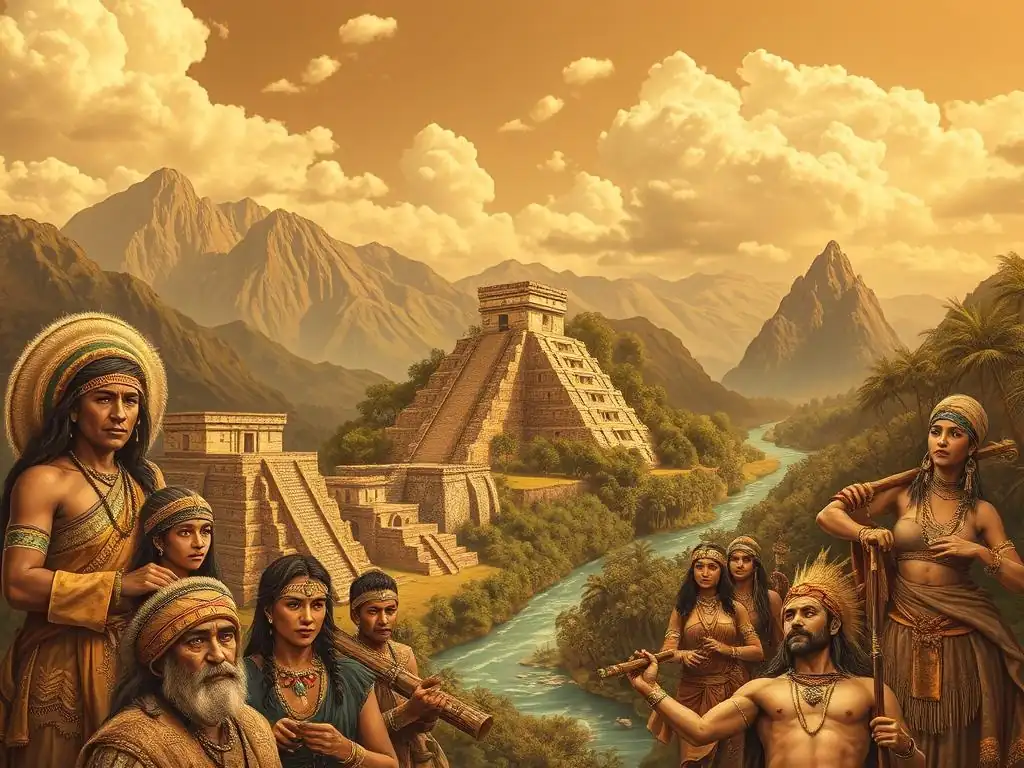
Indigenous civilizations of the Americas have left an indelible mark on modern society through their rich cultural heritage, innovative practices, and profound philosophies. The legacies of these civilizations, such as the Maya, Aztec, and Inca, continue to resonate today, influencing various aspects of contemporary life, from art and agriculture to governance and social structures. Understanding their contributions is crucial for recognizing the complexities of modern identities and societal frameworks in the Americas.
Cultural Contributions to Contemporary Society
Indigenous civilizations have significantly shaped the cultural landscape of the Americas. Their achievements in various domains continue to influence contemporary art, music, and literature. For instance, traditional indigenous art forms, such as pottery and weaving, have inspired modern artists, who often incorporate indigenous motifs and techniques into their work. The use of natural dyes and materials from the environment is a testament to sustainable practices that many contemporary artisans are reviving.
Moreover, indigenous music and dance remain integral to cultural expressions, often featuring in modern festivals and celebrations. The rhythms and instruments of indigenous music have found their way into popular music genres, creating a fusion of sounds that honors indigenous roots while appealing to broader audiences.
In the realm of agriculture, ancient indigenous practices such as the "Three Sisters" method—growing corn, beans, and squash together—are being rediscovered and implemented in sustainable farming initiatives today. These practices highlight the deep understanding of ecosystems that indigenous peoples possessed, which is increasingly relevant as society grapples with food security and environmental challenges.
Preservation of Indigenous Knowledge and Practices
The preservation of indigenous knowledge and practices is vital for maintaining cultural integrity and fostering resilience among indigenous communities. Various organizations and initiatives aim to document and revitalize indigenous languages, traditions, and worldviews that have been threatened by colonization and globalization.
Language revitalization projects play a crucial role in this preservation. Many indigenous languages hold unique worldviews and philosophies that are essential for understanding the relationship between people and nature. By learning and speaking these languages, younger generations can connect with their heritage and carry forward traditional ecological knowledge, which is increasingly recognized for its importance in conservation efforts.
Cultural events, festivals, and educational programs also serve as platforms for sharing indigenous practices, stories, and teachings. These gatherings not only celebrate indigenous heritage but also educate wider audiences about the significance of these practices in addressing contemporary global issues such as climate change, social justice, and community health.
Suggested Readings on Indigenous Influence Today
To understand the ongoing influence of indigenous civilizations on modern society, a variety of scholarly works provide insight into their lasting impact. Below are some essential readings that explore these themes in depth:
"Indigenous Peoples and the Modern State" by James Anaya
This seminal work by James Anaya delves into the complex relationship between indigenous peoples and state governments. Anaya discusses the rights of indigenous populations within modern nation-states, exploring how historical injustices have shaped contemporary legal frameworks. The book emphasizes the importance of recognizing indigenous sovereignty and self-determination as crucial elements in the ongoing quest for justice and equality.
"The Indigenous World 2021" by IWGIA
The Indigenous World 2021, published by the International Work Group for Indigenous Affairs (IWGIA), offers a comprehensive overview of the status of indigenous peoples around the globe. This annual report includes case studies and analyses of indigenous rights, cultural preservation efforts, and the socio-political challenges faced by various communities. It serves as an invaluable resource for those seeking to understand the current landscape of indigenous issues and the significant achievements made by these communities in advocating for their rights and cultures.
Through these readings and an awareness of the rich histories of indigenous civilizations, we can better appreciate their contributions and recognize the ongoing relevance of their achievements in shaping modern society.
Conclusion: The Importance of Learning About Indigenous Civilizations
Final Thoughts on Indigenous Achievements in the Americas
The achievements of indigenous civilizations in the Americas are nothing short of remarkable. From the architectural wonders of the Maya to the sophisticated societal structures of the Inca, these cultures developed intricate systems of governance, agriculture, and trade that laid the groundwork for future societies. Understanding these accomplishments is crucial not only for appreciating the rich tapestry of human history but also for recognizing the resilience and innovation of indigenous peoples.
The Maya civilization, for instance, is renowned for its advanced knowledge of astronomy and mathematics, which enabled them to create highly accurate calendars. Their monumental architecture, including the iconic pyramids and temples, reflects both their religious beliefs and their engineering prowess. Moreover, the development of a written language allowed the Maya to document their history, mythology, and scientific achievements, providing invaluable insights into their culture.
Similarly, the Inca Empire achieved unprecedented levels of social organization and engineering feats. The construction of the extensive road system across the rugged Andes Mountains facilitated trade and communication, ensuring the empire's cohesion. The Incas also implemented advanced agricultural techniques, such as terrace farming, to maximize crop yield in their challenging environment. Their ability to adapt to diverse ecosystems and manage resources sustainably is an achievement that continues to inspire modern agricultural practices.
These examples illustrate that the indigenous civilizations of the Americas were not only rich in cultural achievements but also played a vital role in shaping the continent's historical landscape. As we delve deeper into the study of these societies, we uncover a legacy that informs our understanding of resilience, adaptation, and creativity in the face of challenges.
Encouragement to Explore Further: Suggested Resources and Readings
To foster a more profound understanding of the indigenous civilizations and their achievements, here are some suggested resources and readings:
- Books:
- 1491: New Revelations of the Americas Before Columbus by Charles C. Mann
- The Maya by John S. Henderson and Barbara W. Fash
- The Inca Empire: The Formation and Disintegration of a Pre-Columbian State by William H. Isbell and Helaine Silverman
- Articles:
- "The Architecture of the Maya: A Cultural Reflection" - A scholarly article exploring the significance of Maya architecture in understanding their society.
- "Agricultural Innovations of the Inca" - A detailed examination of agricultural practices and their impact on the Inca economy.
- Documentaries:
- Secrets of the Maya - A documentary that offers insights into the achievements and daily life of the Maya civilization.
- The Incas: Masters of the Andes - This film delves into the engineering and societal achievements of the Inca Empire.
By engaging with these resources, readers can gain a broader perspective on the indigenous civilizations' achievements in the Americas, fostering a deeper appreciation for their contributions to human history.
Frequently Asked Questions
What are the main achievements of Indigenous civilizations in the Americas?
Indigenous civilizations like the Maya, Aztec, and Inca made significant contributions in areas such as architecture, agriculture, and astronomy, showcasing their advanced knowledge and cultural richness.
How did the societies of Indigenous civilizations develop before European colonization?
Before European contact, Indigenous societies developed complex social structures, trade networks, and political systems, which allowed for the flourishing of their diverse cultures and achievements.
What is the significance of comprehensive exploration of these cultures?
A comprehensive exploration helps to highlight the importance of Indigenous civilizations in shaping history, recognizing their innovations and the lasting impact they have on contemporary society.
How can we learn more about the diverse cultures mentioned in the article?
The article provides essential readings and resources that delve into the rich histories and cultural practices of various Indigenous groups, offering insights into their achievements and contributions.
Why is it important to focus on the achievements of Indigenous civilizations?
Focusing on these achievements helps to counteract historical narratives that often overlook or misrepresent Indigenous contributions, fostering a better understanding of their significance in the broader context of history.
Final Reflection: Celebrating the Achievements of Indigenous Civilizations
The achievements of Indigenous civilizations in the Americas are not just historical footnotes; they are a testament to the ingenuity and resilience of cultures that have shaped our world. Today, as we grapple with issues of cultural identity and historical recognition, it becomes increasingly vital to acknowledge and celebrate the profound contributions of civilizations like the Maya and Inca. Their legacies remind us that the past is not merely a series of events but a rich tapestry of human experience that continues to influence our present and future.
The exploration of Indigenous civilizations reveals a complex social and cultural landscape that has significantly impacted our understanding of history. From advanced agricultural practices to sophisticated architectural feats, these achievements challenge the conventional narratives often found in mainstream history. As we reflect on their enduring influence, we are reminded of the words of historian Charles Mann: The Americas were not a blank slate when Europeans arrived; they were a vibrant tapestry of cultures and civilizations.
This acknowledgment is crucial as we strive to foster a more inclusive understanding of our shared heritage.
As you close this chapter on the achievements of Indigenous civilizations, I invite you to reflect on how these lessons can inspire your own life. Consider how you can honor and integrate the wisdom of these cultures into your daily existence. Whether through supporting Indigenous voices, educating others about their histories, or simply appreciating the beauty of their contributions, each action can contribute to a greater recognition of their significance. Let us carry forward the legacy of the Maya and Inca, ensuring that their stories and achievements continue to resonate in our collective consciousness.
Explore the Wonders of Indigenous Civilizations!
Thank you for diving into the rich achievements of indigenous civilizations! Your curiosity about cultures such as the Maya and the Inca reveals a passion for history and heritage. Now that you're equipped with incredible insights, it’s time to take action and deepen your understanding!
- Delve into the suggested readings we've compiled to uncover more fascinating details about these remarkable societies.
- Share your favorite discoveries with friends or discuss them in your community, enriching conversations that celebrate indigenous history.
- Join our forum to connect with fellow enthusiasts, ask questions, and explore diverse perspectives on these magnificent civilizations.
Which achievements of indigenous civilizations surprise you the most, and how can we celebrate these stories together?