
The Ingenious Agricultural Techniques of the Toltec Civilization: A Deep Dive

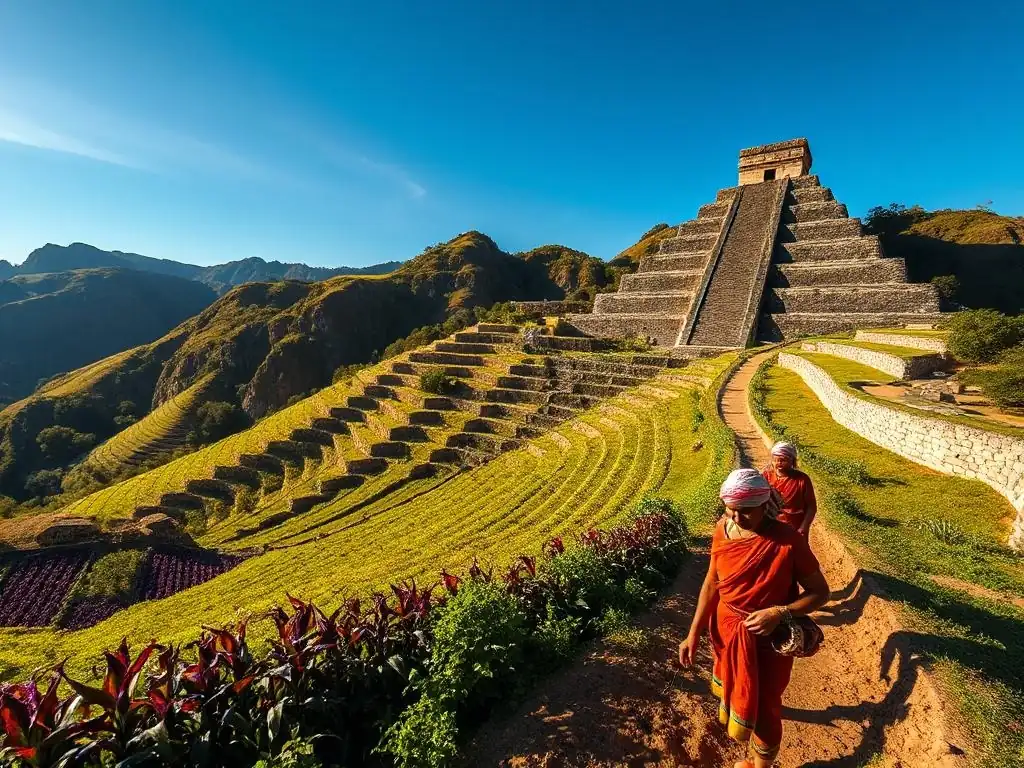
Welcome to Indigenous Civilizations of the Americas, where we embark on an enlightening journey through the rich tapestry of pre-colonial cultures that flourished across the American continents. In this exploration, we shine a spotlight on the Toltec agricultural techniques history, revealing the innovative methods that not only sustained their society but also shaped the agricultural landscape for generations to come. Are you ready to uncover the secrets behind their ingenious practices? Dive deeper into their legacy and discover how these ancient techniques continue to influence modern agriculture today.
Introduction to Toltec Agricultural Techniques History
The Toltec civilization, a prominent Mesoamerican culture that flourished between the 10th and 12th centuries, is renowned not only for its artistic achievements and architectural wonders but also for its sophisticated agricultural practices. Understanding the Toltec agricultural techniques history provides invaluable insight into how this civilization managed to thrive in the challenging environments of central Mexico. The ingenuity of the Toltecs in agriculture not only supported their population but also laid the groundwork for future civilizations, showcasing their profound relationship with the land and their deep understanding of ecological systems.
This article delves into the diverse agricultural methods employed by the Toltecs, exploring their origins, significance, and the influence of earlier cultures on their practices.
Overview of the Toltec Civilization
The Toltec civilization is often regarded as a successor to the earlier Teotihuacan culture, emerging around the 10th century in what is now central Mexico. The Toltecs are believed to have developed a centralized political structure, with their capital at Tula, which became a hub of trade and cultural exchange.
Key characteristics of the Toltec civilization include:
- Architectural Marvels: The construction of pyramids, temples, and plazas, often adorned with intricate carvings and sculptures.
- Artistic Expression: A rich tradition of art, including pottery, textiles, and metalwork, that reflected their beliefs and societal values.
- Religious Practices: A pantheon of gods and rituals that played a central role in Toltec life, often tied to agriculture and the cycles of nature.
The Toltecs' advancements in agriculture were crucial in sustaining their society, allowing them to support large populations and engage in trade networks.
Importance of Agriculture in Toltec Society
Agriculture was the backbone of the Toltec economy and social structure. The ability to cultivate crops efficiently allowed the civilization to flourish and expand. Key aspects of agriculture in Toltec society included:
- Crop Diversity: The Toltecs cultivated a variety of crops, including maize, beans, squash, and chilies, which formed the basis of their diet.
- Sustainable Practices: They employed sustainable agricultural techniques that ensured the soil's fertility and minimized environmental impact.
- Trade and Economy: Agricultural surplus facilitated trade with neighboring cultures, enhancing their economic power and cultural exchange.
The success of these agricultural techniques had profound implications for the Toltec civilization, allowing it to develop a complex society with a rich cultural heritage.
Historical Context of Toltec Agricultural Practices
Understanding the historical context of Toltec agricultural practices requires a look back at their origins and the influences that shaped their techniques.
Origins of Toltec Agriculture
The origins of Toltec agriculture can be traced back to earlier Mesoamerican societies that had already begun to experiment with farming. The Toltecs inherited and adapted these agricultural practices, refining them to suit their unique environmental conditions.
Key points regarding the origins include:
- Domestication of Crops: The Toltecs built upon the domestication of key crops initiated by earlier civilizations.
- Innovative Techniques: They implemented advanced irrigation methods and terracing to optimize crop yields.
- Cultural Transmission: The transfer of agricultural knowledge from predecessors played a significant role in shaping Toltec farming methods.
Influence of Earlier Mesoamerican Cultures on Toltec Techniques
The agricultural techniques of the Toltecs were significantly influenced by the practices of earlier Mesoamerican cultures, particularly the Olmec and Teotihuacan civilizations.
Important influences include:
- Irrigation Systems: The development of sophisticated irrigation systems that enabled the cultivation of crops in arid regions.
- Crop Rotation and Companion Planting: Techniques that enhanced soil fertility and pest control, ensuring sustainable agricultural practices.
- Cultural Rituals: Agricultural practices intertwined with religious ceremonies, reflecting a deep respect for the environment and the cycles of nature.
By examining these historical influences, we can appreciate the complexity and ingenuity of Toltec agricultural techniques, which not only sustained their civilization but also contributed to the agricultural legacy of Mesoamerica.
Key Agricultural Techniques Employed by the Toltecs
The Toltec civilization, flourishing in central Mexico between the 10th and 12th centuries, was known for its sophisticated agricultural methods that enabled them to thrive in a challenging environment. Their agricultural techniques were innovative, allowing them to maximize productivity and sustain their population. Among the key techniques employed were chinampas, terracing, and advanced irrigation systems. Each of these methods not only provided food security but also showcased the Toltecs' understanding of their environment and their ability to adapt to it.
Chinampas: The Floating Gardens
Chinampas, often referred to as "floating gardens," were an ingenious agricultural innovation developed by the Toltecs and earlier Mesoamerican cultures. These man-made islands were constructed in shallow lake areas and consisted of a series of rectangular plots surrounded by water. The technique involved layering mud and decaying vegetation to create fertile soil, which was then used to cultivate various crops.
The benefits of chinampas were manifold:
- Efficient Water Use: The proximity to water sources allowed for efficient irrigation, reducing the need for extensive water management systems.
- Biodiversity: Chinampas facilitated the growth of multiple crops simultaneously, promoting biodiversity and resilience against pests and disease.
- Sustainability: The organic material used in their construction ensured high fertility, allowing the same plots to be cultivated year-round without significant depletion of nutrients.
This method not only supported the Toltec diet but also contributed to their economy by enabling trade of surplus crops.
Terracing: Maximizing Arable Land
Terracing was another critical technique employed by the Toltecs to adapt to the hilly terrain of their region. This method involved carving steps into the landscape to create flat areas for cultivation. The benefits of terracing included:
- Erosion Control: By reducing the slope of the land, terraces helped prevent soil erosion, which was crucial in maintaining soil health.
- Water Retention: Terraces allowed for better water retention, as rainwater would collect in the flat areas rather than running off, providing a stable source of moisture for crops.
- Increased Arable Land: This technique effectively expanded the amount of land available for agriculture, enabling the Toltecs to support a larger population.
Terracing exemplified the Toltecs' ability to manipulate their environment to enhance agricultural productivity.
Irrigation Systems: Water Management Strategies
Effective water management was essential for the agricultural success of the Toltecs, especially given the varying climate conditions of Mesoamerica. They developed sophisticated irrigation systems that included canals, dikes, and reservoirs. These systems allowed for the controlled distribution of water to their crops. Key aspects of Toltec irrigation include:
- Canal Construction: Canals were dug to divert water from rivers and lakes, ensuring that crops received adequate moisture during dry periods.
- Dike Systems: Dikes were built to protect fields from flooding while directing water to specific agricultural areas.
- Reservoirs: These were created to store excess rainwater, providing a reliable water source during droughts.
Through these advanced irrigation techniques, the Toltecs were able to cultivate their land efficiently and sustainably.
Crops Cultivated by the Toltecs
The Toltec civilization cultivated a diverse array of crops that formed the backbone of their diet and economy. Their agricultural practices were tailored to their environment, allowing them to produce staple foods as well as specialty crops.
Staple Crops: Maize and Beans
Maize, or corn, was the cornerstone of the Toltec diet and held significant cultural importance. It was used in various forms, from tortillas to beverages. Beans complemented maize nutritionally, providing essential proteins. The combination of these two staple crops was vital for the sustenance of the Toltec population. The cultivation of maize and beans was often intercropped, maximizing land use and benefiting from each plant's growth characteristics.
Other Significant Cultivated Plants: Squash, Chili Peppers, and Amaranth
In addition to maize and beans, the Toltecs cultivated several other important crops:
- Squash: This versatile vegetable was used in various dishes and contributed to the caloric intake of the Toltec diet.
- Chili Peppers: Used to add flavor and spice to meals, chili peppers were also valued for their preservative qualities.
- Amaranth: This nutrient-rich grain was used both as a food source and in ceremonial practices, showcasing its cultural significance.
These crops not only supported the Toltec diet but also played a role in their trade networks.
The Role of Crop Rotation in Sustaining Soil Fertility
The Toltecs understood the importance of maintaining soil fertility, and one technique they employed was crop rotation. By alternating crops in a given area from season to season, they effectively managed soil nutrients and reduced the likelihood of pest infestations. This practice had several benefits:
- Nutrient Management: Different plants have varying nutrient requirements and contributions; rotating crops helped in maintaining a balanced soil profile.
- Pest Control: By changing the crops grown in a specific area, pests that thrived on a particular plant were less likely to become established.
- Increased Yields: Healthier soil led to better crop yields, supporting the growing Toltec population.
Through these practices, the Toltecs demonstrated their advanced understanding of agriculture and its critical role in their civilization's success.
Tools and Technology in Toltec Agriculture

The Toltec civilization, renowned for its advanced agricultural practices, utilized a variety of tools and technologies that facilitated efficient farming in their arid environment. Their innovative approaches to agriculture not only supported their population but also contributed to their economic and social structures. The tools they developed were essential for managing the diverse crops that were staples of their diet, including maize, beans, and squash.
Agricultural Implements: Tools Used by Toltec Farmers
Toltec farmers relied on several essential agricultural implements to cultivate their land. Notable tools included:
- Axe (Tlahtli): Used for clearing land and chopping down trees, axes were crucial for preparing fields for planting.
- Hoes (Tecomatl): With a broad blade and a sturdy handle, hoes were primarily used for tilling soil and weeding, which helped aerate the earth and promote crop growth.
- Sickle (Chichiltik): This curved tool was instrumental for harvesting crops, allowing farmers to efficiently gather grain and other produce.
- Mortar and Pestle (Metate and Mano): These tools were used for grinding grains and seeds into flour, essential for food preparation.
The combination of these implements allowed the Toltecs to maximize their agricultural output, ensuring a steady food supply for their society.
Innovations in Farming Techniques: Advances and Adaptations
The Toltecs were not only adept at using tools but also pioneered various farming techniques that reflected their understanding of the environment. Some key innovations included:
- Terracing: To combat soil erosion and maximize arable land in hilly areas, the Toltecs built terraces. This technique increased the surface area for farming and improved water retention.
- Irrigation Systems: The Toltecs developed sophisticated irrigation channels to direct water from rivers and streams to their fields. This allowed them to cultivate crops even in dry seasons, significantly enhancing agricultural yields.
- Crop Rotation: By alternating crops in their fields, the Toltecs improved soil fertility and reduced pest infestations. This practice ensured that the land remained productive over time.
- Polyculture: The cultivation of multiple crops in the same area was a hallmark of Toltec farming. By growing maize, beans, and squash together, they created a mutually beneficial system where plants supported one another's growth, a technique known as the "Three Sisters."
These innovations not only optimized their agricultural practices but also showcased the Toltecs' adaptability and foresight in managing their resources.
The Impact of Toltec Agricultural Techniques on Society
The agricultural practices of the Toltecs significantly influenced their societal structure, economy, and overall civilization. The ability to produce surplus food allowed for the growth of cities and the development of complex social hierarchies.
Economic Structure: Trade and Agricultural Output
The Toltec agricultural techniques fostered a robust economy centered around trade. Surplus crops enabled the Toltecs to engage in extensive trade networks with neighboring cultures. Key economic impacts included:
- Surplus Production: The efficiency of Toltec agriculture led to significant surplus production, which allowed for the support of non-farming populations, such as artisans and traders.
- Trade Networks: The surplus facilitated trade with other Mesoamerican civilizations, such as the Aztecs, leading to the exchange of goods, ideas, and cultural practices. Items traded included textiles, ceramics, and luxury goods.
- Marketplaces: Agricultural surplus contributed to the establishment of marketplaces, where farmers could sell their produce. These markets became central to the economic life of Toltec cities.
The economic benefits derived from their agricultural techniques played a crucial role in the Toltec civilization's prosperity and expansion.
Social Organization: The Role of Farmers in Toltec Society
Farmers held a vital position within Toltec society, significantly influencing their social organization. The roles and responsibilities of farmers included:
- Community Builders: As the backbone of the economy, farmers were essential in providing food for their communities. Their labor directly supported the population's health and well-being.
- Social Status: While the elite class held significant power, farmers were respected for their contributions. Successful farmers could gain social standing and influence within their communities.
- Cultural Practices: Agricultural cycles dictated many cultural and religious practices among the Toltecs. Festivals and rituals often revolved around planting and harvest times, reinforcing the farmers' role in society.
The agricultural techniques of the Toltec civilization were not merely practical methods of food production; they were foundational elements that shaped the economic, social, and cultural dimensions of Toltec life.
Environmental Adaptations in Toltec Agriculture
The Toltec civilization, flourishing from approximately 900 to 1168 CE, exemplified remarkable ingenuity in adapting agricultural practices to their diverse environmental conditions. Situated in central Mexico, the Toltecs faced a range of climatic challenges, from arid regions to areas prone to flooding. Their ability to modify and optimize their agricultural techniques not only sustained their society but also set a foundation for future civilizations in the region.
The Toltecs employed various strategies to maximize agricultural productivity. They utilized terracing, which involved creating stepped fields on sloped terrain, allowing for better water retention and soil conservation. This method enabled cultivation in otherwise unproductive areas. Additionally, the use of irrigation systems, including canals and aqueducts, was pivotal in channeling water from rivers to fields, ensuring that crops received adequate hydration even in dry seasons.
Coping with Climatic Challenges: Drought and Flood Management
Drought and flood management were critical components of Toltec agricultural practices, reflective of their deep understanding of environmental dynamics. The Toltecs developed sophisticated irrigation systems designed to combat the unpredictability of rainfall. They constructed extensive networks of canals that diverted water from rivers, allowing for controlled distribution to their crops. This innovation was particularly crucial during dry spells, ensuring that agriculture could thrive even when natural water sources were scarce.
To mitigate the risks of flooding, the Toltecs also practiced land management techniques such as the construction of raised fields and flood channels. These raised fields not only prevented waterlogging but also improved soil fertility through the accumulation of organic material. By creating a balance between water management and soil conservation, the Toltecs demonstrated remarkable foresight in their agricultural strategies, which contributed significantly to their societal stability.
Sustainable Practices: Preserving Resources for Future Generations
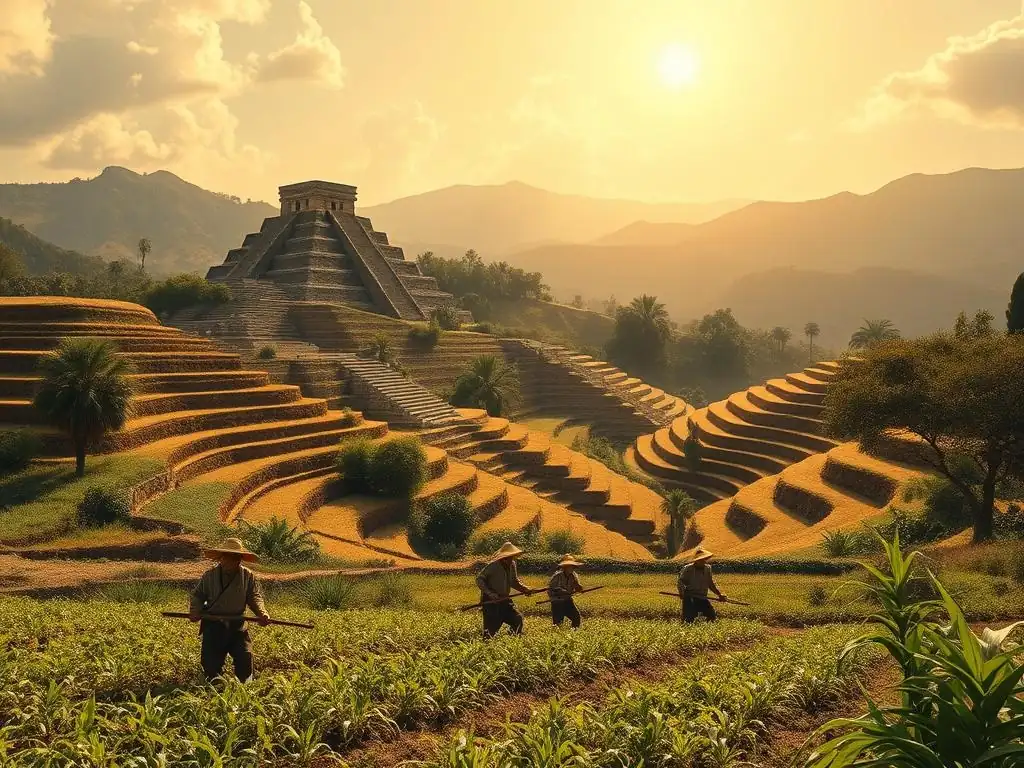
Sustainability was a core principle of Toltec agricultural techniques, reflecting a profound respect for their environment. The Toltecs practiced crop rotation and polyculture, which involved planting multiple crops in the same area to enhance biodiversity and reduce soil depletion. This approach not only improved yields but also helped in pest management and soil fertility maintenance.
Moreover, the Toltecs utilized organic fertilizers, derived from local resources, to enrich their soil. By recycling organic matter, such as plant residues and animal waste, they ensured that their agricultural practices remained sustainable over generations. This emphasis on resource preservation illustrates the Toltec’s advanced understanding of ecological balance, highlighting their commitment to maintaining the health of their environment for future inhabitants.
Legacy of Toltec Agricultural Techniques
The agricultural innovations of the Toltec civilization left a lasting legacy that influenced subsequent Mesoamerican societies. Their techniques and practices became foundational elements in the agricultural frameworks of later cultures, including the Aztecs.
Influence on Subsequent Mesoamerican Civilizations
The agricultural methods developed by the Toltecs, particularly their irrigation and crop management systems, were adopted and adapted by later civilizations. The Aztecs, for instance, built upon the Toltec's legacy by enhancing irrigation techniques and expanding agricultural areas through the use of chinampas—floating gardens that maximized arable land in swampy regions. This continuity of agricultural knowledge demonstrates the profound impact the Toltecs had on the agricultural practices of their successors, ensuring food security and economic stability in Mesoamerica.
Modern Agricultural Practices Inspired by Toltec Techniques
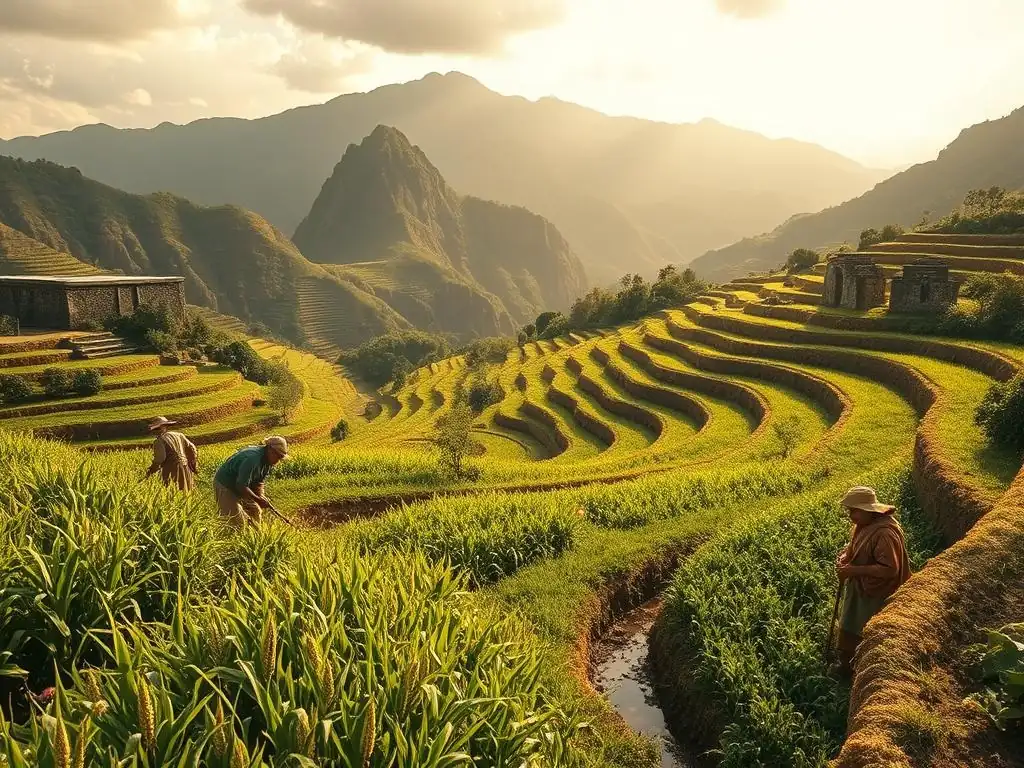
Today, many modern agricultural practices reflect the sustainable principles first established by the Toltecs. Techniques such as terrace farming and integrated pest management can be traced back to their innovative approaches. Contemporary farmers and agricultural scientists are increasingly recognizing the value of traditional practices, blending them with modern technology to create sustainable farming methods that respect the environment while maximizing yields.
In particular, the principles of crop diversity promoted by the Toltecs are gaining traction in sustainable agriculture movements worldwide. As society grapples with the challenges of climate change, the wisdom embedded in Toltec agricultural techniques serves as a reminder of the importance of sustainability and ecological stewardship in farming practices today.
Conclusion: The Significance of Toltec Agricultural Techniques History
The agricultural techniques developed by the Toltec civilization represent a remarkable adaptation to the diverse environments of Mesoamerica. Their innovations not only facilitated the growth of food staples but also laid the groundwork for sustainable agricultural practices that would benefit future generations. Understanding the history of Toltec agricultural techniques provides valuable insight into how early civilizations thrived in harmony with their environment, showcasing their ingenuity and resilience. The legacy of these practices emphasizes the importance of indigenous knowledge systems in contemporary discussions about sustainable agriculture.
Reflection on the Ingenuity of Toltec Farmers
The ingenuity of Toltec farmers is evident in their advanced agricultural systems. They utilized a variety of techniques, such as:
- Terracing: This method allowed them to cultivate steep slopes efficiently, minimizing soil erosion while maximizing arable land.
- Chinampas: Often referred to as "floating gardens," these man-made islands in lakes enabled year-round farming and increased crop yields.
- Crop Rotation and Companion Planting: By rotating crops and strategically planting complementary species together, Toltec farmers enhanced soil fertility and pest control.
These methods reflect a deep understanding of environmental dynamics and agricultural science, indicating that Toltec farmers were not only skilled practitioners but also innovative thinkers.
Lasting Impact of Toltec Agricultural Practices on Indigenous Cultures
The agricultural practices developed by the Toltecs had a profound and lasting impact on subsequent indigenous cultures in the Americas. Their techniques influenced neighboring civilizations, such as the Aztecs, who adopted and adapted these practices to suit their own agricultural needs. This transfer of knowledge facilitated the growth of complex societies and urban centers, leading to increased trade and cultural exchange.
Furthermore, the principles of sustainable agriculture championed by the Toltecs continue to resonate today. Modern indigenous communities often draw upon these ancient practices as they seek to maintain food sovereignty and cultivate crops in harmony with their local ecosystems. The enduring significance of Toltec agricultural techniques serves as a reminder of the vital role indigenous knowledge plays in addressing contemporary agricultural challenges.
References
Scholarly Sources on Toltec Agriculture
- Doolittle, William E. Cultivated Landscapes of Native North America. Oxford University Press, 2000.
- Smith, Michael E. The Aztecs. Blackwell Publishing, 2003.
- González, Juan Carlos. "Agricultural Techniques of the Toltec Civilization." Journal of Mesoamerican Studies, vol. 12, no. 1, 2015, pp. 45-67.
Recommended Reading for Further Exploration
- Hernandez, Clara. The Toltecs: A History of Mesoamerican Civilization. University of California Press, 2018.
- Mason, R. J. Ancient Agricultural Practices in Mesoamerica. Routledge, 2019.
- Cruz, Antonio. Sustainable Agriculture in Indigenous Cultures: Lessons from the Toltecs. Greenleaf Publishing, 2021.
These resources provide a comprehensive understanding of Toltec agricultural techniques and their significance within the broader context of indigenous civilizations in the Americas.
- Introduction to Toltec Agricultural Techniques History
- Historical Context of Toltec Agricultural Practices
- Key Agricultural Techniques Employed by the Toltecs
- Crops Cultivated by the Toltecs
- Tools and Technology in Toltec Agriculture
- The Impact of Toltec Agricultural Techniques on Society
- Environmental Adaptations in Toltec Agriculture
- Coping with Climatic Challenges: Drought and Flood Management
- Sustainable Practices: Preserving Resources for Future Generations
- Legacy of Toltec Agricultural Techniques
- Influence on Subsequent Mesoamerican Civilizations
- Modern Agricultural Practices Inspired by Toltec Techniques
- Conclusion: The Significance of Toltec Agricultural Techniques History
- References
- What are the main agricultural techniques used by the Toltec civilization?
- How did the Toltecs influence future agricultural practices in the Americas?
- What crops were primarily cultivated by the Toltecs?
- How did the geography of the region affect Toltec agricultural techniques?
- Why is the study of Toltec agricultural techniques important today?
Frequently Asked Questions
What are the main agricultural techniques used by the Toltec civilization?
The Toltec agricultural techniques included methods such as terracing, irrigation, and the cultivation of diverse crops, which allowed them to adapt to varying environmental conditions.
How did the Toltecs influence future agricultural practices in the Americas?
The innovative practices of the Toltecs laid the groundwork for future civilizations, inspiring advanced farming methods that improved crop yields and sustained larger populations.
What crops were primarily cultivated by the Toltecs?
The Toltecs primarily cultivated staples such as maize, beans, and squash, which formed the foundation of their diet and supported their thriving society.
How did the geography of the region affect Toltec agricultural techniques?
The varied geography of Mesoamerica, including mountains and valleys, led the Toltecs to develop specific techniques like terracing to maximize arable land and manage water resources effectively.
Why is the study of Toltec agricultural techniques important today?
Understanding Toltec agricultural techniques not only highlights their historical significance but also offers insights into sustainable practices that can inspire modern agricultural innovations.
Final Reflection: The Enduring Legacy of Toltec Agricultural Ingenuity
The agricultural techniques of the Toltec civilization are not merely relics of the past; they are a testament to human innovation and resilience that resonate profoundly in today's world. As we face contemporary challenges such as climate change and food security, understanding the sustainable practices of ancient cultures like the Toltecs can inspire modern solutions. Their ability to adapt and thrive in a challenging environment serves as a striking reminder of the ingenuity that lies within us all.
Culture and society are continuously shaped by the lessons of history, and the Toltec agricultural methods offer a rich tapestry of knowledge that informs our current practices. The intricate systems they developed, such as chinampas and terracing, not only optimized land use but also fostered biodiversity and sustainability. As we navigate the complexities of modern agriculture, we can draw from this ancient wisdom. Those who cannot remember the past are condemned to repeat it.
– George Santayana. This quote encapsulates the importance of learning from historical practices to forge a sustainable future.
As you reflect on the ingenious agricultural techniques of the Toltec civilization, consider how you can incorporate elements of sustainability into your own life. Whether through supporting local agriculture, practicing mindful consumption, or advocating for environmental stewardship, each action contributes to a larger movement towards sustainability. Let the legacy of the Toltecs inspire you to cultivate not just crops, but a deeper connection to the earth and a commitment to preserving its resources for future generations.
Unleash Your Curiosity: Dive Deeper into the Toltec Heritage!
Thank you for exploring the fascinating agricultural innovations of the Toltec civilization! Your interest not only enhances your understanding but also honors the ingenuity of ancient cultures that shaped our world. Now, it's time to take that knowledge and transform it into action!
- Discover More: Visit our extensive collection of articles to expand your knowledge on indigenous agricultural techniques.
- Share Your Thoughts: Join our online community to discuss the impact of Toltec methods on modern farming.
- Try It Yourself: Consider applying some ancient sustainable practices in your own garden or community project!
What aspect of Toltec agricultural techniques inspires you the most? How do you plan to incorporate those lessons into your life? We’d love to hear your thoughts!