
The Enigmatic Mounds of Cahokia: Architectural Marvels of the Mississippian Culture

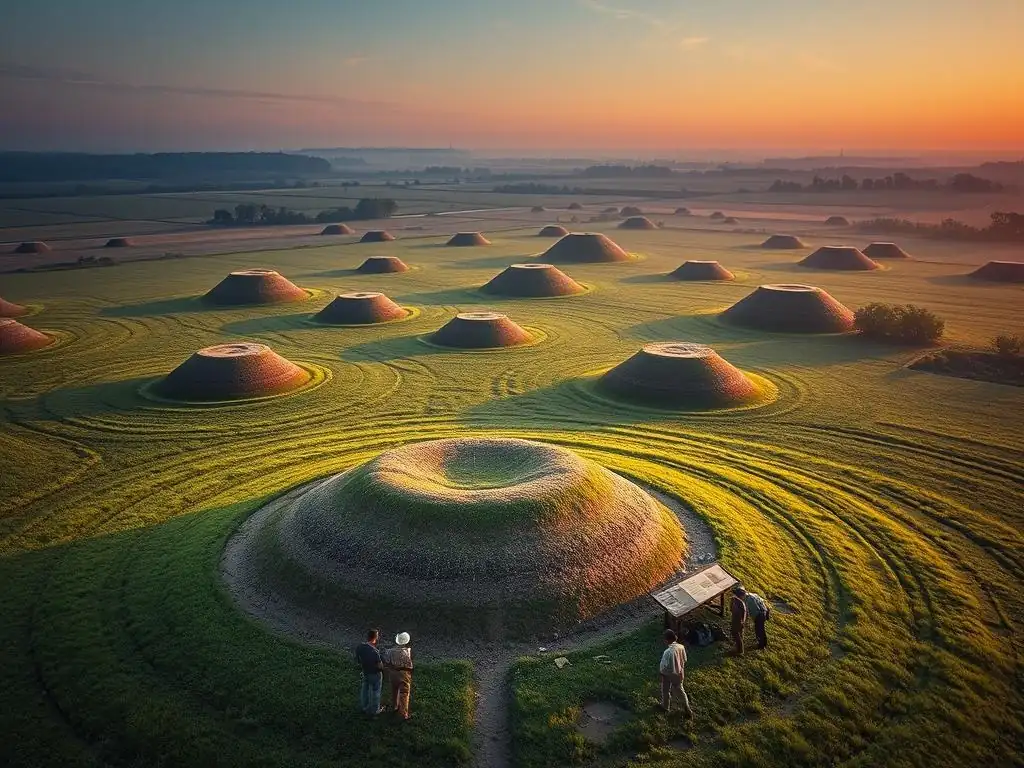
Welcome to Indigenous Civilizations of the Americas, where we invite you to embark on a fascinating journey through the rich tapestry of pre-colonial cultures that flourished across the continent. In our featured article, "The Enigmatic Mounds of Cahokia: Architectural Marvels of the Mississippian Culture," we delve into the awe-inspiring Cahokia mounds, a testament to the ingenuity and sophistication of the Mississippian people. Prepare to uncover the mysteries behind these monumental structures and discover how they continue to shape our understanding of indigenous achievements. Your exploration begins here—let's unlock the secrets of the past together!
- Introduction to Cahokia Mounds and the Mississippian Culture
- The Architectural Features of Cahokia Mounds
- The Cultural and Spiritual Importance of Cahokia Mounds
- The Construction Techniques of Cahokia Mounds
- The Decline of Cahokia and Its Mounds
- Conclusion: The Legacy of Cahokia Mounds in Mississippian Culture
- References and Further Reading on Cahokia Mounds and Mississippian Culture
- Frequently Asked Questions
- Final Reflection: The Enduring Legacy of Cahokia Mounds
- Uncover the Secrets of Cahokia!
Introduction to Cahokia Mounds and the Mississippian Culture
The Cahokia Mounds, a remarkable series of earthen constructions located near present-day Collinsville, Illinois, stand as a testament to the ingenuity and sophistication of the Mississippian culture. Thriving from approximately 600 to 1400 CE, this advanced society was characterized by its significant urban development, complex social structures, and rich cultural practices.
This article delves into the architectural marvels of the Cahokia Mounds, exploring their role as a major urban center and their profound significance within indigenous history. By examining the intricate design and purpose of these mounds, we can better appreciate the legacy of the Mississippian culture and its impact on the indigenous peoples of the Americas.
Overview of Cahokia as a Major Urban Center
Cahokia was one of the largest and most influential urban centers in the pre-Columbian Americas, with an estimated population that may have reached over 20,000 at its peak. The city was strategically located near the confluence of the Mississippi, Missouri, and Illinois rivers, which facilitated trade and communication with other indigenous cultures across the region.
- Urban Layout: The city was meticulously planned, featuring a grid-like layout that included various mounds, plazas, and residential areas. The largest mound, Monks Mound, rises to a height of 100 feet and covers more than 14 acres, signifying its importance as a ceremonial and political center.
- Societal Structure: Cahokia was not only an architectural marvel but also a hub of political and religious activity. The society was organized into various classes, with leaders who likely held significant power and influence over the populace. The presence of specialized craftsmen and traders indicates a thriving economy, which further contributed to the city's growth.
- Cultural Significance: The Mississippian culture, to which Cahokia belonged, left behind a rich tapestry of artistic and cultural expressions. The inhabitants engaged in sophisticated agricultural practices, utilizing the fertile land around the Mississippi River to cultivate crops such as maize, beans, and squash, which supported their large population.
Significance of the Cahokia Mounds in Indigenous History
The Cahokia Mounds are not merely relics of an ancient civilization; they represent a crucial chapter in the history of indigenous peoples in North America. These mounds served various purposes, including:
- Ceremonial Sites: Many of the mounds were used for religious ceremonies and rituals, reflecting the spiritual beliefs of the Mississippian people. The construction of these mounds often involved large communal efforts, highlighting the social cohesion and collaborative spirit of the community.
- Burial Practices: Some mounds served as burial sites, where elite members of society were interred with grave goods that indicated their status and importance. This practice reveals insights into the social hierarchy and cultural values of the Mississippian culture.
- Cultural Legacy: The Cahokia Mounds stand as a reminder of the advanced urban planning and architectural techniques employed by indigenous peoples long before European contact. They continue to inspire awe and respect for the ingenuity of the Mississippian culture and serve as a focal point for ongoing archaeological research and education.
The Cahokia Mounds are a vital part of the narrative surrounding the Mississippian culture, offering a glimpse into the lives of the people who once inhabited this remarkable urban center. As we explore the intricacies of these architectural marvels, we uncover the profound impact they have had on our understanding of indigenous civilizations in the Americas.
The Architectural Features of Cahokia Mounds
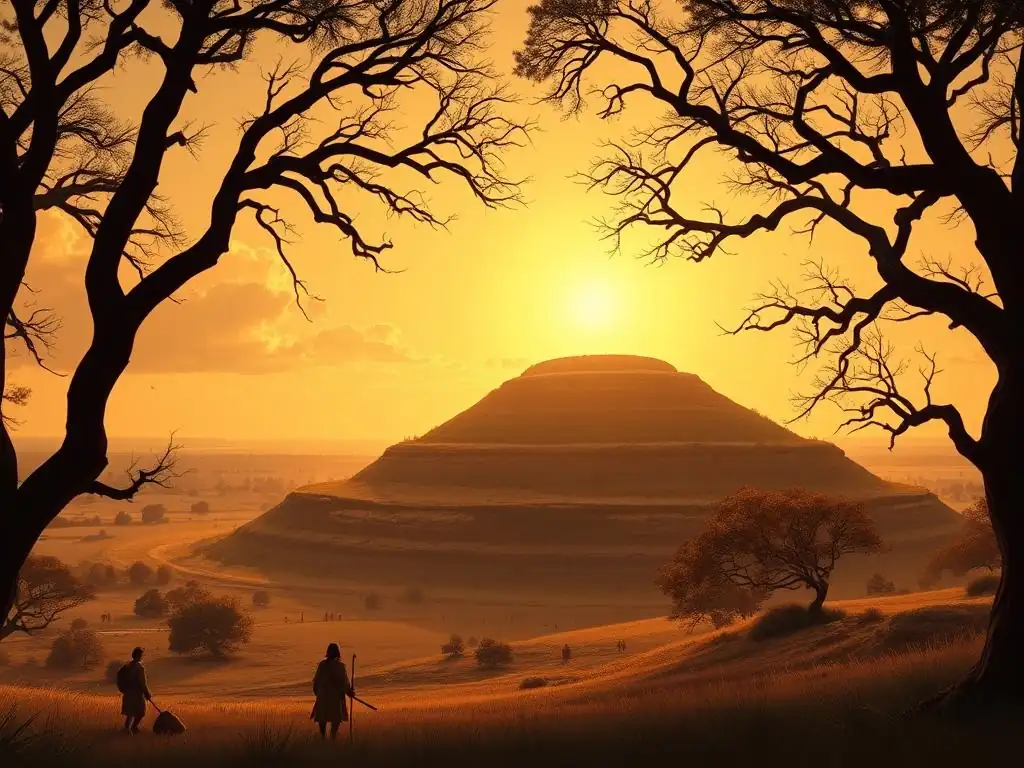
The Cahokia mounds stand as a testament to the ingenuity and complexity of the Mississippian culture, showcasing a remarkable confluence of design, engineering, and social organization. These earthworks, primarily located in present-day Illinois, served not only as burial sites but also as ceremonial centers, reflecting the sophisticated societal structures that characterized the Mississippian people. Understanding the architectural features of these mounds provides insight into the cultural and historical significance of Cahokia within the broader context of indigenous civilizations in the Americas.
Design and Structure of the Mounds
The Cahokia mounds exhibit a variety of forms and functions, with the most prominent being Monk's Mound, which stands at approximately 100 feet tall and covers an area of around 14 acres. The design of the mounds demonstrates a carefully planned layout, indicative of a highly organized society.
-
Types of Mounds:
- Platform Mounds: These served as bases for important structures, such as temples or elite residences. Their flat tops often featured wooden structures that symbolized power and authority.
- Burial Mounds: Used for interring the dead, these mounds reflect the cultural practices surrounding death and the afterlife.
- Ritual Mounds: These were likely used for ceremonial purposes and may have played a role in religious activities.
-
Spatial Organization:
The layout of Cahokia was meticulously planned, with mounds arranged in relation to one another and aligned with celestial events. This spatial arrangement suggests that the Mississippian culture placed significant emphasis on cosmology and its integration into urban planning.
Materials Used in the Construction of Cahokia Mounds
The construction of the Cahokia mounds involved the use of locally available materials, showcasing the resourcefulness of the Mississippian builders. The primary material used was earth, which was gathered from surrounding areas and shaped into mounds through a labor-intensive process.
-
Soil Composition:
The mounds were primarily built from a mixture of loamy soil and clay, which provided stability and durability. This choice of materials was essential for the longevity of the structures.
-
Construction Techniques:
- Manual Labor: Thousands of workers participated in the construction, utilizing simple tools to move earth and shape the mounds.
- Layering: The mounds were often constructed in layers, allowing for gradual elevation and stability as the structure grew in size.
Innovations in Engineering by the Mississippian Culture
The engineering techniques employed in the construction of the Cahokia mounds represent significant advancements for the era. The Mississippian culture demonstrated a high level of understanding in several areas of engineering and architecture.
-
Surveying Techniques:
The ability to survey land accurately was crucial for the planning and alignment of the mounds. Evidence suggests that the builders employed tools such as sighting rods and plumb bobs to achieve precision in their work.
-
Water Management Systems:
Cahokia featured an intricate network of waterways and drainage systems that facilitated agriculture and prevented flooding. This innovation not only supported the mounds but also enhanced agricultural productivity.
-
Structural Integrity:
The Mississippian engineers understood the principles of load distribution, ensuring that the mounds could withstand the test of time. The use of compacted earth and strategic layering allowed the mounds to maintain their form over centuries.
The architectural features of the Cahokia mounds reflect the sophisticated design, materials, and engineering innovations of the Mississippian culture. As a central hub of indigenous civilization, Cahokia remains a significant site for understanding the achievements of the peoples who inhabited the Americas long before European contact.
The Cultural and Spiritual Importance of Cahokia Mounds
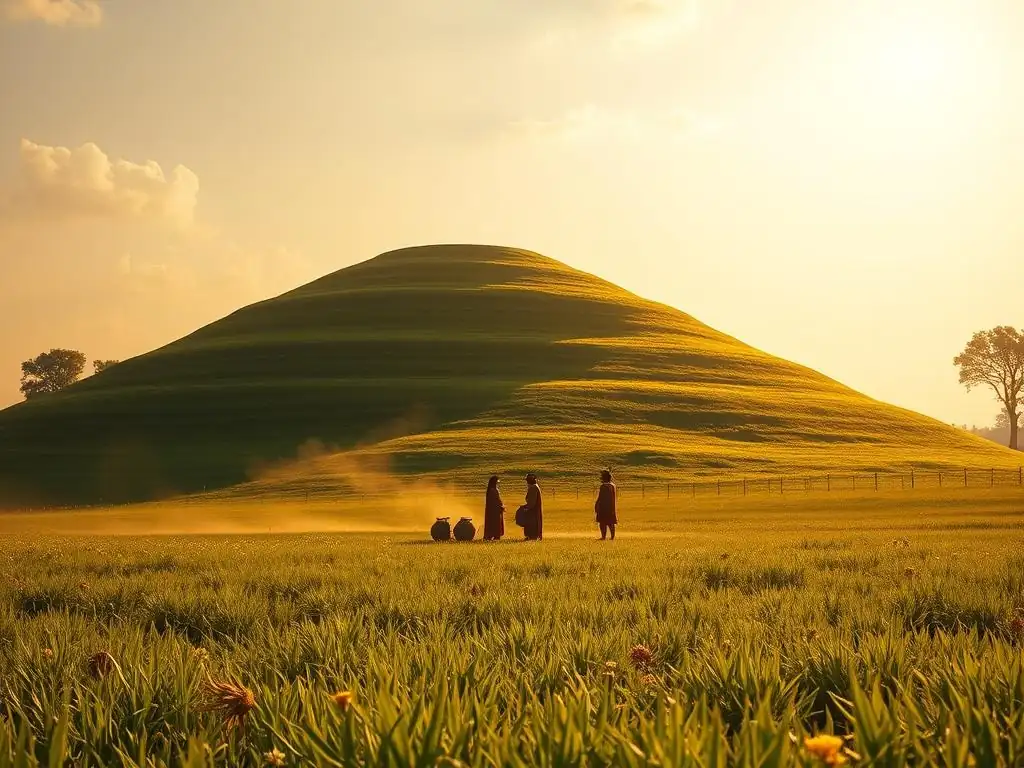
The Cahokia mounds, a monumental testament to the Mississippian culture, served not only as architectural feats but also held profound cultural and spiritual significance for the communities that built and used them. These earthworks were deeply intertwined with the social, religious, and political life of the Mississippian peoples, shaping their worldview and societal structures.
Ritual and Religious Practices Associated with the Mounds
The Cahokia mounds were central to the ritualistic and religious practices of the Mississippian culture. Specific mounds, such as Monk's Mound, the largest earthen structure in the Americas, were believed to serve as ceremonial centers. These sites were often used for various rituals, including:
- Burial Practices: Many mounds served as burial sites for elite members of society, indicating a belief in the afterlife and the importance of ancestors. The construction of burial mounds was often accompanied by elaborate grave goods, including pottery, tools, and ornaments, signifying the deceased's status.
- Ceremonial Gatherings: The mounds functioned as venues for communal gatherings, where important events such as harvest festivals, rituals, and social ceremonies took place. These gatherings reinforced social bonds and community identity.
- Astronomical Alignments: Some researchers suggest that the mounds were constructed with astronomical alignments in mind, serving as observatories for celestial events. This connection to the cosmos is indicative of the Mississippian people's understanding of time and the seasons, which was crucial for agricultural practices.
The Role of Mounds in Mississippian Society and Governance
Cahokia mounds played a pivotal role in the governance and social hierarchy of Mississippian society. The layout and prominence of the mounds were reflective of the community's structure and power dynamics:
- Political Centers: Certain mounds were designated as the seats of political power, where leaders would hold court and make decisions affecting the community. The larger mounds, such as Monk's Mound, symbolized the authority of the ruling class and served as a backdrop for political activities.
- Social Stratification: The construction and maintenance of the mounds required significant labor and resources, highlighting the social stratification within Mississippian society. Elite individuals often lived near or atop the mounds, signifying their status and separation from the common populace.
- Economic Activities: The mounds facilitated trade and economic exchanges. Their strategic locations often made them focal points for trade routes, where goods from various regions were exchanged, thereby enhancing the economic prosperity of Cahokia.
Symbolism of the Cahokia Mounds in Indigenous Cosmology
The mounds of Cahokia were not merely physical structures; they encapsulated deep-seated cosmological beliefs of the Mississippian people. The symbolism associated with these mounds can be understood through the following aspects:
- Connection to the Earth and Sky: The construction of mounds was often seen as a way to bridge the earthly realm with the spiritual world. They represented the connection between the physical and metaphysical, serving as a conduit for communication with ancestors and deities.
- Nature and Fertility: The shapes and arrangements of the mounds were imbued with meanings related to fertility, agriculture, and natural cycles. The circular and conical forms were symbolic of the earth, water, and the cycles of life, reflecting the Mississippian people's respect for nature and their reliance on it for sustenance.
- Cultural Identity: The mounds served as powerful symbols of cultural identity for the Mississippian peoples. They were markers of land and community, fostering a sense of belonging and continuity amidst changing circumstances.
The Cahokia mounds embody a rich tapestry of cultural, spiritual, and societal significance within Mississippian culture. They stand as a testament to the ingenuity and complexity of Indigenous civilizations in the Americas, highlighting their achievements long before European contact.
The Construction Techniques of Cahokia Mounds

The Cahokia mounds, a testament to the ingenuity of the Mississippian culture, were constructed using advanced techniques that reflected the community's social structure and their understanding of engineering. These monumental earthworks, primarily located near present-day Collinsville, Illinois, represent some of the most impressive architectural achievements of pre-Columbian North America.
Labor and Community Involvement in Mound Building
The construction of the Cahokia mounds was a monumental task that required significant labor and community organization. It is estimated that thousands of workers were involved in the building process, which often took place over several years. This collective effort exemplified the strong sense of community among the Mississippian people.
- Workforce Composition: The labor force was likely composed of diverse groups, including skilled laborers, families, and community volunteers. Evidence suggests that the workforce was organized into teams, with specific roles assigned based on expertise and physical ability.
- Social Structure: The organization of labor for mound construction indicates a well-defined social hierarchy. Leaders, possibly from the elite class, coordinated the efforts, while spiritual leaders might have played a role in motivating the community.
- Religious Significance: Mound building was not merely a physical endeavor; it was deeply embedded in the cultural and spiritual beliefs of the Mississippian society. Many mounds served as burial sites or platforms for ceremonial activities, reinforcing the idea that these constructions were sacred undertakings.
Tools and Methods Used by the Mississippian People
The Mississippians employed a variety of tools and methods that were adapted to their environment and the specific requirements of mound construction.
- Basic Tools: The primary tools included wooden digging sticks, shovels made from animal bones, and baskets for transporting soil. These tools were crafted from readily available materials, showcasing the resourcefulness of the Mississippian people.
- Construction Techniques: The process usually began with careful planning and design. Workers would delineate the mound's shape and size using markers. They then excavated soil from surrounding areas, often using the earth to create the mound itself.
- Layering Method: The construction involved a layering technique, where soil was added in successive layers. This method not only ensured stability but also allowed for the creation of complex shapes and sizes. Each layer was compacted, often using wooden tampers, to enhance the mound’s durability.
- Transportation of Materials: The transportation of soil and other materials was facilitated by a network of pathways and waterways. This logistical planning was crucial for moving large quantities of earth efficiently.
Comparison of Cahokia Mounds to Other Indigenous Structures
The Cahokia mounds stand out not only for their scale but also for their design and purpose when compared to other indigenous structures across the Americas.
| Feature | Cahokia Mounds | Other Indigenous Structures |
|---|---|---|
| Scale | Largest mound complex in North America with over 100 mounds | Varies significantly; smaller structures in many regions |
| Purpose | Ceremonial, residential, and burial sites | Primarily utilitarian or ceremonial, depending on culture |
| Construction Material | Primarily earth and clay | Varies; stone, adobe, wood, earth |
| Cultural Significance | Central to Mississippian society; linked to governance and religion | Variable; often regionally specific with different cultural meanings |
| Architectural Complexity | Highly structured with geometric shapes | Varies widely; some cultures built intricate stone structures |
The Cahokia mounds reflect a unique blend of engineering prowess and spiritual significance that distinguishes them from other indigenous architectural achievements. Their construction techniques, community involvement, and design set a benchmark for understanding the complexity of Mississippian culture and its lasting legacy in the Americas.
The Decline of Cahokia and Its Mounds

Factors Contributing to the Decline of the Cahokia Civilization
The decline of the Cahokia civilization, which thrived between 600 and 1400 CE, is a multifaceted phenomenon influenced by various factors. One of the primary contributors was environmental change. Archaeological evidence suggests that between 1250 and 1400 CE, the region experienced significant climatic shifts, including periods of drought that affected agricultural productivity. The reliance on maize agriculture meant that any decline in crop yield could lead to food shortages, prompting social unrest.
Additionally, sociopolitical factors played a crucial role in the civilization's decline. As the population grew, so did the complexity of governance and social stratification. Conflicts over resources, particularly fertile land and water, likely led to increased competition among the different clans and groups within Cahokia. This internal strife may have weakened the centralized authority that had helped maintain order and stability.
Economic factors also contributed to the decline. The Cahokia economy was heavily reliant on trade networks, which connected them with various regions in North America. Disruptions in these trade routes—due to conflict, resource depletion, or changes in demand—could have led to economic stagnation. As resources became scarce and social tensions rose, many inhabitants may have chosen to abandon the mounds and their complex society.
Preservation Challenges of Cahokia Mounds Today
The Cahokia mounds, recognized as a UNESCO World Heritage Site, face numerous preservation challenges in contemporary times. One major issue is urban encroachment. The mounds are located near the city of Collinsville, Illinois, and urban development poses a significant threat. Construction, road expansion, and other forms of urbanization can lead to soil erosion, structural weakening, and even destruction of these ancient structures.
Additionally, climate change increasingly impacts the preservation of the mounds. Changes in weather patterns can result in intensified rainfall, causing erosion and degradation of the earthworks. The mounds, primarily made of soil, require consistent maintenance and monitoring to mitigate the effects of such environmental changes.
Another challenge is funding and resource allocation for preservation efforts. While there are several organizations dedicated to the protection of the Cahokia mounds, limited financial resources can hinder comprehensive conservation initiatives. Without adequate funding, ongoing research, and protective measures, the mounds may face irreversible damage.
Current Efforts to Protect and Study the Mounds
In response to these challenges, various current efforts are underway to protect and study the Cahokia mounds. The Cahokia Mounds State Historic Site, managed by the Illinois Historic Preservation Agency, plays a crucial role in preservation and education. This site not only protects the mounds but also offers public programs, educational resources, and opportunities for community involvement.
Research initiatives conducted by universities and archaeological organizations are vital for understanding the history of Cahokia and informing preservation strategies. These studies often involve ground-penetrating radar and geophysical surveys, which allow researchers to explore the mounds without causing damage and to uncover hidden structures.
Moreover, community outreach programs are essential in raising awareness about the significance of the Cahokia mounds. Engaging local communities fosters a sense of stewardship, encouraging residents to participate in preservation activities and learn about the rich history of their area.
While the Cahokia mounds face significant challenges, dedicated efforts are being made to protect these architectural marvels of the Mississippian culture. Through research, community involvement, and active preservation strategies, there is hope for the mounds’ continued existence and recognition as a vital part of indigenous history in the Americas.
Conclusion: The Legacy of Cahokia Mounds in Mississippian Culture
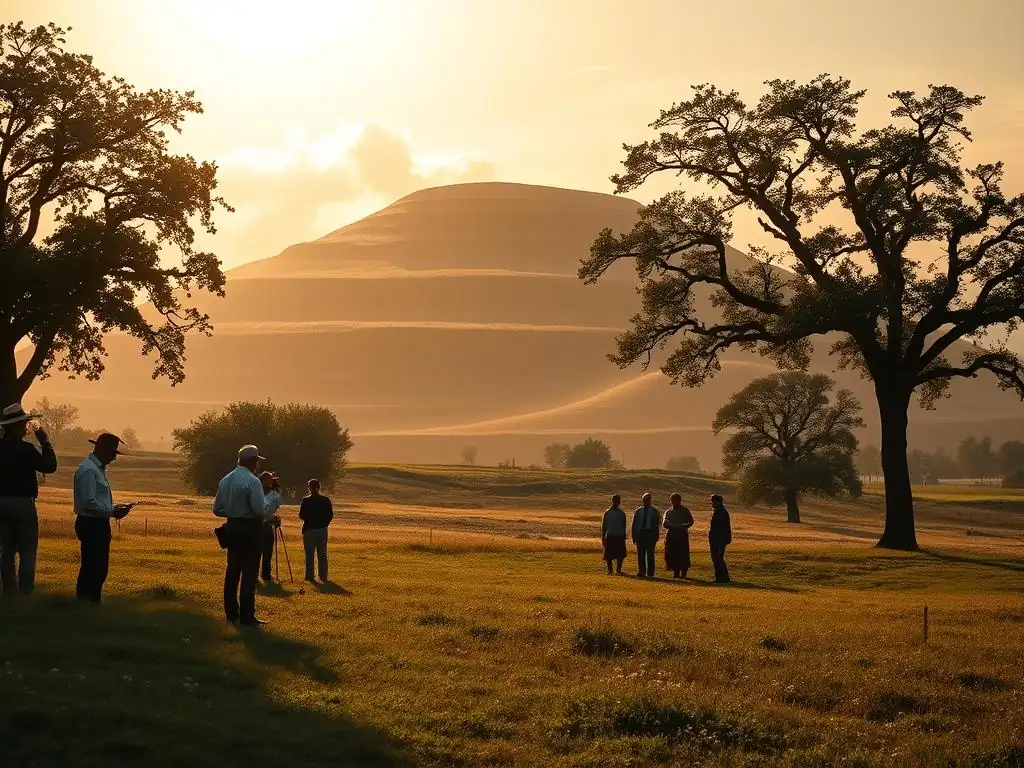
The Cahokia mounds stand as a testament to the ingenuity and sophistication of the Mississippian culture, reflecting a profound legacy that continues to inform our understanding of indigenous architecture and urbanism. These monumental earthworks, primarily constructed between 600 and 1400 CE, served not only as burial sites but also as platforms for ceremonial buildings and civic spaces. The largest of these mounds, Monks Mound, reaches an impressive height of 100 feet, showcasing the advanced engineering skills and social organization of the Cahokian people.
The architectural techniques employed in the construction of the Cahokia mounds were highly developed. The use of specific soil types, combined with techniques to compact and shape the earth, demonstrates an understanding of both material properties and environmental conditions. This knowledge allowed the Mississippian culture to create large-scale structures that have endured for centuries, influencing later indigenous architectural styles across the Americas.
Lasting Impact on Indigenous Architecture and Urbanism
The influence of the Cahokia mounds extends beyond their physical presence; they represent a critical chapter in the evolution of urbanism among indigenous peoples. The layout of Cahokia itself—characterized by a complex network of mounds, plazas, and pathways—highlights the integration of natural and built environments, a principle that resonates in many contemporary urban planning practices.
- Urban Planning: The site was meticulously organized, suggesting a level of planning that included residential areas, ceremonial spaces, and agricultural fields. This indicates a sophisticated understanding of urban dynamics, which prioritized community engagement and accessibility.
- Cultural Significance: The mounds served as focal points for social and cultural activities, reinforcing the idea that architecture can shape societal interactions. The ceremonial importance of these structures highlights the role of architecture in cultural identity and community cohesion.
- Sustainable Practices: The Mississippians’ relationship with their environment is evident in their agricultural practices and land use. The management of resources and integration of agriculture into urban life reflect sustainable practices that are still relevant in discussions of modern urban development.
Reflection on the Importance of Cahokia Mounds in Understanding Pre-Columbian Societies
The Cahokia mounds are invaluable in deciphering the complexities of pre-Columbian societies in North America. They challenge the notion of indigenous cultures as rudimentary or primitive, instead illustrating a vibrant civilization with intricate social hierarchies, economic systems, and cultural practices.
- Archaeological Significance: Ongoing archaeological research at Cahokia continues to unearth artifacts and evidence of daily life, trade, and spirituality, enriching our understanding of the Mississippian culture. Each discovery adds depth to the narrative of human achievement prior to European contact.
- Cultural Continuity: The legacy of the Cahokia mounds also resonates in contemporary indigenous communities, many of whom draw upon their ancestral heritage in cultural revitalization efforts. Understanding these mounds fosters a deeper appreciation for the resilience and contributions of indigenous peoples throughout history.
- Educational Resource: As a focal point for educational initiatives, the Cahokia mounds serve as a powerful reminder of the importance of preserving indigenous histories and narratives. They encourage a reevaluation of historical perspectives, promoting a more inclusive understanding of the Americas' past.
The Cahokia mounds are not merely relics of a bygone era; they are integral to the legacy of the Mississippian culture, influencing both historical scholarship and contemporary indigenous identity. Their architectural brilliance and cultural significance underscore the importance of recognizing and valuing the rich tapestry of indigenous civilizations that thrived long before European colonization.
References and Further Reading on Cahokia Mounds and Mississippian Culture
Suggested Books and Articles on Indigenous Architecture
The architectural innovations of the Cahokia mounds reflect the sophisticated societal structures and spiritual beliefs of the Mississippian culture. For those looking to delve deeper into this fascinating topic, the following books and articles are highly recommended:
-
"Cahokia: Ancient America's Great City on the Mississippi" by Timothy R. Pauketat
This comprehensive exploration of Cahokia delves into its rise, peak, and eventual decline, highlighting the architectural feats and urban planning that characterized this monumental site. Pauketat emphasizes the significance of the mounds in relation to the social and political dynamics of the Mississippian culture.
-
"The Mississippian World" by J. A. Holt
Holt provides an in-depth analysis of the entire Mississippian culture, including a thorough examination of the architectural styles and urbanism that defined the era. This book offers insights into the social structures and daily life of the people who constructed the Cahokia mounds.
-
"Mound Sites of the Mississippi River Valley" by David H. Dye
This article discusses various mound sites across the Mississippi River Valley, including Cahokia, comparing their architectural styles and purposes. It serves as a critical resource for understanding the broader context of mound-building traditions.
-
"The Architecture of Ancient Cahokia" by William I. Woods
In this detailed study, Woods analyzes the construction techniques, materials, and purposes behind the Cahokia mounds, providing a technical perspective on the architectural practices of the Mississippian culture.
Resources for Learning More About Cahokia and Its Heritage
Understanding the cultural and historical significance of the Cahokia mounds requires access to diverse resources. Here are some valuable tools and platforms for further exploration:
-
Cahokia Mounds State Historic Site
This site serves as a museum and educational center, offering guided tours, interpretive programs, and a wealth of information about the mounds and their historical context. Visitors can explore the site and learn from knowledgeable staff about the Mississippian culture.
-
National Park Service – Cahokia Mounds
The National Park Service provides extensive resources on the Cahokia Mounds, including historical documentation, educational materials, and conservation efforts. Their website features a variety of documents that detail the mounds' significance and ongoing research.
-
Online Courses and Lectures
Platforms like Coursera and edX occasionally offer courses on Native American history and architecture, featuring sections specifically on Cahokia. These courses can provide structured learning about the Mississippian culture and its architectural marvels.
-
Academic Journals
Journals such as American Antiquity and Historical Archaeology frequently publish articles on indigenous cultures and architectural studies. Searching these resources can yield valuable research findings and case studies related to the Cahokia mounds.
-
Documentaries and Educational Videos
Various documentaries explore the history and significance of Cahokia. Platforms like YouTube and PBS offer visual content that can enhance understanding through imagery and expert commentary.
By utilizing these resources, individuals can gain a deeper appreciation of the Cahokia mounds and the enduring legacy of the Mississippian culture.
Frequently Asked Questions
What are the Cahokia Mounds?
The Cahokia Mounds are a series of monumental earthen structures located near East St. Louis, Illinois, representing the largest pre-Columbian settlement in North America, associated with the Mississippian culture.
How did the Mississippian culture influence indigenous societies?
The Mississippian culture significantly impacted indigenous societies through their advancements in agriculture, trade, and social organization, leading to the establishment of complex chiefdoms.
What are some key features of the Cahokia Mounds?
Key features of the Cahokia Mounds include large platform mounds, a central plaza, and sophisticated urban planning, showcasing the architectural and engineering skills of the Mississippian culture.
What is the significance of the Cahokia site today?
Today, the Cahokia site is recognized as a UNESCO World Heritage Site, highlighting its cultural and historical importance in understanding pre-Columbian North America.
How did the Cahokia Mounds reflect the beliefs of the Mississippian people?
The Cahokia Mounds served not only as burial sites but also as ceremonial centers, reflecting the spiritual and societal beliefs of the Mississippian people regarding the afterlife and community identity.
Final Reflection: The Enduring Legacy of Cahokia Mounds
The Cahokia mounds stand as a testament to the ingenuity and complexity of the Mississippian culture, reminding us that history is not merely a collection of dates and events, but a rich tapestry of human achievement and resilience. Today, as we navigate a world increasingly defined by urbanization and technological advancement, the lessons embedded in the construction and purpose of these mounds resonate more than ever. They challenge us to consider the significance of community, sustainability, and the relationship between people and their environment.
The mounds of Cahokia continue to influence our understanding of pre-Columbian societies, shaping how we view cultural development and social organization. Their architectural sophistication and the societal structures they supported invite us to reflect on the complexities of human civilization. As historian Timothy Pauketat aptly noted, "> Cahokia was not just a place; it was a way of life that shaped the landscape and the people who inhabited it." This perspective encourages us to appreciate the depth of cultural narratives that have often been overlooked or simplified in mainstream history.
As we contemplate the lessons of the Cahokia mounds, I invite you to reflect on your own connection to history and community. Consider how the values of collaboration, innovation, and respect for the land can inform your actions today. Let the story of the Mississippian culture inspire you to engage with your own community, fostering connections that honor the past while building a sustainable future. The legacy of Cahokia is not just a relic of history; it is a call to action for all of us to create meaningful spaces and relationships in our lives.
Uncover the Secrets of Cahokia!
Thank you for exploring the architectural wonders of Cahokia with us! By diving into the marvels of Mississippian culture, you’ve unlocked a deeper understanding of the rich heritage and ingenuity of Indigenous civilizations. Now, let's take your interest a step further!
- Visit a local museum or cultural site to see artifacts and learn more about Mississippian culture firsthand.
- Share your insights about Cahokia with friends and family to inspire them to appreciate the history of Indigenous peoples.
- Join a community forum or book club to discuss Indigenous cultures and continue your journey of discovery.
What surprising fact about Cahokia or its builders amazed you the most? How will you share that knowledge with others?