
Reviving Traditional Governance: Contemporary Movements Among North American Indigenous Peoples

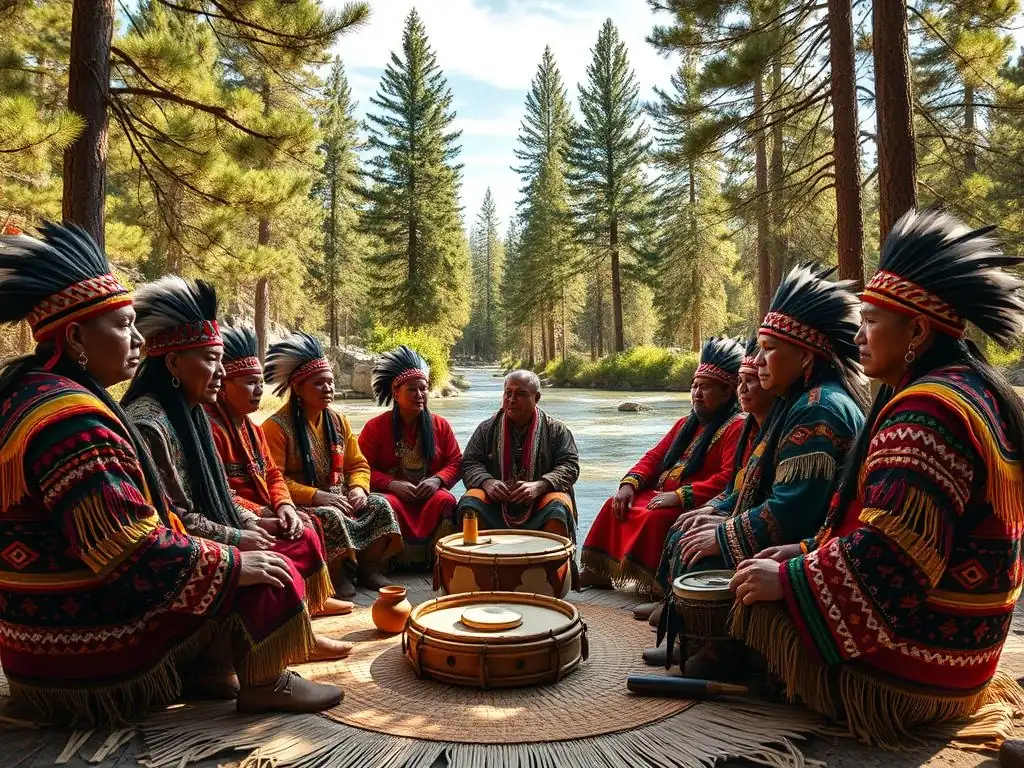
Welcome to Indigenous Civilizations of the Americas, where the rich tapestry of pre-colonial cultures unfolds before you. Here, we delve into the remarkable achievements and vibrant societies of the indigenous peoples who once thrived across this vast land. Our featured article, "Reviving Traditional Governance: Contemporary Movements Among North American Indigenous Peoples," invites you to explore the dynamic landscape of contemporary Indigenous governance movements. Discover how these movements are not only reviving age-old traditions but also reshaping identities and communities today. Join us on this enlightening journey and uncover the profound legacy that continues to influence the Americas.
- Introduction to Contemporary Indigenous Governance Movements
- Historical Context of Indigenous Governance
- Contemporary Indigenous Governance Movements
- Case Studies of Successful Governance Revivals
- Challenges Facing Contemporary Indigenous Governance Movements
- Strategies for Supporting Indigenous Governance Revivals
- The Future of Indigenous Governance in North America
- Conclusion: The Importance of Reviving Traditional Governance
-
Frequently Asked Questions
- What are contemporary Indigenous governance movements?
- How do traditional governance systems differ from modern governance?
- Why is the revival of traditional governance important for Indigenous communities?
- What are some examples of successful contemporary governance movements?
- How can individuals support these governance movements?
- Final Reflection: Embracing the Wisdom of the Past for a Sustainable Future
- Embrace Change: Join the Movement for Indigenous Governance
Introduction to Contemporary Indigenous Governance Movements
The resurgence of traditional governance systems among North American Indigenous peoples represents a profound movement towards reconnecting with cultural heritage and asserting sovereignty. This article delves into the contemporary Indigenous governance movements, exploring how these initiatives are rooted in traditional practices and adapted to today's socio-political landscape.
By examining the achievements and ongoing efforts of various Indigenous nations, we aim to shed light on the significance of these movements in fostering community resilience, cultural revitalization, and self-determination. As Indigenous peoples navigate the complexities of modern governance, their efforts to revive and integrate traditional systems offer valuable lessons for both Indigenous and non-Indigenous societies alike.
Understanding Traditional Governance Among Indigenous Peoples
Traditional governance among Indigenous peoples of North America is characterized by systems that have evolved over centuries, deeply intertwined with cultural beliefs, values, and social structures. These systems often emphasize collective decision-making, respect for the environment, and the importance of community well-being. Key elements include:
- Consensus-based decision making: Many Indigenous communities prioritize consensus over majority rule, ensuring that all voices are heard and respected.
- Elders' council: Elders play a crucial role in governance, offering wisdom and guidance based on cultural teachings and historical context.
- Spiritual connection: Governance is often rooted in spiritual beliefs and practices, recognizing the interdependence of people, land, and the natural world.
These traditional systems not only provided frameworks for governance but also reinforced identity, community cohesion, and intergenerational knowledge transfer. However, the impact of colonization led to the disruption and marginalization of these systems, making the revival of traditional governance even more significant in contemporary contexts.
Importance of Reviving Indigenous Political Systems Today
Reviving traditional Indigenous governance systems is critical for several reasons:
- Cultural Preservation: By reestablishing traditional governance, Indigenous communities can preserve their languages, customs, and historical narratives, fostering a stronger cultural identity among younger generations.
- Sovereignty and Self-Determination: These movements empower Indigenous peoples to reclaim their rights and exercise self-determination in political, social, and economic realms, countering colonial legacies.
- Social Cohesion: Traditional governance systems often promote community involvement and cohesion, enhancing social bonds and collective responsibility.
- Environmental Stewardship: Indigenous governance frequently incorporates sustainable practices and a deep respect for the land, contributing to environmental conservation efforts that are crucial in the face of climate change.
- Political Relevance: As contemporary issues such as land rights, resource management, and social justice gain prominence, traditional governance frameworks can provide effective solutions rooted in Indigenous knowledge and practices.
The revival of Indigenous political systems is not only a matter of restoring historical practices but also a pathway to a more equitable and just society. By understanding and supporting these contemporary Indigenous governance movements, we honor the resilience and wisdom of Indigenous peoples while working towards a more inclusive future.
Historical Context of Indigenous Governance
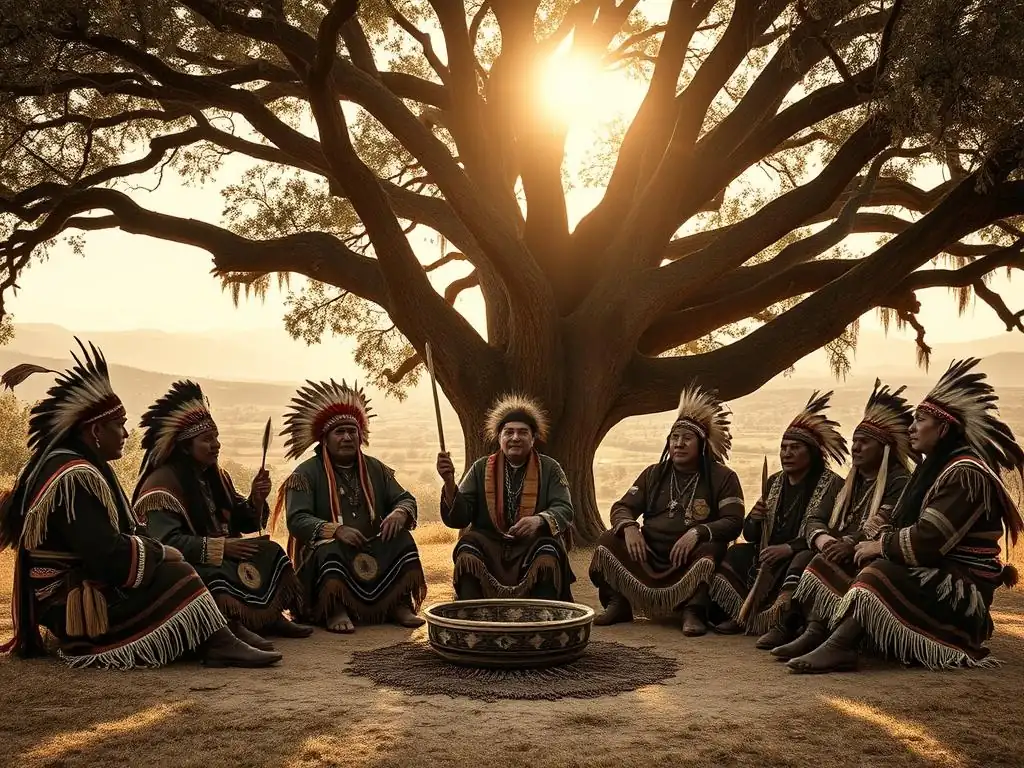
Understanding the contemporary indigenous governance movements requires a deep dive into the historical context that shaped these systems. Indigenous governance in North America has evolved over millennia, rooted in diverse cultural practices and social structures. These systems were not monolithic; rather, they varied widely among different tribes and nations, reflecting unique traditions, values, and environmental adaptations.
Traditional Governance Structures in North America
Traditional governance structures among North American Indigenous peoples were often complex and multifaceted, embodying communal decision-making and consensus-building practices. Here are some key elements of these traditional systems:
- Council Systems: Many tribes operated through councils composed of elders, leaders, and representatives from various clans or families. Decisions were typically made collectively, emphasizing the importance of community input and consensus.
- Matriarchal and Patriarchal Systems: Governance varied significantly based on gender roles. In some tribes, such as the Haudenosaunee (Iroquois), women held significant political power, particularly in selecting chiefs and influencing decisions. In contrast, other cultures had more patriarchal structures.
- Spiritual Leadership: Governance was often intertwined with spiritual beliefs. Leaders were expected to be guided by spiritual principles, and their authority was sometimes derived from their ability to connect with the spiritual realm.
- Territorial Management: Indigenous governance included systems for managing land and resources sustainably. This involved intricate knowledge of local ecosystems and practices that ensured the health of the environment for future generations.
- Ceremonial Governance: Many tribes held ceremonies that reinforced their governance structures, integrating cultural practices into political life. These ceremonies served to legitimize decisions and foster community cohesion.
Impact of European Colonization on Indigenous Systems
The arrival of European settlers had profound and often devastating effects on Indigenous governance systems across North America. The imposition of foreign governance structures disrupted traditional practices and led to significant changes in Indigenous societies. Key impacts include:
- Displacement and Land Loss: Colonization resulted in the forced displacement of numerous Indigenous communities, leading to the loss of ancestral lands. This loss not only disrupted traditional governance structures but also diminished the tribes’ ability to manage resources sustainably.
- Legal Suppression of Traditional Governance: European powers often deemed Indigenous governance systems as inferior, imposing their own legal frameworks that undermined traditional authority. Treaties were frequently ignored or violated, further eroding Indigenous political power.
- Cultural Assimilation Policies: The establishment of residential schools and assimilation policies aimed to eradicate Indigenous cultures and languages. This cultural genocide severely impacted the transmission of traditional governance knowledge and practices to future generations.
- Adaptation and Resilience: Despite these challenges, many Indigenous communities demonstrated remarkable resilience. Some adapted their governance structures to incorporate elements of Western law while striving to maintain their cultural identity. This adaptability laid the groundwork for contemporary movements advocating for the revival of traditional governance systems.
The historical context of Indigenous governance in North America is vital to understanding the contemporary Indigenous governance movements. By recognizing the complexities and richness of traditional systems, one can better appreciate the resilience and ongoing efforts of Indigenous peoples to reclaim and revitalize their political structures in the face of historical injustices.
Contemporary Indigenous Governance Movements
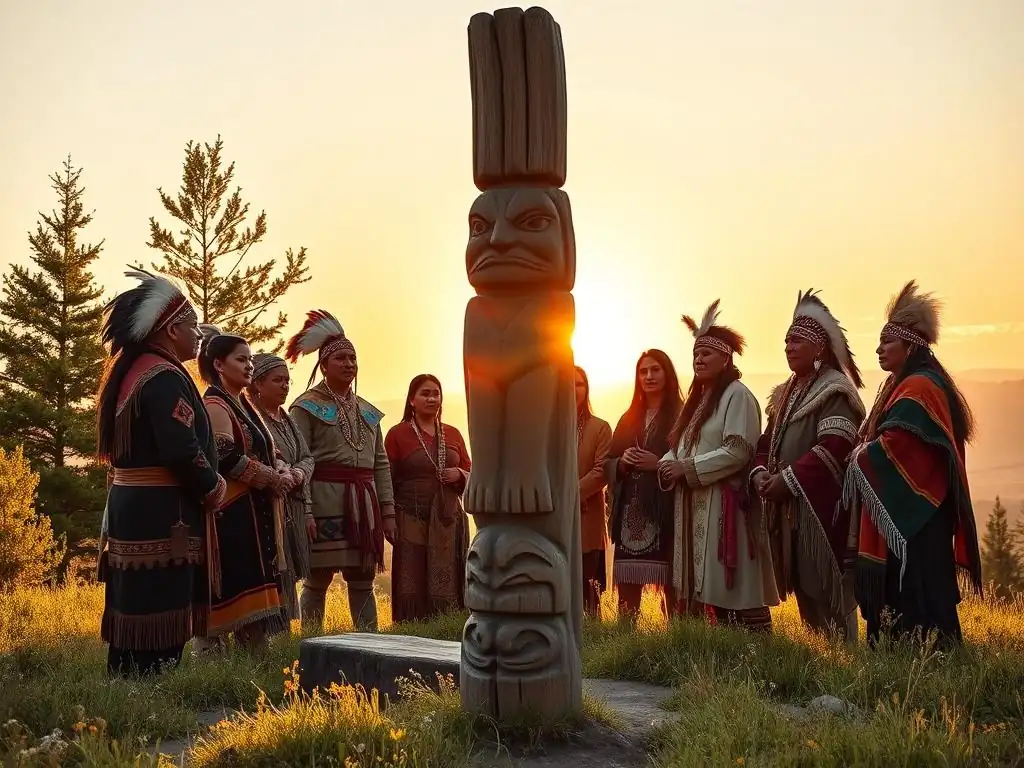
Definition and Scope of Contemporary Indigenous Governance Movements
Contemporary Indigenous governance movements represent a resurgence of traditional political systems and practices among North American Indigenous peoples, emphasizing self-determination, sovereignty, and cultural revitalization. These movements are rooted in a historical context where Indigenous nations have faced systemic marginalization and erosion of their traditional governance structures due to colonization and assimilation policies.
In this context, contemporary Indigenous governance movements can be defined as efforts by Indigenous communities to reclaim their inherent rights and responsibilities in governing themselves according to their cultural values, beliefs, and practices. These movements often seek to integrate traditional governance principles with modern political frameworks, creating hybrid systems that respect Indigenous laws while engaging with national and local governments.
The scope of these movements is broad, encompassing various aspects of governance including:
- Political Autonomy: Striving for self-governance and control over decision-making processes.
- Cultural Preservation: Fostering practices that honor Indigenous languages, traditions, and governance models.
- Legal Recognition: Seeking acknowledgment of treaties, rights, and sovereignty at local, national, and international levels.
- Environmental Stewardship: Advocating for land and resource management practices that align with Indigenous ecological knowledge.
These movements are often characterized by grassroots activism, community engagement, and collaboration with other Indigenous nations, as well as supportive non-Indigenous allies.
Key Objectives of These Movements
The key objectives of contemporary Indigenous governance movements are multifaceted and aim to address both historical injustices and current challenges faced by Indigenous communities. Some of the primary goals include:
- Restoration of Traditional Governance: Many Indigenous groups are working to revive traditional governance structures that existed prior to European colonization. This includes implementing council systems based on consensus decision-making and community participation.
- Enhancing Sovereignty: A focal point is the assertion of sovereignty over land, resources, and governance. Movements strive to challenge colonial laws and frameworks that undermine Indigenous autonomy, advocating for a legal structure that supports self-determination.
- Cultural Revitalization: These movements aim to promote and preserve Indigenous languages, traditions, and ceremonies as essential components of governance. This cultural revival is seen as a foundation for effective governance that reflects the values and customs of the community.
- Social and Economic Development: Addressing socio-economic disparities is crucial. Movements often focus on creating sustainable economic opportunities that respect Indigenous values and practices, fostering self-sufficiency and resilience.
- Environmental Justice: Many Indigenous governance movements prioritize environmental stewardship, advocating for policies that protect ecosystems and natural resources. This includes fighting against environmental degradation caused by industrial activities and promoting sustainable practices rooted in Indigenous ecological knowledge.
- Building Alliances: Collaborative efforts with other Indigenous groups and organizations can amplify their voices. By forming coalitions, these movements strengthen their political influence and capacity to advocate for change.
Contemporary Indigenous governance movements serve as a powerful response to historical injustices, aiming to reestablish Indigenous sovereignty, preserve cultural heritage, and promote social and environmental justice. Through these efforts, Indigenous peoples are actively shaping their futures and redefining governance in a manner that aligns with their unique identities and values.
Case Studies of Successful Governance Revivals
Historical Significance of Their Governance System
The Navajo Nation, one of the largest federally recognized tribes in the United States, has a rich governance history that dates back centuries. Traditionally, the Navajo governance system was rooted in a combination of communal decision-making and a deep connection to the land, guided by principles of harmony, balance, and respect for all living things. The Navajo Nation Council, established in 1923, reflects a blend of ancient customs and contemporary political frameworks, showcasing how traditional governance can adapt to modern needs while maintaining cultural integrity.
Steps Taken to Revive Traditional Practices
In recent years, the Navajo Nation has engaged in several initiatives aimed at reviving traditional governance practices. This includes:
- Community Workshops: These gatherings educate members about traditional governance structures, fostering a deeper understanding of their historical roots.
- Cultural Reclamation Programs: By promoting language and cultural education, the Navajo Nation empowers its youth to embrace and participate in traditional governance.
- Integration of Traditional Leaders: The re-integration of Navajo elders into governance discussions ensures that traditional wisdom informs contemporary decision-making processes.
Example 2: The Haudenosaunee Confederacy and Their Governance Innovations
Modern Adaptations of Traditional Governance
The Haudenosaunee Confederacy, also known as the Iroquois Confederacy, is renowned for its sophisticated political system, which has inspired democratic practices worldwide. Their governance model emphasizes consensus-building and collective decision-making. In contemporary contexts, the Confederacy has adapted these principles through:
- Constitutional Revisions: Modern adaptations of the Great Law of Peace incorporate contemporary legal frameworks while maintaining traditional values.
- Environmental Stewardship Initiatives: The Confederacy has established governance structures that prioritize ecological sustainability, reflecting traditional beliefs in the interconnectedness of life.
Community Engagement and Empowerment
Community engagement is at the heart of Haudenosaunee governance. Efforts to involve community members include:
- Participatory Governance Models: Local councils are empowered to make decisions that directly affect their communities, ensuring that governance is not only top-down but also grassroots.
- Educational Programs: Workshops on the history and significance of the Haudenosaunee governance system encourage active participation and foster a sense of pride among community members.
In both examples, the revival of traditional governance practices among Indigenous peoples is not merely a return to the past but a dynamic process that blends heritage with contemporary realities, demonstrating the resilience and adaptability of Indigenous governance systems.
Challenges Facing Contemporary Indigenous Governance Movements
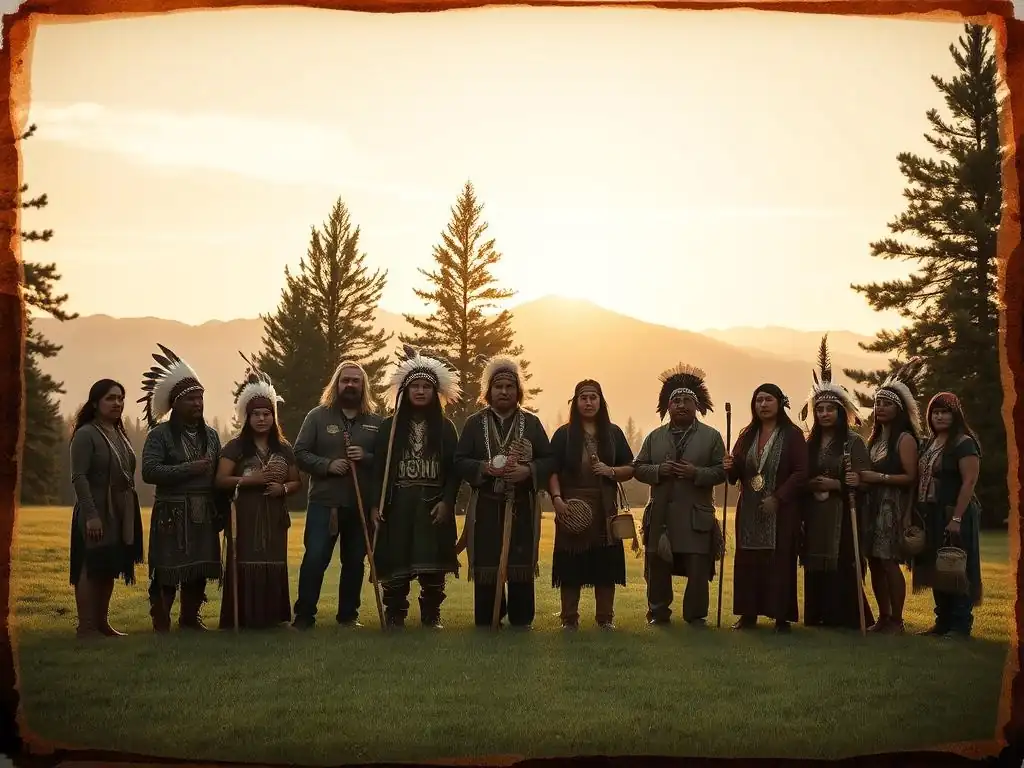
Legal and Political Barriers
Contemporary Indigenous governance movements encounter a myriad of legal and political barriers that hinder their effectiveness and ability to enact meaningful change. These obstacles often stem from historical treaties, federal and state laws, and the ongoing legacy of colonization.
- Treaty Rights and Violations: Many Indigenous nations operate under treaties with the U.S. government that are frequently ignored or violated. These treaties, often written in ambiguous language, leave room for interpretation that can disadvantage Indigenous groups. For instance, the United States v. Sioux Nation of Indians case highlights how treaty rights can be undermined by political maneuvering.
- Federal Recognition: Not all Indigenous groups are federally recognized, which can limit their access to resources and political representation. The process of obtaining federal recognition is bureaucratic and lengthy, often taking decades. This lack of recognition affects the sovereignty of tribes and their ability to govern independently.
- Jurisdictional Conflicts: Complicated jurisdictional issues arise when state laws conflict with tribal laws. For example, law enforcement on reservations can become a point of contention when state and tribal authorities disagree on jurisdiction, leading to gaps in governance and safety.
- Political Representation: The political landscape often marginalizes Indigenous voices. Representation in local, state, and federal governments remains disproportionately low, limiting the influence Indigenous leaders can exert over policies that affect their communities.
Societal Perceptions and Misunderstandings
The societal perceptions of Indigenous peoples significantly shape the effectiveness of governance movements. Misunderstandings and stereotypes can create barriers to collaboration and respect for Indigenous governance systems.
- Stereotypes and Misconceptions: Many non-Indigenous individuals hold stereotypes that paint Indigenous cultures as relics of the past, ignoring their contemporary realities and governance systems. This misperception can lead to a lack of support for Indigenous-led initiatives.
- Cultural Appropriation: There is a fine line between appreciation and appropriation of Indigenous cultures. When non-Indigenous peoples engage with Indigenous practices without understanding their significance, it can undermine the legitimacy of Indigenous governance movements and alienate community members.
- Media Representation: The portrayal of Indigenous peoples in mainstream media often perpetuates outdated narratives that do not reflect contemporary governance efforts. Negative or simplistic representations can diminish public support and understanding of Indigenous political systems.
- Educational Gaps: The lack of comprehensive education on Indigenous histories and governance in schools leads to widespread ignorance about their contributions and current challenges. This gap in knowledge can hinder solidarity and support for contemporary Indigenous governance movements.
Internal Conflicts Within Indigenous Communities
While Indigenous governance movements aim to unify and strengthen communities, they also face internal conflicts that can impede their progress. These conflicts often arise from differing opinions on governance structures, resource allocation, and cultural practices.
- Diverse Perspectives: Indigenous communities are not monolithic; they comprise diverse groups with varying beliefs, traditions, and governance practices. Disagreements on which governance model to adopt or prioritize can lead to divisions within communities.
- Resource Allocation: As Indigenous governance movements gain traction, debates over resource allocation can create friction. Different factions within a community may have opposing views on how resources should be distributed, leading to conflict rather than collaboration.
- Generational Differences: Younger generations may advocate for more modern approaches to governance, while elders may prefer traditional methods. Bridging this generational divide is crucial for creating a cohesive governance strategy that respects both tradition and contemporary needs.
- Leadership Challenges: Conflicts can also arise over leadership roles, especially when there are competing visions for the future of a community. Effective leadership is essential for navigating these conflicts and fostering unity in governance efforts.
The challenges facing contemporary Indigenous governance movements are multifaceted, arising from legal, societal, and internal dynamics. Addressing these challenges is crucial for the success and sustainability of governance efforts among Indigenous communities in North America.
Strategies for Supporting Indigenous Governance Revivals
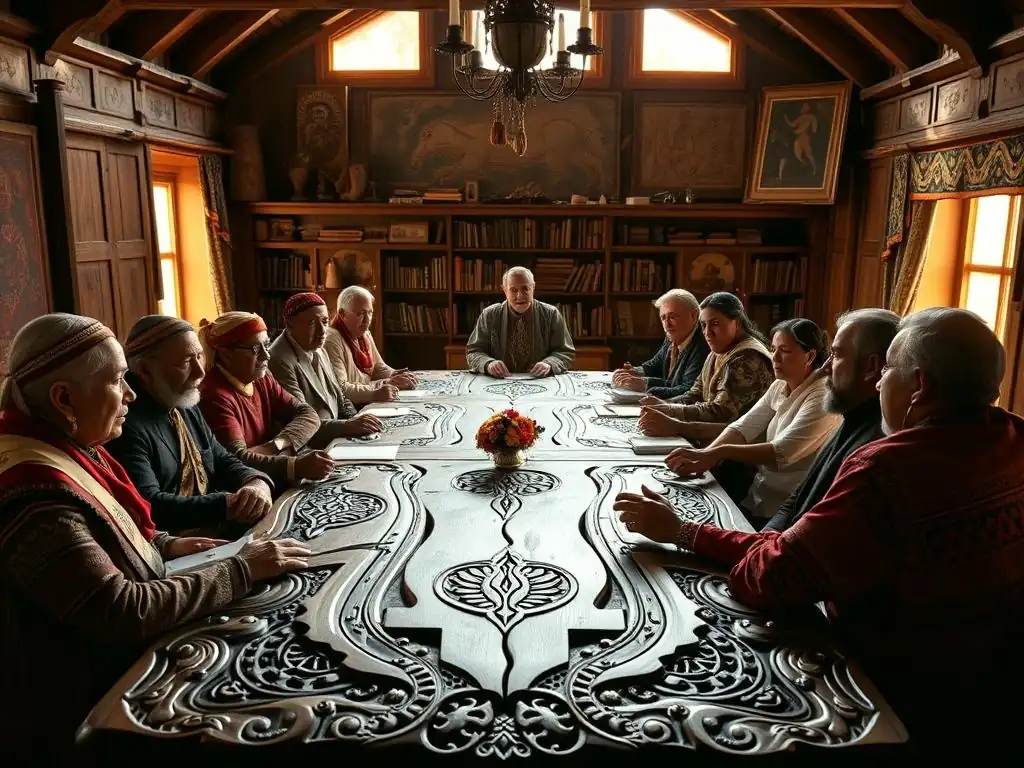
The revival of traditional governance systems among North American Indigenous peoples is a complex process that requires multifaceted strategies. These strategies not only aim to restore Indigenous governance but also empower communities to navigate contemporary challenges while honoring their cultural legacies. Here are three key strategies that can support these revitalization efforts:
Education and Awareness Programs
Education plays a pivotal role in the revival of traditional governance. By fostering an understanding of Indigenous histories, cultures, and governance systems, these programs can help restore pride and identity within communities.
- Curriculum Development: Implementing curricula that highlight Indigenous governance models, histories, and philosophies can help educate both Indigenous and non-Indigenous students. This can include:
- Workshops: Hosting workshops led by Indigenous leaders to share knowledge about traditional governance practices.
- Resource Creation: Developing educational materials that focus on Indigenous political systems, such as pamphlets, videos, and interactive modules.
- Community Engagement: Engaging community members in discussions about traditional governance encourages participation and fosters a sense of ownership. Methods include:
- Community Forums: Organizing forums for dialogue where community members can voice their perspectives on governance.
- Cultural Events: Hosting events that celebrate Indigenous culture and governance, such as powwows and cultural festivals.
The impact of these educational initiatives can be significant, as they not only inform but also inspire action toward governance revivals.
Building Alliances with Other Indigenous Groups
Collaboration among Indigenous groups enhances the strength and reach of governance revival movements. By forming alliances, communities can share resources, strategies, and experiences, leading to more effective governance initiatives.
- Networking Opportunities: Establishing networks among different Indigenous nations can facilitate knowledge sharing. This can involve:
- Inter-Tribal Conferences: Hosting conferences where leaders from various tribes come together to discuss governance issues and strategies.
- Collaborative Projects: Working on joint projects that address common governance challenges, such as land rights or resource management.
- Sharing Best Practices: Indigenous groups can learn from each other's successes and challenges. This can be achieved through:
- Case Studies: Documenting successful governance revivals and sharing these case studies within the network.
- Mentorship Programs: Pairing experienced leaders with emerging leaders to share insights on traditional governance practices.
By building strong alliances, Indigenous groups can present a united front, increasing their visibility and influence in discussions around governance.
Leveraging Legal Frameworks for Governance Recognition
Engaging with legal frameworks is essential in the fight for recognition of Indigenous governance systems. By understanding and utilizing existing laws, Indigenous groups can advocate effectively for their rights and governance structures.
- Recognition of Sovereignty: Many Indigenous groups are working to assert their sovereignty through legal channels. Strategies include:
- Land Claims: Pursuing legal claims to reclaim traditional territories based on historical treaties and agreements.
- Self-Governance Agreements: Negotiating self-governance agreements that recognize traditional governance systems within the context of Canadian and U.S. law.
- Advocacy and Policy Development: Engaging with policymakers can help promote supportive legislation for Indigenous governance. Actions can include:
- Lobbying Efforts: Advocating for laws that recognize and protect Indigenous governance structures.
- Public Awareness Campaigns: Raising awareness about the importance of Indigenous governance through media campaigns and public speaking engagements.
These legal strategies are crucial for the recognition and implementation of Indigenous governance systems, providing a framework for communities to operate within.
By employing these strategies—focusing on education, building alliances, and leveraging legal frameworks—North American Indigenous peoples can effectively revive and strengthen their traditional governance practices, ensuring their cultural legacies endure and thrive in contemporary society.
The Future of Indigenous Governance in North America
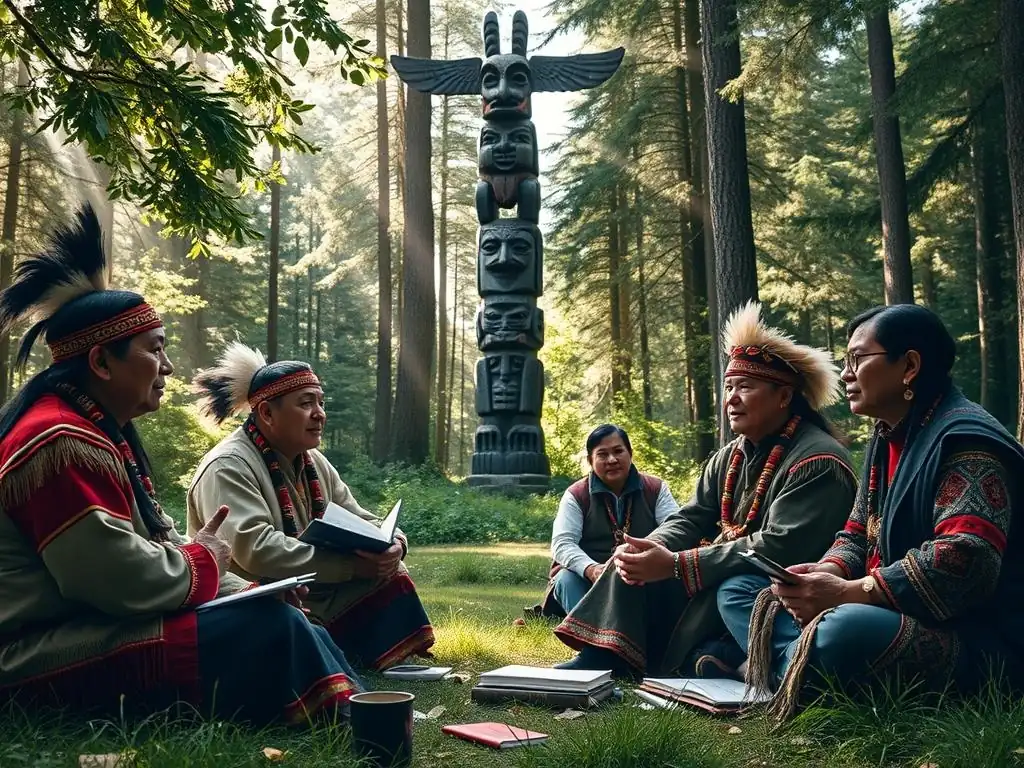
The future of indigenous governance in North America is a dynamic and evolving landscape, reflecting the resilience and adaptability of indigenous communities. As contemporary indigenous governance movements gain momentum, there is a renewed emphasis on restoring traditional governance structures and integrating them with modern political frameworks. This blend aims to create systems that not only honor ancestral practices but also address current socio-political challenges.
Indigenous governance is increasingly recognized as essential for self-determination and community well-being. Various movements are emerging across North America, showcasing innovative approaches to governance that prioritize cultural values, environmental stewardship, and social justice. These movements are not only about reclaiming traditional practices but also about redefining what governance means in the context of contemporary indigenous identities.
Emerging Trends in Indigenous Political Systems
The resurgence of indigenous governance is characterized by several key trends that reflect the changing political landscape:
- Decolonization of Governance:
- Many indigenous groups are actively working to decolonize their political systems. This involves dismantling colonial structures and practices that have historically oppressed indigenous peoples.
- An example is the Nisga'a Nation in British Columbia, which has successfully negotiated self-governance agreements that recognize traditional laws alongside Canadian law.
- Cultural Revitalization:
- There is a strong movement towards revitalizing traditional cultural practices within governance. This includes the integration of indigenous languages, customs, and values in decision-making processes.
- The Oglala Lakota have incorporated the teachings of their elders into community governance, ensuring that cultural wisdom informs contemporary issues.
- Youth Empowerment:
- Youth are increasingly taking on leadership roles within indigenous governance. Their involvement is crucial for ensuring that governance systems address the needs and aspirations of future generations.
- Initiatives like the Indigenous Youth Council in various communities serve as platforms for young leaders to voice their perspectives and influence policy.
- Collaborative Governance Models:
- Many indigenous nations are exploring collaborative models that engage non-indigenous stakeholders. This fosters partnerships that can lead to more equitable resource management and social programs.
- The Cree Nation has engaged in collaborative conservation efforts with provincial governments to protect their traditional lands while addressing ecological concerns.
- Environmental Stewardship:
- Indigenous governance movements emphasize sustainable practices that honor the land and its resources. This stewardship approach is increasingly recognized in legal frameworks.
- The Haudenosaunee Confederacy advocates for environmental rights based on their traditional belief that the health of the land directly impacts the health of the community.
Role of Youth and Future Generations in Governance Movements
The role of youth in contemporary indigenous governance movements is pivotal. As the next generation of leaders, they bring fresh perspectives and innovative ideas that can reshape governance structures. Their engagement is crucial for several reasons:
- Cultural Continuity: Youth are essential for preserving and revitalizing indigenous cultures. They often engage in practices that promote cultural knowledge transmission, ensuring that traditional governance principles are maintained.
- Advocacy and Activism: Young indigenous leaders are at the forefront of social justice movements, advocating for issues such as climate change, land rights, and social equity. Their activism raises awareness and mobilizes community action.
- Technological Integration: Many young people have embraced technology as a tool for advocacy and governance. They utilize social media platforms to organize, share information, and amplify indigenous voices on a global scale.
- Intergenerational Dialogue: Youth movements encourage dialogue between generations. By bridging the gap between elders and younger members, communities can create governance systems that are both rooted in tradition and responsive to contemporary challenges.
- Capacity Building: Programs aimed at leadership development for indigenous youth are vital. They equip young people with the skills needed to navigate political systems and advocate for their communities effectively.
The future of indigenous governance in North America is being shaped by the interplay of traditional practices and contemporary movements. The active participation of youth ensures that these governance systems are not only reflective of their rich heritage but also responsive to the needs of future generations. As contemporary indigenous governance movements evolve, they offer a promising path towards self-determination, cultural revitalization, and sustainable community development.
Conclusion: The Importance of Reviving Traditional Governance
Reviving traditional governance among North American Indigenous peoples is not just about reclaiming the past; it is a crucial step towards fostering cultural identity, autonomy, and resilience in contemporary society. As Indigenous communities navigate the complexities of modern governance structures, they draw from their rich heritage to implement systems that reflect their values, beliefs, and practices. This revival serves as a powerful reminder of the strength and wisdom embedded in Indigenous traditions, providing a framework for self-determination and community empowerment.
The impact of these movements extends beyond individual communities, influencing broader discussions about governance, sovereignty, and rights within the context of the United States and Canada. By reintegrating traditional practices into governance systems, Indigenous nations are not only preserving their cultural heritage but are also challenging dominant narratives that have historically marginalized their voices. This resurgence of traditional governance fosters a sense of pride and belonging among community members, reconnecting them with their history and cultural roots.
Lasting Impact of Contemporary Indigenous Governance Movements
The resurgence of traditional governance systems has had a profound and lasting impact on North American Indigenous communities. One of the most significant outcomes is the strengthening of tribal sovereignty, which allows Indigenous nations to exercise greater control over their affairs and resources. As these communities reclaim their governance structures, they assert their rights to self-determination, which is vital for addressing historical injustices and contemporary issues such as land rights, environmental protection, and cultural preservation.
Furthermore, contemporary Indigenous governance movements often emphasize collective decision-making processes that reflect the democratic values inherent in many Indigenous cultures. For instance, the use of consensus-based decision-making brings communities together, fostering unity and cooperation. This approach not only enhances community engagement but also ensures that diverse perspectives are considered, leading to more holistic and sustainable solutions.
| Key Impacts | Description |
|---|---|
| Strengthened Sovereignty | Reclaiming governance systems enhances control over resources and affairs. |
| Cultural Preservation | Reviving traditional practices fosters cultural identity and continuity. |
| Collective Decision-Making | Promotes unity and diverse perspectives in community governance. |
Call to Action for Continued Support and Recognition
As we witness the revitalization of traditional governance among Indigenous peoples, it is essential for allies, policymakers, and the wider society to actively support and recognize these movements. Here are some actionable steps that can be taken:
- Educate Yourself and Others: Understanding the history and significance of Indigenous governance is crucial. Share knowledge within your communities to foster awareness and appreciation for Indigenous cultures.
- Advocate for Policy Change: Support policies that recognize and respect Indigenous governance systems. This includes advocating for legal frameworks that empower Indigenous nations and protect their rights.
- Engage with Indigenous Voices: Listen to and amplify Indigenous leaders and communities. Their insights and experiences are invaluable in shaping a more equitable society.
- Participate in Collaborative Initiatives: Seek opportunities to collaborate with Indigenous communities on projects that align with their goals and values, ensuring that partnerships are respectful and mutually beneficial.
By taking these steps, we can contribute to the ongoing efforts of Indigenous peoples to revive their traditional governance systems, fostering a future that honors their rich heritage and promotes justice, equity, and sustainability for all.
Frequently Asked Questions
What are contemporary Indigenous governance movements?
Contemporary Indigenous governance movements are initiatives led by Indigenous communities to revive traditional governance systems and assert their rights over their lands and resources in the face of modern challenges.
How do traditional governance systems differ from modern governance?
Traditional governance systems are often based on communal decision-making and cultural practices, while modern governance typically follows hierarchical structures and legal frameworks imposed by colonial powers.
Why is the revival of traditional governance important for Indigenous communities?
Reviving traditional governance is crucial as it helps to strengthen cultural identity, promote self-determination, and address issues of land sovereignty and resource management.
What are some examples of successful contemporary governance movements?
Examples include the Navajo Nation's use of traditional decision-making processes and the resurgence of the Haudenosaunee Confederacy, which emphasizes collective leadership and sustainable practices.
How can individuals support these governance movements?
Individuals can support these movements by educating themselves about Indigenous rights, advocating for policy changes, and amplifying Indigenous voices in discussions on governance and land management.
Final Reflection: Embracing the Wisdom of the Past for a Sustainable Future
The exploration of contemporary Indigenous governance movements reveals a profound connection between traditional practices and modern societal challenges. In an era where many are searching for authentic leadership and sustainable solutions, Indigenous approaches rooted in community, respect for the land, and collective decision-making offer invaluable insights. These movements are not merely a revival of the past; they are a powerful response to contemporary issues, reminding us that the wisdom of our ancestors can guide us toward a more equitable and harmonious future.
The influence of these movements extends beyond Indigenous communities, shaping the broader cultural and social landscape. As we witness a growing recognition of Indigenous rights and governance, it becomes clear that these movements are not just about reclaiming heritage but also about redefining what leadership looks like in today's world. The words of Indigenous leader Winona LaDuke resonate deeply: We don't inherit the earth from our ancestors; we borrow it from our children.
This perspective underscores the urgency of integrating traditional governance principles into contemporary practices, fostering a sense of responsibility that transcends generations.
As we conclude this exploration, I invite you to reflect on how the lessons from Indigenous governance can inspire your own life and community. Consider how you can incorporate principles of respect, collaboration, and sustainability into your daily actions. Whether through supporting Indigenous-led initiatives or simply embracing a more holistic view of leadership, each of us has a role to play in honoring these movements. Let us carry forward the wisdom of the past as we navigate the complexities of the present and build a brighter future together.
Embrace Change: Join the Movement for Indigenous Governance
Thank you for immersing yourself in the vital discourse on traditional governance and contemporary movements among North American Indigenous peoples. Your interest plays a crucial role in acknowledging and supporting these transformative efforts.
As we move forward, here are some impactful steps you can take to contribute to this significant cause:
- Engage with Local Indigenous Communities: Attend events or workshops to learn directly from Indigenous leaders about their governance models and cultural practices.
- Share and Spread Awareness: Use your social media platforms to highlight articles, documentaries, or local initiatives that support Indigenous self-governance and the recovery of traditional practices.
- Educate Yourself Further: Explore resources on Indigenous laws and leadership styles by reading books or watching documentaries that delve into Indigenous governance.
How will you take your first step toward supporting the revival of Indigenous governance in your community?