
From Traditional Garments to Haute Couture: Indigenous Influence in Fashion

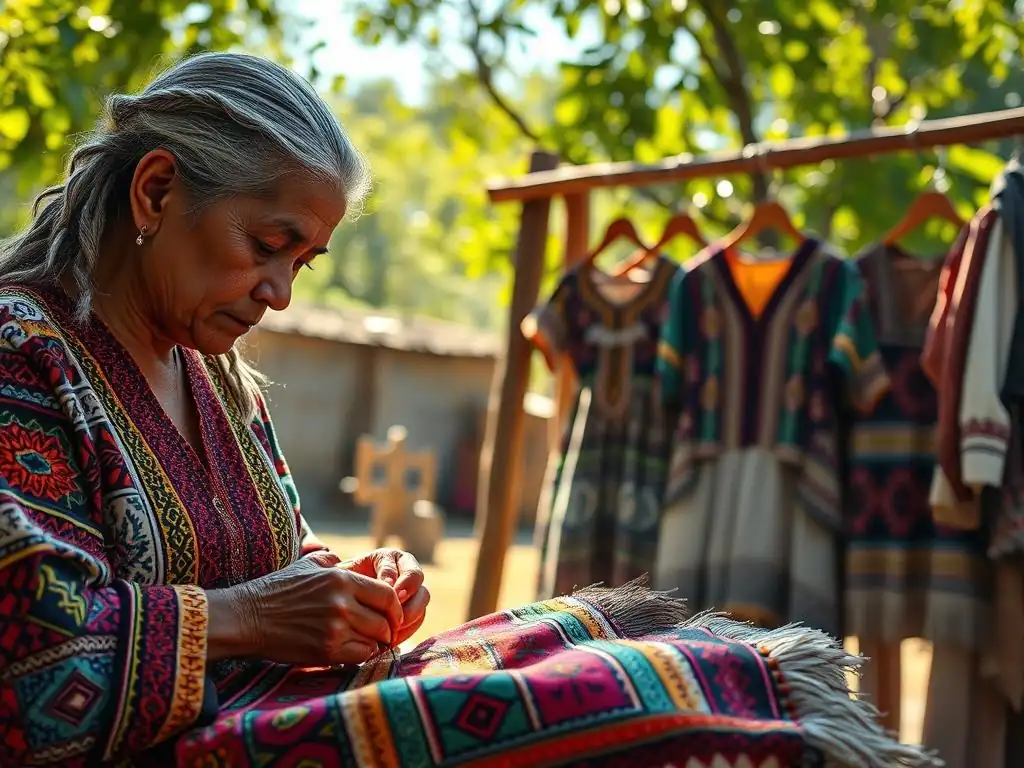
Welcome to Indigenous Civilizations of the Americas, where we invite you to embark on a journey through the rich tapestry of indigenous cultures that flourished long before European colonization. With a particular focus on the captivating theme of Indigenous fashion influence history, our latest article, "From Traditional Garments to Haute Couture: Indigenous Influence in Fashion," delves into the profound impact these vibrant societies have had on contemporary fashion. Prepare to uncover the intricate connections between traditional garments and modern style, sparking curiosity about how the past continues to shape our present. Let the exploration begin!
Introduction to Indigenous Fashion Influence History
The history of indigenous fashion is a rich tapestry woven from the diverse cultures that flourished across the Americas long before European colonization. This article aims to explore the profound influence that indigenous fashion has had, not only within their own communities but also in the broader context of contemporary fashion.
The term "Indigenous fashion influence history" encompasses the myriad ways traditional garments have shaped modern aesthetics, design principles, and cultural expressions. As we delve into this topic, it is essential to recognize the creative ingenuity and cultural significance embedded in indigenous textiles, patterns, and techniques, which continue to resonate in today’s haute couture.
Overview of Indigenous Fashion and Its Significance
Indigenous fashion serves as a powerful narrative of identity, tradition, and resilience. Each piece of clothing and accessory reflects the values, beliefs, and ecological knowledge of the communities that crafted them. The significance of indigenous fashion extends beyond mere aesthetics; it is a celebration of heritage, storytelling, and community, often incorporating symbols that hold deep meanings.
- Cultural Identity: Fashion is a medium through which indigenous peoples express their unique identities and histories.
- Sustainability: Many traditional garments are created using sustainable practices, showcasing a profound respect for nature and resources.
- Artisan Skills: The intricate techniques involved in creating indigenous garments highlight the artistry and craftsmanship passed down through generations.
The Role of Traditional Garments in Indigenous Cultures
Traditional garments play an integral role in the social and cultural fabric of indigenous communities. These garments are often worn during significant ceremonies, rituals, and gatherings, serving not just as clothing but as a representation of cultural pride and continuity.
- Ceremonial Attire: Clothing worn during rituals often features specific colors, designs, and materials that have cultural relevance.
- Social Status: In many cultures, the type and quality of garments can signify social status or clan affiliation.
- Intergenerational Connection: Traditional clothing often connects individuals to their ancestors, fostering a sense of belonging and continuity.
Historical Context of Indigenous Fashion Influence
Early Indigenous Clothing: Materials and Techniques
The early indigenous peoples of the Americas utilized the resources available in their environments to create clothing that was both functional and aesthetically pleasing. These materials varied by region but often included:
- Animal Hides: Used for warmth and durability, with techniques such as tanning to prepare the skins.
- Plant Fibers: Bark, cotton, and other plant materials were woven into fabrics, showcasing intricate patterns and designs.
- Beading and Embroidery: Decorative elements added personal and cultural significance, often telling stories through their designs.
The Evolution of Indigenous Fashion Pre-Colonization
Before European contact, indigenous fashion was diverse and regionally adapted. From the colorful woven textiles of the Andes to the intricate beadwork of the Great Plains, each region had its unique style.
- Adaptation to Environment: Clothing was designed to meet the practical needs of the environment, from the Arctic to arid deserts.
- Cultural Exchange: Trade among different tribes facilitated the exchange of materials and techniques, enriching the diversity of indigenous fashion.
The Impact of European Colonization on Indigenous Dress
European colonization brought significant changes to indigenous fashion, often eroding traditional practices and imposing new styles and materials.
- Introduction of New Materials: The arrival of cotton and wool from Europe influenced indigenous garment-making, leading to hybrid styles.
- Cultural Disruption: Colonization often led to the suppression of traditional dress, impacting cultural identity and expression.
- Resilience and Revival: Despite the challenges, many indigenous communities have reclaimed and revitalized their traditional garments, integrating them into contemporary fashion narratives.
This exploration of indigenous fashion influence history not only highlights the importance of traditional garments in cultural identity but also emphasizes the resilience and adaptability of indigenous peoples in the face of historical challenges.
Key Indigenous Cultures and Their Fashion Contributions
The indigenous cultures of the Americas have a rich tapestry of fashion history that reflects their social structures, beliefs, and environments. These cultures not only created functional garments but also imbued them with deep significance, using clothing as a means of expressing identity, status, and connection to the land. The influence of these traditional garments can still be seen in modern fashion, where elements of indigenous designs and techniques are celebrated and integrated into contemporary styles.
Native American Tribes and Their Unique Garments
Native American tribes, such as the Navajo, Sioux, and Hopi, have made significant contributions to fashion through their unique garments. Each tribe's clothing is distinct, often featuring intricate beadwork, vibrant colors, and symbolic motifs that reflect their beliefs and environment.
- Navajo: Known for their beautiful woven textiles, Navajo garments often include colorful shawls and blankets adorned with geometric patterns. The use of wool from their sheep is a hallmark of their craftsmanship.
- Sioux: The Sioux are recognized for their leather garments, which often include elaborate beadwork depicting animals and spiritual symbols. Their regalia, particularly during powwows, showcases their rich heritage through vibrant colors and intricate designs.
- Hopi: The Hopi tribe is famous for their intricate kachina dolls and traditional clothing that features symbolic designs. Their garments often incorporate natural dyes and reflect their deep spiritual connection to the land and nature.
These garments are not merely clothing; they are living narratives that convey the history, traditions, and identity of the tribes.
Andean Cultures: Textiles and Weaving Traditions
The Andean cultures, particularly the Quechua and Aymara peoples, are renowned for their advanced textile techniques and vibrant colors. The harsh mountainous environment has influenced their clothing styles, which are designed for warmth and durability.
- Weaving Techniques: Andean textiles are characterized by their intricate weaving patterns, often passed down through generations. The use of backstrap looms allows for meticulous designs, with each pattern telling a story or representing cultural beliefs.
- Natural Dyes: Traditional Andean textiles often utilize natural dyes derived from plants, minerals, and insects, resulting in a stunning array of colors that are both vibrant and organic.
- Cultural Significance: Clothing among Andean cultures also serves as a marker of identity, with different patterns and colors indicating regional affiliations or social status. The use of traditional garments during festivals and ceremonies highlights their importance in cultural expression.
Mesoamerican Fashion: Symbolism and Significance
Mesoamerican cultures, including the Aztec and Maya, have a rich history of fashion that is deeply intertwined with their social and religious practices.
- Aztec Clothing: The Aztecs wore garments made from cotton and maguey fibers, often adorned with elaborate featherwork and jewelry, which signified social status. The use of capes and headdresses was common, especially among nobility.
- Maya Textiles: The Maya were skilled weavers, renowned for their colorful textiles that often featured complex patterns and symbols. Clothing was not only functional but also served as a way to communicate status and identity within the community.
- Symbolic Meanings: In both cultures, clothing often carried symbolic meanings, with specific colors and patterns associated with various deities, ceremonies, and agricultural cycles. This integration of fashion and spirituality highlights the profound connection between clothing and cultural identity in Mesoamerica.
Indigenous Elements in Modern Haute Couture
The influence of indigenous fashion is evident in modern haute couture, where designers are increasingly drawing inspiration from traditional garments, patterns, and materials. This trend not only celebrates indigenous cultures but also raises awareness of their historical significance and ongoing contributions to the fashion industry.
How Indigenous Patterns and Textiles are Integrated into Fashion
Indigenous patterns and textiles are being integrated into modern fashion through various means, such as:
- Collaborations: Many contemporary designers collaborate with indigenous artisans to incorporate traditional techniques and patterns into their collections, ensuring authenticity and cultural respect.
- Textile Innovation: The use of indigenous textiles in haute couture often involves innovative approaches, combining traditional materials with modern silhouettes to create unique pieces that pay homage to heritage while appealing to contemporary tastes.
- Ecological Consciousness: A growing emphasis on sustainable fashion has led to greater appreciation for indigenous methods of textile production, which often prioritize ecological balance and community engagement.
This integration not only enriches the fashion landscape but also fosters a deeper understanding of the cultural narratives behind these designs.
Case Studies of Designers Drawing from Indigenous Heritage
Several designers have made significant strides in incorporating indigenous heritage into their collections, exemplifying how traditional aesthetics can be adapted for the fashion industry:
- Gabriela Hearst: An Uruguayan designer whose collections often feature sustainable practices and indigenous materials. Hearst has collaborated with indigenous artisans to create pieces that celebrate their craftsmanship while promoting ethical fashion.
- Diane von Furstenberg: In her collections, von Furstenberg has included elements inspired by indigenous designs, showcasing patterns and colors that reflect Native American artistry, thus bridging the gap between tradition and modernity.
- Omar Victor Diop: This Senegalese photographer and designer draws inspiration from African textiles and indigenous patterns, creating striking visuals that highlight the beauty and complexity of indigenous cultures in a contemporary context.
These designers demonstrate how indigenous heritage can be a source of inspiration, innovation, and dialogue within the fashion industry.
The Role of Indigenous Fashion in Contemporary Collections
Indigenous fashion plays a crucial role in contemporary collections, serving as a means of cultural expression and advocacy.
- Cultural Representation: By incorporating indigenous elements, designers can promote cultural awareness and appreciation, helping to counter stereotypes and misconceptions about indigenous peoples.
- Empowerment: Collaborations with indigenous artists and designers empower communities, providing opportunities for economic growth and cultural revitalization while ensuring that traditional knowledge is preserved and respected.
- Fashion as a Medium for Storytelling: Contemporary collections often use fashion as a medium to tell stories about indigenous cultures, weaving narratives that connect the past with the present, and fostering a greater understanding of their significance in today's world.
The influence of indigenous fashion is not only historical but continues to evolve in modern haute couture, highlighting the importance of respecting and celebrating these rich cultural traditions.
Challenges and Controversies in Indigenous Fashion Influence
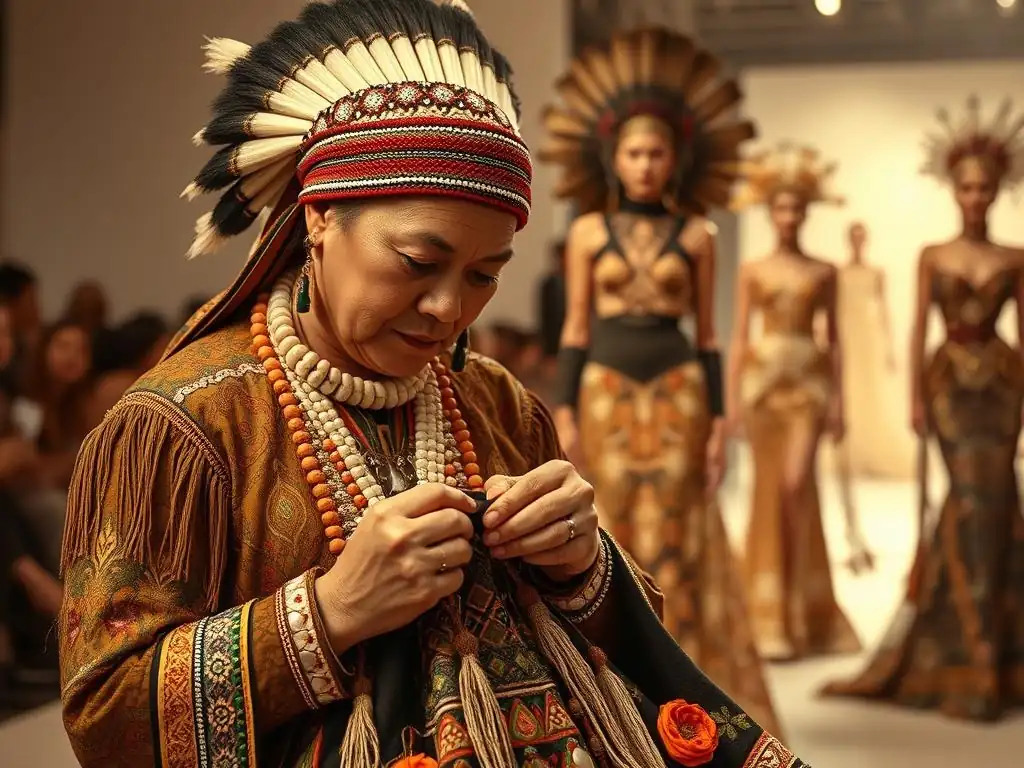
The influence of Indigenous cultures on fashion is substantial, yet it is accompanied by a number of challenges and controversies that continue to shape the discourse around this topic. One significant issue is the commodification of Indigenous designs and symbols. As Indigenous patterns and motifs gain popularity within mainstream fashion, there is a growing concern that these elements are being used without proper understanding or respect for their cultural significance. This raises questions about ownership and the ethical implications of using Indigenous aesthetics for profit.
Another challenge is the issue of cultural appropriation, where non-Indigenous designers may adopt Indigenous styles without acknowledging their origins or the communities from which they come. This can lead to a sense of erasure for Indigenous peoples, whose cultural expressions are often misrepresented or trivialized. The debate between appropriation and appreciation is complex and often contentious, highlighting the need for informed dialogue within the fashion community.
Cultural Appropriation vs. Appreciation in Fashion
Cultural appropriation in fashion occurs when elements of one culture are taken and showcased by another culture without permission or a proper understanding of their significance. In the context of Indigenous fashion, this often manifests through the adoption of traditional garments, patterns, and symbols by mainstream designers, who may strip these elements of their cultural meaning and heritage. Critics argue that this not only disrespects the original culture but also perpetuates harmful stereotypes.
Conversely, cultural appreciation implies a respectful engagement with another culture, often involving collaboration and acknowledgment of the original creators. This distinction is crucial in the fashion industry, where the line between appropriation and appreciation can be blurred. Ethical practices in fashion demand that designers engage with Indigenous communities, ensuring that their contributions are recognized and that they benefit directly from the use of their cultural elements.
The Importance of Representation in the Fashion Industry
Representation in the fashion industry is vital for fostering an inclusive environment that honors diverse cultures. Indigenous designers and models play a crucial role in this representation, as they bring authentic perspectives that challenge prevailing narratives in fashion. When Indigenous voices are included in fashion spaces, it not only validates their experiences but also enriches the industry with unique insights and creativity.
Moreover, representation can influence consumer perceptions and behaviors, encouraging a deeper appreciation for Indigenous cultures. By showcasing Indigenous fashion in its true form, the industry can help dismantle stereotypes and promote a more accurate understanding of these rich cultural backgrounds. Ultimately, greater representation can lead to a more equitable fashion landscape, where Indigenous contributions are celebrated rather than appropriated.
Balancing Tradition and Modernity in Indigenous Designs
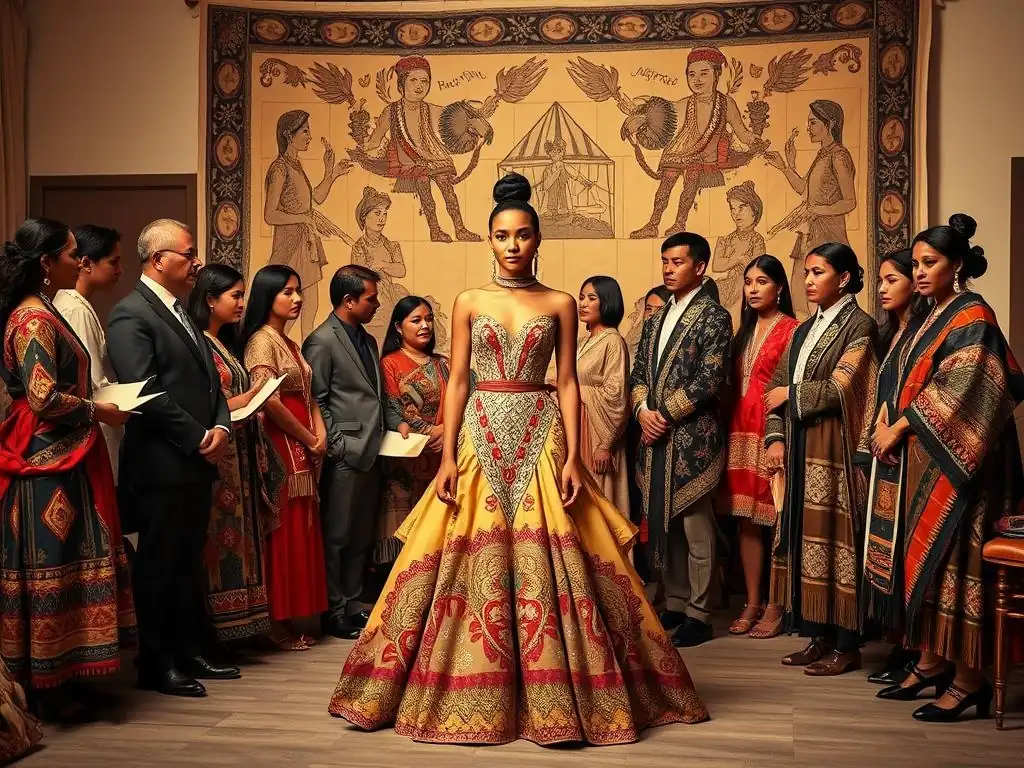
The challenge of balancing tradition and modernity is a significant aspect of Indigenous fashion influence. Many contemporary Indigenous designers strive to innovate while remaining rooted in their cultural heritage. This fusion often results in unique designs that resonate with both Indigenous communities and the broader fashion market.
Designers such as Bethany Yellowtail and Virgil Abloh have successfully incorporated traditional motifs into modern silhouettes, creating a dialogue between the past and present. This balance allows for the preservation of cultural identity while appealing to contemporary audiences. However, it also raises questions about authenticity and the potential dilution of traditional practices. Striking this balance is essential for ensuring that Indigenous fashion remains relevant and respected in a rapidly evolving industry.
The Future of Indigenous Fashion Influence
The future of Indigenous fashion influence appears promising, as awareness of the importance of ethical practices and cultural respect continues to grow. There is a burgeoning movement to support Indigenous designers and promote their work on global platforms. This not only empowers Indigenous creators but also raises awareness of their cultural narratives and artistic expressions.
Furthermore, the increasing consumer demand for sustainable and ethically made fashion aligns well with Indigenous practices, which often emphasize harmony with nature and community. As the fashion industry shifts towards sustainability, Indigenous methodologies can provide valuable insights into creating more conscientious and responsible fashion practices.
Reviving Traditional Techniques in Contemporary Fashion
Reviving traditional techniques is an essential aspect of Indigenous fashion's evolution. Many contemporary Indigenous designers are committed to preserving ancestral skills such as weaving, beadwork, and dyeing, integrating these techniques into modern fashion. This revival not only honors their heritage but also educates consumers about the craftsmanship and cultural significance behind each piece.
For example, the use of traditional weaving techniques in contemporary apparel not only showcases the artistry involved but also creates a connection between the past and present. This approach enables designers to tell a story through their work, fostering a deeper appreciation for Indigenous cultures while providing economic opportunities for artisans.
The Role of Indigenous Designers in Shaping Fashion Trends
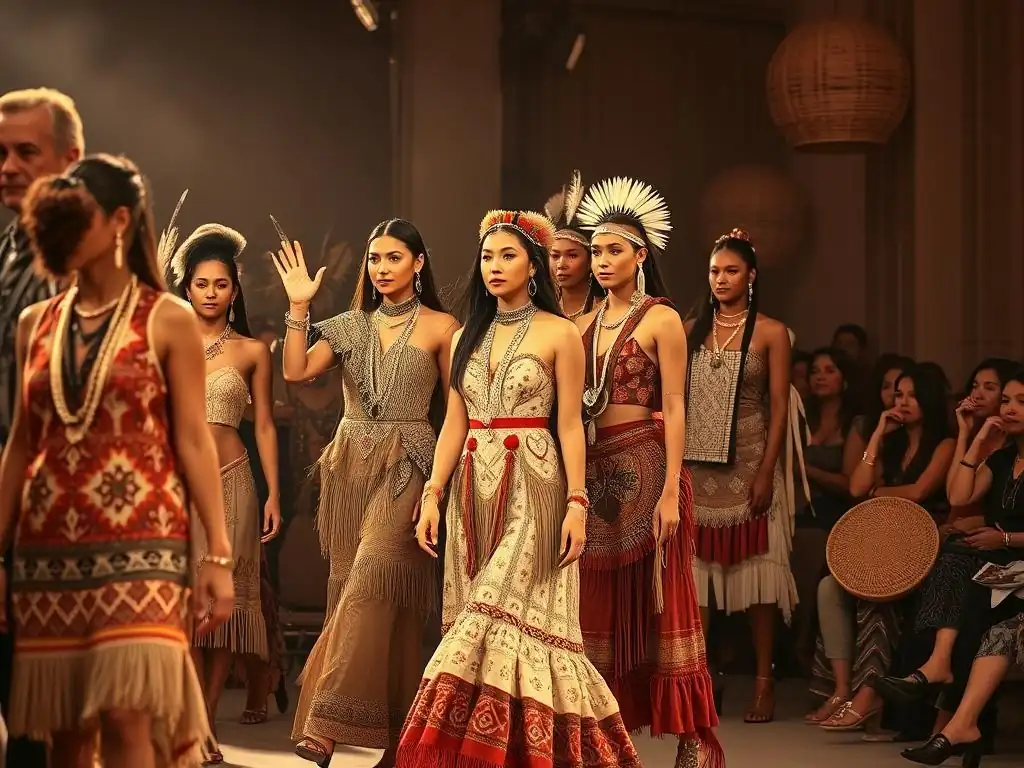
Indigenous designers are increasingly recognized as pivotal figures in shaping fashion trends, bringing fresh perspectives and unique aesthetics to the industry. By infusing their cultural narratives into their designs, these creators challenge conventional fashion norms and introduce innovative styles that resonate with a wide audience.
Designers like Lynda McGhee and Jaime Black have gained prominence for their ability to blend traditional elements with contemporary design, influencing other designers and consumers alike. Their work not only elevates Indigenous fashion but also contributes to a broader understanding of cultural diversity within the fashion landscape.
Promoting Sustainability and Ethical Practices in Fashion
Sustainability and ethical practices are at the forefront of discussions surrounding Indigenous fashion influence. Indigenous communities have long been stewards of the land, and their traditional practices often reflect a deep respect for nature and sustainability. By incorporating these values into modern fashion, Indigenous designers are promoting a more ethical approach to the industry.
Many Indigenous brands prioritize environmental sustainability by using natural materials, engaging in fair trade practices, and supporting local artisans. This commitment to ethical fashion resonates with consumers who are increasingly aware of the environmental impact of their purchases. By spotlighting sustainable practices, Indigenous fashion can lead the way in redefining industry standards and inspiring other designers to adopt more responsible methods.
Conclusion: Celebrating Indigenous Fashion Influence History
The rich tapestry of indigenous fashion influence history showcases the profound impact that indigenous cultures have had on the global fashion landscape. From the intricate beadwork of Native American tribes to the vibrant textiles of Andean communities, these traditional garments and techniques have transcended time, offering a unique perspective on identity, heritage, and artistry. The revitalization of indigenous fashion not only honors the past but also serves as a bridge to contemporary design, where traditional elements are reinterpreted and celebrated in haute couture.
As we reflect on this journey, it becomes evident that indigenous fashion is not merely a trend; it represents a dialogue between history and modernity. By acknowledging and appreciating the roots of these influences, we foster a deeper understanding of the cultural narratives that shape our world. This celebration of indigenous fashion encourages a continuous exploration of how these traditions can inform and inspire future generations of designers and consumers alike.
The Lasting Impact of Indigenous Cultures on Global Fashion
Indigenous cultures have left an indelible mark on global fashion, influencing styles, techniques, and materials used by designers around the world. The incorporation of indigenous motifs, patterns, and craftsmanship into mainstream fashion has not only enriched aesthetic diversity but has also prompted discussions on cultural appropriation and the importance of respectful representation.
- Textiles and Techniques: Traditional weaving, dyeing, and embroidery techniques have inspired countless fashion collections. For example, the intricate patterns of Navajo textiles and the vibrant colors of Peruvian alpaca wool continue to be adapted by contemporary designers seeking to pay homage to their origins.
- Sustainable Practices: Many indigenous communities have long practiced sustainable methods of production, emphasizing a harmonious relationship with nature. This approach resonates with today’s eco-conscious consumers and has led to a resurgence in interest in sustainable fashion practices.
- Cultural Storytelling: Indigenous garments often serve as a form of storytelling, conveying messages about identity, community, and spirituality. Designers who embrace these narratives contribute to a richer understanding of cultural heritage while creating collections that resonate on a deeper level with consumers.
By acknowledging the lasting impact of indigenous cultures on global fashion, we not only celebrate their contributions but also advocate for a future where diverse voices are heard and respected within the fashion industry.
Call to Action: Supporting Indigenous Fashion Initiatives
As we recognize the significance of indigenous fashion influence history, it is crucial to take actionable steps to support indigenous designers and initiatives. Here are some ways to engage and contribute:
- Shop Ethically: Seek out brands and designers who prioritize indigenous craftsmanship and collaborate with indigenous communities. Purchasing directly from these sources helps ensure that the profits benefit the artisans and their communities.
- Educate and Advocate: Share knowledge about indigenous fashion and its importance in cultural heritage. Advocate for ethical practices within the fashion industry and encourage others to respect and honor indigenous contributions.
- Participate in Events: Attend fashion shows, exhibitions, and cultural events that celebrate indigenous fashion. These gatherings often provide platforms for indigenous designers to showcase their work and share their stories.
- Support Indigenous Organizations: Contribute to organizations that promote indigenous arts and culture. Financial support can help sustain programs that empower indigenous creators and preserve their traditions.
By taking these steps, we can collectively honor and amplify the voices of indigenous fashion, ensuring that their influence continues to thrive and evolve in the contemporary landscape.
- Introduction to Indigenous Fashion Influence History
- Historical Context of Indigenous Fashion Influence
- Key Indigenous Cultures and Their Fashion Contributions
- Indigenous Elements in Modern Haute Couture
- Challenges and Controversies in Indigenous Fashion Influence
- Cultural Appropriation vs. Appreciation in Fashion
- The Importance of Representation in the Fashion Industry
- Balancing Tradition and Modernity in Indigenous Designs
- The Future of Indigenous Fashion Influence
- Reviving Traditional Techniques in Contemporary Fashion
- The Role of Indigenous Designers in Shaping Fashion Trends
- Promoting Sustainability and Ethical Practices in Fashion
- Conclusion: Celebrating Indigenous Fashion Influence History
- What is the main focus of the article "From Traditional Garments to Haute Couture: Indigenous Influence in Fashion"?
- How did indigenous fashion influence contemporary designers?
- What are some examples of indigenous fashion elements in modern clothing?
- Why is it important to acknowledge indigenous influence in fashion history?
- How can individuals support indigenous fashion today?
Frequently Asked Questions
What is the main focus of the article "From Traditional Garments to Haute Couture: Indigenous Influence in Fashion"?
The article explores the impact of indigenous cultures on fashion, tracing the evolution from traditional garments to modern haute couture, showcasing their lasting influence on contemporary styles.
How did indigenous fashion influence contemporary designers?
Indigenous fashion has inspired many designers by incorporating traditional patterns, textiles, and techniques, leading to a fusion of cultures that enriches the fashion landscape and promotes cultural appreciation.
What are some examples of indigenous fashion elements in modern clothing?
Elements such as beading, weaving techniques, and vibrant colors from indigenous garments have been integrated into modern fashion collections, highlighting the significance of cultural heritage in contemporary design.
Why is it important to acknowledge indigenous influence in fashion history?
Acknowledging indigenous influence is crucial for recognizing the cultural contributions these communities have made to fashion, promoting respect and understanding of their traditions and histories.
How can individuals support indigenous fashion today?
Individuals can support indigenous fashion by purchasing from indigenous designers, attending cultural events, and advocating for the representation of indigenous voices in the fashion industry.
Final Reflection: Embracing the Legacy of Indigenous Fashion Influence
The journey from traditional garments to haute couture illustrates the profound and enduring impact of Indigenous fashion on contemporary design. As we navigate a world that increasingly values diversity and authenticity, it becomes clear that the threads of Indigenous culture are woven into the very fabric of modern fashion. This connection not only enriches our understanding of style but also challenges us to appreciate the stories and histories behind each garment.
The influence of Indigenous fashion is not merely a trend; it is a testament to resilience, creativity, and cultural pride. As designers draw inspiration from Indigenous motifs, techniques, and narratives, they contribute to a broader conversation about representation and respect in the fashion industry. The words of renowned Indigenous designer Bethany Yellowtail resonate here: Fashion is a way to tell our stories and share our culture with the world.
This ongoing dialogue invites us to reflect on how we engage with fashion and the importance of honoring the traditions that shape it.
As we look to the future, let us embrace the lessons of Indigenous fashion influence in our own lives. Consider how you can incorporate these rich narratives into your wardrobe and support designers who honor their heritage. By doing so, you not only celebrate the artistry of Indigenous cultures but also become a part of a movement that values authenticity and inclusivity. Take a moment to reflect on your own fashion choices and the stories they tell—together, we can weave a more respectful and vibrant tapestry in the world of fashion.
Unveil the Stories Behind Indigenous Fashion!
Thank you for exploring the fascinating journey from traditional garments to haute couture! We hope you found inspiration in the rich cultural tapestry woven through fashion. Now, let’s take that inspiration and turn it into action. Here are some ways you can deepen your connection with this vibrant topic:
- Discover local artisans and designers who are influenced by indigenous traditions. Support their work by purchasing their creations or sharing their inspiring stories.
- Attend workshops or events dedicated to indigenous fashion to engage with the community and learn more about the heritage behind these remarkable garments.
- Share your thoughts and newfound knowledge on social media or within your circles to spark meaningful conversations about the significant contributions of indigenous cultures to the fashion world.
What unique perspective will you bring to the conversation about the impact of indigenous influences on modern fashion?